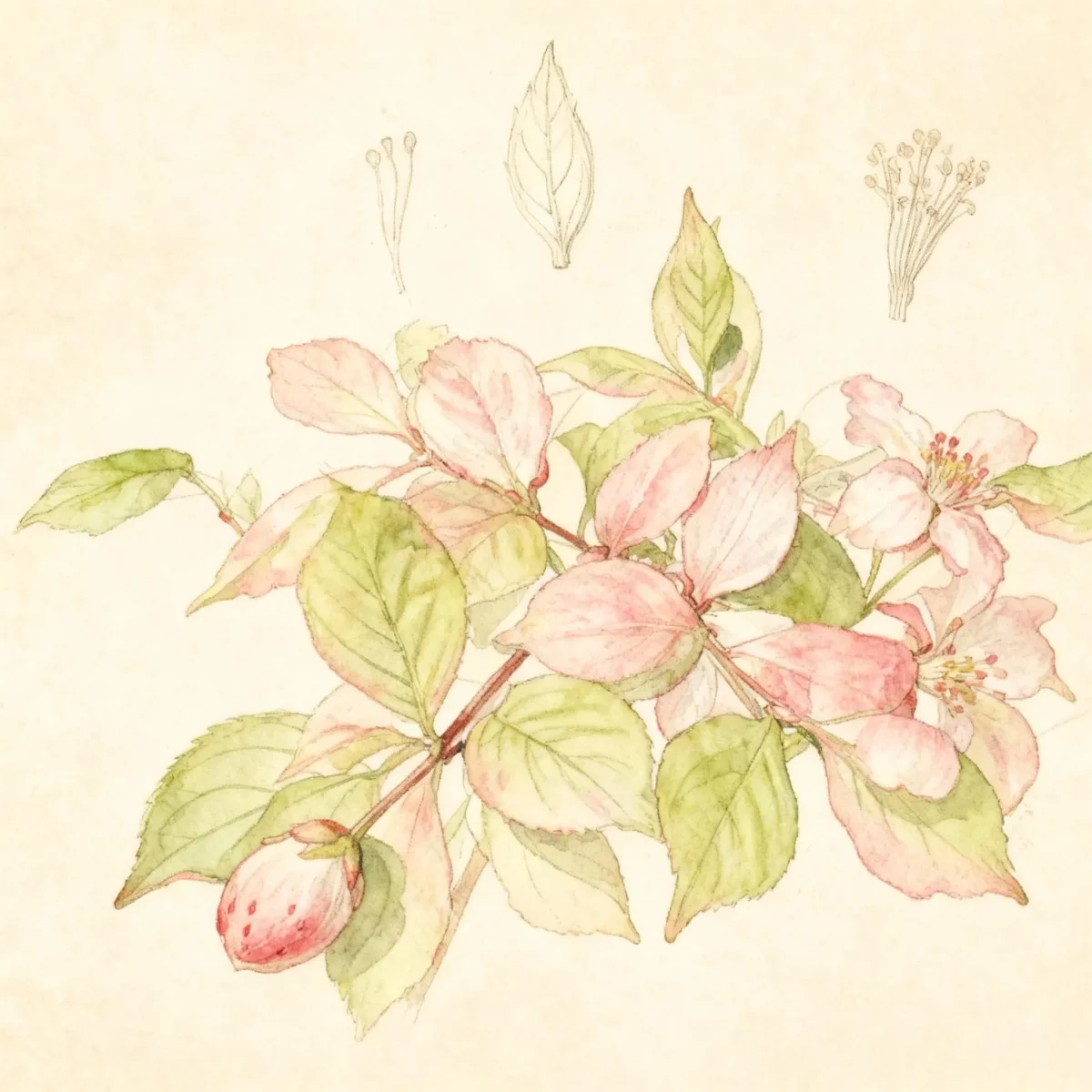
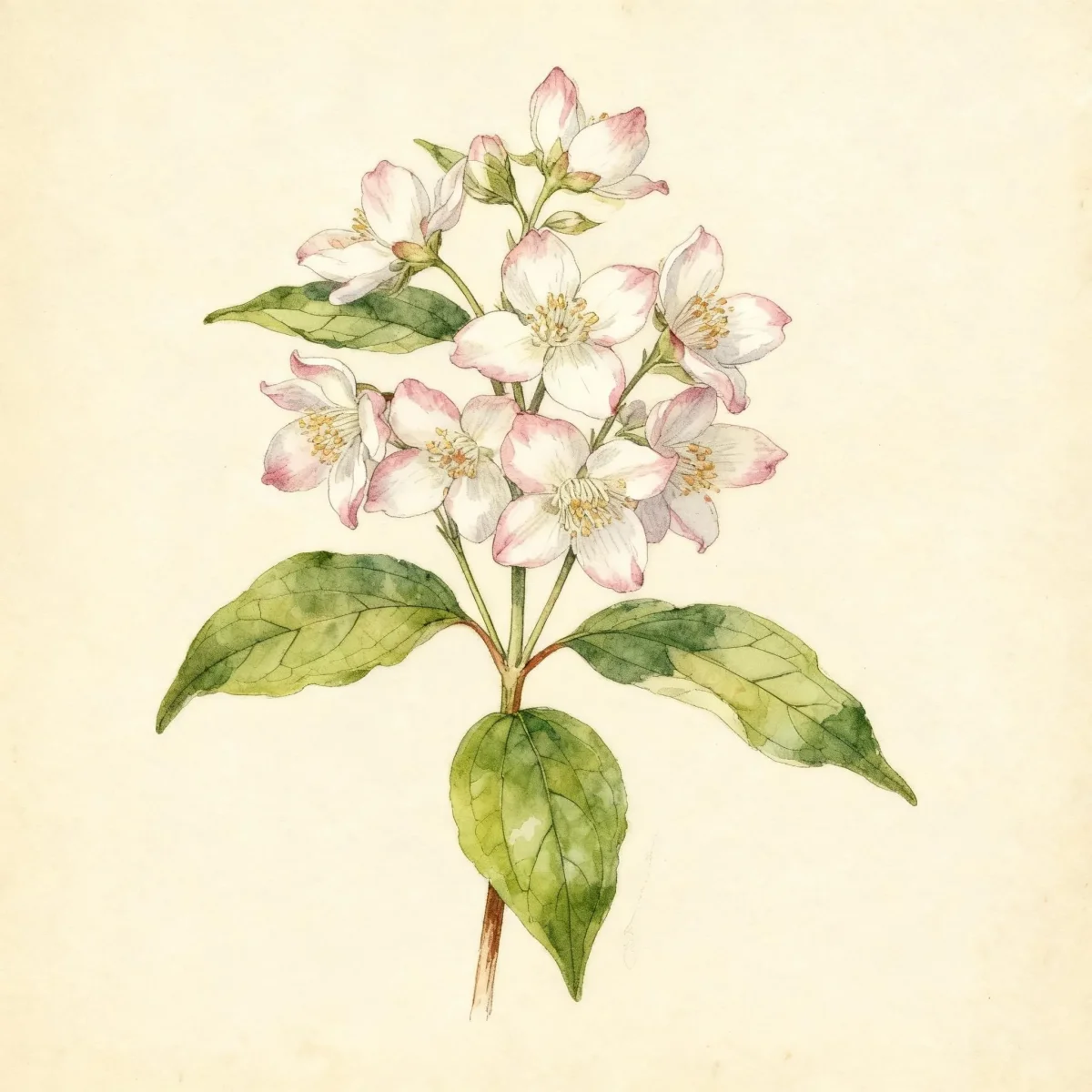
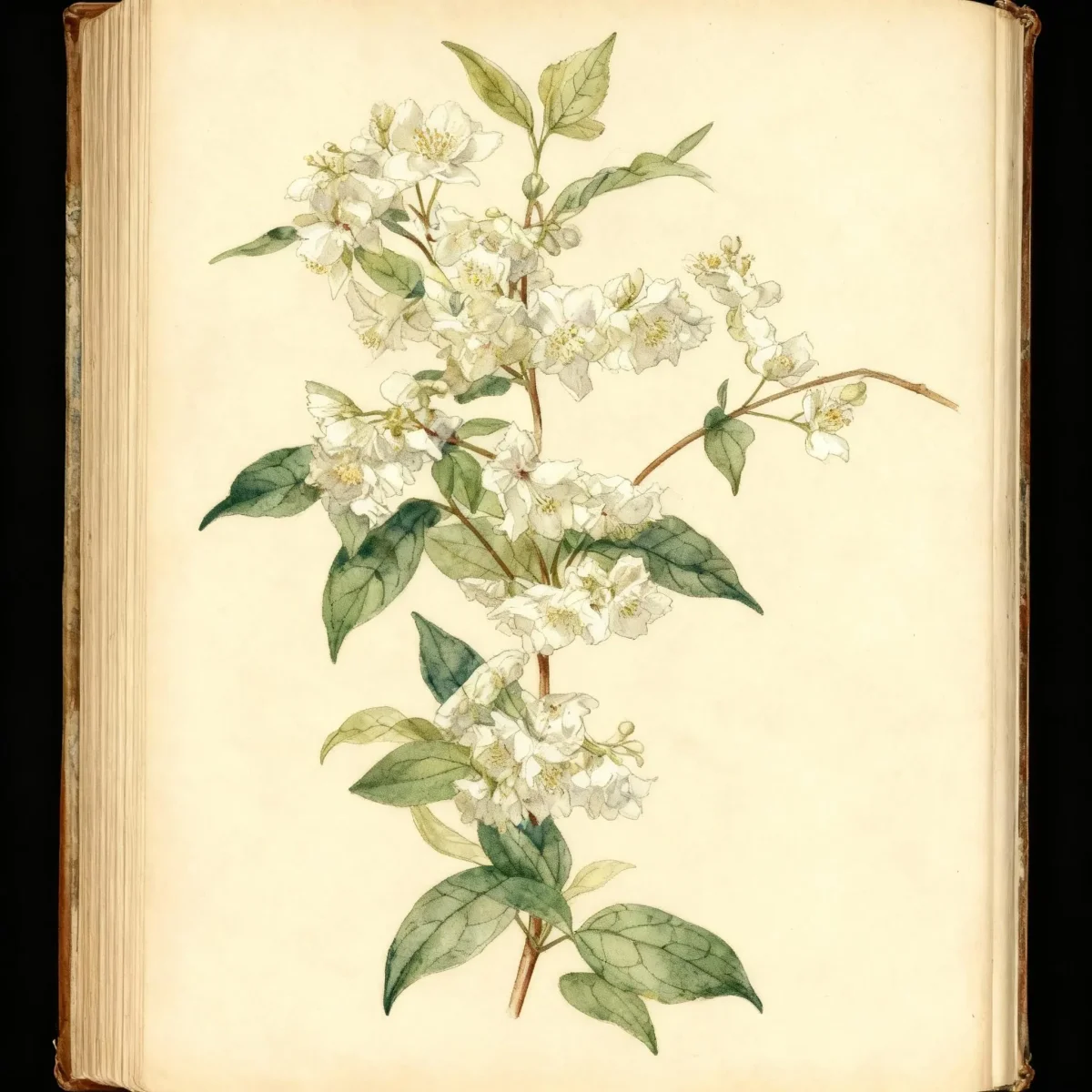
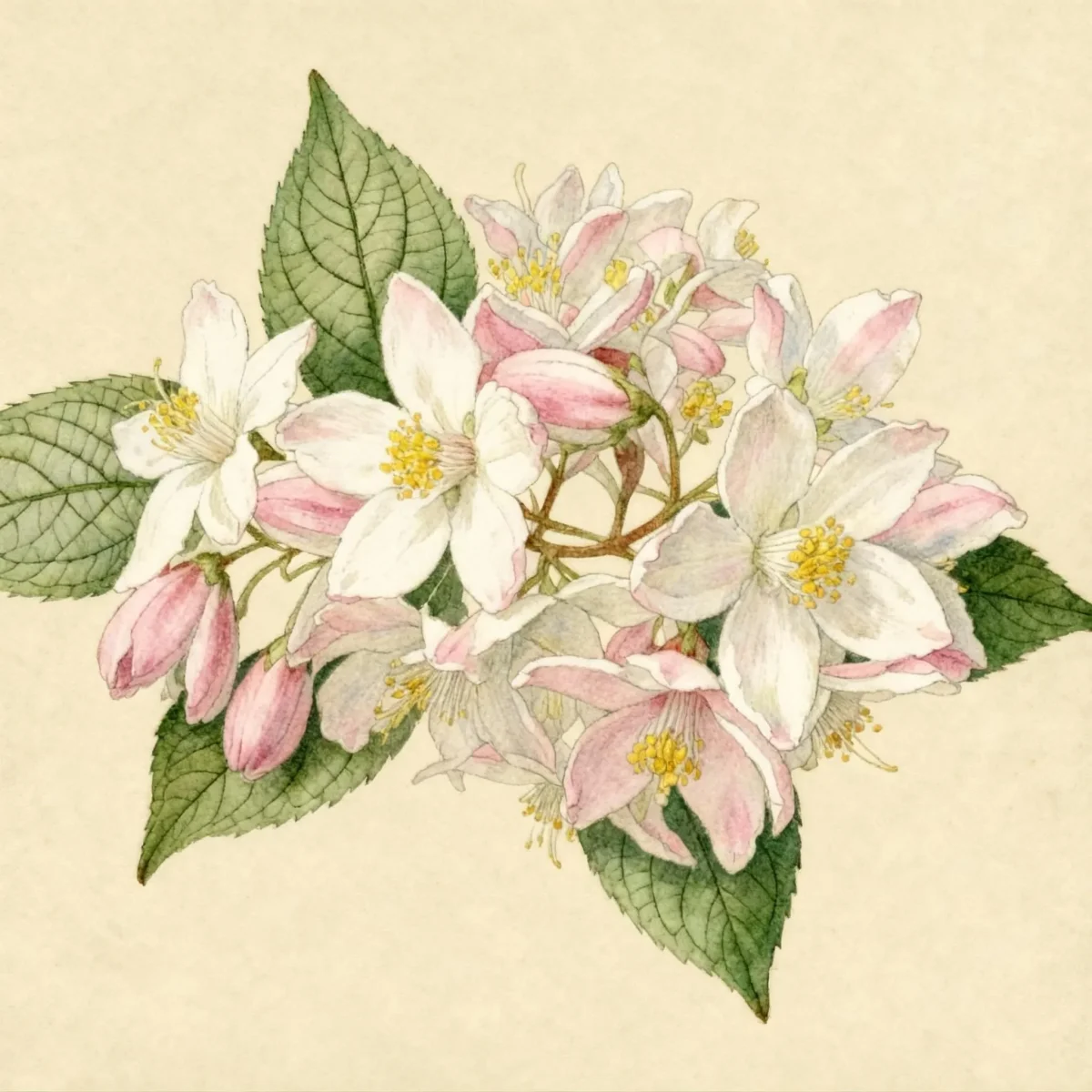
Deutzia (Deutzia × hybrida 'Perle Rose')
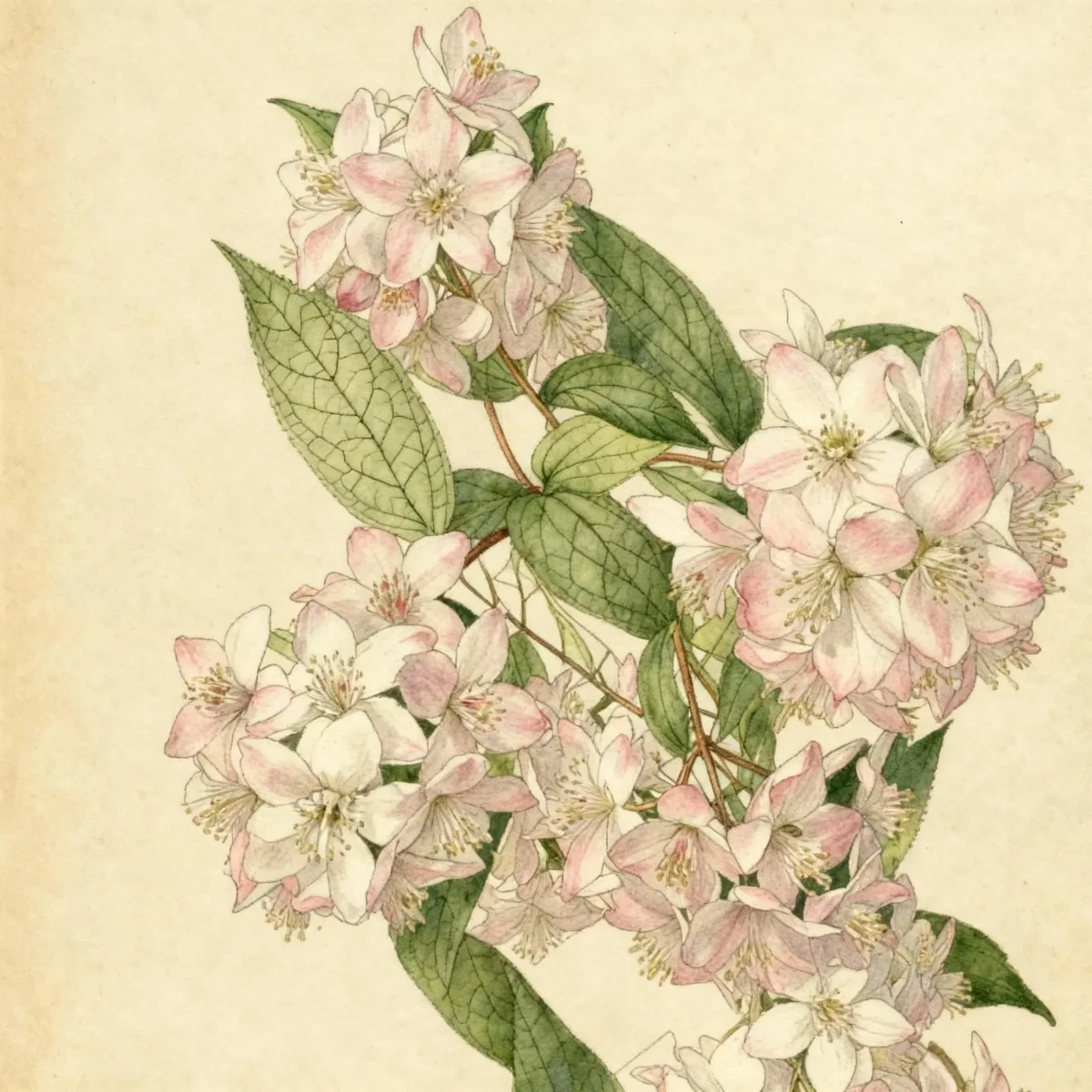
Deutzia × hybrida 'Perle Rose' is a low-maintenance, deciduous shrub offering soft pink blooms in early summer across zones 6-9.
Scroll down to discover growing tips, care requirements, companion plants, and more
Complete Plant Information
Overview
The Deutzia × hybrida ‘Perle Rose’ is a highly rewarding deciduous shrub cherished for its abundant, showy display of soft pink flowers in early summer. As a hybrid Deutzia, this cultivar combines vigor with reliable performance, making it an excellent, easy-to-grow specimen for revitalizing spring landscapes. It forms a dense, upright-rounded habit, perfect for providing structure in mixed borders or serving as an informal hedge.
This particular Deutzia variety matures to a manageable 3 to 4 feet tall and wide, offering consistent ornamental value without requiring excessive attention. While beautiful when flowering, gardeners should note that the plant benefits significantly from routine pruning when not in bloom to maintain its structure, as older Deutzia stems can become short-lived. Its attractive dark green foliage complements the spring bloom beautifully.
For gardeners seeking low-maintenance shrubs that offer reliable flowering performance in USDA zones 6 through 9, Deutzia × hybrida ‘Perle Rose’ presents a fantastic choice. Providing medium water needs and tolerating a wide range of soil conditions, this plant integrates seamlessly into foundation plantings or woodland edges where cheerful, soft pink accents are desired.
Fast Facts
- Plant Family: Hydrangeaceae
- Plant Type: Deciduous shrub
- Hardiness Zones: USDA Zones 6-9
- Size at Maturity:
- Height: 3-4 ft
- Spread: 3-4 ft
- Bloom Time: June
- Bloom Description: Soft pink
- Sun Exposure: Full sun to part shade
- Water Needs: Medium
- Maintenance Level: Low
How to Grow
Planting Deutzia × hybrida ‘Perle Rose’ is ideally done in spring or fall when conditions are cool. While it tolerates a wide variety of soils, this Deutzia thrives best when situated in average, well-drained soil with medium moisture. For the most abundant soft pink blooms, ensure the location receives full sun, though the shrub will tolerate light shade.
Routine care for this shrub is minimal, qualifying it as a low-maintenance option. Water thoroughly when establishing and during extended dry periods, as it prefers consistently moist, rich soil. Fertilization is rarely necessary unless the soil is extremely poor. The most crucial cultural requirement involves pruning.
Pruning should be executed immediately after the flowering period concludes in late spring to early summer. This timing is essential as Deutzia blooms on old wood. Removing dead or crossing branches annually helps maintain the shrub’s upright-rounded shape and encourages flowering on new wood the following season. Established shrubs can exhibit some drought tolerance, but consistent moisture yields the best results.
Landscape Uses
Deutzia × hybrida ‘Perle Rose’ excels in various landscape roles due to its neat size and attractive floral display, making it highly versatile. It is excellently suited for grouping in shrub borders, where its spring bloom provides a critical burst of early color before many summer perennials awaken. Its compact habit also makes it suitable for use near foundations, softening architectural lines effectively.
When used as an informal hedge, the Deutzia provides excellent texture and a modest screen. It blends well with later-blooming shrubs like hydrangeas or contrasting evergreens that can provide winter interest. For a more cohesive woodland garden look, plant the Deutzia along the edges where it can receive good light while benefiting from the humus-rich soil typical of those areas.
Standout Features
Flower Qualities
- Showy
Noteworthy Characteristics
Deutzia × hybrida is a name that applies to a number of different shrubs which are hybrids between D. Longifolia and D. Discolor. These hybrids are typically bushy, multi-stemmed, upright-rounded, rapid-growing, deciduous shrubs that mature to 4-6’ tall and as wide. Showy flowers are produced in late spring to early summer (May-June). When not in flower, deutzias are often described as having a rather unkempt appearance, particularly if not regularly pruned. ‘Perle Rose’ is a bushy, multi-stemmed, upright-rounded, deciduous shrub that typically matures to 3-4’ tall and as wide. This hybrid deutzia results from a cross between D. Discolor and D. Longifolia made by Lemoine of Nancy, France in about 1935. Tiny, 5-petaled, soft pink flowers bloom in late spring (June) on long-stalked corymbose panicles along the branches.
Tolerances
No specific tolerance data was provided in the input data for this field.
Potential Problems
Deutzia × hybrida ‘Perle Rose’ generally remains free of serious insect or disease issues, contributing to its low-maintenance appeal. However, gardeners should remain vigilant for occasional appearances of aphids or common leaf spot fungi. Management usually involves ensuring good air circulation through proper pruning techniques and treating active infestations with insecticidal soap if necessary.
Aphids sometimes cluster on new growth; inspect the undersides of leaves regularly, especially in late spring. Good garden sanitation practices, such as promptly removing fallen leaves, will minimize the lifecycle of fungal pathogens like leaf spots. Overall, preventative care is highly effective in keeping this Deutzia healthy.
Frequently Asked Questions
What hardiness zones is Deutzia × hybrida ‘Perle Rose’ suitable for?
This lovely shrub is hardy across a wide range, thriving in USDA Zones 6 through 9.
How large does Deutzia × hybrida ‘Perle Rose’ grow?
When mature, you can expect this Deutzia hybrid to reach a height and spread between 3 and 4 feet, maintaining a compact, rounded shape.
What sun exposure does Deutzia × hybrida ‘Perle Rose’ need?
For optimal performance and the best display of soft pink flowers, aim to plant Deutzia in full sun; however, it will tolerate partial shade conditions.
When does Deutzia × hybrida ‘Perle Rose’ bloom?
This deciduous shrub is known for its reliable bloom time in June, featuring tiny, attractive soft pink flowers.
Conclusion
The Deutzia × hybrida ‘Perle Rose’ offers low effort and high reward, delivering beautiful soft pink spring flowers and structural foliage with minimal fuss. Its adaptability across multiple soil types and its modest size make it a staple for various landscape designs. Before mass planting, ensure your location falls within USDA zones 6 to 9 and plan your pruning schedule for immediately after blooming to maximize its long-term health.
Companion Planting
When planning beds around Deutzia × hybrida ‘Perle Rose’, look for plants that share similar sun and moisture requirements. Consider pairing it with plants that offer contrasting foliage texture or later summer blooms, such as Hostas or Astilbes, which thrive in the dappled shade this shrub can tolerate. Early spring bulbs like Daffodils look excellent poking through the emerging foliage before the Deutzia fully leafs out.
For borders, use low-growing, spreading groundcovers beneath the shrub’s dripline to suppress weeds and maintain ground moisture, aiding the plant’s medium water needs. Avoid planting aggressively spreading perennials nearby, as they might compete too heavily for the humus-rich soil that the Deutzia prefers.
Propagation Tips
Propagating Deutzia × hybrida ‘Perle Rose’ is straightforward, especially for gardeners looking to expand their collection or share this attractive hybrid. The most reliable method involves taking cuttings during the summer months when the wood is semi-hard. This method capitalizes on the shrub starting its hardening process but still retaining enough moisture and vigor for rooting.
To manage the short-lived nature of older Deutzia stems, regular replacement planting is wise. Summer cuttings, taken just below a node and treated lightly with rooting hormone, can establish a new plant within a season. Plant the rooted cuttings into a protected nursery bed for a year before transplanting them to their final location in the garden the following spring.