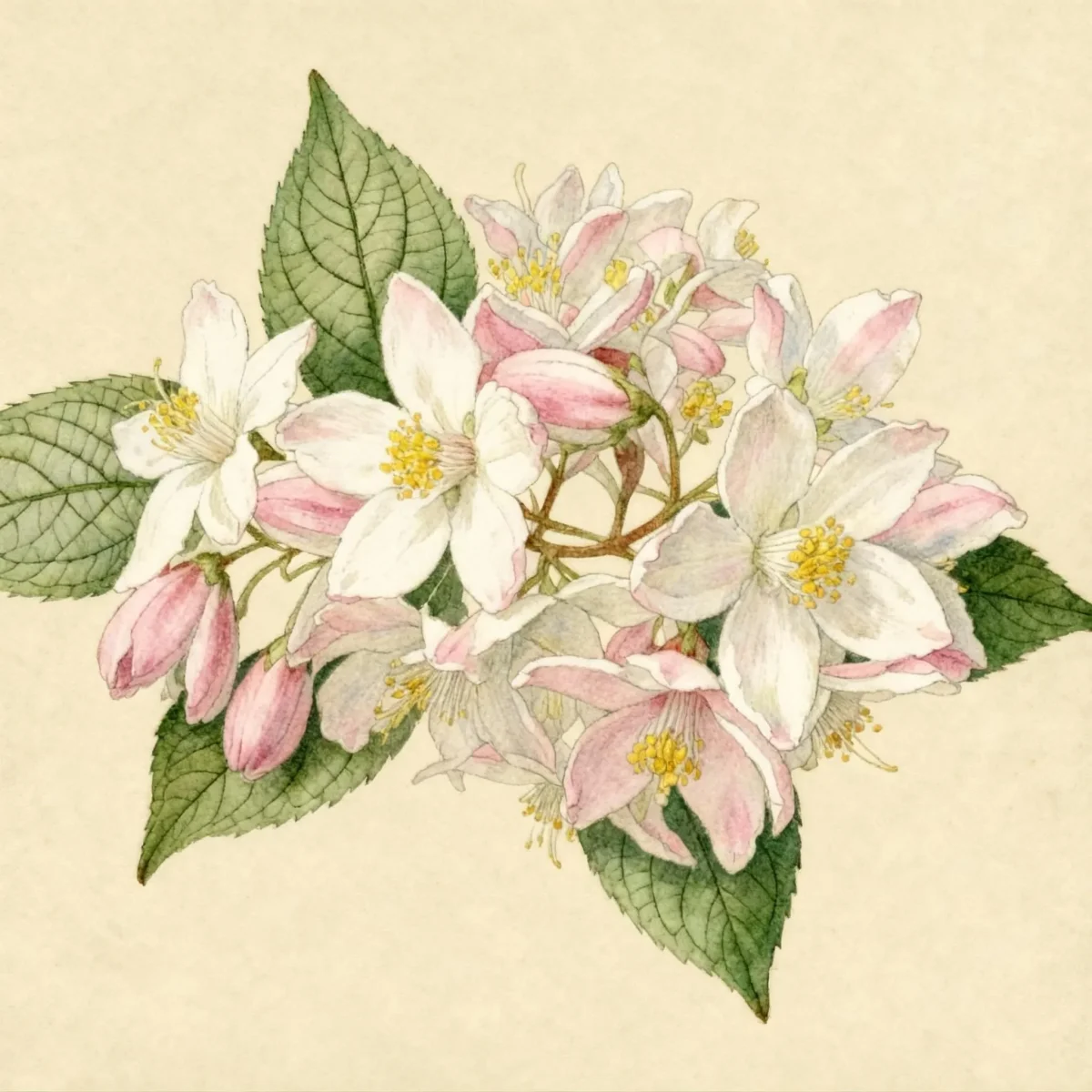
Deutzia (Deutzia × rosea)
Deutzia × rosea is a low-maintenance deciduous shrub offering pale pink blooms in late spring. Ideal for borders, this Deutzia is hardy in Zones 5-8.
Scroll down to discover growing tips, care requirements, companion plants, and more

Complete Plant Information
Overview
Deutzia × rosea, a delightful hybrid often sought after for its delicate appearance, provides excellent structure in the garden landscape. This bushy, rounded deciduous shrub is valued for its arching branches which display clouds of pale pink flowers in late spring. As a small, manageable specimen, this particular Deutzia variety introduces soft color and texture without overwhelming smaller garden spaces.
Resulting from a cross between D. gracilis and D. purpurascens, Deutzia × rosea offers slightly more pink coloration in its loose panicles compared to its relatives. It is generally favored for being exceptionally easy to grow and requiring relatively low upkeep, making it a reliable choice for gardeners seeking consistent seasonal interest.
This Deutzia combines elegant spring bloom with fine summer foliage, proving useful as a foundation planting, within shrub borders, or as a subtle, informal hedge. Its compact size means it integrates well into layered garden designs where vertical growth is limited.
Fast Facts
- Plant Family: Hydrangeaceae
- Plant Type: Deciduous shrub
- Native Range: Garden origin
- Hardiness Zones: USDA Zones 5-8
- Size at Maturity:
- Height: 2-3 ft
- Spread: 2-3 ft
- Bloom Time: May to June
- Bloom Description: Pale pink
- Sun Exposure: Full sun to part shade
- Water Needs: Medium
- Maintenance Level: Low
How to Grow
Planting Deutzia × rosea is straightforward; aim for spring or autumn when site conditions are cooler. Locate this shrub where it receives full sun for the most abundant flowering, though it will tolerate light shade. While the plant shows a wide range of soil tolerance, it thrives best in average, medium moisture, well-drained soils that are rich in humus.
Ongoing care for this Deutzia is minimal. Ensure consistent moisture, especially during dry spells, as it prefers medium water availability. Fertilizing is rarely required unless the soil is extremely poor. Because the stems can be somewhat short-lived, annual pruning is recommended to maintain vigor and shape.
The best time to prune is immediately after the blooming period concludes in spring. Remove any dead or wayward branches at this time to encourage strong new growth for the following season. Propagation attempts are successful using cuttings taken from appropriate growth stages.
Landscape Uses
The compact nature of Deutzia × rosea makes it incredibly versatile for various landscape applications. It excels when grouped within shrub borders, offering a continuous, soft screen effect or providing structure near foundations where larger shrubs might become problematic. Its 2 to 3-foot dimensions are perfect for creating low, informal hedges that define edges without blocking views.
Consider planting this Deutzia alongside plants that share similar cultural needs, such as early-blooming perennials or other small shade-tolerant shrubs. In woodland or naturalized settings, its gentle color provides a lovely contrast to darker greens and the bolder textures of woodland understory plants.
For foundation plantings, spacing plants appropriately will allow the naturally rounded habit of Deutzia × rosea to shine without requiring excessive trimming, maintaining its casual, graceful appearance.
Standout Features
Flower Qualities
- Showy
Noteworthy Characteristics
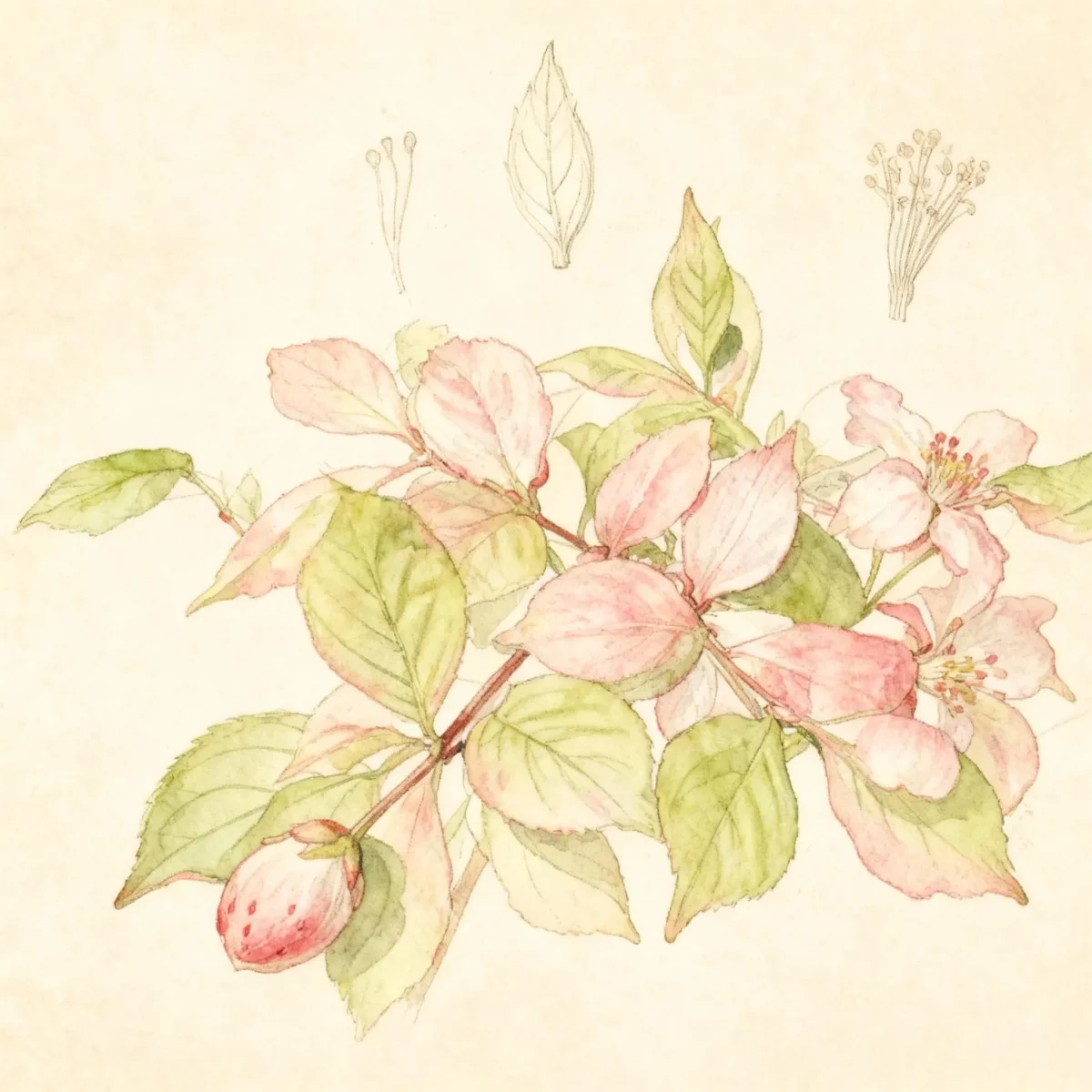
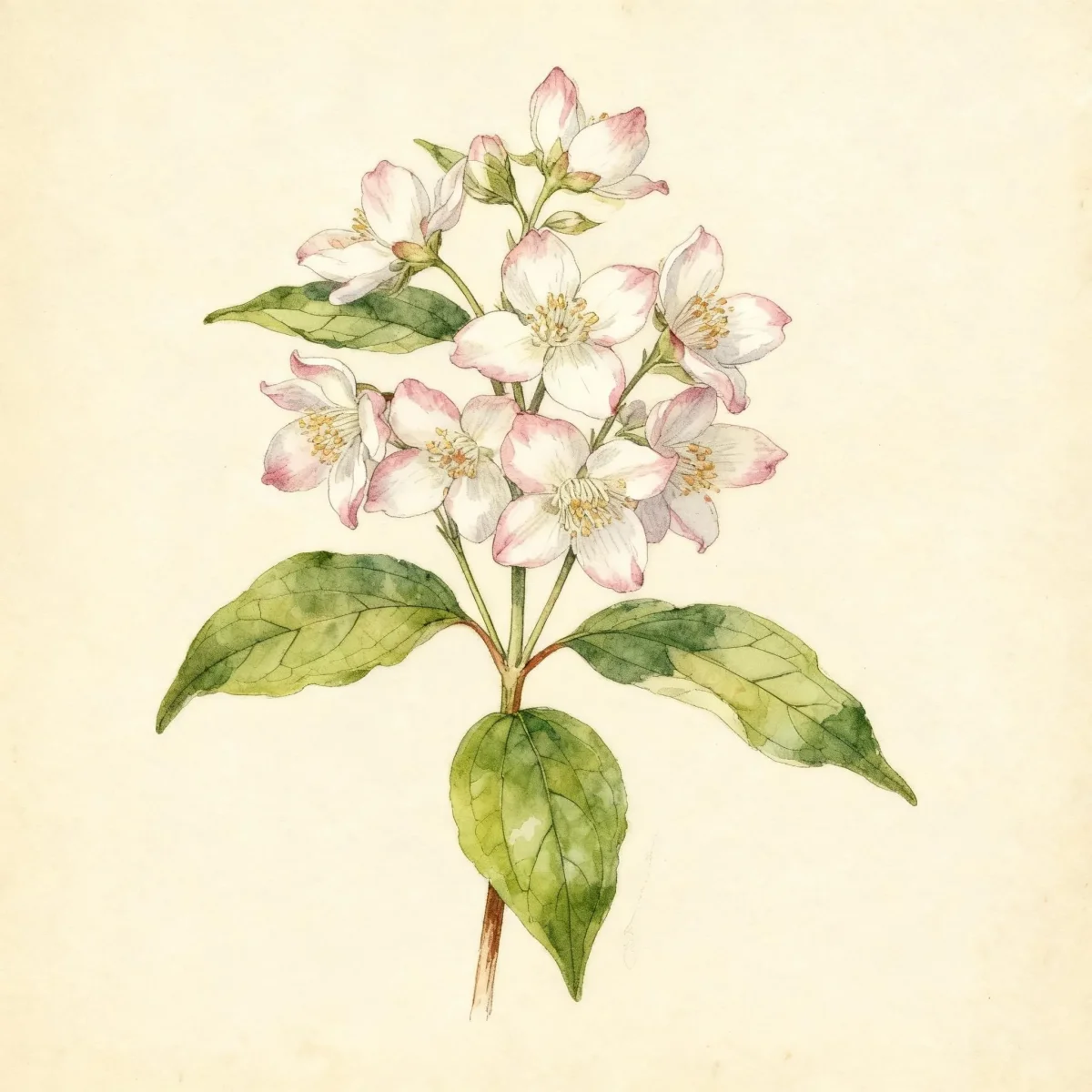
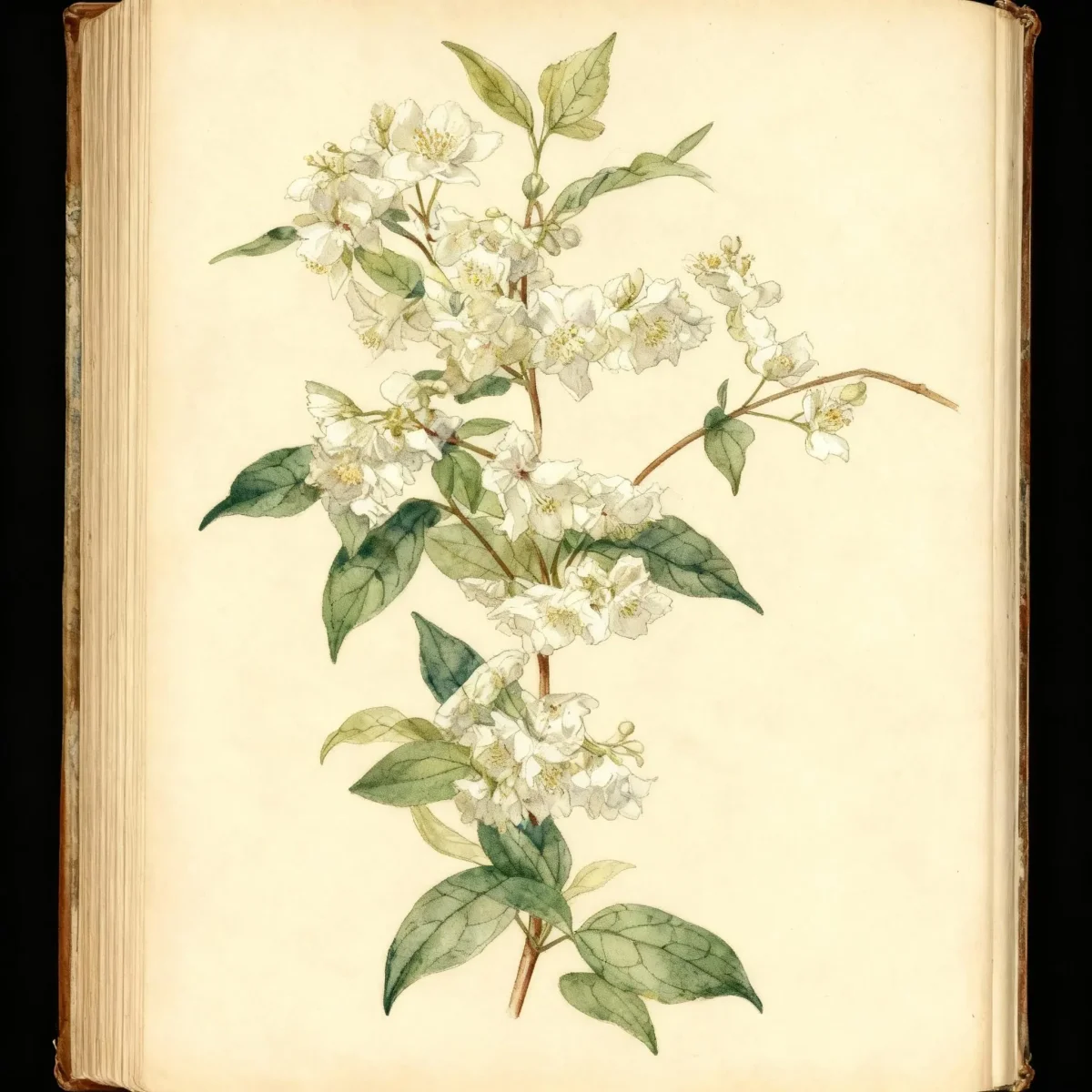
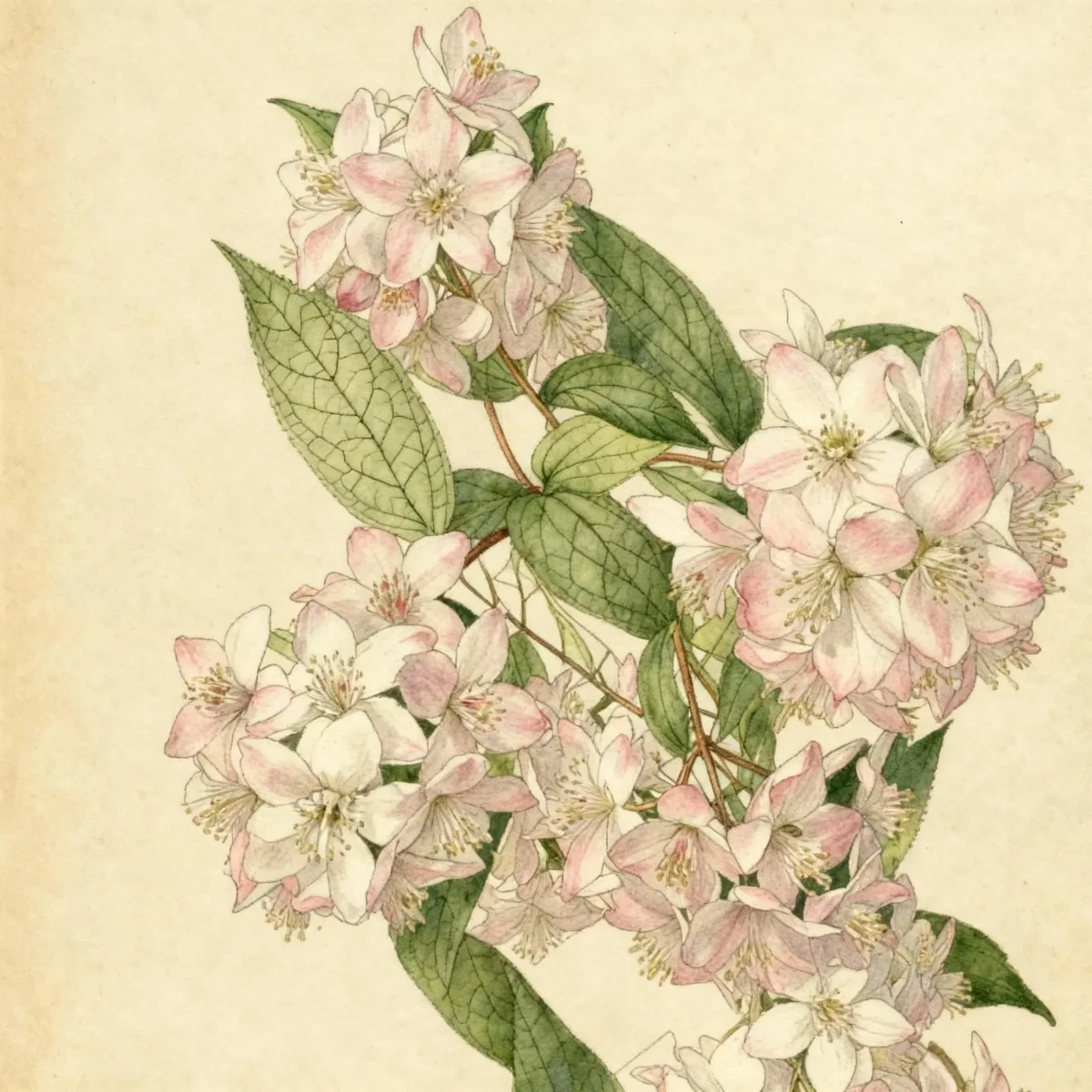
Deutzia × rosea is a bushy, rounded, multi-stemmed, deciduous shrub with arching branches. This desirable hybrid matures typically to 2-3’ tall and wide, arising from a cross between D. Gracillis and D. Purpurascens. Tiny, 5-petaled, pale pink flowers bloom densely in short panicles along the branches in late spring. The hybrid name rosea specifically references the appealing rose-colored hue of its blooms.
Tolerances
- No serious insect or disease problems.
Potential Problems
Generally, Deutzia × rosea is remarkably resistant to major pests and diseases, making it a low-stress addition to the garden. However, gardeners should occasionally monitor for the appearance of aphids, which can congregate on new growth. Occasionally, superficial leaf spots might develop, especially in high-humidity environments or if air circulation is poor. Good cultural practices, such as ensuring well-drained soil and pruning out old wood promptly after flowering, help keep the shrub vigorous enough to resist minor issues naturally.
Frequently Asked Questions
What hardiness zones is Deutzia × rosea suitable for?
Deutzia × rosea is suitable for USDA Hardiness Zones 5 through 8.
How large does Deutzia × rosea grow?
This compact shrub typically reaches a height and spread between 2 and 3 feet at maturity.
What sun exposure does Deutzia × rosea need?
It performs best when situated in full sun, though it will tolerate partial shade, understanding that full sun promotes the best flowering.
When does Deutzia × rosea bloom?
This variety blooms reliably for gardeners from May through June, featuring lovely pale pink flowers.
Conclusion
The compact size, minimal maintenance requirements, and charming pale pink flowers make Deutzia × rosea an excellent choice for adding reliable, soft texture to the landscape. This unique Deutzia hybrid proves its worth through predictable performance across multiple seasons. Before planting, confirm your location falls within USDA Zones 5-8 and plan your pruning schedule for immediately after the beautiful late spring display concludes.
Companion Planting
When planning your borders, Deutzia × rosea pairs wonderfully with spring-flowering bulbs that fade just as the shrub begins to bloom, such as late tulips or daffodils. For continuous texture throughout the summer, consider pairing it with plants that appreciate similar moisture levels and light, such as Japanese Forest Grass (Hakonechloa macra) near its base, or taller, later-blooming shrubs like certain varieties of Weigela. Since this shrub settles nicely into woodland edges, broadleaf evergreens can provide winter contrast to its fine, arching branches.
Design Ideas
Utilize the consistent, low profile of Deutzia × rosea to soften transitions between hardscaping and larger plantings. In a contemporary or mixed border, plant drifts of this shrub along the front edge, allowing them to spill slightly over retaining walls or pathways, leveraging their natural mounding habit. Their delicate flowers make them excellent ‘filler’ plants that connect larger specimens visually. Because they require low maintenance, they are perfect for areas of the garden that may not receive weekly attention but still deserve high visual appeal during the prime spring season.