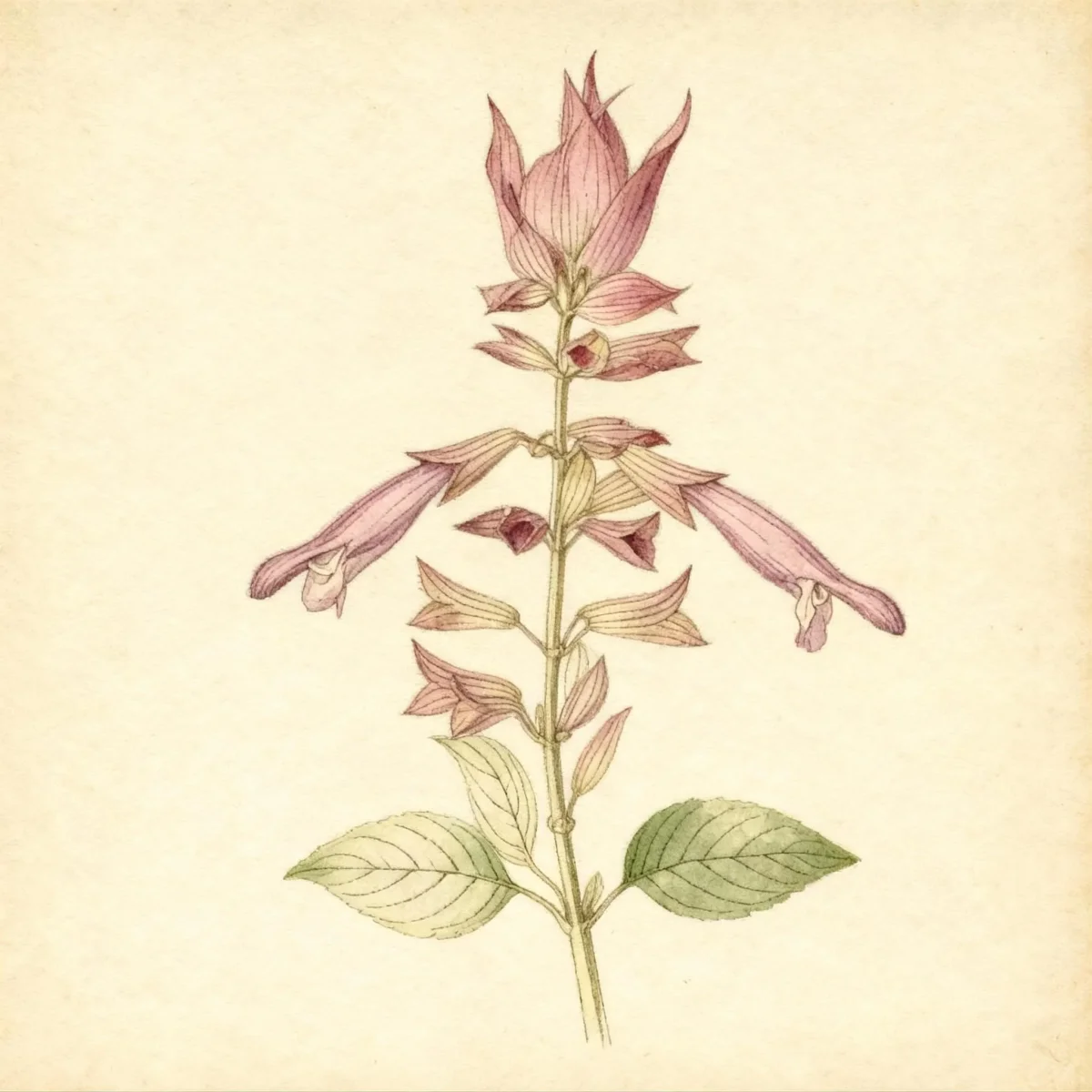
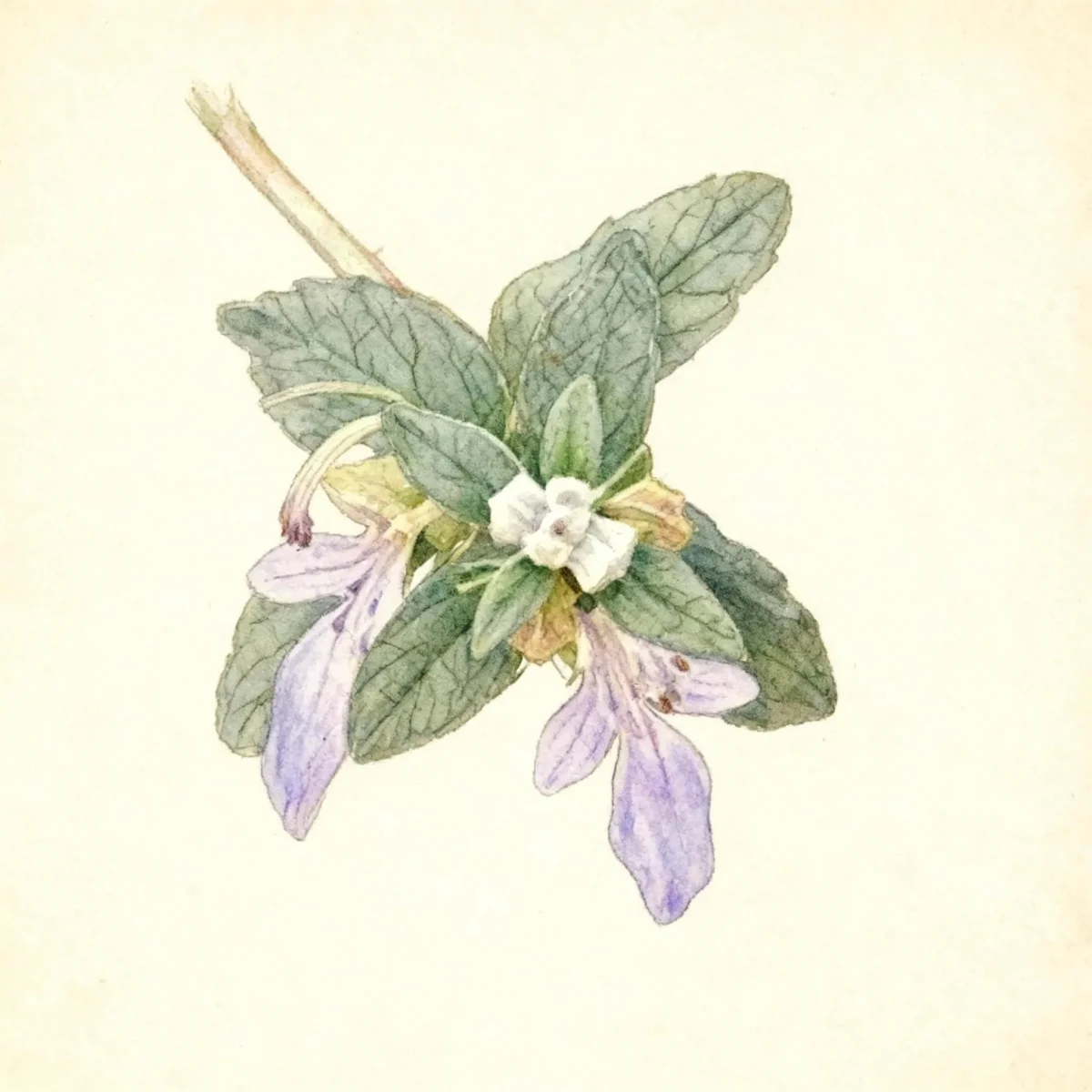
Phlomis (Phlomis longifolia)
The evergreen Phlomis longifolia offers unique dark yellow whorled blooms and low maintenance in full sun gardens.
Scroll down to discover growing tips, care requirements, companion plants, and more

Complete Plant Information
Overview
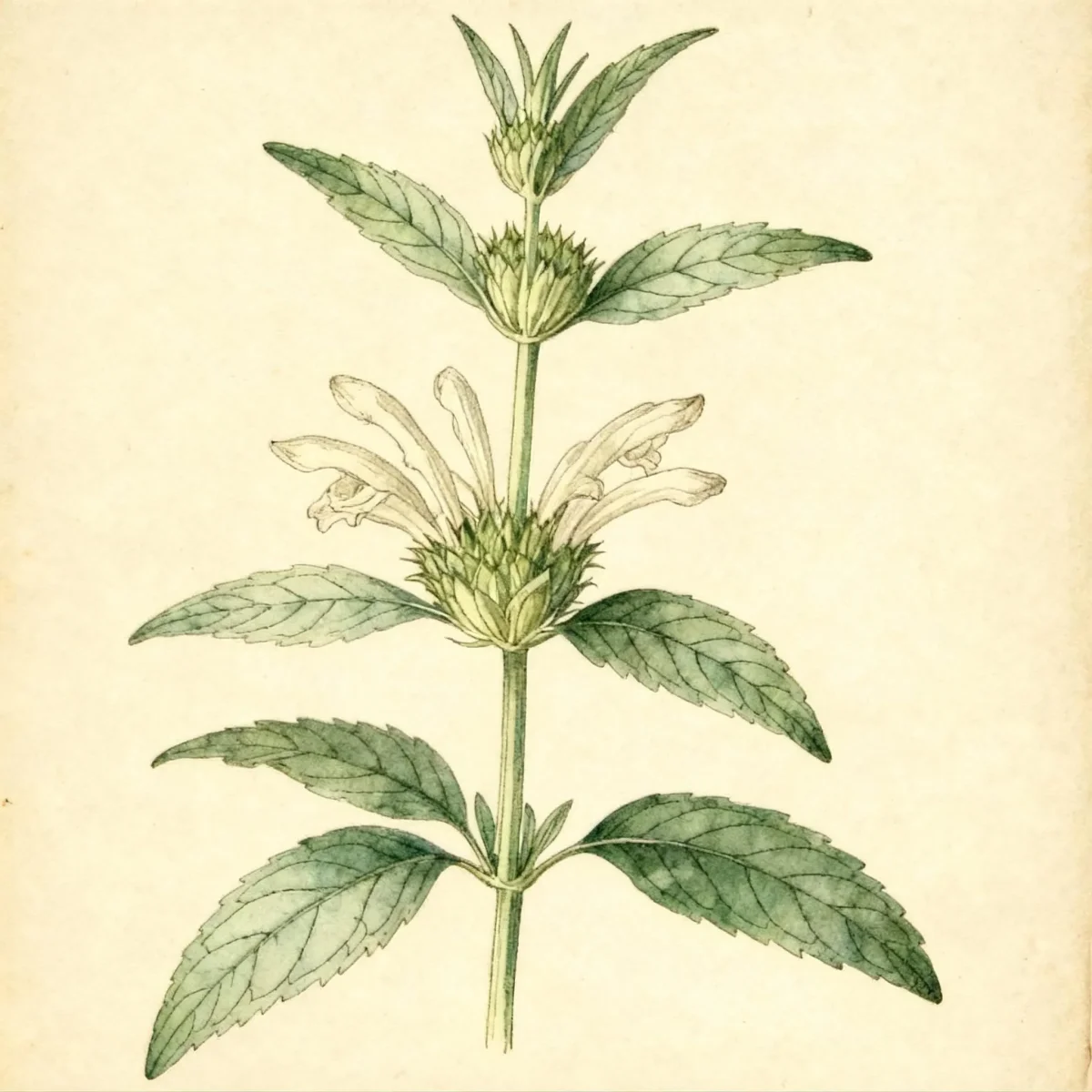
Phlomis longifolia, frequently referred to simply as Phlomis, is a distinctive broadleaf evergreen shrub prized for its structural form and late-season color display. Its rounded, spreading habit makes it an excellent foundation plant in Mediterranean-style or low-water gardens. This species originates from the eastern Mediterranean region, bringing a warm climate aesthetic to temperate landscapes.
This evergreen shrub generally reaches 3 to 4 feet in height and spreads between 4 and 6 feet wide. The foliage itself is notable, featuring lance-shaped to ovate leaves that are wooly, bright green above, and a contrasting yellow-gray beneath, providing year-round visual interest. Growers seeking structure and drought tolerance will find Phlomis longifolia to be an invaluable addition.
The key aesthetic appeal of Phlomis longifolia arrives in mid-summer when it produces intriguing dark yellow flowers arranged in spherical whorls along the upper stems. As a low-maintenance choice that thrives in full sun, Phlomis offers substantial texture and reliable performance once established, making it an expert staple for sunny borders.
Fast Facts
- Plant Family: Lamiaceae
- Plant Type: Broadleaf evergreen
- Hardiness Zones: USDA Zones 8-10
- Size at Maturity:
- Height: 3-4 ft
- Spread: 4-6 ft
- Bloom Time: July to August
- Bloom Description: Dark yellow
- Sun Exposure: Full sun
- Water Needs: Medium
- Maintenance Level: Low
How to Grow
To ensure the best establishment of Phlomis longifolia, plant it in the spring or fall when temperatures are moderate. This shrub thrives best when situated in organically rich, moderately fertile, well-drained soils. Adequate drainage is crucial, as overly wet conditions—particularly in winter—can be detrimental to this Mediterranean native. Position it where it receives consistent full sun exposure throughout the day.
Watering requirements are medium; while young plants require consistent moisture to develop a strong root system, established plants tolerate brief periods of drought well, aligning with its general hardiness profile. Avoid over-fertilizing, as rich soil conditions can encourage excessive weak growth over its woody structure.
Maintenance for Phlomis longifolia is generally low. Deadheading is rarely necessary, but stems may be cut back after the main flush of bloom finishes in summer to encourage slightly further flowering action. In late winter or early spring before new growth begins, you can perform a light shaping prune to maintain the desired rounded form, removing any foliage damaged over winter.
Landscape Uses
Phlomis is perfectly suited for structural applications where reliability and texture are paramount. Its dense, spreading habit makes it an excellent choice when utilized as a low hedge, providing an evergreen screen along walkways or defining planting beds. The architectural quality of the stems and foliage also lends itself well to the front or middle of mixed perennial borders.
Consider pairing Phlomis with plants that share similar cultural needs—namely, drought tolerance and a preference for full sun. Good companions include varieties of Lavender (Lavandula), Russian Sage (Perovskia atriplicifolia), or ornamental grasses that offer contrasting fine texture against the broad, woolly leaves of the Phlomis.
Because it fills out to a 4-to-6-foot spread, ensure adequate spacing during planting to allow for good air circulation around the base of the Phlomis longifolia. This prevents potential issues and allows the evergreen structure to develop fully as a permanent landscape anchor.
Standout Features
Flower Qualities
- Showy
Fruit Qualities
- Showy
Noteworthy Characteristics
Phlomis longifolia, commonly called phlomis, is a rounded, spreading, evergreen shrub of the mint family that typically matures to 4’ tall with a spread to 6’ wide. It is native to the eastern Mediterranean. Square stems are clad with lance-shaped to ovate, prominently-veined, wooly leaves (to 3” long) that are bright green above and yellow-gray beneath. Dark yellow flowers bloom in spherical whorls along the upper half of stems in summer.
Tolerances
- Drought
Potential Problems
This variety generally demonstrates robust health, showing no serious insect or disease problems in well-managed gardens. The primary potential advisory relates to minor sap-sucking insects like leafhoppers, which might occasionally populate the foliage. If observed, generally non-chemical controls such as strong sprays of water or insecticidal soap are effective for managing populations. Ensure proper soil drainage to prevent root issues often associated with moisture-loving pests.
Frequently Asked Questions
What hardiness zones is Phlomis longifolia suitable for?
Phlomis longifolia is winter hardy in USDA Zones 8 through 10, requiring protection or container growing outside of this range.
How large does Phlomis grow?
This shrub typically matures to a height between 3 and 4 feet, spreading outwards to cover an area 4 to 6 feet wide.
What sun exposure does Phlomis need?
The cultural requirements dictate that Phlomis must be grown in full sun for optimal flowering and structure.
When does Phlomis bloom?
The dark yellow, whorled flowers appear during the summer months, specifically blooming from July through August.
Conclusion
The Phlomis longifolia stands out as a beautifully textured, low-maintenance evergreen that adds structural interest across all four seasons. Its drought tolerance and striking dark yellow summer blooms make this Phlomis variety exceptionally valuable for gardeners in warmer zones looking to reduce irrigation needs without sacrificing form. Before planting, confirm your site offers full sun and well-draining soil to maximize the robust performance of your new shrub.
Companion Planting
When choosing companions for Phlomis longifolia, prioritize plants that appreciate intense sunlight and dry conditions once established. Plants with silvery or contrasting foliage work exceptionally well against the woolly green of the Phlomis leaves. Consider planting low-growing Sedums or Artemisia varieties beneath the structure of the shrub to cover the soil and enhance the Mediterranean feel of the planting scheme.
For height contrast, incorporate taller, fine-textured elements like Switchgrass (Panicum virgatum) or Catmint (Nepeta) near the back of the border. These selections offer movement and different bloom times, ensuring visual interest extends beyond the July and August flowering window of the Phlomis.
Seasonal Care Calendar
Mid-to-late spring is the ideal time for your annual maintenance tasks on this Phlomis shrub. Apply a light layer of compost or aged manure around the base if soil fertility is lacking, but heavy feeding is unnecessary. This is also the best time for any necessary shaping or clean-up, cutting back any stems that look unsightly before new, bright growth emerges.
Summer care centers around observing the bloom performance from July to August. If you wish to encourage a secondary, smaller bloom cycle, lightly prune the spent flowering stems immediately after the initial major flush is complete. Watering should be reduced to only during extended, severe drought periods once the plant is established in Zones 8-10.
Fall preparation is minimal; since Phlomis longifolia is evergreen, it generally requires no special winterizing measures in its appropriate hardiness zones. Leave any dried flower stalks standing through winter, as they retain architectural interest and provide texture against snow or frost.