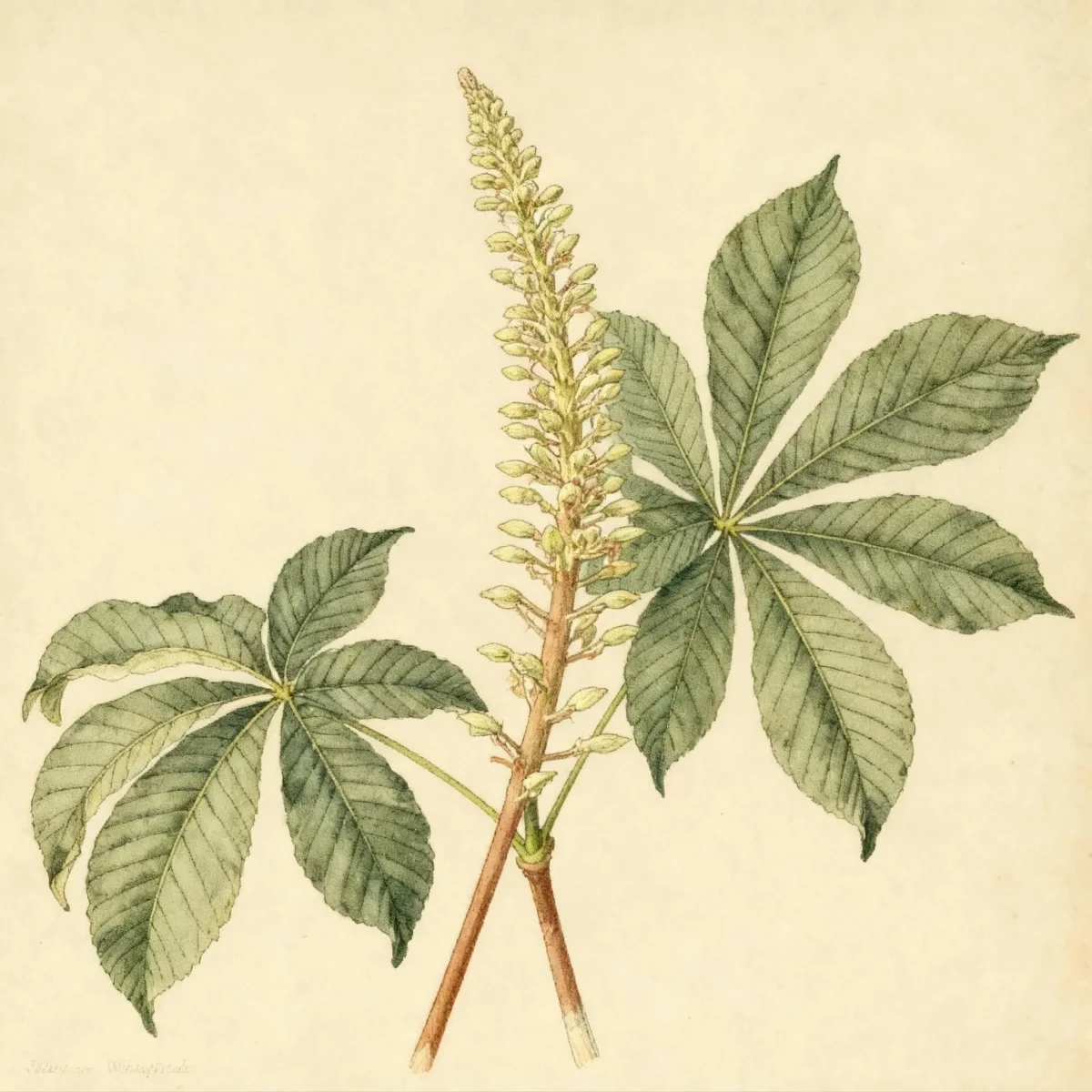
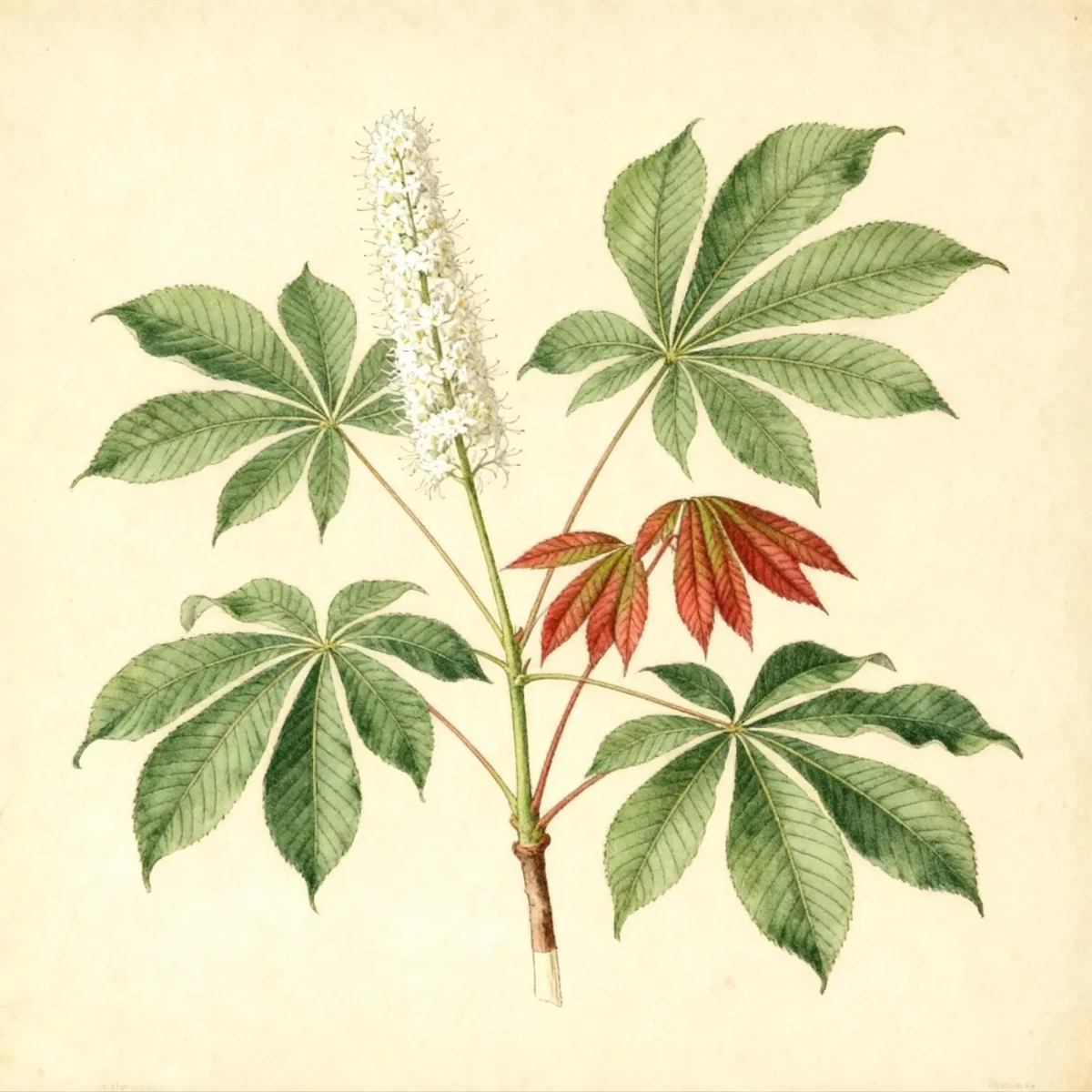
Indian horse chustnut (Aesculus indica 'Sydney Pearce')
Aesculus indica 'Sydney Pearce', the Indian horse chustnut, features deep pink spring flowers and attractive dark green foliage. Hardy in Zones 6-9.
Scroll down to discover growing tips, care requirements, companion plants, and more
Complete Plant Information
Overview
The Aesculus indica ‘Sydney Pearce’, commonly known as the Indian horse chustnut, is a distinguished deciduous tree prized for its significant mid-season floral display and robust vertical structure. This cultivar stands out from the species by offering deeper pink flowers clustered in particularly dense panicles, making it a showstopper in mature landscapes. Gardeners value the Indian horse chustnut for providing substantial shade while showcasing excellent seasonal interest through its foliage and bloom.
Originating from the northwestern Himalayas, this tree matures into an upright, oval-rounded crown, reaching heights of 40 to 60 feet. It demands consistent moisture and fertile soil, often thriving best in cooler, maritime or Mediterranean-type climates where intense heat and humidity are mitigated. Proper placement ensures that the Aesculus indica ‘Sydney Pearce’ performs optimally as an impressive specimen tree.
While the flowers are the main draw, the developing palmate foliage matures to a rich green before offering late fall color. Selecting this cultivar means introducing a large, moderately maintained specimen tree perfect for expansive settings where its flowering impact can be fully appreciated.
Fast Facts
- Plant Family: Sapindaceae
- Plant Type: Tree
- Hardiness Zones: USDA Zones 6-9
- Size at Maturity:
- Height: 40-60 ft
- Spread: 30-50 ft
- Bloom Time: June
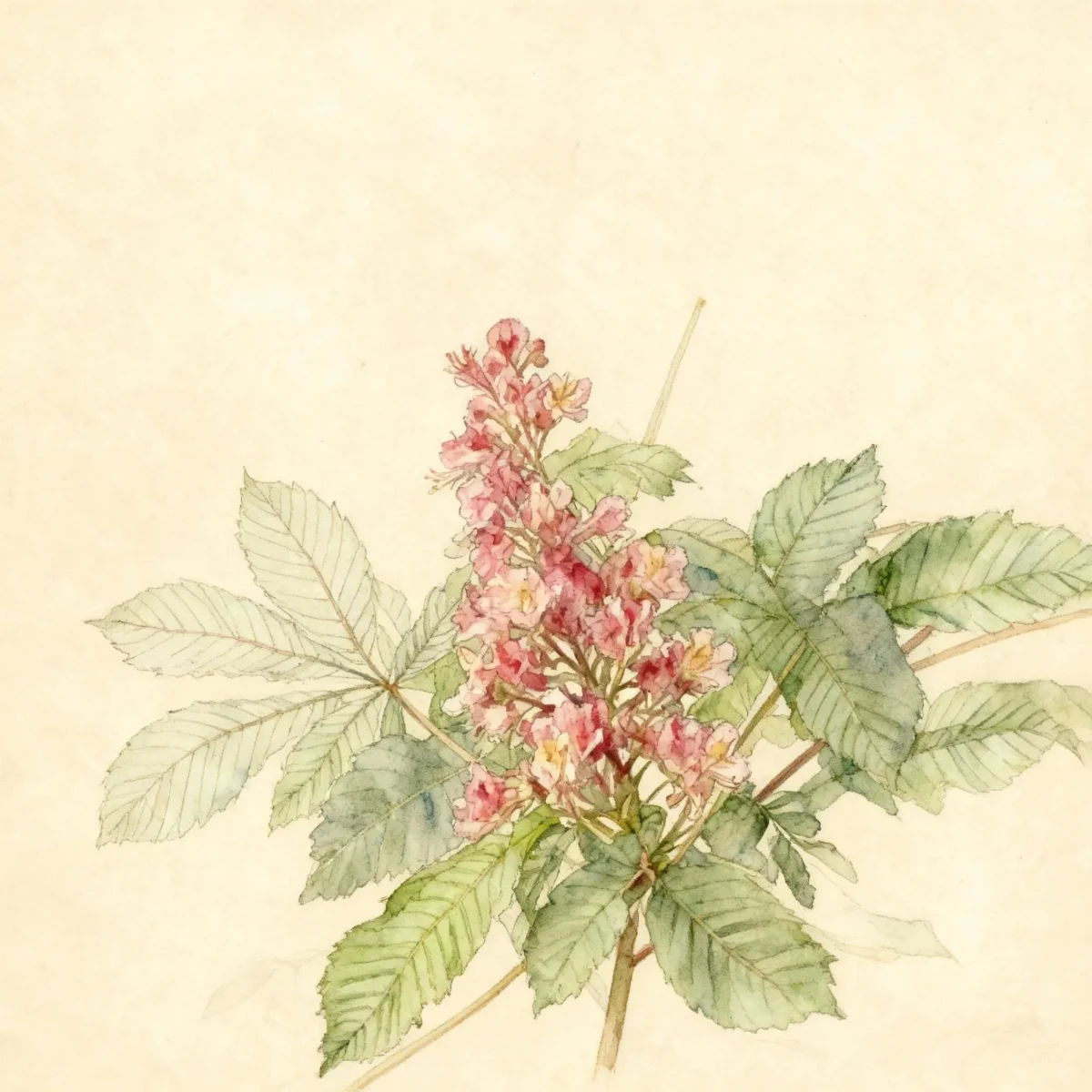
- Bloom Description: Pinkish-white tinged with yellow
- Sun Exposure: Full sun to part shade
- Water Needs: Medium
- Maintenance Level: Medium
How to Grow
Planting Aesculus indica ‘Sydney Pearce’ should ideally occur in the fall or early spring when temperatures are moderate, allowing the tree to establish roots before facing environmental stress. Locate it in a spot that receives full sun to light afternoon shade. Ensure the selected site offers deep, fertile soil that is consistently moist yet drains exceptionally well, preventing waterlogging around the roots of this established Indian horse chustnut.
Ongoing care centers primarily on maintaining soil moisture, especially during dry spells, as drought can quickly lead to leaf scorch. While it generally requires medium maintenance, consistent watering is crucial for this species, which prefers cool, moist conditions. Fertilization is rarely necessary if the soil is rich; otherwise, a balanced, slow-release fertilizer applied in early spring can support vigor.
Pruning should be minimal, focusing mainly on removing any crossing or damaged limbs immediately after blooming. Be aware that this species prefers environments like the coastal Pacific Northwest; gardeners in harsh continental climates should monitor closely for heat or winter stress signs. The developing foliage is attractive, emerging bronze-green and maturing to dark green before turning yellow-orange in autumn.
Landscape Uses
The Aesculus indica ‘Sydney Pearce’ is highly recommended as a majestic shade tree for parks, large estates, and sweeping, open lawns. Its considerable size and broad canopy make it an unparalleled choice when structure and cooling shade are paramount in landscape design plans for established gardens. The substantial, yet refined, upright oval crown provides strong architectural presence throughout the year.
As a flowering tree, it commands attention in late spring or early summer when its towering pinkish-white flower panicles appear, contrasting beautifully against dark green backdrops. Consider planting drifts of spring-blooming bulbs beneath the canopy, as they will finish flowering before the Indian horse chustnut develops its dense summer shade. For large-scale design, group it with other large, stately deciduous trees, ensuring adequate root space for its 30 to 50-foot spread.
Standout Features
Flower Qualities
- Showy
Fruit Qualities
- Showy
Noteworthy Characteristics
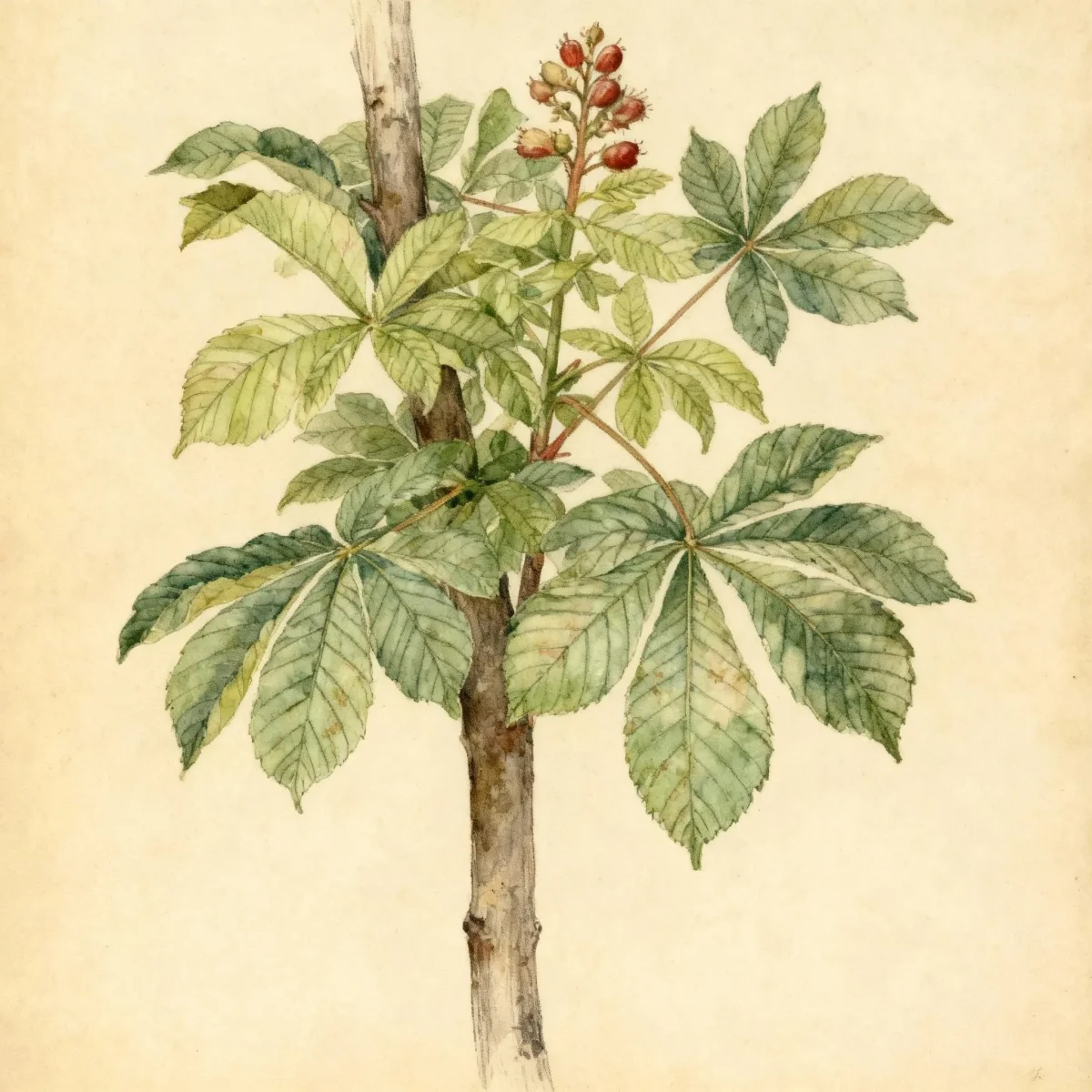
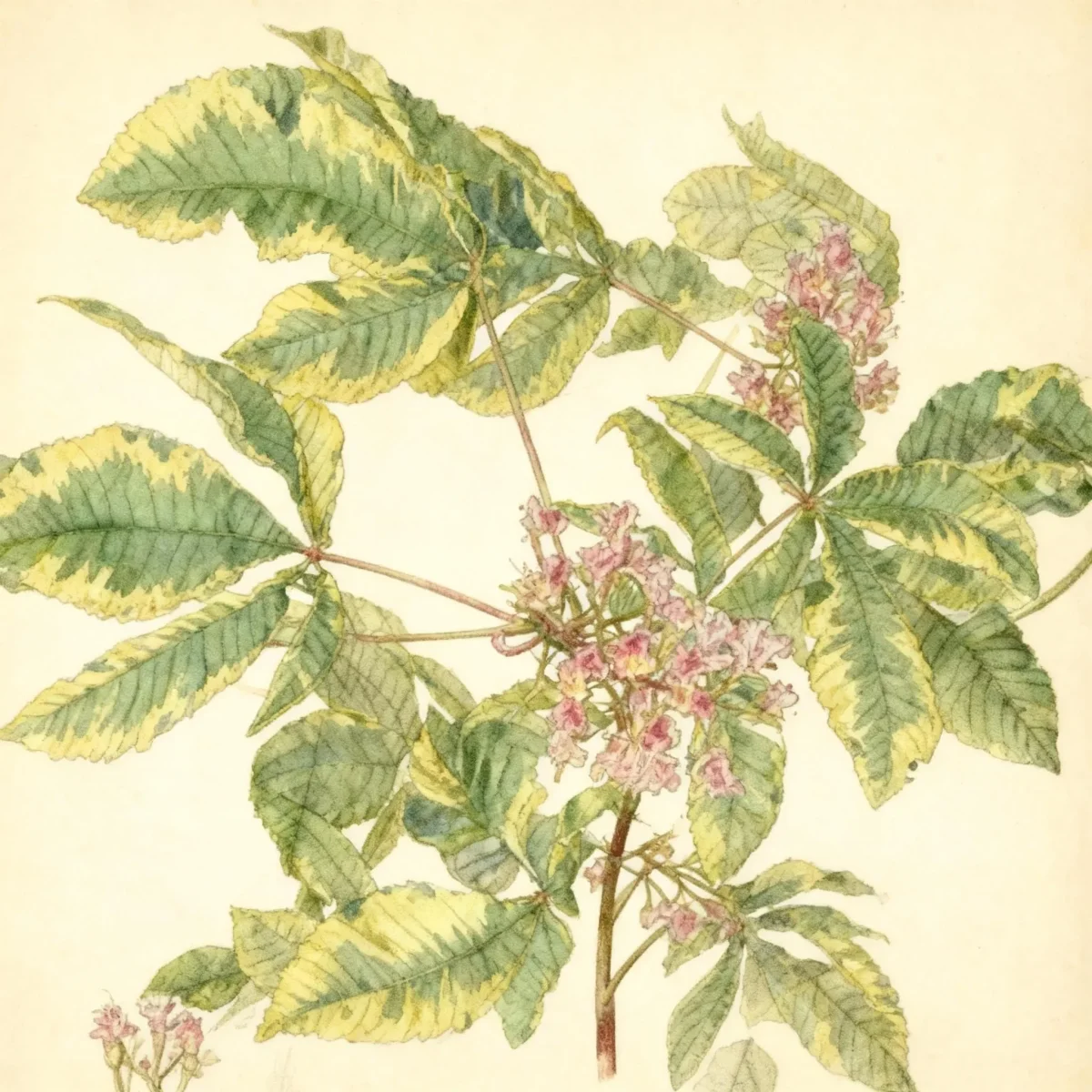
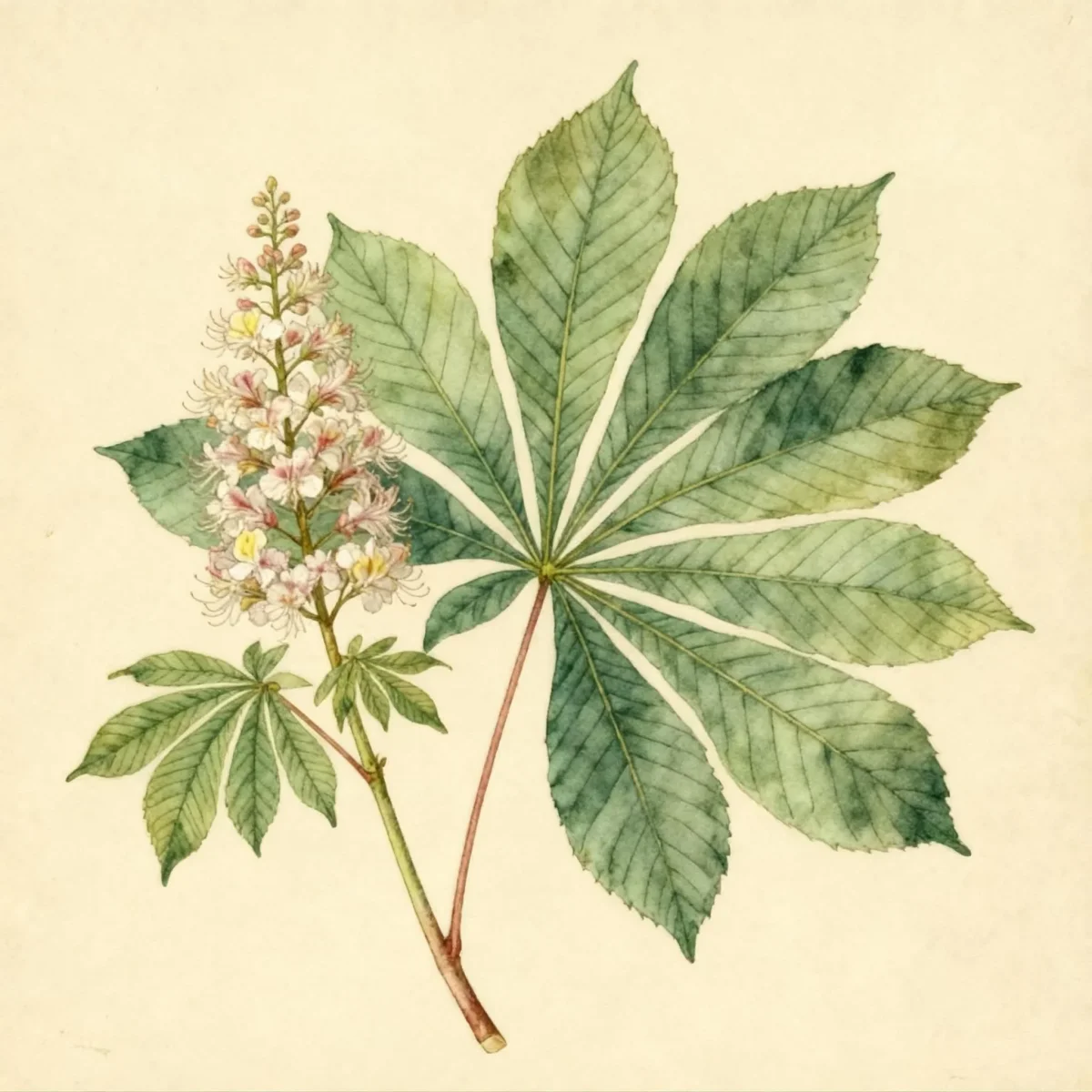
Native to the northwestern Himalayas, Aesculus indica, commonly known as Indian horsechestnut, forms a medium to large deciduous tree with an upright, oval-rounded crown, often reaching 40 to 60 feet tall. This tree is specifically noted in the ‘Sydney Pearce’ cultivar for its exceptional late-spring to early-summer blooms, which appear in dense, upright panicles featuring pinkish-white flowers with yellow markings. The foliage consists of large, palmate leaves that emerge bronze-green, deepen to dark green, and finish with attractive yellow to orange tones in the fall.
Tolerances
- Powdery mildew
- Rust
- Anthracnose
Potential Problems
This tree generally dislikes the cold winters and hot/humid summers typical of more severe continental climates, thriving best in cooler regions. Gardeners should be aware of potential fungal issues, including powdery mildew, rust, and anthracnose, which can emerge during wet periods or periods of stress. Monitoring for common pests such as bagworms, Japanese beetles, and borers is recommended, although they are often infrequent issues. Leaf scorch, characterized by brown edges, is a common sign of insufficient water availability or undue exposure to harsh winds.
Frequently Asked Questions
What hardiness zones is Aesculus indica ‘Sydney Pearce’ suitable for?
The Indian horse chustnut is suitable for USDA Hardiness Zones 6 through 9.
How large does Aesculus indica ‘Sydney Pearce’ grow?
When mature, this tree typically reaches a height of 40 to 60 feet and spreads 30 to 50 feet wide.
When does Indian horse chustnut bloom?
This tree blooms in June, presenting pinkish-white tinged with yellow flowers.
What sun exposure does Aesculus indica ‘Sydney Pearce’ need?
It performs best when situated in an area receiving full sun to part shade.
Conclusion
The Aesculus indica ‘Sydney Pearce’ is a magnificent specimen offering deep, vibrant flowers and reliable structure, making it an excellent choice for large gardens needing a substantial, aesthetic shade presence. Its requirement for consistent moisture and cooler conditions must be carefully matched to your local microclimate. Before planting this beautiful Indian horse chustnut, verify your site’s hardiness zone compatibility and prepare deep, well-draining soil for lasting success.
Companion Planting Strategies
Selecting companions that share the medium water and sun requirements of the Aesculus indica ‘Sydney Pearce’ will ensure a cohesive garden environment. Look for understory shrubs and perennials that appreciate dappled light, such as Helleborus species or various woodland ferns, if the tree canopy grows dense. In open sunny areas, consider pairing it with groundcovers that tolerate dry summer shade once the tree is established, such as Vinca minor or Pachysandra terminalis, ensuring they do not aggressively compete with the tree’s primary root zone.
Seasonal Care Calendar
Early spring is the ideal time to apply any necessary balanced, slow-release fertilizer around the drip line of the Aesculus indica ‘Sydney Pearce’, before active growth begins. Monitor foliage closely as it emerges for early signs of mildew or pest infestations, treating promptly with appropriate horticultural oils or fungicides if required. Summer management is dominated by consistent watering, particularly during heat waves, ensuring the soil remains evenly moist to prevent leaf scorch on this humidity-sensitive Indian horse chustnut. In autumn, minimal cleanup is usually needed, as the foliage often drops cleanly after turning attractive yellow-orange shades.