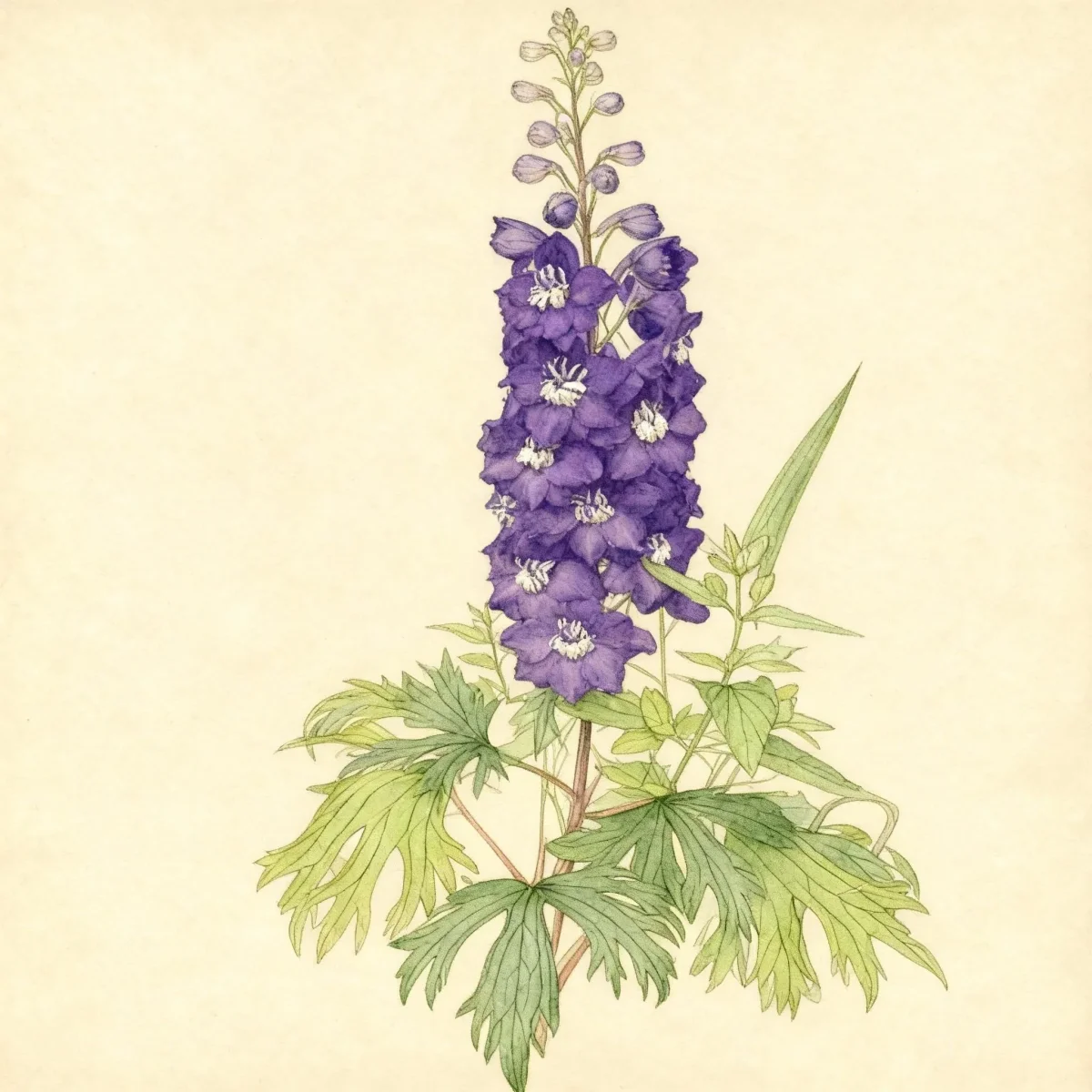
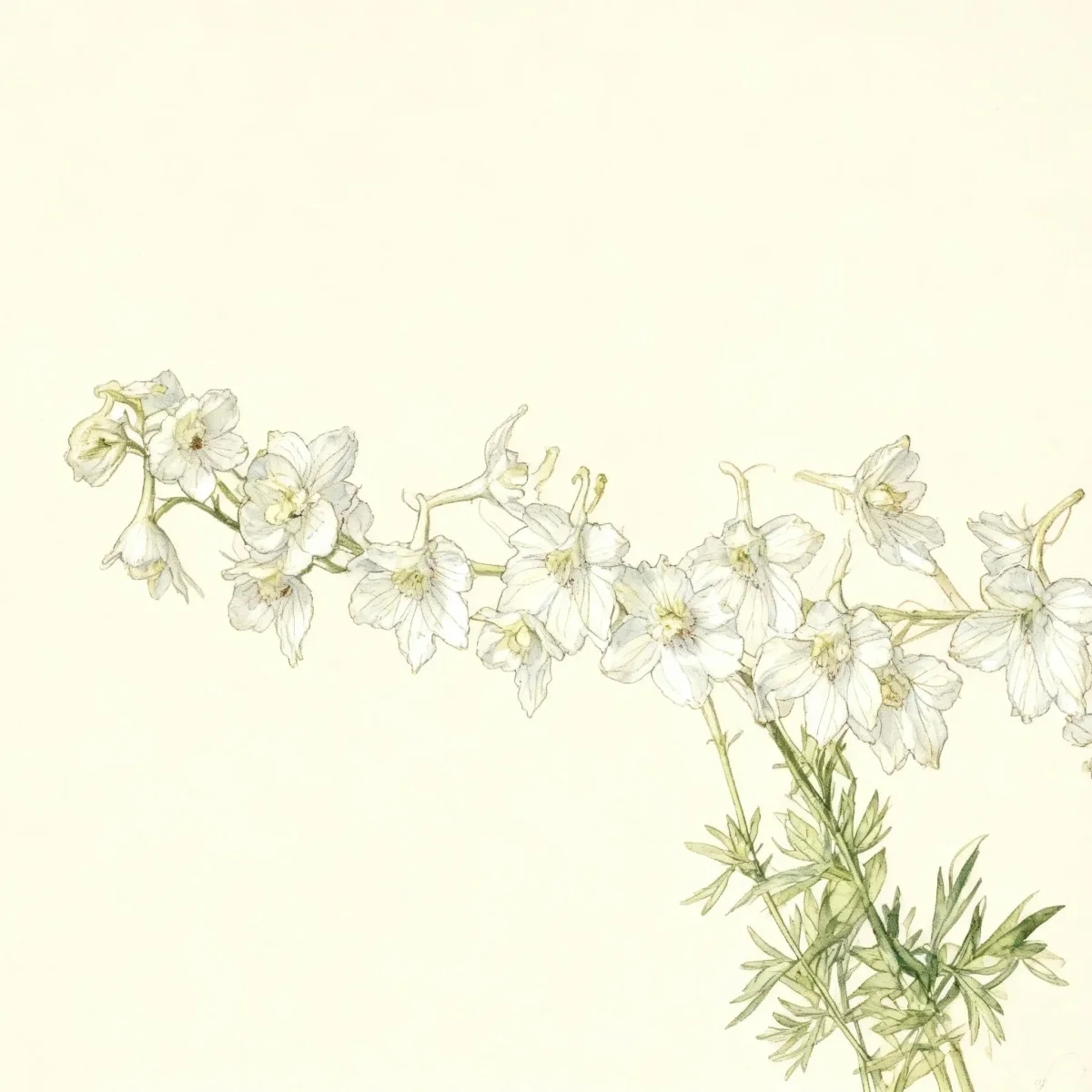
Larkspur (Delphinium 'Fanfare')
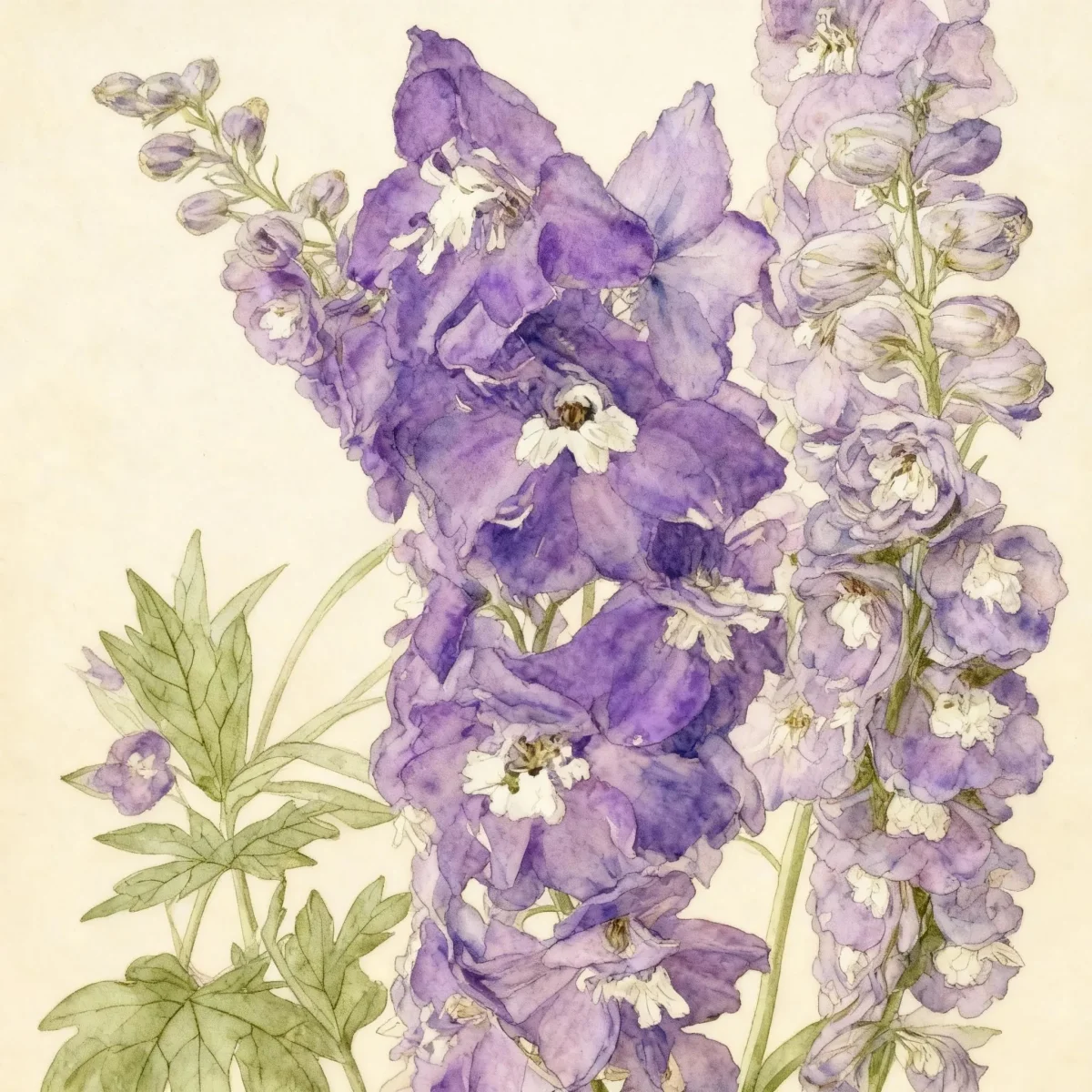
Towering Larkspur, Delphinium 'Fanfare', offers spectacular pale violet spires, thriving in full sun in Zones 3-7.
Scroll down to discover growing tips, care requirements, companion plants, and more

Complete Plant Information
Overview
Delphinium ‘Fanfare’, commonly known as Larkspur, is prized by gardeners for its impressive vertical stature and dense spikes of coloration, making it an absolute standout feature in the mid-to-late summer garden. This herbaceous perennial belongs to the Elatum Group, renowned for its showy cultivars that produce dramatic, columnar racemes rising well above the foliage mounds. Successful cultivation of Delphinium ‘Fanfare’ requires attention to its preference for cooler climates and the necessity of staking to support its impressive height.
As a significant vertical accent, Delphinium ‘Fanfare’ delivers breathtaking visual impact, often reaching 5 to 7 feet tall when mature. The specific cultivar ‘Fanfare’ features semi-double flowers of pale violet beautifully contrasted by bright white eyes, blooming reliably from June into July. While it may sometimes be grown as a short-lived perennial or even an annual depending on the heat of the location, respecting its soil and sun requirements is key to maximizing its performance.
Gardeners seeking dramatic height and classic cottage garden charm should consider incorporating Larkspur into their plans, ensuring it is placed where its beauty can be admired and where it receives protection from harsh storms. While it delivers exceptional beauty, remember that the genus Delphinium requires medium maintenance, particularly staking, to ensure those magnificent spikes remain upright throughout the peak bloom season.
Fast Facts
- Plant Family: Ranunculaceae
- Plant Type: Herbaceous perennial
- Hardiness Zones: USDA Zones 3-7
- Size at Maturity:
- Height: 4-8 ft
- Spread: 2-3 ft
- Bloom Time: June to July
- Bloom Description: Pale violet with white eyes
- Sun Exposure: Full sun
- Water Needs: Medium
- Maintenance Level: Medium
How to Grow
For optimal planting success with Delphinium ‘Fanfare’, select a location that offers full sun, although afternoon shade is beneficial in the hottest climates. This Larkspur thrives in fertile, humus-rich soil that remains consistently medium in moisture and is extremely well-drained. It shows good performance even in alkaline soil conditions, but gardeners must note that these plants struggle significantly in hot, humid summers common south of USDA Zone 7.
Routine care involves ensuring adequate water, aiming for medium moisture levels, and always watering directly at the base to keep foliage as dry as possible, which helps mitigate fungal issues. A crucial maintenance step for Delphinium ‘Fanfare’ is prompt pruning: deadhead spent flower spikes immediately back to the basal foliage. This practice encourages the plant to produce secondary side spikes, leading to additional late-summer or fall blooms.
Due to their impressive height (often exceeding 5 feet), these cultivars demand protection against strong winds and heavy rain; staking tall flower spikes is nearly always required before they begin to lean or topple. In colder regions (Zones 3-6), purchase plants in early spring or start seed indoors 8-10 weeks before the last frost. In warmer regions where they may be grown as annuals, sow seeds in mid-summer for planting out as transplants in October for next spring’s display.
Landscape Uses
The towering presence of Delphinium ‘Fanfare’ makes it ideally suited for the back of mixed borders where its height can anchor the design without overshadowing shorter elements. It is superb when integrated into traditional cottage gardens, providing that classic, romantic vertical lift that defines the style. For maximum visual impact, mass planting or grouping these Larkspur spikes together creates a stunning wall of color that commands attention.
Consider planting Delphinium ‘Fanfare’ where it is partially sheltered, such as against a sturdy stockade fence, which can offer necessary protection from wind damage while supporting the heavy flower spikes. These magnificent, long-stemmed flowers are also considered an excellent, high-quality cut flower, bringing their architectural beauty indoors. Because they are generally ignored by deer and rabbits, you can rely on them to provide consistent display drama without needing extra repellent measures against browsing wildlife.
Standout Features
Flower Qualities
- Showy
Noteworthy Characteristics
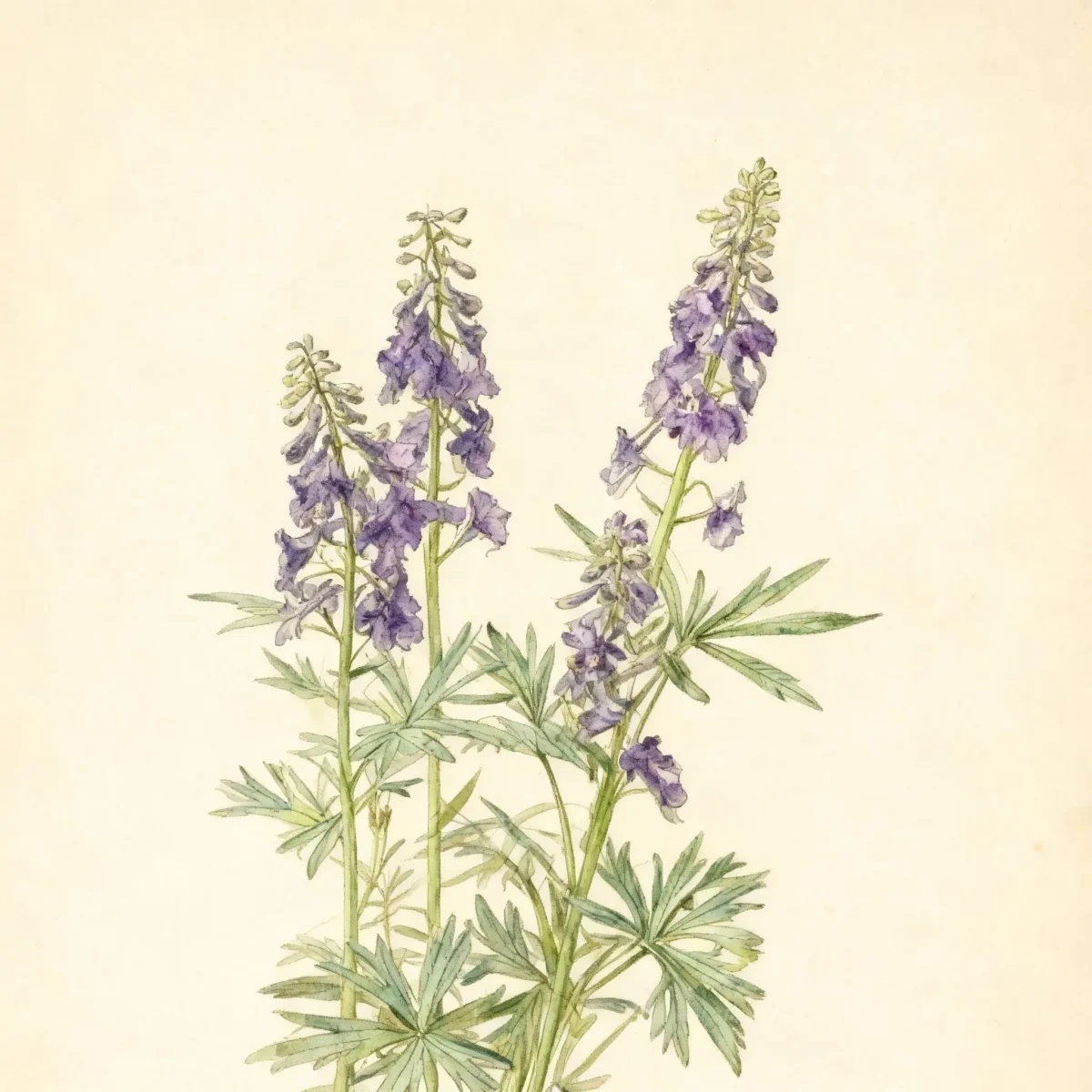
Delphinium is a genus consisting of over 300 species of annual, biennial and perennial flowering plants. Most delphiniums sold in commerce today are complex hybrids, with the Elatum Group, which includes ‘Fanfare’, containing some of the showiest cultivars available. The genus name derives from the Greek word delphis (dolphin), referencing the bud shape of some species. ‘Fanfare’ is a long-stemmed perennial producing mauve semi-double flowers with white eyes densely packed into upright terminal spikes, offering classic vertical contrast above deeply cut foliage.
Tolerances
- Deer
Potential Problems
Delphiniums require diligent care, including staking, pruning, and proactive disease management, to thrive. Fungal issues like powdery mildew, botrytis blight, and leaf spots are common risks, though sunnier spots generally improve mildew resistance. To prevent crown rot, ensure superb drainage and strictly avoid planting the crown too deeply; always water at the base, never overhead, to keep the foliage dry. Slugs and snails can cause cosmetic damage to new growth, while taller plants must be sited away from high winds or staked securely. Be aware that all parts of the plant are considered toxic if ingested by people or pets.
Frequently Asked Questions
What hardiness zones is Larkspur suitable for?
Delphinium ‘Fanfare’ is winter hardy, performing best in USDA Zones 3 through 7.
How large does Delphinium ‘Fanfare’ grow?
Established plants typically reach a height between 4 and 8 feet, with a spread of 2 to 3 feet wide.
What sun exposure does Larkspur need?
This plant requires full sun exposure to perform optimally, although light afternoon shade is advantageous in very hot summer climates.
When does Delphinium ‘Fanfare’ bloom?
The primary bloom time for this Larkspur is from June to July, featuring flowers described as pale violet with white eyes.
Conclusion
The striking vertical architecture and beautiful bloom color of Delphinium ‘Fanfare’ make it an indispensable choice for achieving dramatic height in perennial gardens. By providing rich soil, appropriate staking for wind protection, and vigilant deadheading, you can successfully cultivate these gorgeous Larkspur spikes season after season. Always confirm your local climate falls within USDA Zones 3-7 before planning your spring planting for this magnificent perennial.
Companion Planting
When planning beds around your Delphinium ‘Fanfare’, focus on companions that share similar sunlight and water needs, while offering textural contrast. Plants that bloom later or earlier can extend the season of interest once the Larkspur passes its peak. Consider incorporating shorter, sun-loving perennials like Salvia or Shasta Daisies, which have a different leaf structure and won’t compete for vertical space. Good drainage is paramount for Larkspur; avoid pairing it directly with plants that require consistently soggy soil.
Design Ideas for Vertical Interest
Vertical elements dramatically enhance garden design, guiding the eye upward, and this is precisely where taller cultivars like Delphinium ‘Fanfare’ excel. Utilize them centrally in island beds or along the north-facing edge of a mixed border where their shadows won’t affect shorter neighbors. The dense, columnar form of the bloom looks exceptional when placed near solid architectural elements, like stone walls or wooden screens, which provide a visual backdrop and act as a windbreak, minimizing the need for intrusive staking.