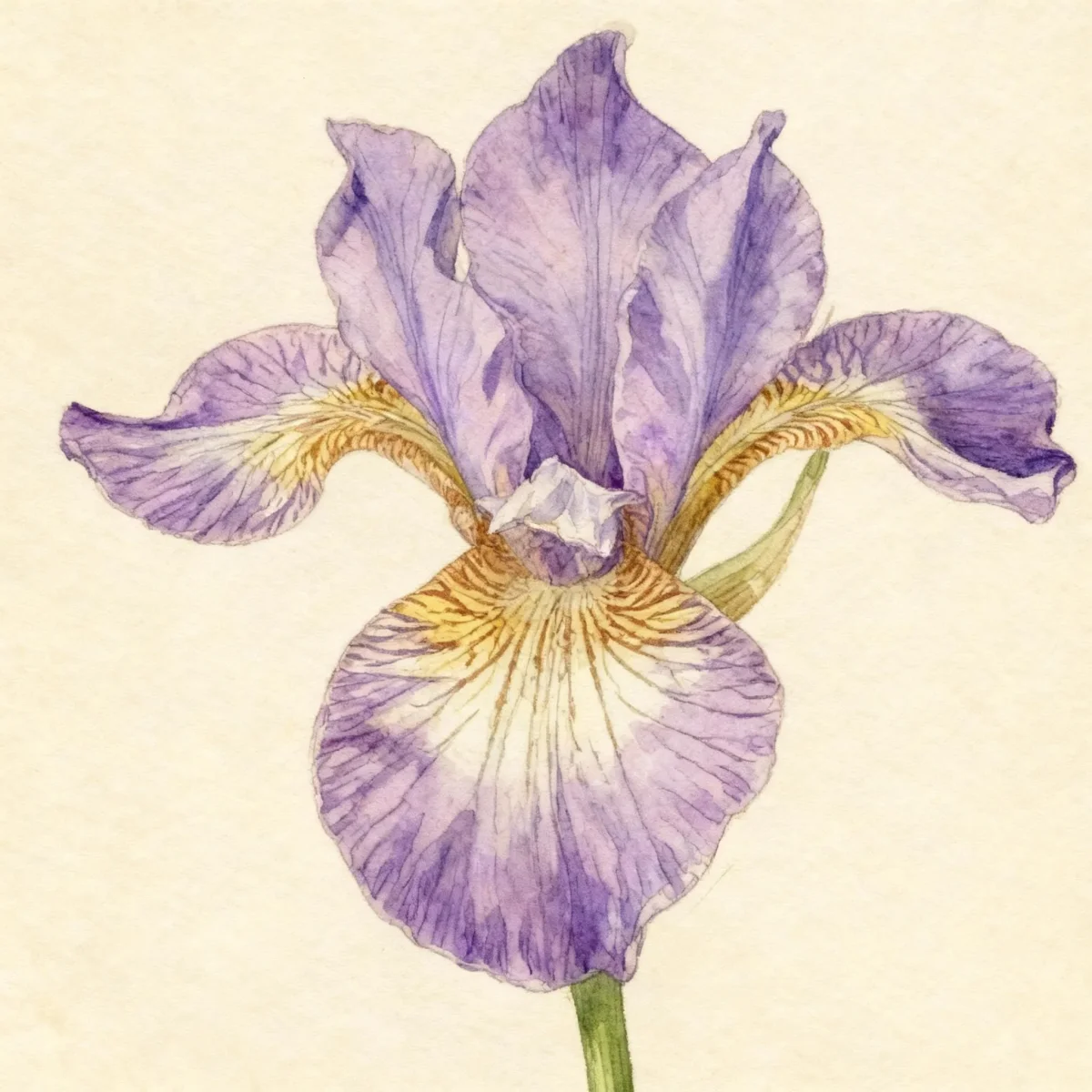
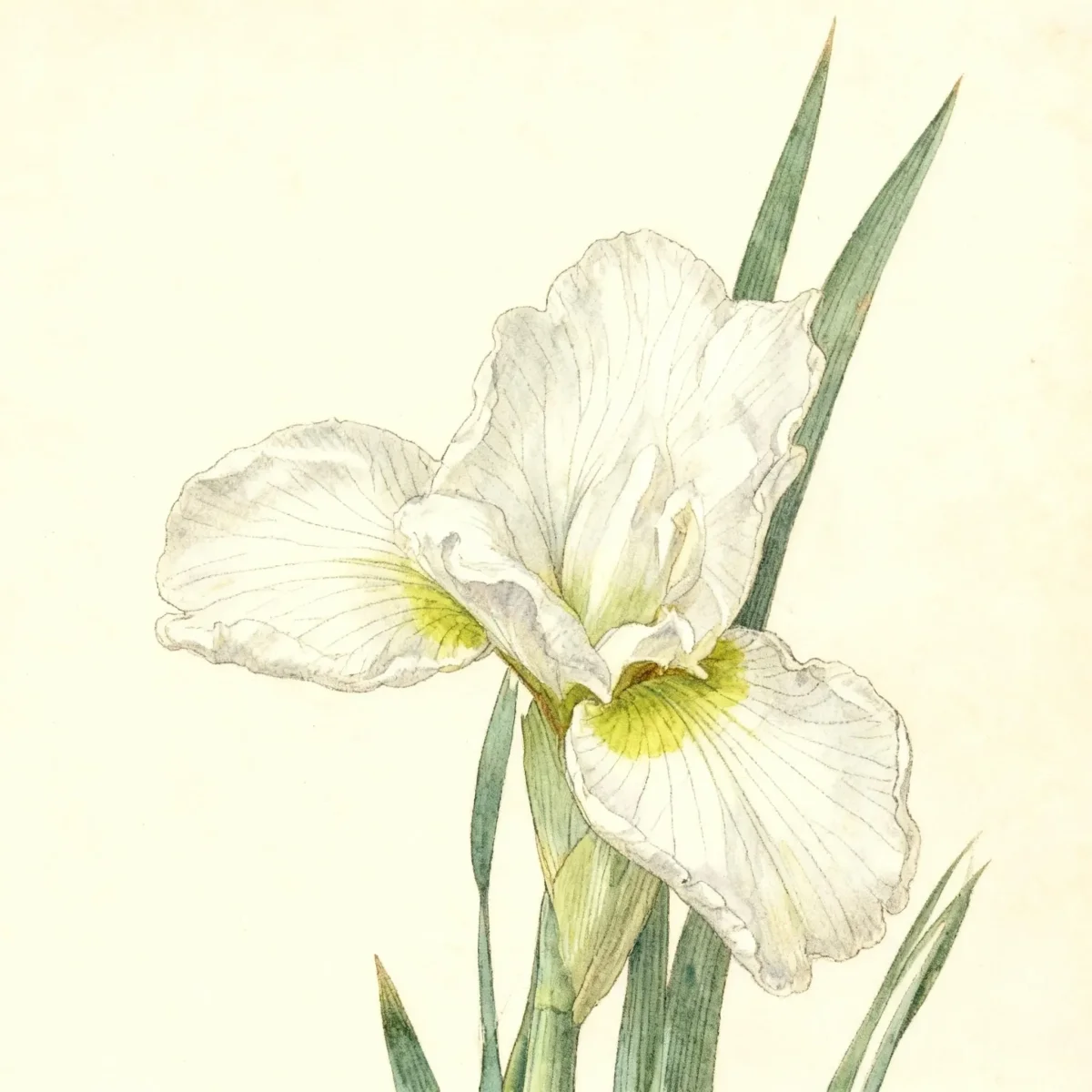
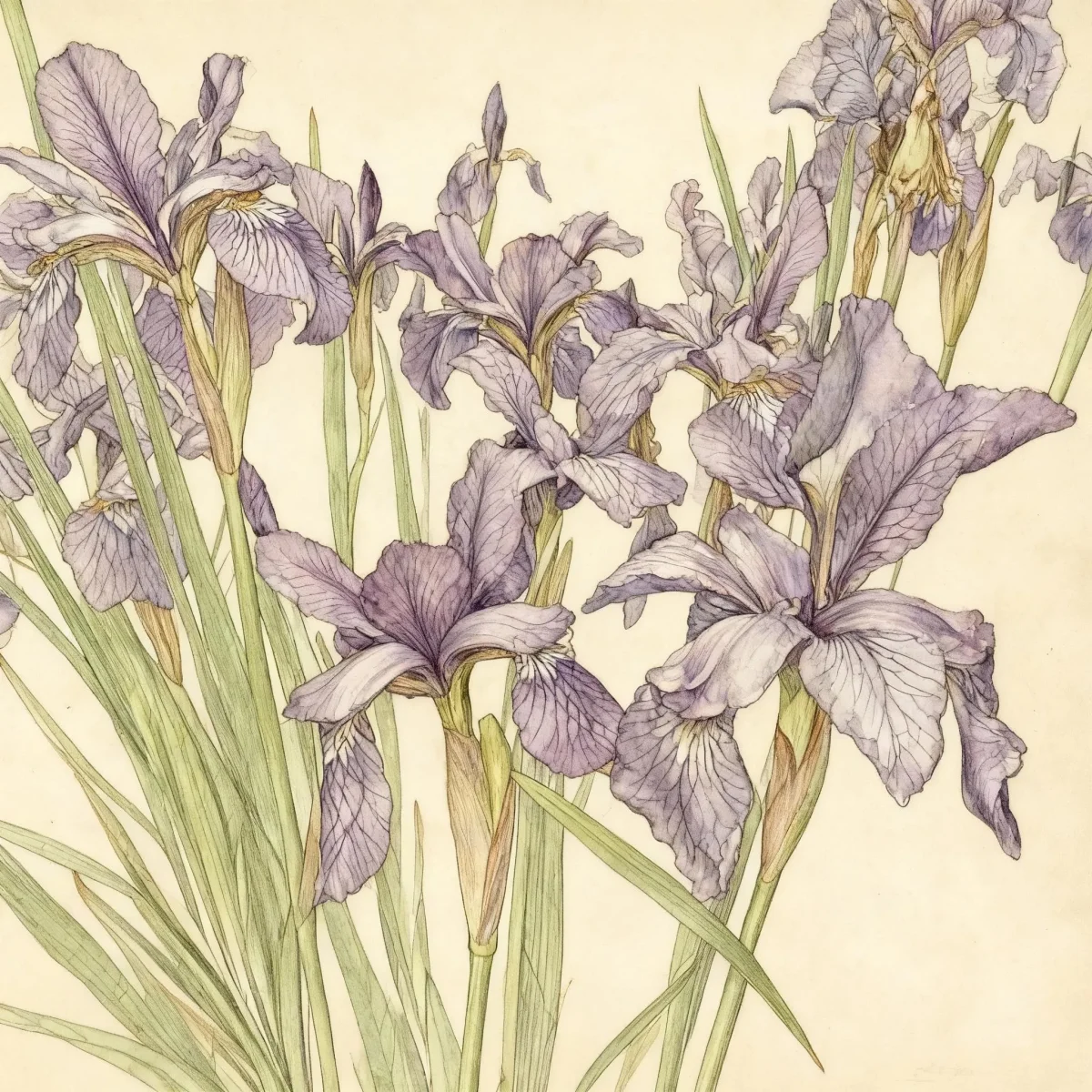
Siberian iris (Iris 'Pink Haze')
Iris 'Pink Haze' is a stunning Siberian iris offering pink to lavender blooms. Low maintenance and drought tolerant once established.
Scroll down to discover growing tips, care requirements, companion plants, and more

Complete Plant Information
Overview
Iris ‘Pink Haze’ introduces soft pink to lavender coloration to the beloved Siberian iris group, renowned for its elegant form and resilience. These herbaceous perennials provide striking vertical accents and excellent summer texture, often thriving where other reticulated irises might struggle. Gardeners value the Siberian iris for its adaptability and beautiful, beardless flowers that rise gracefully above narrow, grass-like foliage.
This specific cultivar, Iris ‘Pink Haze’, retains the overall robust nature of its Asian species heritage while offering a lovely pastel bloom from late May into June. It is characterized by arching, blue-green leaves that maintain their appearance long after the initial flowering period concludes, offering continuous interest through the season. For gardeners seeking reliable color in moisture-retentive areas, Iris ‘Pink Haze’ is a superb, low-maintenance choice.
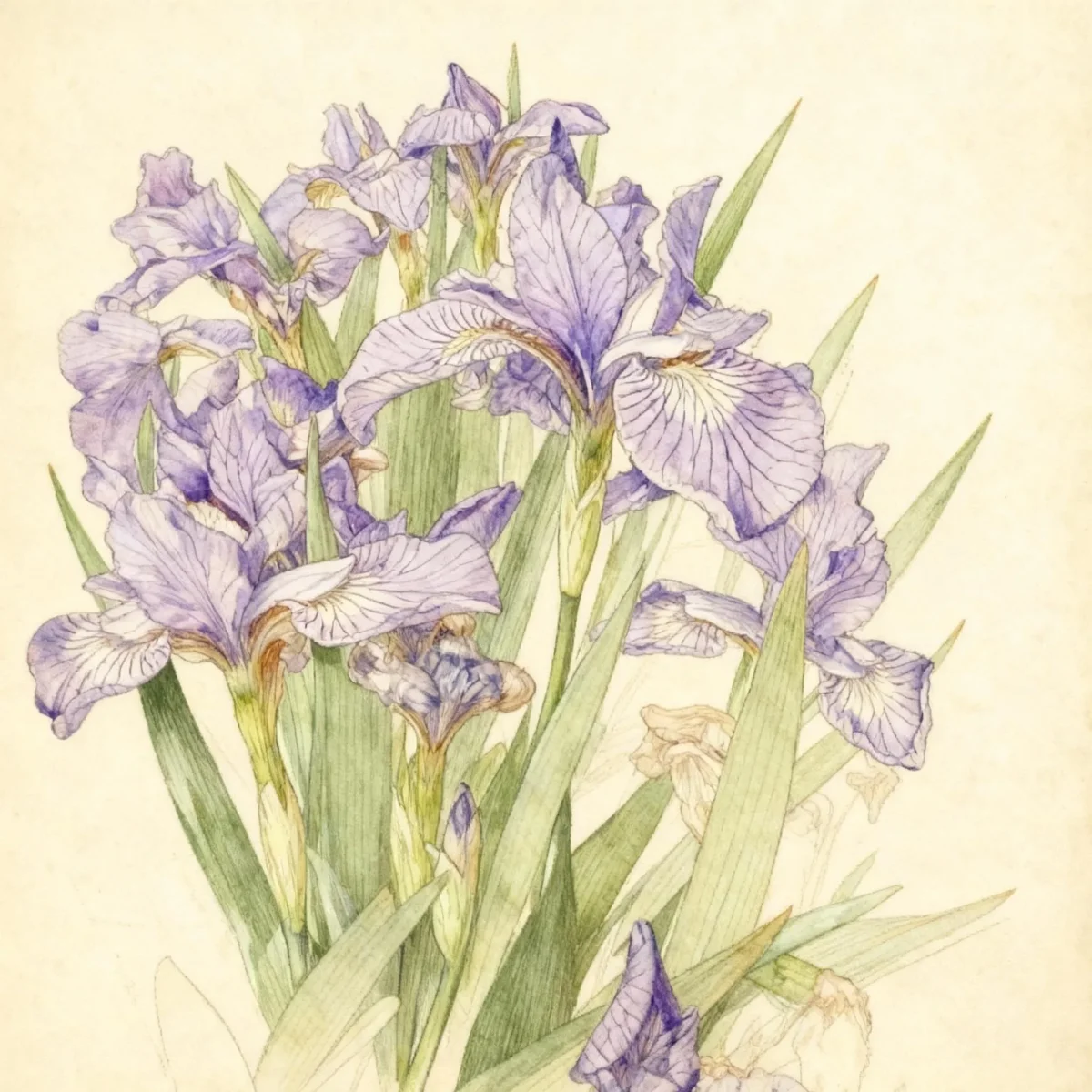
The foliage clump of this Siberian iris forms an attractive vase shape, reaching about two feet tall, with flowering stems extending higher. Its tolerance for varied soil conditions makes it a versatile addition to mixed borders or specialized wet gardens, confirming its status as a garden favorite.
Fast Facts
- Plant Family: Iridaceae
- Plant Type: Herbaceous perennial
- Hardiness Zones: USDA Zones 3-8
- Size at Maturity:
- Height: 2-3 ft
- Spread: 2-3 ft
- Bloom Time: May to June
- Bloom Description: Pink to lavender
- Sun Exposure: Full sun to part shade
- Water Needs: Medium to wet
- Maintenance Level: Low
How to Grow
Siberian iris establishes best when planted in moist, fertile, humusy, organically rich, neutral to slightly acidic soil. Ensure the site receives full sun to part shade; too much shade will significantly reduce flower production and cause foliage to flop outward. Rhizomes must be planted shallowly, just 1–2 inches below the soil surface, spaced 1–2 feet apart to allow room for future spreading clumps.
Consistency is key to healthy growth for Iris ‘Pink Haze’. Provide medium to wet moisture from early spring growth through several weeks after flowering has finished. While adaptable, avoid prolonged periods of overly dry or perpetually boggy soil conditions. After the bloom fades, continue watering to keep the foliage attractive, as this plant relies on healthy foliage for winter energy storage.
In colder regions, plant Siberian iris rhizomes in early spring or late summer; in milder zones, fall planting is appropriate. Maintenance is generally low. Promptly remove spent flower stems unless you appreciate the structure of the seed pods. Divide large, overcrowded clumps only when flowering noticeably decreases, which usually occurs every few years.
Landscape Uses
This Siberian iris is highly recommended for areas requiring a moisture-loving perennial, making it a standout choice for Rain Gardens. Its upright habit blends seamlessly into mixed perennial borders, offering vertical contrast among lower-growing companions. The arching foliage of Iris ‘Pink Haze’ persists beautifully, acting almost like an ornamental grass replacement late in the season.
Consider massing plantings of Iris ‘Pink Haze’ along stream banks, pond margins, or pathways where consistent moisture is naturally available. Because of their strong root systems, they are also effective planted along slopes or hillsides for erosion control. Furthermore, their excellent stature and clean lines make them superb structural elements in perennial groupings.
As a cut flower, this variety is valued, though stems typically last only about two days once brought indoors. When placed thoughtfully, the long-lasting post-bloom foliage dramatically enhances the garden long after the pink to lavender flowers disappear.
Standout Features
Flower Qualities
- Showy
- Good Cut
Noteworthy Characteristics
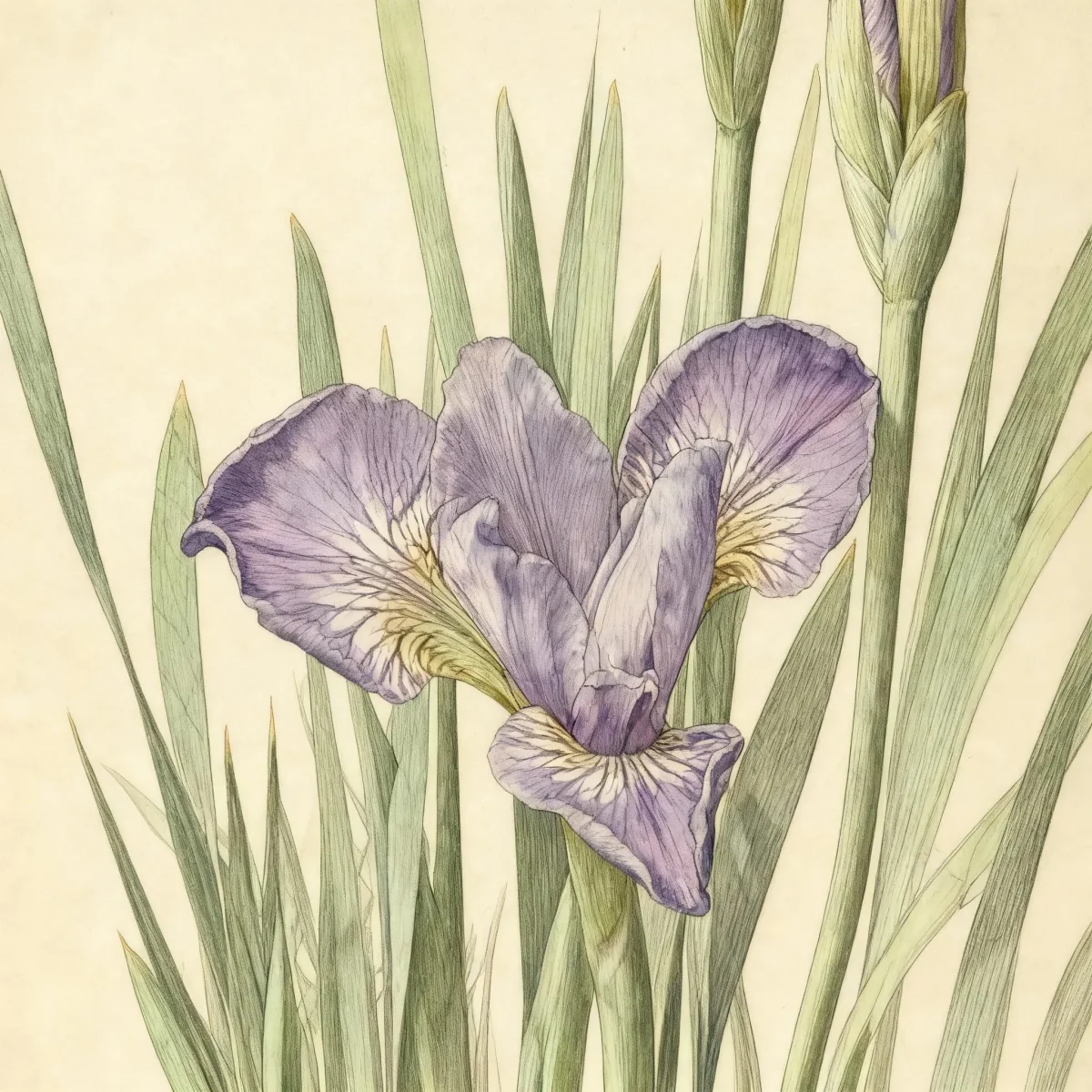
Plants in the Siberian iris group are chiefly of hybrid origin, primarily being derived from two blue-flowered Asian species. Arching, narrow, grass-like, linear, blue-green leaves form a vase-shaped foliage clump. Flowering stems rise above the foliage, bearing 2–5 beardless flowers per stem, contrasting with the thicker rhizomes found on bearded varieties. Iris ‘Pink Haze’ specifically produces lovely pink to lavender flowers in late spring.
Tolerances
- Rabbit
- Deer
- Drought
- Erosion
- Clay Soil
- Wet Soil
Potential Problems
Siberian irises, including Iris ‘Pink Haze’, exhibit excellent pest resistance compared to their bearded cousins. They are rarely bothered by iris borer or bacterial soft rot, which plague many other iris types. Good air circulation—achieved by avoiding overly dense shade and correctly spacing rhizomes—is the primary preventative measure against any minor fungal issues.
If the foliage flops significantly, it usually indicates insufficient sunlight exposure. To maintain the tight, upright clump structure characteristic of a healthy Siberian iris, ensure it receives adequate sun and consistent moisture during the active growing season.
Frequently Asked Questions
What hardiness zones is Siberian iris suitable for?
Iris ‘Pink Haze’ is reliably hardy across USDA Zones 3 through 8.
How large does Iris ‘Pink Haze’ grow?
This variety typically reaches a mature height of 2 to 3 feet, spreading to a width of 2 to 3 feet.
What sun exposure does Siberian iris need?
For optimal performance and flower count, plant Iris ‘Pink Haze’ in full sun to part shade conditions.
When does Iris ‘Pink Haze’ bloom?
This Siberian iris variety blooms reliably from May to June, displaying beautiful pink to lavender flowers.
Conclusion
Iris ‘Pink Haze’ offers gardeners a resilient, low-maintenance perennial known for its elegance and versatility, particularly in moist garden environments. The combination of attractive foliage and beautiful bloom color secures the Siberian iris’s place in modern perennial designs. Check your local USDA zone compatibility and plan your spring or late summer planting to enjoy this superb cultivar.
Companion Planting
Companion plants for Iris ‘Pink Haze’ should enjoy similar medium to wet soil conditions and appreciate the upright structure provided by the iris. Plants that demand drier feet should be avoided near the rhizomes of this Siberian iris. Good partners include moisture-loving natives like Joe Pye Weed (Eutrochium spp.) or Astilbe, which thrive in similar light levels.
For seasonal contrast, pair the early-to-mid-summer bloom of Iris ‘Pink Haze’ with late-flowering perennials that can take advantage of the iris’s fading foliage. Ornamental grasses, such as certain sedges (Carex) or switchgrass (Panicum), that tolerate moist soil will harmonize well once the iris begins to slow down.
Consider using plants that offer fine texture alongside the linear leaves of this iris to create visual interest. By selecting companions that share the requirement for consistent moisture, you ensure that all plants thrive together, maximizing the appeal of your rain garden or border.
Propagation Tips
The primary and easiest method for increasing your stock of Iris ‘Pink Haze’ is by division. This process is best undertaken in early spring or late summer, particularly in colder zones, or in the fall in milder climates, preventing stress during the heat of summer. Wait until the clump appears overcrowded and flowering performance declines before attempting division.
Carefully dig up the entire clump. Using a sharp, clean spade or knife, separate the rhizomes, ensuring each division retains at least one strong rhizome section and a healthy fan of foliage. Replant these divisions immediately at the correct depth—1 to 2 inches below the soil surface—and water in well to settle the soil around the new roots.
While Siberian irises produce seeds, growing Iris ‘Pink Haze’ from seed will result in genetically diverse offspring, meaning the resulting plants may not reliably display the specific pink to lavender coloring of the parent. For true-to-type propagation, division of the established clump is the recommended horticultural practice.