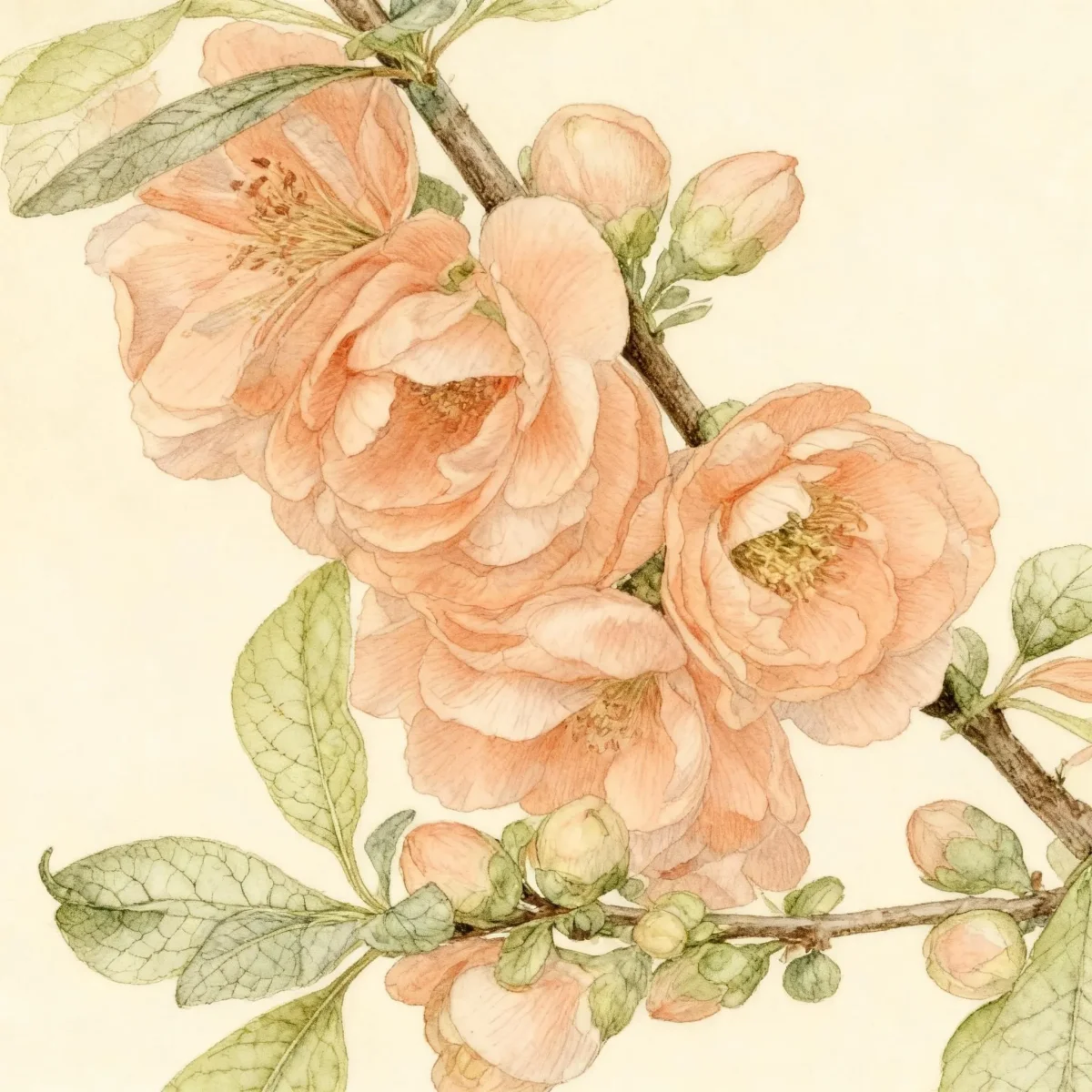
Dwarf flowering almond (Prunus glandulosa 'Sinensis')
Prunus glandulosa 'Sinensis' is a low-maintenance, deciduous shrub offering beautiful double pink blooms in April. Ideal for Zones 4-8.
Scroll down to discover growing tips, care requirements, companion plants, and more
Complete Plant Information
Overview
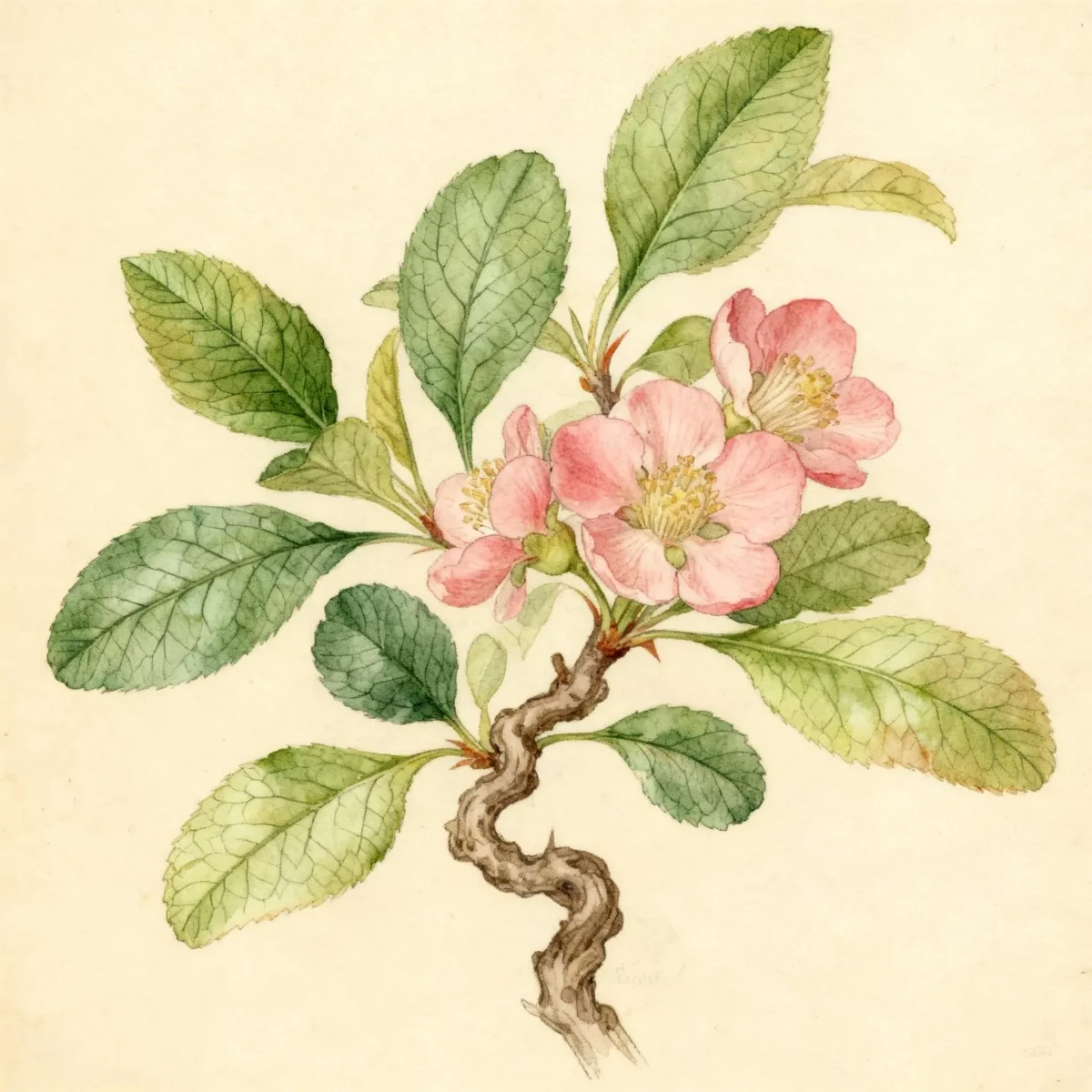
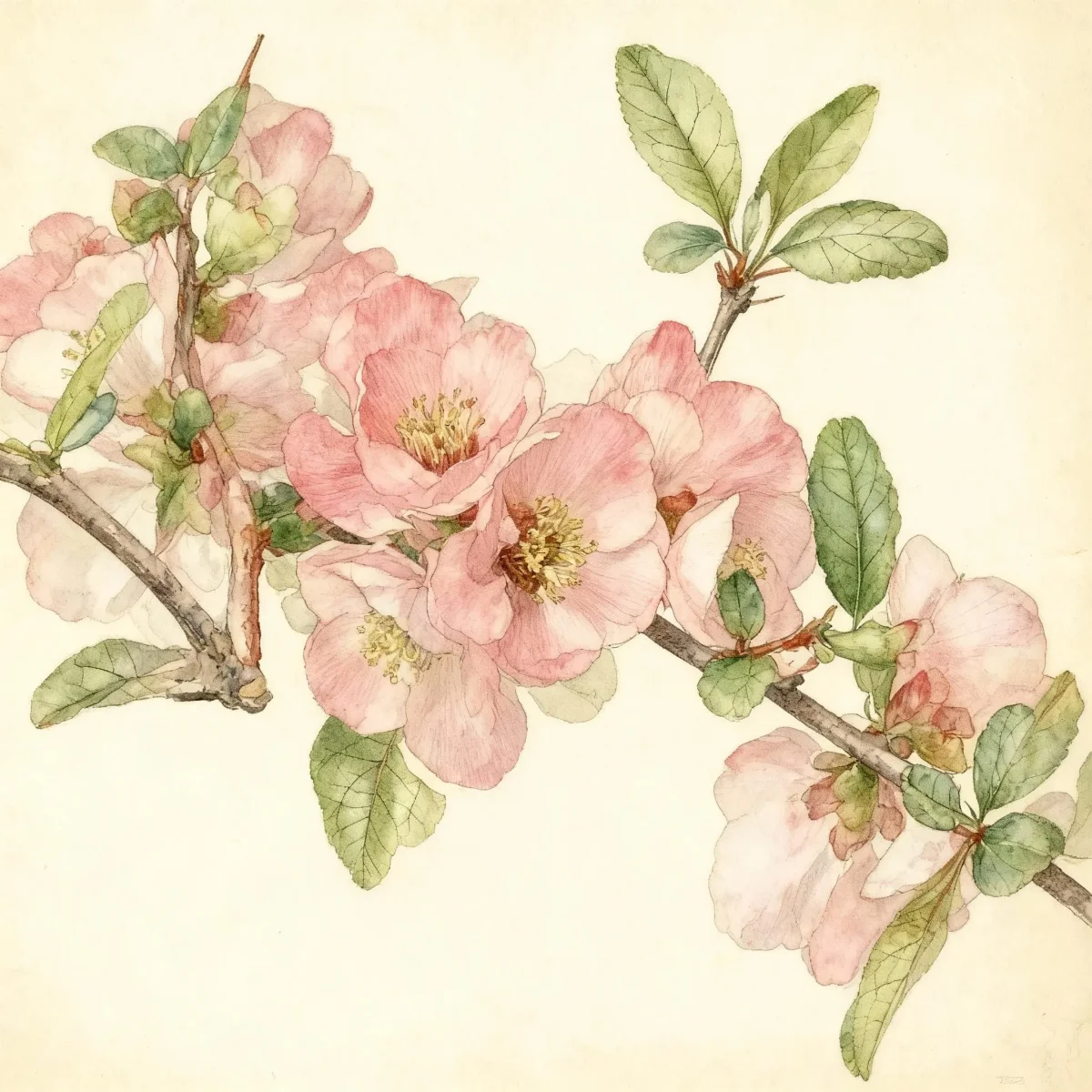
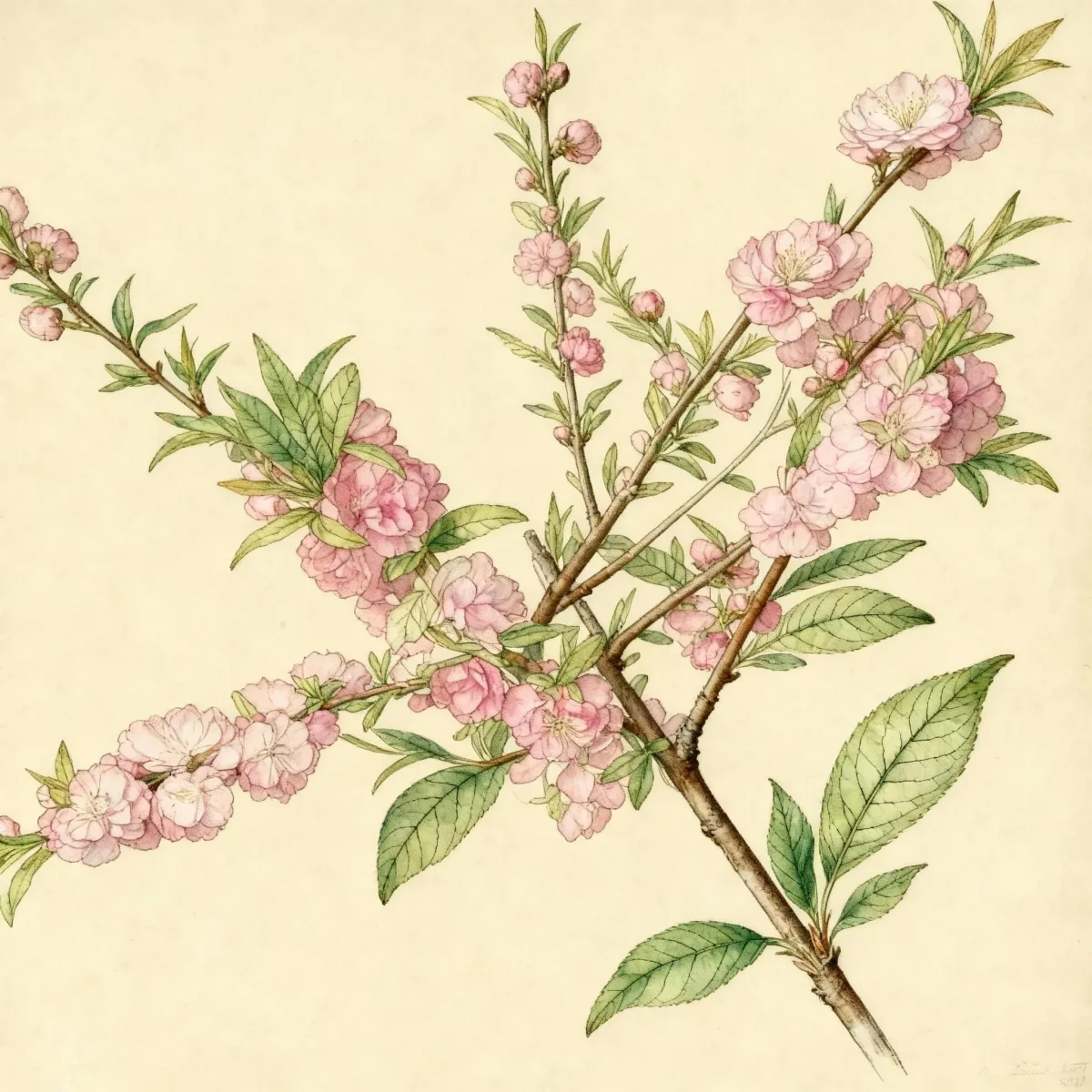
The Dwarf flowering almond, scientifically known as Prunus glandulosa ‘Sinensis’, provides an early spring spectacle when little else is in color. This multi-stemmed deciduous shrub is highly valued for its profusion of showy, double pink, cherry-like flowers that emerge in mid-spring. Established plants offer reliable structure, fitting well into mixed borders or as a specimen planting.
While generally considered low maintenance, Prunus glandulosa ‘Sinensis’ benefits from specific cultural care to maintain its appearance. It thrives best in well-drained soils, as poor drainage can quickly lead to root issues. Its compact size, typically reaching 4 to 5 feet tall and wide, makes the Dwarf flowering almond excellent for smaller gardens or mass plantings.
Beyond its aesthetic spring appeal, this shrub offers structure throughout the growing season with its shiny green foliage. Gardeners should be aware of its shorter lifespan compared to larger woody ornamentals. Proper pruning immediately after flowering is crucial for maximizing the blooms of Prunus glandulosa ‘Sinensis’ next season.
Fast Facts
- Plant Family: Rosaceae
- Plant Type: Deciduous shrub
- Hardiness Zones: USDA Zones 4-8
- Size at Maturity:
- Height: 4-5 ft
- Spread: 3-4 ft
- Bloom Time: April
- Bloom Description: Pink (double)
- Sun Exposure: Full sun to part shade
- Water Needs: Medium
- Maintenance Level: Low
How to Grow
For optimal performance, plant the Dwarf flowering almond in its preferred location during the spring or fall. It requires moist, organically rich, well-drained soil. Good soil drainage is absolutely essential to prevent root problems. While it tolerates urban pollution and some drought once established, site selection that provides full sun to light part shade will maximize bloom density.
Water Prunus glandulosa ‘Sinensis’ consistently on a medium schedule, ensuring the soil remains moist but never waterlogged, especially during establishment. This shrub is generally low maintenance, often requiring little feeding if planted in rich soil. An annual pruning session immediately following the cessation of flowering is highly recommended. This encourages the growth of new wood necessary for abundant bloom production the following spring.
When pruning, promptly remove any root suckers that emerge away from the main plant unless you are aiming for a naturalized drift. Because the plant stems can thin out and appear cosmetically unkempt over time, judicious pruning helps maintain a denser habit. Minimal winter preparation is usually required outside of ensuring good drainage protection.
Landscape Uses
The reliable spring color and manageable size make the Dwarf flowering almond versatile in landscape design. It excels when used in shrub borders, providing structure and texture along walkways or property lines. Its medium height allows it to blend well with smaller perennials without overwhelming them in the foreground.
This shrub is also perfectly suited for woodland margins where it can receive the dappled light it tolerates well. For gardeners aiming for a softer, informal look, Prunus glandulosa ‘Sinensis’ can be used in naturalized areas. Plant groupings together to maximize the impact of the double pink bloom display in early spring.
Standout Features
Flower Qualities
- Showy
Noteworthy Characteristics
Prunus glandulosa, commonly called dwarf flowering almond, is a small, multi-stemmed shrub that typically grows to 4-5’ tall and spreads to 3-4’ wide. It has thin stems and an irregular form, meaning pruning is important to keep it looking tidy. The ‘Sinensis’ cultivar is specifically noted for its abundant double pink flowers, each reaching up to 1 1/4” in diameter, which emerge along the stems in mid-spring.
Tolerances
- Tolerates urban conditions
- Tolerates some droughty conditions
Potential Problems
The Dwarf flowering almond can be susceptible to a wide array of insect and disease pests, which often shortens its typical lifespan to less than 10 years. Fireblight poses a significant threat and requires immediate sanitation measures if observed. Potential root diseases include root rot and honey fungus, emphasizing the need for excellent drainage.
Insect pests that commonly bother Prunus glandulosa ‘Sinensis’ include borers, scale, aphids, and Japanese beetles. Management often involves diligent monitoring and appropriate chemical or cultural controls as soon as infestations are noticed. Maintaining plant vigor through correct watering and pruning reduces overall susceptibility to stress-related issues.
Frequently Asked Questions
What hardiness zones is Dwarf flowering almond suitable for?
The Dwarf flowering almond (Prunus glandulosa ‘Sinensis’) is best suited for USDA Hardiness Zones 4 through 8.
How large does Prunus glandulosa ‘Sinensis’ grow?
This shrub typically matures to a height between 4 and 5 feet, with a spread ranging from 3 to 4 feet wide.
When does Dwarf flowering almond bloom?
Prunus glandulosa ‘Sinensis’ produces its characteristic double pink flowers seasonally in April.
What sun exposure does the Dwarf flowering almond need?
For the best flowering display, Prunus glandulosa ‘Sinensis’ should be situated in a location receiving full sun to light part shade.
Conclusion
The Dwarf flowering almond (Prunus glandulosa ‘Sinensis’) is a valuable addition to the spring landscape, offering reliably showy, double pink flowers on a compact shrub. While its lifespan may be shorter than some counterparts, proper care focusing on drainage and post-bloom pruning ensures spectacular color year after year. Before planting, verify that your local hardiness zone falls between 4 and 8 to give this beautiful shrub the best chance to thrive.
Companion Planting
Selecting suitable companions for Prunus glandulosa ‘Sinensis’ helps create a layered, appealing garden throughout the season. Because it requires well-drained soil and full to partial sun, pair it with other early spring bloomers like Daffodils or Hyacinths, which provide ground-level interest beneath the canopy. For reliable summer structure that shares similar cultural needs, consider planting shade-tolerant groundcovers like Vinca minor or low-growing Hostas near the base, provided the soil amendment strategy prevents overly wet conditions around the roots.
Plants that enjoy slightly acidic to neutral, rich soils, such as Azaleas or early blooming Dogwoods, complement the shrub aesthetically and culturally. Avoid planting water-loving perennials nearby, as their inconsistent moisture needs can create the soggy conditions detrimental to the Dwarf flowering almond’s health. Focusing on plants known to tolerate urban conditions as well can ensure long-term garden success in challenging environments.
Design Ideas for Compact Blooms
The manageable 4-5 foot size of Prunus glandulosa ‘Sinensis’ dictates its best uses in formal or semi-formal landscape designs. It serves perfectly as a transition planting between larger trees and the lawn edge or perennial border. When planted throughout a woodland margin, the mass of pink blooms creates a floating cloud effect early in the season before deciduous trees leaf out fully.
For a striking single-season accent, plant three or five Dwarf flowering almonds in a drift pattern rather than a straight line; this irregular grouping mimics natural growth habits while providing a concentrated burst of color. Because the foliage is not known for outstanding fall color, ensure that surrounding plants—like certain Japanese Maples or late-season blooming Sedums—are chosen to carry visual interest into autumn once the flowering almond has faded. Its delicate stems and fine texture contrast nicely with broadleaf evergreens.