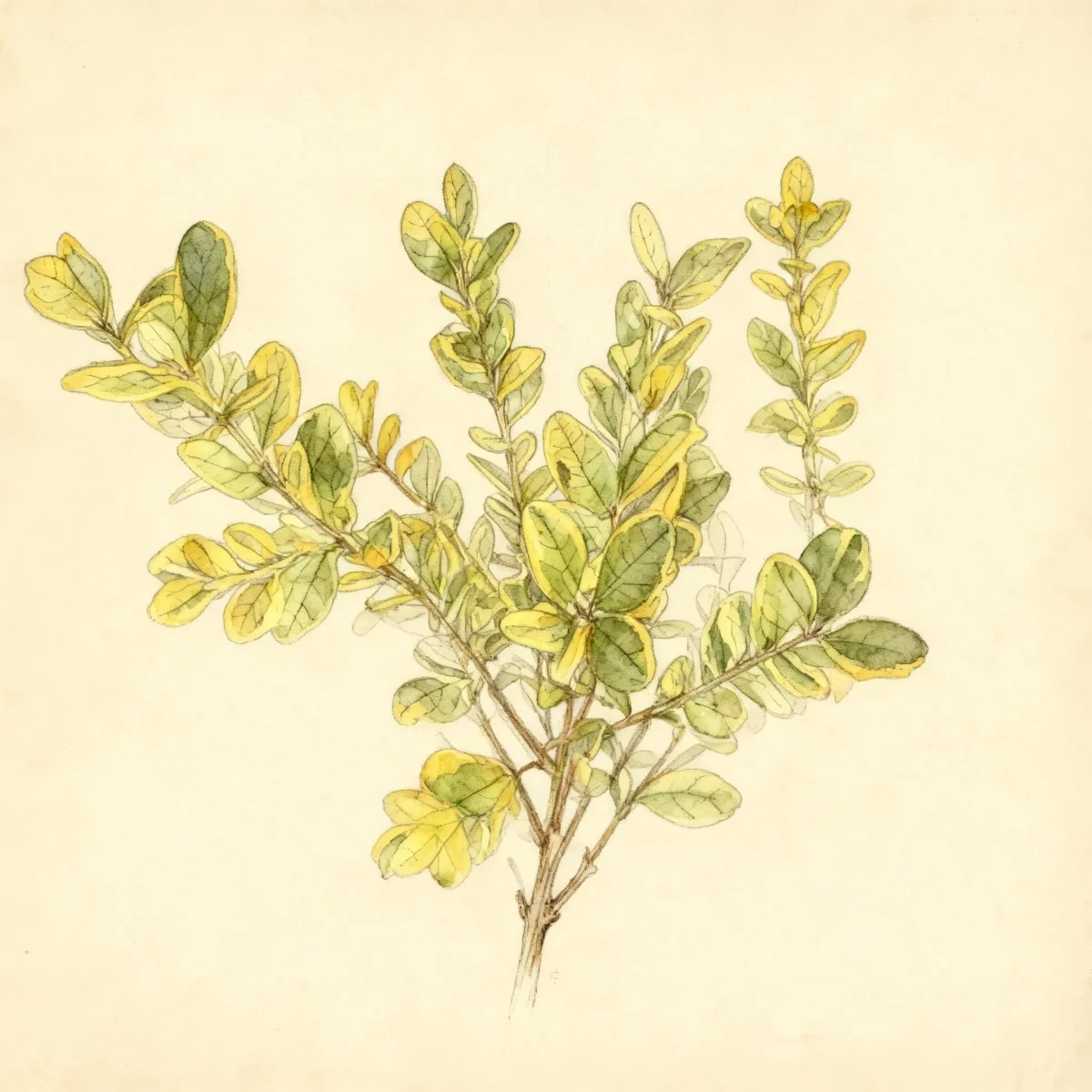
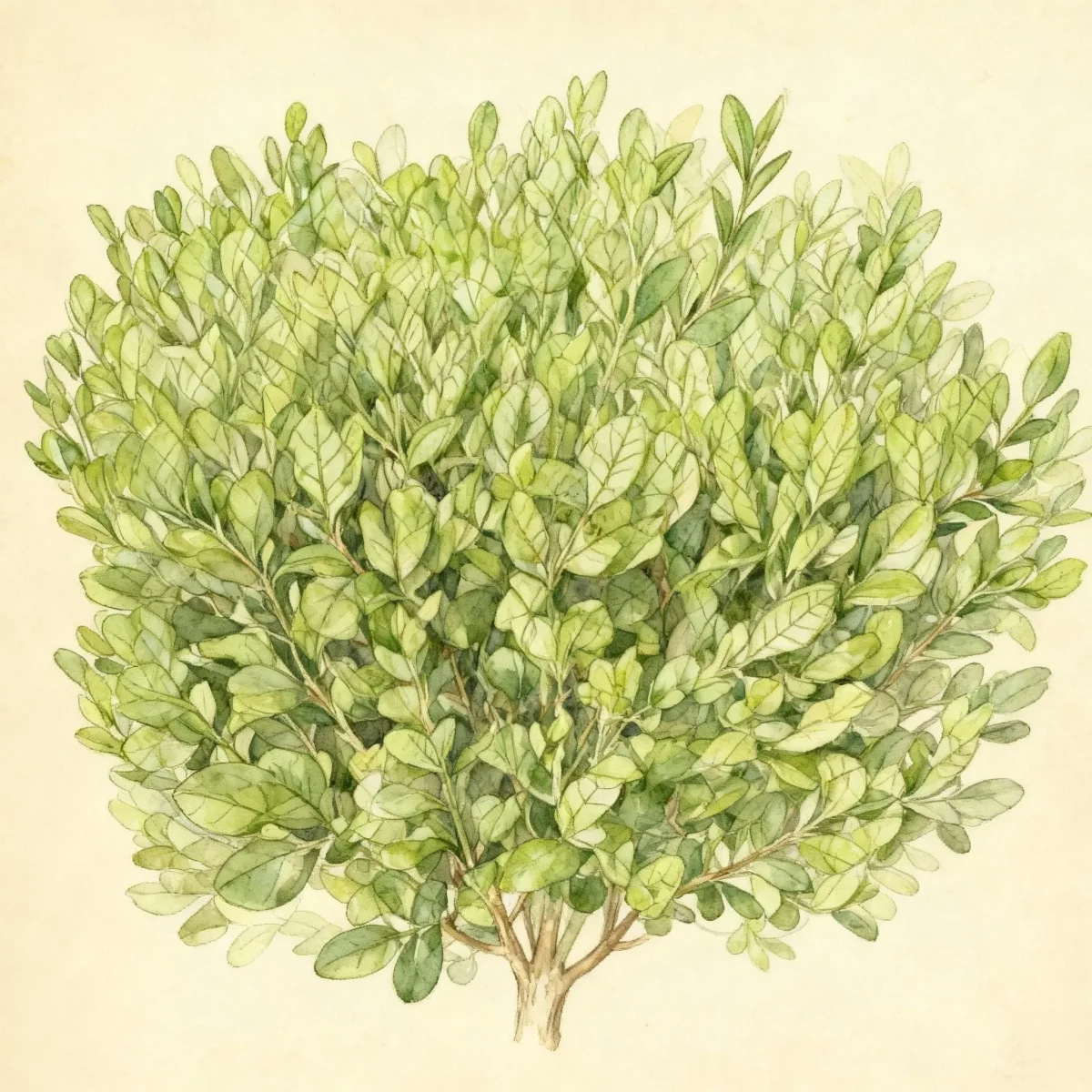
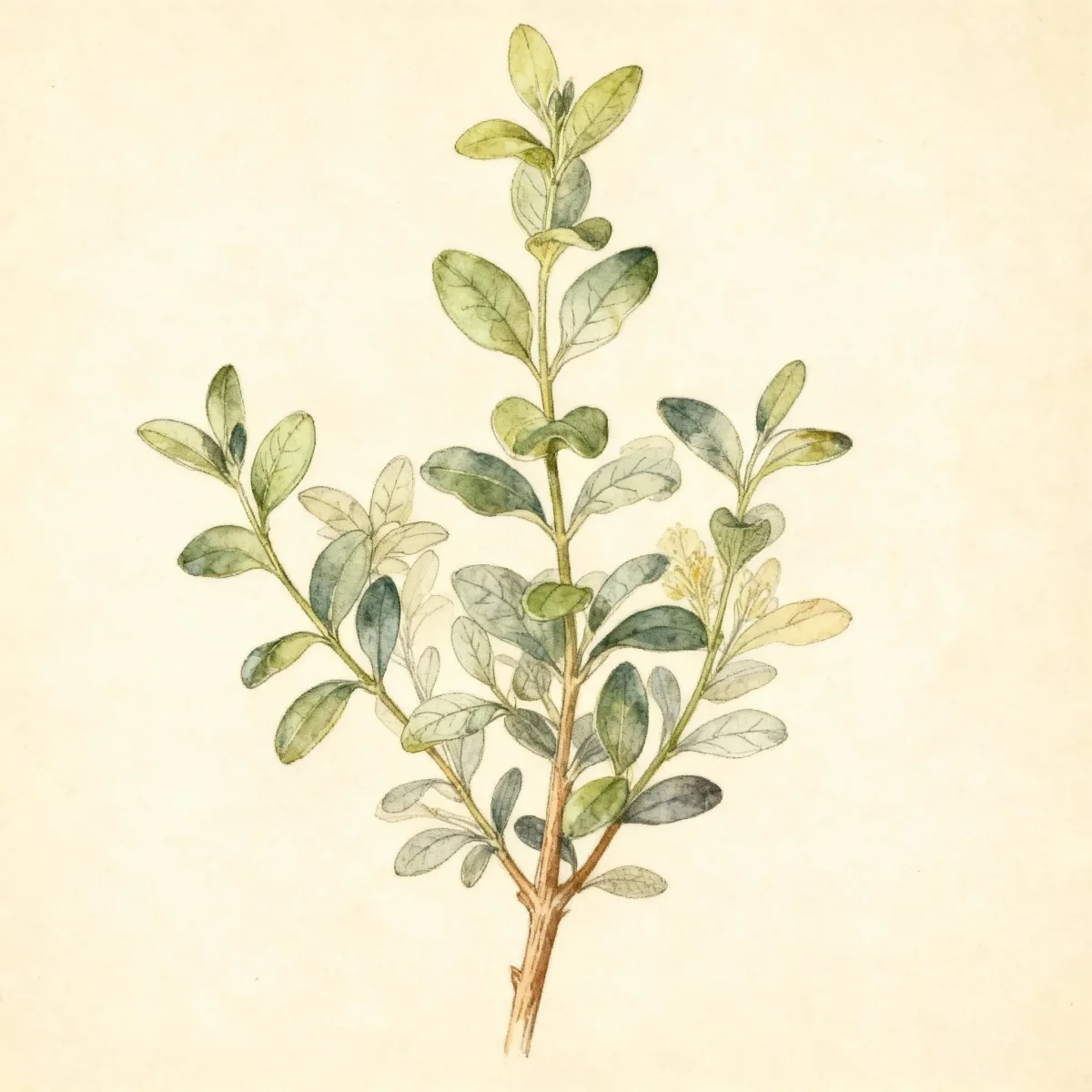
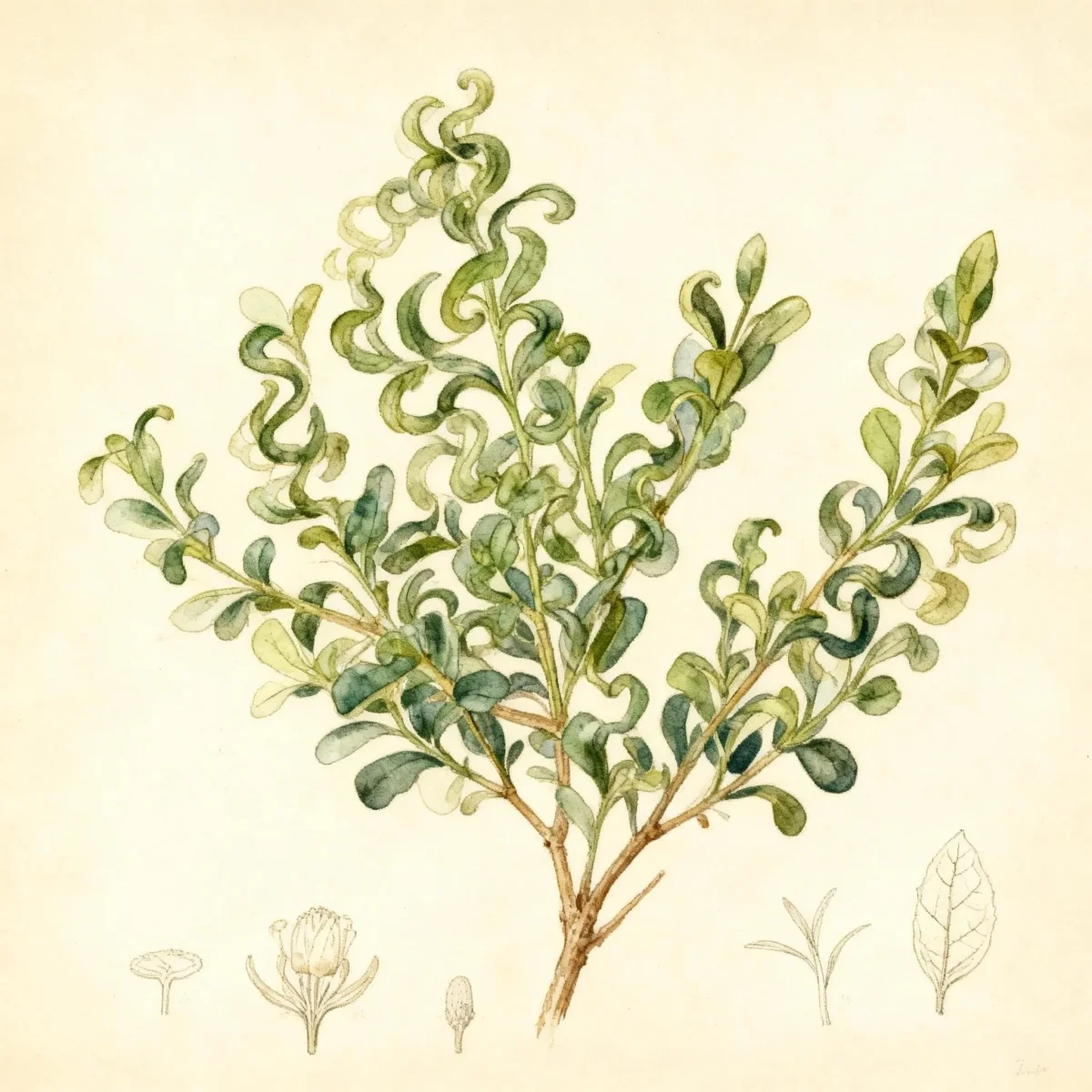
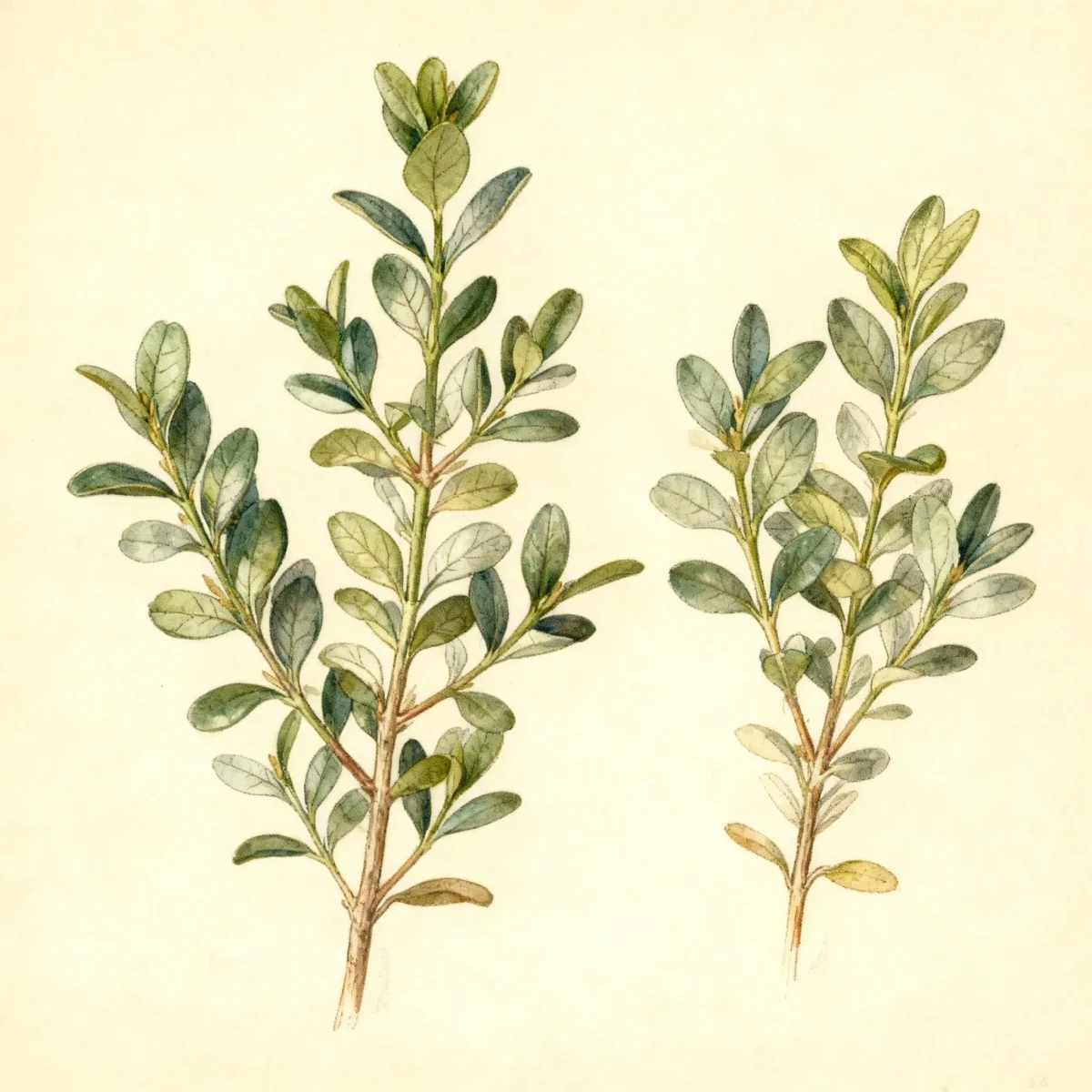
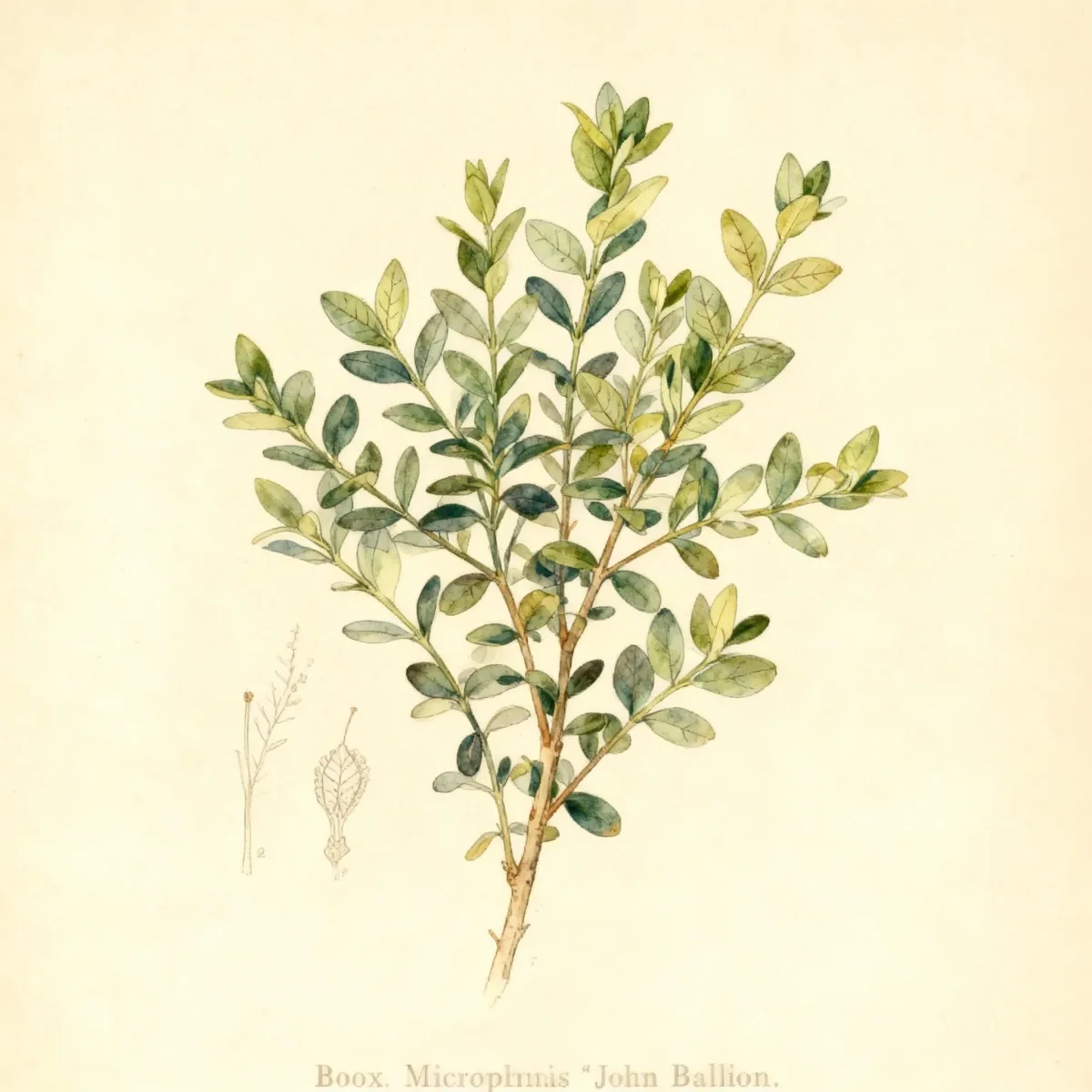
Boxwood (Buxus 'Green Mound')
Buxus 'Green Mound' Boxwood is a compact evergreen shrub, excellent for low hedges and foundation planting in Zones 5-8.
Scroll down to discover growing tips, care requirements, companion plants, and more
Complete Plant Information
Overview
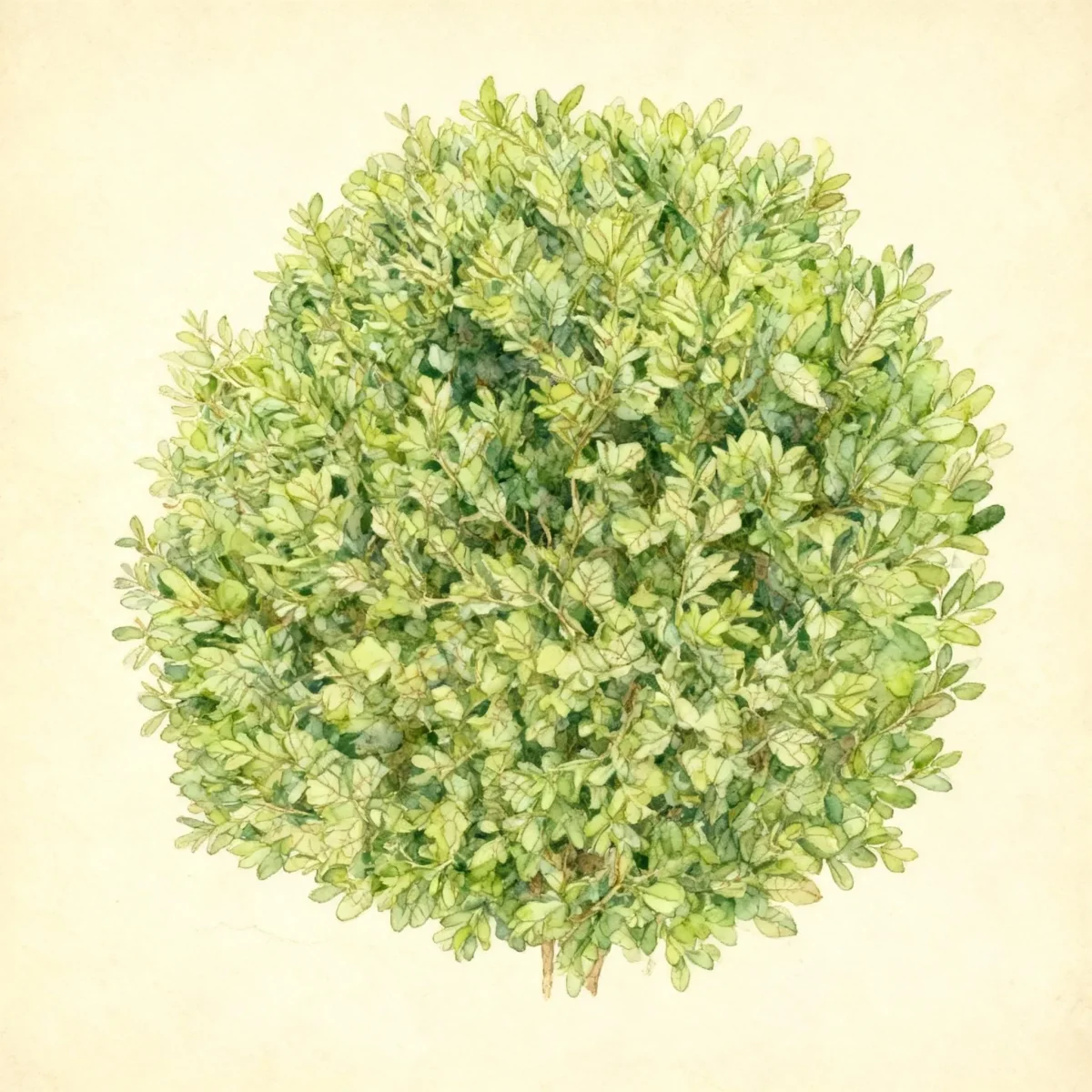
The Buxus ‘Green Mound’ Boxwood is a highly valued broadleaf evergreen prized for its dense, naturally rounded habit, making it a dependable choice for formal garden structures and year-round color. This slow-growing cultivar maintains a compact, neat appearance without excessive trimming, offering reliable texture in the landscape. As a classic Boxwood, Buxus ‘Green Mound’ provides structure to foundation plantings and low borders, retaining its glossy, dark green foliage even through colder winters.
This variety offers the traditional look of Boxwood but in a manageable, compact form ideal for smaller spaces. It thrives across USDA Zones 5 to 8, requiring medium water and moderate care to maintain its vigor. Gardeners appreciate the reliability and winter interest provided by this specific Buxus hybrid.
Fast Facts
- Plant Family: Buxaceae
- Plant Type: Broadleaf evergreen
- Hardiness Zones: USDA Zones 5-8
- Size at Maturity:
- Height: 2-3 ft
- Spread: 2-3 ft
- Bloom Time: April
- Bloom Description: Greenish-white
- Sun Exposure: Full sun to part shade
- Water Needs: Medium
- Maintenance Level: Medium
How to Grow
The ideal location for establishing Buxus ‘Green Mound’ is where it receives evenly moist, well-drained soil, such as a sand-clay loam mixture. While it tolerates full sun, planting in areas offering dappled light or several hours of morning sun prevents leaf scorch and winter bronzing. Plants prefer slightly acidic to slightly alkaline soil pH conditions.
Maintain consistent moisture, especially as the shallow roots establish; avoid letting the soil dry out completely. Apply a 1-2 inch layer of organic mulch, like compost or bark, around the base to conserve moisture and insulate the roots, but take care not to cultivate directly around the plant base due to its shallow root system. Position your Buxus ‘Green Mound’ carefully, sheltering it from harsh winter winds, which can exacerbate dehydration and cause foliage bronzing.
Pruning and shearing are possible maintenance activities, but timing is crucial. Never prune Buxus ‘Green Mound’ before the final spring frost date. Early pruning encourages tender new growth that is highly vulnerable to being killed by subsequent late frosts. Annually thinning the interior helps improve air circulation throughout the dense structure of this Boxwood.
Landscape Uses
Buxus ‘Green Mound’ excels in applications where precise, low hedging or defined structure is needed. Its compact, rounded form makes it perfect for formal gardens, serving as an excellent choice for low hedges or neat edging along paths. It is also widely used as a specimen or accent plant where its evergreen structure provides visual interest year-round.
Consider grouping Buxus ‘Green Mound’ near foundations where its tidy profile complements architectural lines. Its dense structure also makes it suitable for container gardening, provided drainage is excellent. When selecting companions, pair it with plants that share similar sunlight and soil preferences, such as Japanese forest grass or low-growing evergreens that offer textural contrast.
Standout Features
Flower Qualities
- Insignificant
Noteworthy Characteristics
The genus Buxus, or Boxwood, encompasses around 70 species of evergreen shrubs and trees originating from Europe, Asia, Africa, and Central America. Buxus ‘Green Mound’ is readily identifiable as a compact, rounded evergreen boxwood that typically reaches 2 to 3 feet tall and wide within its first decade. Its small leaves are glossy dark green, often retaining good winter color, and the plant is celebrated for the defined structure it brings to the landscape.
Tolerances
- Rabbit
- Deer
Potential Problems
Boxwood foliage can develop an unattractive brownish-yellow cast, known as bronzing, particularly in harsh winters when exposed to continuous sun and drying winter winds. To mitigate this, site plants where they receive some winter protection from both full winter sun and strong prevailing winds. Improving air circulation through annual thinning can help reduce the risk of fungal issues.
This Boxwood is susceptible to several diseases, including boxwood blight, volutella blight, and general leaf spot. Ensure excellent drainage to prevent root rot. Insect pests like the boxwood leafminer, mite, and psyllid require vigilance; regular scouting of the dense foliage is necessary for early detection and management of these common Boxwood threats.
Frequently Asked Questions
What hardiness zones is Boxwood suitable for?
Buxus ‘Green Mound’ is hardy and best grown in USDA Zones 5 through 8.
How large does Buxus ‘Green Mound’ grow?
This cultivar typically matures around 2 to 3 feet in height and spreads to a similar width, though it may eventually reach 4 to 5 feet with age.
What sun exposure does Buxus ‘Green Mound’ need?
This Boxwood performs well in full sun, though partial shade, especially light shade or conditions with some morning sun, is often preferred to prevent winter bronzing.
When does Buxus ‘Green Mound’ bloom?
The inconspicuous flowers of Buxus ‘Green Mound’ bloom during April, presenting a greenish-white color.
Conclusion
The Buxus ‘Green Mound’ Boxwood offers gardeners an indispensable, low-maintenance evergreen solution for structure and texture. Its reliably dense, compact form establishes beautiful, understated borders and foundation plantings throughout all four seasons. Before planting, confirm your site falls within USDA Zones 5-8 and plan your location to offer some protection from drying winter sun and wind to maximize the health of your Boxwood.
Companion Planting
Selecting appropriate companions ensures Buxus ‘Green Mound’ maintains its optimal growing environment. Plants that thrive in similar medium moisture and sun conditions—Full sun to part shade—make excellent neighbors. Consider pairing the fine texture of the Boxwood foliage with deciduous plants that offer seasonal contrast, such as astilbes for shade, or low-growing ornamental grasses that sway in the breeze planted beside sun-drenched specimens.
Avoid planting aggressively spreading perennials or trees directly adjacent to the Buxus ‘Green Mound’. Because Boxwood has shallow roots, heavy competition for surface water and nutrients can stress the shrub. Keeping the root zone clear of aggressive root systems, while maintaining a light layer of mulch, supports the overall health of your Boxwood hedge.
Seasonal Care Calendar
Spring is vital for awakening your Buxus ‘Green Mound’ after winter dormancy. Once the danger of hard frost has passed, clean up any winter debris and apply fresh mulch around the base, taking care not to bury the root crown. This is also the appropriate time to prune any dead or damaged branches to improve light penetration.
Summer care focuses primarily on consistent watering, especially during dry spells, maintaining that medium moisture requirement. Avoid heavy fertilization during the hottest part of the summer. In the late fall, ensure the plant is well-hydrated before the ground freezes; this pre-winter soak is crucial insurance against the drying effects of winter winds on the evergreen foliage of your Boxwood.