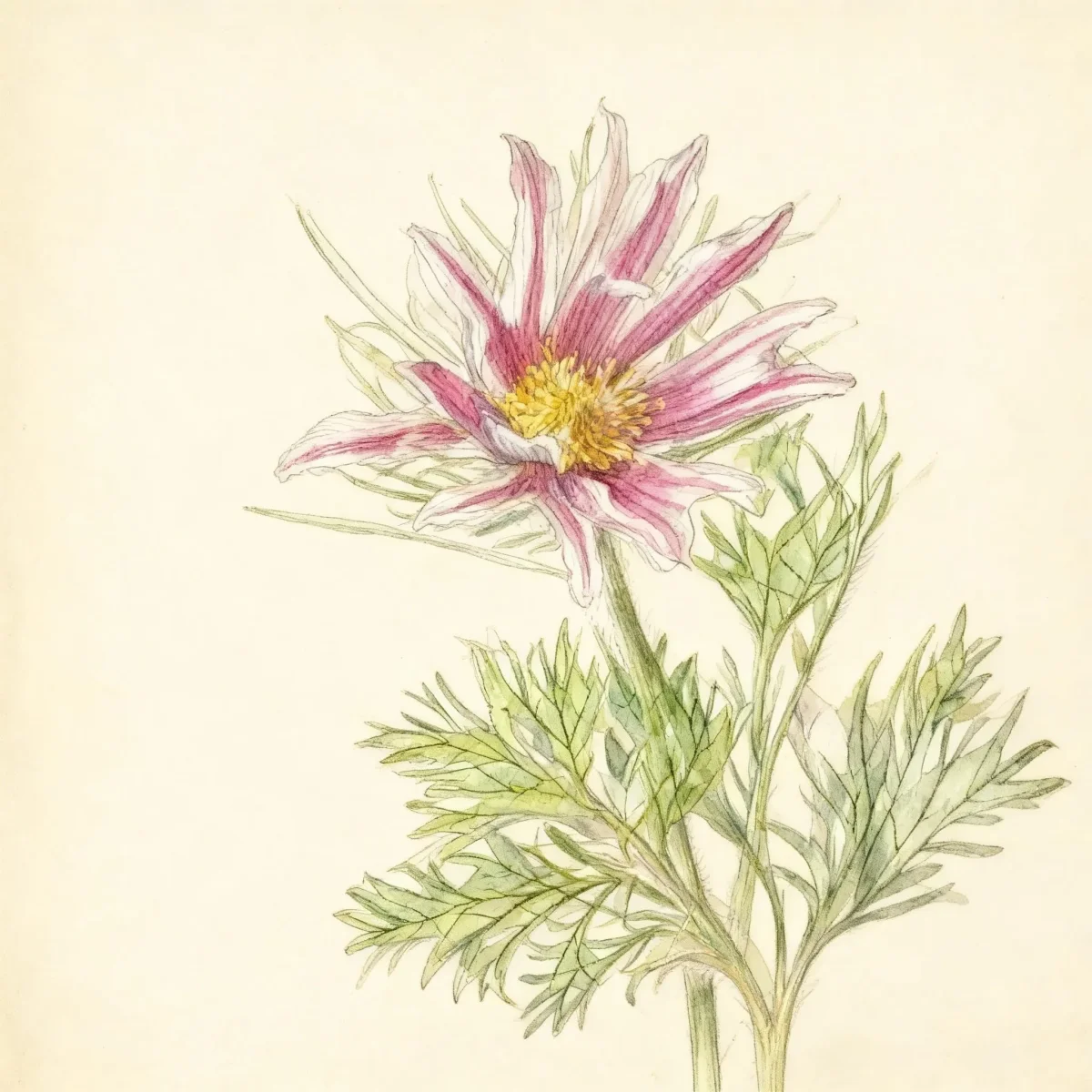
Meadow rue (Thalictrum kiusianum)
Thalictrum kiusianum, dwarf Meadow rue, offers low, spreading foliage and fluffy lavender-pink blooms. Easy care perennial perfect for shaded rock gardens.
Scroll down to discover growing tips, care requirements, companion plants, and more
Complete Plant Information
Overview
Thalictrum kiusianum, known commonly as dwarf meadow rue, is a charming, low-growing addition perfect for integrating natural textures into shaded garden spaces. This herbaceous perennial from Japan and Korea forms a tight, spreading foliage mat that effectively covers ground while remaining petite. Its structure and coloring offer excellent contrast against larger, coarser-leaved shade plants.
The appeal of this specific meadow rue lies in its delicate aesthetic and ease of care, qualifying it as a low-maintenance choice for discerning gardeners. Though small, the plants produce fluffy, airy inflorescences of lavender to pinkish-purple flowers when massed together between June and August.
For the best display of Thalictrum kiusianum, ensure its placement respects its native origin in moist woodland alpine areas. Whether used as path edging or allowed to naturalize beneath taller shrubs, this perennial provides year-round structure and seasonal color without demanding constant attention.
Fast Facts
- Plant Family: Ranunculaceae
- Plant Type: Herbaceous perennial
- Native Range: Japan, Korea
- Hardiness Zones: USDA Zones 5-8
- Size at Maturity:
- Height: 0.25-0.5 ft
- Spread: 1-1.5 ft
- Bloom Time: June to August
- Bloom Description: Lavender to pinkish-purple
- Sun Exposure: Full sun to part shade
- Water Needs: Medium
- Maintenance Level: Low
How to Grow
The best results for Thalictrum kiusianum are achieved when planted in spring or early fall after the threat of hard frost has passed. Locate this specialty meadow rue where it receives part shade, as less vigorous growth typically occurs in full shade. It thrives in organically rich, moderately fertile, medium moisture, well-drained soils.
Consistent moisture is key to success, especially if growing the plants in brighter conditions, as they tolerate full sun only when adequately watered. While considered low maintenance, ensure the soil does not remain soggy, which can lead to rot rather than vigor. This species is easy to establish and may be grown from seed, often self-seeding gently, contributing to a naturalized look.
As a low-growing perennial, little to no pruning is required outside of removing spent foliage in late winter before new shoots emerge. Avoid heavy feeding; rich soil generally supports sufficient growth, and excessive fertility may encourage legginess.
Landscape Uses
Thalictrum kiusianum excels in fine-textured ground cover applications, particularly for moist and shaded areas where its low stature won’t obstruct pathways. Its spreading rhizomes make it excellent for naturalizing under large trees or along woodland edges, softening the transition between lawn and woods.
Use this species as an attractive path edger, providing a soft, subtle margin that defines borders without creating a formal barrier. Its ability to spill gracefully makes it ideal for mingling over the front lip of stone walls or cascading down small retaining walls in rock gardens.
Consider companion planting it with plants that appreciate similar moist, part-shaded conditions, such as Hosta, Japanese Forest Grass (Hakonechloa), or various ferns. The fine texture of the meadow rue contrasts beautifully with bolder foliage, enhancing the overall depth of the design.
Flower Qualities
- Showy
Noteworthy Characteristics
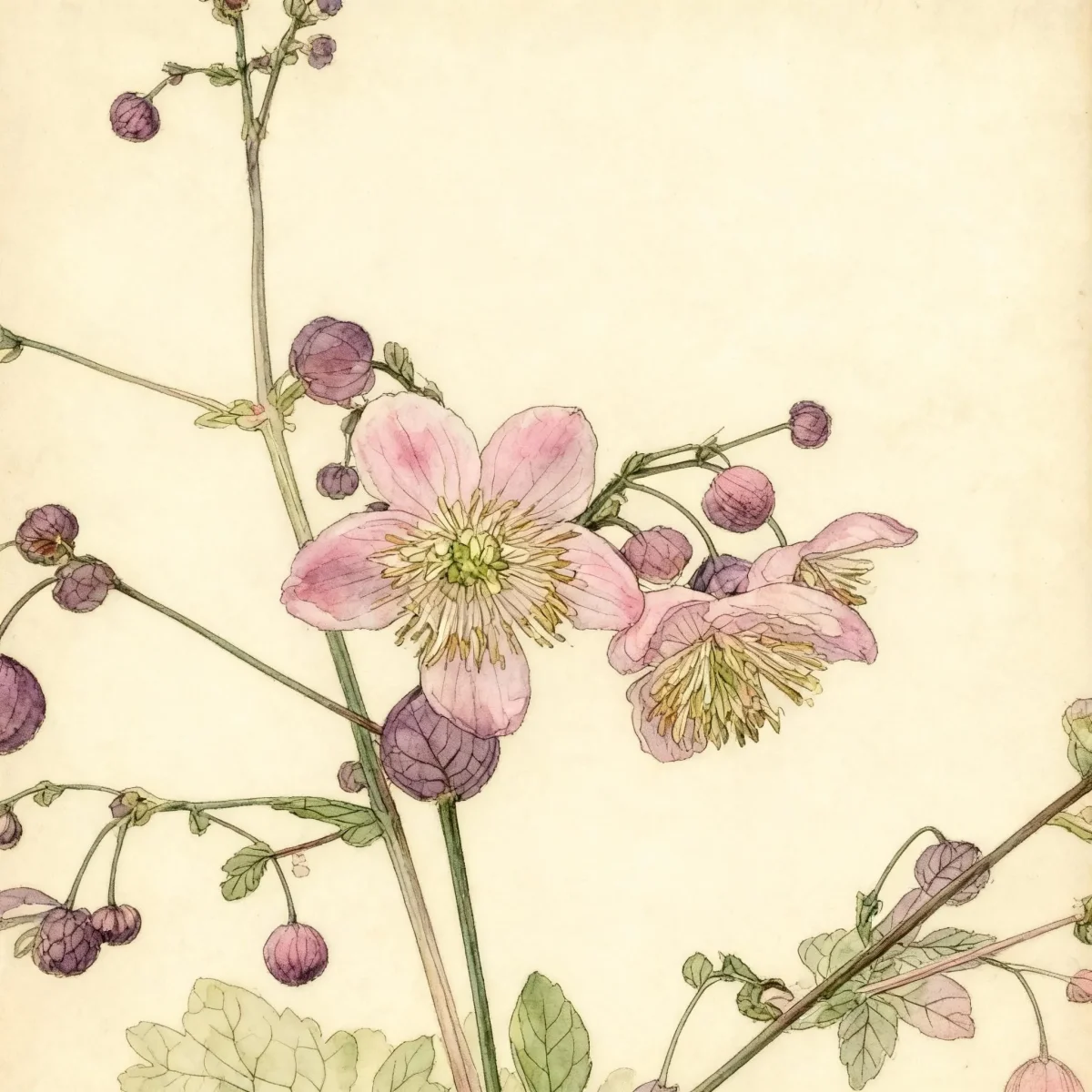
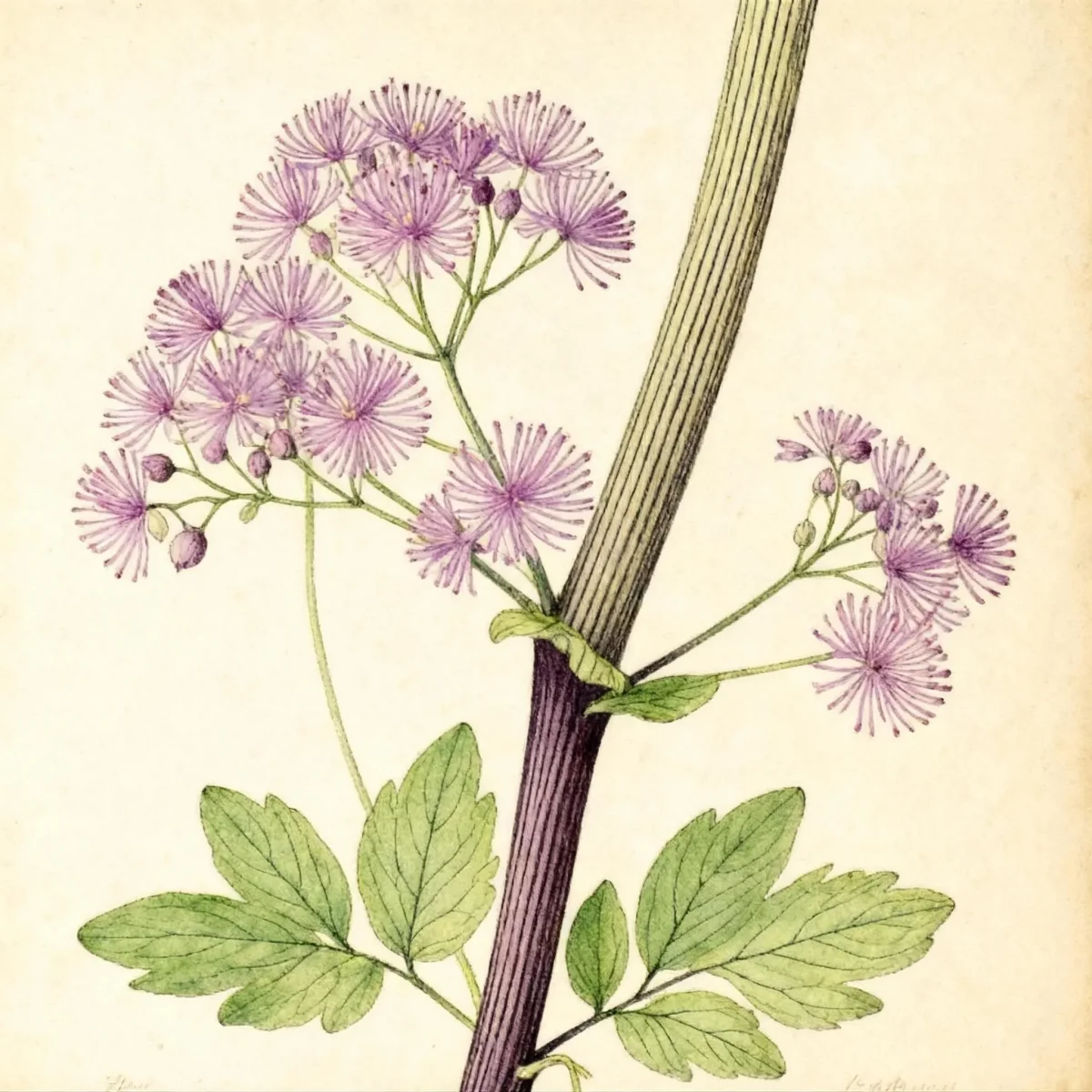
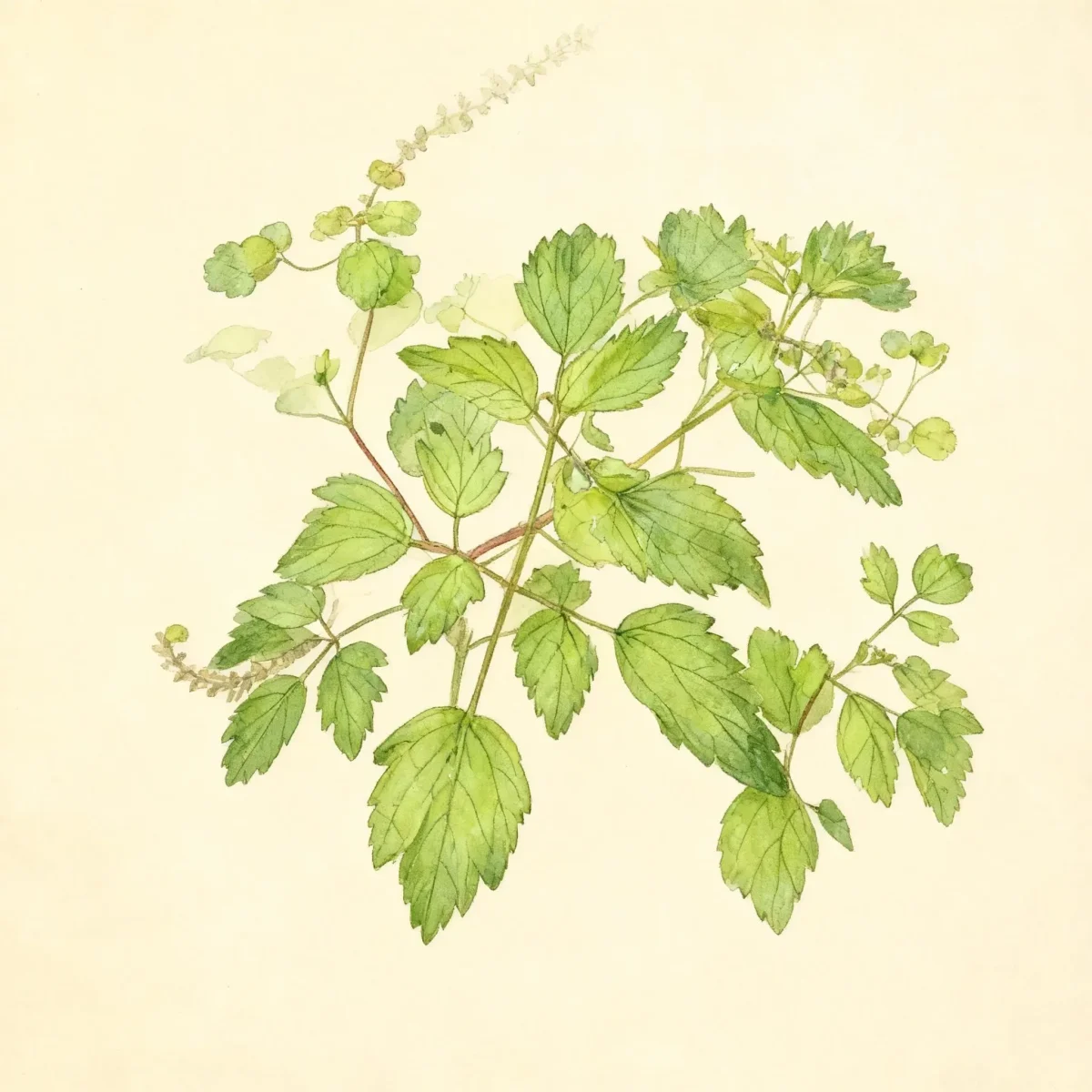
Thalictrum kiusianum, commonly called dwarf meadow rue or Kyoshu meadow rue, is a herbaceous perennial that is native to Japan and Korea where it is primarily found growing in moist woodland alpine areas. It typically forms a low-growing foliage mat (to 4-6” tall spreading by rhizomes to 12-18” wide or more) of tiny, bronze-tinted, 1-2 ternate green leaves (to 5” long) with toothed ovate leaflets. Plants have both basal leaves and smaller stem leaves. Tiny, starry, apetalous, lavender to pinkish-purple flowers (each to 1/3” across) bloom from mid June to August in fluffy many-flowered inflorescences (panicles).
Tolerances
- Rabbit
- Deer
Potential Problems
This species generally exhibits no serious insect or disease problems, contributing to its low maintenance profile. However, under humid conditions or poor air circulation, gardeners should monitor for fungal issues like powdery mildew, smut, or rust.
Slugs and leaf miners also pose occasional minor threats, particularly to the foliage. Management should focus on cultural control; ensure good soil drainage and avoid overcrowding to maximize air movement. If slugs appear, use appropriate, environmentally friendly controls early in the season.
Frequently Asked Questions
What hardiness zones is Meadow rue suitable for?
This specific variety, Thalictrum kiusianum, is hardy in USDA Zones 5 through 8, requiring protection if planted outside this range.
How large does Thalictrum kiusianum grow?
It is a diminutive plant, typically reaching only 0.25 to 0.5 feet in height, but it spreads moderately between 1 and 1.5 feet wide via rhizomes.
What sun exposure does Meadow rue need?
Thalictrum kiusianum performs best in partial shade, though it tolerates full sun provided it receives consistent, medium moisture levels throughout the growing season.
When does Thalictrum kiusianum bloom?
This perennial features its bloom from June through August, displaying its distinctive small, starry flowers in shades of lavender to pinkish-purple.
Conclusion
The dwarf meadow rue, Thalictrum kiusianum, offers superb value as a textural, low-maintenance ground cover perfectly suited for dappled sun and moist woodland settings. Its spreading habit and fine foliage complement native gardens beautifully. Before planting, verify your garden’s conditions align with USDA Zones 5-8 and ensure you can provide consistent soil moisture.
Companion Planting
Choosing companions that share the cultural needs of Thalictrum kiusianum—part shade and medium moisture—will create a cohesive planting area. Consider shade-loving ferns such as Japanese Painted Fern (Athyrium niponicum) whose silvery foliage contrasts sharply with the small green leaves of the meadow rue.
Hostas work well if selecting medium or small varieties, providing broad leaves that beautifully offset the airy nature of the flowers and foliage of this Ranunculaceae member. For continuous color, pair it with spring ephemerals that naturally die back as the Thalictrum kiusianum reaches its full summer presence.
Propagation Tips
While Thalictrum kiusianum readily self-seeds, interested gardeners can propagate this perennial through division, which is the most straightforward method for home growers. Divide the spreading clumps in early spring just as new growth begins to emerge, or in early fall after flowering concludes.
Ensure each division retains a healthy segment of rhizomatous root material to establish successfully in its new location. Because it roots easily, the division technique works well for increasing ground cover rapidly without relying on the slower process of starting plants from seed.