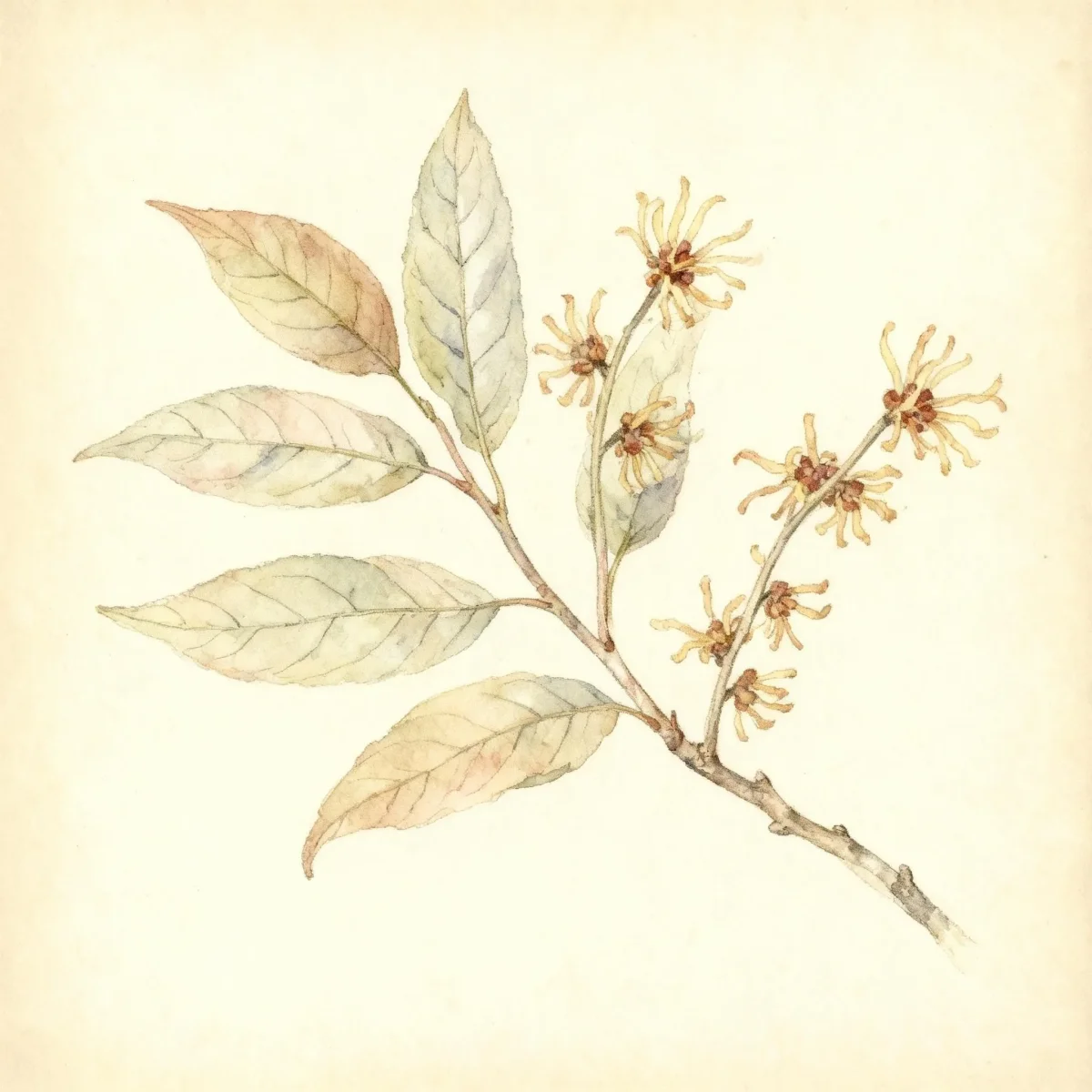
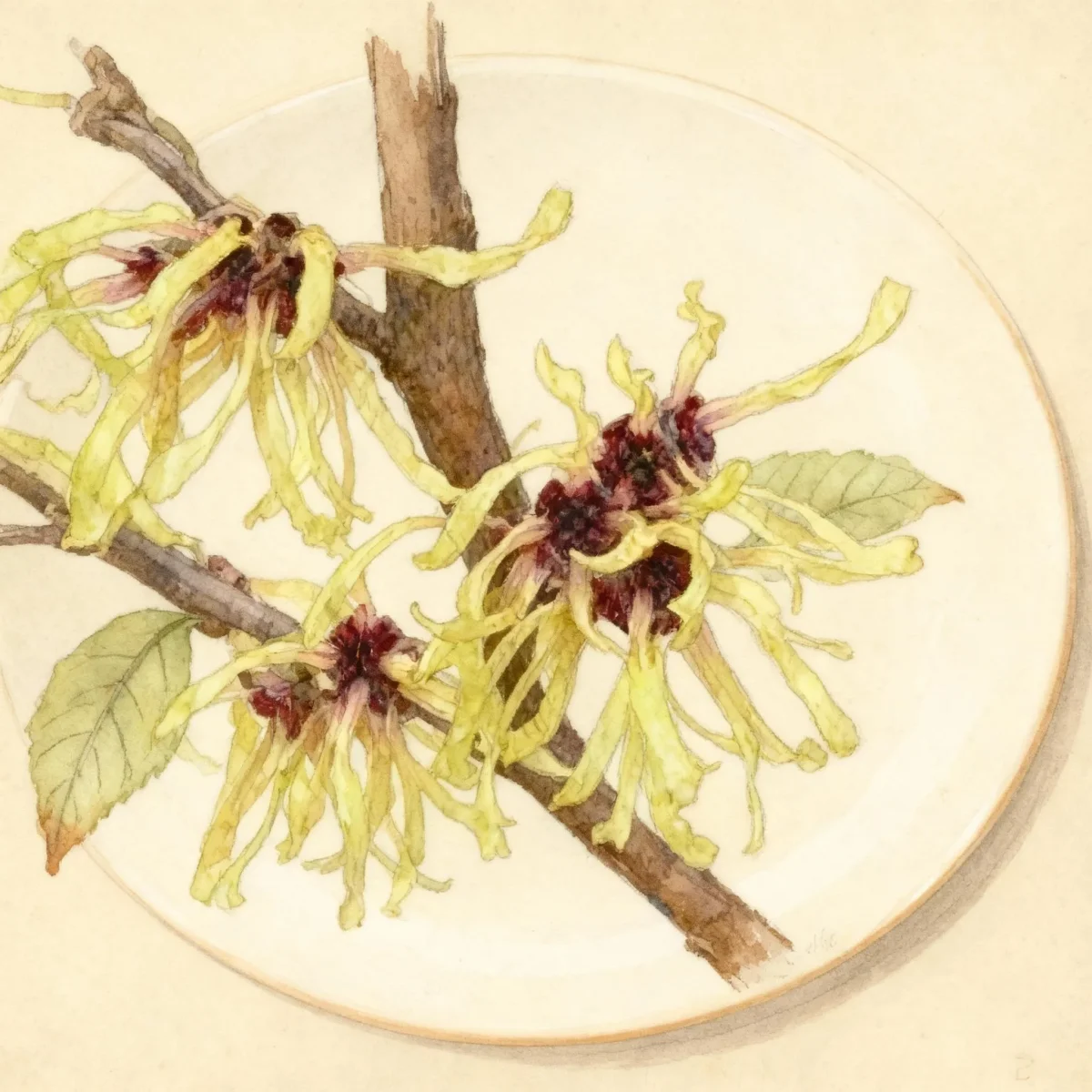
Witch hazel (Hamamelis × intermedia 'Gingerbread')
Hamamelis × intermedia 'Gingerbread' Witch hazel offers spectacular dark orange, fragrant winter blooms. Low maintenance shrub hardy in Zones 5-8.
Scroll down to discover growing tips, care requirements, companion plants, and more
Complete Plant Information
Overview
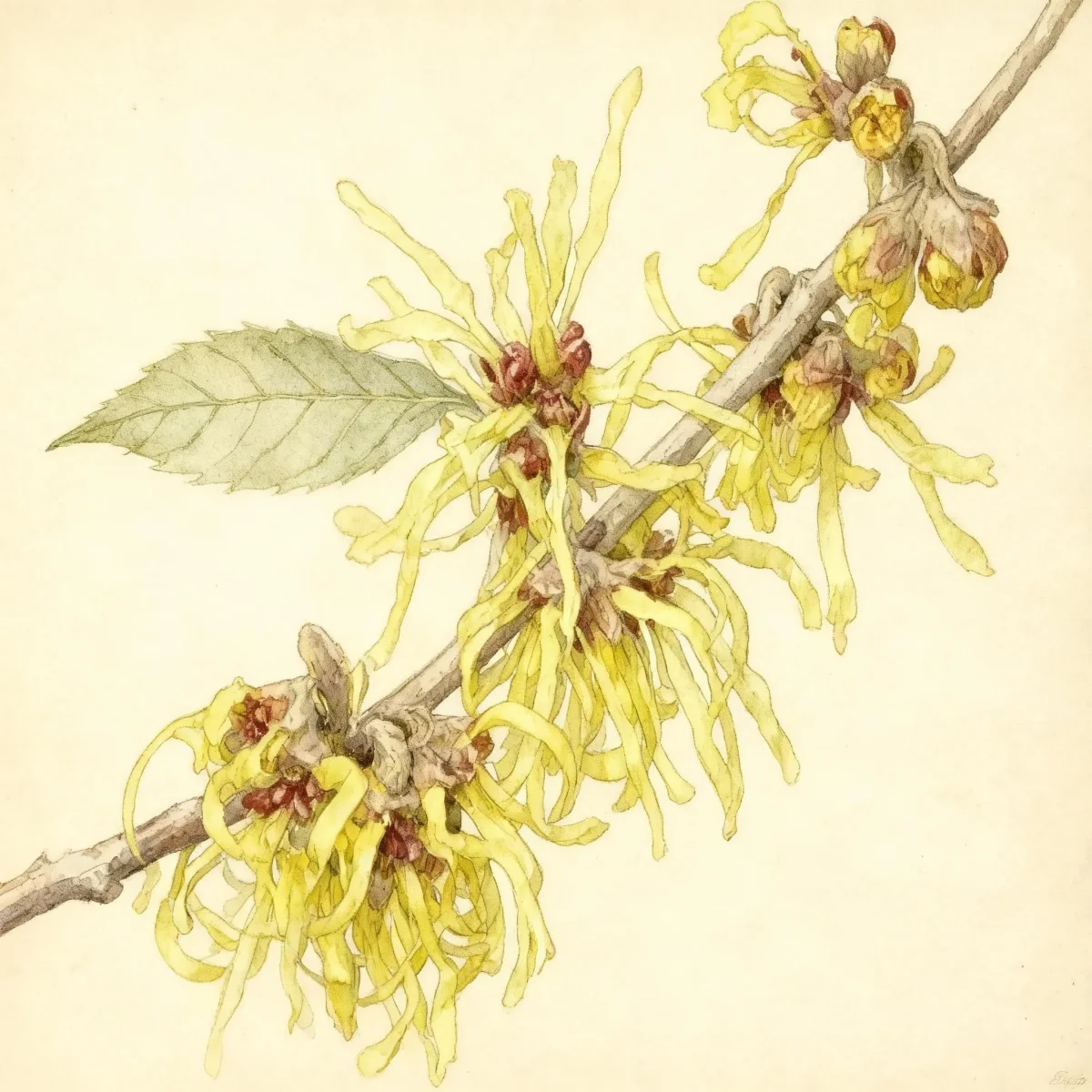
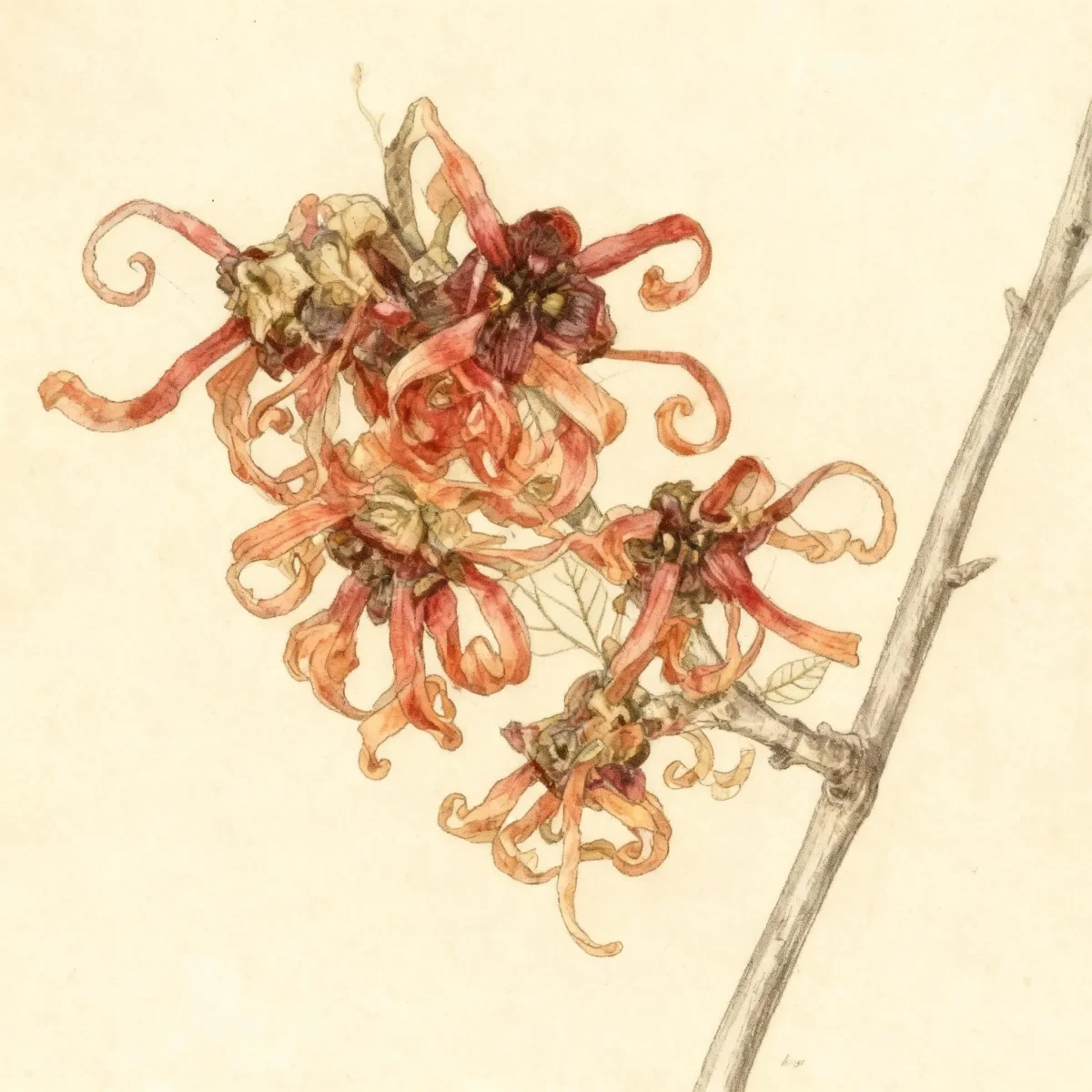
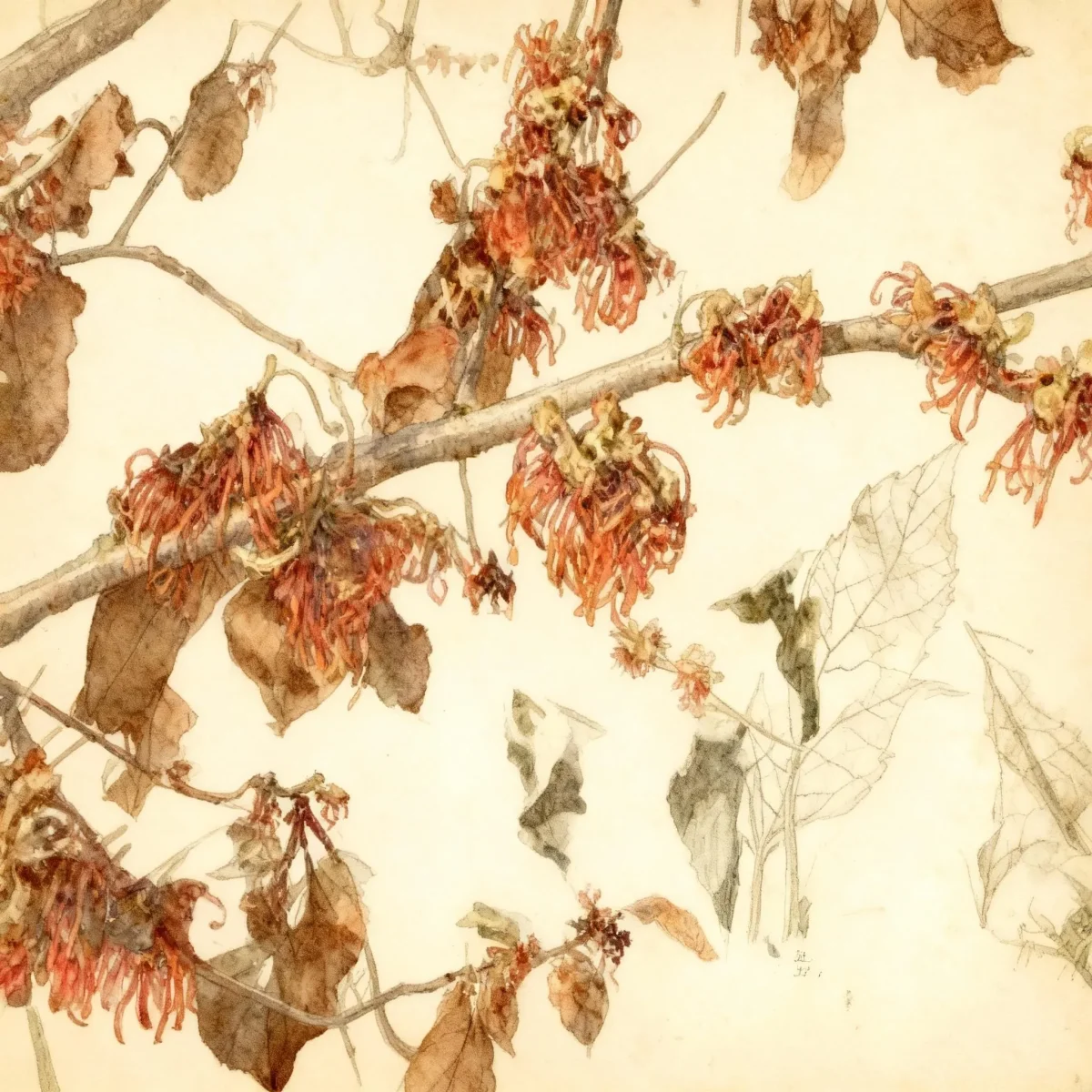
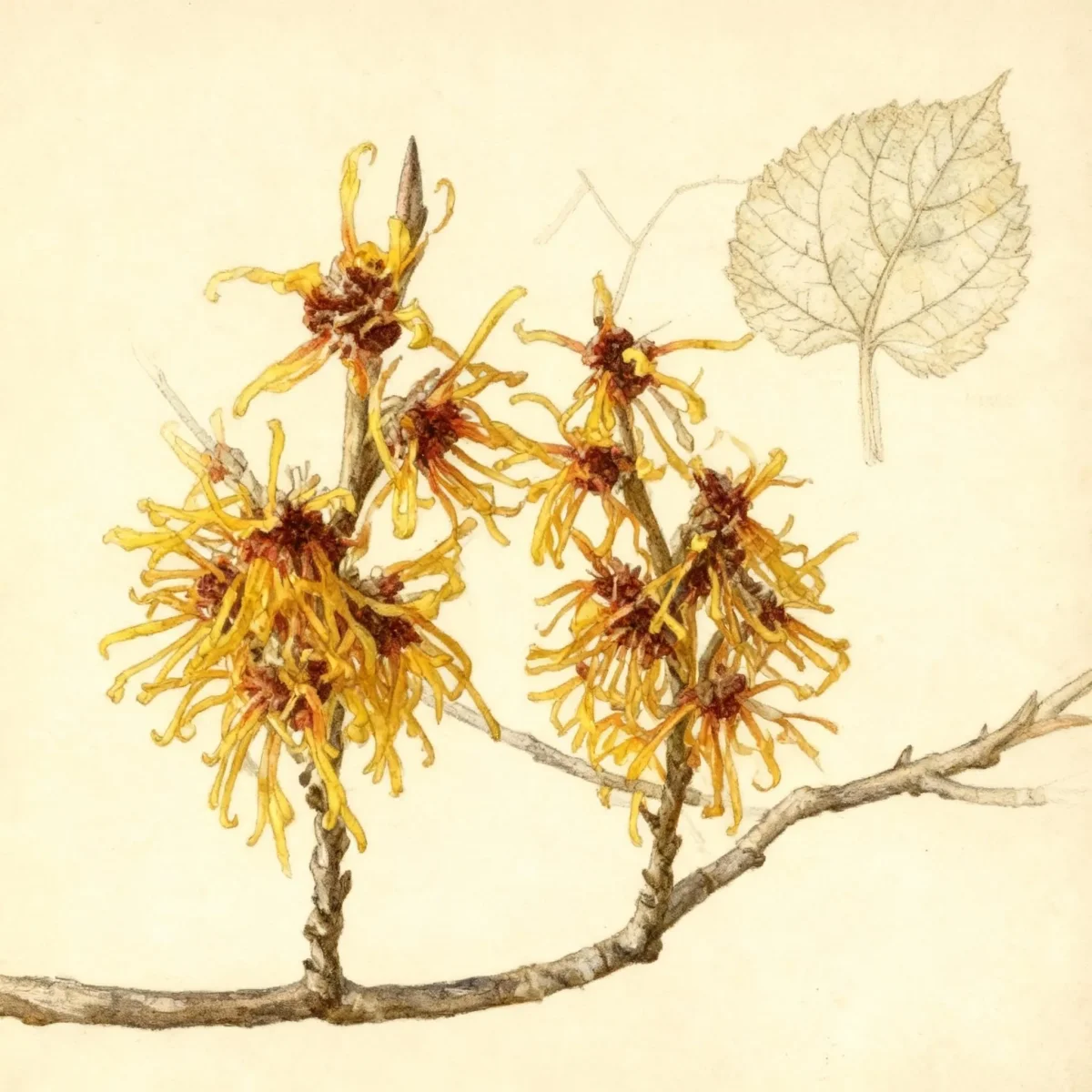
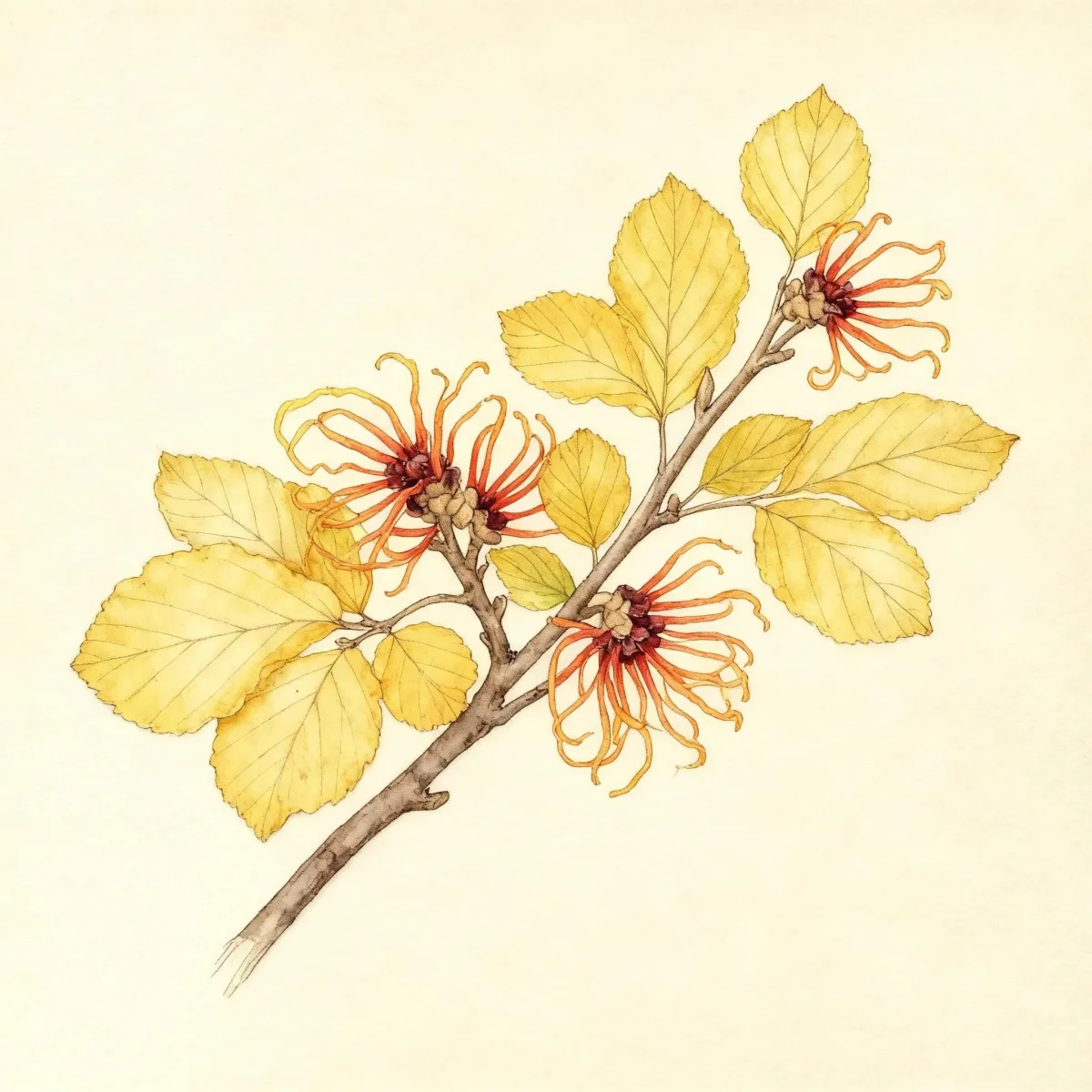
Hamamelis × intermedia ‘Gingerbread’ is a highly valued deciduous shrub, particularly renowned for providing vibrant color when most of the garden is dormant. This superior Witch hazel hybrid brightens the late winter landscape with its showy, uniquely structured dark orange flowers. It offers fantastic multi-season interest, beginning with winter blooms, followed by pleasant green foliage that turns bright yellow in autumn.
These Witch hazel shrubs are relatively fast-growing, providing structure and screening as they mature into a spreading form. With their low maintenance requirements and high tolerance for various soil conditions, Hamamelis × intermedia ‘Gingerbread’ makes an excellent focal point or backdrop planting in temperate gardens. Expect a display typically peaking from February through March.
As a hybrid between Japanese and Chinese Witch hazel strains, ‘Gingerbread’ combines desirable traits from both parents, yielding a robust specimen perfect for shrub borders or woodland settings. Its fragrant flowers attract early pollinators, adding life to the seemingly barren mid-winter garden.
Fast Facts
- Plant Family: Hamamelidaceae
- Plant Type: Deciduous shrub
- Hardiness Zones: USDA Zones 5-8
- Size at Maturity:
- Height: 6-10 ft
- Spread: 10-12 ft
- Bloom Time: February to March
- Bloom Description: Dark orange
- Sun Exposure: Full sun to part shade
- Water Needs: Medium
- Maintenance Level: Low
How to Grow
Plant Hamamelis × intermedia ‘Gingerbread’ during the dormant season, either early spring or late fall, to minimize transplant shock. Selection of location is critical; while the shrub tolerates part shade, best flowering occurs when sited in full sun. They thrive in average, medium moisture, well-drained soils, but prefer those that are organically rich and consistently moist.
Watering needs are medium, but consistency is key; deep watering during summer droughts helps prevent leaf scorch on this Witch hazel. Although they have tolerance for clay soils, excellent drainage must be maintained. Avoid excessive fertilization; instead, supplement the soil by incorporating organic matter annually to maintain acidity and richness.
Pruning Hamamelis × intermedia ‘Gingerbread’ should be done promptly in the spring immediately after flowering concludes. This is the ideal time to manage the shrub’s shape or reduce its size. Gardeners must be vigilant about removing any root suckers appearing below the original graft union to preserve the integrity and desired characteristics of the cultivar.
Landscape Uses
Hamamelis × intermedia ‘Gingerbread’ fulfills several essential roles in landscape design, making it far more than just a winter interest plant. Its spreading habit and medium stature make it a fantastic choice for filling out shrub borders where mid-sized structure is desired. It functions admirably as a screen or a tall hedge due to its dense twiggy structure when dormant.
Planting this Witch hazel as a specimen allows its unique winter bloom to be fully appreciated against a contrasting evergreen backdrop or dark fence. It also integrates smoothly into woodland gardens, provided the soil remains adequately moist and rich, mirroring its preferred natural habitat. The emerging yellow fall color provides a fantastic closing act to the growing season, complementing late-blooming perennials.
Standout Features
Flower Qualities
- Showy
- Fragrant
Noteworthy Characteristics
Hamamelis × intermedia hybrids are crosses between Japanese witch hazel (H. Japonica) and Chinese witch hazel (H. Mollis). They are particularly noted for their spidery, often fragrant, mid- to late winter flowers which appear before the spring foliage emerges. The specific cultivar ‘Gingerbread’ matures as a spreading shrub, showcasing mildly fragrant, dark orange flowers along bare stems in late winter. The foliage emerges with purple tones before turning dark green, finally offering a quality yellow display in the autumn months.
Tolerances
- Deer
- Erosion
- Clay Soil
- Air Pollution
Potential Problems
Insect pests are generally minor for Hamamelis × intermedia ‘Gingerbread’ and rarely necessitate chemical intervention. Gardeners may notice foliage damage from caterpillars or Japanese beetles chewing leaves during warmer months. Watch for opportunistic pests like gall aphids, scale insects, leafrollers, and leafminers. Potential diseases include common issues like powdery mildew or occasional leaf spots and rot, usually only appearing when air circulation is poor or stress is high. Ensuring proper spacing and consistent moisture management helps maintain overall robust health, reducing susceptibility to these minor issues.
Frequently Asked Questions
What hardiness zones is Witch hazel suitable for?
Hamamelis × intermedia ‘Gingerbread’ thrives in USDA Hardiness Zones 5 through 8, making it reliable for many temperate climates.
How large does Hamamelis × intermedia ‘Gingerbread’ grow?
This specific Witch hazel cultivar typically reaches a mature height between 6 to 10 feet tall, with a spread ranging from 10 to 12 feet wide.
When does Witch hazel bloom?
The spectacular bloom time for Hamamelis × intermedia ‘Gingerbread’ is during the late winter window, generally from February to March, featuring dark orange flowers.
What sun exposure does Witch hazel need?
For optimal flowering, this Witch hazel requires full sun, although it will successfully grow in areas receiving part shade.
Conclusion
The Hamamelis × intermedia ‘Gingerbread’ Witch hazel stands out as an invaluable structural plant, delivering essential winter interest, reliable fall color, and low upkeep requirements. Integrating this spectacular dark orange bloomer into your garden design guarantees color when the landscape needs it most. Before planting, confirm your location falls within Zones 5-8 and ensure the site allows for its mature spreading habit.
Companion Planting
Selecting appropriate companions helps maximize the aesthetic appeal of Hamamelis × intermedia ‘Gingerbread’ throughout the year. Because this Witch hazel blooms very early, pair it with plants that offer strong evergreen structure to offset the bare winter branches, such as Japanese hollies or dwarf conifers. Combine it with early spring bulbs like snowdrops (Galanthus) or winter aconite (Eranthis hyemalis) which bloom concurrently or slightly earlier in the same woodland edge environment. In the fall, when the Hamamelis turns yellow, pair it next to late-season bloomers like Asters or Sedum for a final rush of complementary color.
Seasonal Care Calendar
Winter is when this Witch hazel performs its best; protect developing flower buds from extreme, sudden temperature fluctuations, though they are generally resilient. Early spring, immediately post-bloom, is the crucial time for structural pruning to shape the shrub and remove suckers. Summer care focuses primarily on consistent watering; especially during dry spells, provide deep moisture to prevent leaf scorch. Fall is the reward period, when the foliage transitions to bright yellow, requiring minimal attention other than preparing the soil for winter dormancy.