Hosta (Hosta 'Key West')
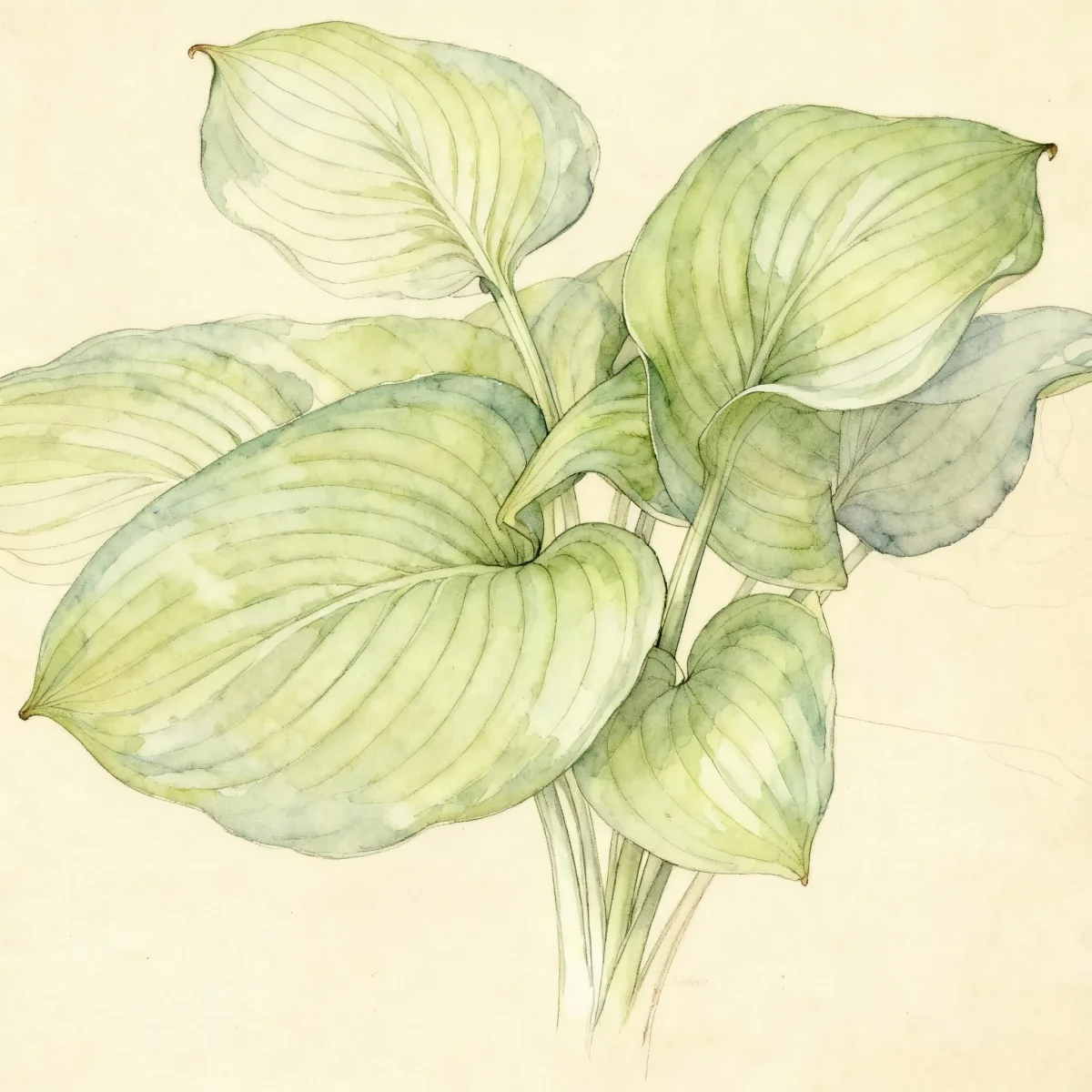
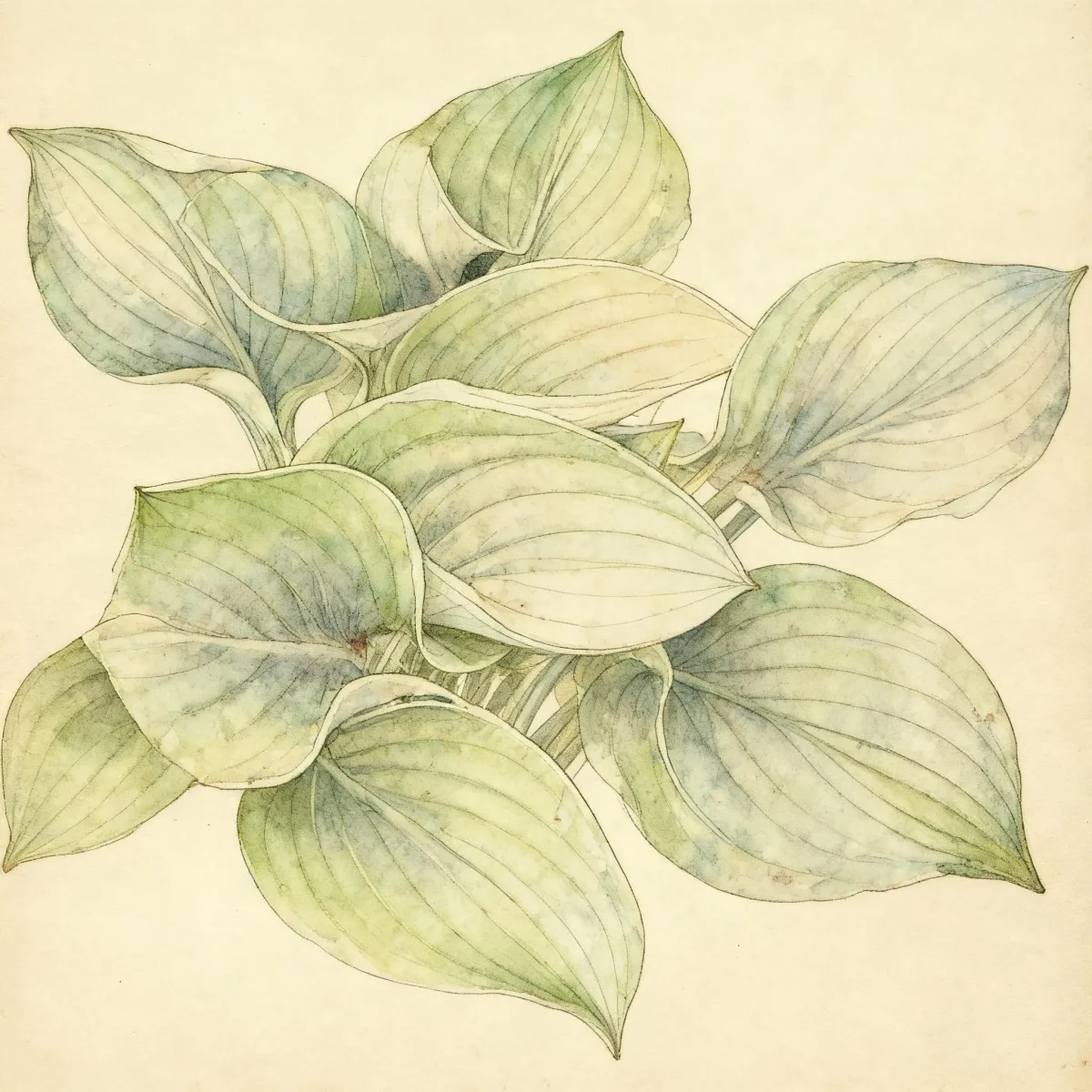
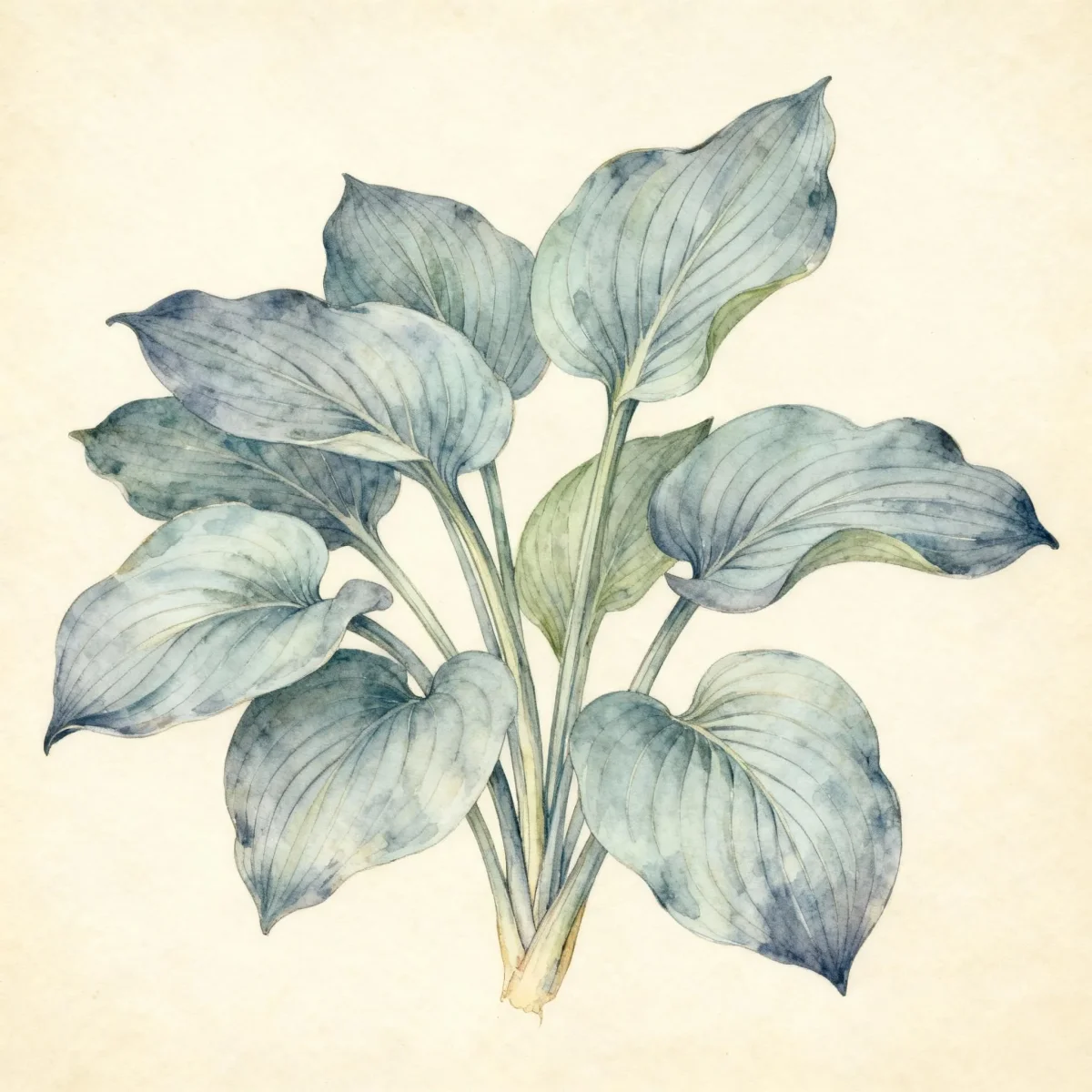
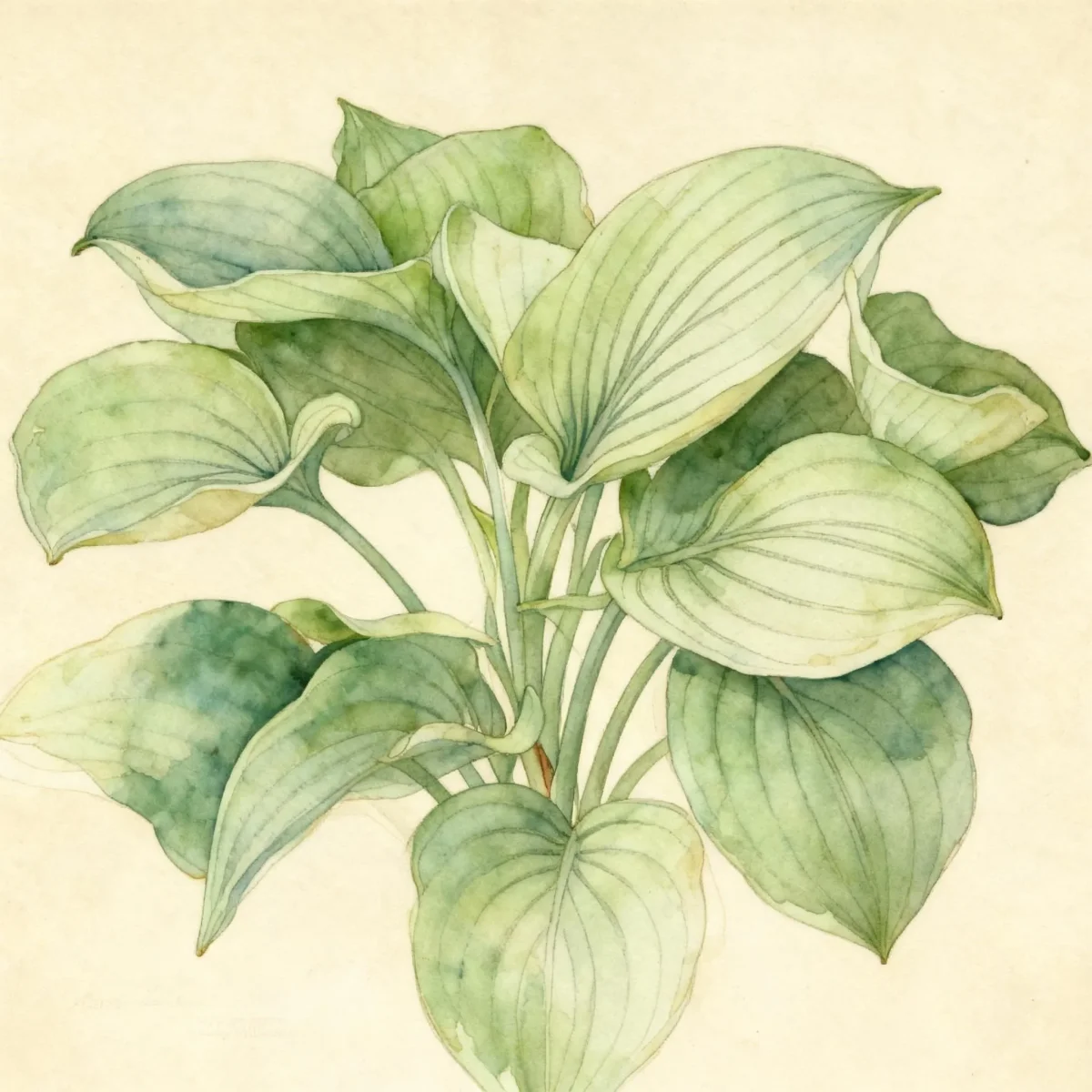
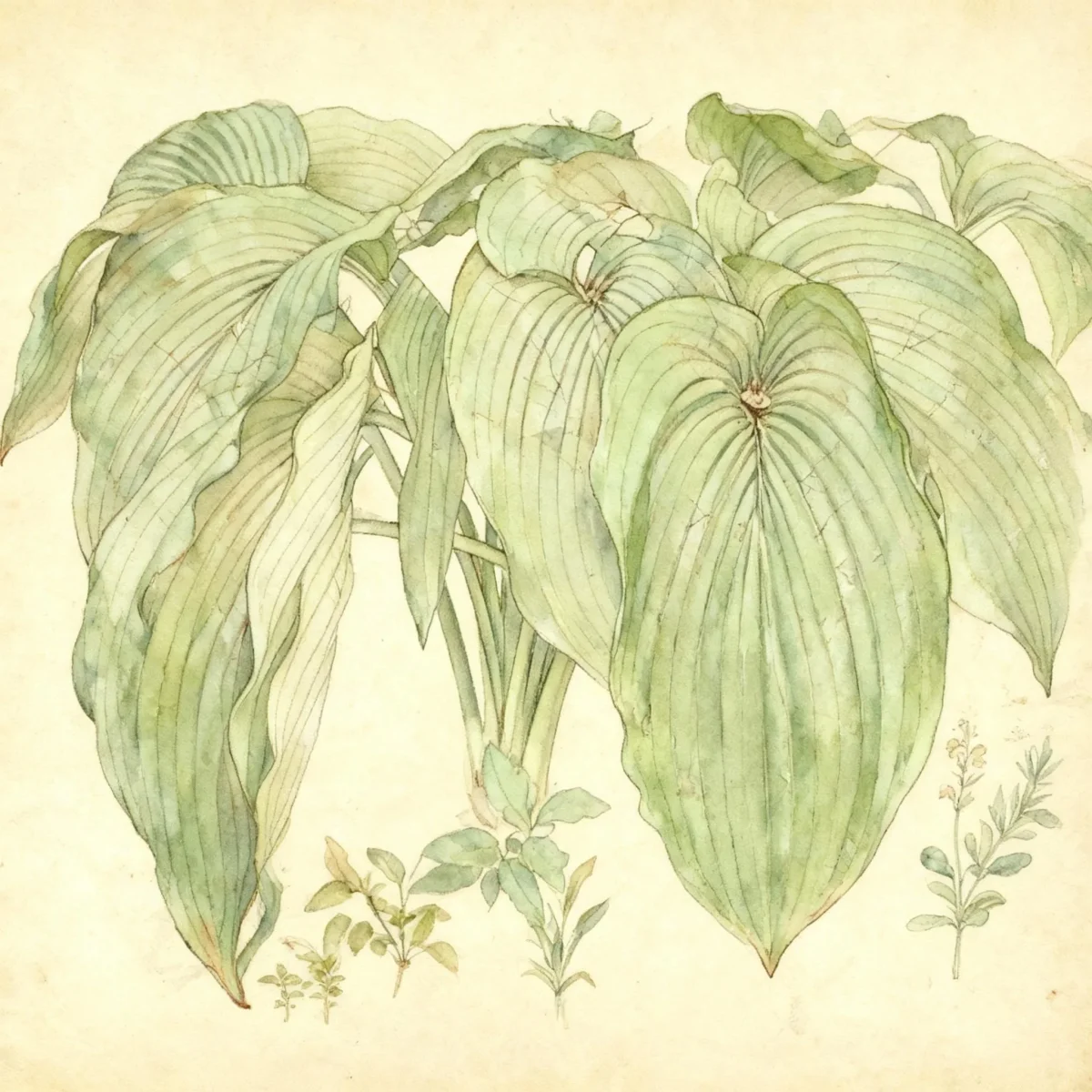
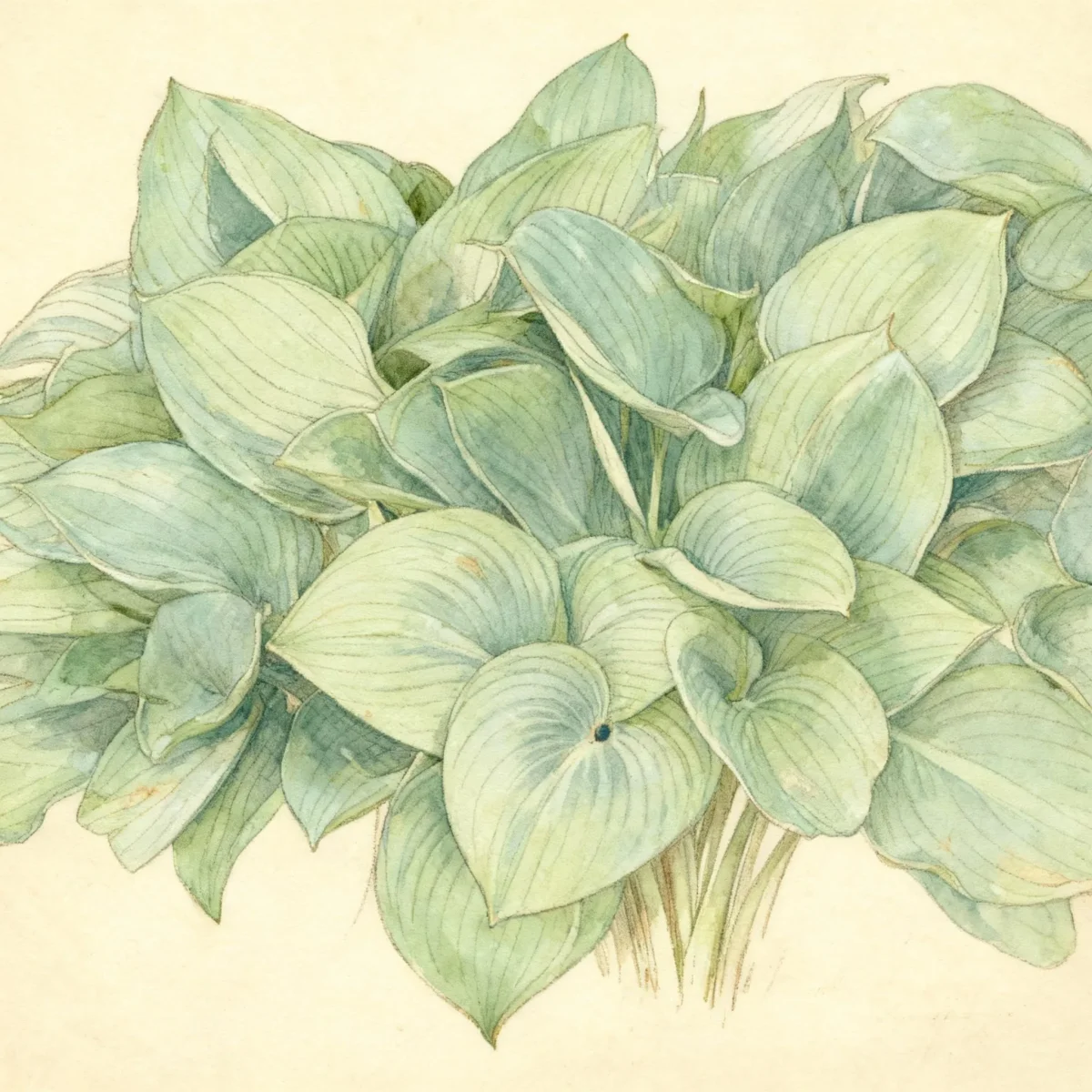
Hosta 'Key West' is a large herbaceous perennial offering huge, gold, heart-shaped foliage perfect for deep shade gardens.
Scroll down to discover growing tips, care requirements, companion plants, and more
Complete Plant Information
Overview
Hosta ‘Key West’ is celebrated primarily for its substantial ornamental foliage, creating a massive, upright mound ideal for brightening the darkest corners of the landscape. This cultivar produces large, slightly rippled, gold, heart-shaped leaves that give it a distinct presence even when not in bloom. As a member of the Hosta genus, ‘Key West’ embodies the species’ reputation as a reliable, low-maintenance shade perennial.
This vigorous grower reaches impressive sizes, often spreading up to six feet wide, making it a definitive anchor plant in shade gardens or woodland settings. While valued for its leaves, the Hosta also offers delicate, pale lavender, tubular flowers that emerge atop tall scapes between June and July, adding seasonal interest above the impressive mounds of foliage.
For gardeners seeking significant impact in low-light areas, Hosta ‘Key West’ delivers year after year with minimal fuss. Its robust nature and tolerance for heavy shade ensure that established plants contribute consistently to texture and color contrast in deeply shaded borders and woodland margins.
Fast Facts
- Plant Family: Asparagaceae
- Plant Type: Herbaceous perennial
- Hardiness Zones: USDA Zones 3-8
- Size at Maturity:
- Height: 2-3 ft
- Spread: 4-6 ft
- Bloom Time: June to July
- Bloom Description: Pale lavender
- Sun Exposure: Part shade to full shade
- Water Needs: Medium
- Maintenance Level: Low
How to Grow
Planting Hosta ‘Key West’ is best done in the spring or fall when the soil is workable, ensuring even moisture retention. Ideal conditions involve organically rich, well-drained soils situated where the plant receives part shade, though it performs well in deeper shade, achieving its best gold coloration with bright filtered shade. Consistent moisture is crucial; while established, thick-leaved varieties like ‘Key West’ tolerate some dry shade, allowing the soil to completely dry out will compromise the plant’s full size and quality.
Maintenance for this Hosta remains low. Water consistently, applying irrigation directly to the soil beneath the large leaves to prevent foliar scorch or spotting. Fertilization is rarely necessary if the soil is well-amended with organic matter prior to planting. Hostas are generally hardy, but division can be performed in early spring before leaves unfurl, or in autumn, to manage size or propagate new clumps.
Protect Hosta ‘Key West’ from strong winds, which can damage the large leaves, even though this variety possesses fairly sturdy foliage. As a low-maintenance perennial, routine care largely centers on monitoring for pests and ensuring the roots never face extended drought, especially during hot summer months.
Landscape Uses
Hostas are the undisputed mainstay when designing shady borders, shaded gardens, or woodland landscapes. Hosta ‘Key West’, due to its large stature and bright gold foliage, serves exceptionally well as a striking specimen plant or massed together to create a bold, uniform groundcover effect under mature trees.
Its substantial size means it functions effectively as a background specimen, contrasting beautifully against finer-textured or darker-leaved shade companions like ferns (e.g., Japanese Painted Ferns) or other dark green hostas. This variety thrives in deep shade where few other colored perennials succeed, making it invaluable for structuring dark garden rooms.
Standout Features
Flower Qualities
- Showy
Noteworthy Characteristics
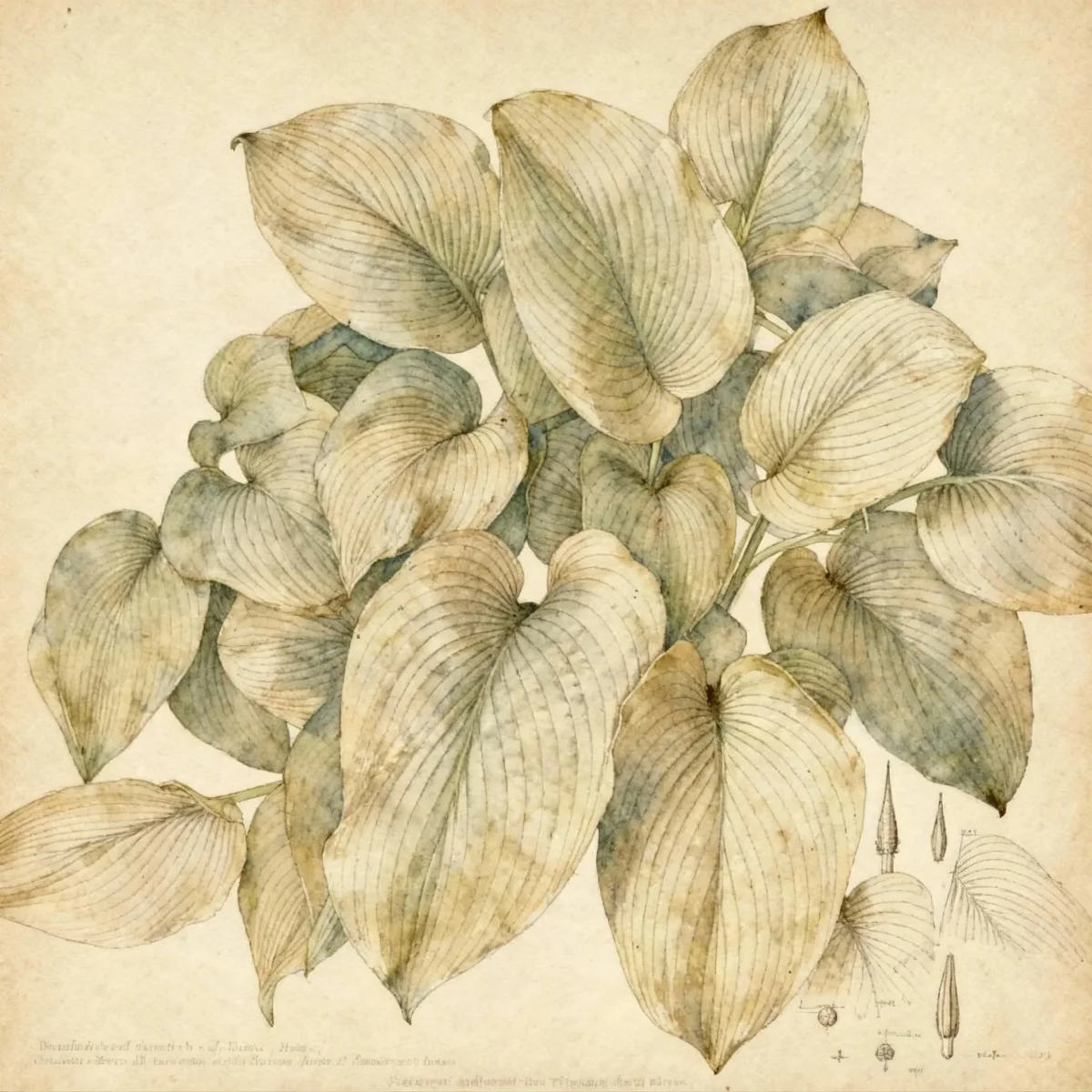
Hosta ‘Key West’ was developed by Olga Petryszyn and introduced in 1999, derived from crosses involving Hosta nigrescens ‘Elatior’. It forms a large, upright mound featuring striking gold, heart-shaped leaves up to 15 inches long, distinguished by 14 to 15 pairs of prominent veins. This cultivar is known to develop a brighter gold hue when situated in bright filtered shade rather than deep shadow.
Tolerances
- Heavy Shade
- Black Walnut
Potential Problems
The primary concern for any Hosta, including Hosta ‘Key West’, involves mollusks targeting the foliage. Slugs and snails are attracted to the leaves, chewing unsightly jagged holes; prompt action is required as damage can escalate quickly. Apply preventative measures such as bait or copper tape around the plants.
Foliar nematodes can cause interveinal browning, while leaf spots and crown rot are less common issues that signal overly dense conditions or chronic wetness. Furthermore, beware of deer and rabbits, who frequently voraciously consume Hosta leaves. It is critical to immediately remove and destroy any plant confirmed to have Hosta Virus X (HVX) or other serious plant viruses to prevent spread.
Frequently Asked Questions
What hardiness zones is Hosta ‘Key West’ suitable for?
Hosta ‘Key West’ is highly reliable across USDA Zones 3 through 8.
How large does Hosta grow?
This large Hosta typically matures to a height between 2 to 3 feet and spreads impressively wide, reaching 4 to 6 feet.
What sun exposure does Hosta need?
Hosta ‘Key West’ requires part shade to full shade; while it tolerates deep shade, providing some bright, filtered sunlight helps achieve the brightest gold leaf color.
When does Hosta bloom?
The pale lavender flowers of Hosta ‘Key West’ usually appear mid-season, blooming from June into July.
Conclusion
Hosta ‘Key West’ is an outstanding choice for gardeners needing reliable, dramatic foliage texture in low-light environments, offering a massive, bright gold presence that anchors any shade planting scheme. Its low maintenance profile ensures that gardeners spend less time fussing and more time enjoying the impressive mound of this exceptional Hosta. Before planting, confirm that your site provides the medium moisture levels and protection from wind that Hosta requires for optimal performance.
Companion Planting
When designing a border featuring Hosta ‘Key West’, prioritize plants that offer textural contrast or prefer similar moisture and shade needs. Fine-textured ferns, such as the Autumn Fern (Dryopteris erythrosora), create a stunning visual juxtaposition against the broad, corrugated leaves of the Hosta. Additionally, Astilbes or Bleeding Hearts thrive in the same moist, organically rich soil and offer contrasting vertical flower spikes during the summer.
The gold foliage of this Hosta also pairs well with deep purple or blue flowering woodland regulars like Brunnera macrophylla ‘Jack Frost’ or shade-loving Heucheras. Grouping Hosta ‘Key West’ with darker green foliage ensures the gold color pops, maximizing the visual depth within the shade garden.
Seasonal Care Calendar
Spring is the ideal time for assessment and division of Hosta, usually performed just as new eyes begin to emerge. Top-dress the soil around established mounds with a fresh layer of organic compost to feed the Hosta lightly, and immediately implement slug prevention methods as new growth appears. Summer care focuses almost entirely on consistent moisture management; utilize soaker hoses, ensuring water reaches the roots rather than washing over the massive leaves. In autumn, after the first hard frost causes the foliage to collapse, clean up any dead leaves promptly to reduce overwintering sites for pests and fungal spores. While winter preparation for Hosta in Zones 3-8 is minimal, ensure the root zone has adequate mulch cover for the first year or two after planting.