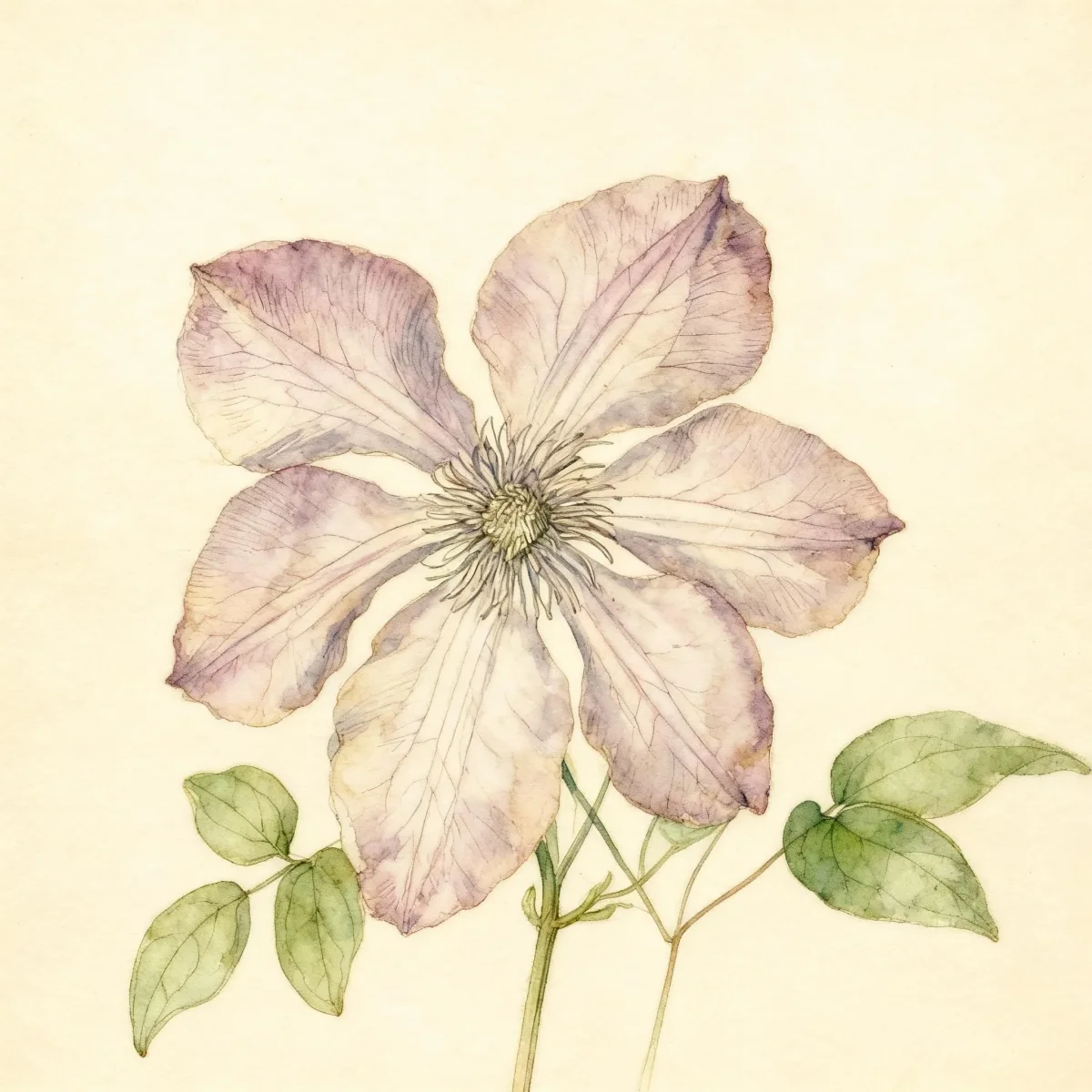
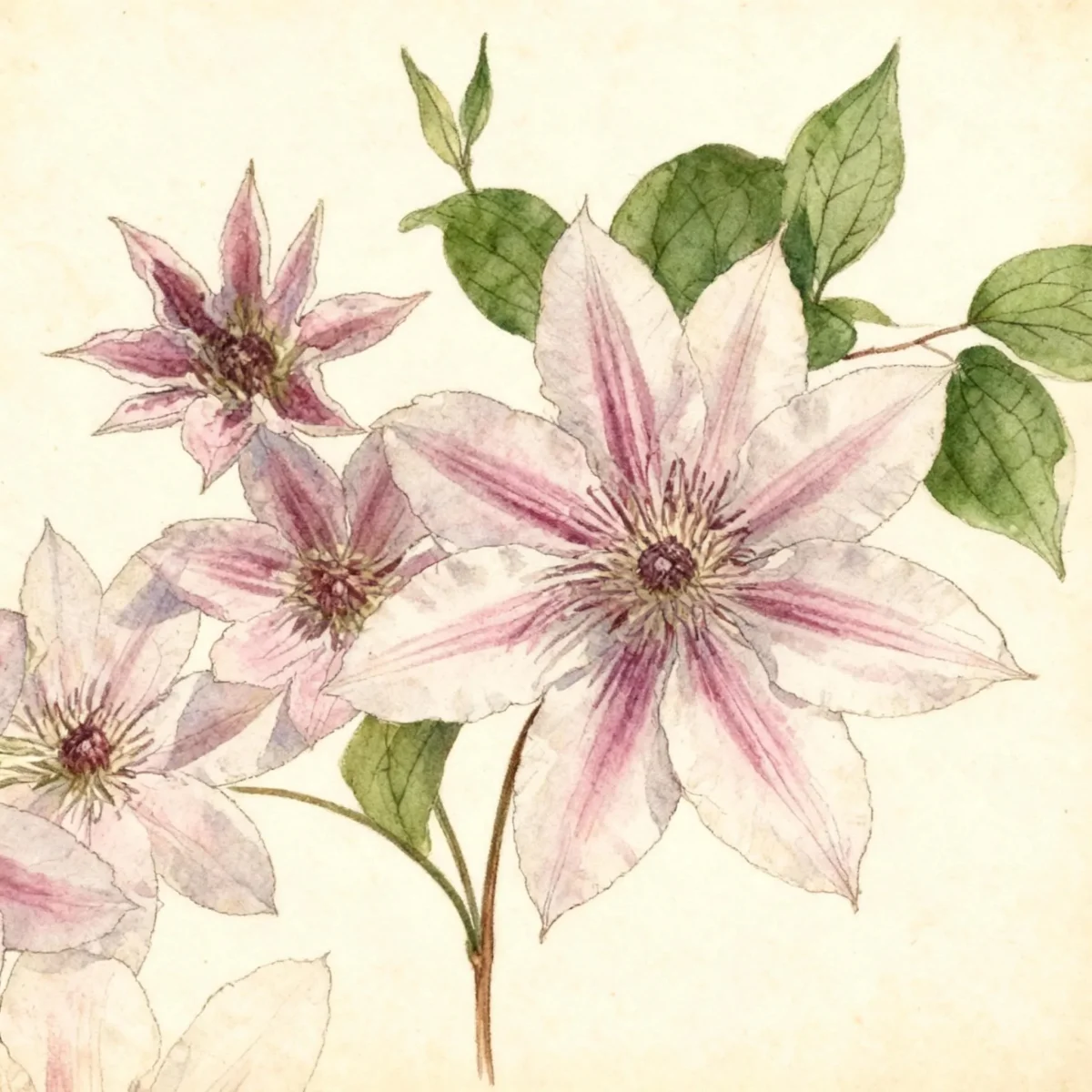
Clematis (Clematis 'Princess Diana')
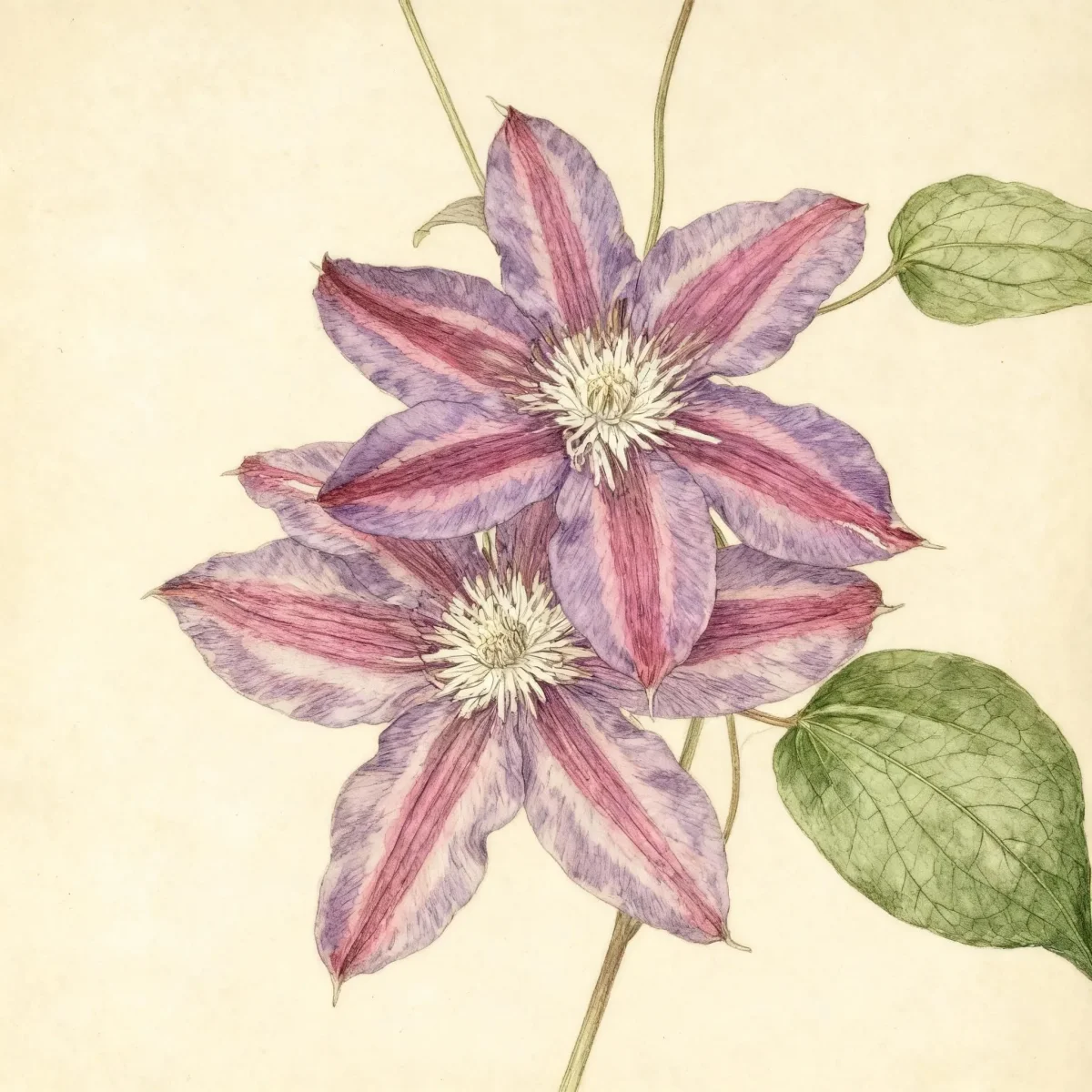
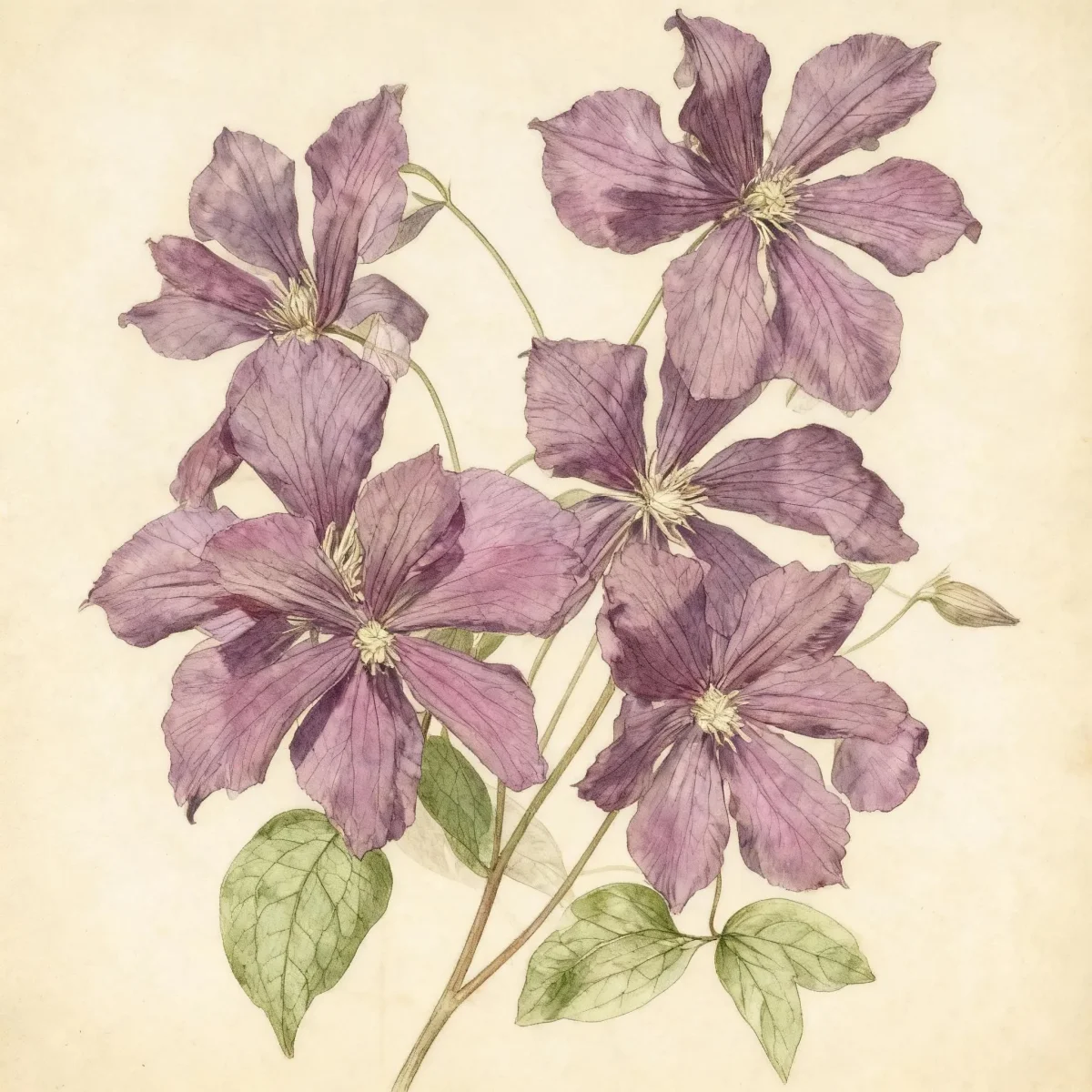
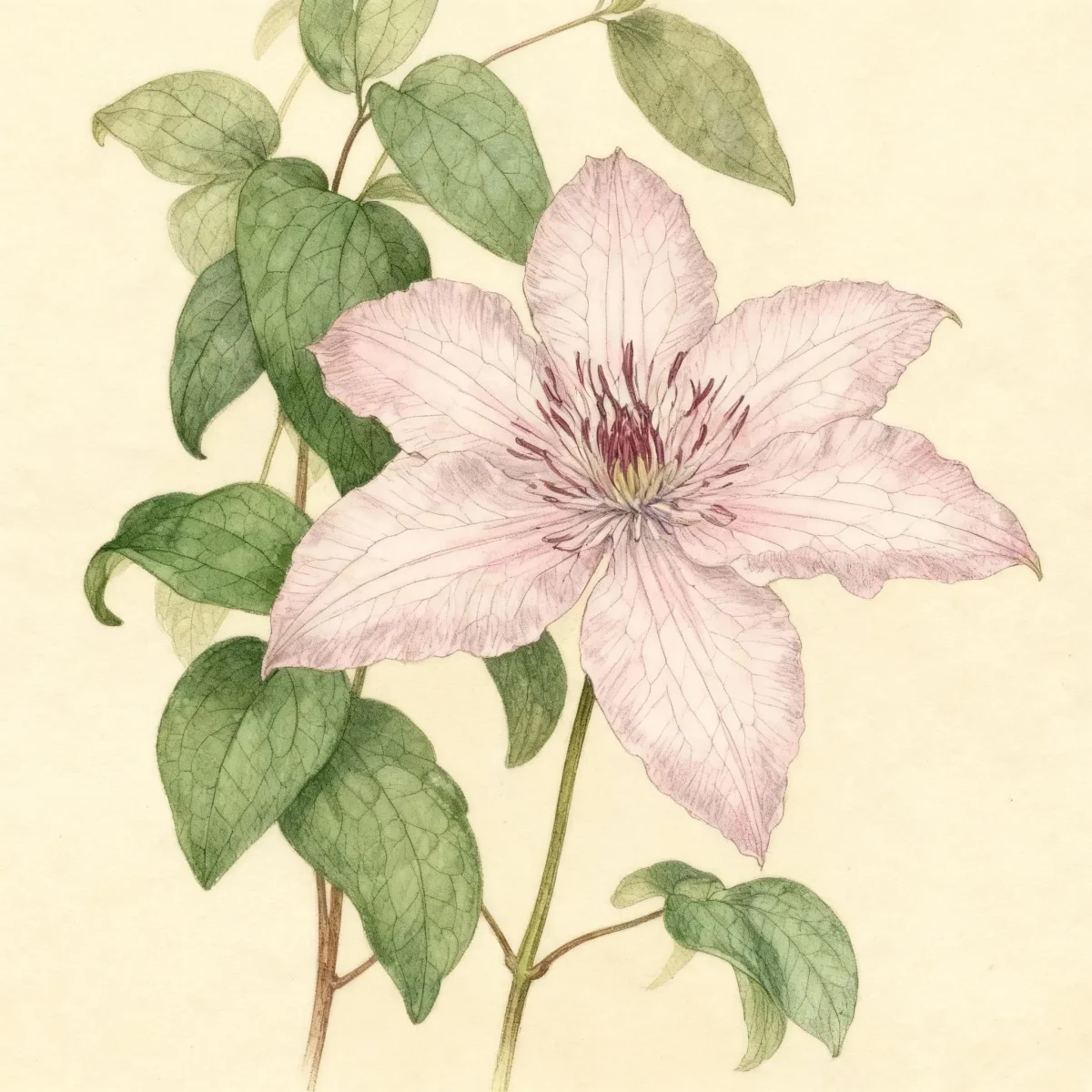
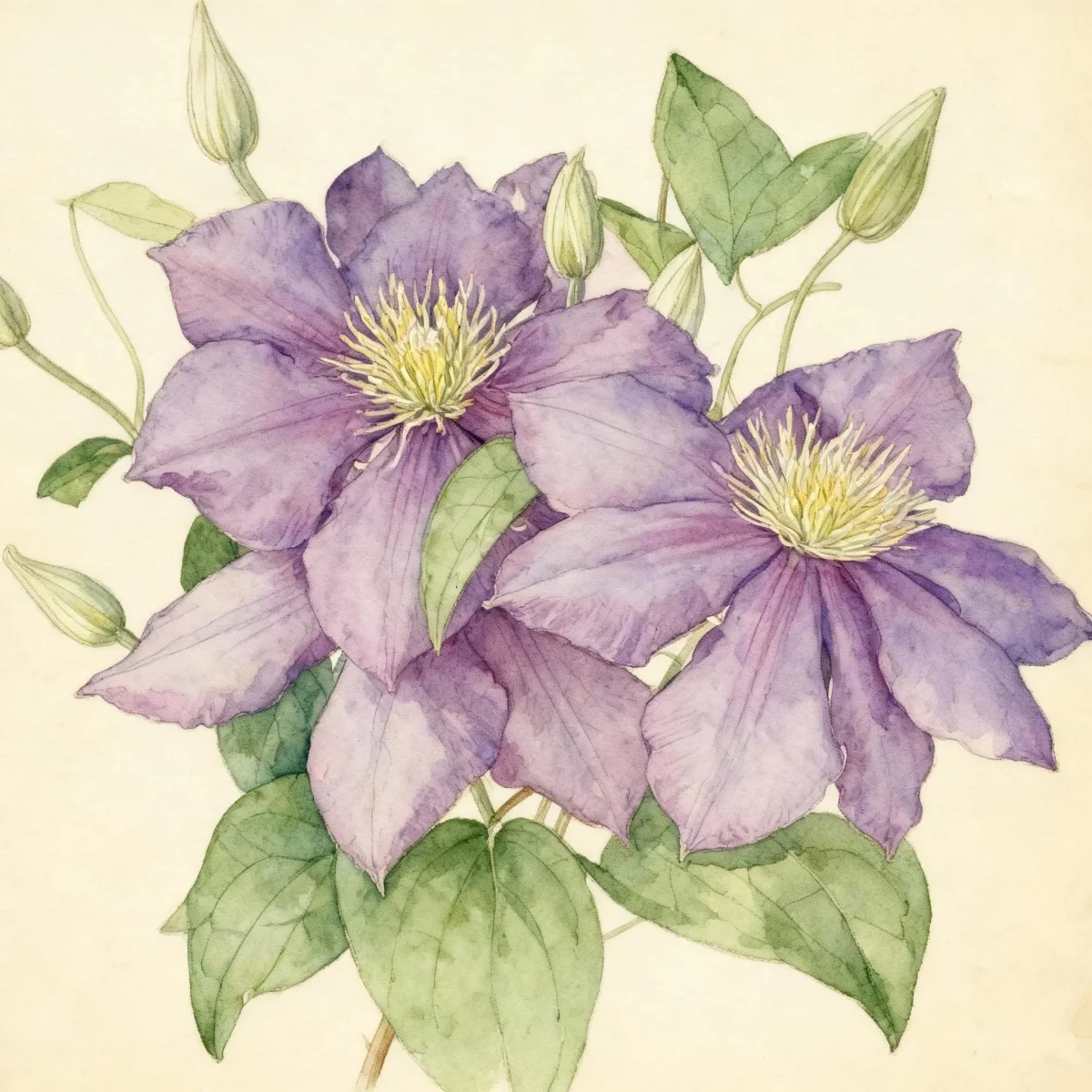
Clematis 'Princess Diana' is a stunning, low-maintenance vine boasting deep pink, tulip-shaped blooms from June to September.
Scroll down to discover growing tips, care requirements, companion plants, and more
Complete Plant Information
Overview
Clematis ‘Princess Diana’ secures its place as a jewel in the vertical garden landscape. This deciduous climbing vine offers distinctive, deep pink, tulip-shaped flowers that provide consistent color from early summer through early autumn. It is prized by gardeners for its relatively low maintenance profile combined with spectacular floral presence.
As a hybrid between C. Texensis and C. ‘Bees Jubilee’, this particular Clematis vine is well-suited for structures, readily climbing 6 to 8 feet high. Achieving this lift allows gardeners to utilize vertical space effectively, adding architectural height to small gardens or enhancing boundary fences.
The management of Clematis ‘Princess Diana’ is straightforward, particularly concerning its specific pruning group. Its presence adds significant visual interest, transforming plain surfaces into vibrant displays of pink blooms throughout the peak gardening months.
Fast Facts
- Plant Family: Ranunculaceae
- Plant Type: Vine
- Hardiness Zones: USDA Zones 4-8
- Size at Maturity:
- Height: 6-8 ft
- Spread: 3-6 ft
- Bloom Time: June to September
- Bloom Description: Pink
- Sun Exposure: Full sun to part shade
- Water Needs: Medium
- Maintenance Level: Low
How to Grow
Planting Clematis ‘Princess Diana’ requires careful site selection, recognizing its dual needs for sun on the foliage and cool roots. Choose a location that provides fertile, medium-moisture, well-drained soil. While the flowering parts of the vine thrive in full sun to part shade, ensure the root zone remains shaded and cool—a common cultural requirement for Clematis.
Watering should be consistent; maintain medium moisture levels and never allow the soil to dry out completely. To shade the roots effectively, plant low perennials, annuals, or small shrubs around the base of the vine. Applying a thick mulch layer also helps keep the roots cool and moist throughout hot periods.
Every Clematis vine requires support, so provide a trellis, arbor, or sturdy structure for this cultivar to twine upon. Crucially, Clematis ‘Princess Diana’ is designated as a Group 3 pruning type. This means it flowers only on new wood, allowing gardeners the simple practice of cutting the entire plant back to a few buds above the ground either in late fall or early spring.
Landscape Uses
The vigorous climbing habit of Clematis ‘Princess Diana’ makes it an ideal candidate for training structures, offering height and depth to garden designs. Use it to soften the look of fences, decorate utilitarian mailboxes, or scale trellises placed against walls, providing architectural framework for smaller yards.
These vines look stunning when interwoven through supporting shrubs whose structure persists after the Clematis foliage dies back. They also perform admirably when featured in large containers, allowing flexibility in placement on patios or decks where vertical interest is lacking.
For a dynamic summer display, pair the pink, nodding flowers of Clematis with contrasting textures. Consider companions that enjoy similar sun exposure and moisture, such as silver-leaved Artemisia near the base to help shade the roots, or complementary flowering perennials like light blue Salvia.
Standout Features
Flower Qualities
- Showy
Noteworthy Characteristics
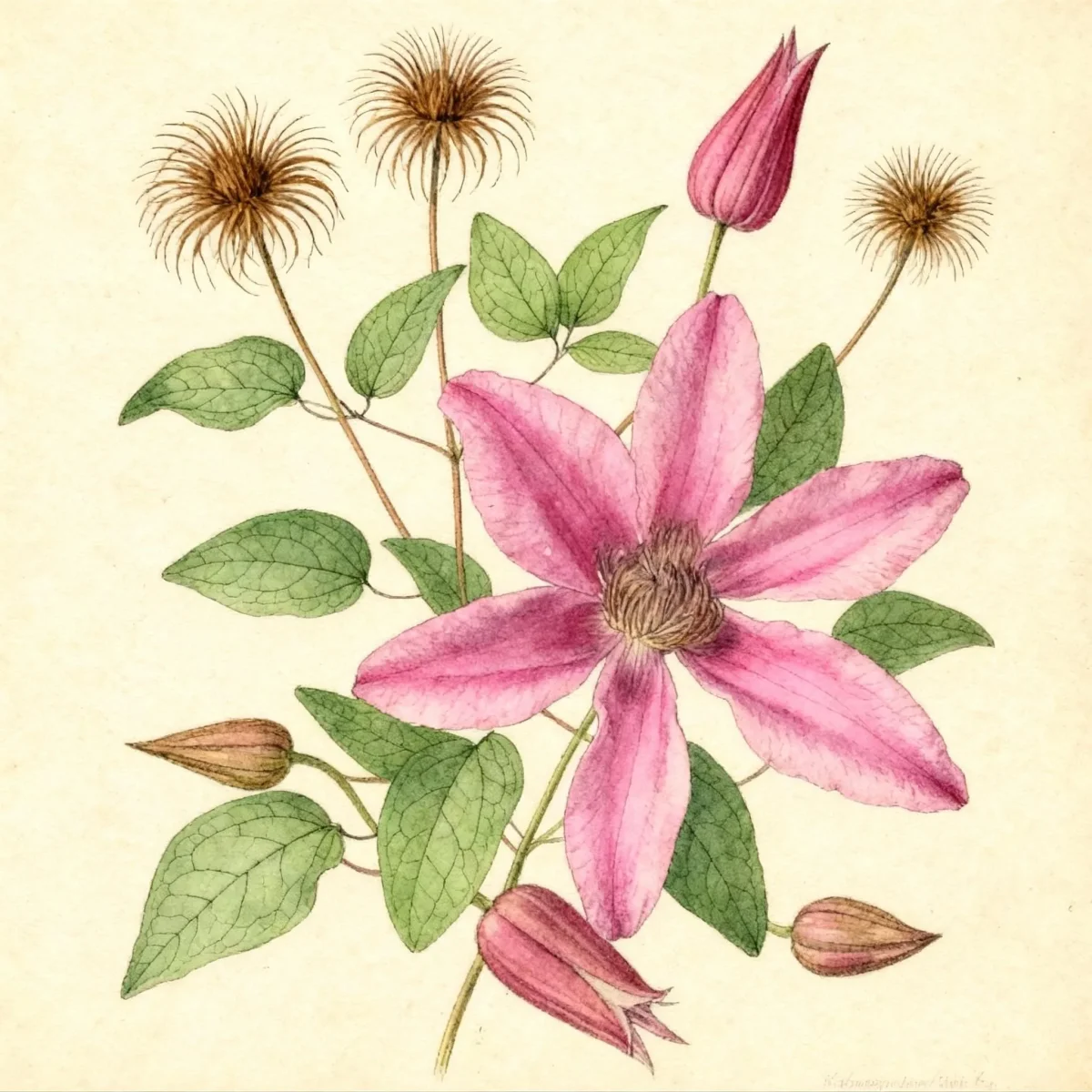
Clematis is a genus of over 250 species, most of which are woody to semi-woody deciduous vines climbing by twining leaf stalks or in some cases trailing over support, but in a few cases grow as freestanding or sprawling herbaceous perennials and small deciduous or evergreen shrubs. Most have flat, cupped or bell-shaped flowers. Cultivated plants are often divided into three groups based on pruning needs, with Clematis ‘Princess Diana’ belonging to Group 3, meaning it flowers only on new wood and can be cut to the ground in fall or spring. ‘Princess Diana’ is a deciduous, small-flowering, climbing clematis vine that typically grows 6-8’. It features tulip-shaped, deep pink flowers (to 2.5” long) with paler pink margins, followed by silky seed heads.
Tolerances
- Deer
- Black Walnut
Potential Problems
This Clematis cultivar can be susceptible to serious issues, most notably wilt or stem rot, which can prove fatal if unaddressed. Monitor foliage closely for signs of stress, discoloration, or sudden stem collapse. For preventative care, ensuring excellent drainage and avoiding overly wet roots is key to preventing rot.
Common aesthetic issues include attacks from browsing pests like aphids, slugs, and snails, whichparticularly target tender new growth. Gardeners should also watch for potential cosmetic damage from powdery mildew or leaf spots, often exacerbated by poor air circulation. Regular inspection and prompt treatment for insects will help maintain the health and appearance of your Clematis ‘Princess Diana’.
Frequently Asked Questions
What hardiness zones is Clematis ‘Princess Diana’ suitable for?
This vine is hardy and thrives in USDA Zones 4 through 8.
How large does Clematis ‘Princess Diana’ grow?
It typically reaches a mature height between 6 to 8 feet, with a spread ranging from 3 to 6 feet.
What sun exposure does Clematis ‘Princess Diana’ need?
For the best performance, site this Clematis where it receives full sun to part shade, ensuring the roots are intentionally shaded.
When does Clematis ‘Princess Diana’ bloom?
You can expect profuse blooms from this cultivar spanning the months between June and September.
Conclusion
Clematis ‘Princess Diana’ offers the structure of a climbing vine paired with vibrant, consistent summer color, making it a low-maintenance superstar. Its unique tulip shape and deep pink hue bring drama to any vertical planting scheme. Before planting, confirm your site conditions match its partial shade root needs and ensure you are prepared for its Group 3 pruning routine.
Companion Planting
Selecting appropriate companions that share the cultural needs of Clematis ‘Princess Diana’ is vital, especially concerning root shade. Plants that stay relatively compact through the summer and prefer moist, well-drained soil work best near the base. Good companions include low-growing Geraniums, Lungwort (Pulmonaria), or shade-loving Hostas, which offer lush, contrasting foliage right where the Clematis roots need cover.
Avoid planting aggressive ground covers that might compete heavily for moisture or nutrients required by the vine. The goal is to create a living mulch that keeps the soil temperature regulated without encroaching upon the main stem of the Clematis when it emerges in spring.
Design Ideas
The nodding, bell-like flowers of this specific Clematis create a softer, more informal look compared to the large-flowered hybrids. Use this characteristic to your advantage in cottage gardens or romantic border designs where a slightly less formal aesthetic is desired. They are excellent mixed with climbing roses, provided the rose structure is sturdy enough to support the vine’s weight.
For modern designs, train Clematis ‘Princess Diana’ up a narrow obelisk or wire framework against a stark, neutral wall to maximize the impact of the pink against the contrast. Because it flowers mid-to-late season, it serves as a perfect vibrant follow-up anchor when earlier spring blooms fade.