Leopard plant (Ligularia 'Britt Marie Crawford')
The dramatic Leopard plant (Ligularia 'Britt Marie Crawford') features glossy purple-black leaves and bright orange-yellow summer blooms, thriving in wet, shady spots.
Scroll down to discover growing tips, care requirements, companion plants, and more
Complete Plant Information
Overview
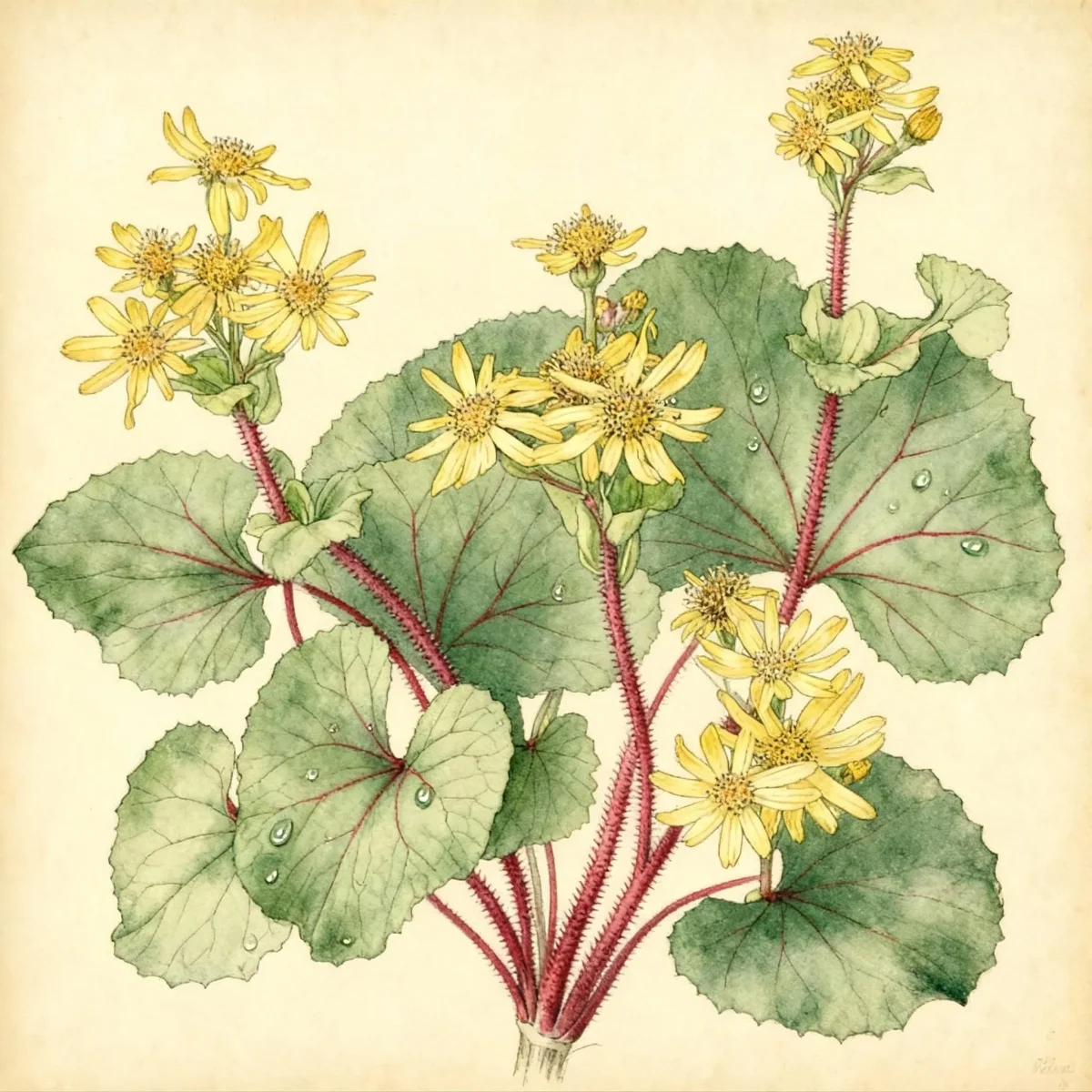
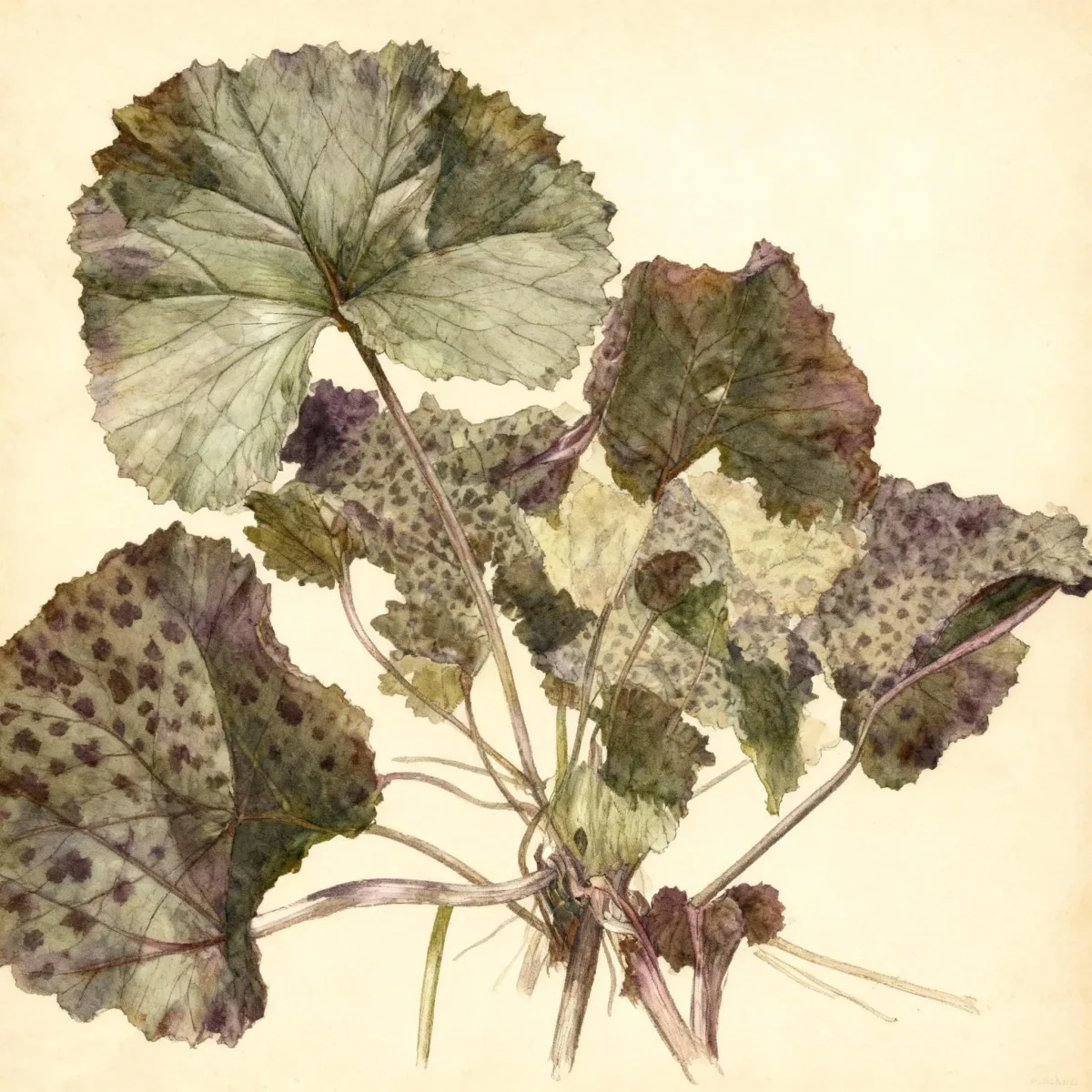
The Leopard plant, formally known as Ligularia ‘Britt Marie Crawford’, is highly prized for its exceptional foliage, offering deep, glossy, purple-black leaves that provide striking contrast in shaded garden areas. This clump-forming herbaceous perennial brings seasonal interest that extends far beyond its summer bloom period, making it a robust choice for damp, dim locations. While its bold, daisy-like orange-yellow flowers are attractive, the value of Ligularia ‘Britt Marie Crawford’ is truly rooted in its remarkable leaf display.
Ligularia ‘Britt Marie Crawford’ requires consistently moist, rich soil to perform optimally, making it an excellent textural element near water features or in designated rain gardens. Gardeners must exercise care in site selection, as intense afternoon sun or excessively dry conditions can lead to wilting, compromising the rich color of the Leopard plant. Its structure and moisture requirements dictate specific placement but reward meticulous attention with vibrant, long-lasting garden impact.
This cultivar is named in honor of its discoverer and serves as a signature plant when integrating color and texture into woodland or shade designs. Successful cultivation of Ligularia ‘Britt Marie Crawford’ ensures a perennial presence of dark, leathery foliage complemented by cheerful summer flowers, defining damp corners of the landscape.
Fast Facts
- Plant Family: Asteraceae
- Plant Type: Herbaceous perennial
- Hardiness Zones: USDA Zones 4-8
- Size at Maturity:
- Height: 2-3 ft
- Spread: 1.5-2 ft
- Bloom Time: June to July
- Bloom Description: Orange-yellow
- Sun Exposure: Part shade to full shade
- Water Needs: Medium to wet
- Maintenance Level: Medium
How to Grow
Planting the Leopard plant should occur when moisture levels are stable, preferably in spring or early fall. Locate Ligularia ‘Britt Marie Crawford’ where it receives part shade to full shade, ideally sheltered from strong winds which can damage the large leaves. The soil must be rich, humusy, and consistently moist to wet; dryness is fatal to this species.
Ongoing care focuses almost entirely on moisture management. The soil should never dry out, requiring regular, deep watering throughout hot, dry spells, even if the initial planting location seemed adequately moist. Fertilizing is generally not required for established plants if the soil is rich, but a spring compost layer can boost vigor. Pruning is minimal; remove spent flower stalks if desired, though Ligularia ‘Britt Marie Crawford’ mostly maintains its form naturally.
Seasonal attention involves watching for wilting in high heat, which necessitates immediate deep watering, even if the air feels humid. In climates with very hot summers, afternoon shade is non-negotiable for maintaining leaf quality. Be cautious placing this plant where it receives high amounts of intense, reflected light.
Landscape Uses
The moisture preferences of Ligularia ‘Britt Marie Crawford’ naturally guide its best use toward wet, shaded environments. This plant excels when grouped or massed alongside streams, ponds, bog gardens, or in formal rain garden designs where consistent saturation is guaranteed. The saturated purple-black foliage offers profound depth against lighter green ferns or hostas situated near the water’s edge.
As an excellent specimen for the shaded border, the Leopard plant provides vertical accents below taller shrubs or deciduous trees that offer dappled light in the afternoon. Its bold structure prevents it from being lost among lighter-textured shade dwellers, creating a focal point based on dramatic contrast. Consider pairing the vibrant tones of Ligularia ‘Britt Marie Crawford’ with white-flowered Astilbes or silver Brunnera species for maximum visual impact.
Standout Features
Flower Qualities
- Showy
Noteworthy Characteristics
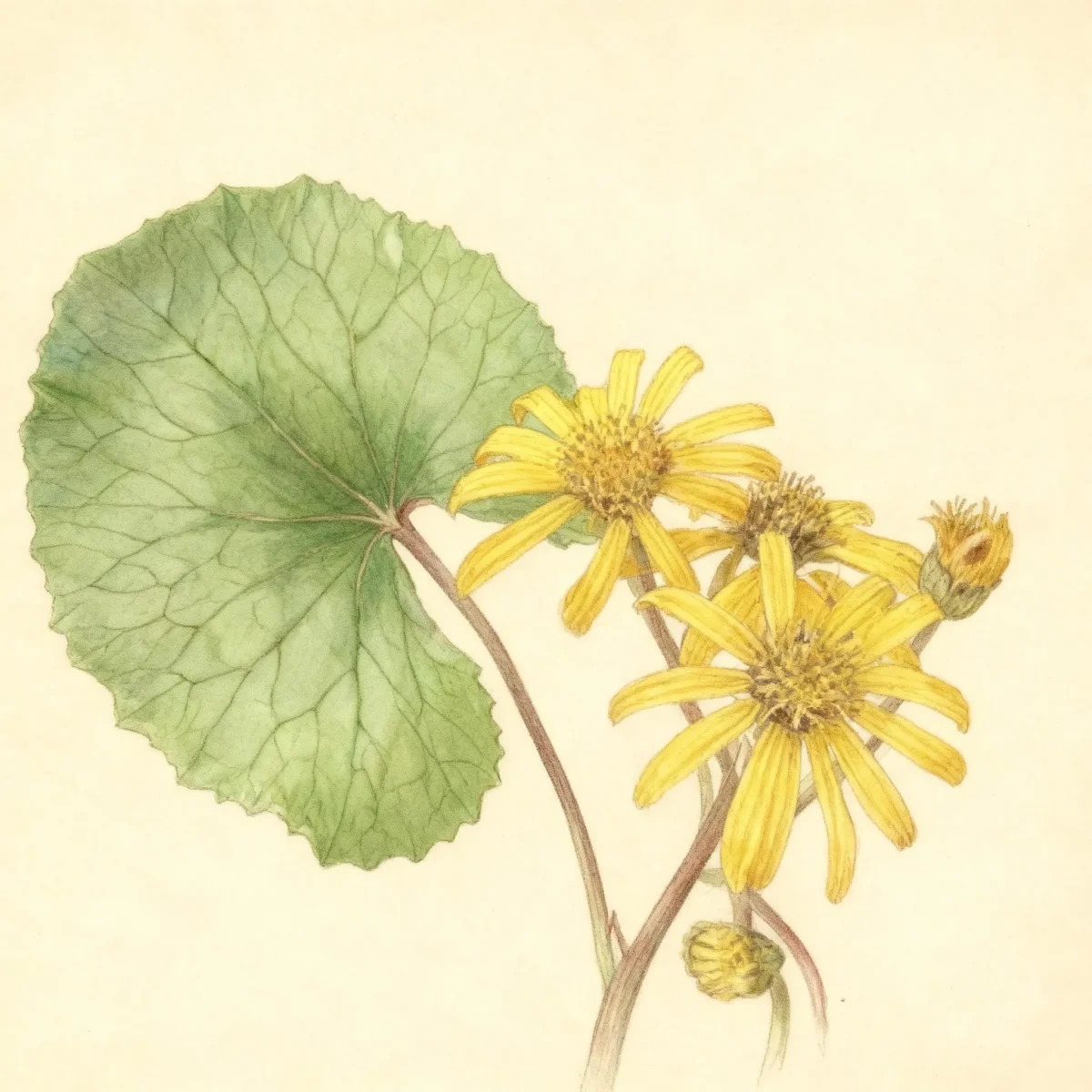
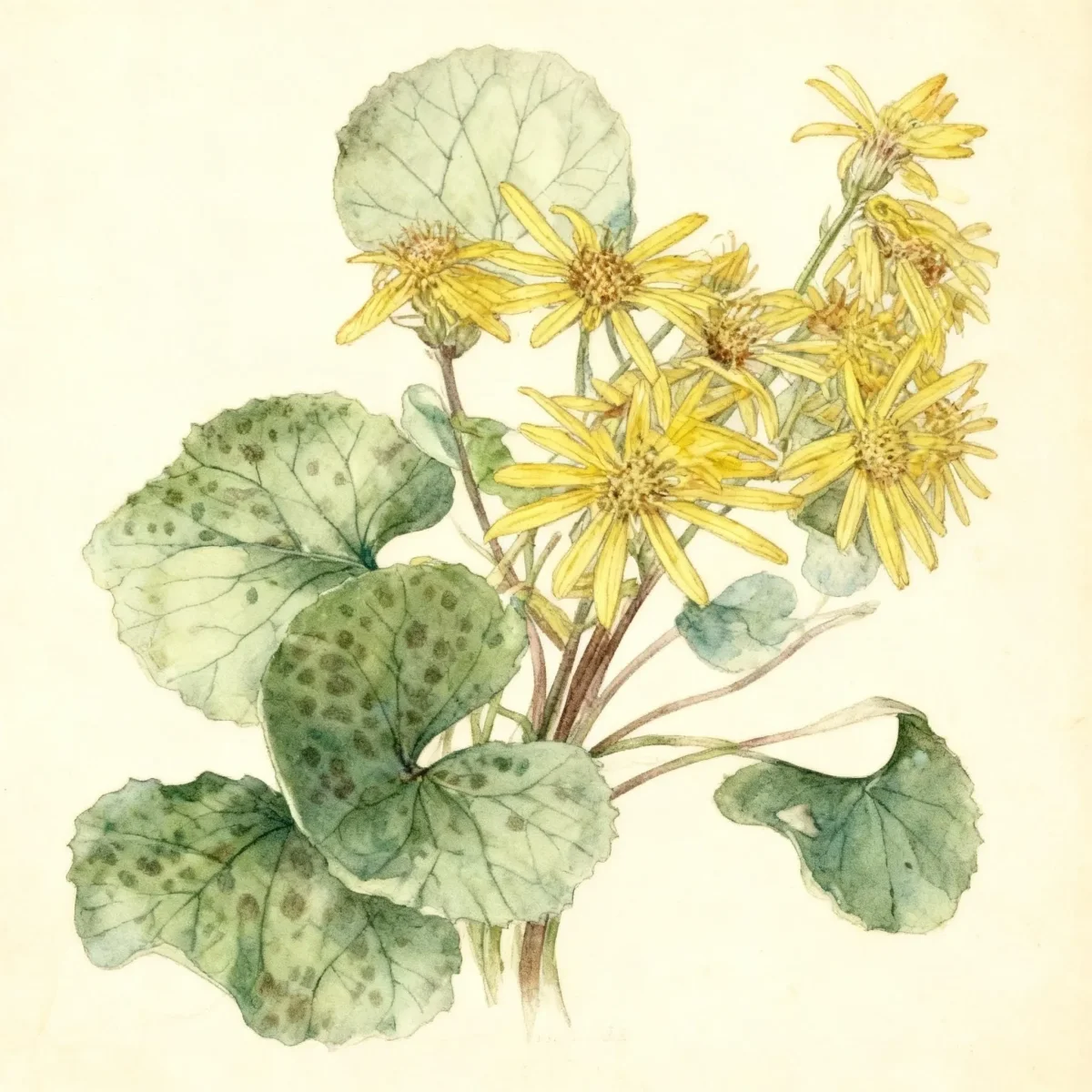
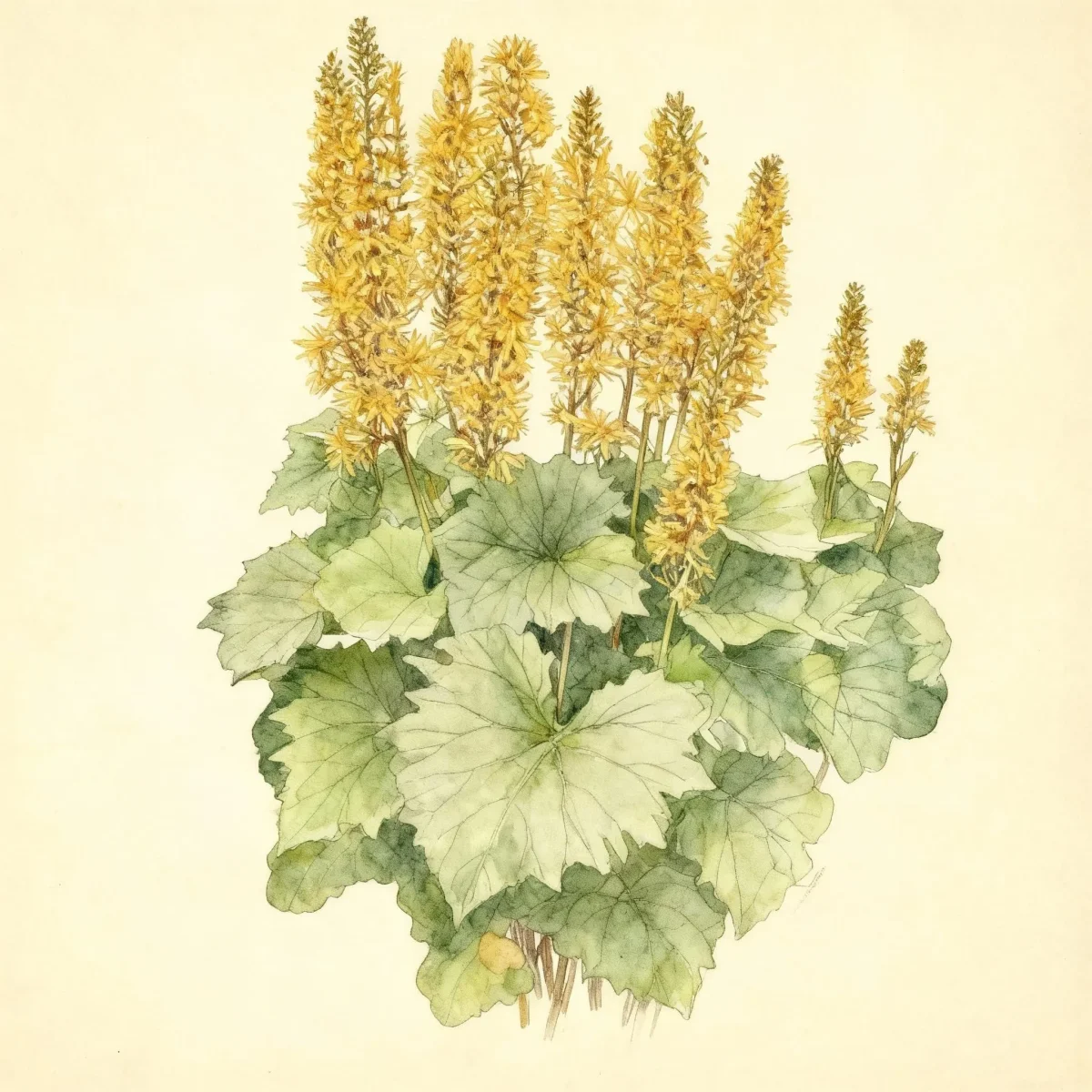
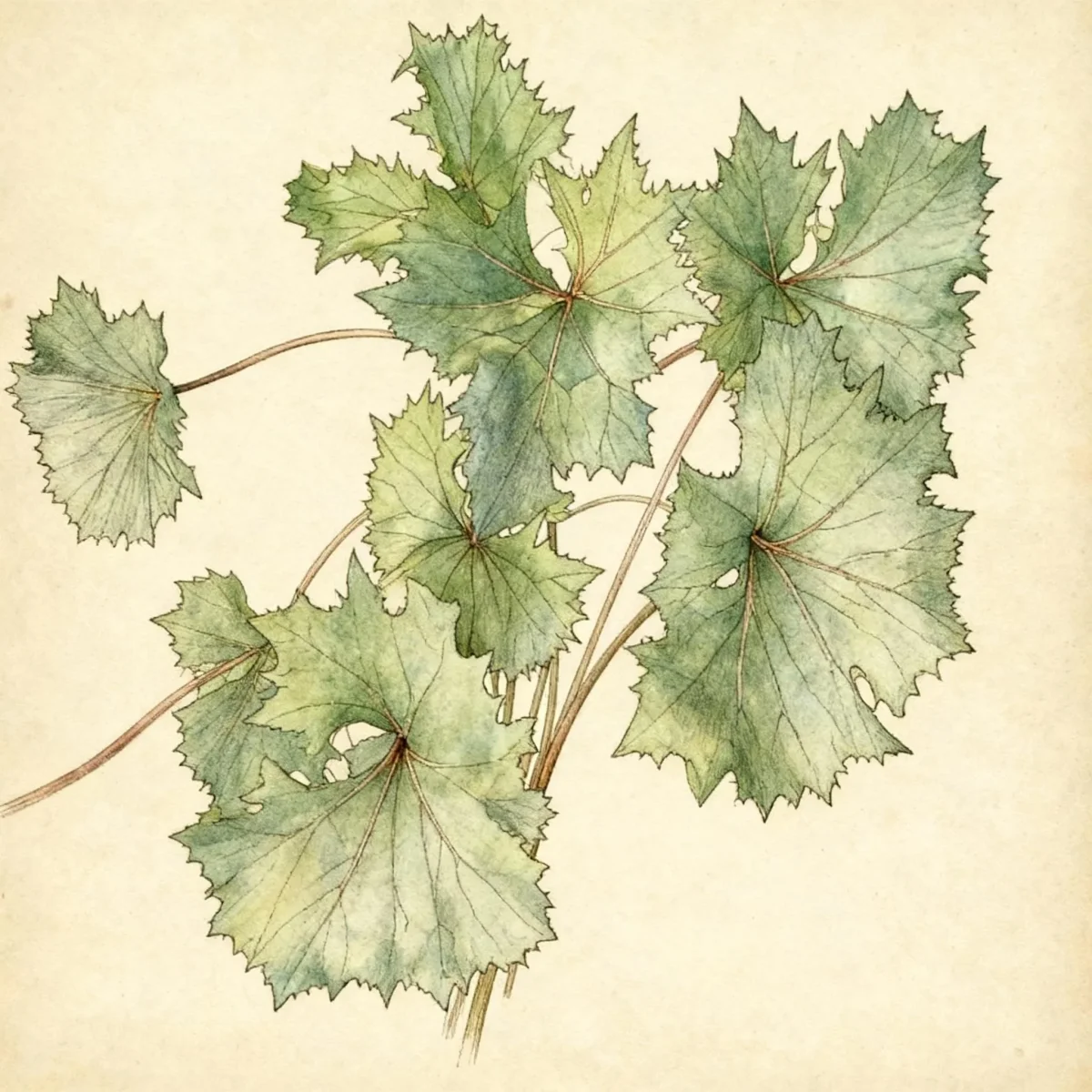
Among the 150 species in the genus, Ligularia ‘Britt Marie Crawford’ stands out for its superior foliage, featuring leathery, orbicular-reniform leaves up to 9 inches wide with a distinctive purple-black color that remains strong throughout the season. This cultivar introduces bold, daisy-like, orange-yellow flowers rising on spikes up to 40 inches tall during mid to late summer, contrasting beautifully with the dark basal mound of leaves. The plant was named after Britt-Marie Crawford, marking its unique introduction history from Fife, Scotland.
Tolerances
- Heavy Shade
- Wet Soil
Potential Problems
The primary adversaries for the Leopard plant are common garden pests: slugs and snails love the large, succulent foliage, often causing significant cosmetic damage. Inspect new growth regularly and apply molluscicides or use physical barriers immediately upon noticing damage.
Wilting is the most common physiological issue, especially in hot summer climates. Even when soil moisture appears adequate, intense heat combined with too much sun exposure can cause the leaves to droop dramatically. To mitigate this, ensure the plant receives true afternoon shade and maintain a deep layer of organic mulch to keep roots cool and hydrated.
Frequently Asked Questions
What hardiness zones is Leopard plant suitable for?
The Leopard plant, Ligularia ‘Britt Marie Crawford’, is reliably hardy in USDA Zones 4 through 8.
How large does Ligularia ‘Britt Marie Crawford’ grow?
This herbaceous perennial typically reaches a mature height of 2 to 3 feet, with a spread ranging from 1.5 to 2 feet wide, forming a dense, basal mound of foliage.
When does Leopard plant bloom?
Ligularia ‘Britt Marie Crawford’ produces its signature orange-yellow, daisy-like flowers during the peak summer months, generally from June into July.
What sun exposure does Ligularia ‘Britt Marie Crawford’ need?
This plant thrives best in part shade to full shade conditions; excess sun, especially in hot regions, should be avoided to prevent leaf scorching and wilting.
Conclusion
Ligularia ‘Britt Marie Crawford’ is an indispensable component for gardeners seeking drama, texture, and reliable performance in moist, shaded areas of the landscape. The extraordinary dark foliage of the Leopard plant ensures continuous visual interest, beautifully accented by its summer orange-yellow blossoms. Before planting, confirm your site offers consistent moisture and protection from harsh afternoon sun to enjoy the best of this distinguished perennial.
Companion Planting
Choosing companions for Ligularia ‘Britt Marie Crawford’ requires finding plants that share its affinity for moisture and low light. Ferns, particularly Japanese Painted Ferns or Ostrich Ferns, offer contrasting texture and height stability alongside the broad leaves of the Leopard plant. Hostas that prefer wetter soil, especially those with chartreuse or blue-toned foliage, complement the dark purple-black of Ligularia ‘Britt Marie Crawford’ effectively.
Selecting flora that doesn’t demand constant dryness will ensure the entire planting scheme thrives together. Consider wetland edge plants such as Marsh Marigold (Caltha palustris) or certain moisture-loving Rodgersia species to create a cohesive, damp woodland vignette centered around the structural beauty of the Leopard plant. This method ensures both color contrast and shared cultural needs are met.
Design Ideas
Ligularia ‘Britt Marie Crawford’ is perfect for creating a “cool spot” in a hot or overly bright garden area, using its dense foliage to absorb light and create depth. Use the plant as a repeating element along a shaded path or driveway where its height (up to 3 feet) can establish a clear border definition without blocking views. The glossy, dark leaves make it an excellent foil for pale hardscaping materials like light gravel or white stepping stones.
For woodland borders, position the Leopard plant toward the front or middle ground, allowing its significant leaf size to anchor the composition. Because Ligularia ‘Britt Marie Crawford’ enjoys wet soil, designing it near a downspout outflow or at the base of a slope where water naturally collects provides an ideal, low-maintenance environment where its naturalized grouping will thrive.