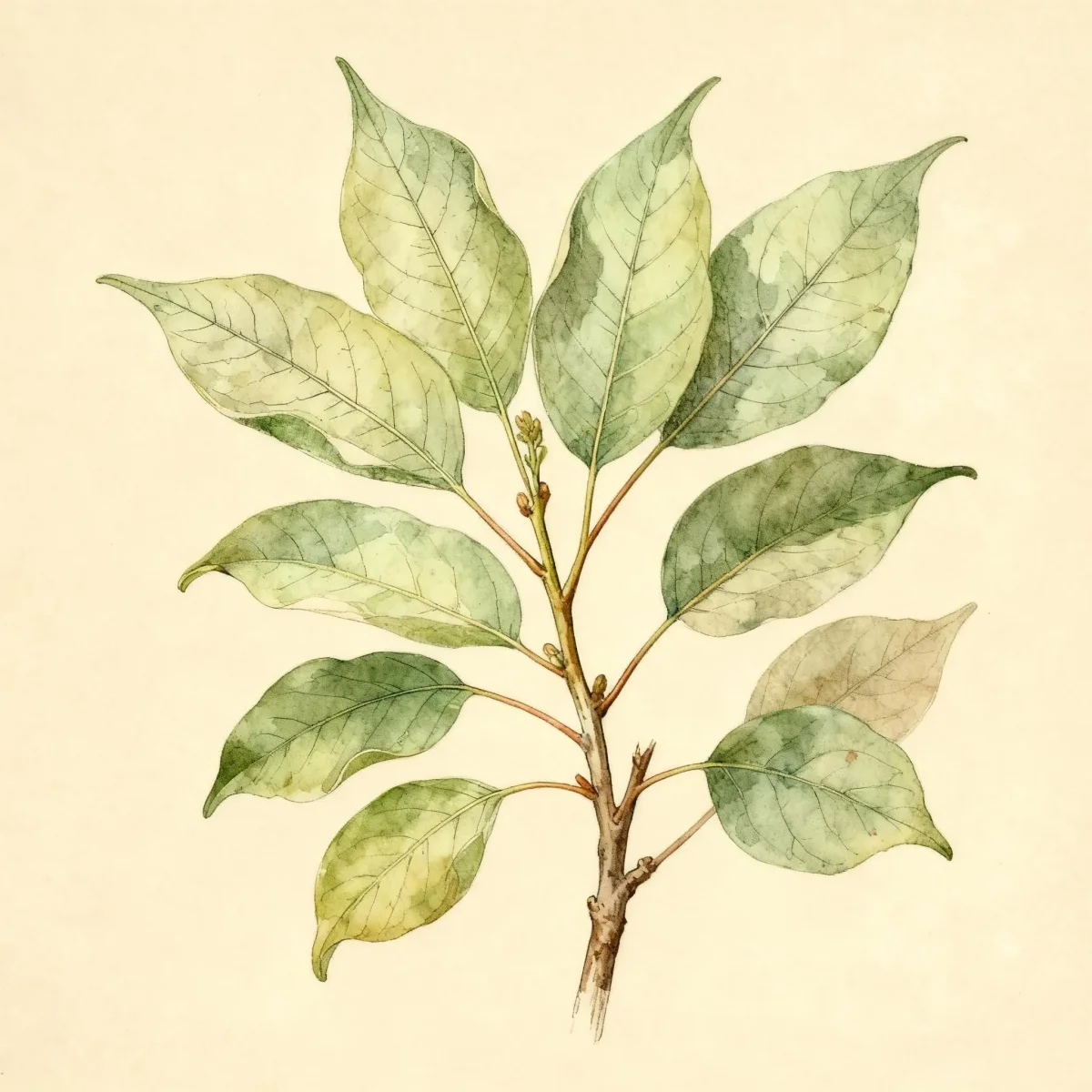
Sweet gum (Liquidambar styraciflua 'Hapdell' HAPPIDAZE)
Liquidambar styraciflua 'Hapdell' HAPPIDAZE, a fruitless Sweet gum, offers brilliant fall color and low maintenance for zones 5-9.
Scroll down to discover growing tips, care requirements, companion plants, and more
Complete Plant Information
Overview
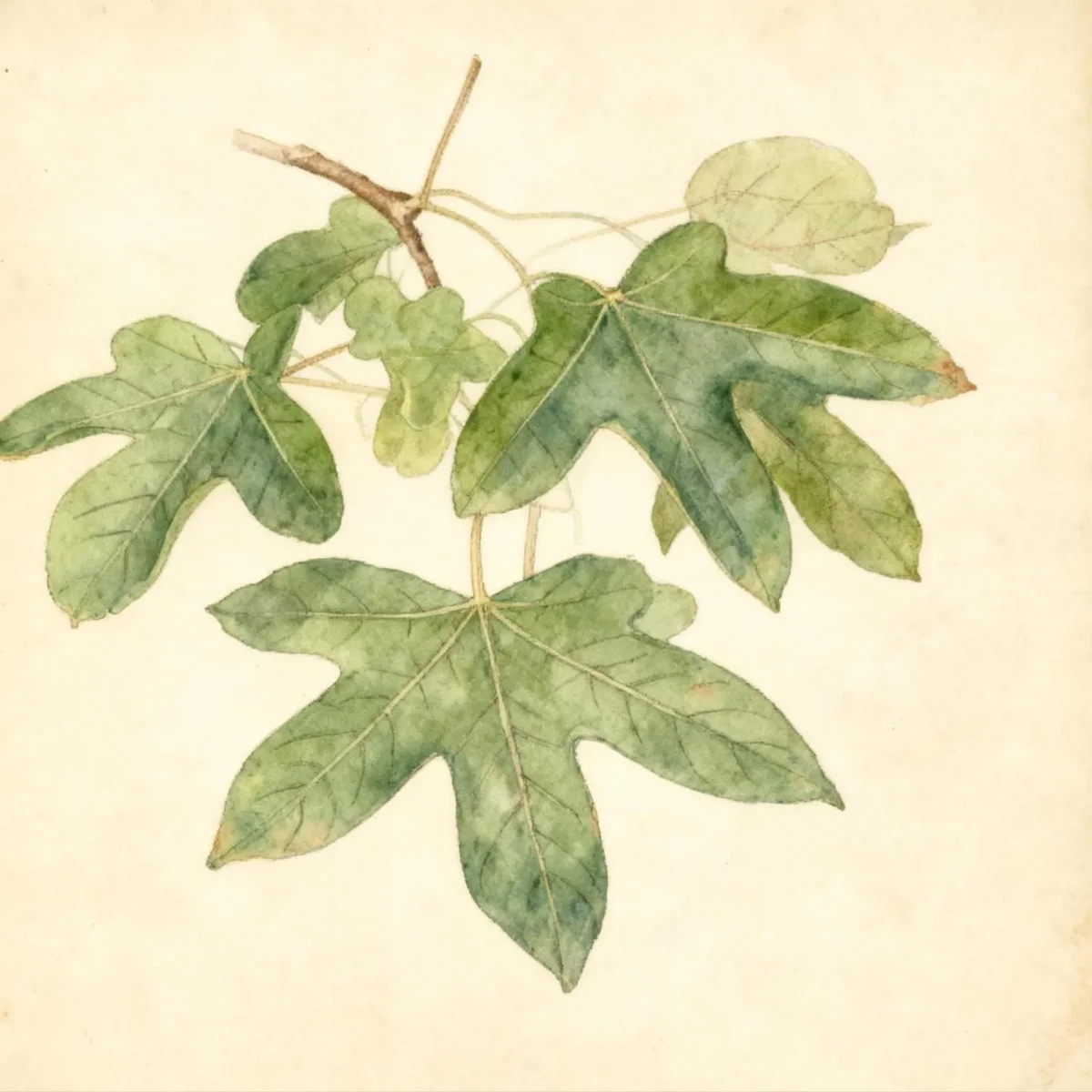
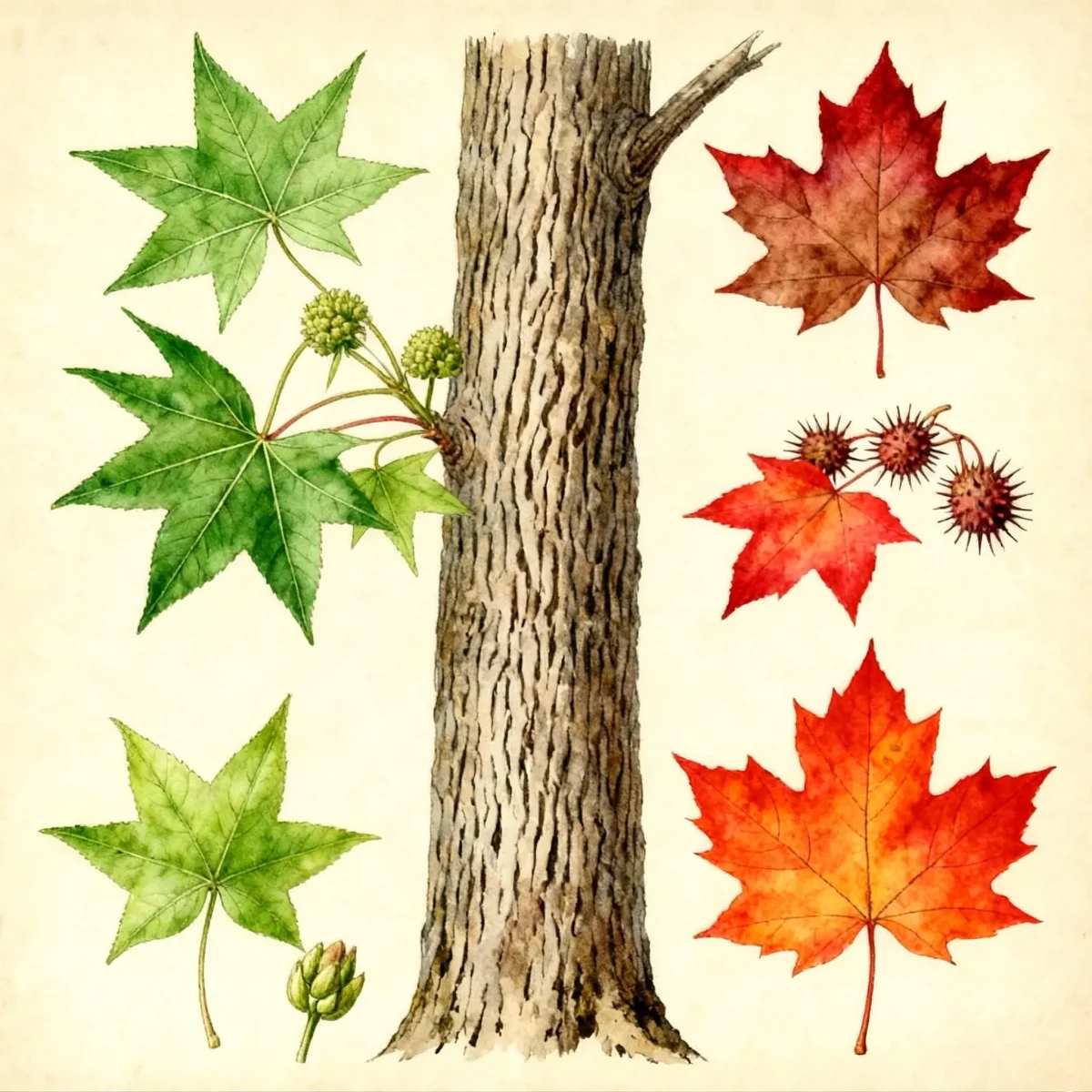
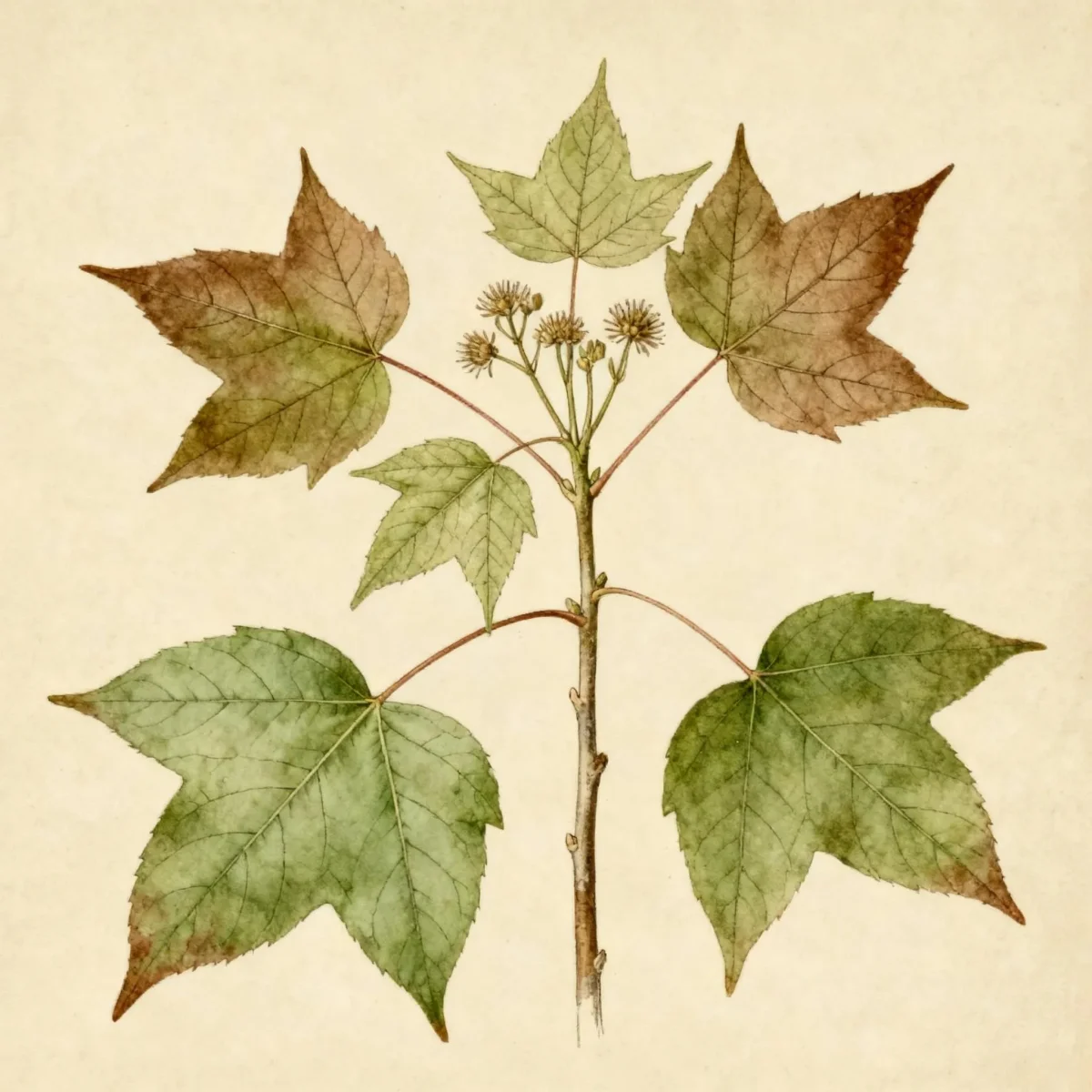
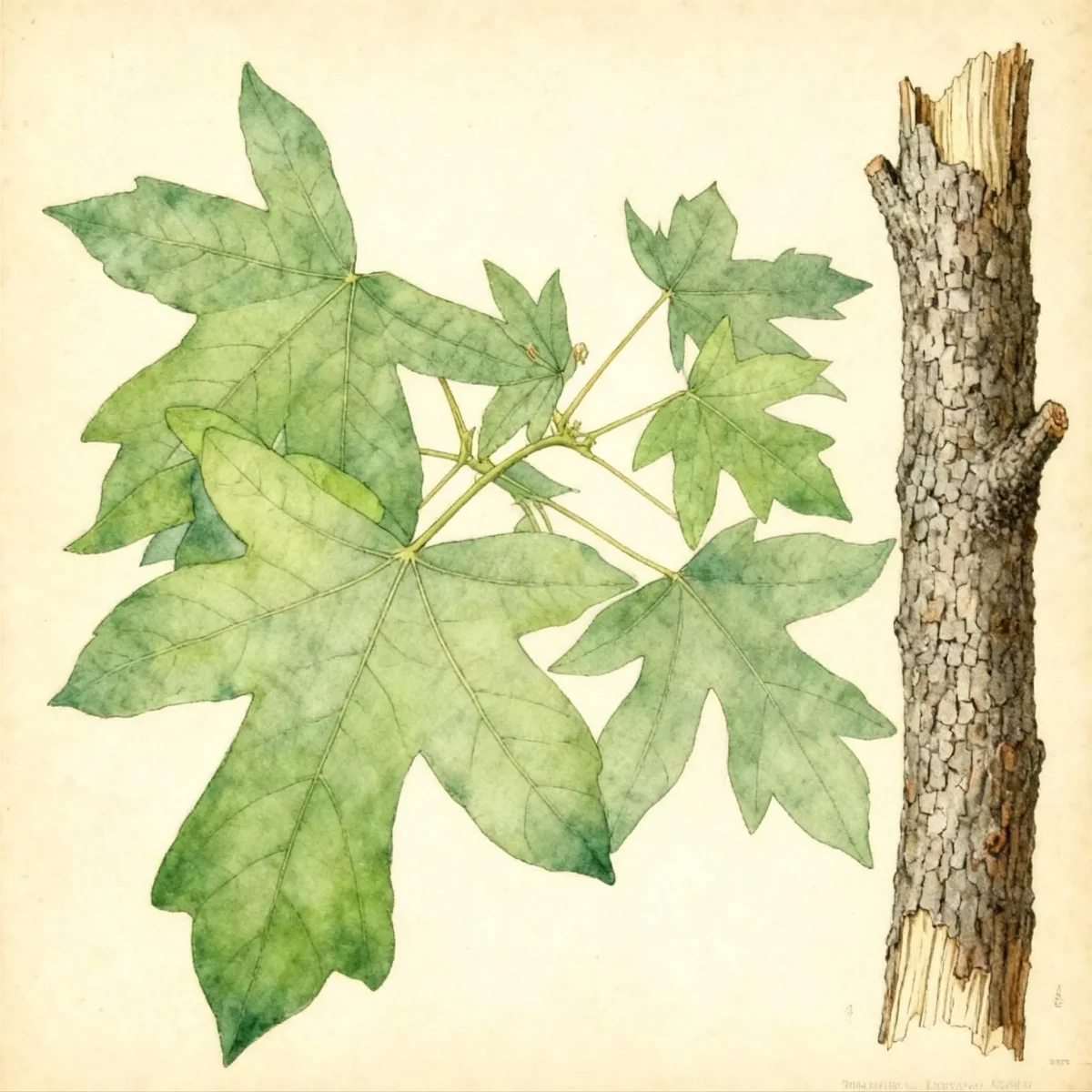
The Liquidambar styraciflua ‘Hapdell’ HAPPIDAZE, commonly known as Sweet gum, is a spectacular, low-maintenance deciduous tree known for its strong vertical presence and exceptional seasonal interest. Unlike the standard species, this cultivar is fruitless, making Liquidambar styraciflua ‘Hapdell’ HAPPIDAZE an ideal choice for areas where fallen debris is a concern. Gardeners prize this variety for its star-shaped, glossy green summer foliage that transforms into a stunning maroon display in the autumn.
This large shade tree achieves significant height when mature, requiring ample space for its habit to develop fully. It is relatively adaptable, though it performs best when provided with consistent moisture and deep, fertile soils. Its low maintenance profile, combined with its impressive size potential, designates the Sweet gum as a premier choice for large landscapes and avenues.
This specific selection, often sold as HAPPIDAZE, retains the natural vigor and robust structure of Liquidambar styraciflua while simplifying cleanup. Planting Liquidambar styraciflua ‘Hapdell’ HAPPIDAZE provides years of reliable shade and outstanding seasonal color transition.
Fast Facts
- Plant Family: Altingiaceae
- Plant Type: Tree
- Hardiness Zones: USDA Zones 5-9
- Size at Maturity:
- Height: 60-80 ft
- Spread: 40-60 ft
- Bloom Time: April to May
- Bloom Description: Yellow-green
- Sun Exposure: Full sun
- Water Needs: Medium
- Maintenance Level: Low
How to Grow
For optimal establishment, plant your Sweet gum in the spring or fall when temperatures are moderate. Ensure the chosen location receives full sun, as this species is intolerant of shade, which negatively impacts health and fall color quality. While it thrives in deep, moist, fertile soils, it demonstrates remarkable tolerance for a wide variety of soil types, including clay, provided drainage is reasonably adequate. Avoid planting in highly alkaline conditions, which can induce chlorosis.
New plantings require consistency; maintain medium moisture levels, especially during the first few growing seasons, until the extensive root system is established. While considered low maintenance, avoid over-fertilizing; an average soil often suffices. Pruning is generally minimal, focusing mostly on removing crossing or damaged limbs when the tree is young to establish a strong central leader.
Be mindful of winter hardiness if planting near the cooler edges of Zone 5; trees are not reliably hardy in the northernmost extensions of this range. In established winter settings, very little specialized winter preparation is needed beyond ensuring the tree is adequately watered going into dormancy to prevent desiccation.
Landscape Uses
The massive stature and broad crown of the Liquidambar styraciflua ‘Hapdell’ HAPPIDAZE make it an indispensable asset for large-scale landscape architecture. It excels as a primary shade tree, capable of cooling expansive lawns, parks, and campuses effectively. Because this Sweet gum cultivar lacks the problematic, hard fruiting bodies of the species, it is highly recommended for use as a street tree where pedestrian safety below is a concern.
When planning its placement, remember that this tree will mature into a very large specimen, requiring substantial horizontal space away from structures and underground utilities. Its upright form provides excellent vertical definition within a garden structure.
Consider pairing this dramatic specimen with understory plantings that prefer dappled shade, such as hostas or hydrangeas beneath its canopy once it has reached sufficient height. The brilliant autumn palette of the Liquidambar styraciflua ‘Hapdell’ HAPPIDAZE contrasts beautifully against evergreen foundation plantings, adding year-round structure to the view.
Standout Features
Flower Qualities
- Insignificant
Noteworthy Characteristics
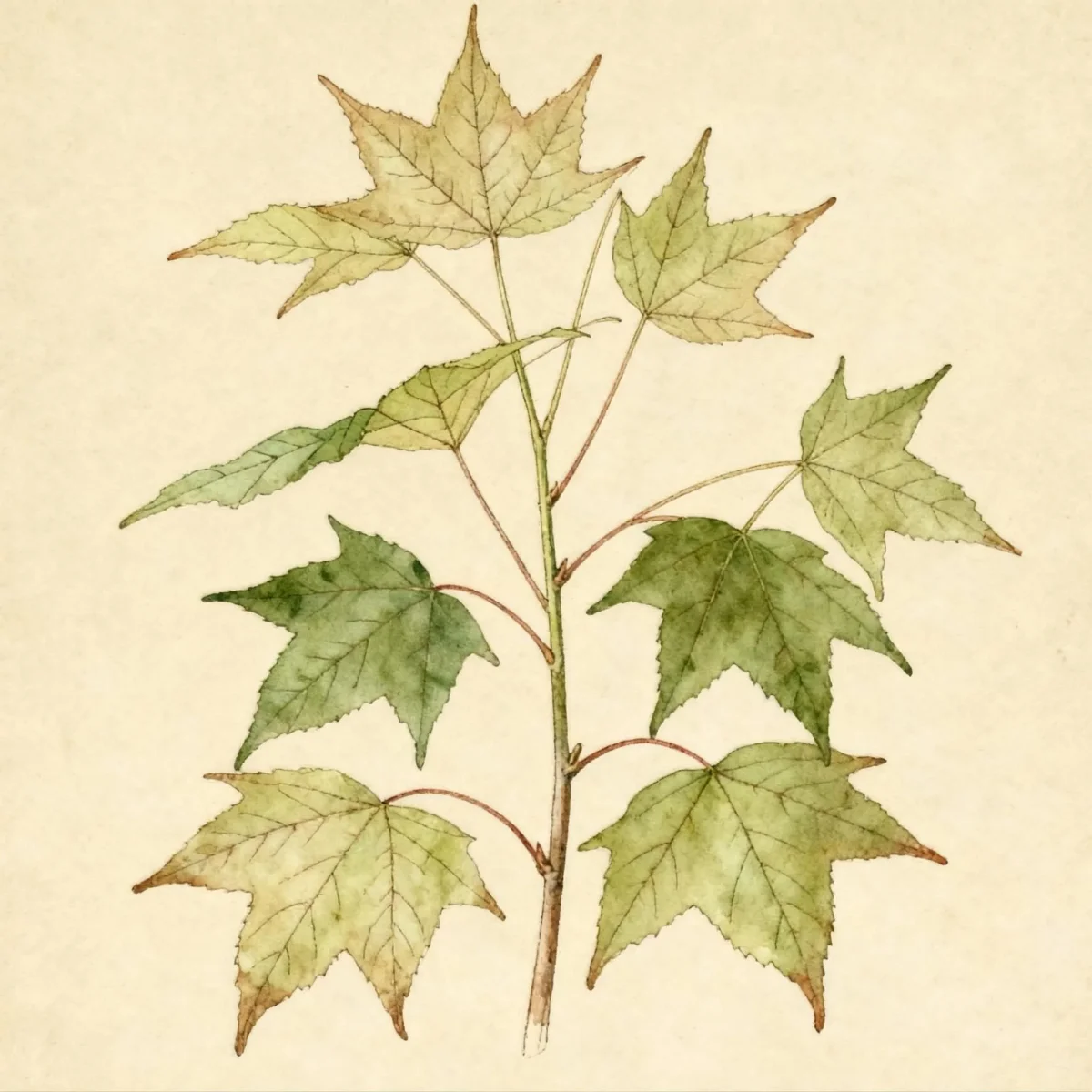
Liquidambar styraciflua, commonly called sweet gum, is a low-maintenance deciduous shade tree with glossy, star-shaped leaves (5-7 pointed lobes) that turn brilliant mixtures of yellows, oranges, purples, and reds in the fall. Branchlets may feature distinctive corky ridges, adding winter interest. The cultivar Liquidambar styraciflua ‘Hapdell’ HAPPIDAZE is specifically valuable because it is fruitless, eliminating the cleaning chore associated with the traditional gum balls, while still reaching the majestic size of the species plant, delivering an attractive maroon fall display.
Tolerances
- Rabbit
- Deer
- Clay Soil
Potential Problems
The Sweet gum is generally robust, suffering from no serious insect or disease problems under ideal cultural conditions. However, gardeners should monitor for occasional pests like webworms, caterpillars, borers, and scale, particularly in stressed trees. Fungal issues such as leaf spots, wood rot, and bleeding necrosis can occasionally manifest. If planted in alkaline soils, the primary physiological concern is chlorosis, characterized by yellowing leaves due to nutrient uptake issues. Maintaining proper soil pH and ensuring consistent moisture helps mitigate most common ailments.
Frequently Asked Questions
What hardiness zones is Sweet gum suitable for?
The Liquidambar styraciflua ‘Hapdell’ HAPPIDAZE is reliably hardy in USDA Zones 5 through 9, though winter hardiness can be compromised at the colder end of Zone 5.
How large does Liquidambar styraciflua ‘Hapdell’ HAPPIDAZE grow?
This mature tree typically reaches heights between 60 and 80 feet tall with a spread ranging from 40 to 60 feet wide, requiring significant space.
What sun exposure does Sweet gum need?
This tree demands full sun exposure to achieve its best growth habit and its highly sought-after autumn coloration.
When does Sweet gum bloom?
Flowering occurs relatively early in the season, typically from April to May, producing inconspicuous yellow-green flowers before the leaves fully emerge.
Conclusion
The Liquidambar styraciflua ‘Hapdell’ HAPPIDAZE offers an exceptional combination of low maintenance, massive shade potential, and unforgettable maroon fall color, all without the mess of fallen fruit. Choosing this fruitless Sweet gum variety simplifies landscape management significantly. Ensure your site has sufficient space and matches the USDA Zones 5-9 compatibility before planting this magnificent tree.
Companion Planting Considerations
When selecting neighbors for your Sweet gum, focus on robust understory shrubs and perennials that appreciate the dappled light provided once the tree matures. Because the tree prefers medium moisture, plants that share this requirement will thrive beneath the canopy. Consider planting hydrangeas, rhododendrons, or azaleas in the filtered light zones, provided the soil pH remains slightly acidic.
For areas enjoying more direct sunlight near the edges of the drip line, ornamental grasses or native ferns that tolerate root competition are excellent choices. Avoid pairing the large tree with shallow-rooted specimens that will aggressively compete for surface water and nutrients in the long term.
Seasonal Care Calendar
Spring is the ideal time to assess any structural pruning needs, focusing on removing crossing branches to promote good air circulation within the canopy of the Liquidambar styraciflua ‘Hapdell’ HAPPIDAZE. As summer progresses, monitor moisture levels, especially during dry spells, to ensure the tree receives its medium water needs consistently.
In autumn, anticipate the spectacular show; while this variety features maroon tones, monitor the fallen leaves for decomposition, as they can be thick. Prepare for winter by applying a deep layer of mulch around the root zone to regulate soil temperature, protecting the roots, especially in northern Zone 5 sites. Avoid heavy fertilization in late summer or fall, as this can encourage tender new growth susceptible to early frost damage.