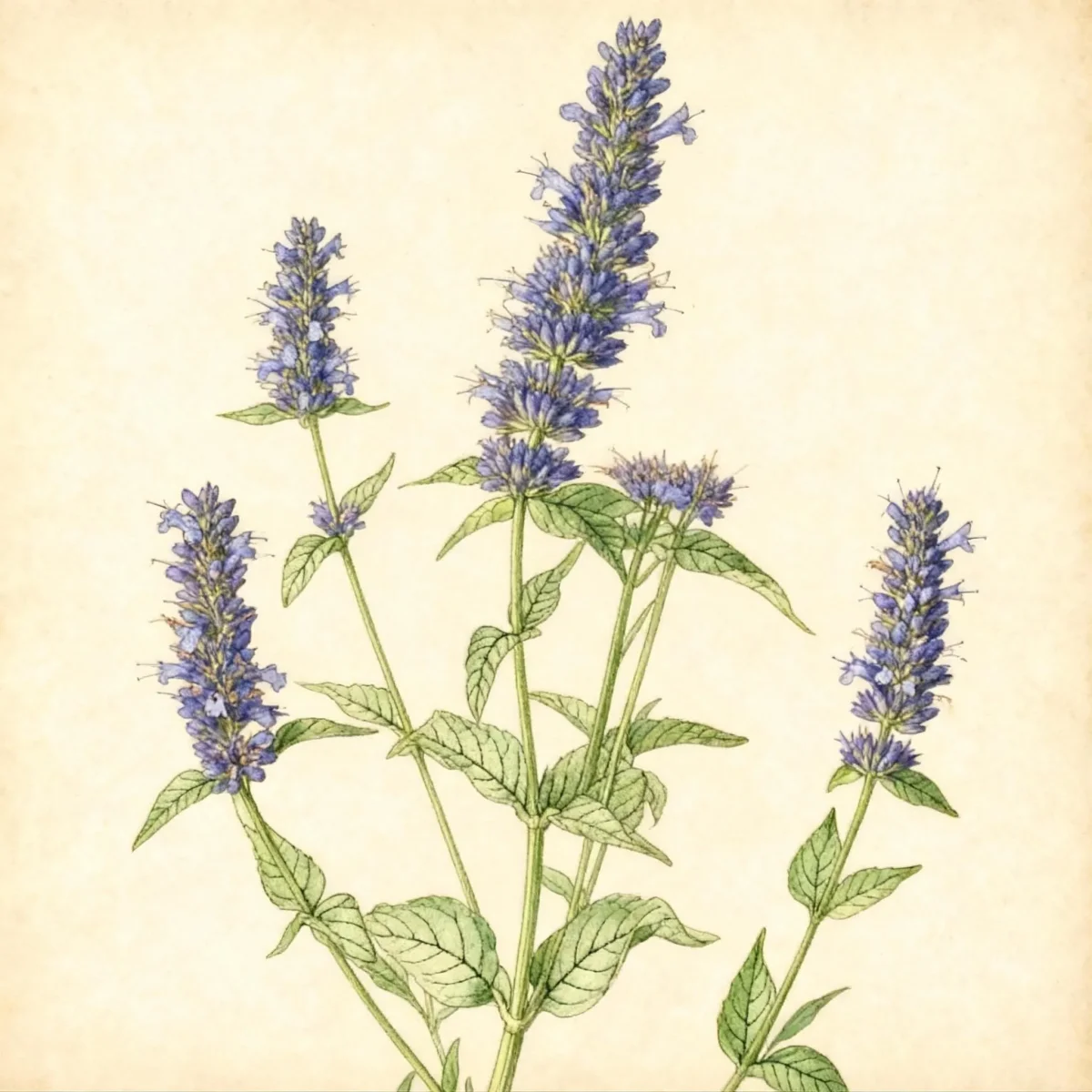
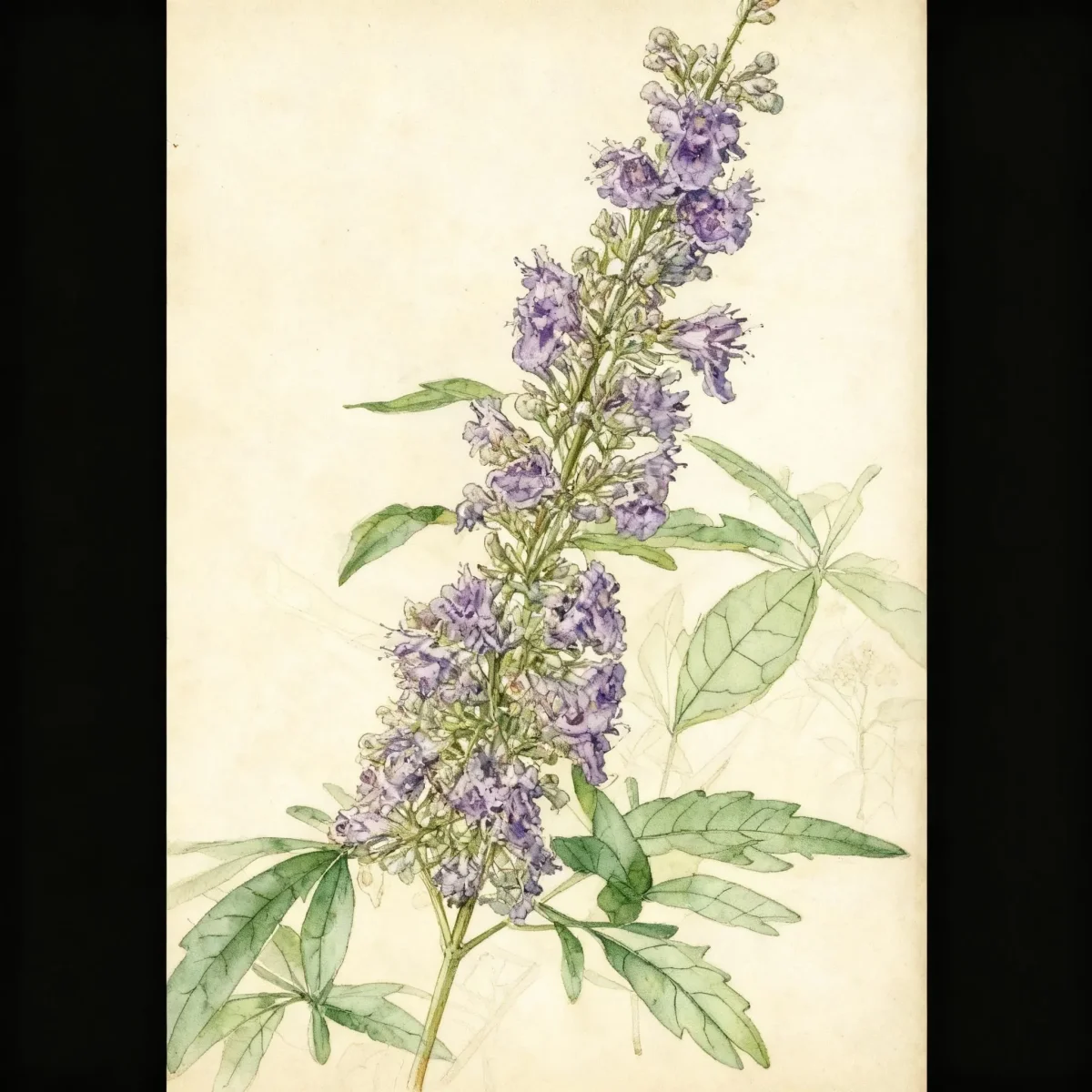
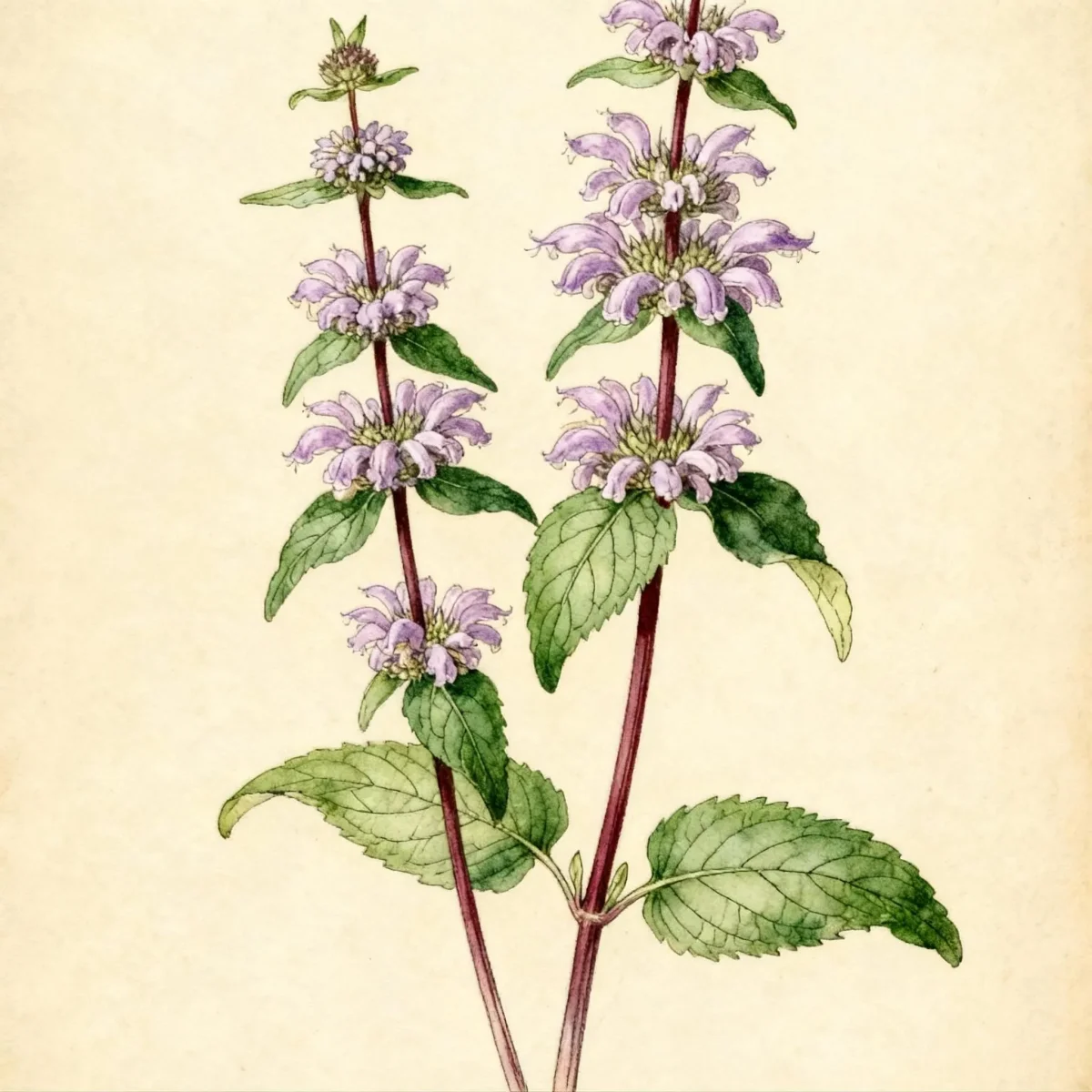
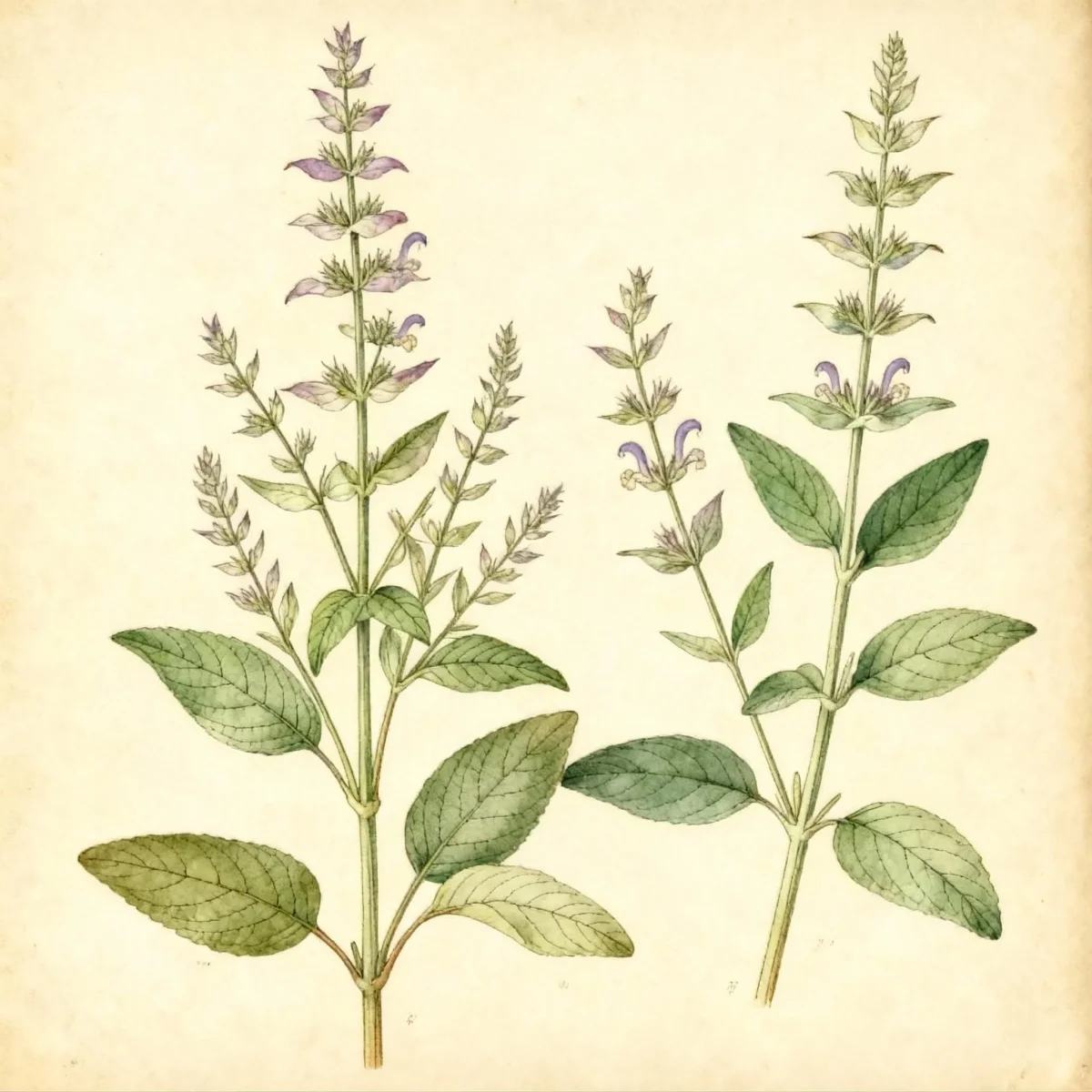
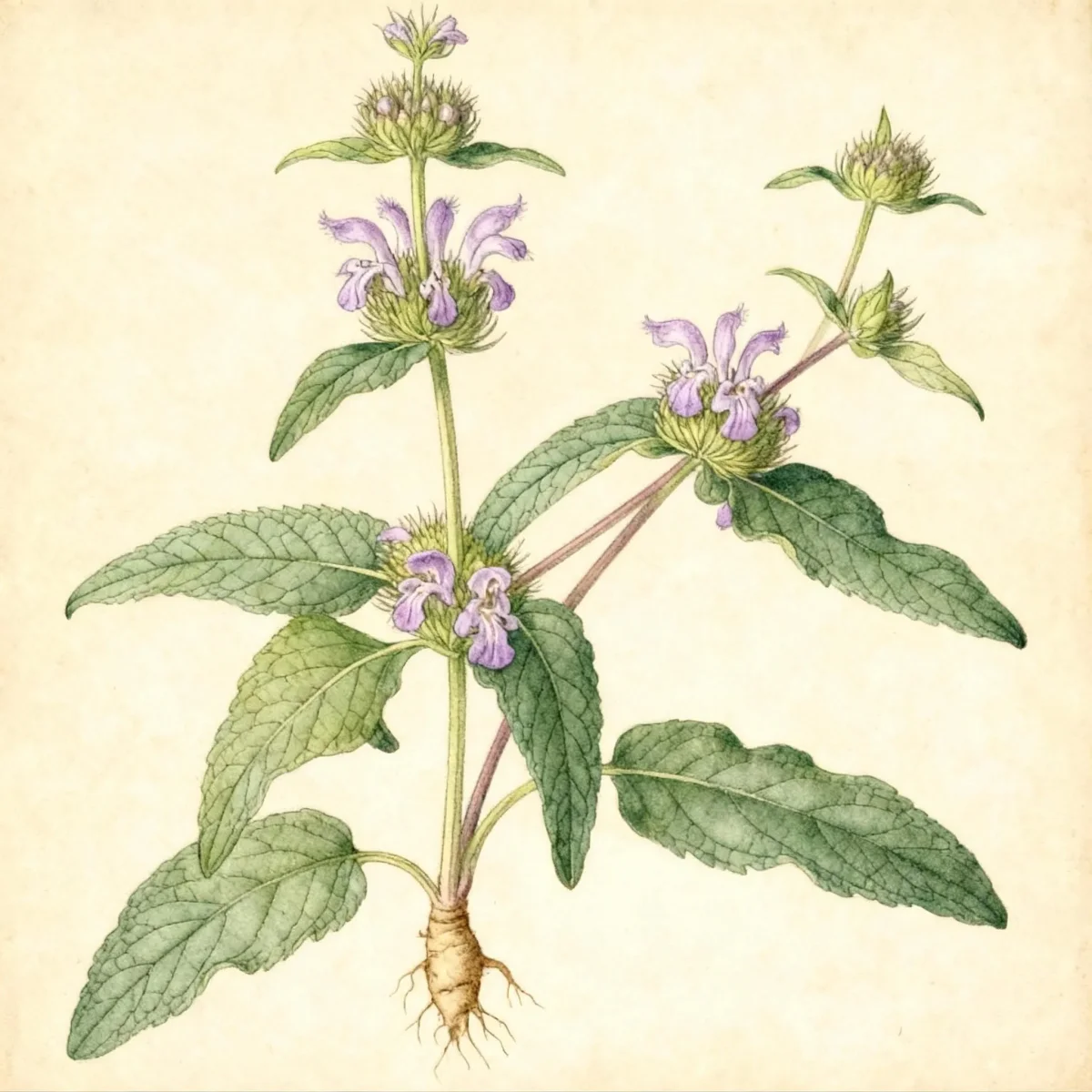
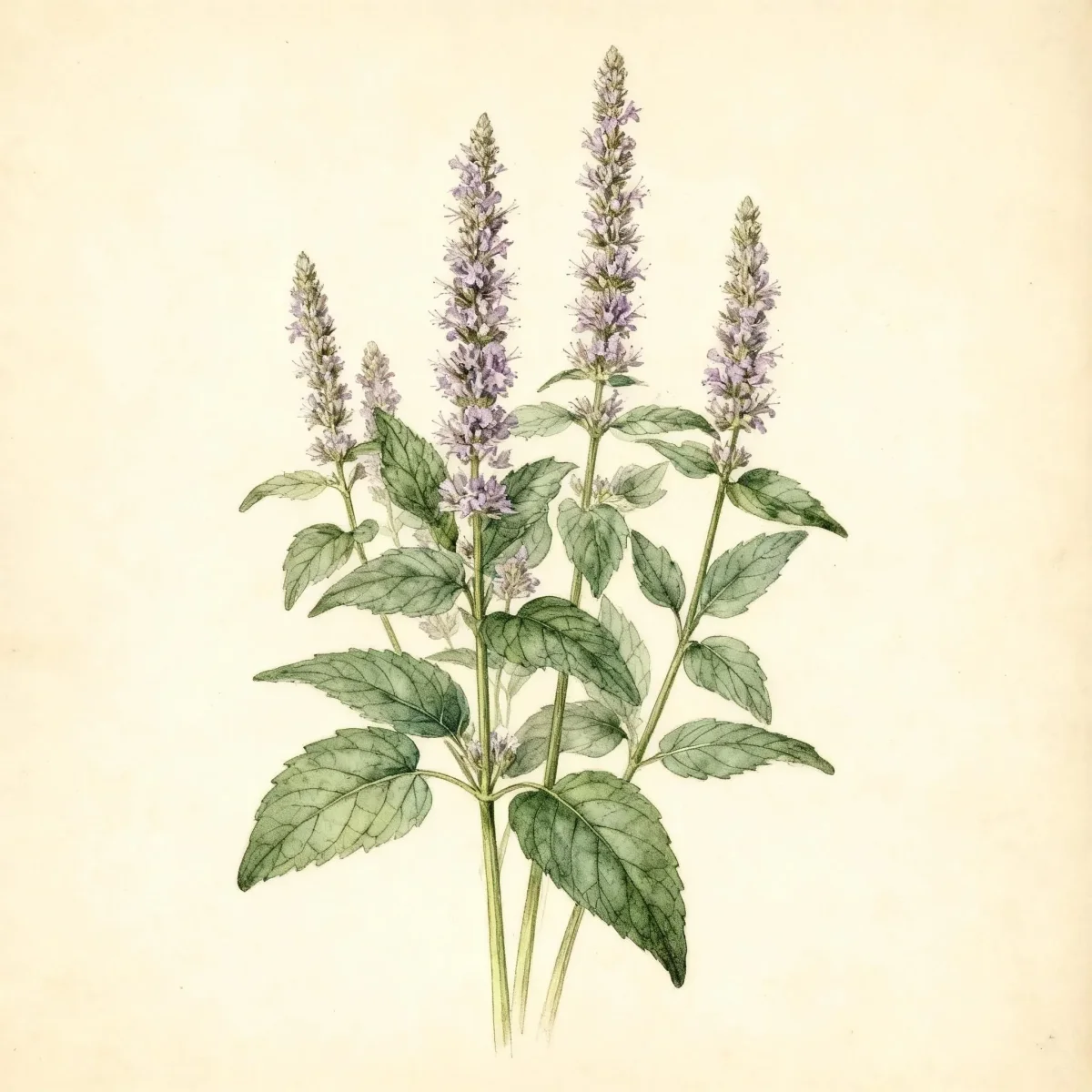
Giant hyssop (Agastache 'Raspberry Summer')
Agastache 'Raspberry Summer' (Giant hyssop) offers showy, fragrant raspberry pink flowers from July to September, ideal for sunny borders.
Scroll down to discover growing tips, care requirements, companion plants, and more
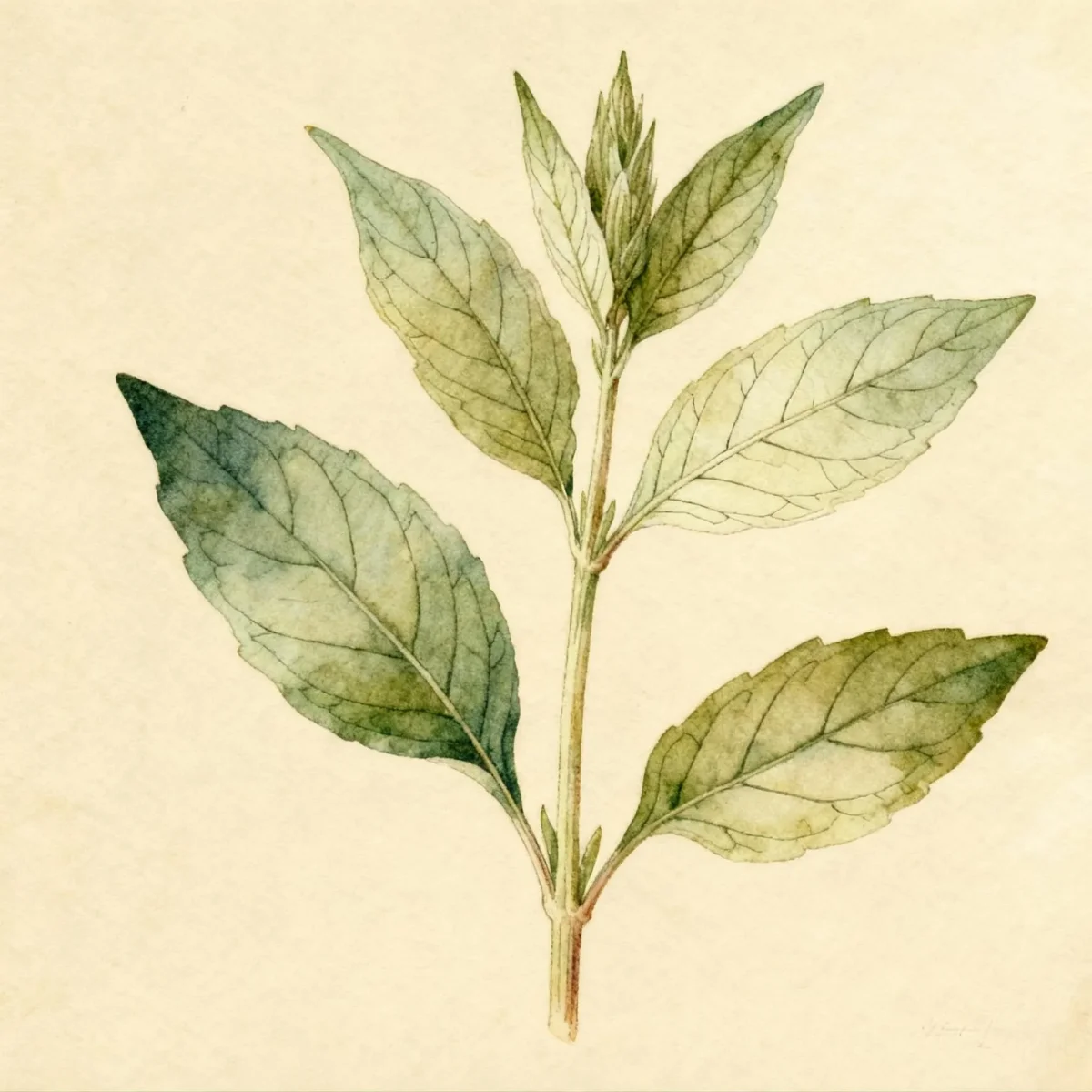
Complete Plant Information
Overview
Agastache ‘Raspberry Summer’, commonly known as Giant hyssop, is a highly valued upright perennial celebrated for its long season of color and delightful fragrance. This hybrid cultivar provides masses of striking raspberry pink tubular flowers that attract crucial pollinators throughout the summer months. Gardeners appreciate Agastache ‘Raspberry Summer’ for its reliable clumping habit and its tolerance for heat once established in proper conditions.
The genus Agastache features numerous species, but hybrids like ‘Raspberry Summer’ often boast superior flower displays and better structural integrity than straight species. This plant produces dense terminal spikes atop stiff, square stems, making it an excellent vertical accent in sunny perennial borders. Its aromatic, mint-scented foliage adds another layer of sensory interest to the garden landscape.
For optimum performance, ensure this Giant hyssop receives ample sunlight and excellent drainage, as improper soil moisture is its primary downfall. With medium water needs and easy care, Agastache ‘Raspberry Summer’ is a rewarding choice for cottage gardens looking for bold, long-lasting texture and powerful wildlife appeal.
Fast Facts
- Plant Family: Lamiaceae
- Plant Type: Herbaceous perennial
- Hardiness Zones: USDA Zones 6-9
- Size at Maturity:
- Height: 2-2.5 ft
- Spread: 1-1.5 ft
- Bloom Time: July to September
- Bloom Description: Raspberry pink
- Sun Exposure: Full sun
- Water Needs: Medium
- Maintenance Level: Medium
How to Grow
Planting Agastache ‘Raspberry Summer’ is best done in the spring after the danger of frost has passed, ensuring it receives full sun for the most vigorous flowering. Site selection is crucial: this plant demands very well-drained soils. It thrives in average to medium moisture conditions, but heavy clay soils that retain water are highly detrimental and can lead to crown or root rot, often resulting in winter loss.
During the growing season, water moderately, allowing the soil to dry slightly between irrigation, especially once the plants are established and become somewhat drought-tolerant. Fertilizing is generally unnecessary if the soil is reasonably fertile, as too much richness can encourage floppy growth. If deadheading spent flowers throughout July and September, you will extend the blooming window of your Giant hyssop.
The maintenance level for Agastache ‘Raspberry Summer’ remains medium primarily due to drainage requirements. In colder zones (Zone 6), providing protection is wise; plant in sheltered spots, like southern exposures, to aid winter survival. Leave the flower stems and leaf litter in place over winter to offer insulation, cutting back the dead foliage only in early spring before new growth emerges. Remember that seed-grown hybrids rarely produce offspring identical to the parent plant.
Landscape Uses
Agastache ‘Raspberry Summer’ excels as a bold, aromatic performer perfect for sunny borders and mixed plantings. Its upright habit creates wonderful vertical accents alongside mounding perennials or softer grasses. Due to its proven appeal to pollinators, it is a centerpiece in any dedicated butterfly garden design.
This long-blooming perennial is also highly effective near walkways or patios where its fragrant foliage can be enjoyed up close. Consider planting it near structural elements or paving stones which help ensure the soil drains adequately, mitigating winter moisture issues. It also serves well as a good cut flower, bringing its raspberry pink spikes indoors.
Standout Features
Flower Qualities
- Showy
- Fragrant
Noteworthy Characteristics
Agastache, commonly called giant hyssop, is a genus containing about 30 species of upright herbaceous perennials, most of which are native to North America. Agastache hybrids often have showier flowers and better winter hardiness than species plants. Hybrids typically feature dense terminal spikes of tiny 2-lipped tubular flowers which bloom mid-summer to fall atop stiff square stems clad with fragrant, gray-green to medium green leaves. ‘Raspberry Summer’ is an upright, clump-forming perennial that grows to 32” tall, featuring a long summer to fall bloom of tubular, 2-lipped raspberry pink flowers on erect, salvia-like spikes.
Tolerances
- Deer
Potential Problems
The primary concern when cultivating this Giant hyssop variety is soil drainage. Crown or root rot is a serious risk if the soil remains waterlogged, especially during winter dormancy. While serious insect infestations are rare, gardeners should monitor for common fungal issues such as rust, powdery mildew, and various leaf spots, particularly in humid or shaded conditions. Good air circulation and observing strict drainage rules are the best preventative measures for keeping Agastache ‘Raspberry Summer’ healthy.
Frequently Asked Questions
What hardiness zones is Giant hyssop suitable for?
Agastache ‘Raspberry Summer’ is hardy across USDA Zones 6 through 9, making it adaptable to many temperate climates, though winter protection is advised in the cooler end of that range.
When does Agastache ‘Raspberry Summer’ bloom?
This plant offers an extended period of color, blooming reliably from July well into September with vibrant raspberry pink flowers.
How large does Agastache ‘Raspberry Summer’ grow?
This perennial typically reaches a height between 2 and 2.5 feet tall with a manageable spread of 1 to 1.5 feet wide.
What sun exposure does Giant hyssop need?
For the best flowering display and robust health, Agastache ‘Raspberry Summer’ requires full sun exposure daily.
Conclusion
Agastache ‘Raspberry Summer’ stands out for its exceptional bloom duration and attraction to pollinators, instantly brightening any sunny border with its raspberry pink spikes. This Giant hyssop hybrid brings reliable performance and fragrant foliage to the summer garden scene. Successful cultivation depends heavily on respecting its need for excellent drainage, so check your soil profile before planning your planting of this fantastic perennial.
Companion Planting
When planning plantings near Agastache ‘Raspberry Summer’, consider its need for full sun and excellent drainage. Pair it with drought-tolerant, sun-loving companions that don’t demand rich, constantly moist soil. Coneflowers (Echinacea), Sedums, and Russian Sage (Perovskia atriplicifolia) share similar cultural needs and provide contrasting textures and bloom times beneath the tall spikes of the Giant hyssop.
Wildlife Benefits
The flowers of Agastache ‘Raspberry Summer’ are a vital late-season nectar source. The tubular shape of the blossoms is perfectly suited for hummingbirds, which are frequent visitors to Giant hyssop varieties. Bees and butterflies are also strongly attracted to the plentiful, fragrant whorls of flowers throughout mid to late summer, ensuring your garden remains buzzing with beneficial activity.