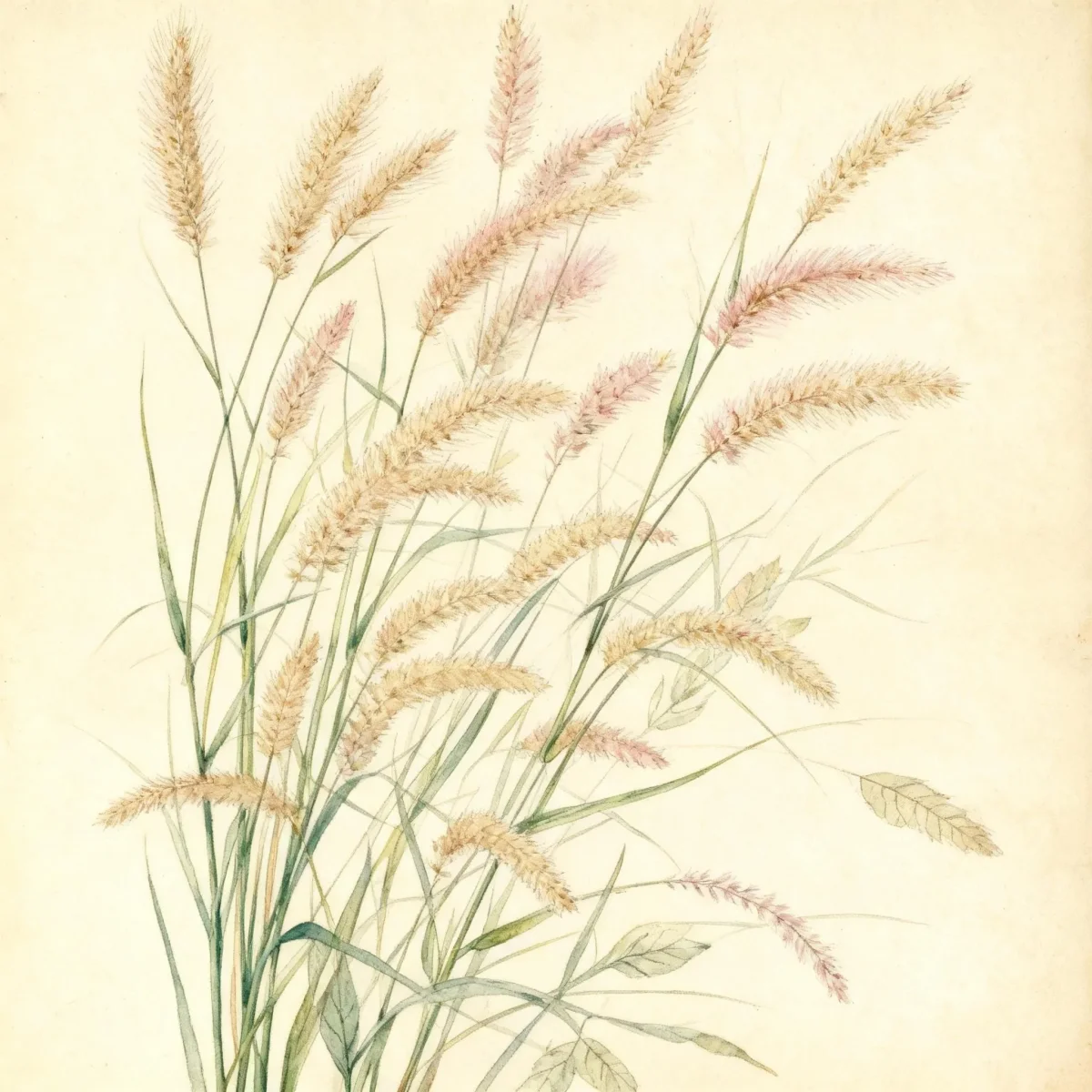
Japanese forest grass (Hakonechloa macra 'Stripe It Rich')
Hakonechloa macra 'Stripe It Rich' is a stunning, low-maintenance Japanese forest grass prized for its cascading, gold-striped foliage in shade gardens.
Scroll down to discover growing tips, care requirements, companion plants, and more
Complete Plant Information
Overview
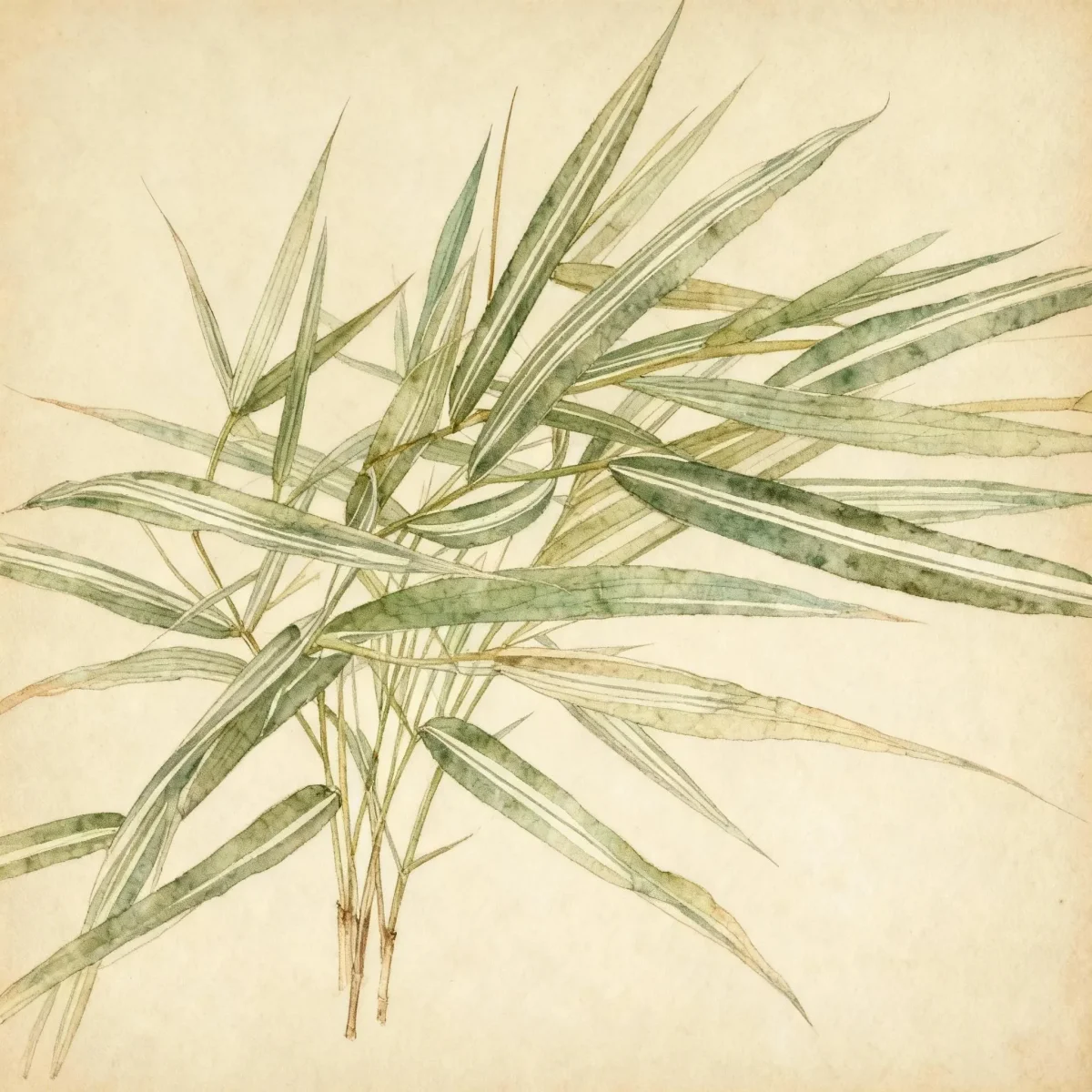
Hakonechloa macra ‘Stripe It Rich’ brings exceptional texture and bright, variegated color to deep, shady garden spots where few other desirable plants thrive. This deciduous perennial grass forms beautifully cascading mounds of linear, papery leaves, distinctively striped with gold, offering year-round interest as Japanese forest grass. As a rhizomatous spreader, Hakonechloa macra ‘Stripe It Rich’ creates lush coverage without being aggressive, making it a superior choice for shade groundcover solutions. Gardeners value this specific cultivar, Japanese forest grass, for its ability to brighten dark corners while demanding very little in terms of maintenance.
Fast Facts
- Plant Family: Poaceae
- Plant Type: Ornamental grass
- Hardiness Zones: USDA Zones 5-9
- Size at Maturity:
- Height: 1-1.5 ft
- Spread: 1-1.5 ft
- Bloom Time: July to August
- Bloom Description: Yellow-green
- Sun Exposure: Part shade
- Water Needs: Medium
- Maintenance Level: Low
How to Grow
The ideal location for Hakonechloa macra ‘Stripe It Rich’ requires humusy, consistently moist, well-drained soil. While it performs best in climates with cool summers, it can tolerate close to full shade, especially in the hot South, though too much shade may cause loss of its desirable color intensity. Plant in spring or fall in your preferred location, ensuring the spot receives morning sun or dappled light, as foliage will burn noticeably in full sun.
Water consistently to maintain medium soil moisture, especially during dry spells, as insufficient moisture increases the risk of leaf scorch during hot summers. This grass has low maintenance needs; avoid heavy fertilization to encourage the best foliage development. While the clumps spread slowly via rhizomes, they are not considered invasive, making Hakonechloa macra ‘Stripe It Rich’ safe for naturalizing.
Prepare for the following season by mulching in winter for added protection against root heaving. In late winter or very early spring, before new growth begins, trim all old foliage completely down to the ground. This simple clean-up allows the fresh, striking variegated shoots of Japanese forest grass to emerge cleanly.
Landscape Uses
Japanese forest grass is an excellent choice for filling large, shady areas where a refined texture is desired. Use Hakonechloa macra ‘Stripe It Rich’ to naturalize gently under mature trees, softening the edges of woodland gardens or framing the base of foundation plantings. Its graceful, arching form makes it perfect for spilling over the edges of containers or softening the hard lines along paths and walks, particularly where it can showcase its growth habit sprawling over rocks. This ornamental grass serves beautifully as a low accent or foreground planting within mixed borders that primarily feature hostas, ferns, and other shade-loving perennials.
Standout Features
Noteworthy Characteristics
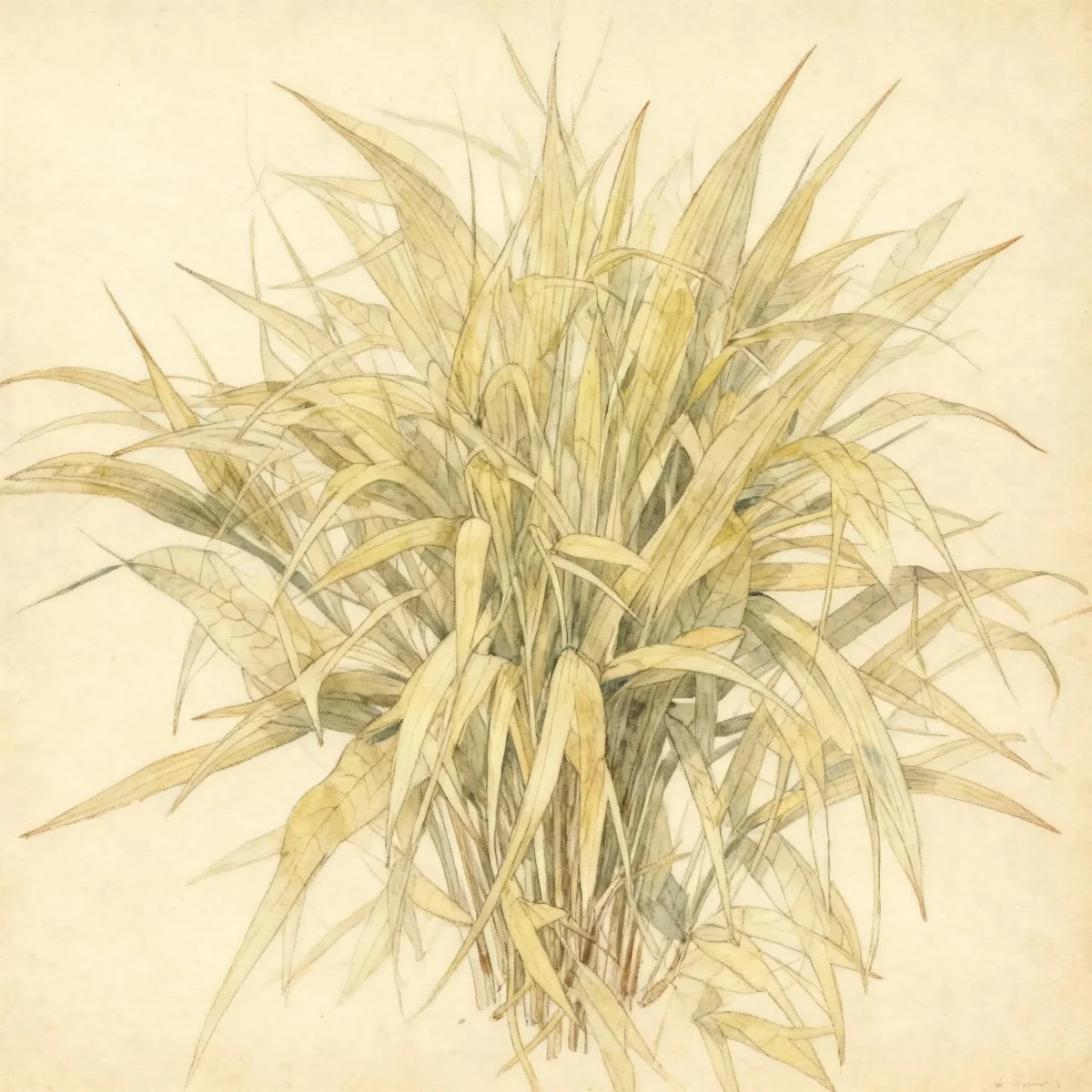
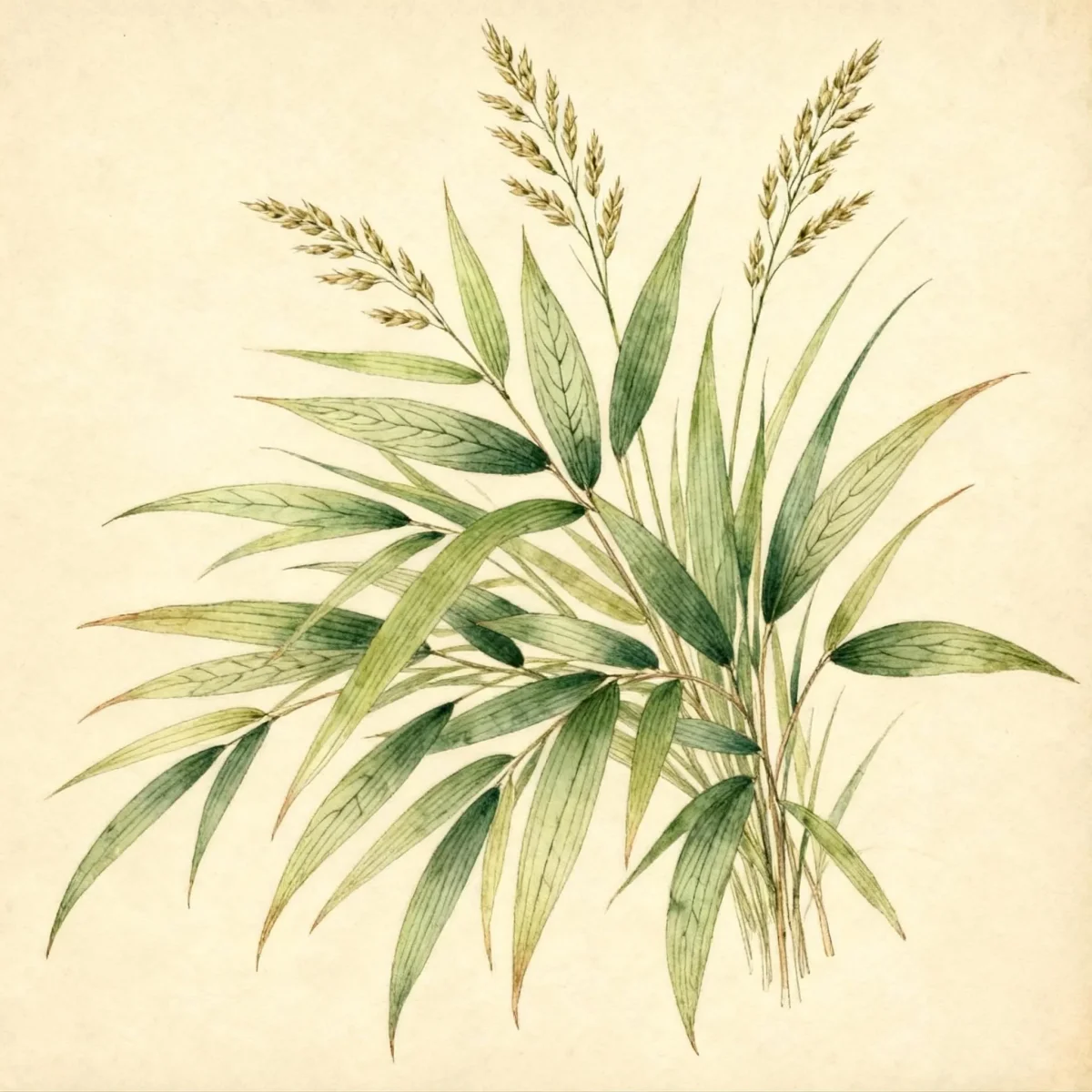
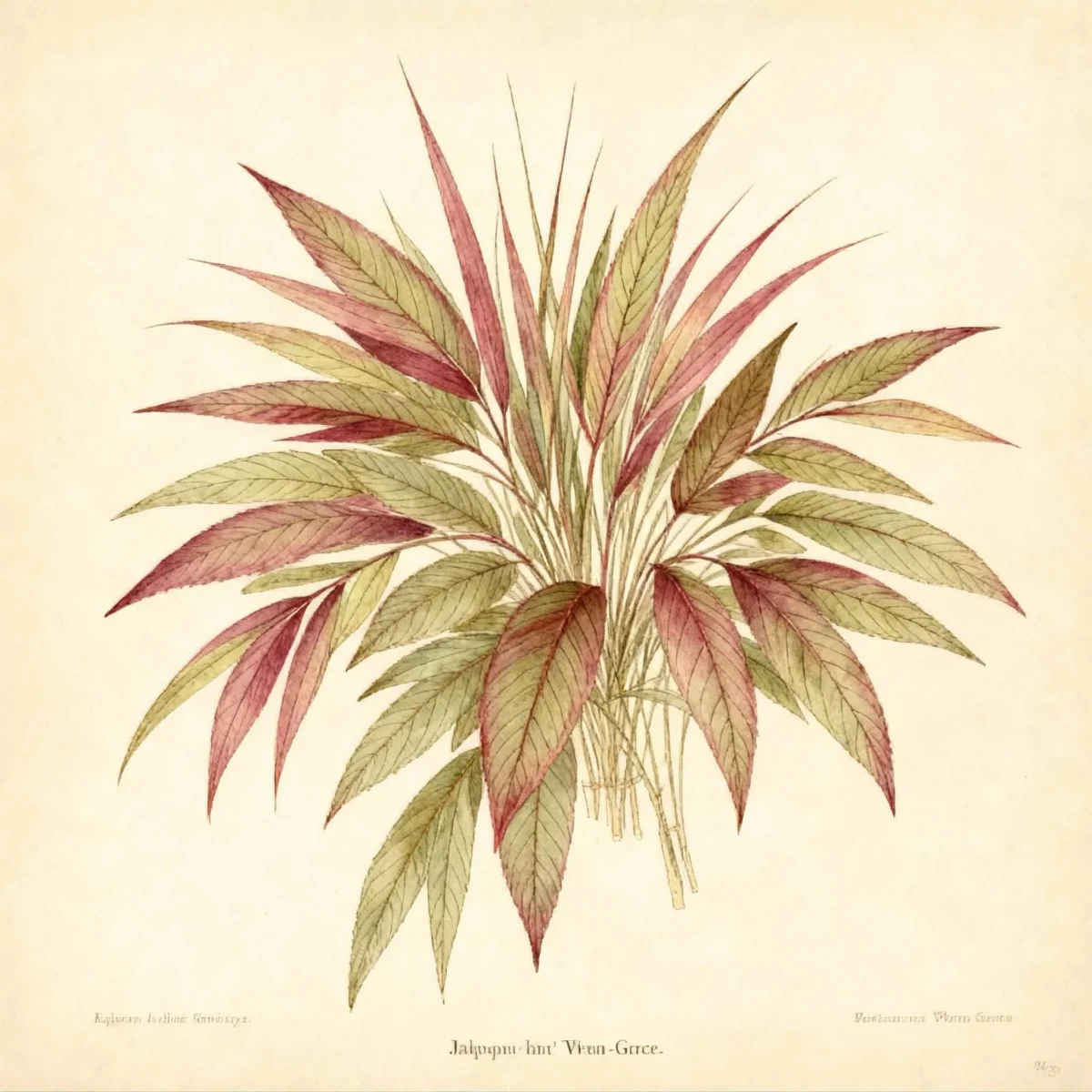
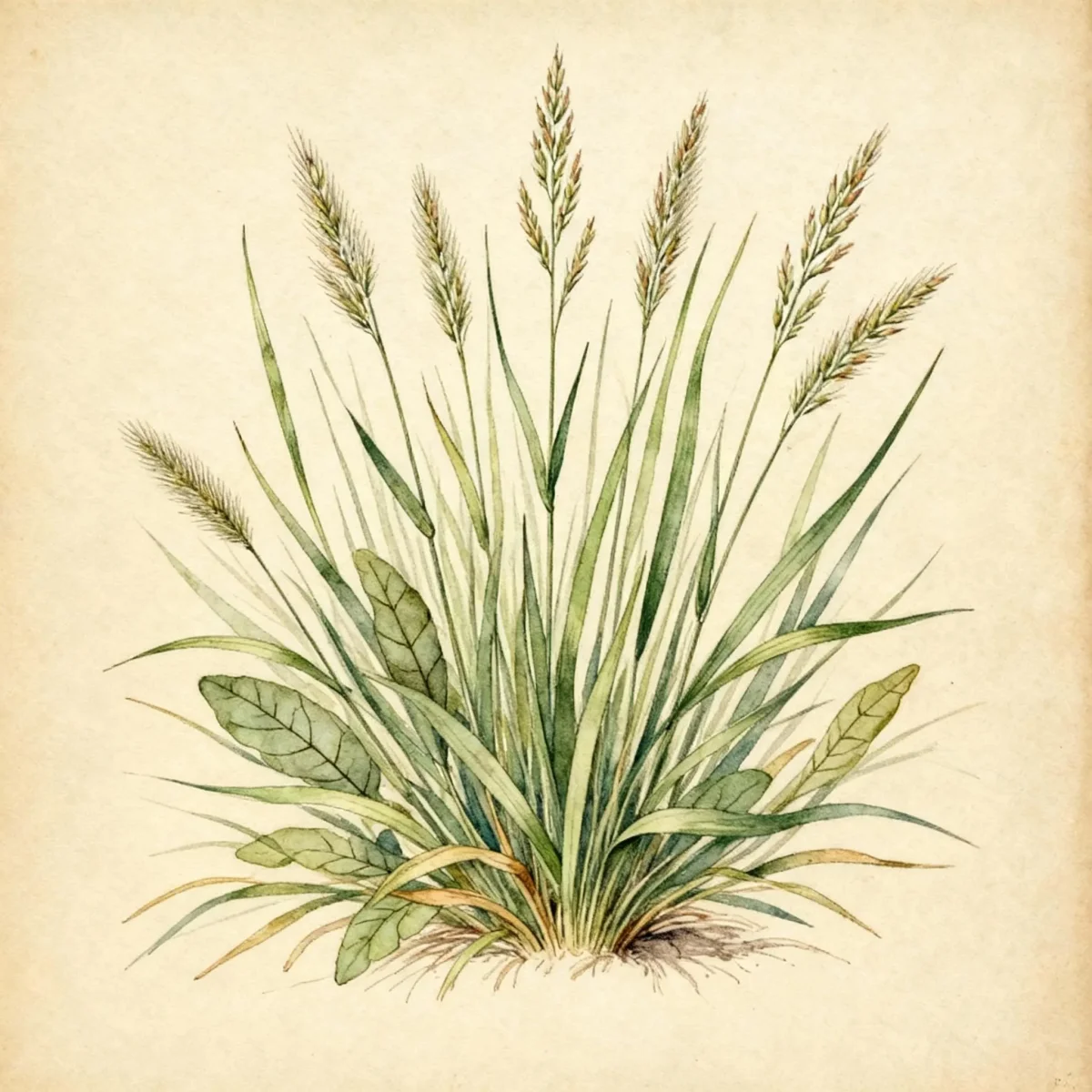
Hakonechloa macra, commonly called Japanese forest grass or Hakone grass, is a rhizomatous, shade-loving, deciduous perennial grass native to moist mountain and woodland areas in central Japan. Gracefully arching, linear-lanceolate leaves form dense, spreading, cascading mounds, offering a texture resembling bamboo. The cultivar ‘Stripe It Rich’ is a more compact, highly desirable form known for its distinctive golden leaves variegated with prominent white stripes, originating as a mutation from ‘All Gold’.
Tolerances
- Deer
- Black Walnut
- Air Pollution
Potential Problems
Hakonechloa macra ‘Stripe It Rich’ generally exhibits no serious insect or disease problems, contributing to its low-maintenance appeal. The primary concern involves environmental stress, where leaves may scorch during intense, hot summers if soil moisture is not consistently maintained throughout the drier periods. Gardeners should also watch for root heaving, which can occur during harsh winter freeze-thaw cycles, though this is often mitigated successfully by applying a good layer of mulch in late fall. Deer tend to avoid this specific ornamental grass.
Frequently Asked Questions
What hardiness zones is Japanese forest grass suitable for?
Hakonechloa macra ‘Stripe It Rich’ performs best when grown in USDA Hardiness Zones 5 through 9.
How large does Hakonechloa macra ‘Stripe It Rich’ grow?
This cultivar typically reaches a mature height of 1 to 1.5 feet tall, spreading outward to a similar width of 1 to 1.5 feet in dense clumps.
What sun exposure does Japanese forest grass need?
This grass thrives best in part shade conditions; while it tolerates deep shade, excessive shade can mute the intensity of its bright, variegated foliage.
When does Hakonechloa macra ‘Stripe It Rich’ bloom?
The yellow-green flowers of this Japanese forest grass appear as loose, nodding panicles during the mid- to late-summer months, specifically July to August.
Conclusion
For adding movement, texture, and reliable golden variegation to partially shaded areas, Hakonechloa macra ‘Stripe It Rich’ is an unparalleled choice among ornamental grasses. Its low maintenance and deer resistance make Japanese forest grass a practical foundation plant for nearly any landscape design. Ensure your site provides consistent moisture and protection from intense afternoon sun, and plan to trim back the old growth in early spring to fully enjoy the spectacular display of Hakonechloa macra ‘Stripe It Rich’ next season.
Companion Planting
Because Hakonechloa macra ‘Stripe It Rich’ demands consistent moisture and shade, pair it with other woodland staples that share these cultural needs. Excellent companions include perennial favorites like Hosta cultivars, especially those with blue or deep green foliage to contrast with the bright stripes of the grass. Consider planting near Astilbe for contrasting feathery blooms or using various ferns, such as Japanese Painted Fern or Ostrich Fern, to enhance the moist, dappled light environment favored by Japanese forest grass.
Propagation Tips
The easiest and most reliable method for increasing your stock of Hakonechloa macra ‘Stripe It Rich’ is through division. Since this ornamental grass spreads slowly via rhizomes, wait until early spring, just as new shoots are beginning to emerge, to lift the clump. Use a sharp spade or knife to divide the root mass into smaller sections, ensuring each division has a healthy network of roots and viable emerging shoots. Replant the divisions immediately into prepared, moist soil to minimize transplant shock and encourage rapid establishment of the new mounds of Japanese forest grass.