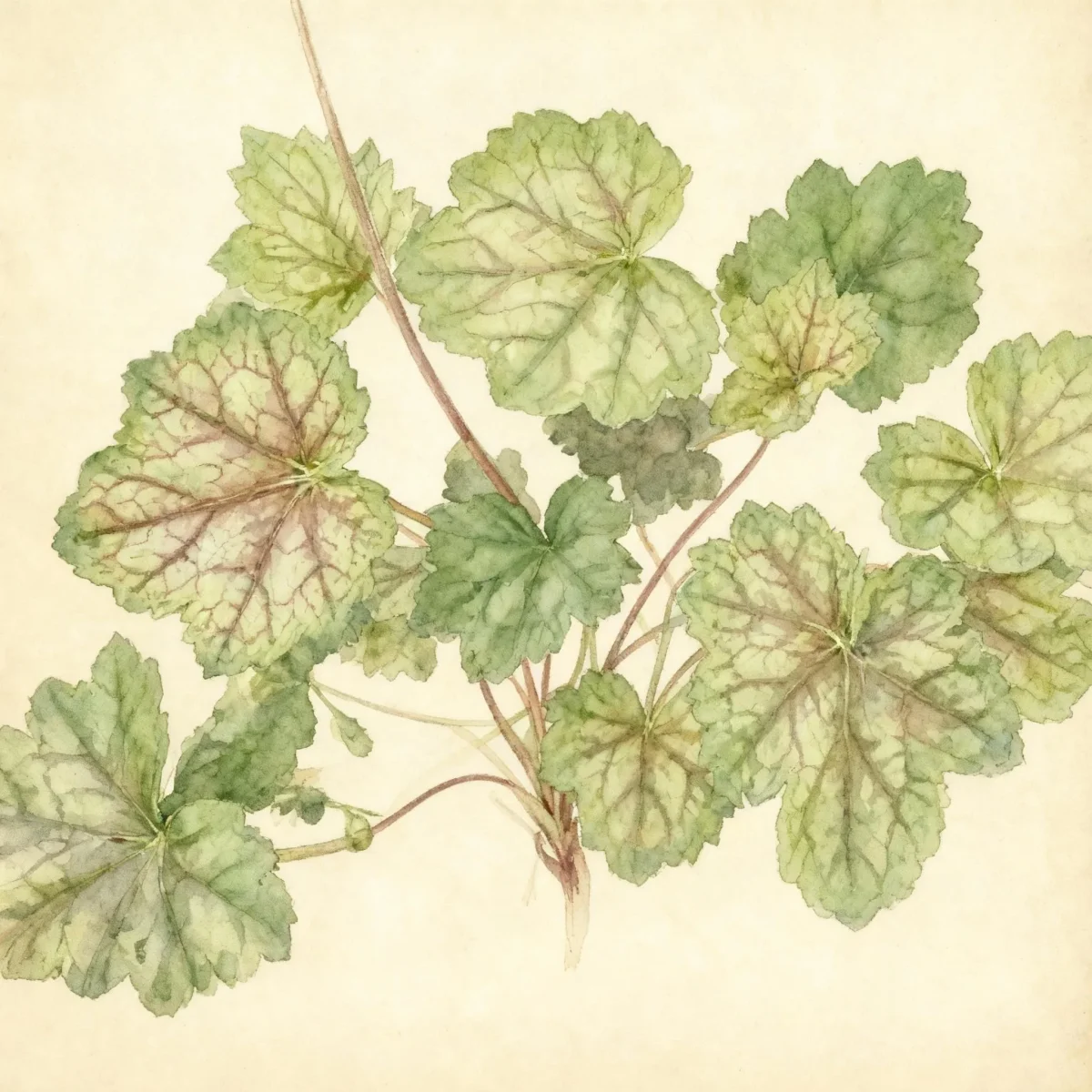
Coral bells (Heuchera 'Georgia Peach')
Heuchera 'Georgia Peach' coral bells offer dynamic foliage color from peach-orange to rose-purple, thriving in zones 4-9.
Scroll down to discover growing tips, care requirements, companion plants, and more
Complete Plant Information
Overview
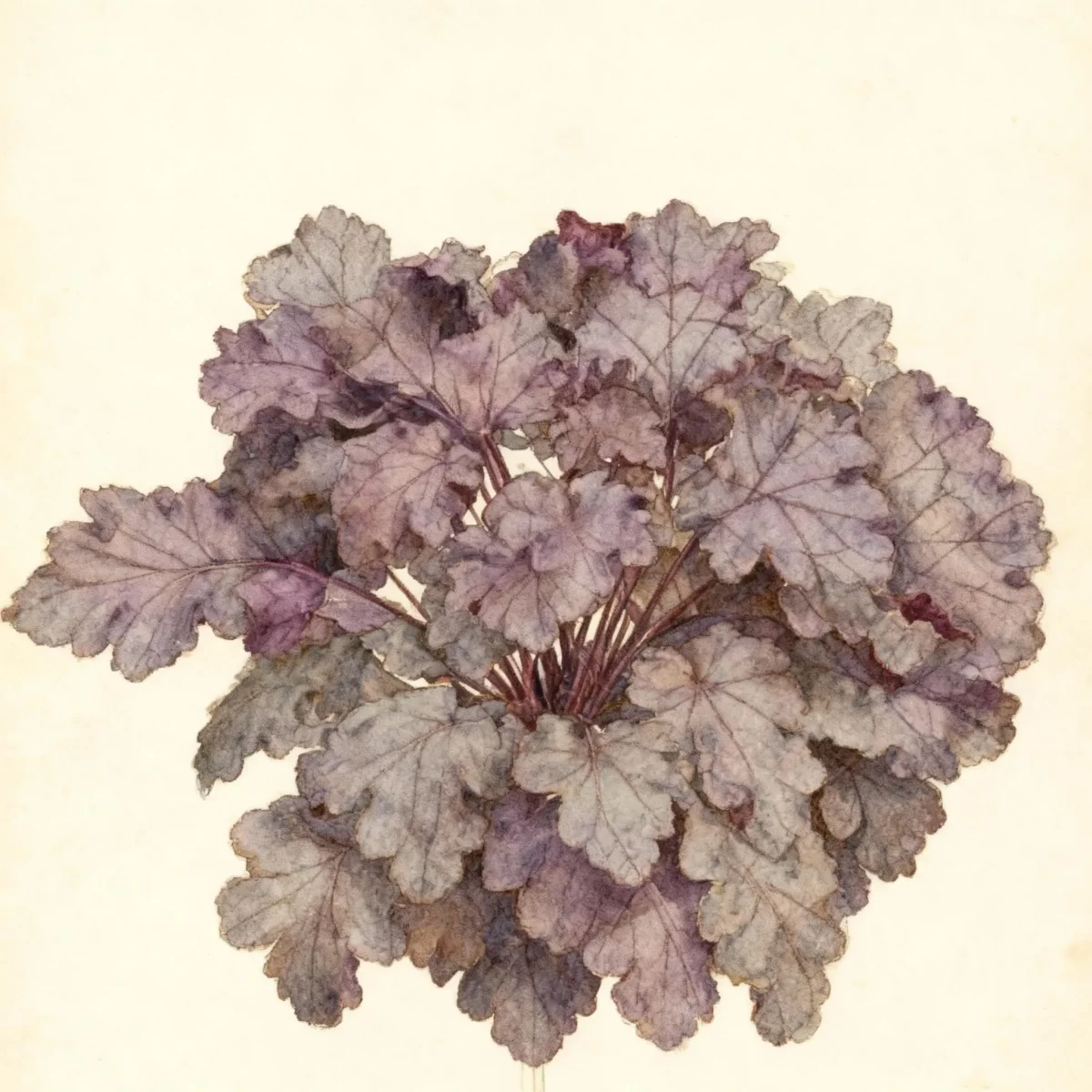
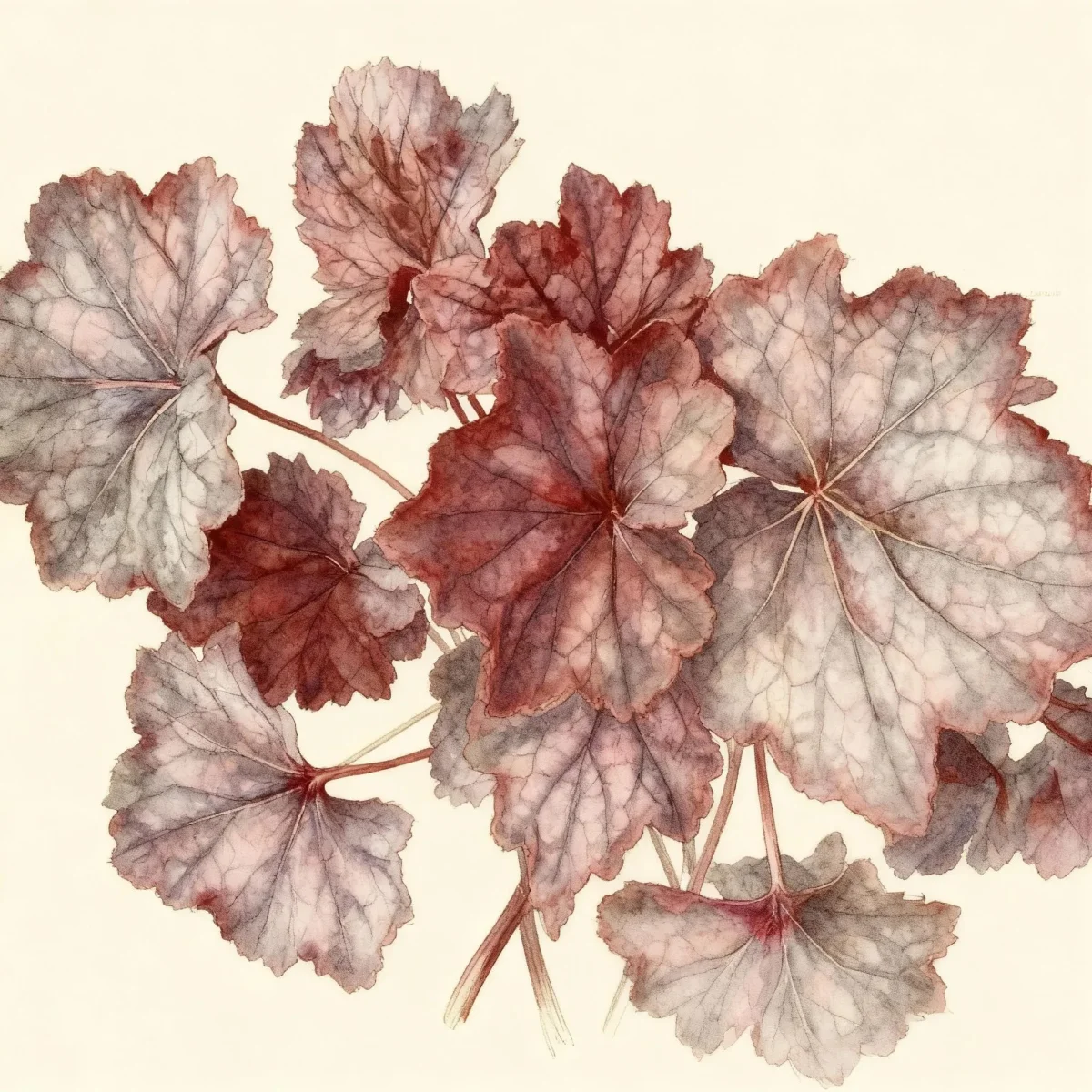
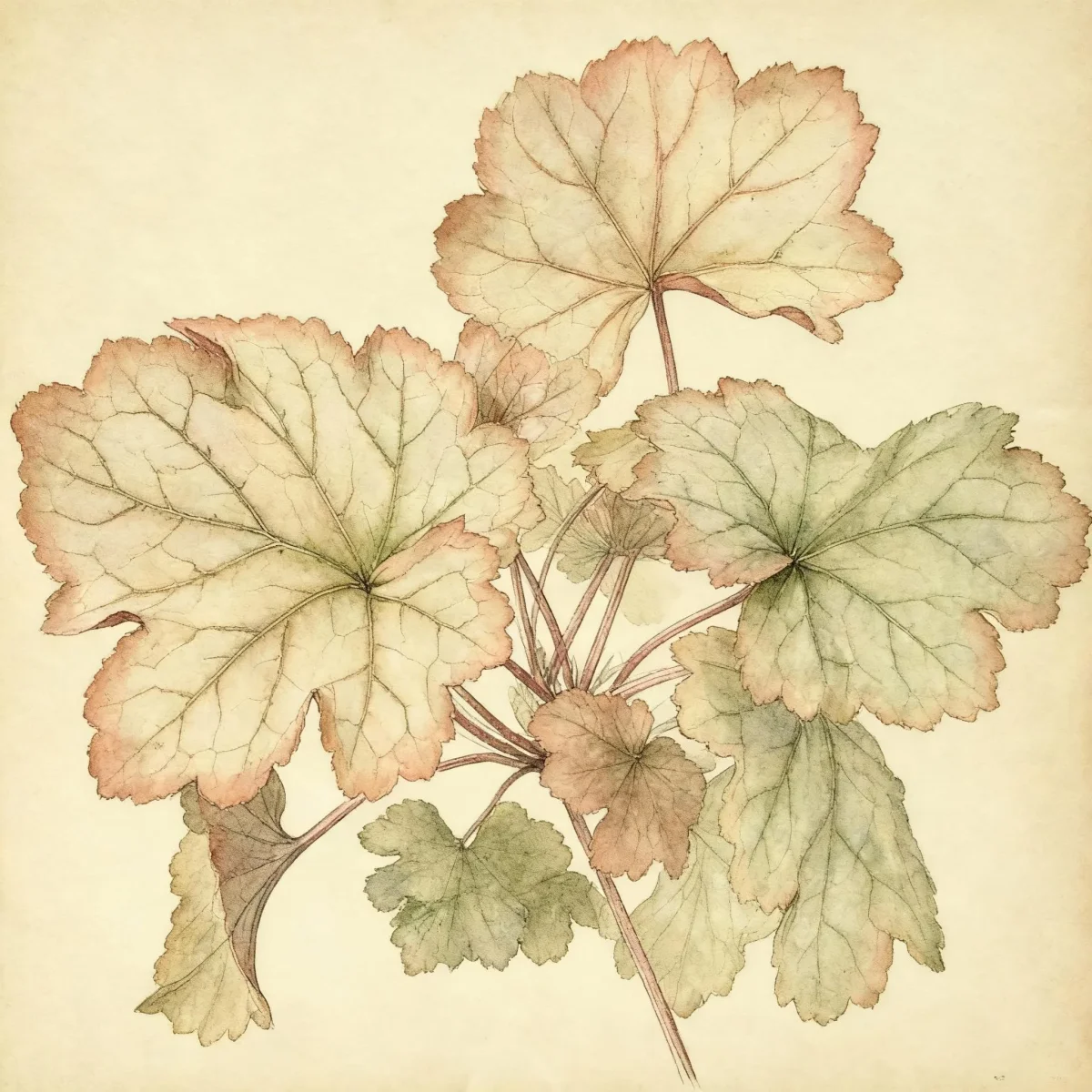
Heuchera ‘Georgia Peach’, commonly recognized as coral bells, is prized by gardeners for its spectacular foliage display that shifts dramatically across the growing season. This cultivar forms a vigorous clump, providing reliable texture and color from spring through fall. Its aesthetic value is immense, offering peach-orange hues that mature into rose and deep rose-purple tones, often highlighted by a silver-white overlay.
The culture of Heuchera ‘Georgia Peach’ is largely determined by its parentage, balancing the need for adequate moisture with excellent drainage. While these adaptable perennials tolerate a range of conditions, they generally perform best when situated where they receive afternoon shade, particularly in hotter climates ensuring the foliage remains vibrant. This resilient plant delivers high impact in mixed borders, making the Heuchera ‘Georgia Peach’ a cornerstone of modern perennial designs.
Fast Facts
- Plant Family: Saxifragaceae
- Plant Type: Herbaceous perennial
- Hardiness Zones: USDA Zones 4-9
- Size at Maturity:
- Height: 1-2.5 ft
- Spread: 1.5-2 ft
- Bloom Time: June to July
- Bloom Description: Creamy white
- Sun Exposure: Full sun to part shade
- Water Needs: Medium
- Maintenance Level: Medium
How to Grow
Planting Heuchera ‘Georgia Peach’ is best accomplished in the spring or fall when temperatures are mild. Select a location featuring organically rich, humusy soil that is medium in moisture and well-drained. While some hybrids manage full sun, providing partial shade, especially avoiding harsh afternoon sun in warmer regions, will prevent leaf scorch and prolong foliage quality.
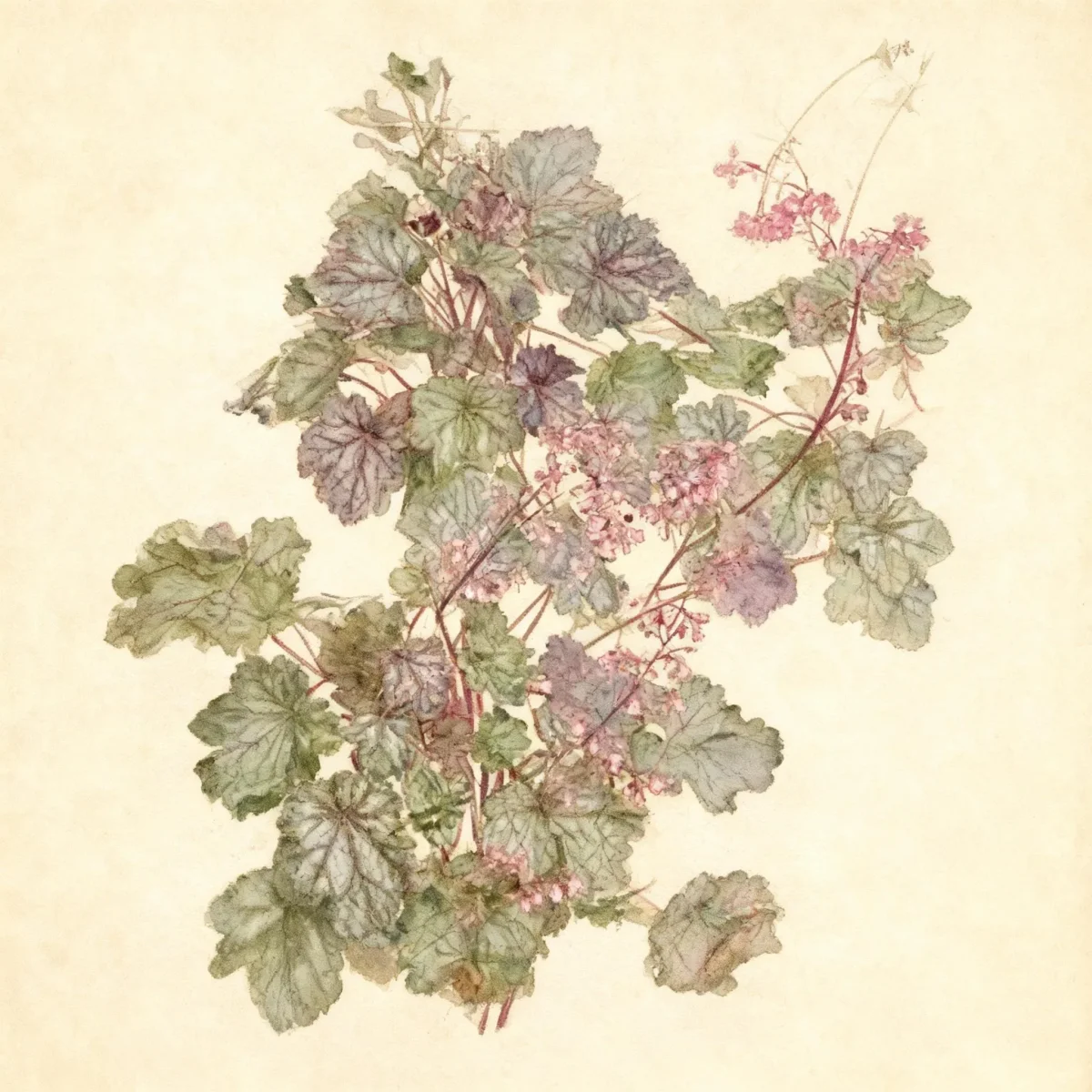
Consistent moisture is crucial, especially if you choose a sunnier spot for your coral bells. Avoid letting the soil dry out completely, but ensure drainage remains unimpeded, as wet winter soil can cause issues. Deadheading the tall spikes of creamy white flowers is recommended after they fade in summer to encourage any potential repeat blooming.
In colder winter climates, apply a compost mulch only after the ground has frozen solid to minimize the risk of root heaving over winter. In spring, divide clumps every three to four years to maintain vigor and prevent overcrowding, which is the preferred method for propagating established hybrids like Heuchera ‘Georgia Peach’.
Landscape Uses
Coral bells provide exceptional structure and year-round interest, making them fantastic for defining garden edges. Heuchera ‘Georgia Peach’ works beautifully when massed or planted in thoughtful groups to showcase the foliage transitions. Their natural mounding habit lends itself perfectly to softening the hard lines of paths or walkways, serving as an effective edger.
Consider using this vibrant cultivar in rock gardens where drainage is naturally superb, or incorporate it into open woodland garden settings where light levels mimic its preferred dappled shade environment. Planting coral bells alongside plants with contrasting leaf textures, such as ferns or hostas, enhances the visual pop of the unique peach and rose tones.
Standout Features
Flower Qualities
- Showy
Noteworthy Characteristics
Heuchera, commonly called coral bells or alumroot, is a genus consisting of about 55 species of evergreen to semi-evergreen herbaceous perennials which are all native to North America. Plants grow in a variety of different habitats including woodland areas, Appalachian seeps, prairies, rocky cliffs and alpine slopes. The leaves of hybrid plants like Heuchera ‘Georgia Peach’ are available in an expanded variety of colors including various shades of orange-yellow, yellow, or red, often with streaked, mottled, or marbled variegation. ‘Georgia Peach’ is noted for its bold foliage which emerges peach-orange, acquires rose tones in summer, and darkens to rose-purple by fall, all while maintaining a silver-white overlay.
Tolerances
There are no specific tolerances documented for this cultivar in the provided data structure fields.
Potential Problems
Frost heaving is a common issue for coral bells when winter temperatures fluctuate rapidly, potentially pushing roots out of the soil. Manage this risk by applying winter mulch only after the ground freezes. Disease pressure can include powdery mildew, rust, and bacterial leaf spot, typically favoring overly humid or crowded conditions. Control insects such as weevils and foliar nematodes through careful inspection and appropriate cultural management, ensuring good air circulation.
Frequently Asked Questions
What hardiness zones is Coral bells suitable for?
Heuchera ‘Georgia Peach’ is suitable for USDA Zones 4-9, offering adaptability across a wide range of climates.
How large does Heuchera ‘Georgia Peach’ grow?
This variety typically reaches a height between 1 to 2.5 feet and spreads between 1.5 to 2 feet, forming a substantial basal mound.
What sun exposure does Coral bells need?
Coral bells prefer full sun to part shade, but gardeners should ensure they receive afternoon shade, especially in warmer zones, to prevent leaf scorch.
When does Heuchera ‘Georgia Peach’ bloom?
Blooms occur from June to July, featuring tiny, delicate creamy white flowers held on slender stems above the foliage mound.
Conclusion
The Heuchera ‘Georgia Peach’ provides invaluable, season-long drama through its intensely colored, ever-changing foliage, establishing itself as a must-have perennial. This specific coral bells cultivar offers a resilient backbone for shaded or partially sunny borders. Check your local hardiness zone compatibility and plan to incorporate rich, well-drained soil when planting Heuchera ‘Georgia Peach’ this spring or fall.
Companion Planting
Choosing companions that share the medium water and light requirements of Heuchera ‘Georgia Peach’ ensures a harmonious planting scheme. Consider pairing it with plants that offer textural contrast, such as the fine, airy foliage of Astilbe or the bold, strap-like leaves of Siberian Iris. For color contrast that complements the warm tones of the coral bells, silver-leaved Lamb’s Ears (Stachys byzantina) or deep purple Hakonechloa grass work exceptionally well.
These complementary plantings help anchor the Heuchera ‘Georgia Peach’ visually while also contributing to a rich microclimate within the border. Grouping these shade-loving, moisture-tolerant plants together simplifies irrigation and maintenance, allowing the bright foliage of the coral bells to truly shine as a focal point.
Design Ideas
Utilize the compact yet mounding habit of Heuchera ‘Georgia Peach’ for edging walkways or defining the front of mixed perennial borders where its vibrant leaves are easily seen. Because the foliage maintains its color through dormancy in warmer zones, this plant performs excellently in containers paired with seasonal annuals, providing excellent structure even after summer color fades. In woodland settings, mass plantings of Heuchera ‘Georgia Peach’ create drifts of complementary color against darker green groundcovers, mimicking the dappled light environment where its ancestors thrive.