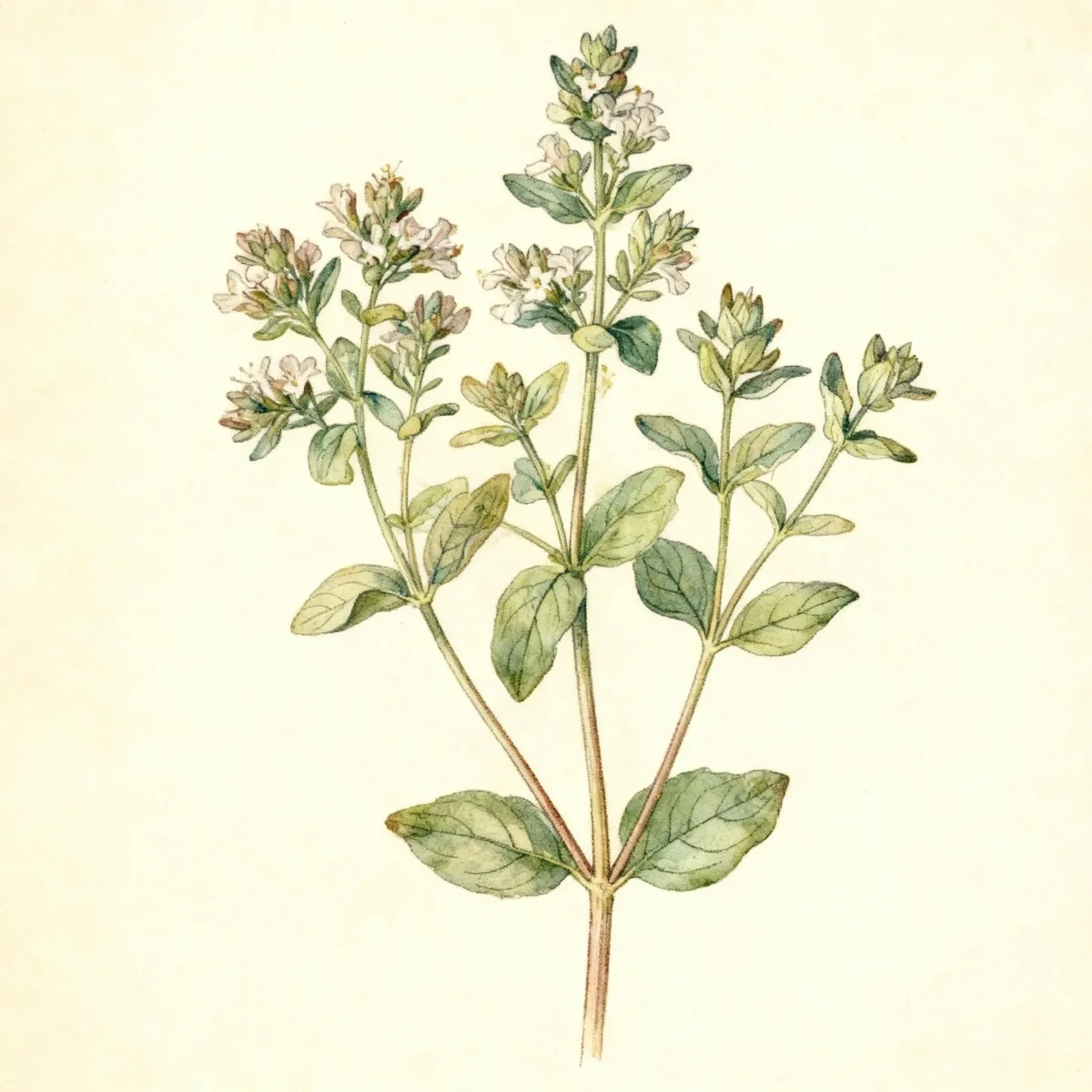
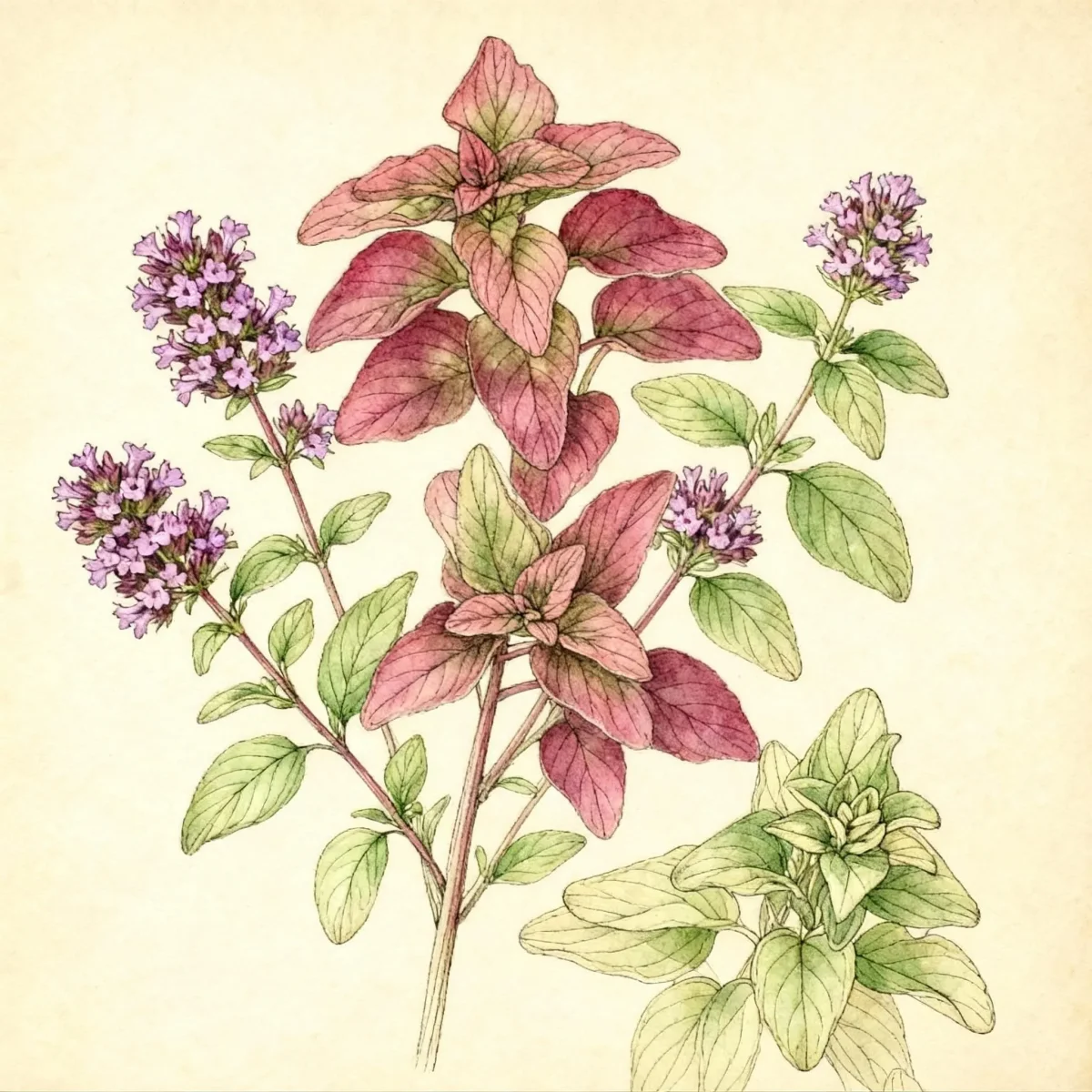
Oregano (Origanum vulgare 'Jim Best')
Origanum vulgare 'Jim Best' is a low-growing Oregano cultivar valued for its marbled, golden foliage and semi-trailing habit in USDA Zones 4-8.
Scroll down to discover growing tips, care requirements, companion plants, and more
Complete Plant Information
Overview
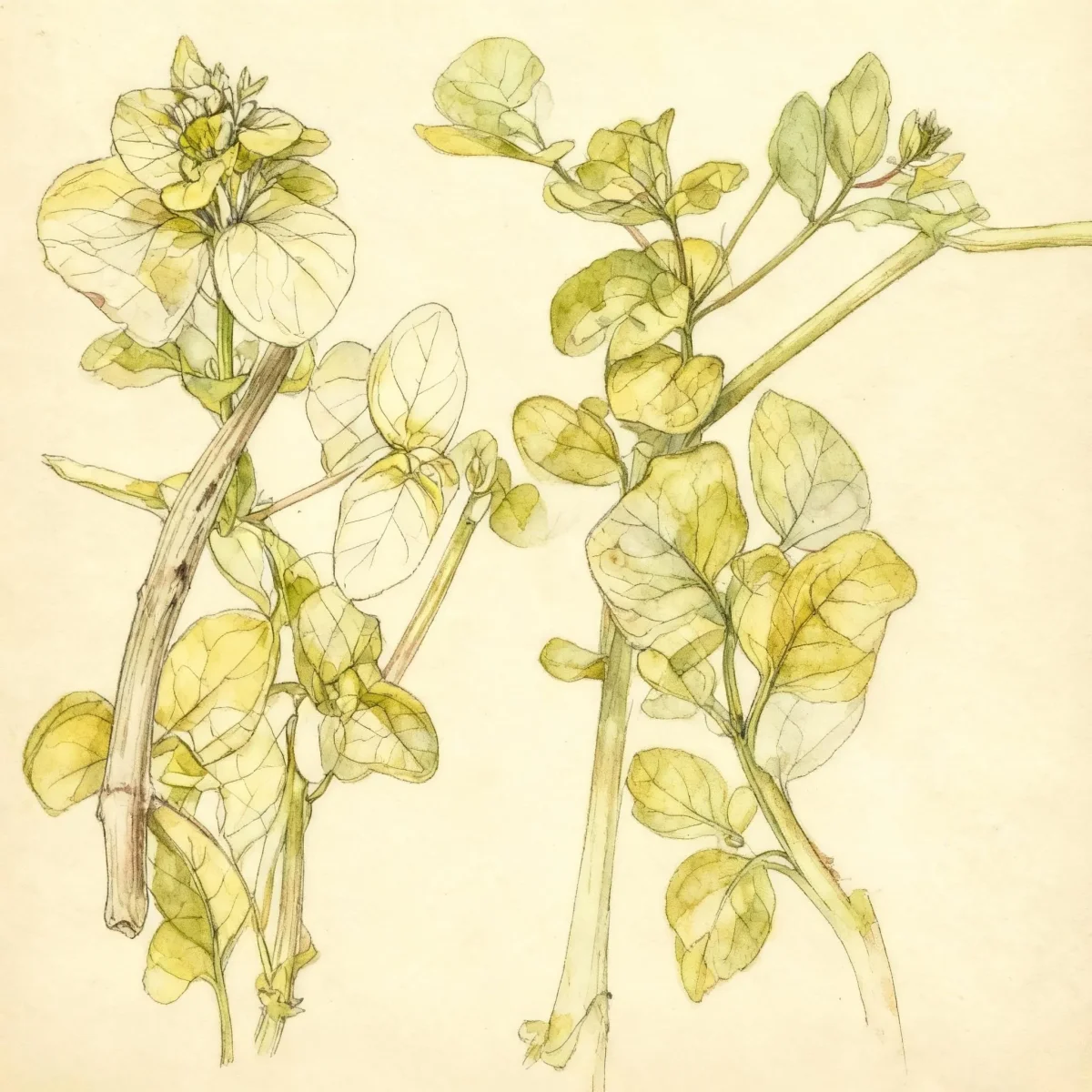
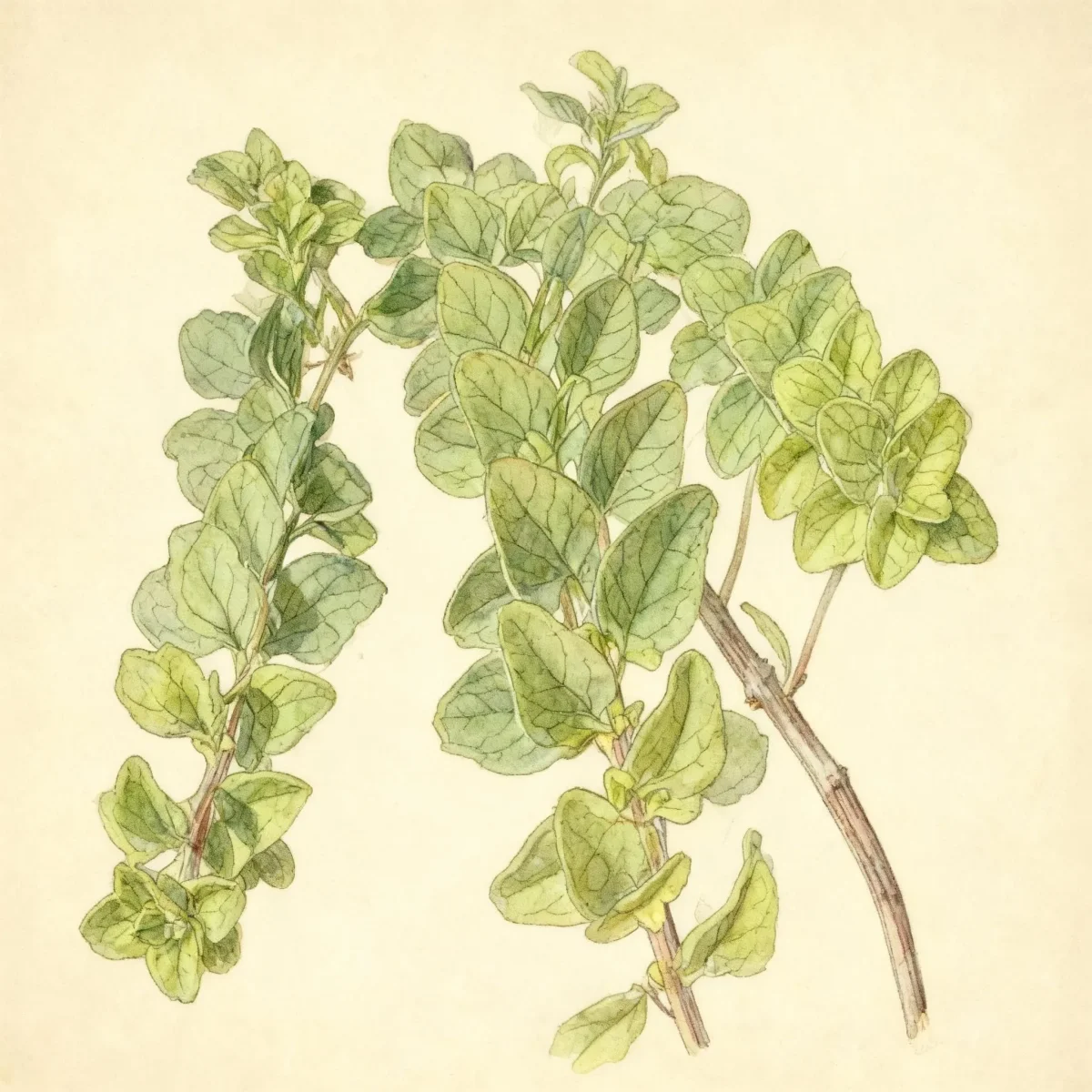
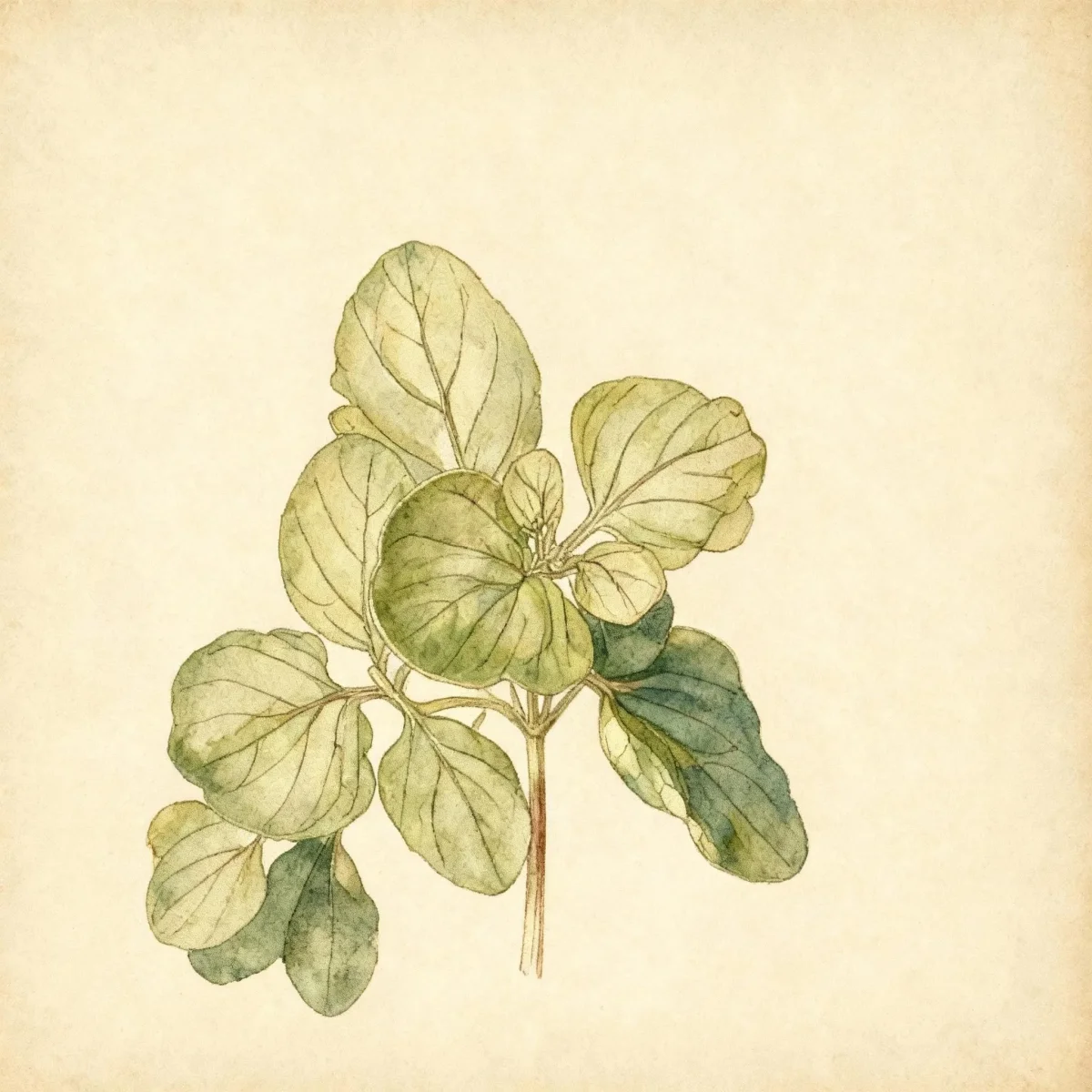
Origanum vulgare ‘Jim Best’ is a distinctive, low-growing cultivar of common Oregano, primarily celebrated for its ornamental value rather than intense culinary flavor. This semi-trailing perennial features striking light green leaves beautifully marbled with gold, often displaying purplish stems that add year-round visual interest to the garden. Being hardy across USDA Zones 4 through 8, this variety of Oregano establishes easily as a robust groundcover or edging plant.
While many types of Oregano are intensely aromatic, the ‘Jim Best’ cultivar offers a milder scent, positioning it perfectly for landscape roles where color and texture are paramount. It thrives in typical full sun conditions and exhibits excellent heat and drought tolerance once established, making it a supremely low-maintenance choice for busy gardeners.
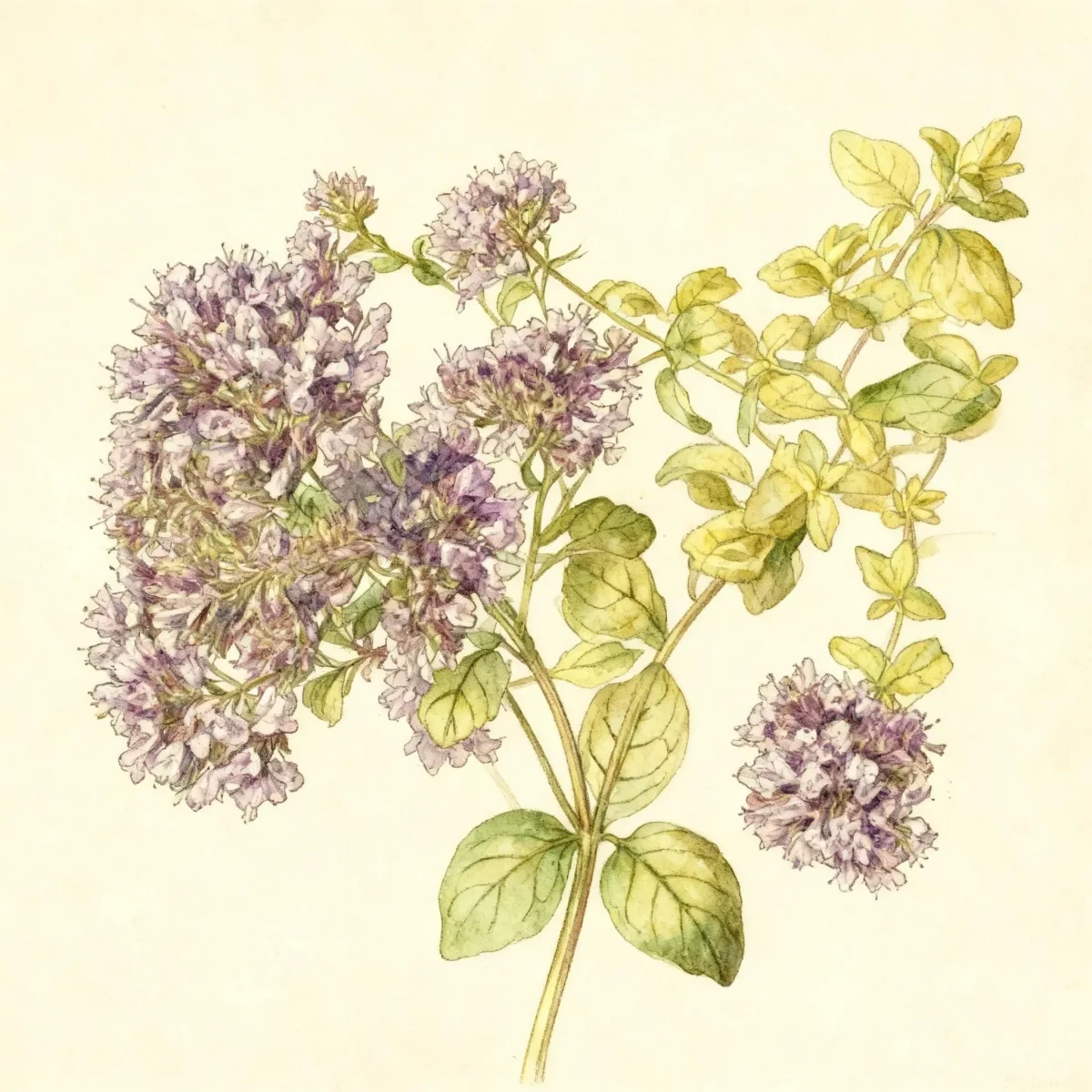
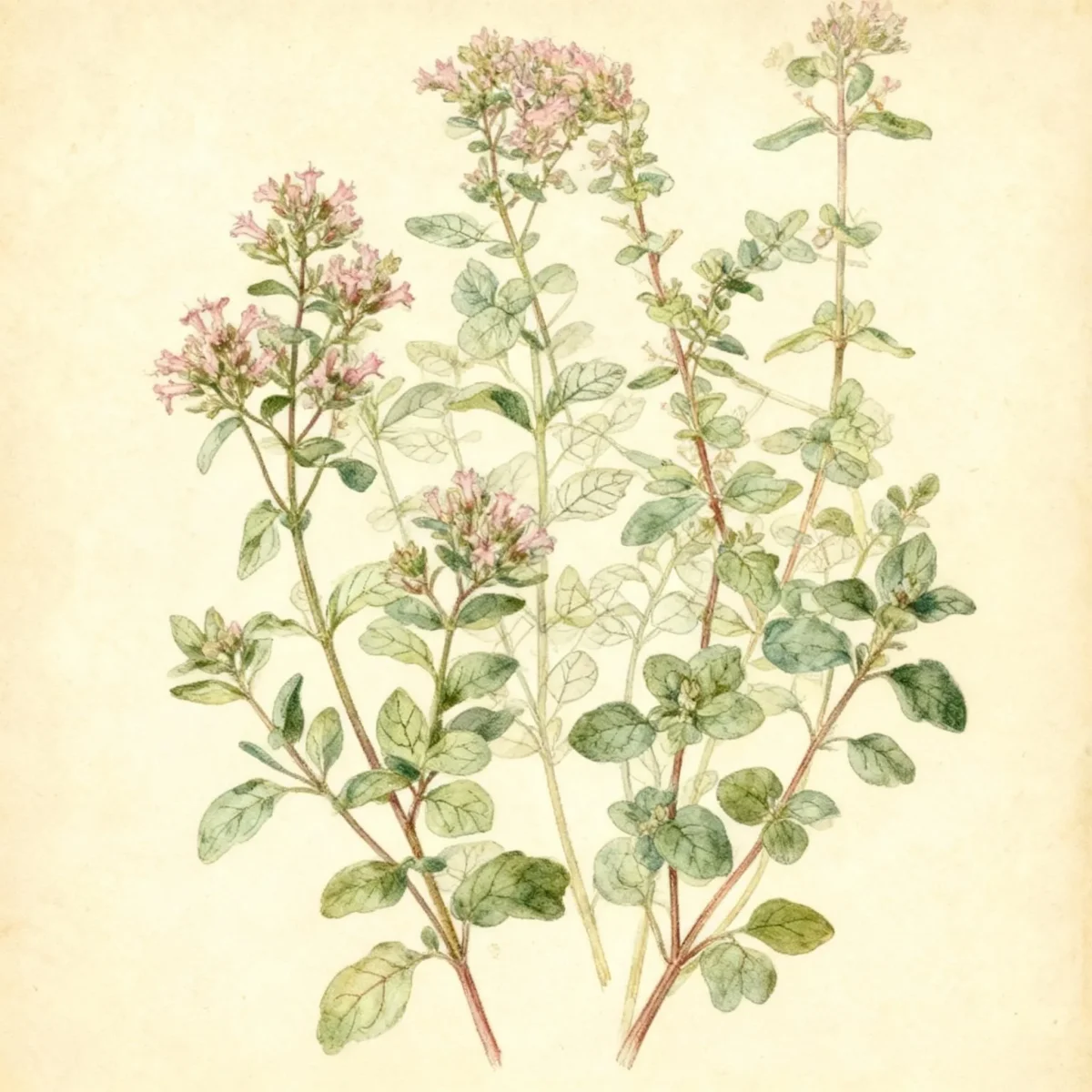
Gardeners looking to integrate beautiful, resilient herbs into their mixed borders will appreciate the manageable 0.5 to 1-foot height of this plant. It produces clouds of tiny, pale pink flowers from July through September, providing gentle late-season color. For those seeking resilience and charm from their herbs, Origanum vulgare ‘Jim Best’ delivers reliable performance.
Fast Facts
- Plant Family: Lamiaceae
- Plant Type: Herbaceous perennial
- Hardiness Zones: USDA Zones 4-8
- Size at Maturity:
- Height: 0.5-1 ft
- Spread: 1-1.5 ft
- Bloom Time: July to September
- Bloom Description: Pale pink
- Sun Exposure: Full sun
- Water Needs: Dry to medium
- Maintenance Level: Low
How to Grow
Planting Origanum vulgare ‘Jim Best’ is best done in spring after the last frost, establishing it in average conditions that feature well-drained soil. This plant performs superbly in gritty, sandy loams and benefits greatly from full sun exposure, though a little afternoon shade can protect the variegated foliage during the hottest part of the summer. The key to success for this Oregano variety is ensuring excellent drainage, as poor drainage is the main precursor to potential root rot issues.
Once established, the water needs for this cultivar are dry to medium; allow the soil to dry out between waterings, especially since it possesses good drought tolerance. Fertilizing is generally unnecessary, as rich soils can sometimes reduce leaf marbling and cause legginess. The maintenance level is low, but regular shearing is recommended.
Shearing the plant back lightly before it flowers will promote a tidier shape and encourage new, fresh foliage growth throughout the season. If you are propagating for culinary use (though ‘Jim Best’ is mild), the best time to harvest leaves is just before flowering when the flavor compounds are typically concentrated. In colder zones (4/5), apply a light layer of mulch in late fall to protect the root zone over winter.
Landscape Uses
The dual nature of Origanum vulgare ‘Jim Best’, being both an herb and an ornamental, makes it incredibly versatile in landscape design. It excels when used for group or mass plantings to create sweeping swaths of gold-marbled color in herb gardens or cottage garden borders. Due to its manageable spread of 1 to 1.5 feet, it works perfectly as a low, textural edger along pathways or in rock gardens where sharp drainage is guaranteed.
This cultivar is also highly effective in containers, window boxes, and pots, where its semi-trailing habit spills beautifully over the edges, mixing well with taller annuals or other Mediterranean herbs. When designing, pair the chartreuse and gold tones of this Oregano with deep purples, blues, or dark greens to maximize the contrast of its attractive foliage. While its aroma is mild, its use as a groundcover helps suppress weeds and adds low-maintenance texture across planting beds.
Standout Features
Flower Qualities
- Showy
Noteworthy Characteristics
Origanum vulgare ‘Jim Best’ is specifically recognized as a low-growing, semi-trailing cultivar, generally reaching up to 12 inches tall while spreading wider. It is primarily cultivated for its ornamental appeal, featuring light green leaves marbled with gold, contrasted by purplish stems. While it does produce tiny pink flowers in the summer, the leaves possess only a mild aroma and are not generally favored for culinary production over stronger Italian or Greek oregano types.
Tolerances
- Drought
Potential Problems
Origanum vulgare ‘Jim Best’ is generally robust and rarely suffers from serious insect or disease pressure, qualifying it as a low-maintenance perennial. The primary cultural issue to watch out for is root rot, which occurs almost exclusively when the plant is situated in heavy, wet, or constantly soggy soils; ensure sharp drainage remains the priority. Occasionally, aphids or spider mites may appear, but regular shearing helps remove infested growth and encourages fresh, healthy foliage. Gardeners should also be aware that foliage can sometimes revert to the solid green color of the straight species, especially if growing conditions are overly favorable or the plant is stressed.
Frequently Asked Questions
What hardiness zones is Oregano (Origanum vulgare ‘Jim Best’) suitable for?
Origanum vulgare ‘Jim Best’ is winter hardy across USDA Zones 4 through 8.
How large does Oregano grow?
This cultivar typically matures to a height between 0.5 and 1 foot, spreading 1 to 1.5 feet wide.
When does Oregano bloom?
This perennial variety blooms consistently from July through September, offering pale pink flowers.
What sun exposure does Oregano need?
Origanum vulgare ‘Jim Best’ requires full sun to achieve its best growth and foliage color.
Conclusion
The Origanum vulgare ‘Jim Best’ stands out as an exceptional ornamental herb, prized for its marbled gold foliage and exceptional drought tolerance. Its low maintenance requirements make it a reliable choice for adding texture and brightness across borders and rock gardens. Before planting, ensure your site provides full sun and dry to medium, well-drained soil to guarantee the best performance of this beautiful Oregano cultivar.
Propagation Tips
Propagating Origanum vulgare ‘Jim Best’ is most successful when done via cuttings taken from established, desirable aromatic or ornamental plants. This method ensures that the unique marbled foliage characteristics of the ‘Jim Best’ cultivar are retained, which is not guaranteed when growing from seed. Take non-flowering stem tips, remove the lower leaves, and place them in moist, clean potting mix. Rooting occurs relatively quickly, allowing you to establish new, attractive specimens for future landscaping needs or to keep the plant vigorous.
Companion Planting
Because this Oregano variety prefers dry, well-drained soil and full sun, successful companion planting involves selecting other Mediterranean herbs or drought-tolerant perennials that share similar cultural needs. Excellent companions include Lavender (Lavandula species), Thyme (Thymus), or Sedum, as these plants thrive in lean, gritty soils where moisture retention is minimal. Avoid planting Oregano directly next to moisture-loving plants like hostas or Astilbes, as the necessary dry conditions for the Oregano will cause the thirsty neighbors to suffer over time.