Holly (Ilex × meserveae 'Hachfee' CASTLE SPIRE)
Discover Ilex × meserveae 'Hachfee' CASTLE SPIRE Holly, a low-maintenance, upright evergreen perfect for dense hedges, offering glossy foliage and red berries.
Scroll down to discover growing tips, care requirements, companion plants, and more
Complete Plant Information
Overview
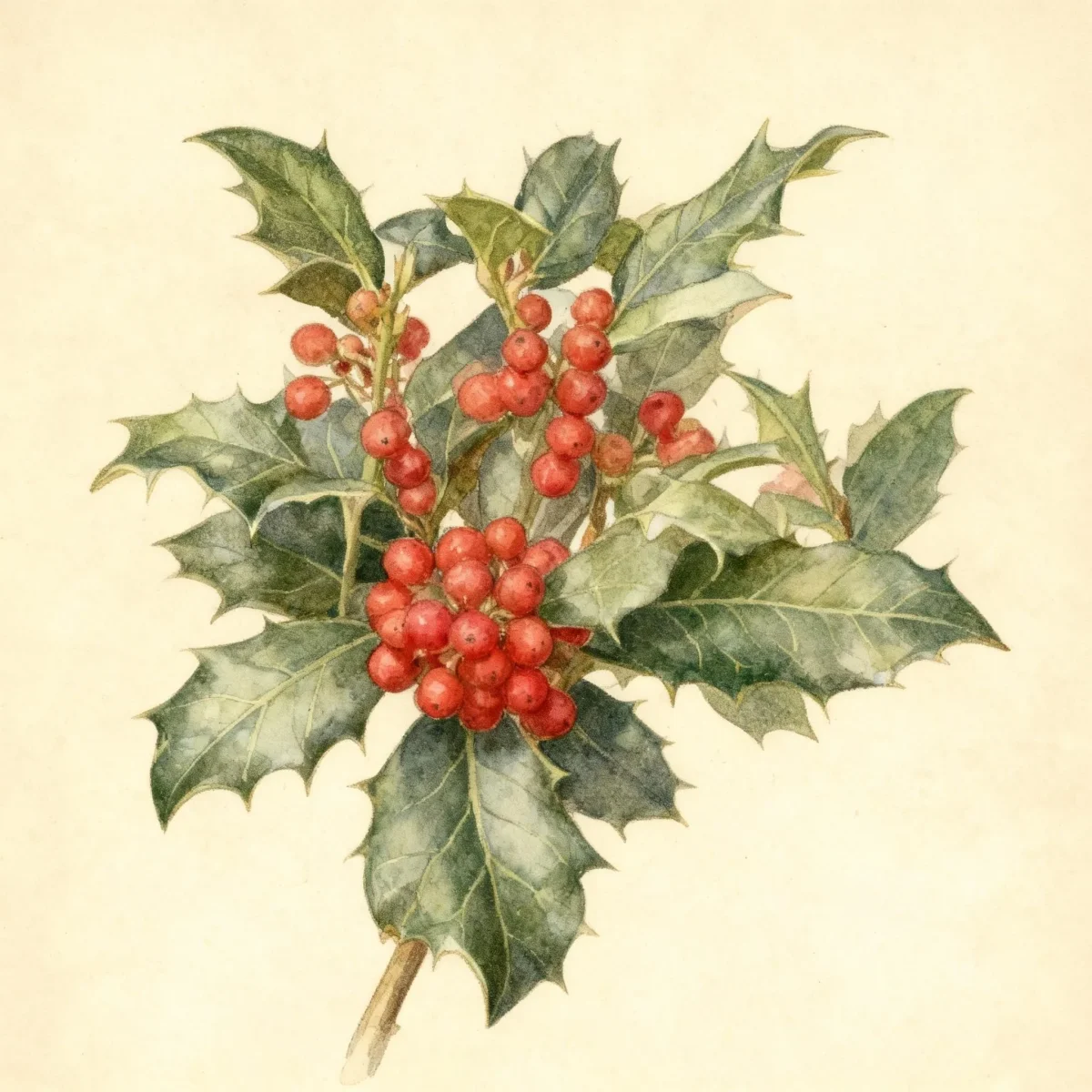
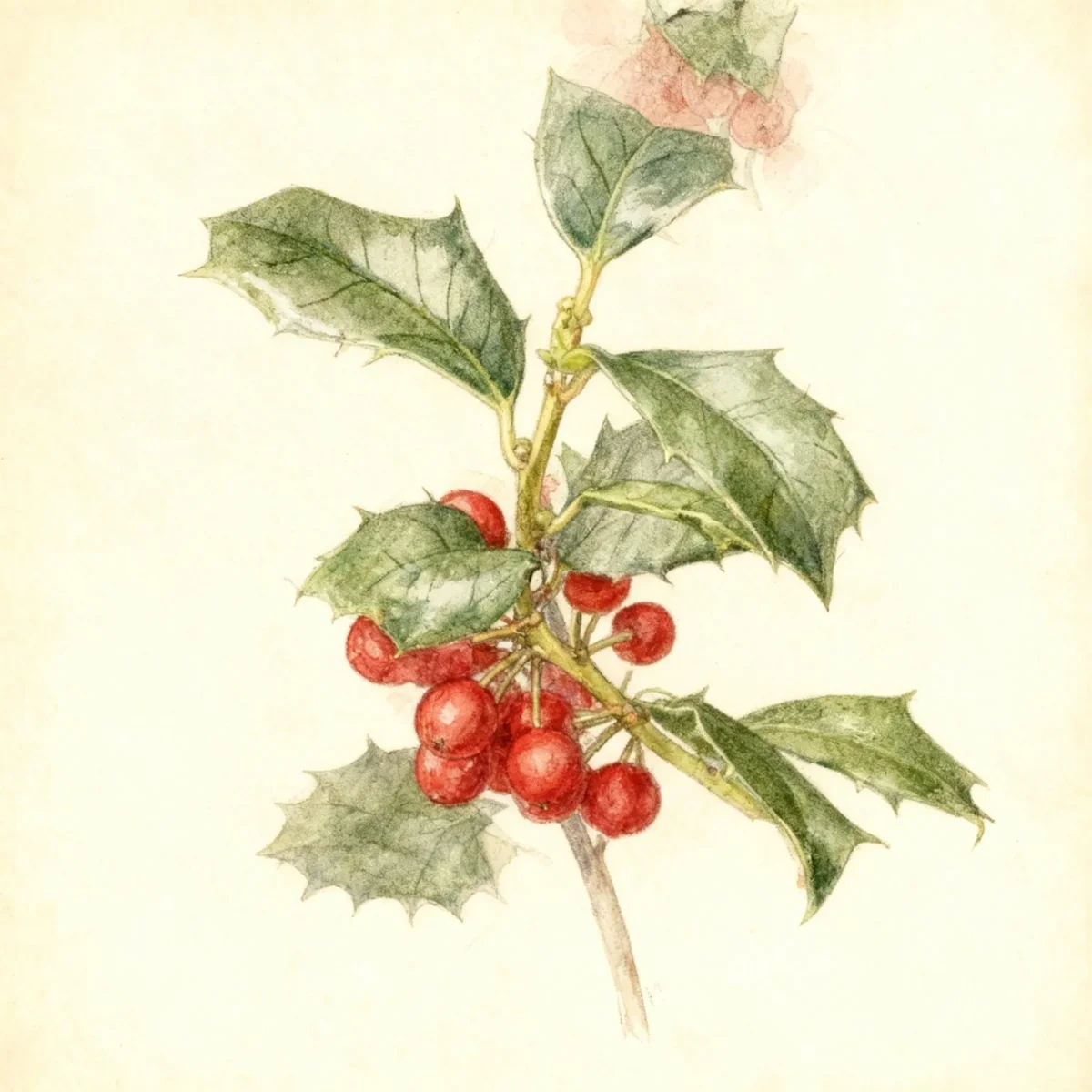
The Ilex × meserveae ‘Hachfee’ CASTLE SPIRE, commonly known as Holly, is an outstanding broadleaf evergreen valued for its upright, compact, pyramidal habit, making it supremely useful for formal landscape placements. This Meserve holly hybrid provides year-round structure enhanced by glossy, deep green foliage that resists winter damage better than many traditional Hollies. Female plants, like CASTLE SPIRE, reward successful pollination with bright red berries that persist deep into the winter months, offering crucial seasonal color.
Developed originally for superior cold hardiness in northeastern climates, the CASTLE SPIRE clone specifically offers density and vertical appeal. It matures to a manageable 8 to 10 feet tall while remaining relatively narrow, perfect for screens or low-maintenance hedges where space is a consideration. Its low maintenance level and excellent tolerance for urban conditions make this Holly a reliable backbone plant.
As a female variety, the aesthetic impact of Ilex × meserveae ‘Hachfee’ CASTLE SPIRE is maximized when paired with a compatible male pollinator nearby. Gardeners gain both excellent structural evergreen foliage and vibrant winter berry display, making this particular Holly cultivar a workhorse in layered plantings and foundation beds throughout its growing range in USDA Zones 5 through 7.
Fast Facts
- Plant Family: Aquifoliaceae
- Plant Type: Broadleaf evergreen
- Hardiness Zones: USDA Zones 5-7
- Size at Maturity:
- Height: 8-10 ft
- Spread: 3-4 ft
- Bloom Time: April to May
- Bloom Description: Greenish-white
- Sun Exposure: Full sun to part shade
- Water Needs: Medium
- Maintenance Level: Low
How to Grow
Planting Ilex × meserveae ‘Hachfee’ CASTLE SPIRE is best done in spring or early fall, allowing the roots time to establish before extreme heat or cold hits. It thrives in average, slightly acidic, moist, well-drained soils. Ensure the planting site receives full sun to partial shade; in hotter climates, provide protection from intense afternoon sun to prevent scorching.
Maintenance for this Holly is generally regarded as low, requiring attention primarily to water needs until established, moving to medium routine watering thereafter. Since Hollies are dioecious (having separate male and female plants), successful fruit production requires strategic placement. If you desire the showy red berries, ensure you plant this female CASTLE SPIRE near a compatible male pollinator, such as Ilex x meserveae ‘Heckenstar’ CASTLE WALL.
If planting in Zone 5, treat the young Ilex × meserveae ‘Hachfee’ CASTLE SPIRE with extra care, siting it in a location protected from harsh winter winds. Providing some wind protection or applying mulch insulation in winter can boost hardiness. Pruning is minimal; most shaping should occur lightly after flowering to maintain the desired pyramidal form suitable for hedges.
Landscape Uses
The naturally upright and dense habit of Ilex × meserveae ‘Hachfee’ CASTLE SPIRE makes it an ideal candidate for creating formal borders and structured screens where vertical presence is required. Its dense coverage provides excellent year-round privacy and noise reduction, fulfilling its suggested use as an effective hedge. The contrast between the glossy blue-green foliage and the late-season red berries provides essential winter interest.
When used in foundation plantings, the CASTLE SPIRE Holly adds necessary evergreen height without spreading excessively wide, preventing overcrowding near structures. For design flexibility, group plantings create dramatic, solid green walls that serve as excellent backdrops for lower-growing perennials or deciduous shrubs that provide seasonal color contrast. Ensure adequate space is left for air movement, crucial for mitigating potential fungal issues common to dense evergreen plantings.
Standout Features
Flower Qualities
- Insignificant
Fruit Qualities
- Showy
Noteworthy Characteristics
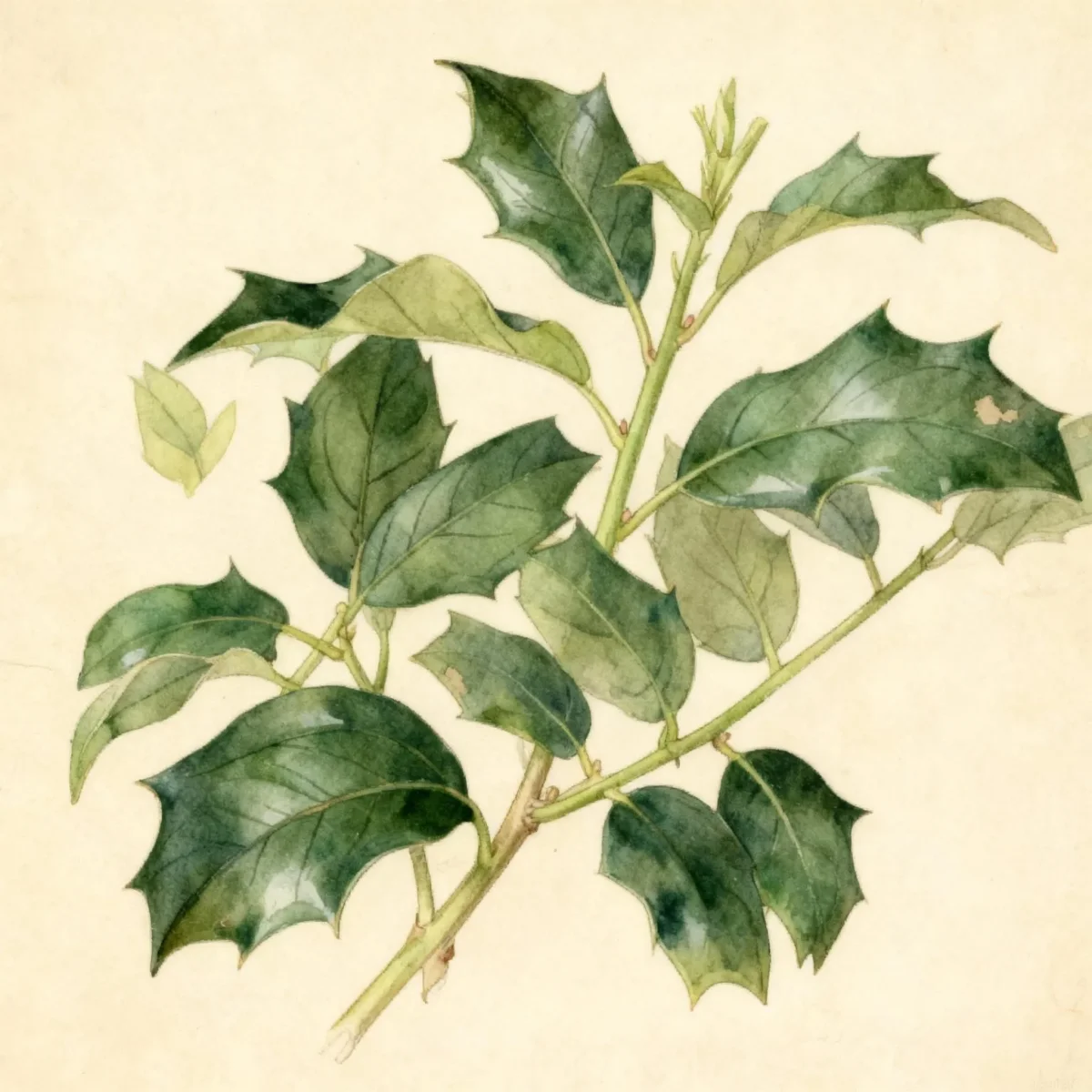
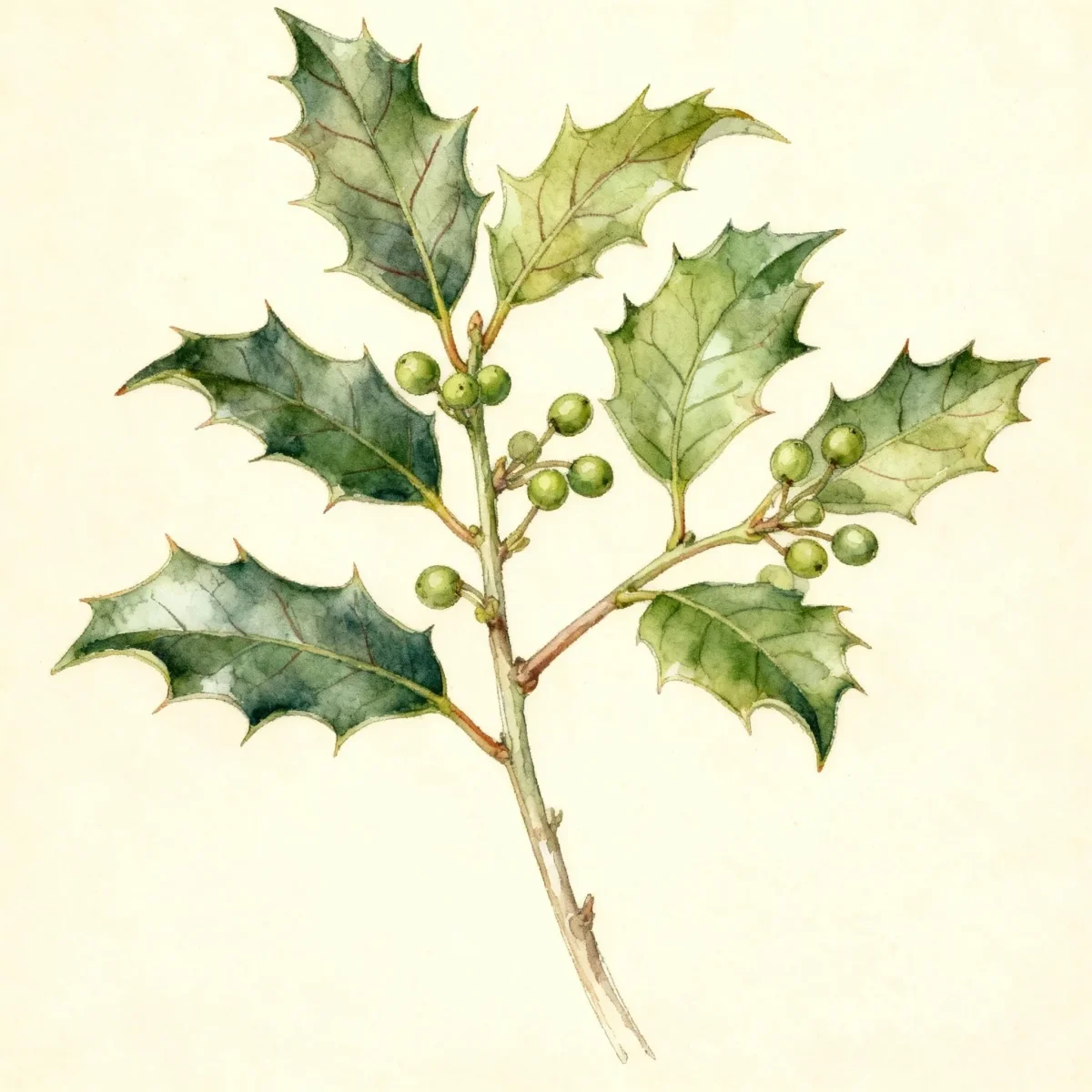
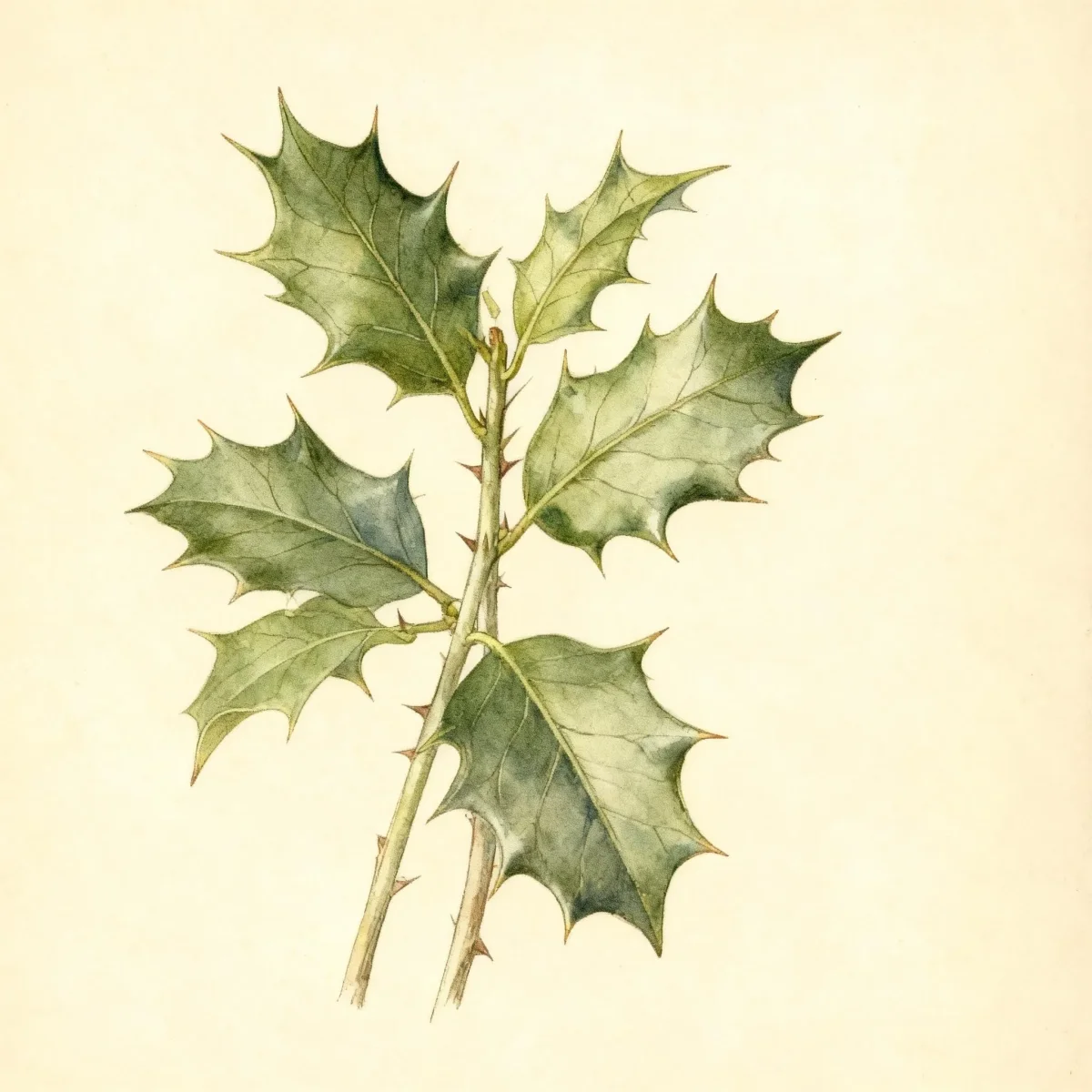
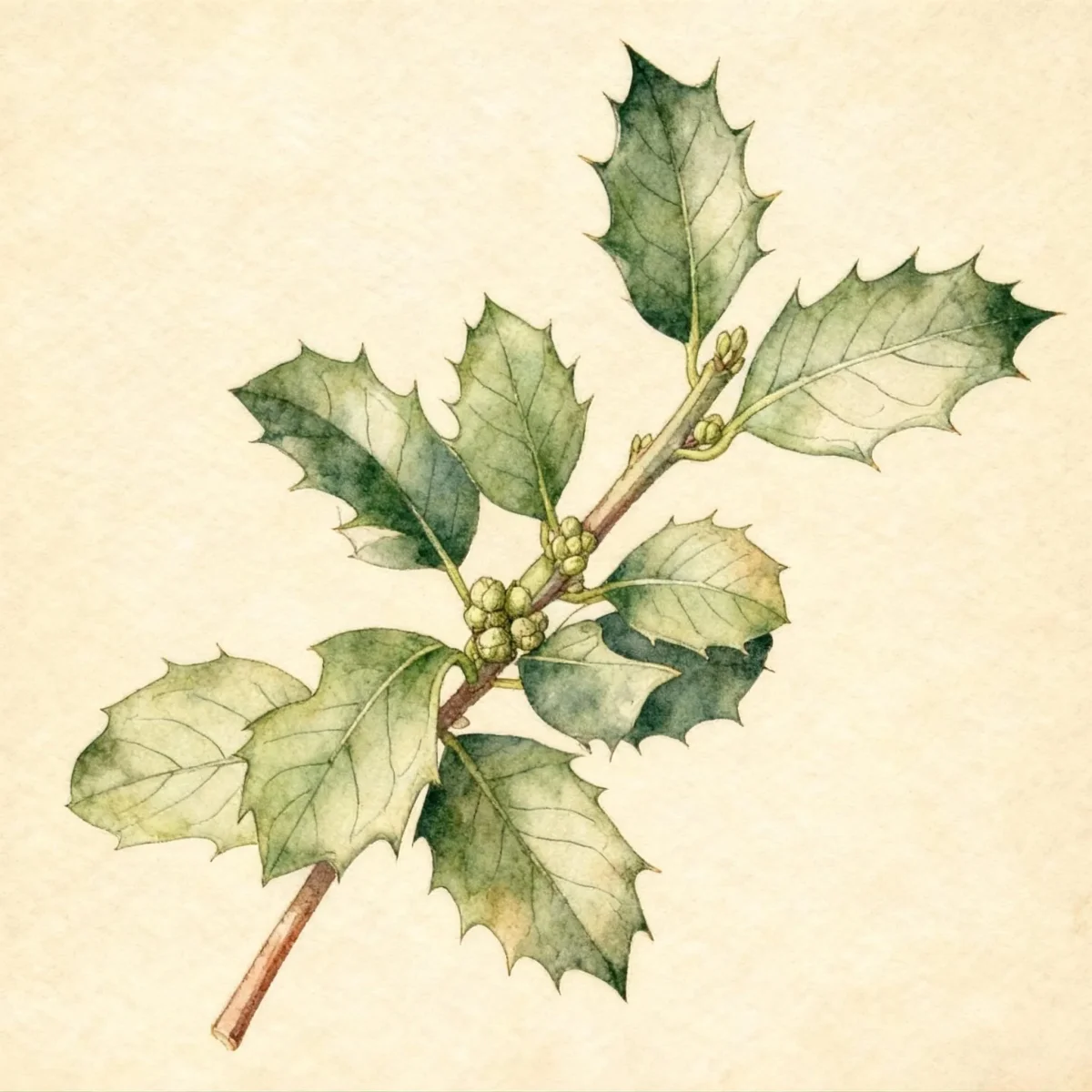
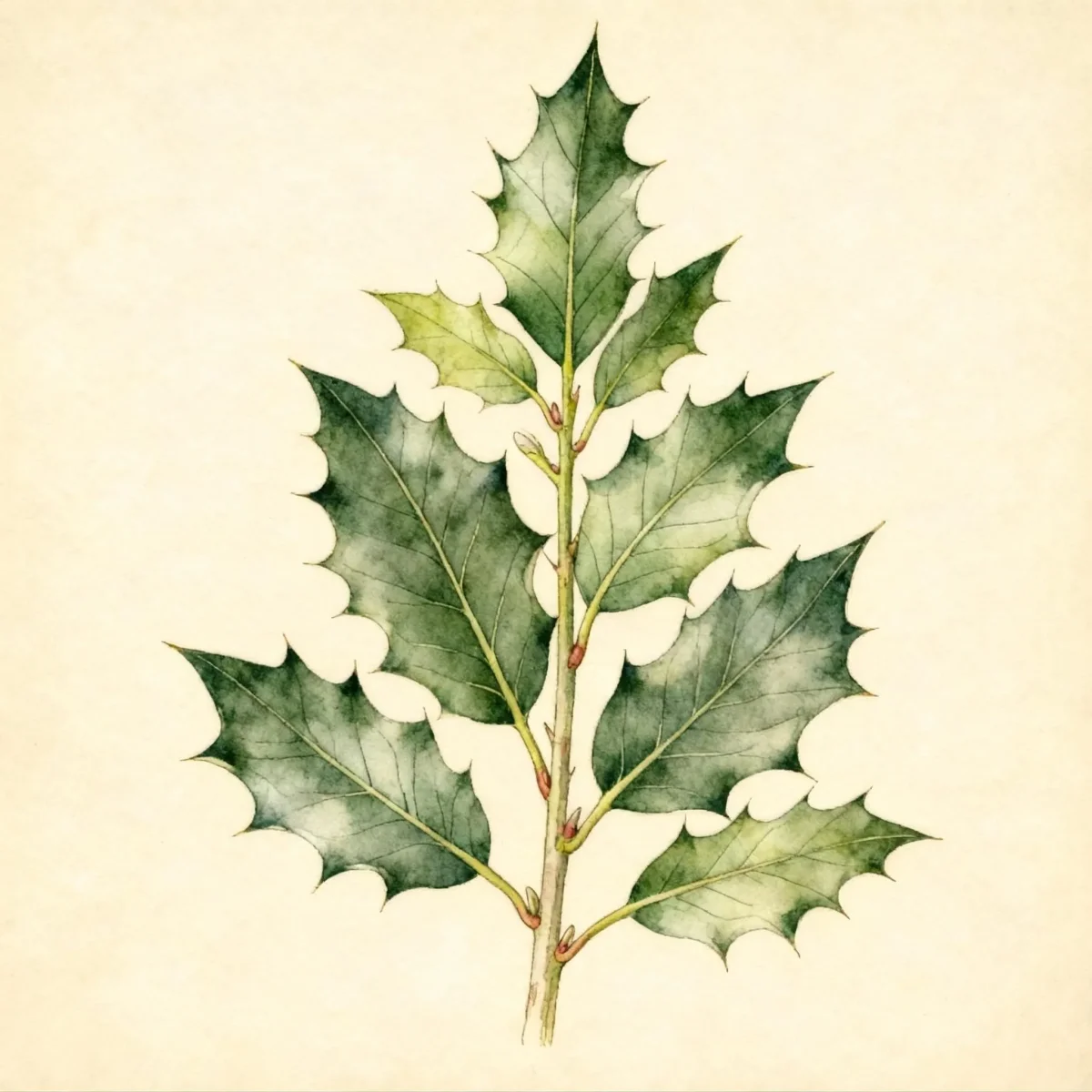
The Meserve hollies, including Ilex × meserveae ‘Hachfee’ CASTLE SPIRE, originated from crosses between English and Tsuru hollies to achieve better winter hardiness. This female clone forms a compact, upright, pyramidal shrub featuring glossy deep green leaves with notable serrated margins and purple stems. Its production of bright red berries in autumn, which often persist throughout winter, stands out against the evergreen backdrop.
Tolerances
- Air Pollution
Potential Problems
Potential insect issues for this Holly include common irritants like spider mites, scale insects, holly leaf miners, and whiteflies. Fungal diseases are also a concern, presenting as leaf spot, tar spot, leaf rot, or powdery mildew, especially in overcrowded or humid conditions. Prevention involves ensuring good airflow and avoiding overhead watering during late evenings. Be vigilant for signs of chlorosis, which indicates high soil pH levels are interfering with nutrient uptake, potentially stressing the plant.
Frequently Asked Questions
What hardiness zones is Holly suitable for?
The Ilex × meserveae ‘Hachfee’ CASTLE SPIRE Holly is reliably hardy in USDA Zones 5 through 7.
How large does Ilex × meserveae ‘Hachfee’ CASTLE SPIRE grow?
This cultivar typically matures to a height between 8 and 10 feet, maintaining a narrow spread of 3 to 4 feet wide.
What sun exposure does Ilex × meserveae ‘Hachfee’ CASTLE SPIRE need?
This Holly prefers full sun but performs well in partial shade; ensure it receives protection from the harshest afternoon summer sun, especially at the warmer edge of its zone range.
When does Holly bloom?
Flowering occurs in late spring, typically between April and May, producing inconspicuous greenish-white blossoms.
Conclusion
The Ilex × meserveae ‘Hachfee’ CASTLE SPIRE is a superb structural plant, offering low-maintenance evergreen coverage, excellent winter form, and vibrant red fruit displays, provided it receives appropriate pollination. This particular Holly cultivar simplifies winter garden planning due to its reliability and attractive upright shape. Before planting, confirm your location sits within USDA Zones 5-7 and plan for its essential male pollinator partner to guarantee the best ornamental results.
Companion Planting
Selecting appropriate neighbors enhances the setting for your CASTLE SPIRE Holly. Because it prefers slightly acidic, moist, well-drained soil, pair it with other acid-loving evergreens, such as Rhododendrons or Azaleas, placed slightly uphill or away from the Holly’s dripline if drainage is a concern. For winter interest contrast, consider planting low-growing Hellebores (Helleborus) nearby whose broad, mounding foliage provides a softer textural break beneath the upright lines of the Holly.
Design Ideas
Utilize the strong vertical form of Ilex × meserveae ‘Hachfee’ CASTLE SPIRE to define entryway corners or punctuate the corners of retaining walls. Since it matures narrowly, it works effectively in tandem lines to create formal allees or structured entryways that require constant evergreen presence. For a contemporary look, mass plantings provide a disciplined block of deep green texture, punctuated solely by the contrasting red berries in winter, minimizing the need for seasonal color change from surrounding plantings.