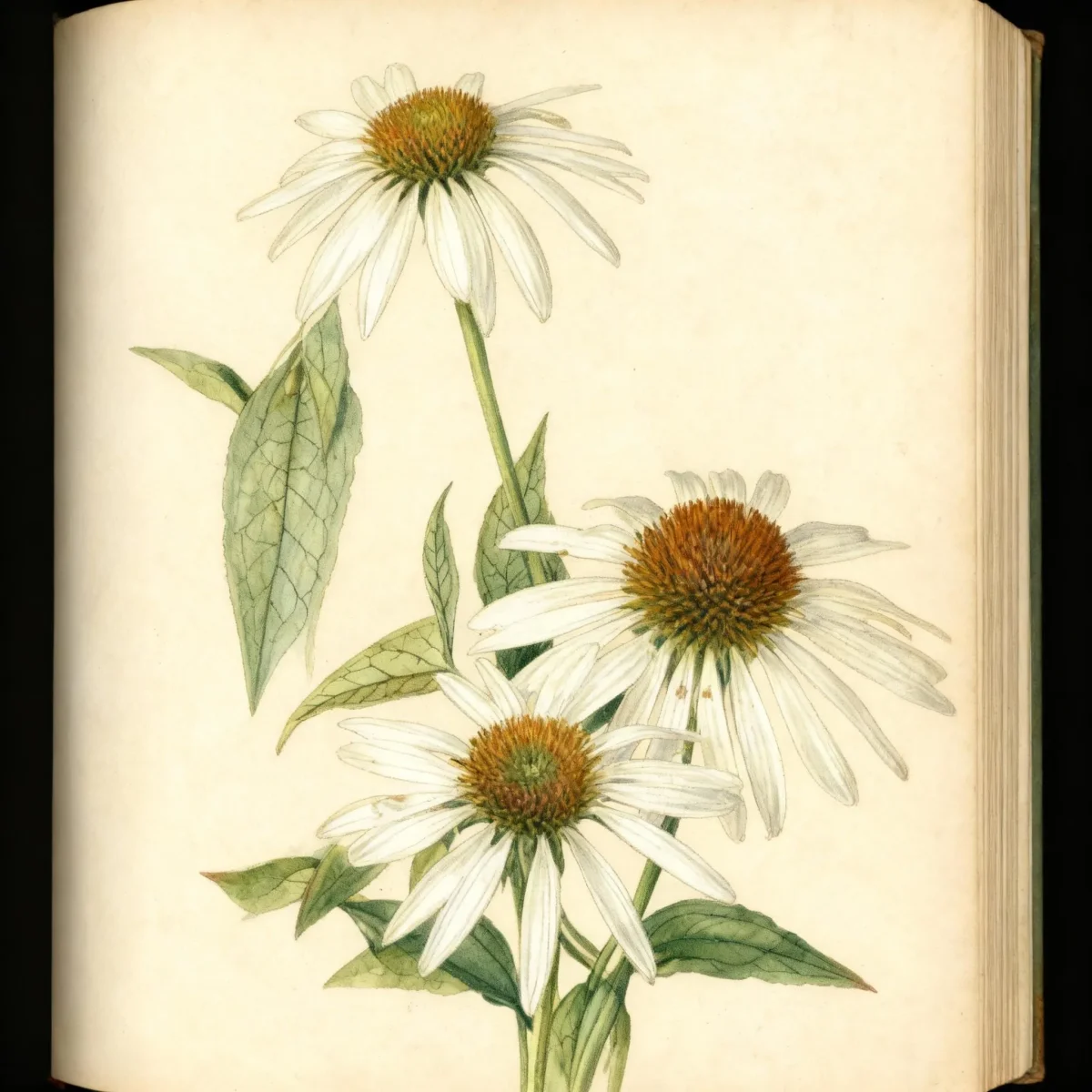
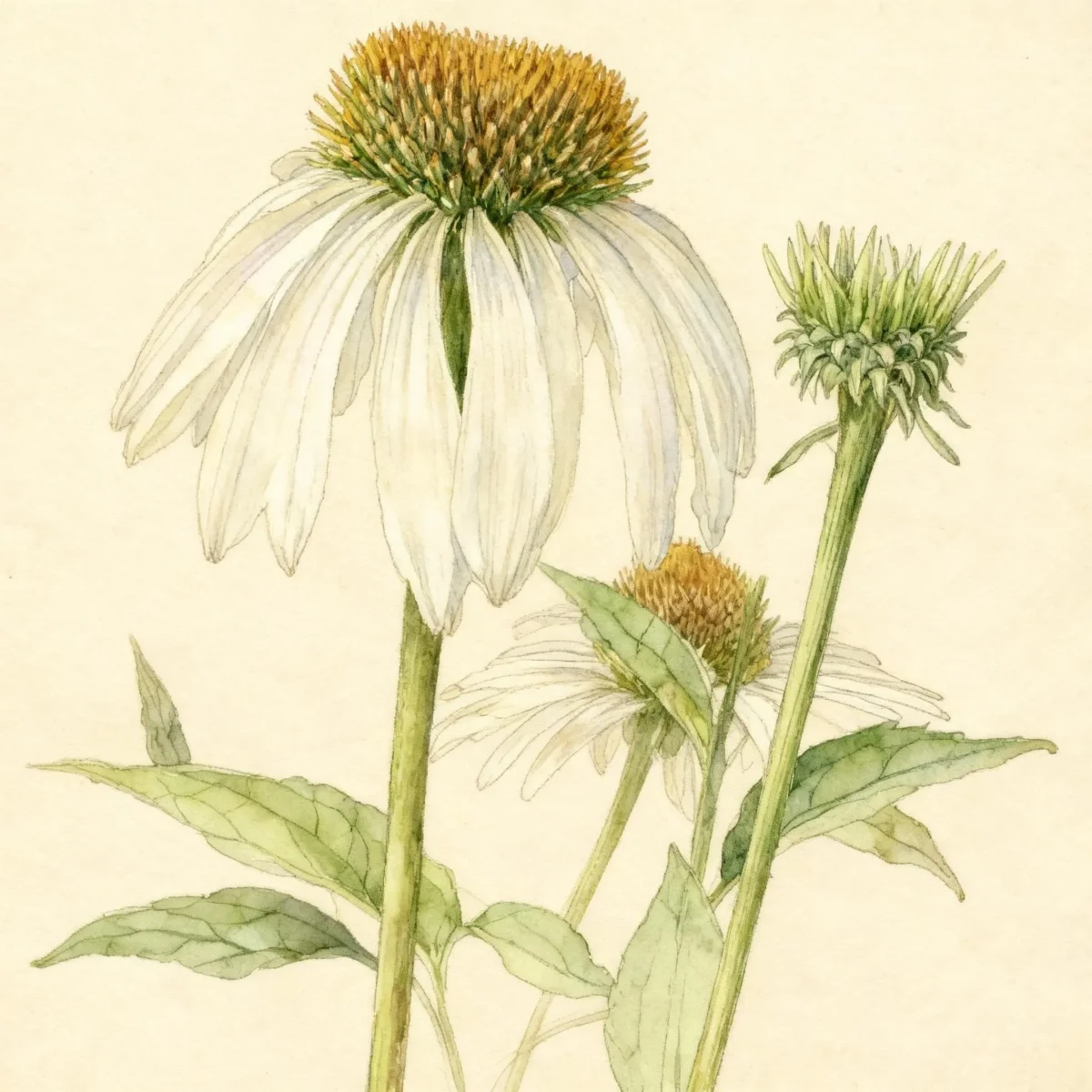
Purple coneflower (Echinacea purpurea 'Coconut Lime')
Echinacea purpurea 'Coconut Lime' offers unique double white blooms with lime centers, prized for low maintenance and drought tolerance.
Scroll down to discover growing tips, care requirements, companion plants, and more
Complete Plant Information
Overview
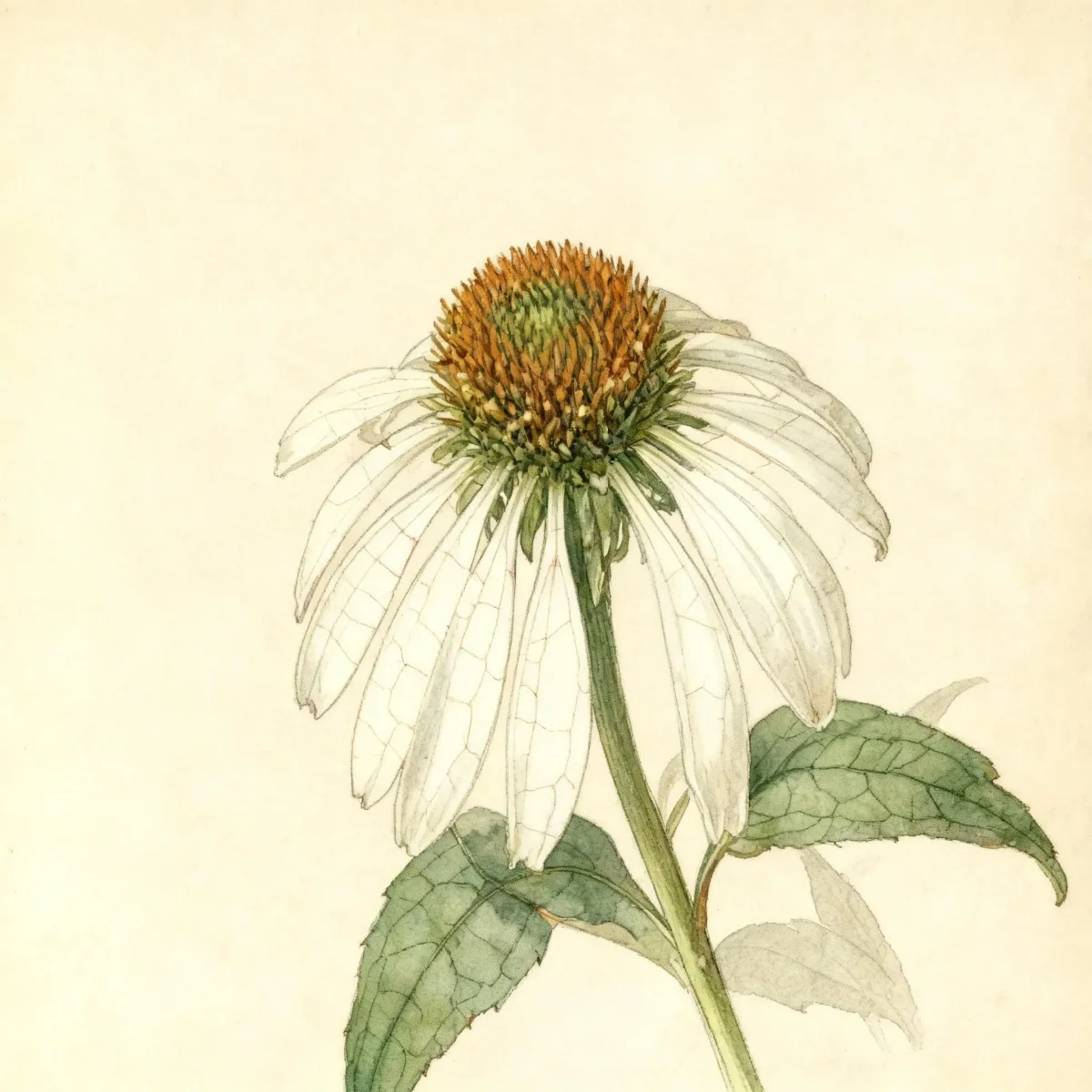
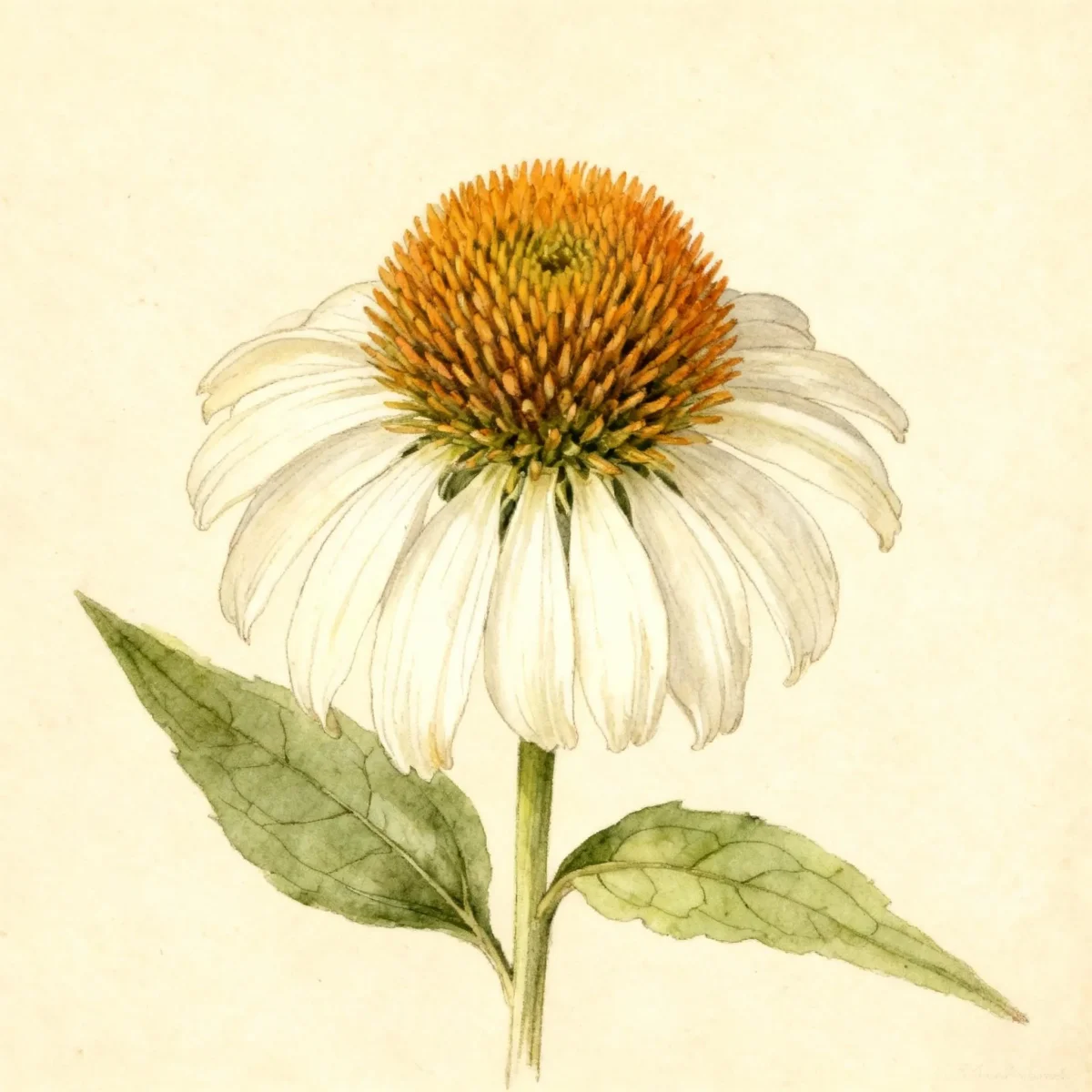
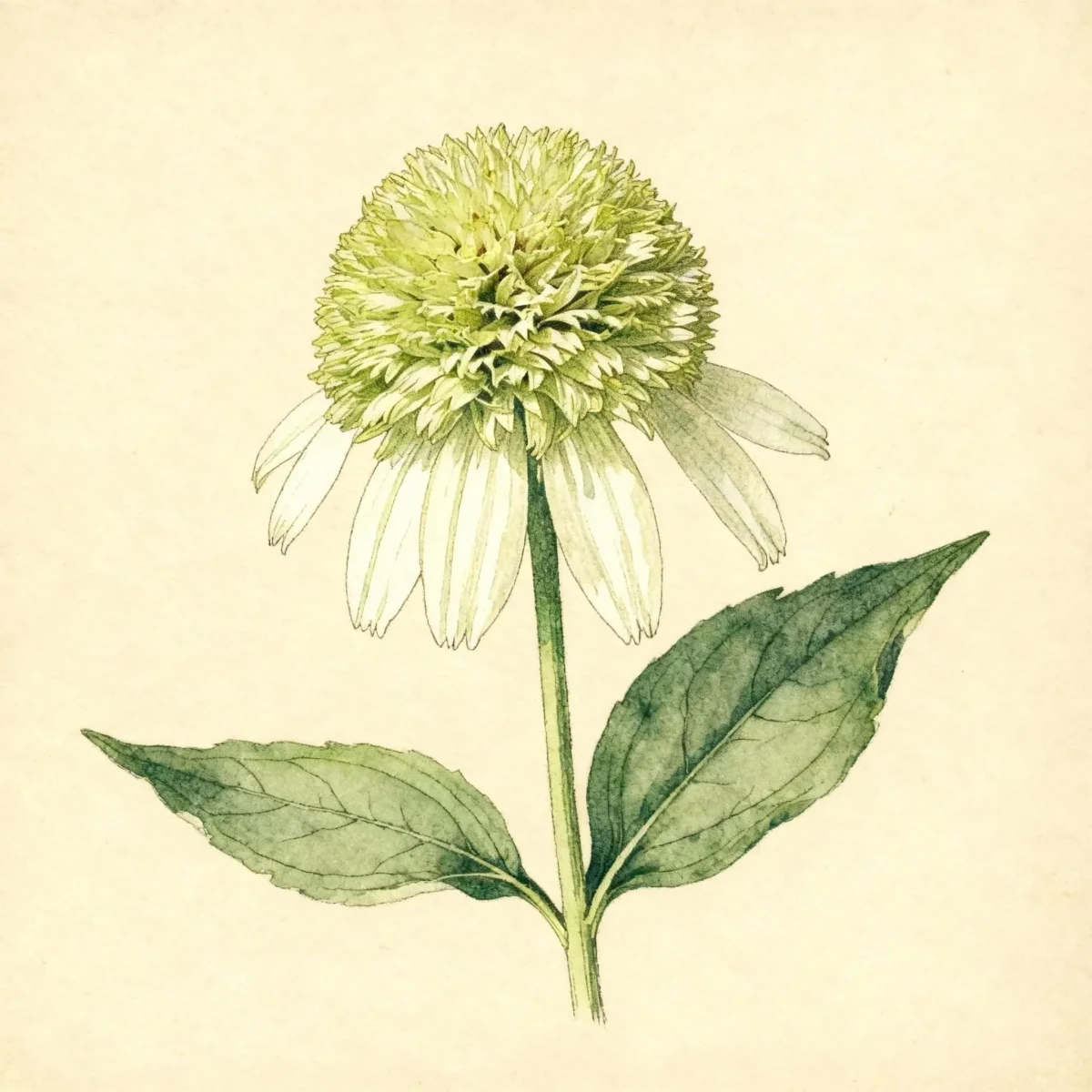
Echinacea purpurea ‘Coconut Lime’ stands out in the garden landscape due to its striking, fully double blooms, which feature white rays surrounding a vibrant, globular lime green center cone. This unique cultivar of the popular Purple coneflower brings bright, long-lasting color to summer perennial borders, offering a fresh, modern twist on a native classic. Gardeners appreciate this variety for its adaptability and ease of care.
As a relatively low-maintenance herbaceous perennial, Echinacea purpurea ‘Coconut Lime’ thrives even when neglected, tolerating heat, humidity, and a range of soil conditions. It forms an upright, columnar clump, reaching about 2 to 2.5 feet tall, making it an excellent mid-border specimen. While the traditional Purple coneflower attracts abundant wildlife, note that the densely packed double blooms of ‘Coconut Lime’ are less beneficial structurally for pollinators favoring accessible pollen and nectar.
This cultivar secures its spot in contemporary gardens by being dependable year after year once established. Its exceptional drought tolerance, coupled with its striking white and lime coloration, ensures that Echinacea purpurea ‘Coconut Lime’ remains a valuable, sturdy component through the peak summer months.
Fast Facts
- Plant Family: Asteraceae
- Plant Type: Herbaceous perennial
- Hardiness Zones: USDA Zones 3-8
- Size at Maturity:
- Height: 2-2.5 ft
- Spread: 1.5-2 ft
- Bloom Time: June to August
- Bloom Description: White with lime green center disk (double)
- Sun Exposure: Full sun to part shade
- Water Needs: Dry to medium
- Maintenance Level: Low
How to Grow
The best time to establish Echinacea purpurea ‘Coconut Lime’ is in spring after the danger of hard frost has passed, or in early fall. Ensure you select a location that ideally receives full sun, although it tolerates light afternoon shade. This plant is highly adaptable, thriving in average soil, but it performs best in well-drained conditions; it tolerates clay soil, dry soil, and even shallow, rocky sites.
Once established, watering needs are minimal. Treat it as drought-tolerant, providing deep, infrequent water during extended dry spells, but avoid soggy conditions which it strongly dislikes. Fertilizing is generally unnecessary; excessive richness can lead to flopping stems, especially in cultivars of Purple coneflower.
For neatness, prompt removal of spent flowers encourages reblooming throughout the summer. However, if you wish to leave seed heads for winter interest or potential birdsong, you may skip deadheading. Divide overcrowded clumps every four years or so to maintain vigor and ensure robust flowering of your Echinacea purpurea ‘Coconut Lime’.
Landscape Uses
Echinacea purpurea ‘Coconut Lime’ is an excellent choice for adding structural brightness to mixed borders where its unique coloration can contrast with darker foliage or deep purple blooms nearby. Its upright habit makes it ideal for massing, creating impactful drifts of white and lime texture across a garden space or meadow planting.
This adaptable Purple coneflower pairs beautifully with golden-toned companions such as Black-eyed Susans (Rudbeckias), or silvery greens like Artemisia, offering superb texture and height variance. Given its tolerance for heat and poor soils, it fits perfectly into naturalized areas, native plant gardens, or even sustainable xeriscaping designs.
It performs well enough in a part shade location, suiting the edge of woodland gardens where it can still receive several hours of direct light. For cut flower enthusiasts, the sturdy stems and showy blooms of Echinacea purpurea ‘Coconut Lime’ make it a valued addition to fresh arrangements.
Standout Features
Flower Qualities
- Showy
- Good Cut
- Good Dried
Noteworthy Characteristics
Echinacea purpurea, commonly called purple coneflower, is a coarse, rough-hairy, herbaceous perennial natively found in central to southeastern U.S. prairies and meadows. The cultivar ‘Coconut Lime’ represents an advancement, being one of the first double white coneflowers commercially introduced, featuring drooping notched rays and a distinctive globular lime green center cone. While beautiful, these dense double blooms do not offer the pollen, nectar, or seeds found in single-flowered types, meaning they are less crucial for wildlife support.
Tolerances
- Deer
- Drought
- Clay Soil
- Dry Soil
- Shallow-Rocky Soil
Potential Problems
Occasional insect interest may come from Japanese beetles, which favor many Asteraceae, requiring handpicking or targeted treatment if infestations are severe. Fungal issues like leaf spot can appear, particularly in areas with poor air circulation or excessive overhead watering. Management involves ensuring proper spacing between plants to promote good airflow and practicing clean cultural habits. Susceptibility to aster yellows disease means vigilant inspection is necessary, as this viral condition often requires pulling and destroying infected plants immediately.
Frequently Asked Questions
What hardiness zones is Purple coneflower suitable for?
Echinacea purpurea ‘Coconut Lime’ is reliably hardy in USDA Zones 3 through 8.
How large does Echinacea purpurea ‘Coconut Lime’ grow?
This variety typically reaches a height between 2 and 2.5 feet and spreads outward to 1.5 to 2 feet wide.
What sun exposure does Echinacea purpurea ‘Coconut Lime’ need?
For best performance and bloom density, this cultivar requires full sun, though it can tolerate conditions ranging from full sun to part shade.
When does Purple coneflower bloom?
The primary bloom time for Echinacea purpurea ‘Coconut Lime’ spans from June through August, displaying its unique white flowers with lime green center disks.
Conclusion
Echinacea purpurea ‘Coconut Lime’ offers gardeners a wonderfully resilient, low-maintenance perennial celebrated for its unique, fully double white and lime flowers. This specific cultivar elevates the classic Purple coneflower by providing significant summer impact while tolerating difficult soil and dry conditions. Always check your specific hardiness rating before planting to ensure this stunning variety thrives in your landscape.
Companion Planting
When designing beds around Echinacea purpurea ‘Coconut Lime’, select companions that share similar preferences for sun and dryness. Plants like Rudbeckia (Black-eyed Susans), ornamental grasses such as Little Bluestem (Schizachyrium scoparium), or Yucca species provide contrasting textures that highlight the soft density of the coneflower heads. Avoid grouping it exclusively with moisture-loving plants, as consistently wet feet will quickly compromise the root health of Purple coneflower.
Design Ideas for Modern Meadows
The refined, compact habit of Echinacea purpurea ‘Coconut Lime’ makes it perfect for modernizing a naturalized meadow look. Instead of scattering sparingly, try planting small groups of 5-7 plants throughout a designated area to mimic natural drifts, offering high visual impact when in peak bloom. The white and lime colors are excellent choices for creating moonlight gardens or designs intended to brighten partially shaded borders later in the day. Combine the color palette of ‘Coconut Lime’ with pale lavenders or soft blues for a serene, contemporary effect.