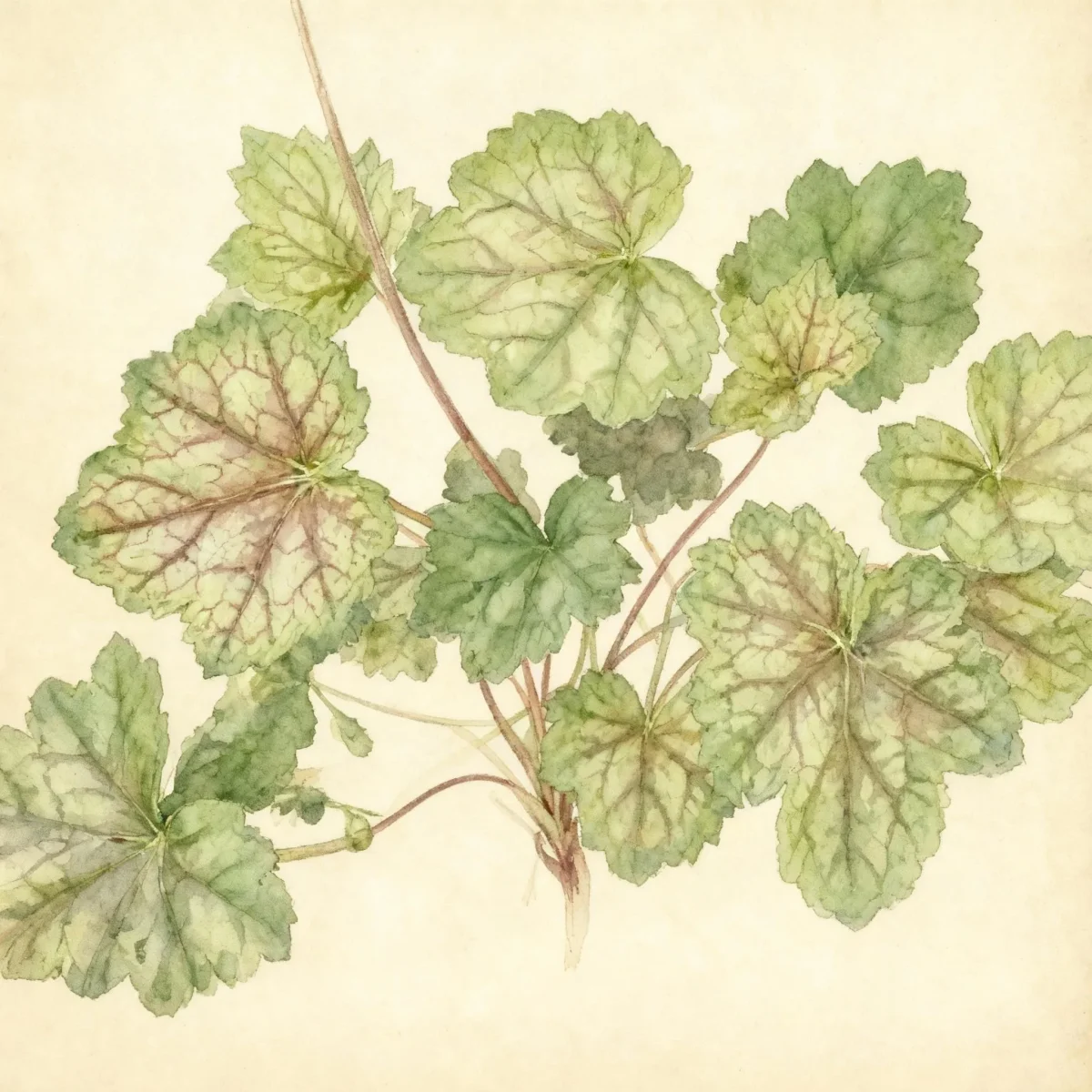
Coral bells (Heuchera 'Blackout')
Heuchera 'Blackout' Coral bells offer dense, near black foliage and airy creamy white blooms. A striking, medium-maintenance perennial for borders.
Scroll down to discover growing tips, care requirements, companion plants, and more
Complete Plant Information
Overview
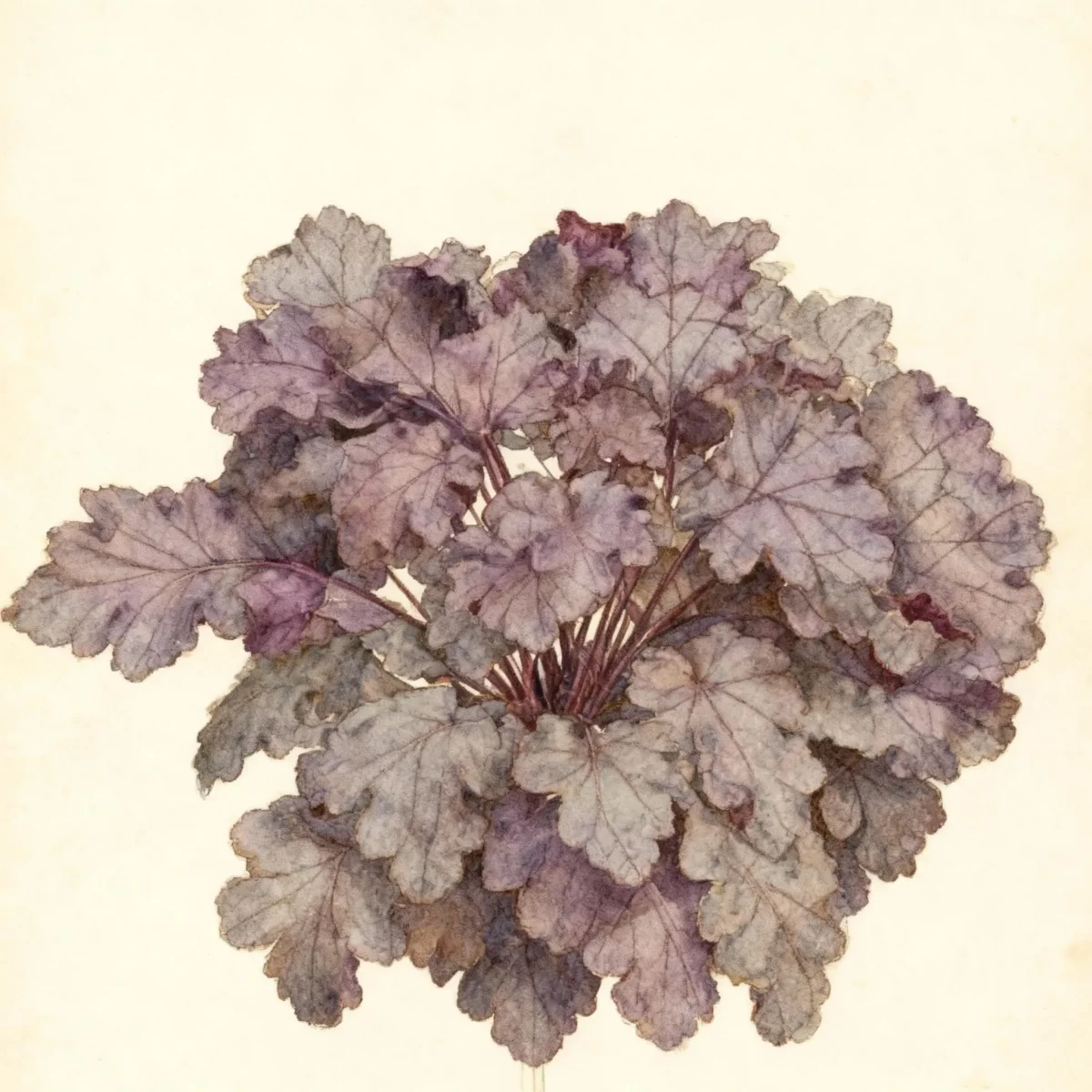
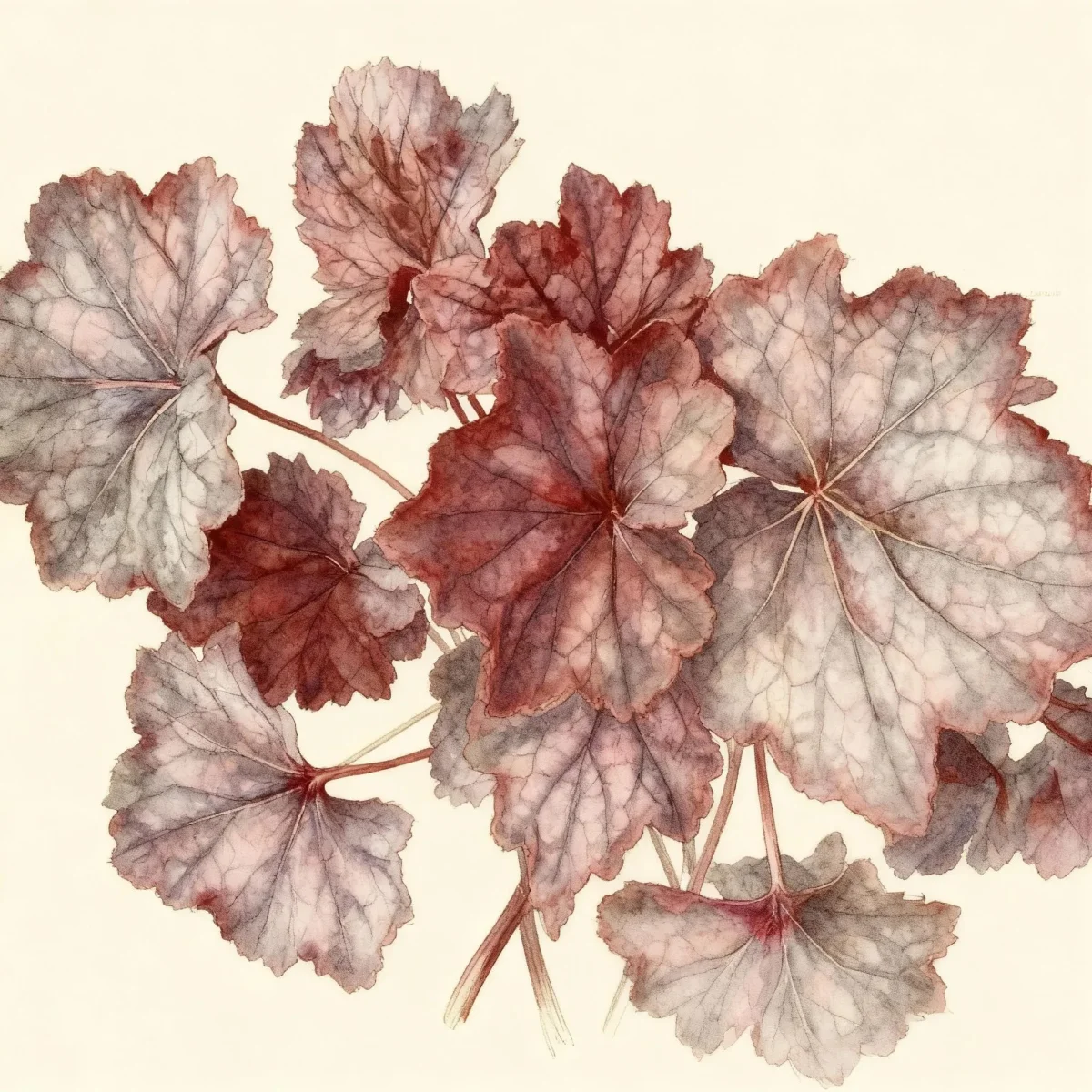
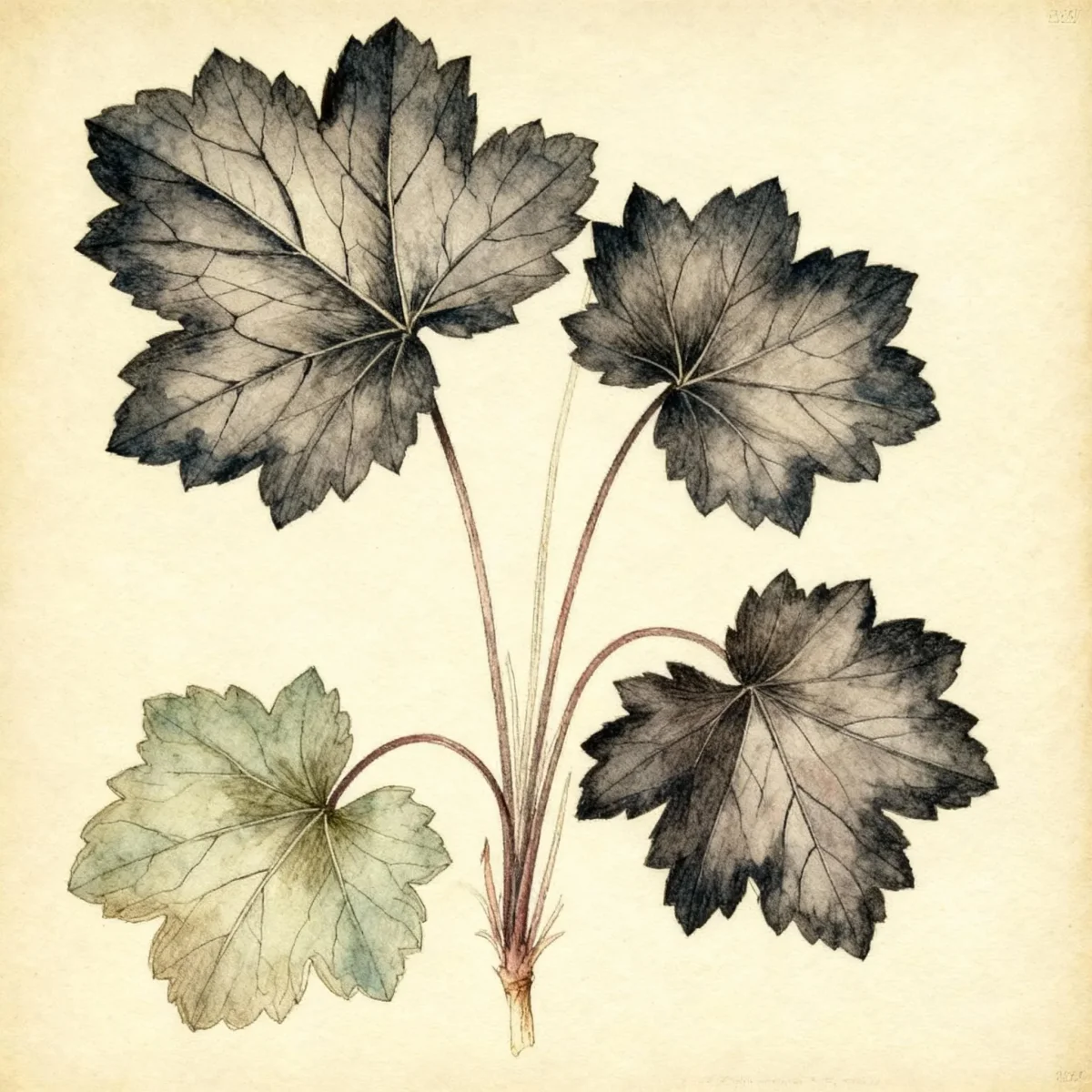
Heuchera ‘Blackout’, commonly known as Coral bells, creates a dramatic impact in the garden due to its exceptionally dark, glossy foliage. This clump-forming hybrid is celebrated for maintaining its near-black leaf color consistently through the growing season, offering deep contrast against brighter perennials. It forms a tidy basal mound, making it an excellent structural element in mixed plantings.
This particular cultivar thrives across a wide range of climates, performing best in consistently moist, well-drained, organically rich soil. While adaptable to sun, especially in cooler northern zones, most gardeners find that providing afternoon shade prevents leaf scorch during peak summer heat. The resulting aesthetic payoff of Heuchera ‘Blackout’ is both year-round color interest and delicate summer blooms.
As a North American native hybrid, Heuchera ‘Blackout’ provides dependable texture and resilience. Its compact stature allows it to anchor borders or provide focal points in rock gardens where bold, dark accents are desired. Gardeners value this Coral bells variety for its manageable size and superior, moody foliage presentation.
Fast Facts
- Plant Family: Saxifragaceae
- Plant Type: Herbaceous perennial
- Hardiness Zones: USDA Zones 4-9
- Size at Maturity:
- Height: 0.5-0.75 ft
- Spread: 0.75-1 ft
- Bloom Time: June to July
- Bloom Description: Creamy white
- Sun Exposure: Full sun to part shade
- Water Needs: Medium
- Maintenance Level: Medium
How to Grow
Planting Heuchera ‘Blackout’ is best done either in spring or fall, ensuring the soil is high in organic matter and drains exceptionally well. While Coral bells generally prefer part shade, the density and darkness of the ‘Blackout’ foliage mean that in cooler northern zones, it can handle more direct sun if consistent moisture is maintained. Avoid planting in heavy clay or locations where water pools, as poor drainage is a primary threat.
Consistent watering is crucial, especially when the plant is newly established or grown in brighter light conditions. If the soil dries out completely, Heuchera ‘Blackout’ is prone to scorch and decline, which diminishes its signature dark foliage appeal. Fertilizing is rarely required if the soil is amended with compost annually.
Prune away the faded flower stems after blooming concludes to encourage tidiness, though this is primarily for aesthetic reasons. In cold winter climates, the foliage often remains semi-evergreen, but a light covering of compost mulch applied after the ground freezes prevents damaging root heaving caused by freeze-thaw cycles. Divide large clumps every three to four years in the spring to maintain vigor.
Landscape Uses
Coral bells excel when used to create structure and contrast within garden beds. Heuchera ‘Blackout’ is highly effective when massed together, allowing the near-black mounds to create a strong, unifying visual carpet against lighter green perennials or silvery foliage plants. Due to their compact size, they function perfectly as edgers along structured pathways or stone retaining walls, where their dense foliage remains tidy.
These perennials integrate well into specialized settings like woodland gardens or rock gardens, mimicking their varied native habitats. Use them strategically near edging stones where their dark color will be highlighted by sun filtering through trees or reflected off hardscaping. They serve as excellent non-flowering companions to spring bulbs, emerging after the bulbs fade while maintaining strong color interest.
Consider pairing the deep tones of Heuchera ‘Blackout’ with chartreuse Heuchera varieties, bright blue Hostas, or silver Brunnera for maximum color synergy. Their relatively small size makes them indispensable for adding rich, dark texture to container arrangements on shaded patios or decks.
Standout Features
Flower Qualities
- Showy
Noteworthy Characteristics
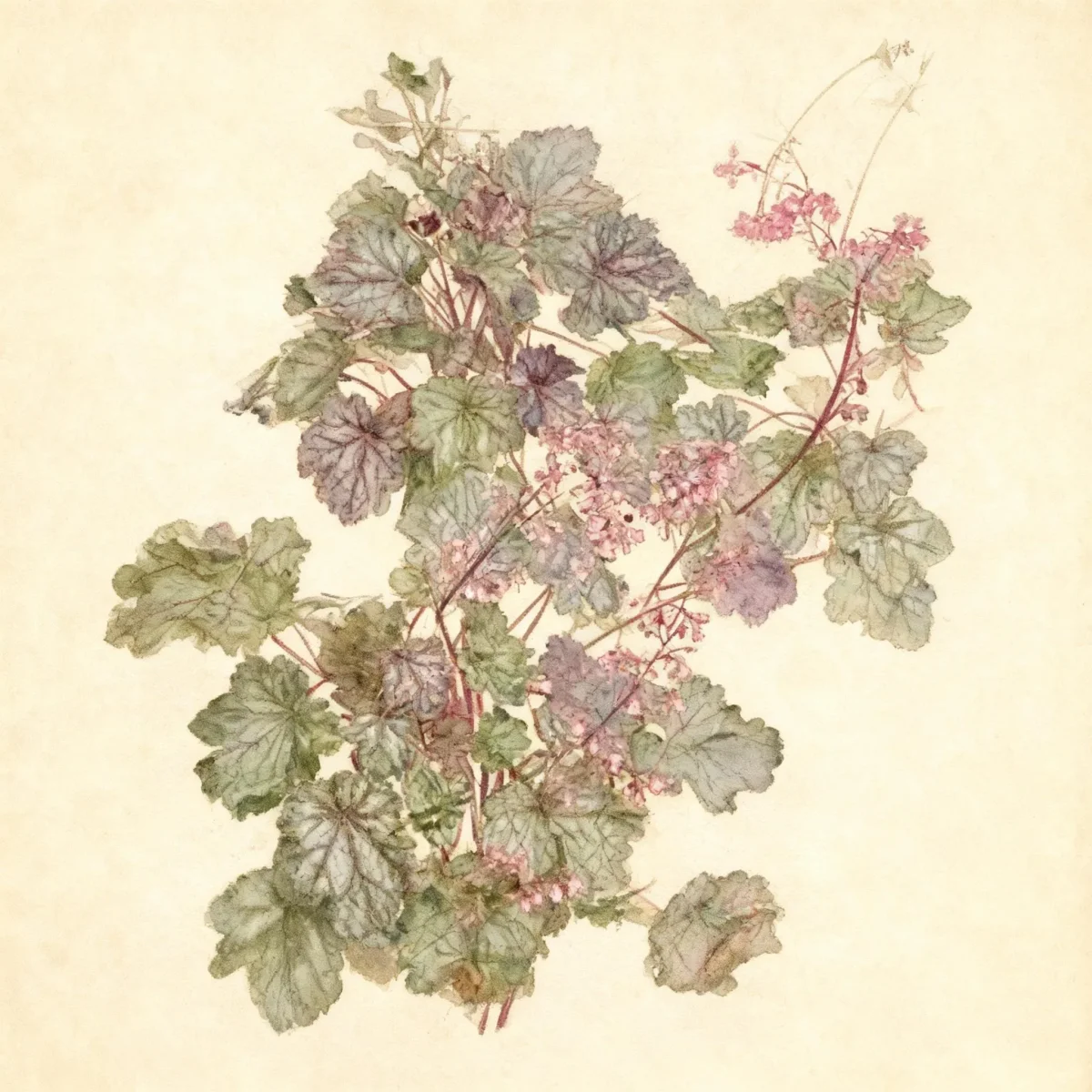
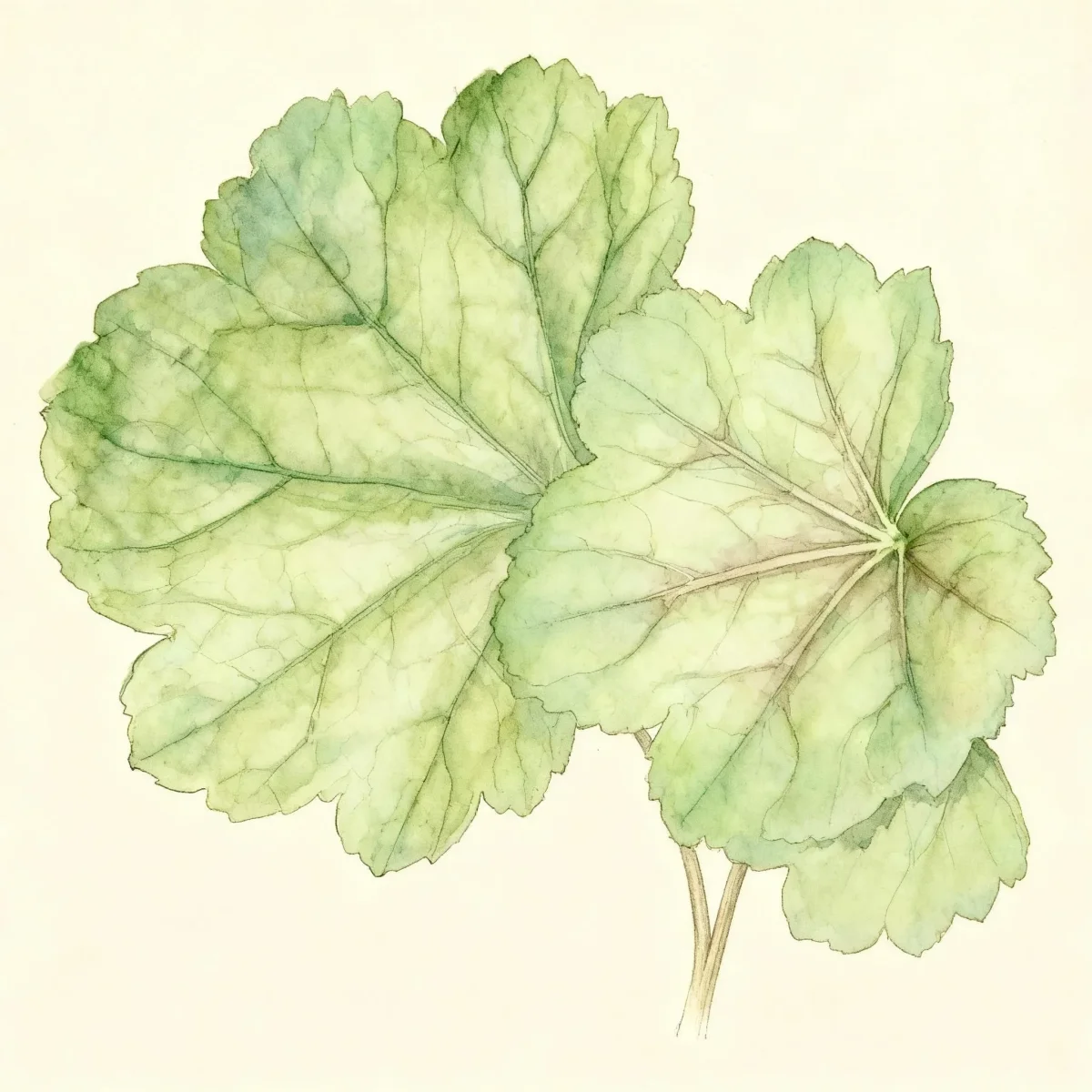
Heuchera, commonly called coral bells or alumroot, is a genus consisting of about 55 species of evergreen to semi-evergreen herbaceous perennials native to North America. The first significant hybrid heucheras were introduced around 1980, leading to hybrids with leaves in myriad colors including bronze, silver-black, and deep purple. ‘Blackout’ is a clump-forming hybrid noted for its glossy, rounded, near black leaves that form a compact basal mound to only 6” tall. Small, creamy white flowers appear in late spring to early summer on airy panicles rising above the foliage.
Tolerances
- Frost heaving of roots may occur when winter temperatures fluctuate widely.
Potential Problems
Frost heaving is a notable concern for Coral bells when wide winter temperature fluctuations cause the soil to repeatedly freeze and thaw around the roots. Prevent this by applying a winter mulch after the soil is frozen solid. Potential disease issues include fungal problems like powdery mildew and rust, as well as bacterial leaf spot.
To manage disease, ensure excellent air circulation around the foliage mound and avoid overhead watering, especially late in the day. Insect pests are typically minimal but keep an eye out for weevils and foliar nematodes, which can sometimes affect the foliage quality of Heuchera ‘Blackout’.
Frequently Asked Questions
What hardiness zones is Coral bells suitable for?
Heuchera ‘Blackout’ is suitable for USDA Zones 4 through 9.
How large does Coral bells grow?
This cultivar typically reaches a mature height between 0.5 and 0.75 feet, with a spread ranging from 0.75 to 1 foot wide.
When does Coral bells bloom?
Heuchera ‘Blackout’ exhibits its creamy white blooms between June and July.
What sun exposure does Coral bells need?
This plant performs best in full sun to part shade conditions, though afternoon shade is recommended in hotter climates to protect the dark foliage.
Conclusion
The striking, near-black foliage of Heuchera ‘Blackout’ sets it apart as a premier choice for creating dramatic year-round structure in the garden. As a reliable Coral bells hybrid, it delivers on its promise of dark color with relatively low fuss once established in appropriate soil. Before planting, always confirm your local USDA hardiness zone compatibility and prepare a rich, well-draining site to ensure the best performance from your Heuchera ‘Blackout’.
Companion Planting
Selecting companions that thrive under similar conditions—namely protection from harsh afternoon sun and consistently moist soil—ensures a cohesive planting scheme. Hostas are excellent partners, particularly those with blue or chartreuse leaves, which provide a strong color and texture complement to the dark mound of Heuchera ‘Blackout’. Ferns provide soft, airy texture that dramatically contrasts the solid, rounded leaves of Coral bells.
When using Heuchera ‘Blackout’ as an edging plant, pair it with fine-textured edibles or low-growing groundcovers that won’t obscure its basal foliage structure. Consider plants like Sweet Woodruff (Galium odoratum) for a bright green carpet, or use low-growing, shade-tolerant annuals to fill in gaps during the summer months.
Propagation Tips
The primary method for increasing your stock of Heuchera ‘Blackout’ is through plant division, as this maintains the desirable hybrid qualities faithfully. Perform this task in the spring, as the new growth begins to emerge. Gently lift the entire clump from the ground using a sharp spade or hand fork, taking care not to damage the roots excessively.
Once lifted, carefully separate the clump into smaller sections, ensuring each division has a healthy portion of roots attached to the crown. Allow the divided sections a brief period to dry slightly before replanting them immediately into their prepared locations. Keep the newly planted Coral bells well-watered for several weeks to help them reestablish quickly.