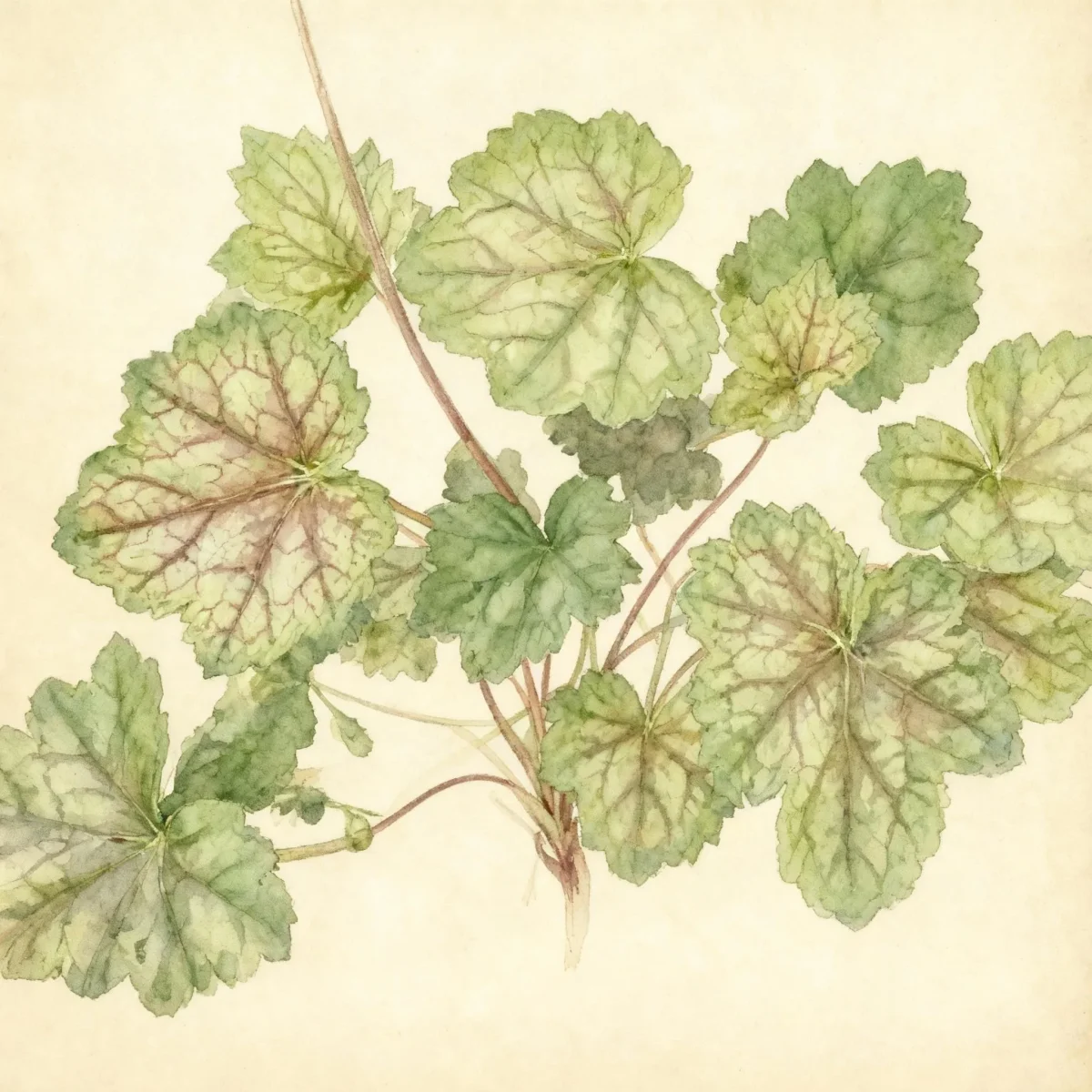
Coral bells (Heuchera 'Pinot Gris')
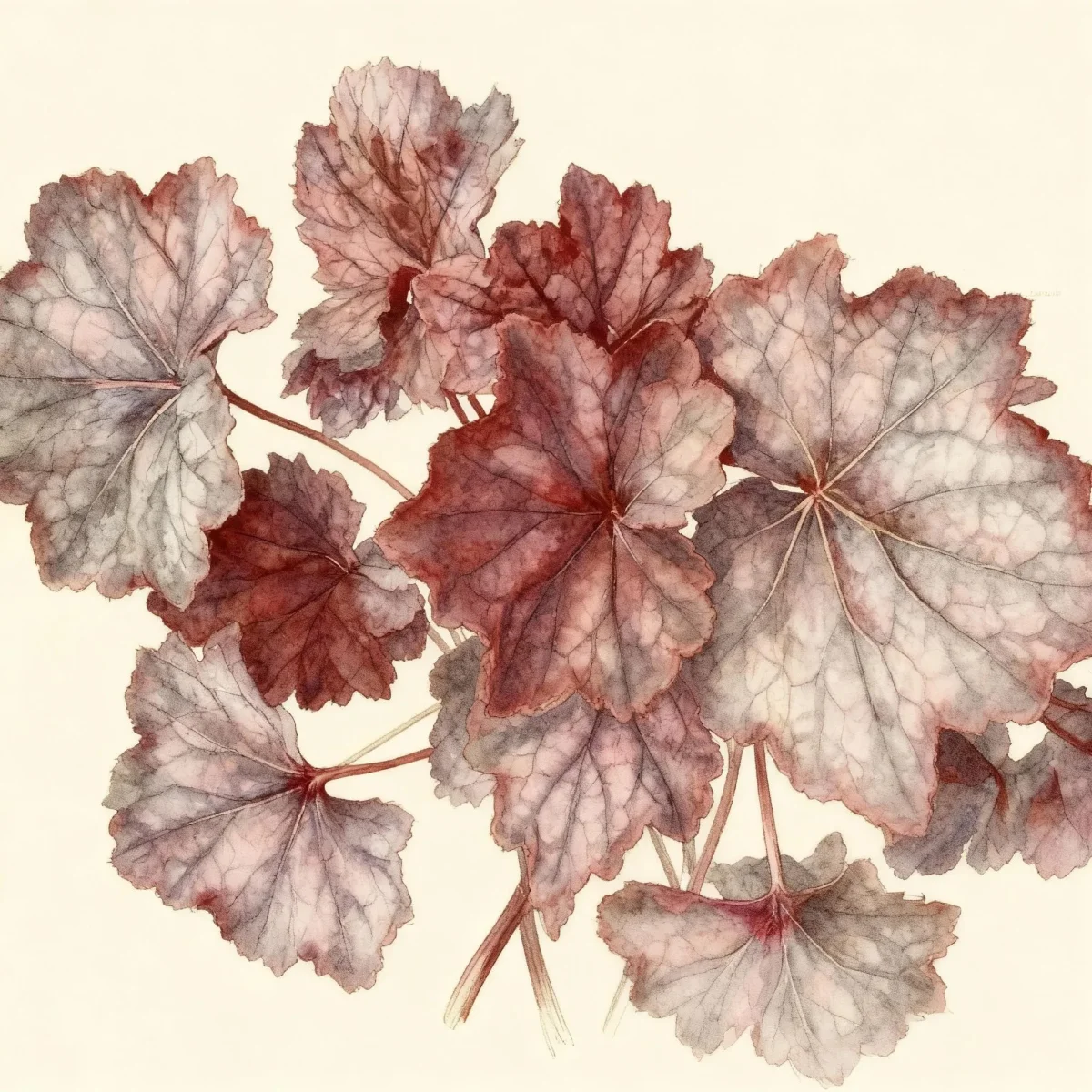
Heuchera 'Pinot Gris' Coral bells offer smoky rose foliage with silver overlay. A hardy perennial for zones 4-9.
Scroll down to discover growing tips, care requirements, companion plants, and more
Complete Plant Information
Overview
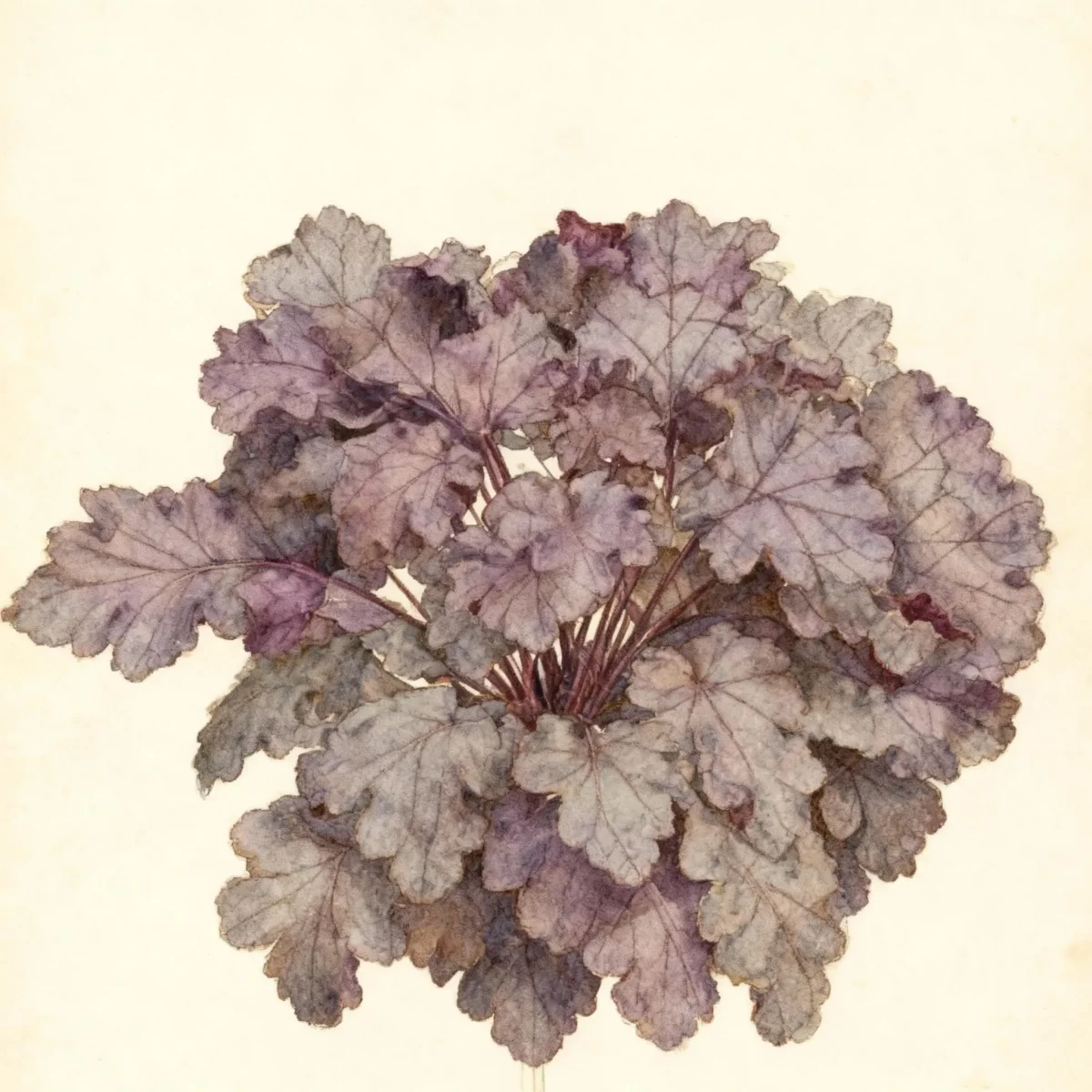
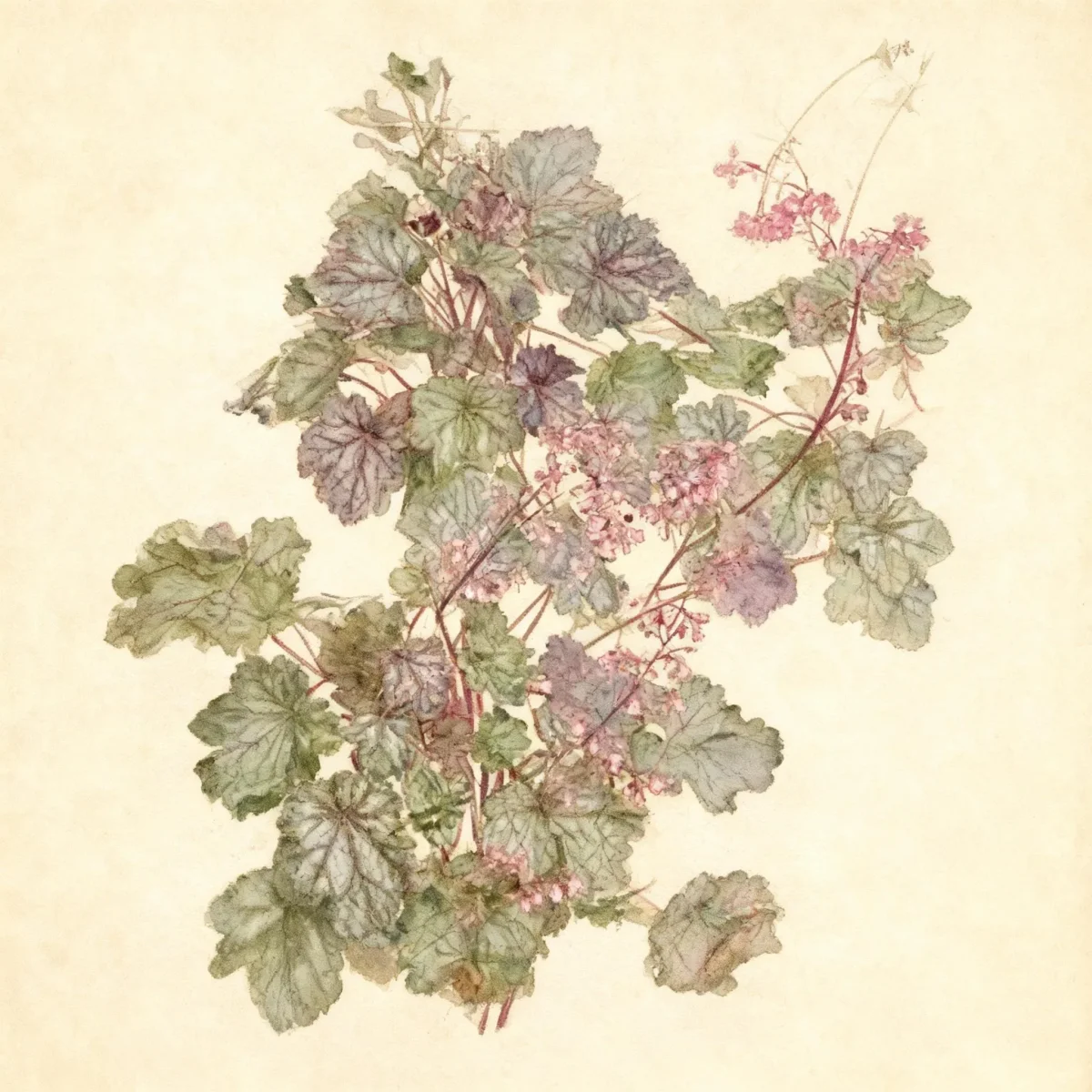
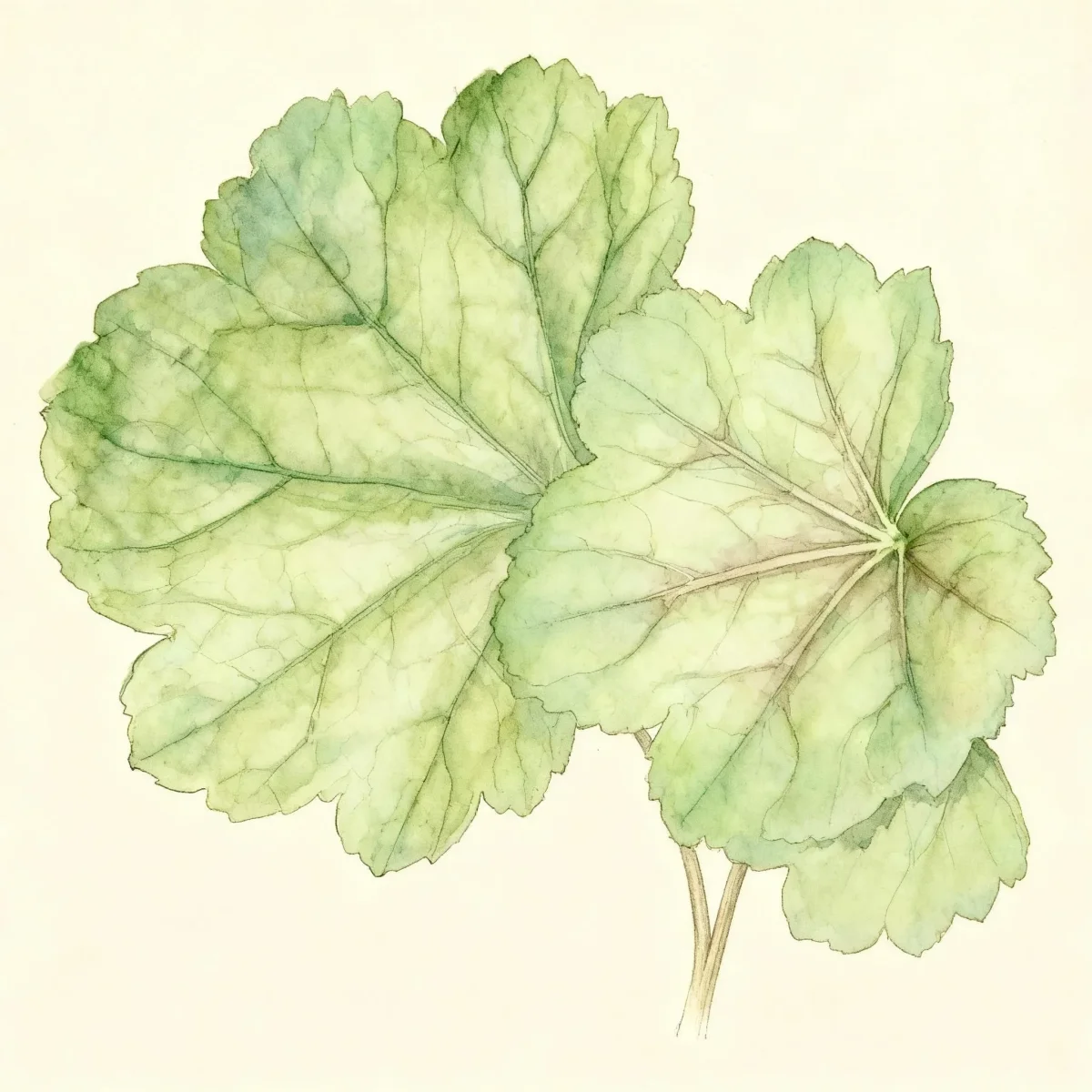
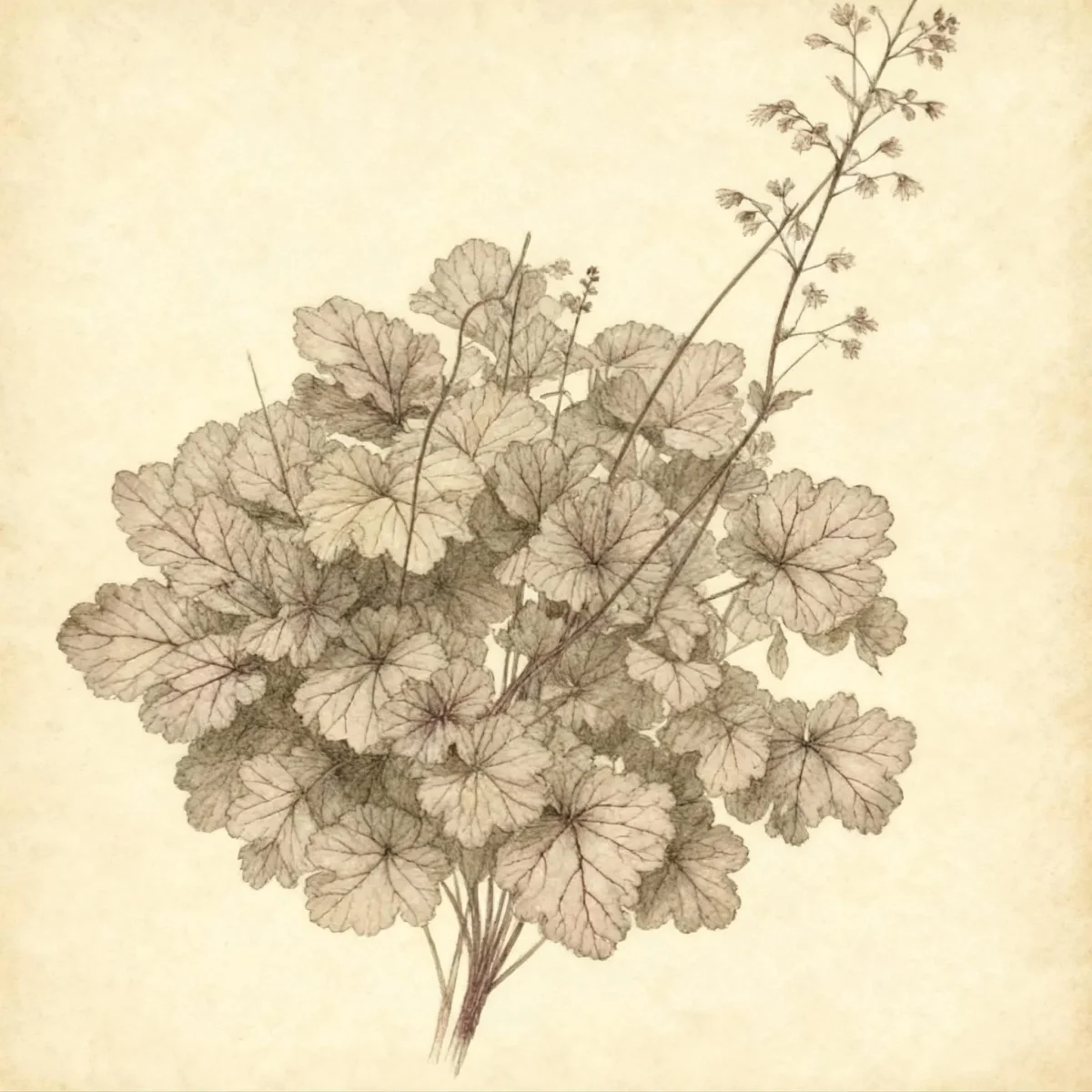
Heuchera ‘Pinot Gris’, known commonly as Coral bells, is celebrated for its exceptional, season-long foliage display. This compact, vigorous cultivar develops a basal mound of deeply lobed leaves that emerge ginger, transform to smoky rose with a heavy silver overlay, and feature deep purple undersides. While the foliage is the primary draw, Heuchera ‘Pinot Gris’ also offers spikes of tiny white flowers during the summer months.
As a hardy herbaceous perennial, this variety provides consistent texture and color, making it dependable across USDA Zones 4 through 9. Understanding its parentage helps tailor its culture, though many hybrid Coral bells have unknown origins. Generally, ensuring proper drainage and consistent moisture is key to the success of Heuchera ‘Pinot Gris’.
Gardeners prize these plants for their adaptability in various settings, whether massed for impact or used as elegant edging. The reliable nature of these Coral bells ensures you get structure and subtle beauty throughout the year.
Fast Facts
- Plant Family: Saxifragaceae
- Plant Type: Herbaceous perennial
- Hardiness Zones: USDA Zones 4-9
- Size at Maturity:
- Height: 0.75-1.5 ft
- Spread: 0.75-1 ft
- Bloom Time: June to July
- Bloom Description: White
- Sun Exposure: Full sun to part shade
- Water Needs: Medium
- Maintenance Level: Medium
How to Grow
Planting Heuchera ‘Pinot Gris’ is best achieved in spring or fall when conditions are moderate. These Coral bells thrive in organically rich, humusy soils that maintain medium moisture but are exceptionally well-drained. While some hybrids tolerate full sun, especially in cooler northern regions, most benefit from afternoon shade to prevent leaf scorch, particularly in hotter southern locations.
Consistent watering is crucial, especially if Heuchera ‘Pinot Gris’ receives more direct sunlight. Avoid allowing soils to dry out entirely, as this can lead to foliage decline. Remove the slender stems bearing faded flowers to encourage any potential repeat blooming.
In cold winter climates, the amount of retained foliage color depends on temperature severity. Apply a winter compost mulch only after the ground freezes solid to prevent root heaving. For clump maintenance, divide your Heuchera ‘Pinot Gris’ every three to four years during the spring to rejuvenate the plant and control size.
Landscape Uses
Coral bells are incredibly versatile, serving effectively as textural anchors in various garden designs. Heuchera ‘Pinot Gris’ looks stunning when massed together along a curving border or pathway, establishing a low, colorful ground plane that stands out against green backdrops. Their tidy, mounding habit also makes them ideal edgers where a short, neat block of color is required.
Consider planting this cultivar near structural elements like low retaining walls or within rock gardens, where the excellent drainage mimics their preferred native habitat. For woodland settings, plant them beneath open canopies where they receive dappled light throughout the day.
When planning companions, select plants that share similar moisture and sun needs, such as hostas, ferns, or low-growing groundcovers. The unique smoky rose color of Heuchera ‘Pinot Gris’ pairs beautifully with silvery foliage or deep purples, creating sophisticated color combinations.
Standout Features
Flower Qualities
- Showy
Noteworthy Characteristics
Heuchera, including cultivars like Heuchera ‘Pinot Gris’, is native to North America and spans many habitats, from woodland floors to rocky cliffs. Modern hybrids feature vastly expanded leaf color pallets compared to their species ancestors. The specific characteristics of ‘Pinot Gris’ include its compact size and striking foliage that shifts from light brown/ginger tones to smoky rose.
Tolerances
- Frost heaving of roots may occur when winter temperatures fluctuate widely.
Potential Problems
Frost heaving is a primary concern if winter temperatures fluctuate significantly; applying a compost mulch after the ground freezes helps stabilize the root zone. Be vigilant for disease issues such as powdery mildew, rust, and bacterial leaf spot, which often signal excessive humidity or poor air circulation. Insect pests like weevils and foliar nematodes can occasionally target the foliage, requiring targeted, timely intervention.
Frequently Asked Questions
What hardiness zones is Coral bells suitable for?
This variety, Heuchera ‘Pinot Gris’, is typically suitable for USDA Zones 4-9.
How large does Coral bells grow?
Heuchera ‘Pinot Gris’ generally achieves a spread between 0.75 and 1 foot wide, with heights ranging from 0.75 to 1.5 feet.
What sun exposure does Heuchera ‘Pinot Gris’ need?
This Coral bells cultivar prefers full sun to part shade, though afternoon shade is often beneficial in warmer climates.
When does Heuchera ‘Pinot Gris’ bloom?
Tiny white flowers appear on Heuchera ‘Pinot Gris’ in spires mainly from June to July.
Conclusion
The rich, ever-changing foliage of Heuchera ‘Pinot Gris’ provides unmatched textural interest for the shade or partial-sun garden. Its reliable performance as a Coral bells cultivar makes it an essential architectural component. Check your local hardiness zone compatibility now and plan to incorporate this low-maintenance perennial into your landscape this coming spring or fall.
Companion Planting
Selecting appropriate companions ensures that Heuchera ‘Pinot Gris’ thrives alongside plants sharing similar cultural requirements. Look for shade-loving perennials with contrasting textures, such as fine-leafed ferns or plants with broader, flatter leaves like Hosta cultivars that prefer similar medium moisture levels.
Grouping Coral bells helps create a dense, weed-suppressing ground cover effect, enhancing the visual impact of their unique leaf patterns. Ensure companion plants do not aggressively compete for root space or block air circulation entirely, which can exacerbate fungal issues in humidity.
Propagation Tips
The easiest method for propagating Heuchera ‘Pinot Gris’ is by division, as hybridizing from seed is unreliable for replicating the exact parent traits. Wait until spring when new growth is actively emerging for the best results. Gently lift the entire clump with a spade, ensuring you take care not to damage the crown too severely.
Divide the root ball into sections, making sure each division has a healthy set of roots and several viable crowns or growth points. Replant these divisions immediately into prepared, enriched soil at the same depth they were previously growing. Keep the newly separated Heuchera ‘Pinot Gris’ consistently moist for several weeks to encourage rapid establishment.