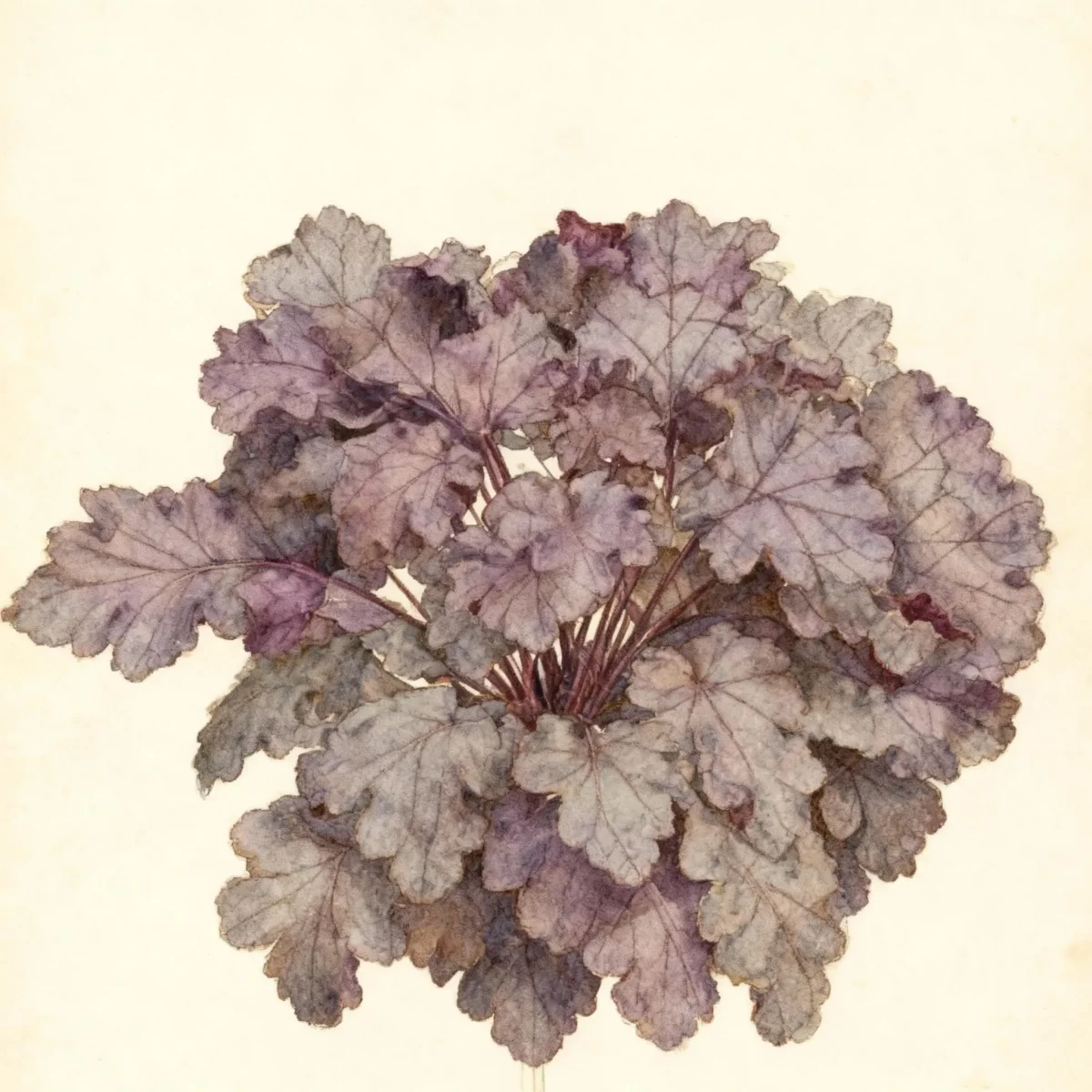
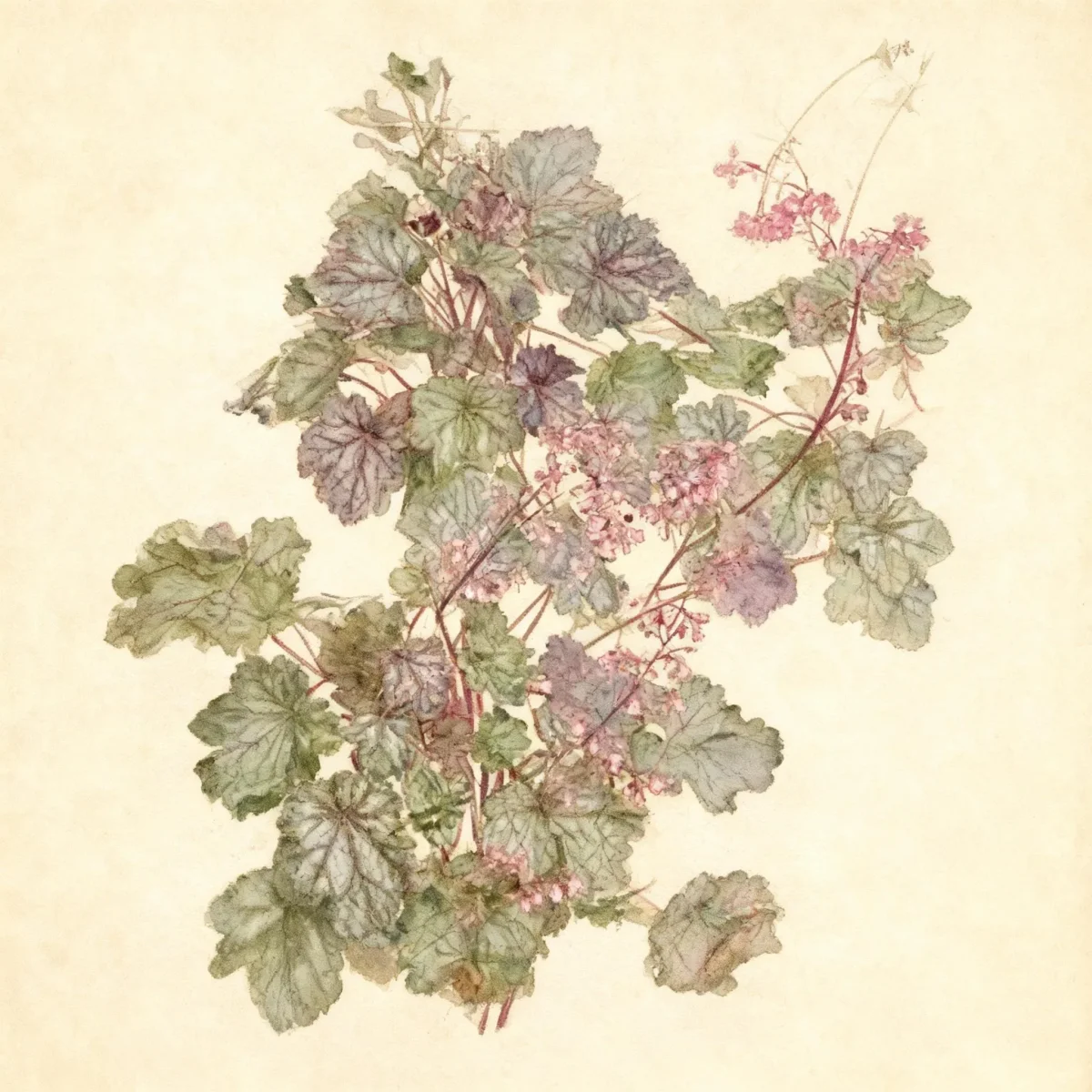
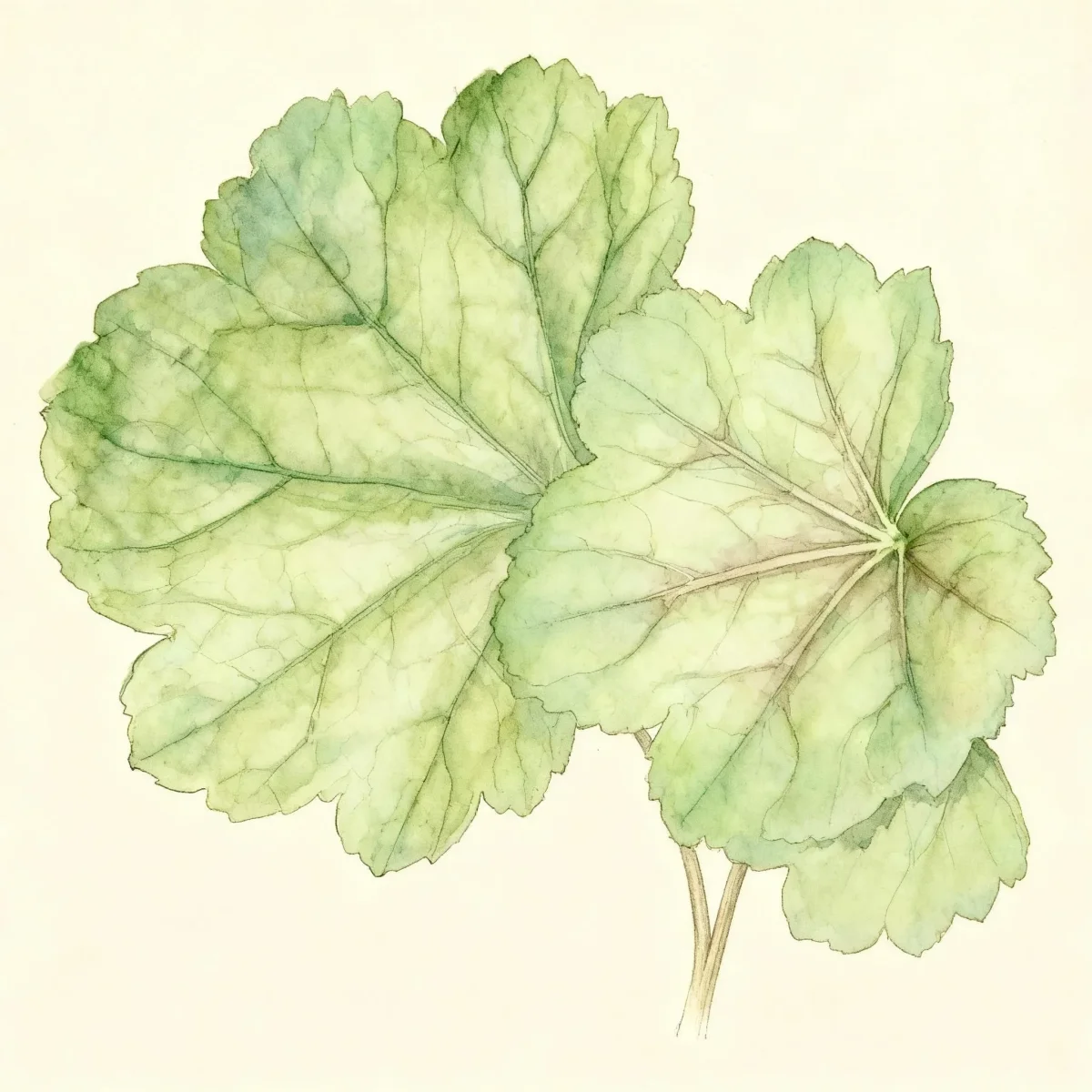
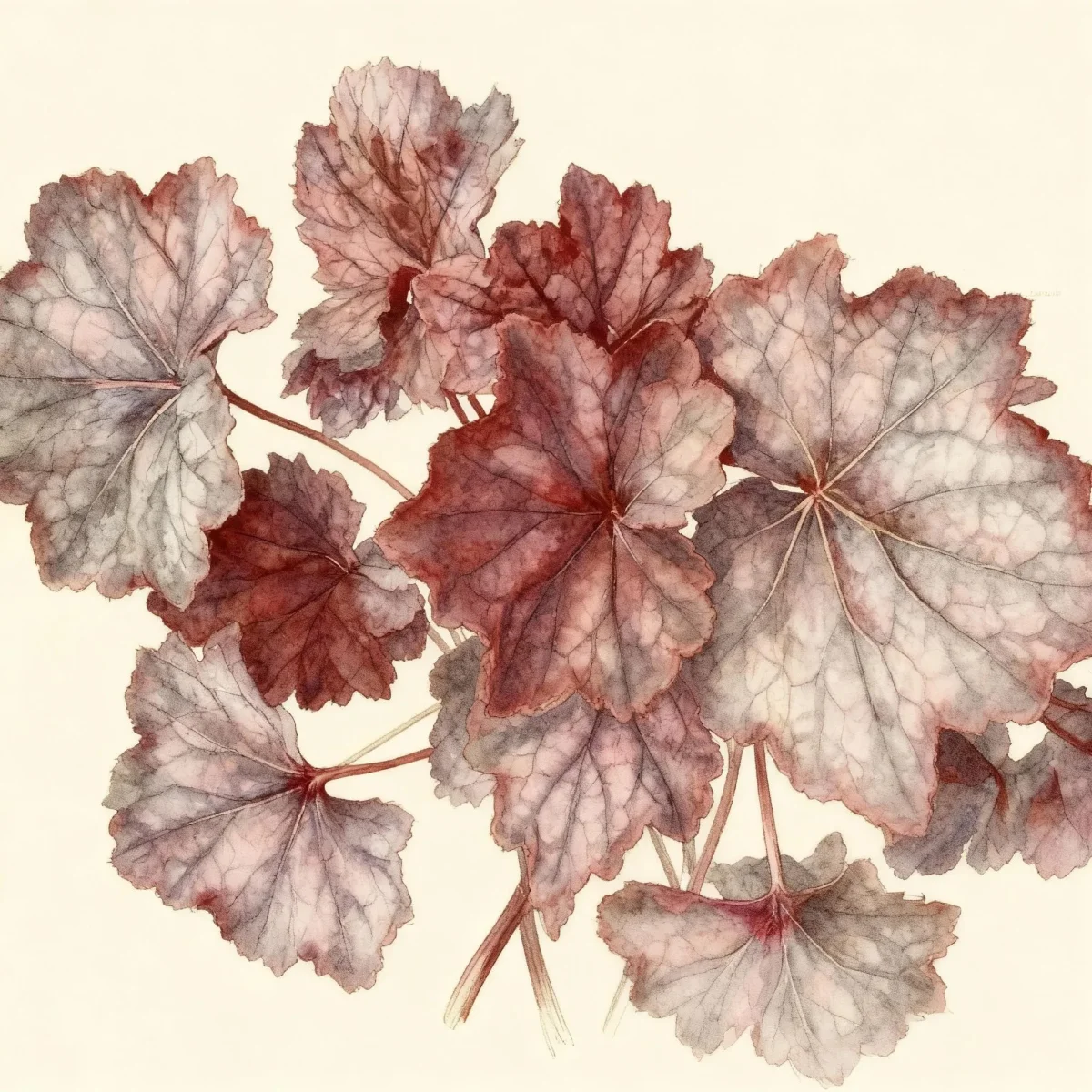
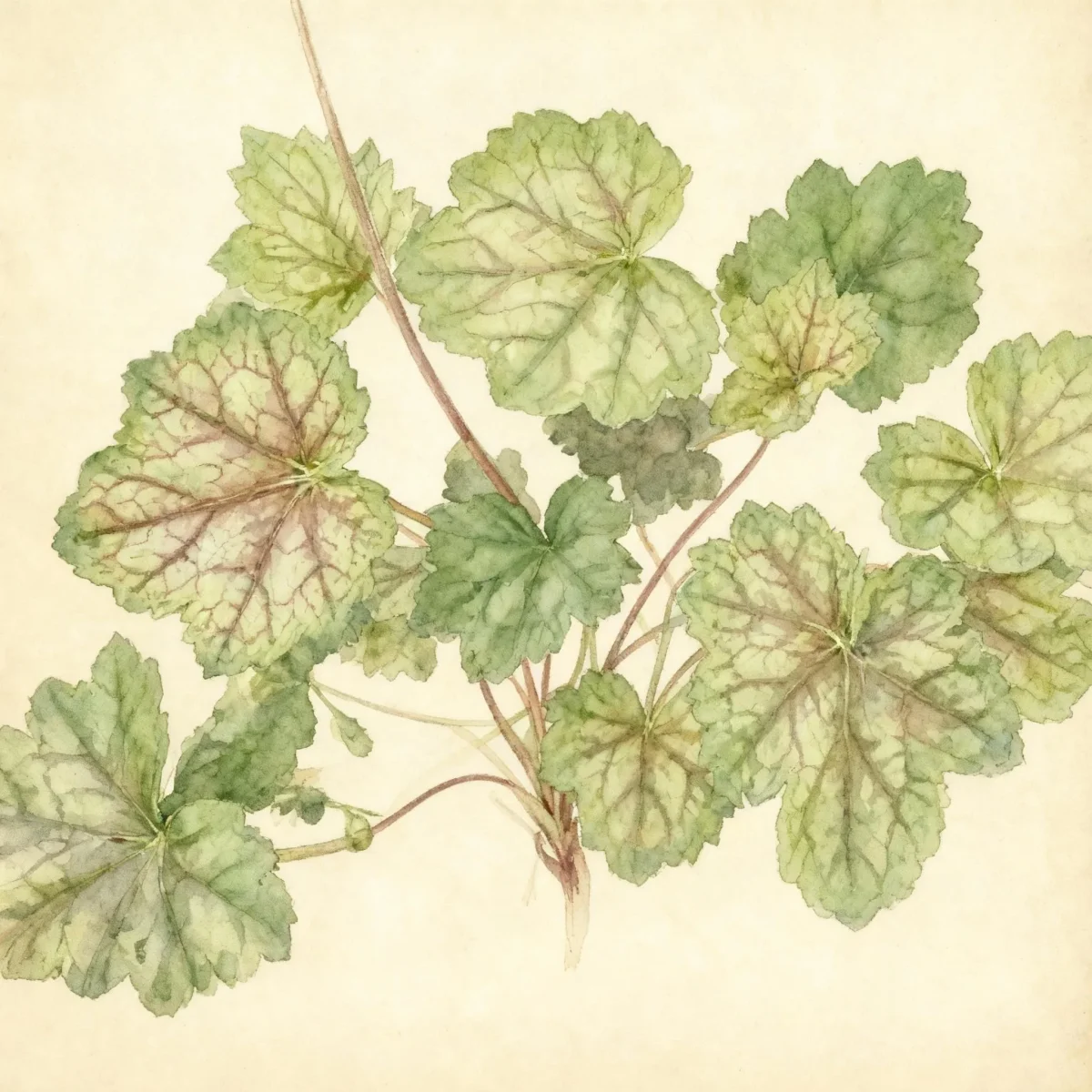
Coral bells (Heuchera 'Citronelle')
Heuchera 'Citronelle' Coral bells offer vibrant yellow-green foliage thriving from sun to part shade. Medium maintenance perennial.
Scroll down to discover growing tips, care requirements, companion plants, and more
Complete Plant Information
Overview
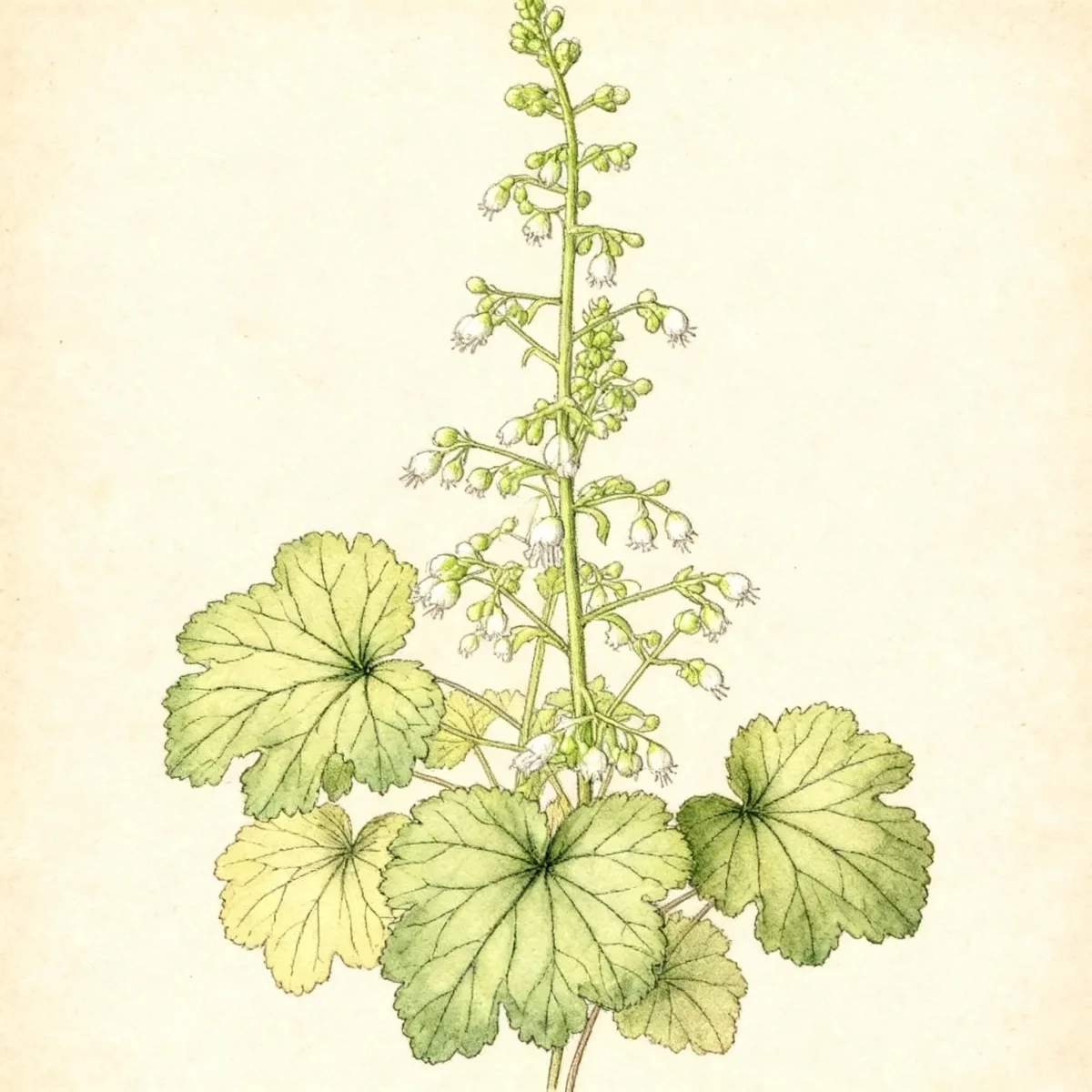
Heuchera ‘Citronelle’, a valuable cultivar often known as Coral bells, stands out due to its vigorous, clump-forming habit and striking yellow-green foliage set against contrasting rosy red petioles. This plant was discovered as a sport of ‘Caramel’ and offers excellent landscape texture throughout the growing season. Its robust nature, partially inherited from H. Villosa parentage, makes Heuchera ‘Citronelle’ notably tolerant of hot and humid summers compared to many other varieties.
The compact mounds of lobed, crenate leaves form a beautiful basal display, reaching up to 6 inches tall, with modest spires of tiny, creamy white flowers appearing in early summer amidst the foliage. While the flowers are present, the primary ornamental value of this Coral bells cultivar is undeniably its consistent leaf color.
This evergreen to semi-evergreen perennial offers essential color in borders and rock gardens. Gardeners prize Coral bells for its reliability and its ability to provide year-round foliage color, especially in warmer climates where foliage remains effective throughout winter.
Fast Facts
- Plant Family: Saxifragaceae
- Plant Type: Herbaceous perennial
- Hardiness Zones: USDA Zones 4-8
- Size at Maturity:
- Height: 0.5-1 ft
- Spread: 0.75-1.5 ft
- Bloom Time: June to July
- Bloom Description: Creamy white
- Sun Exposure: Full sun to part shade
- Water Needs: Medium
- Maintenance Level: Medium
How to Grow
The ideal location for Heuchera ‘Citronelle’ balances morning sun with protection from intense afternoon heat, especially in warmer zones. Coral bells thrive best when planted in organically rich, humusy soil that retains medium moisture but remains consistently well-drained. If you decide to place Heuchera ‘Citronelle’ in full sun, maintaining consistent soil moisture is critical, as letting the soil dry out can quickly lead to scorch and foliage decline.
Watering should be methodical, aiming for even moisture rather than cycles of drought and saturation. Pruning primarily involves maintenance: remove the slender stems bearing faded creamy white flowers to potentially encourage a repeat flush of small blooms. Heuchera ‘Citronelle’ is visually impressive when the foliage remains largely intact through winter in warmer climates.
In regions experiencing deep freezes, apply a compost mulch after the ground has frozen solid. This vital step helps prevent root heaving caused by fluctuating winter temperatures. Plan to divide clumps of these Coral bells every three to four years during the spring to maintain vigor and prevent overcrowding.
Landscape Uses
Heuchera ‘Citronelle’ is exceptionally versatile in landscape design due to the bright color contrast provided by its yellow-green leaves and red stems. These plants look excellent when massed together to create a broad swath of bright color along a stretch of walkway. They are particularly prized for softening the hard edges of patios or paths, serving effectively as an edger.
Consider using this cultivar in rock gardens where the texture of its mound contrasts nicely with coarse stone, or incorporate it into woodland borders where dappled light mimics its native habitat. While their flowers are secondary, the foliage ensures that Heuchera ‘Citronelle’ contributes year-round interest to mixed perennial beds, setting off darker foliage plants beautifully.
Standout Features
Flower Qualities
- Showy
Noteworthy Characteristics
Heuchera, commonly called coral bells or alumroot, belongs to a genus of about 55 North American evergreen to semi-evergreen herbaceous perennials. The genus shows incredible diversity in native habitats, from prairies to rocky cliffs. Hybrid cultivars like ‘Citronelle’ expand on the available leaf colors, though this specific Coral bells cultivar is noted for its foliage, which is less prone to scorching thanks to H. Villosa in its background. Tiny, creamy white flowers do emerge in summer on slender spires topping the bright foliage mound.
Tolerances
Potential Problems
A primary cultural concern for Heuchera ‘Citronelle’ involves frost heaving; roots can be pushed above the soil line if winter temperatures fluctuate frequently. Monitor for fungal diseases such as powdery mildew and rust, as well as bacterial leaf spot, especially in overly humid or poorly drained conditions. Insect pests like weevils and foliar nematodes can occasionally cause issues, though generally, this variety proves resilient. Ensure good air circulation and proper drainage to minimize disease pressure.
Frequently Asked Questions
What hardiness zones is Coral bells suitable for?
Heuchera ‘Citronelle’ is hardy and suitable for USDA Zones 4 through 8.
How large does Coral bells grow?
This compact cultivar typically reaches a height between 0.5 and 1 foot tall, spreading between 0.75 and 1.5 feet wide.
What sun exposure does Heuchera ‘Citronelle’ need?
This cultivar prefers full sun to part shade, but gardeners in hotter climates should aim for afternoon shade to prevent leaf scorch.
When does Heuchera ‘Citronelle’ bloom?
Coral bells bloom usually span from June into July, producing small, creamy white flowers.
Conclusion
Heuchera ‘Citronelle’ is an essential plant for gardeners due to its vigorous, season-long foliage display and relatively good heat tolerance, earning its place among the best Coral bells varieties. Utilizing the bright yellow-green leaves of Heuchera ‘Citronelle’ adds dynamic contrast to mixed borders. Before planting, confirm that your garden site provides the medium moisture and well-drained soil conditions required for this stunning herbaceous perennial.
Companion Planting
When selecting companions for your Heuchera ‘Citronelle’, focus on plants that share moderate water needs and appreciate similar light levels. Darker, fine-textured foliage creates a fantastic contrast against the bright leaves of this Coral bells. Consider pairing it with dark purple Hosta varieties, or low-growing groundcovers such as Japanese Forest Grass (Hakonechloa macra). Hostas and ferns thrive in the part-shade conditions that often suit Heuchera best, ensuring a rich, multi-layered woodland garden effect.
Propagation Tips
Since Heuchera ‘Citronelle’ is a hybrid cultivar, it must be propagated vegetatively to retain its specific characteristics, as seed production is unreliable for uniformity. The most effective method is division of the established clumps, which should be undertaken in spring every three to four years. Carefully dig up the clump, gently tease apart the rooted sections, ensuring each new division has several healthy growing points. Replant these divisions immediately at the same depth as the parent plant to encourage rapid re-establishment.