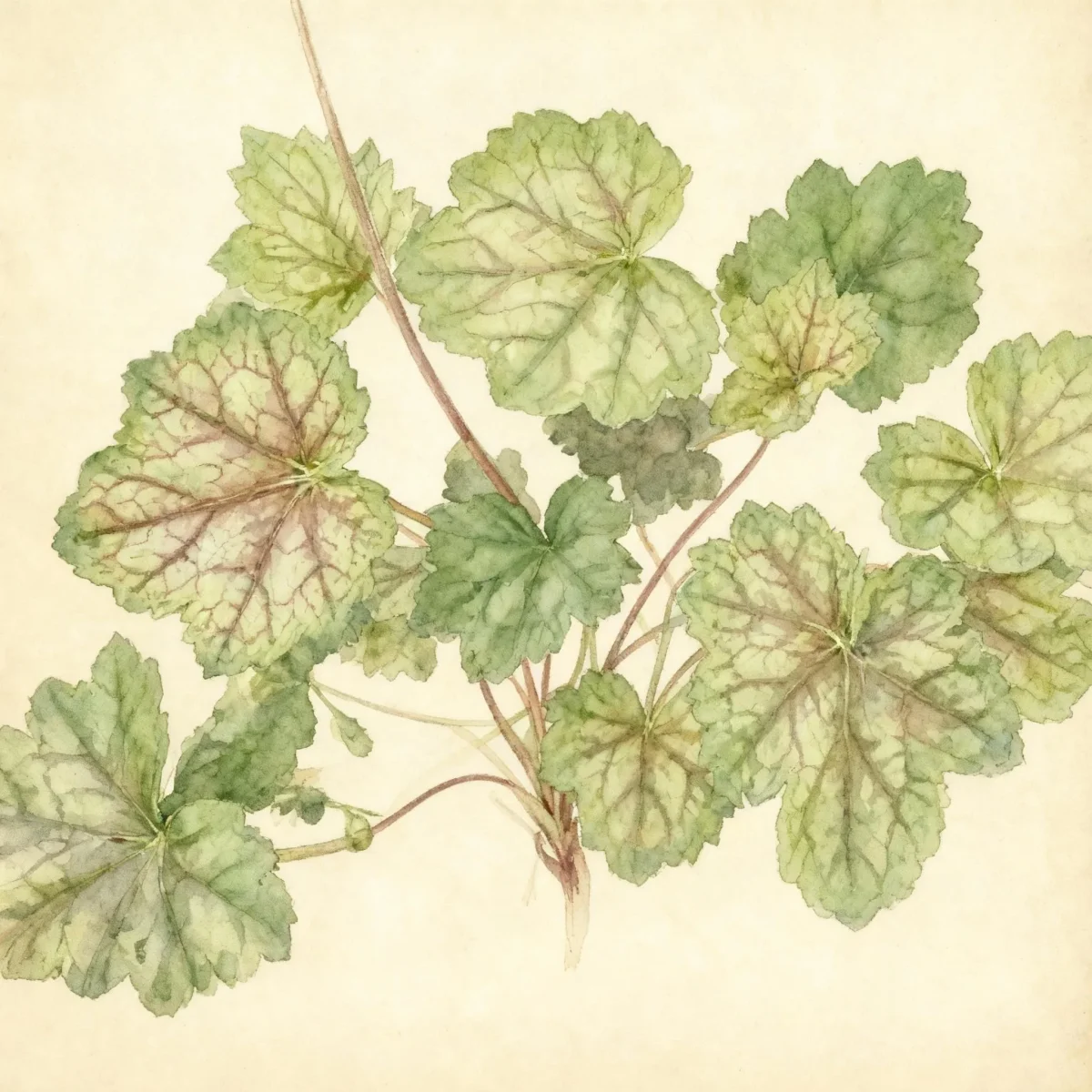
Coral bells (Heuchera 'Christa')
Vibrant Heuchera 'Christa' coral bells offer rose-purple to peach foliage and summer pink blooms, thriving in zones 4-9.
Scroll down to discover growing tips, care requirements, companion plants, and more
Complete Plant Information
Overview
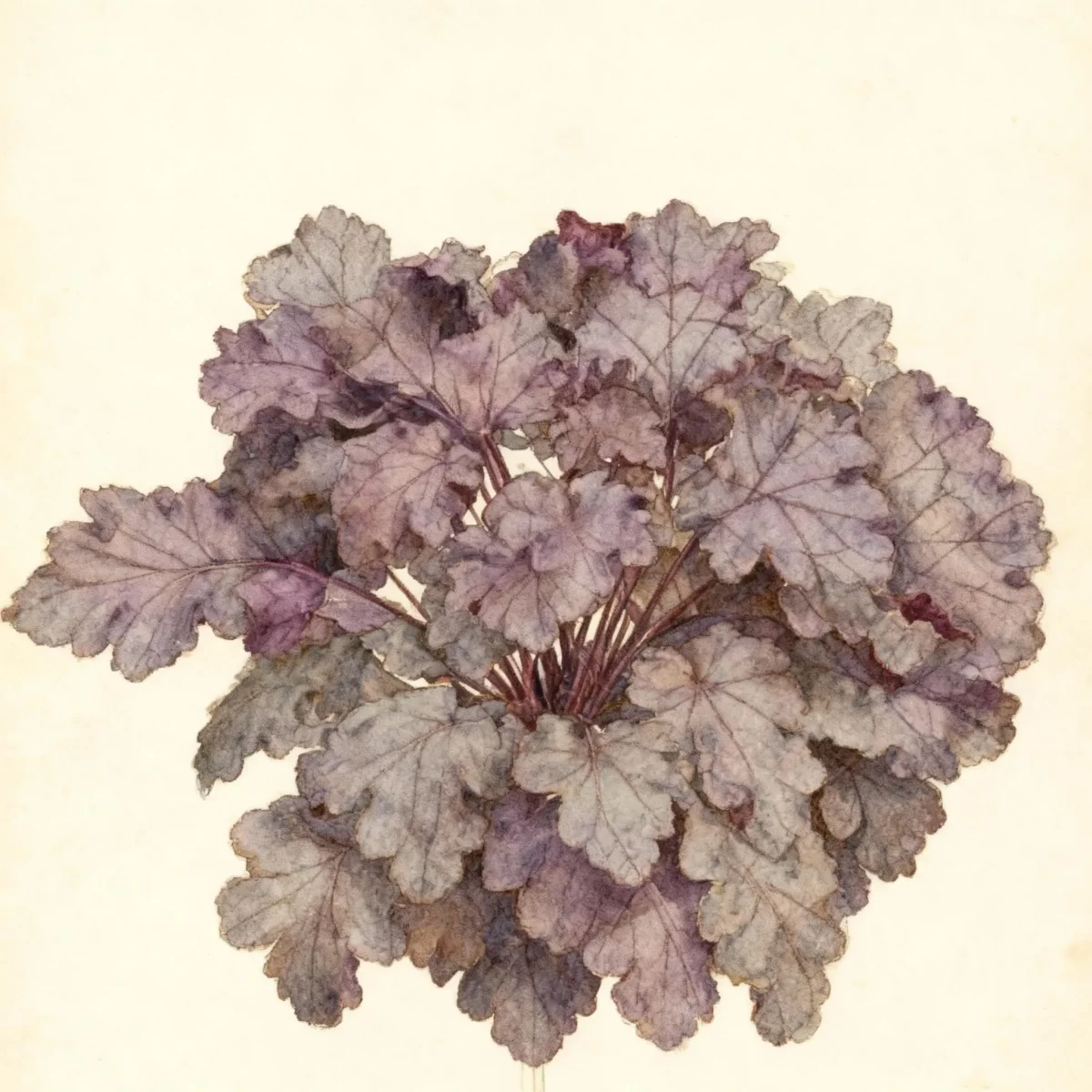
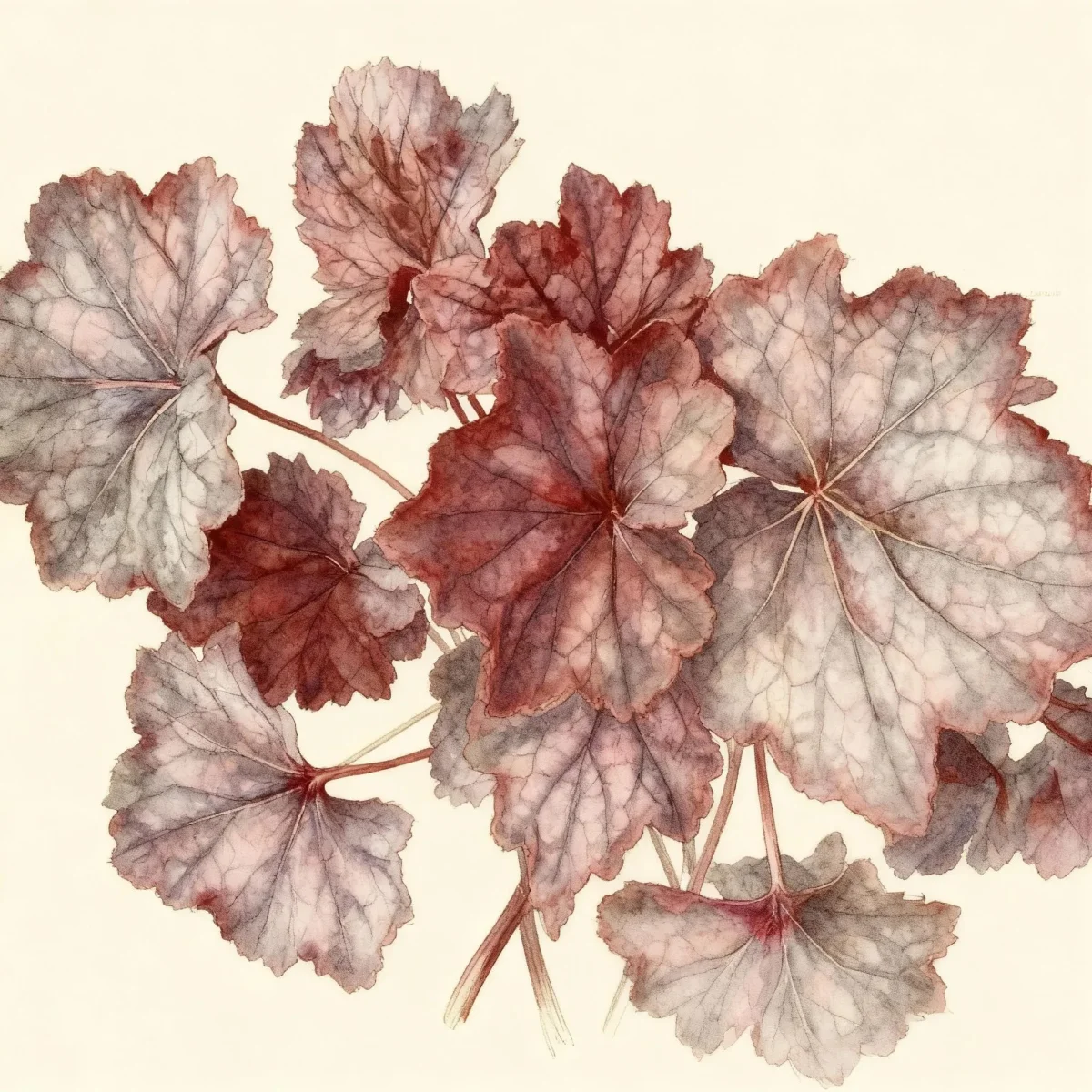
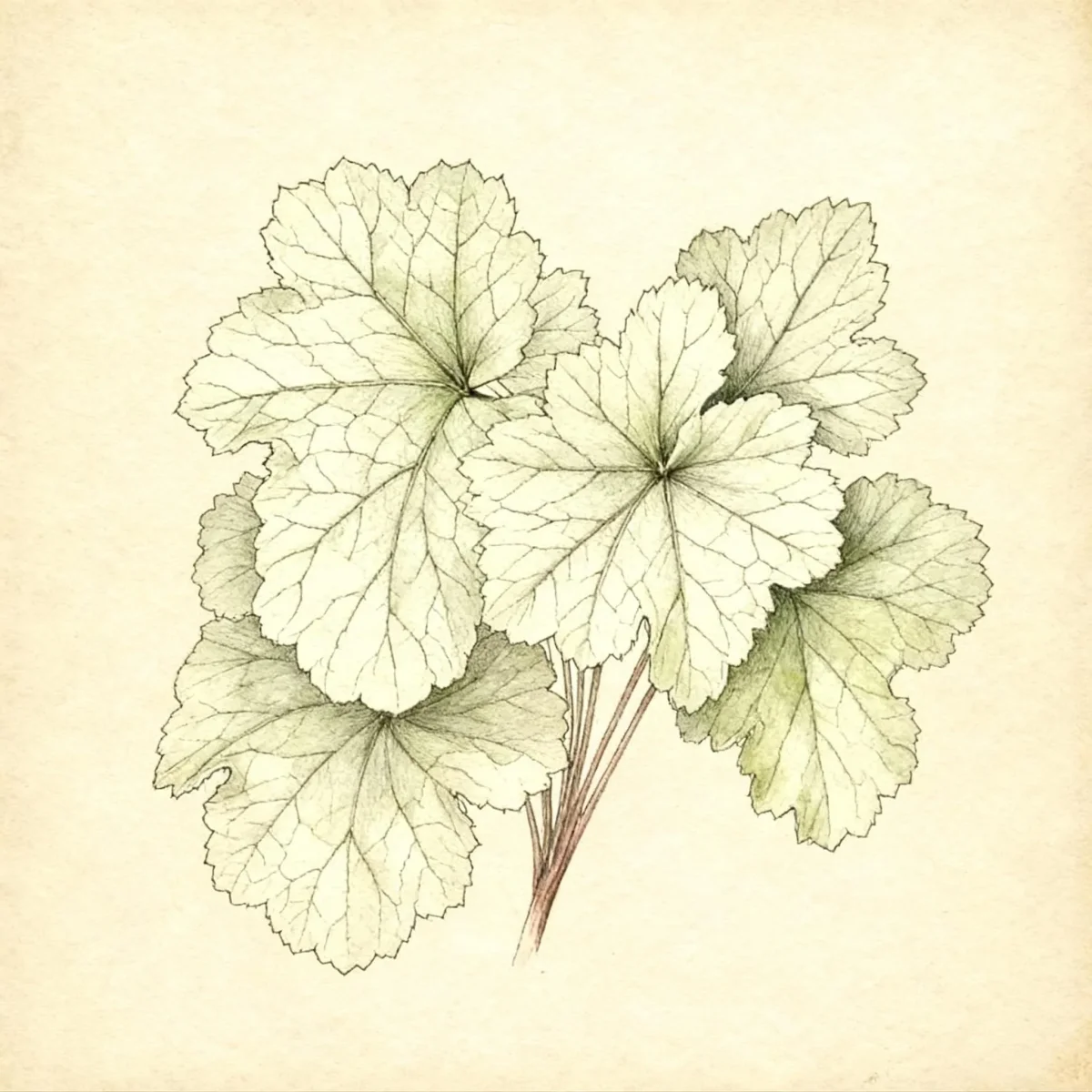
Heuchera ‘Christa’, commonly known as coral bells, is a prized herbaceous perennial valued for its distinctive, compact foliage mounding habit well into the colder months. This cultivar showcases rose-purple leaves that transition to a lovely peach shade overlaid with a silvery sheen, providing season-long textural interest in the landscape. As a vigorous hybrid, Heuchera ‘Christa’ exhibits superior tolerance to hot and humid summers, thanks in part to its H. Villosa lineage.
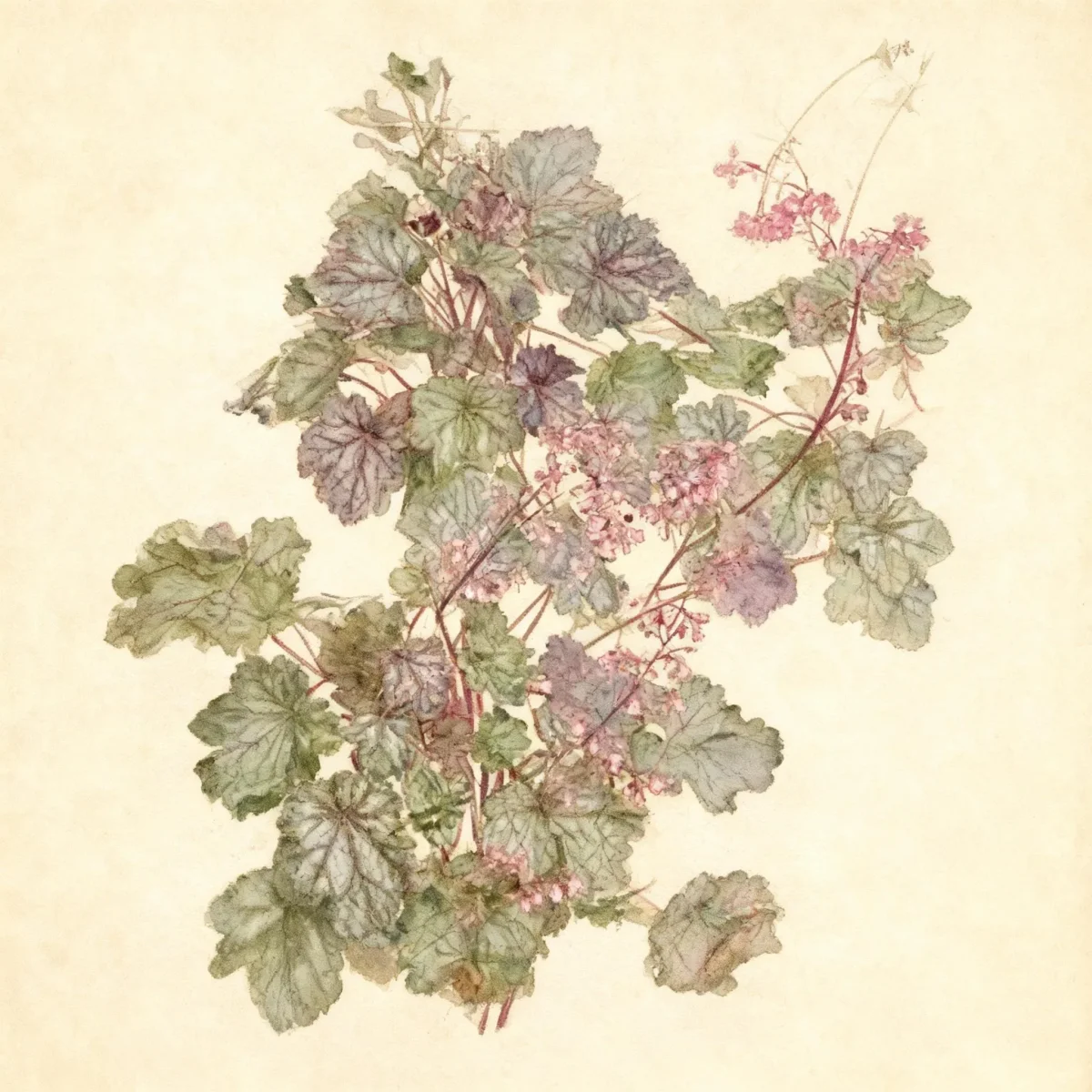
These reliable coral bells produce dainty, bell-shaped pink flowers borne on slender stems during the summer months, generally blooming slightly later than many other Heuchera varieties. The combination of colorful, textured leaves and delicate flowers makes Heuchera ‘Christa’ a versatile choice for adding depth and continuous color to shaded or semi-shaded garden beds.
Growers appreciate this perennial for its evergreen nature in warmer regions and its relatively straightforward care requirements, offering significant ornamental value with medium maintenance. Ensuring proper drainage is key to maximizing the beauty of Heuchera ‘Christa’ throughout its hardiness range in Zones 4 to 9.
Fast Facts
- Plant Family: Saxifragaceae
- Plant Type: Herbaceous perennial
- Hardiness Zones: USDA Zones 4-9
- Size at Maturity:
- Height: 0.75-1 ft
- Spread: 0.75-1 ft
- Bloom Time: June to July
- Bloom Description: Pink
- Sun Exposure: Full sun to part shade
- Water Needs: Medium
- Maintenance Level: Medium
How to Grow
Planting coral bells is best achieved when the soil is workable, typically in spring or fall, ensuring the location offers humusy, organically rich soil with excellent drainage. While Heuchera ‘Christa’ appreciates part shade, especially gaining protection from harsh afternoon sun in hotter climates, some sun exposure is tolerated, particularly in cooler northern areas. Consistent moisture is vital if grown in full sun conditions, as drying soil can lead to foliar scorch and decline.
Caring for Heuchera ‘Christa’ involves maintaining medium moisture; allow the soil to approach dryness between drinks but avoid letting it fully desiccate. As a hybrid, pruning often centers on aesthetics; remove the faded flower stems to potentially encourage a second flush of bloom. Foliage often remains mostly evergreen, but in severe cold, color retention will vary depending on winter severity.
Prepare your clumps for winter by applying a compost mulch only after the ground has frozen solid to prevent damaging root heaving caused by freeze-thaw cycles. To maintain vigor, plan to divide the clumps of Heuchera ‘Christa’ every three to four years during the spring season.
Landscape Uses
Coral bells excel when utilized as impactful edging along pathways or tucked into the defined lines of borders, where their foliage can be appreciated up close. Heuchera ‘Christa’ performs exceptionally well when massed or planted in small groups, creating broad swaths of peach and rose color beneath taller shrubs.
Due to their woodland heritage and preference for dappled light, these plants integrate beautifully into open woodland garden designs, mimicking their native, slightly sheltered habitats. They are also excellent candidates for rock gardens where sharp drainage is naturally provided. Consider pairing them with hostas, ferns, or groundcover epimediums that share similar partial shade and moisture requirements for a cohesive look.
Standout Features
Flower Qualities
- Showy
Noteworthy Characteristics
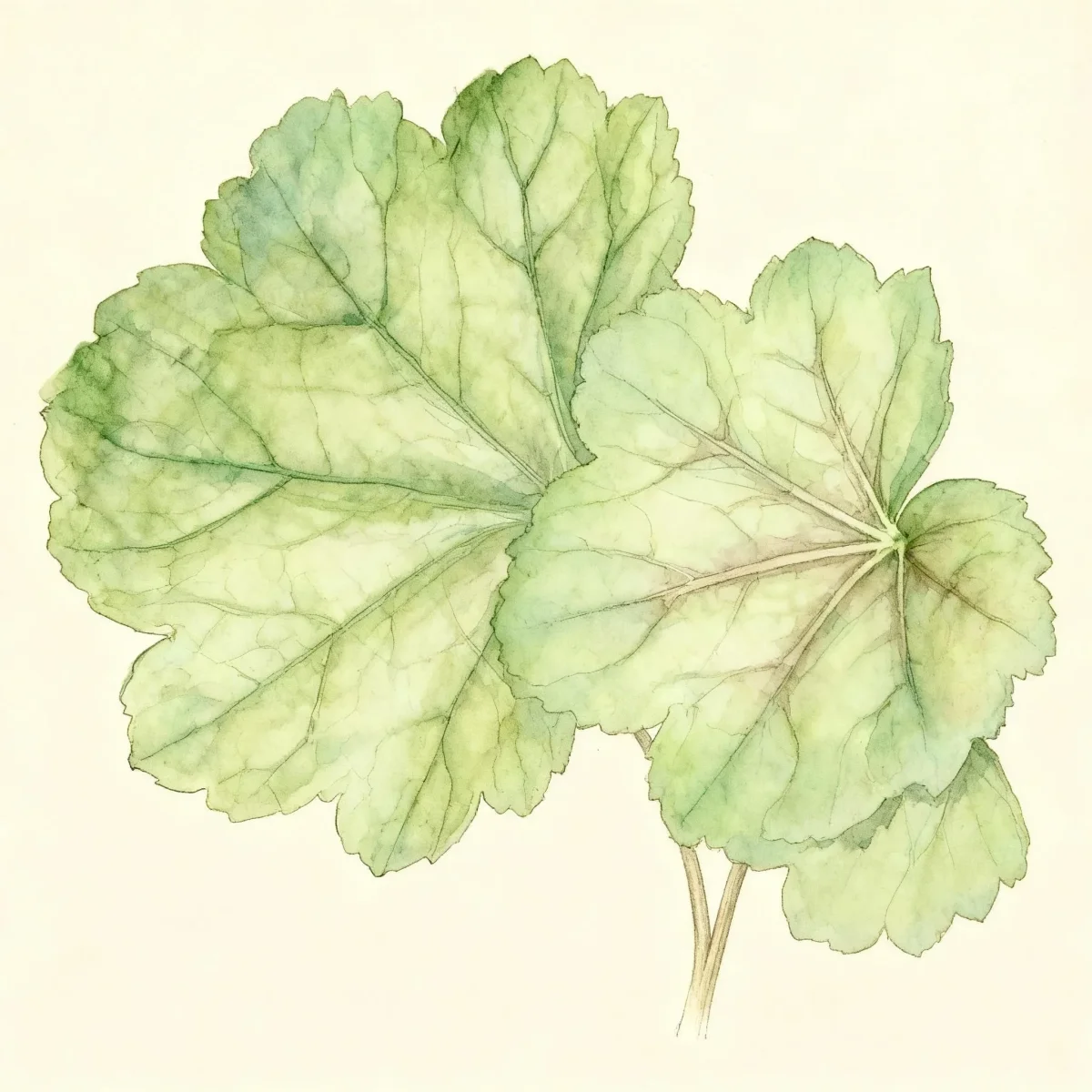
Heuchera, commonly called coral bells or alumroot, belongs to a genus featuring about 55 evergreen to semi-evergreen North American native perennial species found in diverse habitats like woodlands and prairies. Hybrid coral bells, like Heuchera ‘Christa’, boast an expanded palette of leaf colors ranging from bronze to red and silver-black, frequently displaying intricate variegations or contrasting veins. Cultivar ‘Christa’ is specifically noted for being robust and compact, presenting basal mounds primarily of rose-purple foliage that shifts to a silvery peach tone as it matures before sending up its unique, later-blooming pink flower spires.
Tolerances
Potential Problems
The primary physical risk for coral bells involves frost heaving, which occurs when fluctuating winter temperatures repeatedly thaw and refreeze the soil, pushing shallow roots upward. Culturally, Heuchera ‘Christa’ may face aesthetic issues like powdery mildew, rust, or bacterial leaf spot, especially in humid conditions or when air circulation is poor. Keep an eye out for insect pests such as weevils or the more microscopic foliar nematodes.
Good cultural practices significantly reduce these risks; ensure the soil drains freely and avoid overhead watering late in the day to keep foliage dry. Replacing faded flowers can look tidier, though it is often optional.
Frequently Asked Questions
What hardiness zones is Coral bells suitable for?
Heuchera ‘Christa’ is reliably hardy across USDA Zones 4 through 9.
How large does Heuchera ‘Christa’ grow?
This compact coral bells cultivar typically forms a mound reaching 0.75 to 1 foot in height and spreading to a similar width.
What sun exposure does Coral bells need?
Heuchera ‘Christa’ performs best in full sun to part shade settings; however, afternoon shade is highly recommended for the best foliage appearance, especially as summer temperatures rise.
When does Heuchera ‘Christa’ bloom?
This cultivar generally produces its lovely pink, bell-shaped flowers later in the season, typically from June through July.
Conclusion
The Heuchera ‘Christa’ coral bells is an outstanding choice for gardeners seeking durable foliage interest combined with late-season pink blooms. Its versatility and enhanced heat tolerance make this cultivar a reliable performer throughout moderate to warm summers in Zones 4-9. Evaluate your garden’s light levels and ensure excellent drainage before planting to enjoy vigorous clumps of Heuchera ‘Christa’ for years to come.
Companion Planting
Selecting effective companions involves grouping plants that share similar cultural needs, especially regarding soil moisture and light intensity. Since Heuchera ‘Christa’ thrives in humusy, well-drained soil and prefers dappled sunlight, pair it with shade-loving perennials. Good fits include Astilbe, which offers contrasting feathery texture, or various Hosta cultivars known for their diverse leaf shapes.
For areas receiving more sun in northern regions, consider low-growing Geraniums or hardy Sedums that can handle brighter conditions while complementing the compact structure of the Heuchera ‘Christa’. Using varying textures—fine leaves against the bold lobes of the coral bells—will amplify the visual appeal of any border utilizing this plant.
Propagation Tips
The standard and most reliable method for multiplying Heuchera ‘Christa’ is through division. As the clumps age, they may become woody or less vigorous in the center; dividing them revitalizes the plant. This task should be undertaken in early spring before significant new growth begins or immediately after flowering concludes.
Dig up the entire clump and gently separate the rhizomes into smaller sections, ensuring each division has a healthy set of roots and several healthy growth nodes or emerging shoots. Replant these divisions immediately at the same depth they were previously growing, firming the soil gently around them and providing a good initial watering to establish the new plants.