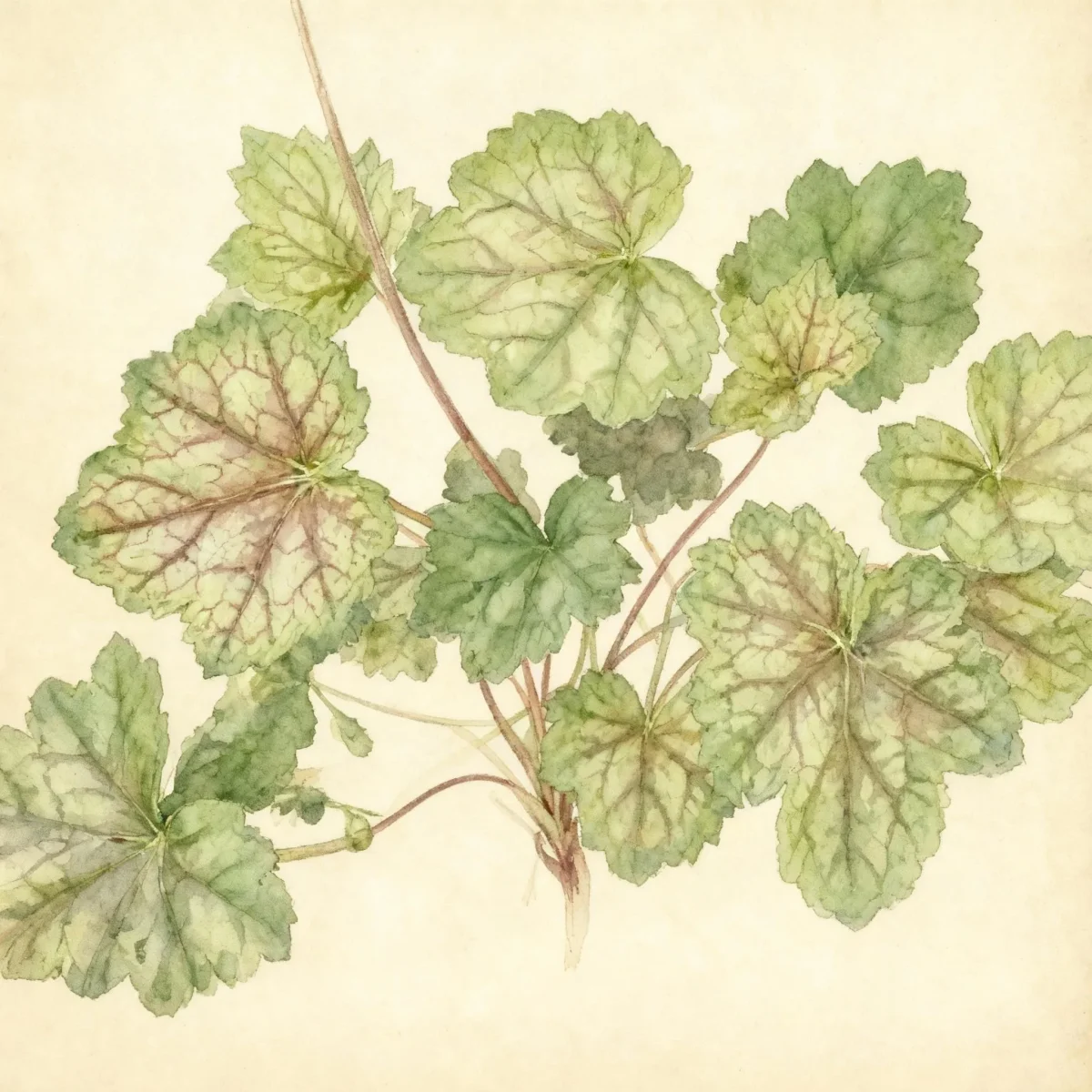
Coral bells (Heuchera 'Tiramisu')
Heuchera 'Tiramisu' coral bells offer stunning, season-changing foliage in zones 4-9, ideal for adding compact color.
Scroll down to discover growing tips, care requirements, companion plants, and more
Complete Plant Information
Overview
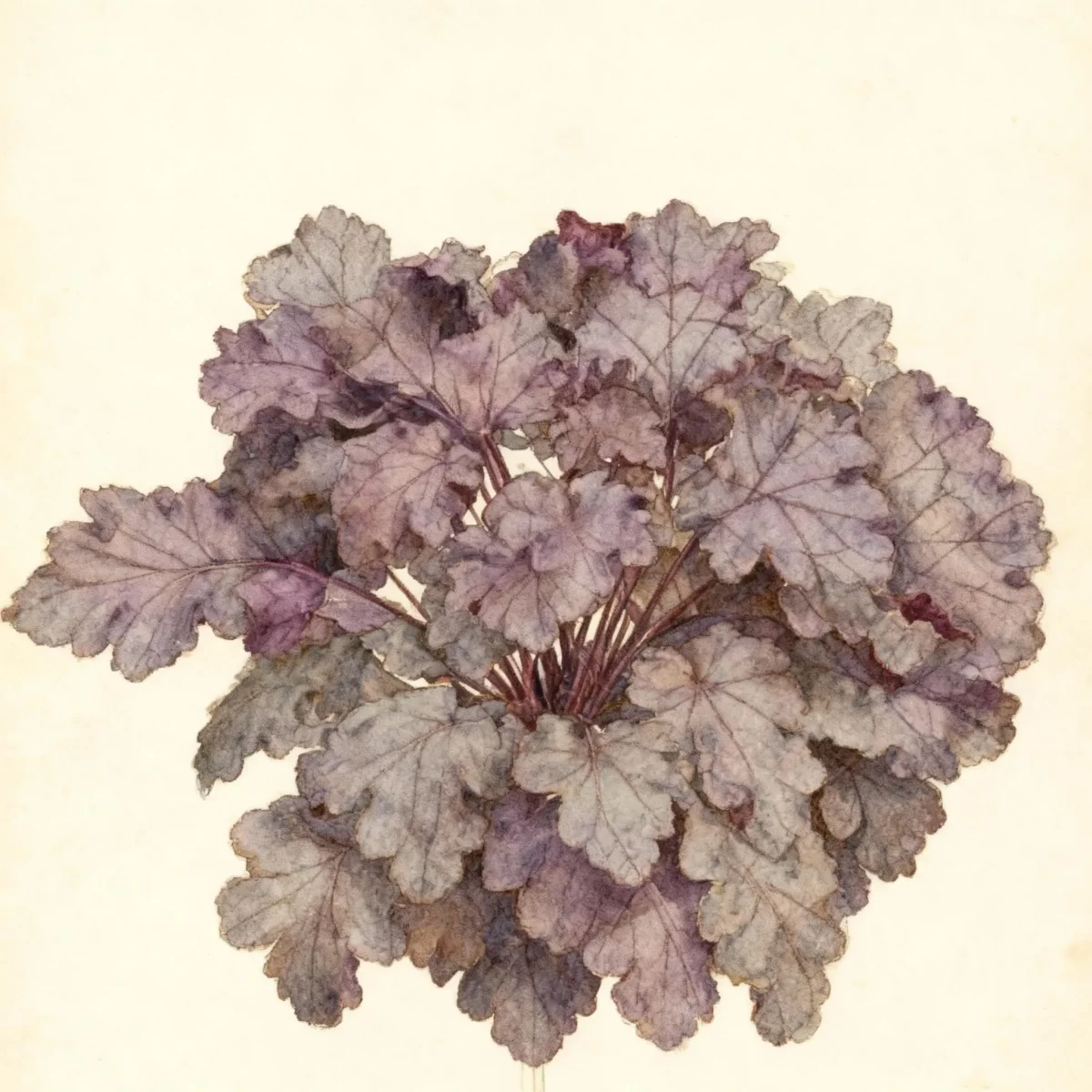
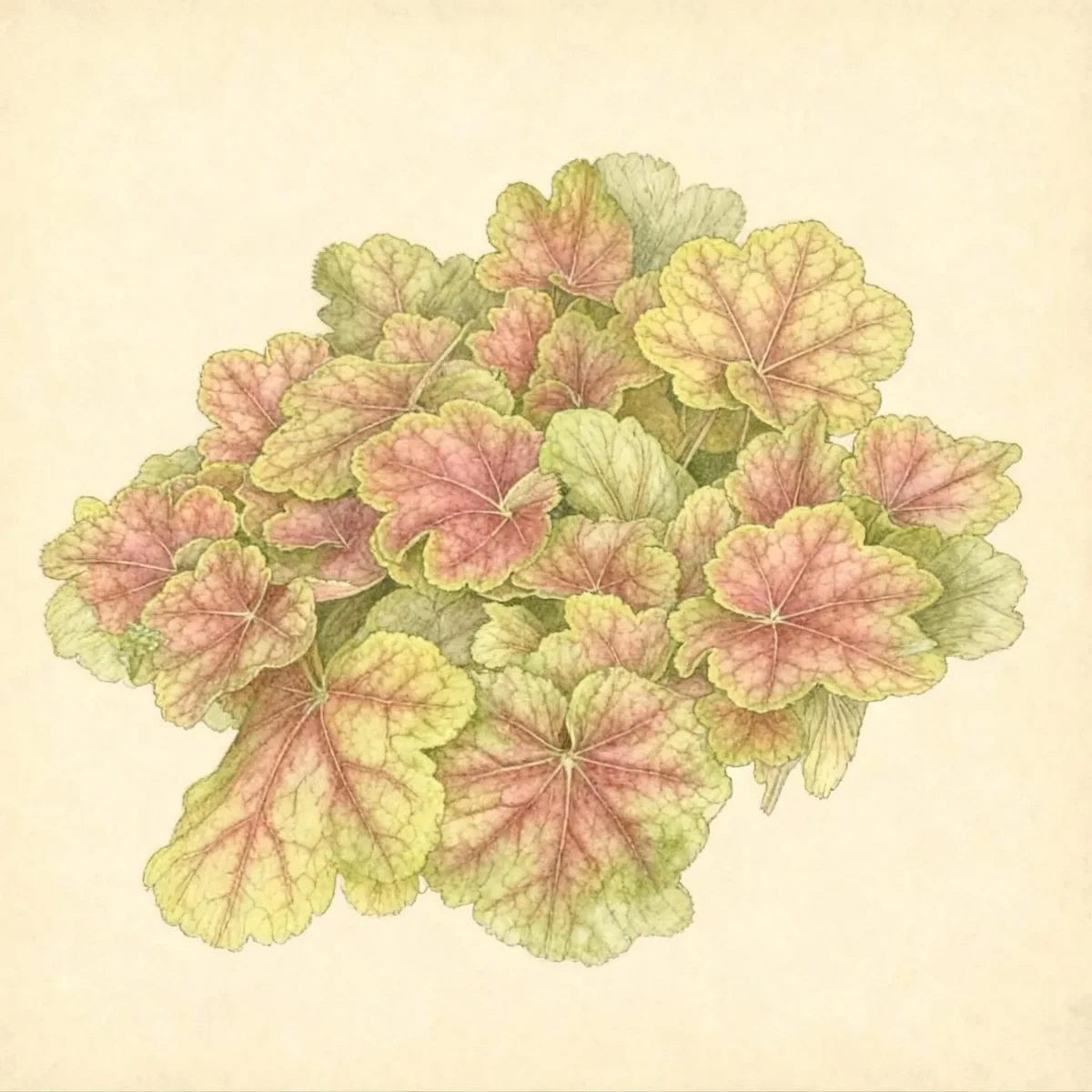
Heuchera ‘Tiramisu’, known commonly as coral bells, is a highly valued herbaceous perennial prized primarily for its dynamic, season-spanning foliage display. This compact cultivar forms a neat basal mound, making it an excellent anchor plant where constant interest is required throughout the gardening year. The appeal of Heuchera ‘Tiramisu’ lies in its ability to shift colors, transitioning from chartreuse and red patterns in spring to silvery highlights in summer and back to richer tones in the fall.
As a hybrid coral bells, this plant offers robust performance, although cultural needs can vary based on the specific parentage. Generally, Heuchera ‘Tiramisu’ thrives best in rich, well-drained soil that maintains medium moisture levels consistently. While many varieties are adaptable, ensuring protection from the harsh afternoon sun, especially in warmer regions, helps maintain the brilliance of this plant’s signature leaves.
With its manageable stature and evergreen tendencies in milder climates, Heuchera ‘Tiramisu’ provides invaluable texture and color depth to shaded and partially sunny garden spaces. Its small white flower spikes provide subtle summer interest above the highly decorated foliage mound, solidifying its role as a superior low-maintenance perennial for borders and groundcover.
Fast Facts
- Plant Family: Saxifragaceae
- Plant Type: Herbaceous perennial
- Hardiness Zones: USDA Zones 4-9
- Size at Maturity:
- Height: 0.75-1 ft
- Spread: 0.75-1 ft
- Bloom Time: June to July
- Bloom Description: White
- Sun Exposure: Full sun to part shade
- Water Needs: Medium
- Maintenance Level: Medium
How to Grow
Planting coral bells like Heuchera ‘Tiramisu’ is best accomplished in spring or fall when temperatures are moderate. The paramount requirement for success is soil quality: ensure the site offers organically rich, humusy loam with excellent drainage. While Heuchera ‘Tiramisu’ can tolerate full sun in northern climates, most gardeners find that dappled light or part shade prevents foliage scorch, especially during intense summer heat. Consistent moisture is critical if planting in brighter light conditions.
Watering should be regular to maintain medium soil moisture; avoid letting the soil dry out completely, as this stresses the plant and can lead to declining leaf quality. Fertilization is rarely necessary if the initial soil preparation included ample organic matter. Pruning involves deadheading the spent flower stalks in summer to encourage any potential rebloom, though the foliage is the main ornamental feature.
For cold winter protection, apply a layer of compost mulch only after the ground has frozen solid to help prevent damaging frost heaving of the roots. In spring, divide the clumps every few years to maintain vigor and rejuvenate the planting area. Remember that the longevity and winter color retention of your Heuchera ‘Tiramisu’ foliage are directly linked to the severity of your winter weather.
Landscape Uses
Coral bells are wonderfully versatile, excelling when mass planted or used in repeating groups to create significant drifts of color. Heuchera ‘Tiramisu’ is particularly effective along the edges of paths or walkways where its changing foliage can be easily observed up close, serving effectively as an edger. Due to its moderate height and mounding habit, it is a staple in rock gardens, offering a soft contrast to hardscape elements.
In woodland garden settings, plant generously beneath the canopy of deciduous trees, where it naturally receives the dappled light it prefers. For design contrast, pair Heuchera ‘Tiramisu’ with plants that complement its texture, such as fine-leaved ferns, hostas, or dark green groundcovers. The chartreuse and silver tones of this Heuchera cultivar provide excellent contrast against deep purples or blues.
Standout Features
Flower Qualities
- Showy
Noteworthy Characteristics
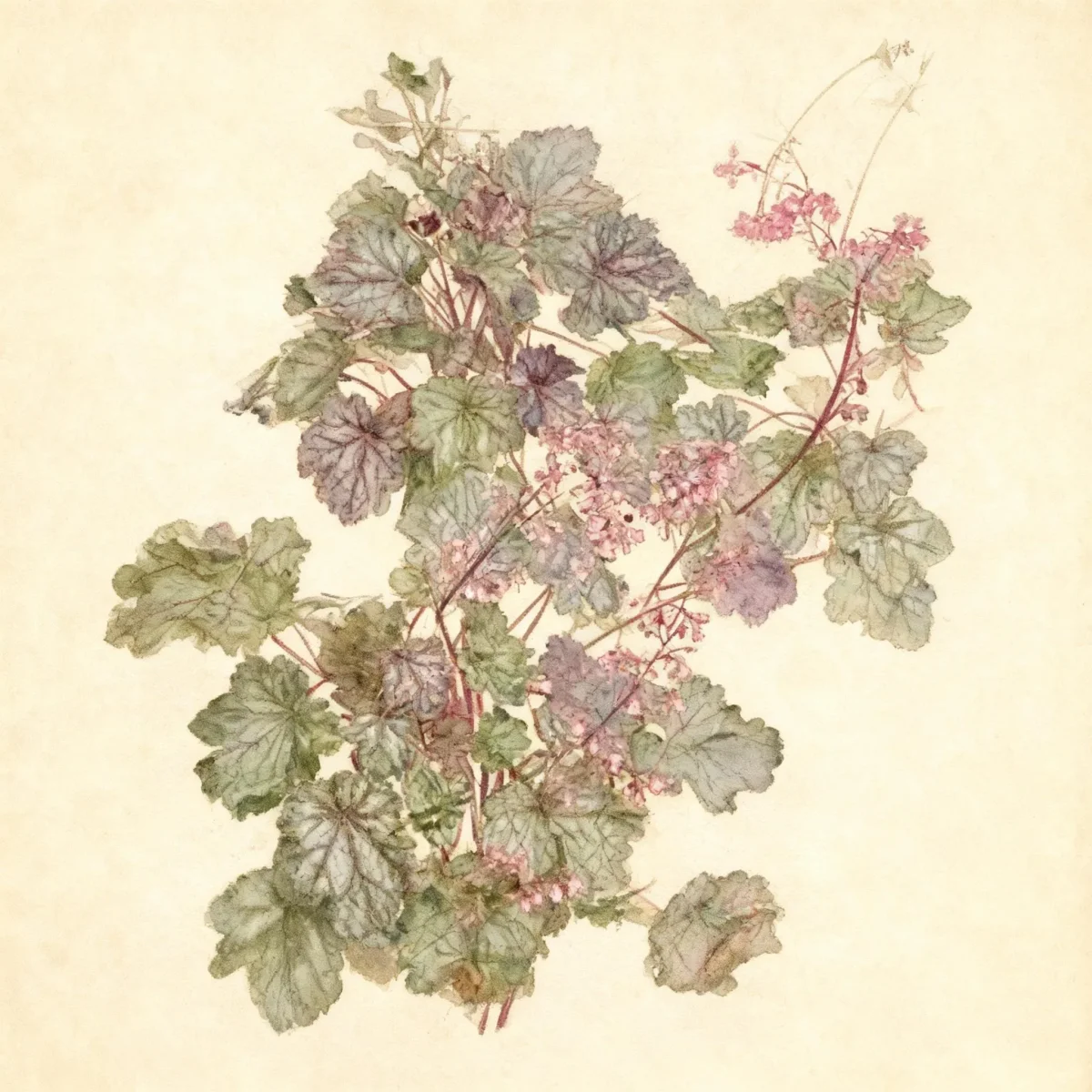
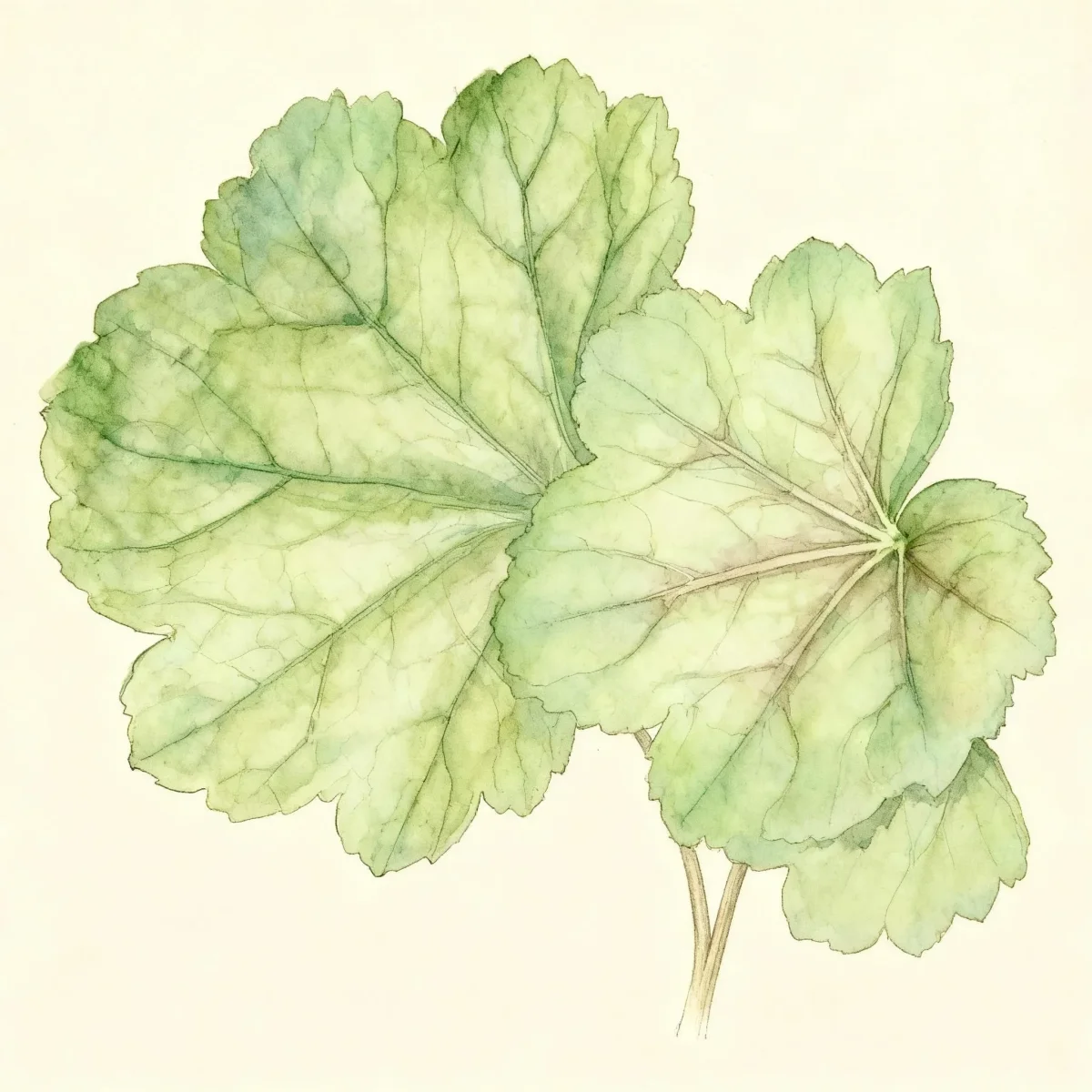
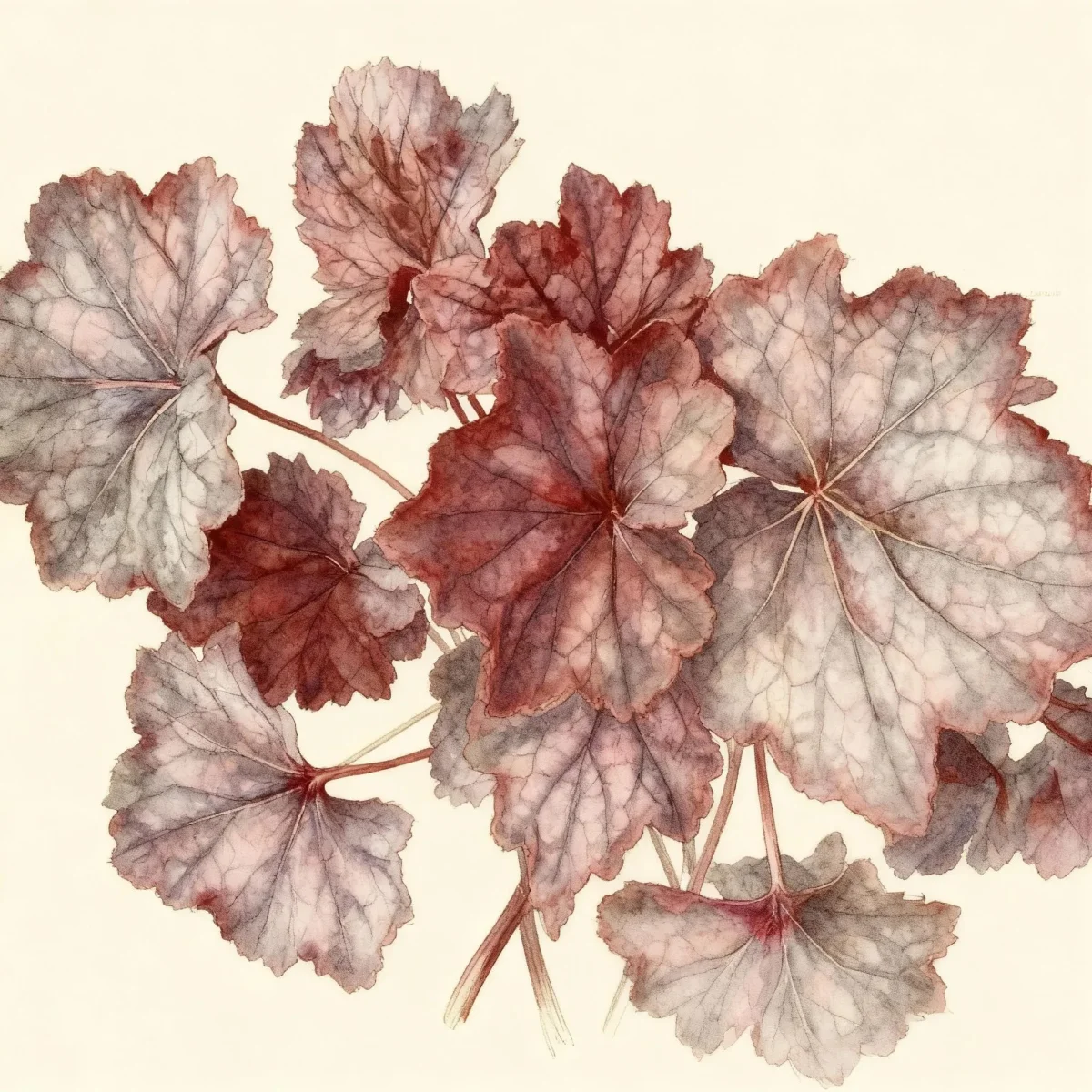
The cultivar ‘Tiramisu’ is defined by its exceptionally vigorous, compact habit and foliage that displays seasonal shifts in color saturation. Spring foliage emerges chartreuse with striking red veins radiating outward, which matures into a light silver frosting over chartreuse in summer. In autumn, the leaf centers deepen to red while the margins remain chartreuse. Tiny white flowers bloom on slender spikes rising above the mound in early to mid-summer.
Tolerances
Potential Problems
Frost heaving presents a risk when winter temperatures experience wide fluctuations; applying mulch after the ground freezes helps stabilize the root zone. Monitor for common fungal issues such as powdery mildew and rust, ensuring good air circulation around the plants reduces susceptibility. Potential insect threats include weevils and foliar nematodes, requiring diligent inspection, especially if you notice stippling or distorted growth.
Frequently Asked Questions
What hardiness zones is Coral bells suitable for?
Heuchera ‘Tiramisu’ is reliably hardy across USDA Zones 4 through 9.
How large does Heuchera ‘Tiramisu’ grow?
This compact coral bells cultivar typically reaches a height and spread between 0.75 to 1 foot at maturity.
What sun exposure does Heuchera ‘Tiramisu’ need?
For the best performance and foliage color, Heuchera ‘Tiramisu’ prefers full sun to part shade conditions.
When does Coral bells bloom?
This variety produces white flowers generally from June into July, blooming slightly later than many other heucheras.
Conclusion
Heuchera ‘Tiramisu’ offers gardeners sensational, continuous foliage interest that shifts dramatically across the seasons, making standard green perennials pale in comparison. Integrating this vibrant coral bells cultivar into shaded borders guarantees year-round structure and color fluctuation. Before planting, confirm that your location falls within USDA Zones 4-9 and ensure the soil provides the rich, well-drained medium this plant demands for optimal performance.
Companion Planting
Selecting appropriate companions is key to spotlighting the unique foliage of Heuchera ‘Tiramisu’. Look for plants that offer contrasting leaf texture or deep, cool colors. Shade-loving plants like Hosta cultivars with deep blue or variegated leaves create a dramatic backdrop. Ferns, such as Japanese Painted Ferns, offer delicate, airy foliage that contrasts beautifully with the rounded leaves of the coral bells.
For areas receiving more sun, consider fine-textured groundcovers or plants known for their dark coloration, like Ajuga or certain Sedum varieties if soil drainage is impeccable. Because Heuchera ‘Tiramisu’ remains relatively compact, placing it near the front of mixed borders allows its seasonal color show to be a focal point throughout the growing season.
Propagation Tips
While Heuchera ‘Tiramisu’ can produce seeds, the best method to preserve the exact characteristics of this specific hybrid is through vegetative division. This process should ideally be performed in the spring every three to four years to maintain the vigor of your clumps. Gently lift the entire clump using a garden fork, taking care not to damage the crowns excessively.
Separate the rooted sections carefully, ensuring each new division has a healthy set of roots and at least one viable growth point. Replant these divisions immediately into the prepared, organically rich soil at the same depth they were previously growing. Keep the newly divided Heuchera well-watered during their initial establishment period in the weeks following the spring division.