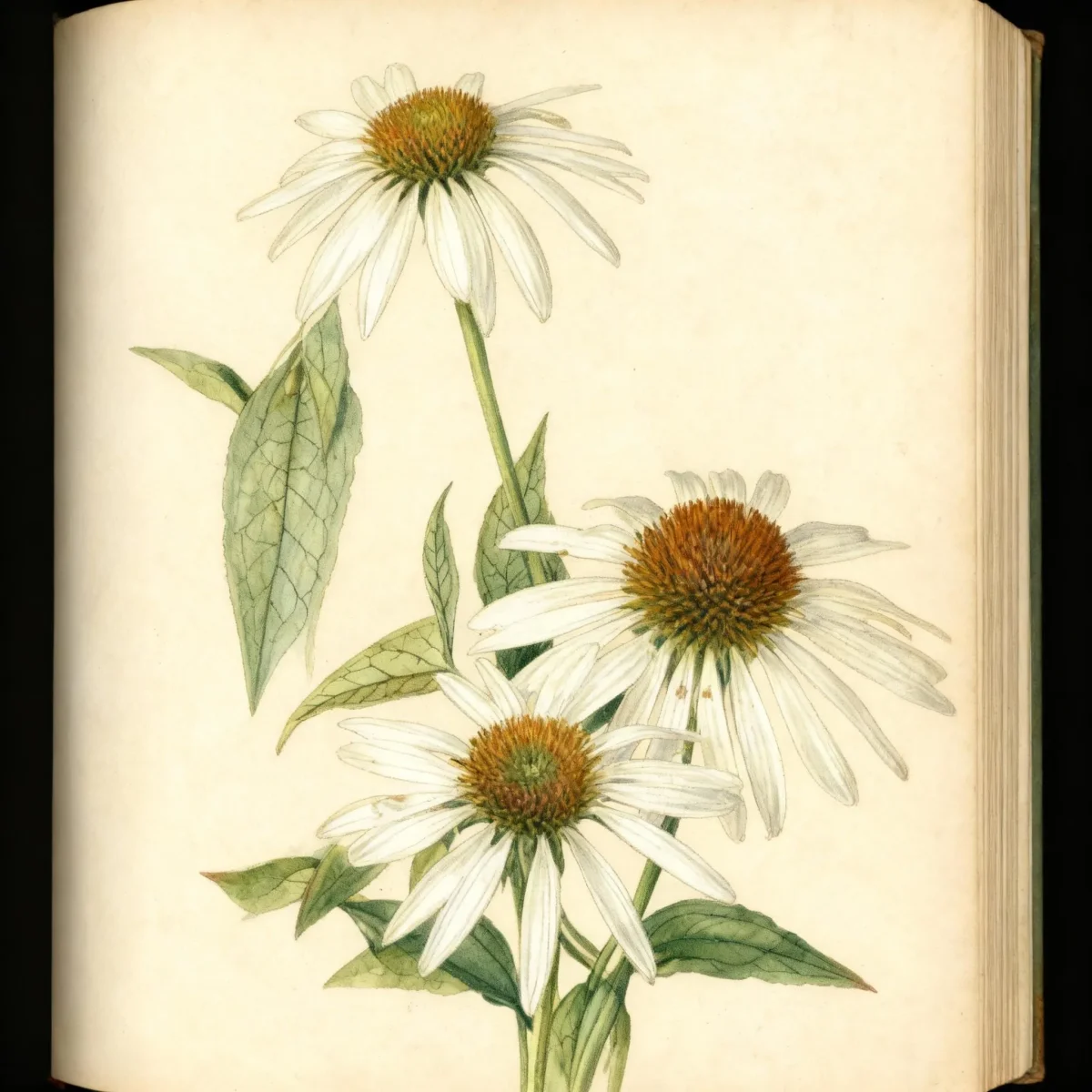
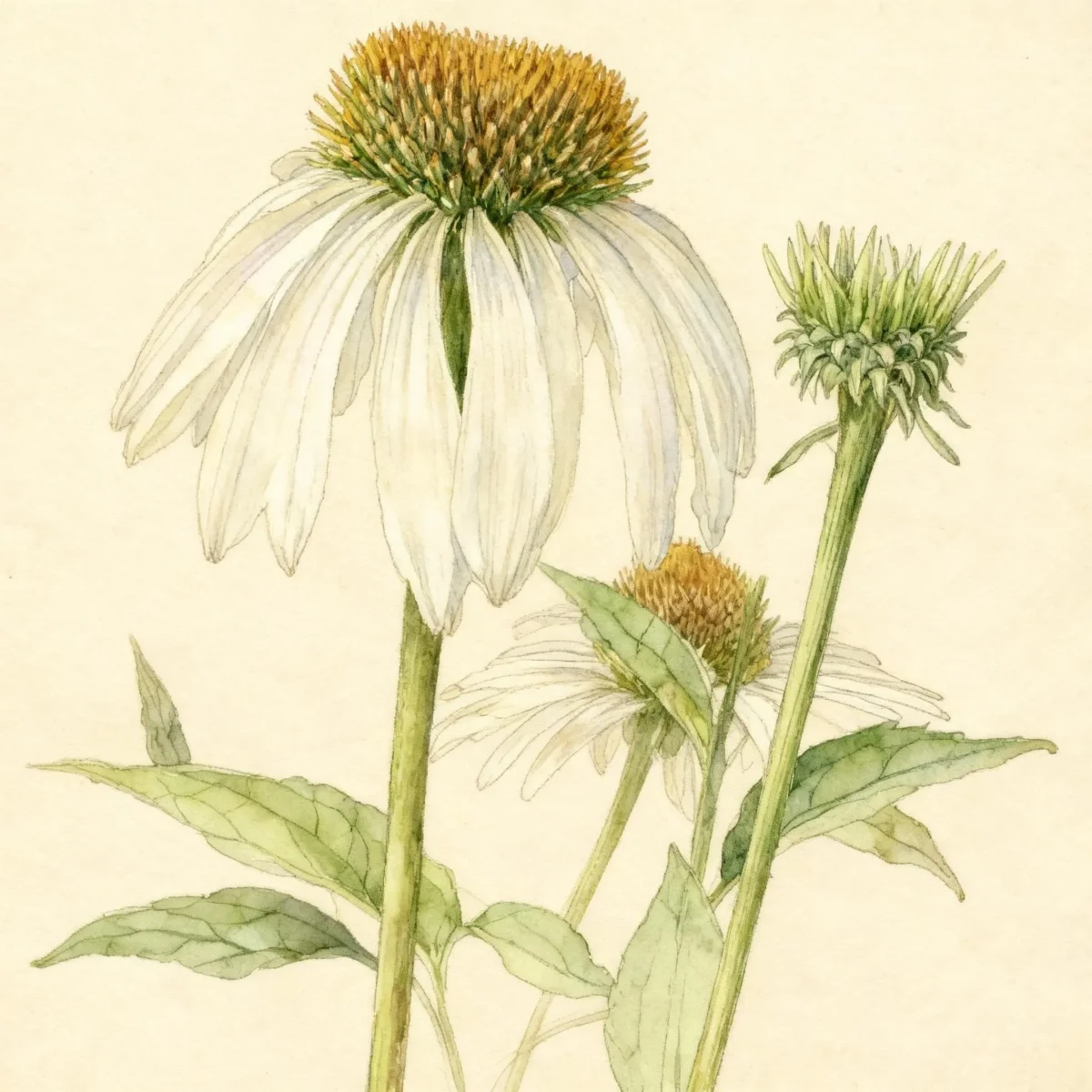
Purple coneflower (Echinacea purpurea 'Prairie Giant')
Echinacea purpurea 'Prairie Giant' offers showy, large purple coneflower blooms from June to August. A tough, low-maintenance perennial ideal for sunny, dry gardens.
Scroll down to discover growing tips, care requirements, companion plants, and more
Complete Plant Information
Overview
Echinacea purpurea ‘Prairie Giant’ is a highly valued herbaceous perennial recognized for its robust stature and extended color display throughout the summer months. This cultivar of Purple coneflower stands out due to its significantly larger flowers, reaching up to 9 inches in diameter, making it an excellent statement piece in mixed borders. As an adaptable native species, the Purple coneflower thrives in challenging locations, resisting drought and poor soils once established.
The presence of Echinacea purpurea ‘Prairie Giant’ provides brilliant, showy color, attracting pollinators while offering durable structure to the garden even after blooming concludes. Its low maintenance requirements combined with its tolerance for clay and dry conditions make it perfectly suited for the busy gardener seeking reliable performance amidst changing weather patterns.
Fast Facts
- Plant Family: Asteraceae
- Plant Type: Herbaceous perennial
- Hardiness Zones: USDA Zones 3-8
- Size at Maturity:
- Height: 2-3 ft
- Spread: 1.5-2 ft
- Bloom Time: June to August
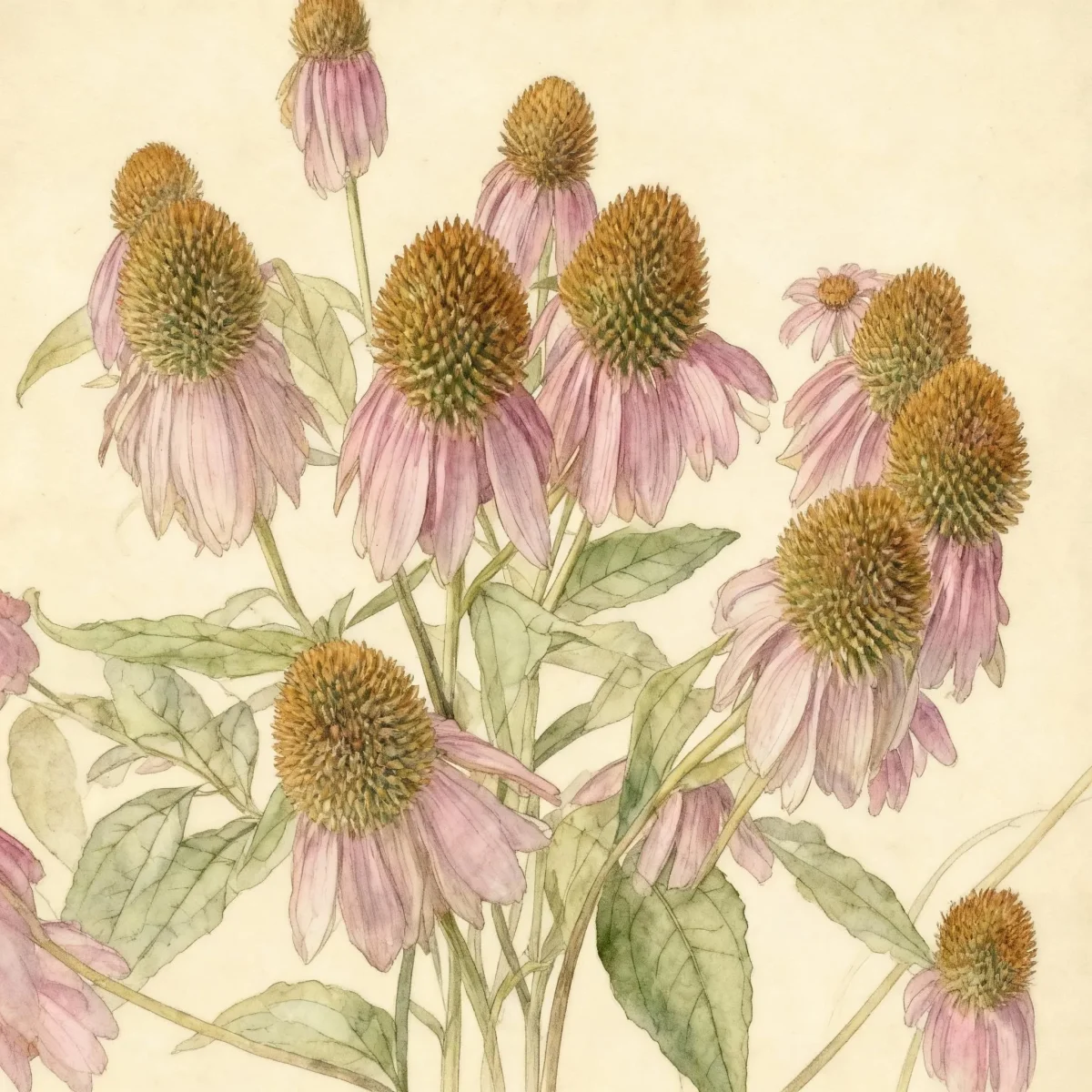
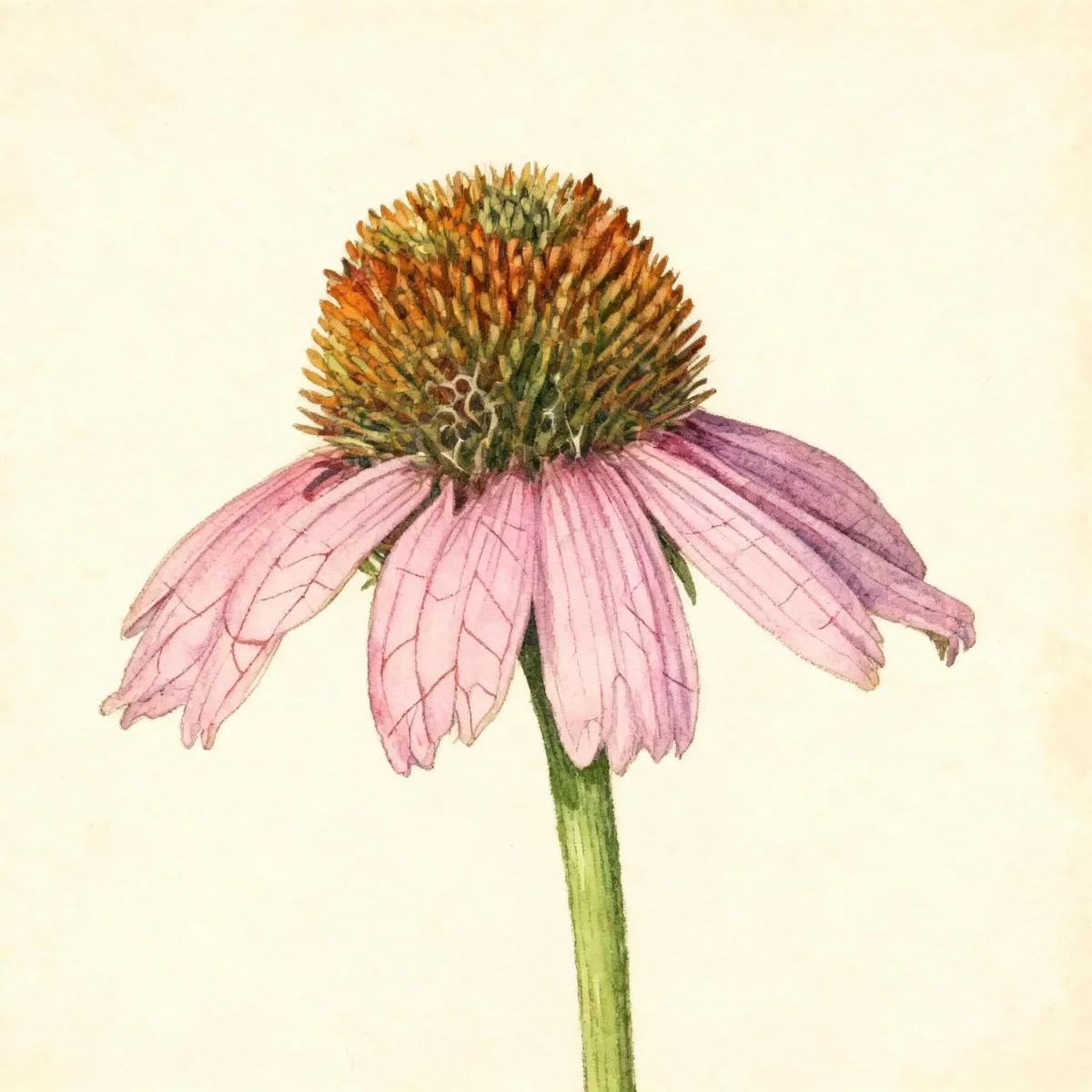
- Bloom Description: Pink rays with dark center cone
- Sun Exposure: Full sun to part shade
- Water Needs: Dry to medium
- Maintenance Level: Low
How to Grow
The ideal time to establish Echinacea purpurea ‘Prairie Giant’ is typically in spring or fall, allowing the plant to settle its roots before extreme summer heat or winter freezes arrive. Plant in full sun for the best bloom production; while it can tolerate partial shade, flowering will be reduced. These plants are highly adaptable, preferring average soils that are well-drained but tolerating dry, clay, or shallowly rocky conditions readily.
Watering should be consistent during the first growing season to establish a deep root system. Once established, the Purple coneflower requires minimal attention, exhibiting resilience against drought. Avoid over-fertilizing, as this can lead to weak, floppy stems rather than the stiff, sturdy supports characteristic of ‘Prairie Giant’.
For ongoing vigor, divide overcrowded clumps every four years to maintain healthy air circulation and growth rates. Although this variety often reblooms without intervention, prompt deadheading of spent flowers will encourage the best season-long display. If you are looking to maximize wildlife viewing, intentionally leave some seed heads standing through winter for goldfinches.
Landscape Uses
This selection is excellent for massing, creating bold sweeps of color in open landscapes where its height can be appreciated. Consider using Echinacea purpurea ‘Prairie Giant’ in meadow gardens or naturalized areas where it blends seamlessly with native grasses and other summer bloomers. It performs equally well integrated into structured borders alongside complementary plants like black-eyed Susans.
Because of its toughness and drought tolerance, this Purple coneflower is a superb choice for xeriscaping or filling less-irrigated areas of the property. Its upright habit ensures it provides structure without flopping, making it a reliable middle-to-back-of-border filler.
Standout Features
Flower Qualities
- Showy
- Good Cut
Noteworthy Characteristics
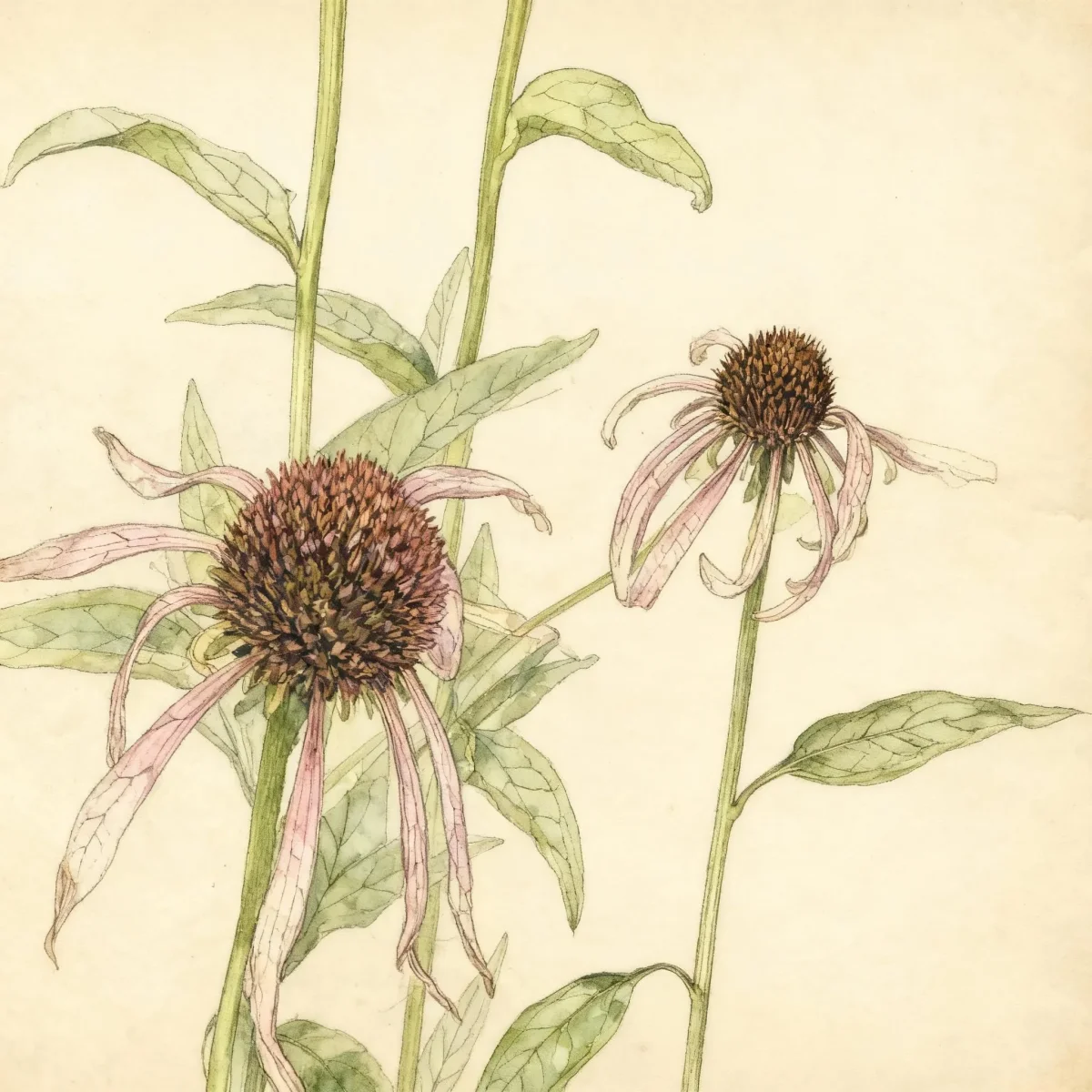
The genus name Echinacea refers to the hedgehog-like appearance of the spiny center cone. Cultivar ‘Prairie Giant’ is specifically bred to offer giant features, including showy flowers up to 9 inches wide with narrow light pink rays surrounding a prominent dark center cone, atop substantial, stiff stems ideal for structure.
Tolerances
- Deer
- Drought
- Clay Soil
- Dry Soil
- Shallow-Rocky Soil
Potential Problems
Japanese beetles and leaf spot are occasional aesthetic challenges to the Purple coneflower, though they rarely cause fatal damage to healthy specimens. Monitor for Japanese beetle infestations during peak summer activity and remove them manually or use appropriate pest management treatments. Susceptibility to aster yellows disease is important to note; since this is spread by leafhoppers, managing insect pests can help reduce disease incidence.
Frequently Asked Questions
What hardiness zones is Purple coneflower suitable for?
Echinacea purpurea ‘Prairie Giant’ is reliably hardy across USDA Zones 3 through 8, making it a versatile choice for many temperate regions.
How large does Echinacea purpurea ‘Prairie Giant’ grow?
This cultivar typically reaches heights between 2 and 3 feet, with a spread ranging from 1.5 to 2 feet, displaying a noticeably giant stature compared to standard species.
When does Purple coneflower bloom?
Expect consistent blooming from June extending through August, featuring its signature pink rays and dark center cone atop sturdy stems.
What sun exposure does Echinacea purpurea ‘Prairie Giant’ need?
The best results for this plant involve exposure to full sun, though it will still perform adequately in areas receiving part shade.
Conclusion
Echinacea purpurea ‘Prairie Giant’ delivers unmatched summer performance through its large, showy flowers and exceptional toughness, making it a staple for low-maintenance, high-impact gardening. Incorporating this drought-tolerant Purple coneflower into your sunny borders or native plantings guarantees long-lasting vertical interest. Check that your local climate falls within USDA Zones 3-8 before planning your spring installation.
Wildlife Benefits
Adding Echinacea purpurea ‘Prairie Giant’ introduces a vital nectar source for myriad beneficial insects throughout the summer blooming season. The large, accessible cones are rich in seeds, providing essential late-season forage for various seed-eating birds, particularly goldfinches, which often linger near these plants well into winter. Allowing some spent flowers to remain standing through the dormant season supports local wildlife populations.
Companion Planting
Due to its preference for sun and dry to medium soil, pair this robust perennial with other drought-tolerant, sun-loving species for cohesive cultural care. Excellent companions include ornamental grasses like Little Bluestem or Switchgrass, and sun-loving prairie natives such as Rudbeckia (Black-eyed Susan) or Sedum, which share similar soil and water requirements. Avoid planting Purple coneflower directly next to moisture-loving bog plants that would require excessive summer irrigation.