Rose of Sharon (Hibiscus syriacus 'Marina' BLUE SATIN)
Enhance your garden with Hibiscus syriacus 'Marina' BLUE SATIN Rose of Sharon, offering prolific blue blooms from mid-summer to fall in low-maintenance settings.
Scroll down to discover growing tips, care requirements, companion plants, and more
Complete Plant Information
Overview
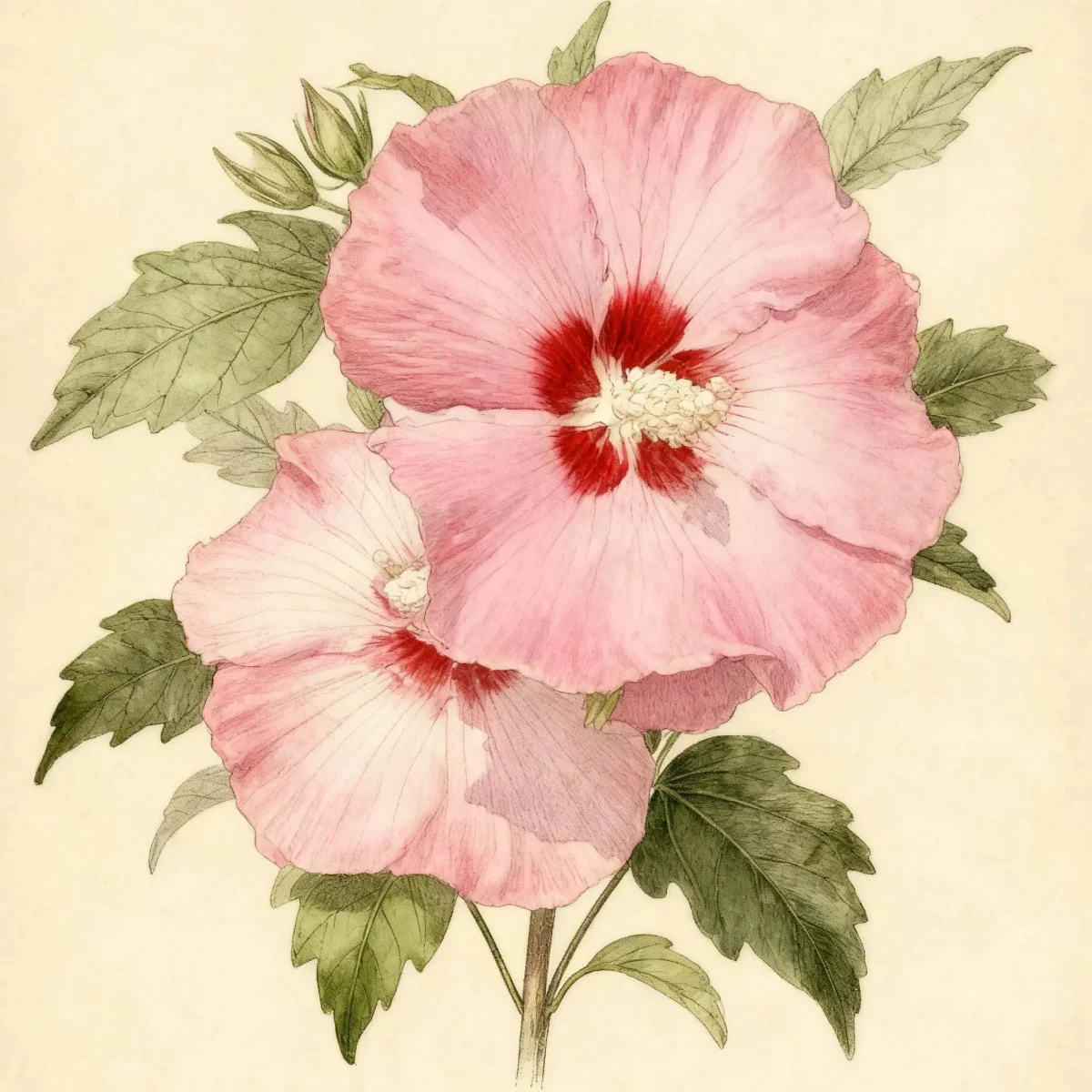
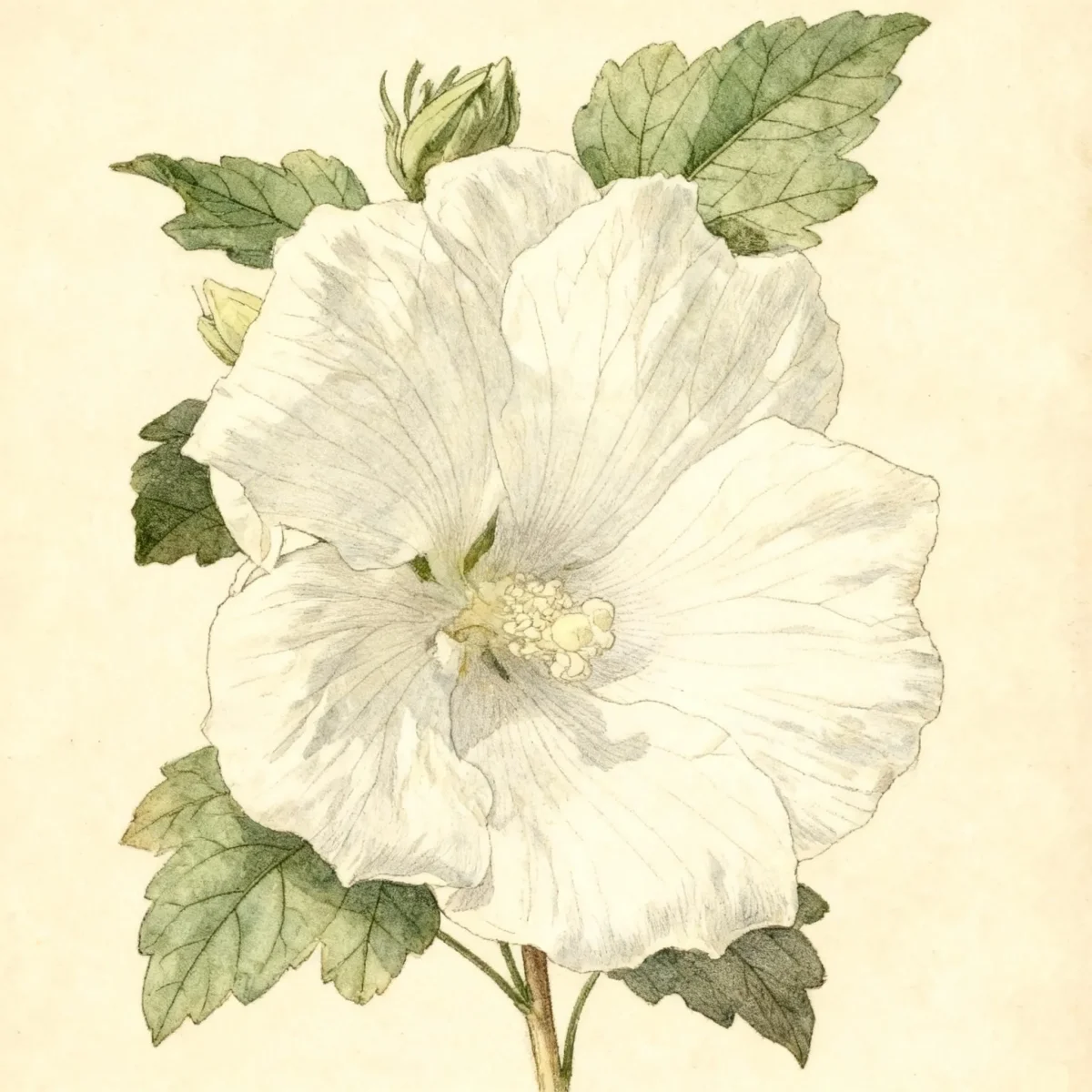
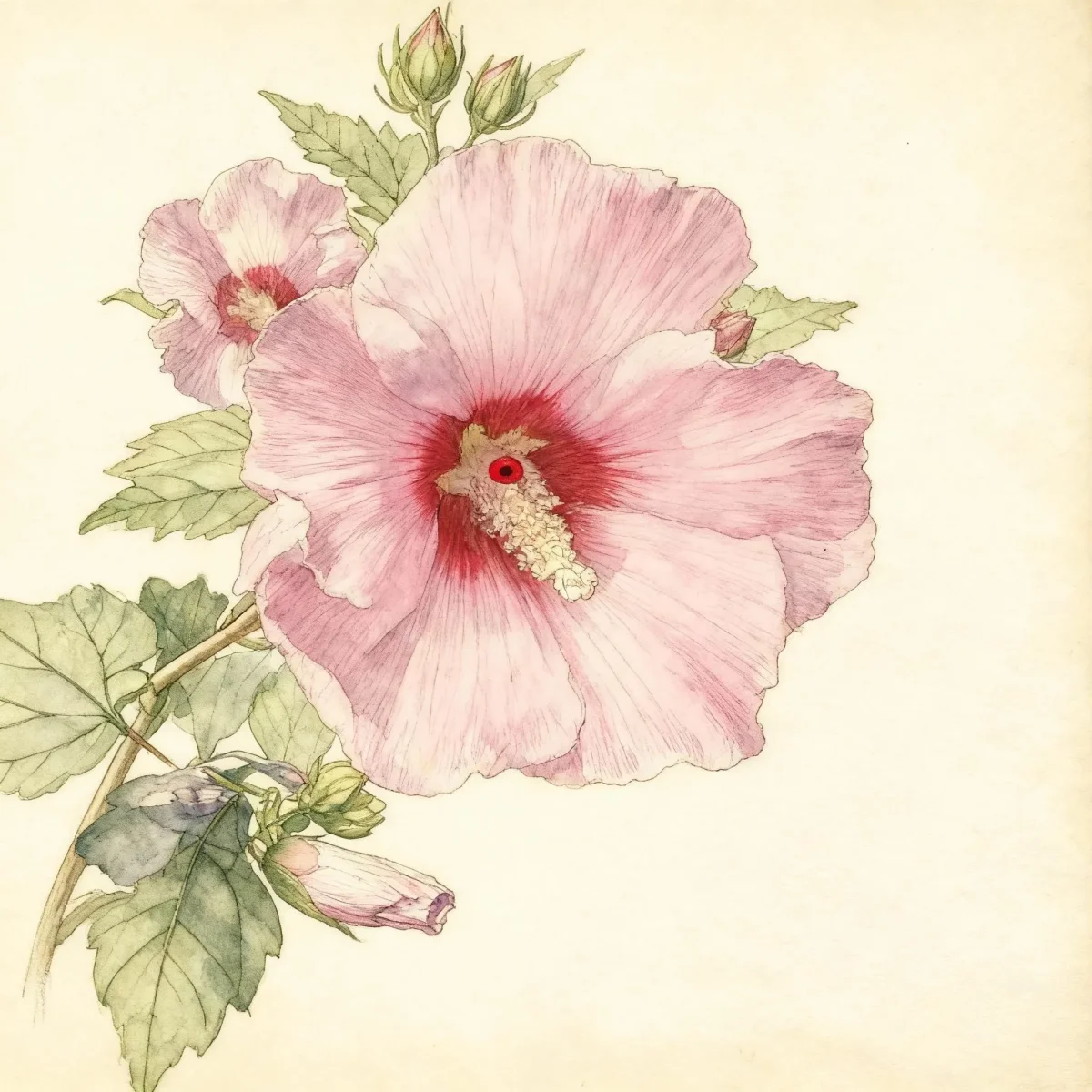
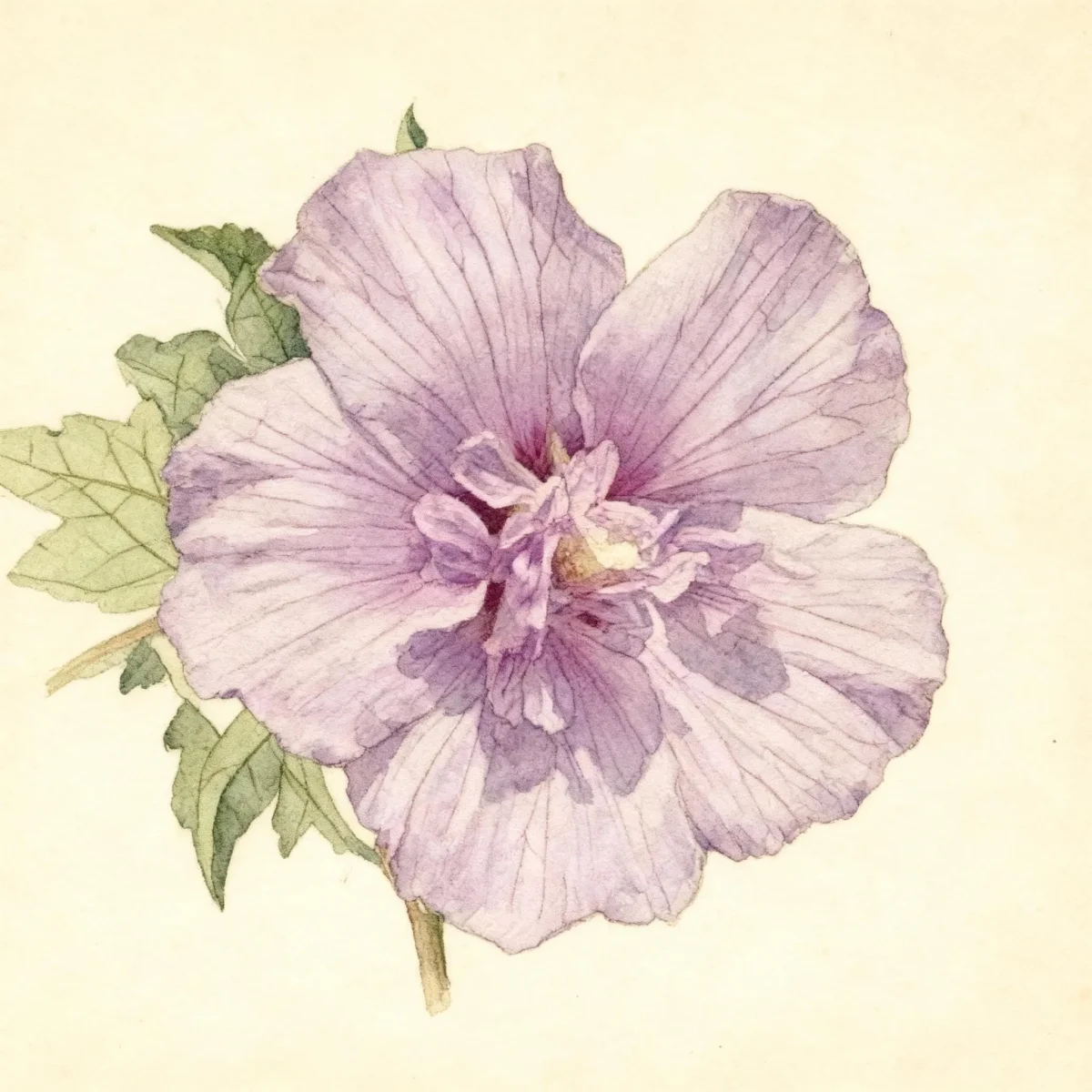
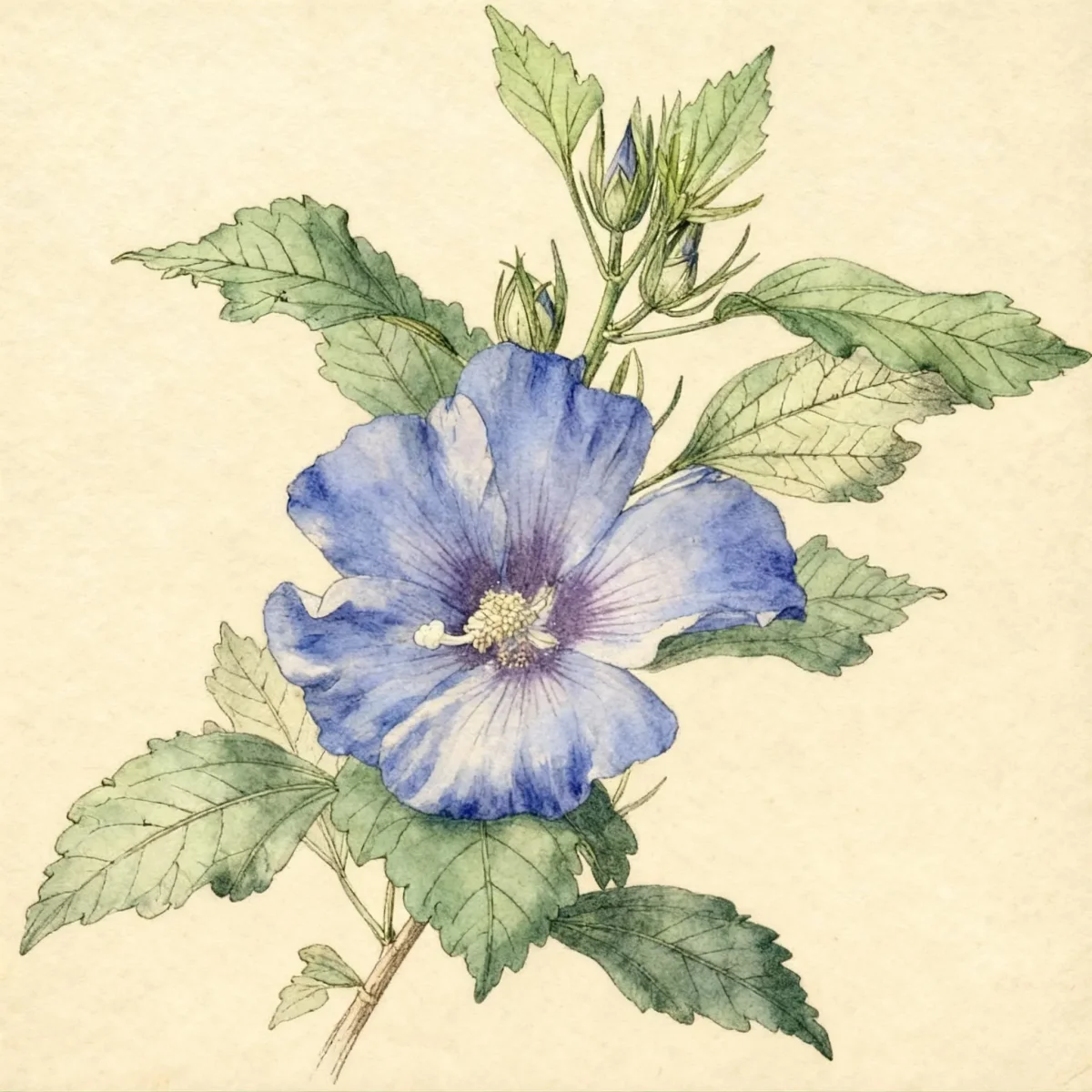
The Hibiscus syriacus ‘Marina’ BLUE SATIN, commonly recognized as Rose of Sharon, is an outstanding late-season bloomer valued for its dependable color display. This deciduous shrub produces showy, hollyhock-like flowers throughout summer and into autumn, extending the garden’s visual interest when many other shrubs are finishing. The ‘Marina’ cultivar is particularly sought after for its dense, bushy growth habit and vibrant violet-blue flowers featuring a distinct dark reddish-purple throat.
This cultivar offers significant practical value as a low-maintenance specimen, capable of thriving even when exposed to summer heat and humidity. While it can adapt to poor soils, providing adequate moisture ensures the most robust flowering performance for this beautiful Rose of Sharon. Its vase shape and upright nature make it versatile for structural plantings.
Gardeners appreciate Hibiscus syriacus ‘Marina’ BLUE SATIN for its ability to provide vertical accents and screening without demanding excessive upkeep. It remains an attractive, dark green focal point throughout the growing season, culminating in a spectacular floral show that attracts attention until the first hard frosts arrive.
Fast Facts
- Plant Family: Malvaceae
- Plant Type: Deciduous shrub
- Hardiness Zones: USDA Zones 5-8
- Size at Maturity:
- Height: 6-9 ft
- Spread: 3-6 ft
- Bloom Time: July to October
- Bloom Description: Blue with purple throat
- Sun Exposure: Full sun to part shade
- Water Needs: Medium
- Maintenance Level: Low
How to Grow
Planting the magnificent Hibiscus syriacus ‘Marina’ BLUE SATIN is best done in spring or early fall, allowing the roots time to establish before intense heat or winter cold. Ensure site selection offers full sun for the best bloom count, though it tolerates partial shade. This shrub is highly adaptable, growing easily in average, medium-moisture conditions, but it performs best in moist, organically rich, well-drained soil. It exhibits remarkable tolerance for clay soils and periods of drought once established.
Watering should be consistent, especially during the first year to encourage deep rooting. While tolerant of some drought, medium watering during dry spells will keep the shrub vigorous. Fertilization is rarely required, though a spring application of balanced fertilizer can boost growth. Pruning is key for shape and bloom size; prune in spring simply to shape the structure, or prune back hard to only 2-3 buds in late winter for significantly larger flowers.
This shrub is highly tolerant of urban conditions and summer humidity, simplifying its role in challenging landscapes. Gardeners should be aware that while this cultivar offers excellent flower color, seeds produced by the species can sometimes revert or vary, so propagation via cuttings is preferred to maintain the true Hibiscus syriacus ‘Marina’ BLUE SATIN characteristics.
Landscape Uses
The Rose of Sharon provides excellent structural interest, making it a phenomenal choice for mass plantings where long-lasting deep blue color is desired. Its naturally upright, vase-shaped habit makes the Hibiscus syriacus ‘Marina’ BLUE SATIN a superb candidate for use in shrub borders along property lines or as a natural screen. Because of its predictable height range of 6 to 9 feet, it works well as a transitional planting between smaller perennials and taller trees.
It can also be effectively trained into a small tree form, allowing the dramatic flowers to be viewed from below while softening foundation plantings. Due to its tolerance for various soil types, it pairs well with other resilient flowering shrubs like hardy hydrangeas or spireas, creating layered interest through the season. Planning its placement to maximize afternoon sun exposure will ensure the deep violet-blue blooms of the Hibiscus syriacus ‘Marina’ BLUE SATIN are displayed brilliantly.
Standout Features
Flower Qualities
- Showy
Noteworthy Characteristics
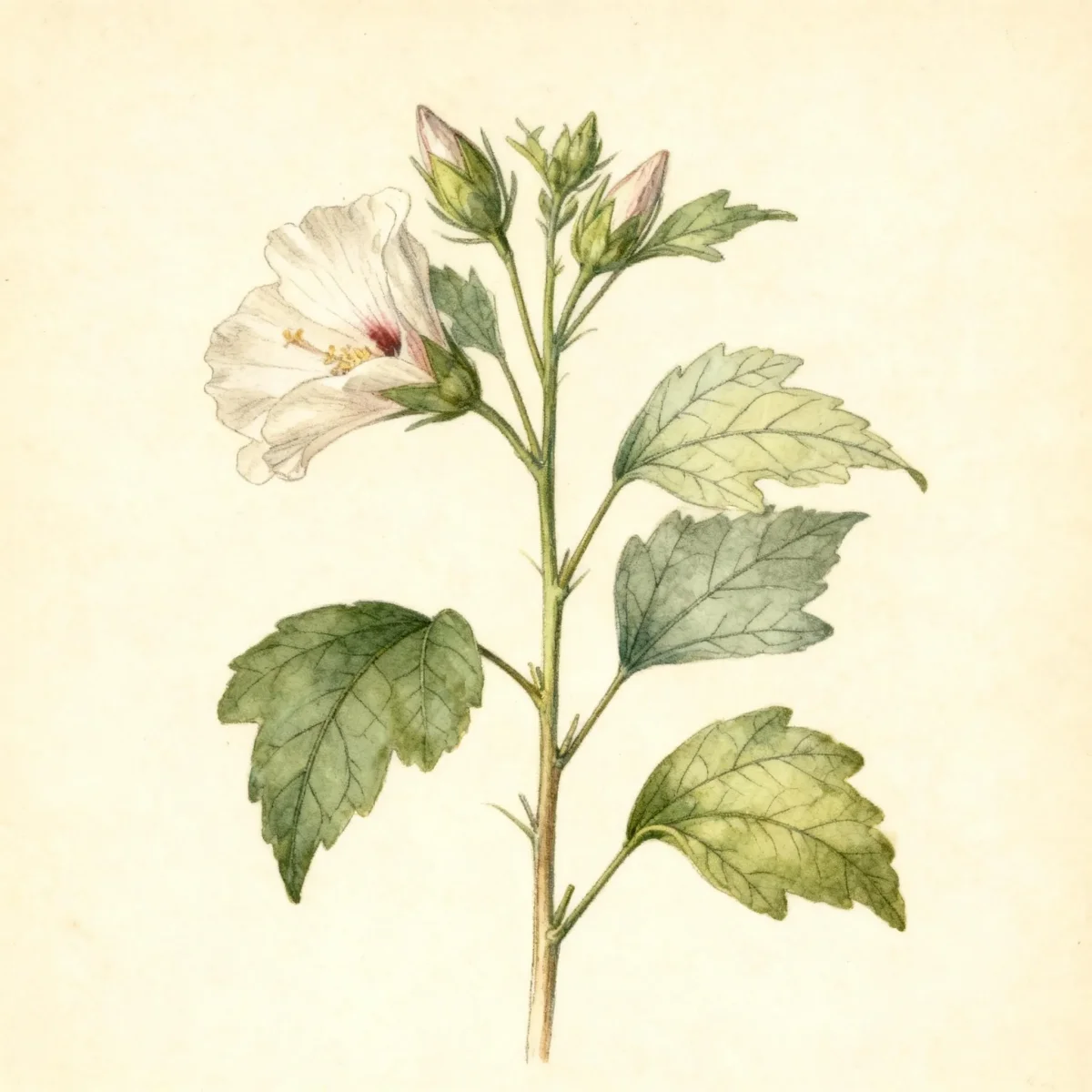
Hibiscus syriacus, commonly called rose of Sharon or shrub althea, is a vigorous, upright, vase-shaped, multi-stemmed, deciduous shrub that typically grows 8-12’ tall; it may be trained as a small tree or espalier. Showy, hollyhock-like, 5-petaled flowers (to 3” diameter) appear over a long, early-summer to fall bloom period, each featuring a prominent and showy center staminal column. The selection ‘Marina’, sold as BLUE SATIN, typically grows 6-9’ tall, boasting five-petaled deep royal blue to violet-blue flowers (to 4” diameter) with dark reddish-purple throats that bloom heavily from mid-summer to fall.
Tolerances
- Deer
- Drought
- Clay Soil
- Black Walnut
Potential Problems
This shrub generally faces few serious issues, making the low maintenance level a true benefit. Occasional issues include fungal problems like leaf spots, blights, and rusts, which usually appear when air circulation is poor or humidity is high. Fungal issues can often be managed by ensuring good air flow during planting and removing affected foliage promptly.
Insect pests are usually minor, though Japanese beetles, whiteflies, and aphids occasionally arrive. Japanese beetles are the most problematic, as they can quickly defoliate the Rose of Sharon if left unchecked. Treating early signs of Japanese beetle infestation with horticultural oils or physical removal is recommended to protect the foliage of your Hibiscus syriacus ‘Marina’ BLUE SATIN.
Frequently Asked Questions
What hardiness zones is Rose of Sharon suitable for?
The Rose of Sharon, including the desirable ‘Marina’ cultivar, is generally hardy in USDA Zones 5 through 8.
How large does Hibiscus syriacus ‘Marina’ BLUE SATIN grow?
This cultivar typically reaches a height between 6 and 9 feet, with a spread of 3 to 6 feet, maintaining an upright, dense form.
What sun exposure does Rose of Sharon need?
For the absolute best flowering performance from your Hibiscus syriacus ‘Marina’ BLUE SATIN, plant it in full sun, although it tolerates a location receiving part shade.
When does Rose of Sharon bloom?
The blooming period for this versatile shrub is impressive, typically running from July well into October, providing beautiful blue with purple throat flowers.
Conclusion
The Hibiscus syriacus ‘Marina’ BLUE SATIN stands out as a reliable, low-effort shrub that delivers dramatic late-season color ideal for structuring the summer and fall garden. Its tolerance for adverse conditions like heat, humidity, and clay soil confirms its status as a dependable landscape workhorse. Check your local USDA zone compatibility and plan your pruning schedule to maximize the stunning blue blooms of your new Rose of Sharon.
Companion Planting
Selecting companions for the Rose of Sharon should focus on plants that share similar cultural needs, thriving in medium moisture and full sun to part shade environments. Pair the upright structure of the Hibiscus syriacus ‘Marina’ BLUE SATIN with lower-growing, mounding perennials that can complement its mid-to-late summer bloom time. Good companions include Coneflowers (Echinacea) or Black-Eyed Susans (Rudbeckia), which share a love for heat and tolerate low maintenance.
For an excellent textural contrast, consider using fine-textured ornamental grasses nearby, such as switchgrass varieties, provided they receive sufficient sunlight to remain dense. These grasses will sway in the breeze beside the sturdy structure of the Rose of Sharon, adding movement to the border while both share similar water needs once established.
Propagation Tips
While seed propagation is possible for the species, it often leads to variability in flower color, making true-to-type multiplication of Hibiscus syriacus ‘Marina’ BLUE SATIN reliant on vegetative methods. The most effective way to propagate this specific cultivar is through stem cuttings, which ensures the offspring inherits the desired violet-blue flowers and upright habit.
Softwood cuttings are typically taken in early summer when new growth is flexible but not yet hard. Use healthy, non-flowering stems, dipping the base in rooting hormone and placing them under mist or in a humid environment over bottom heat to encourage root development. Success rates are significantly higher with this method over relying on self-seeding.