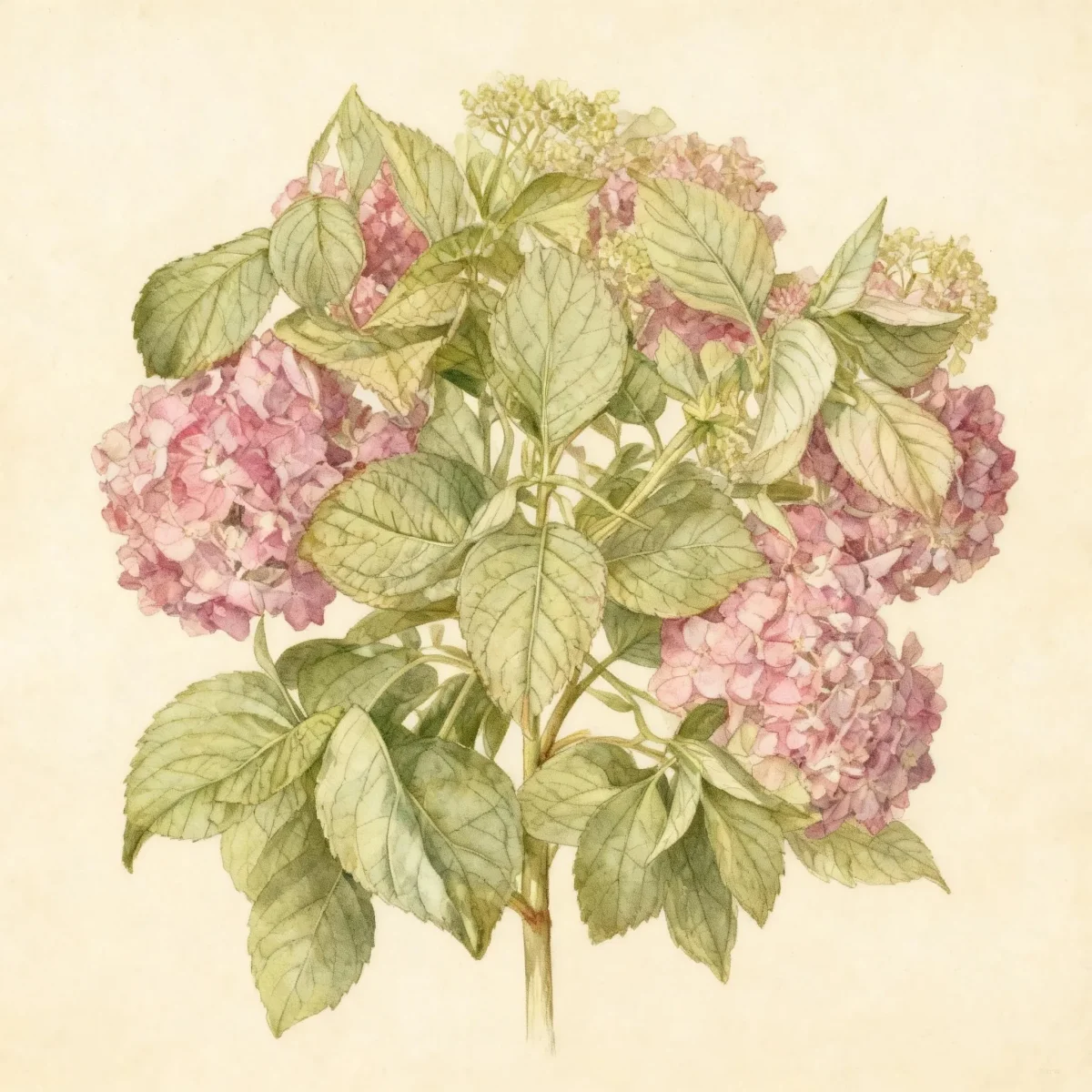
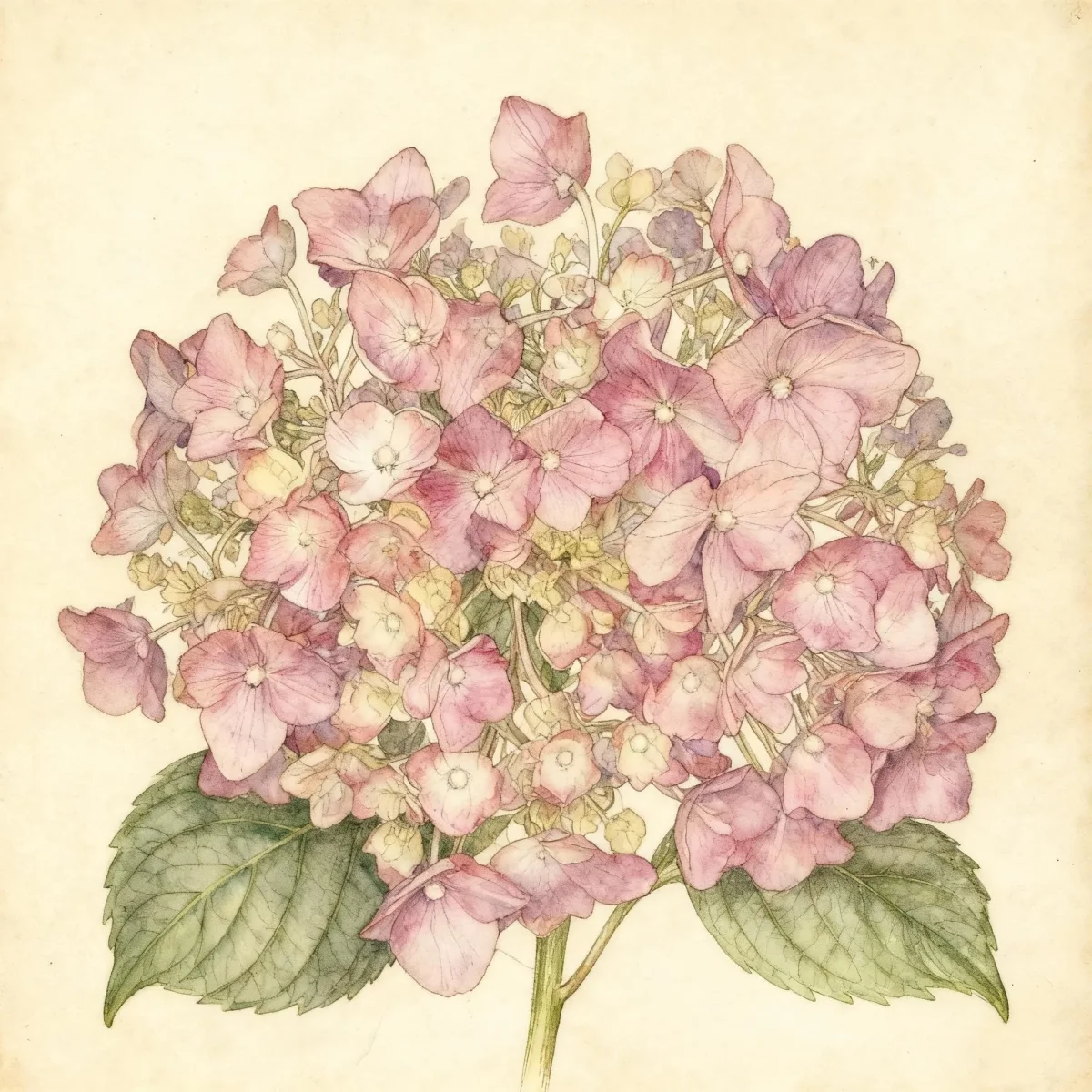
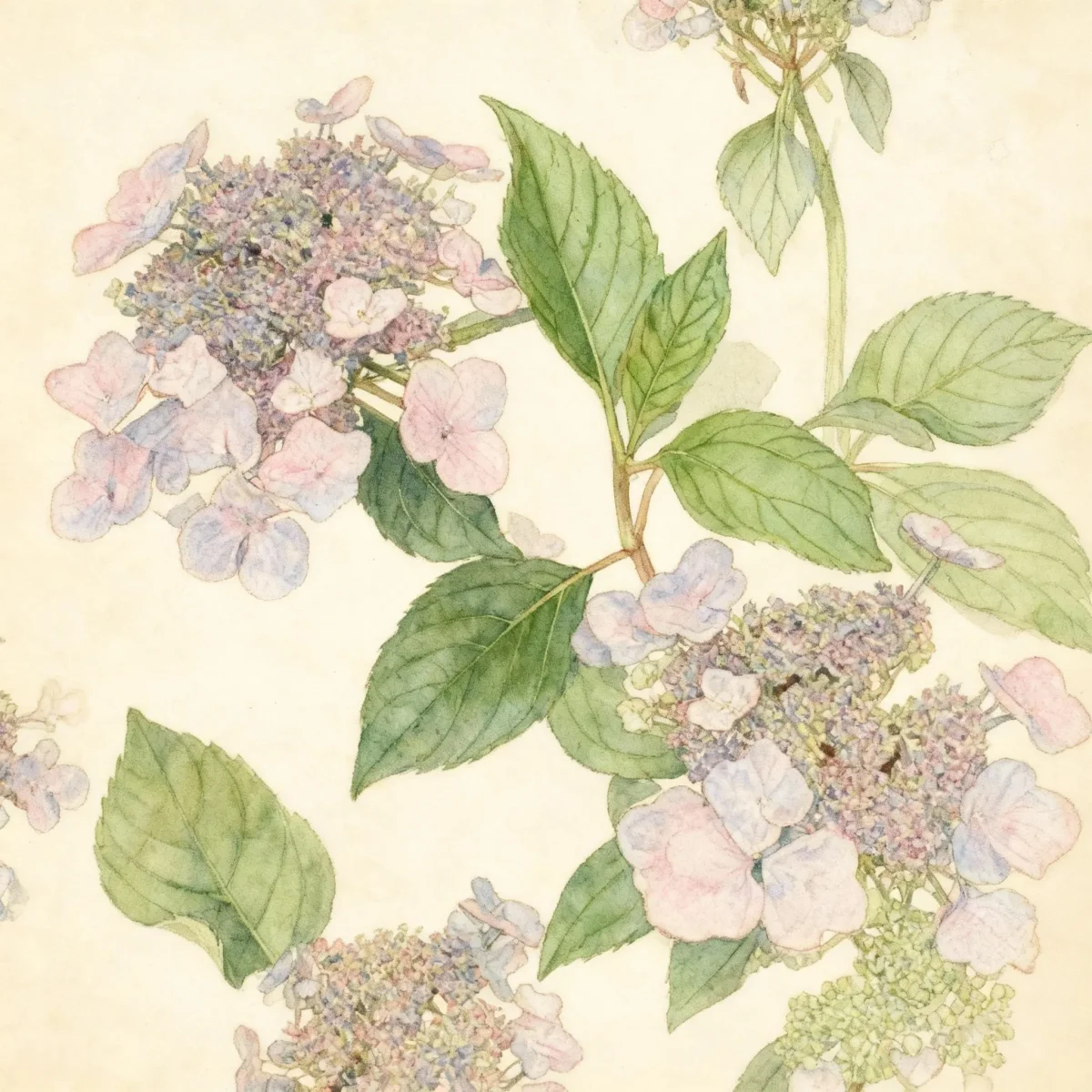
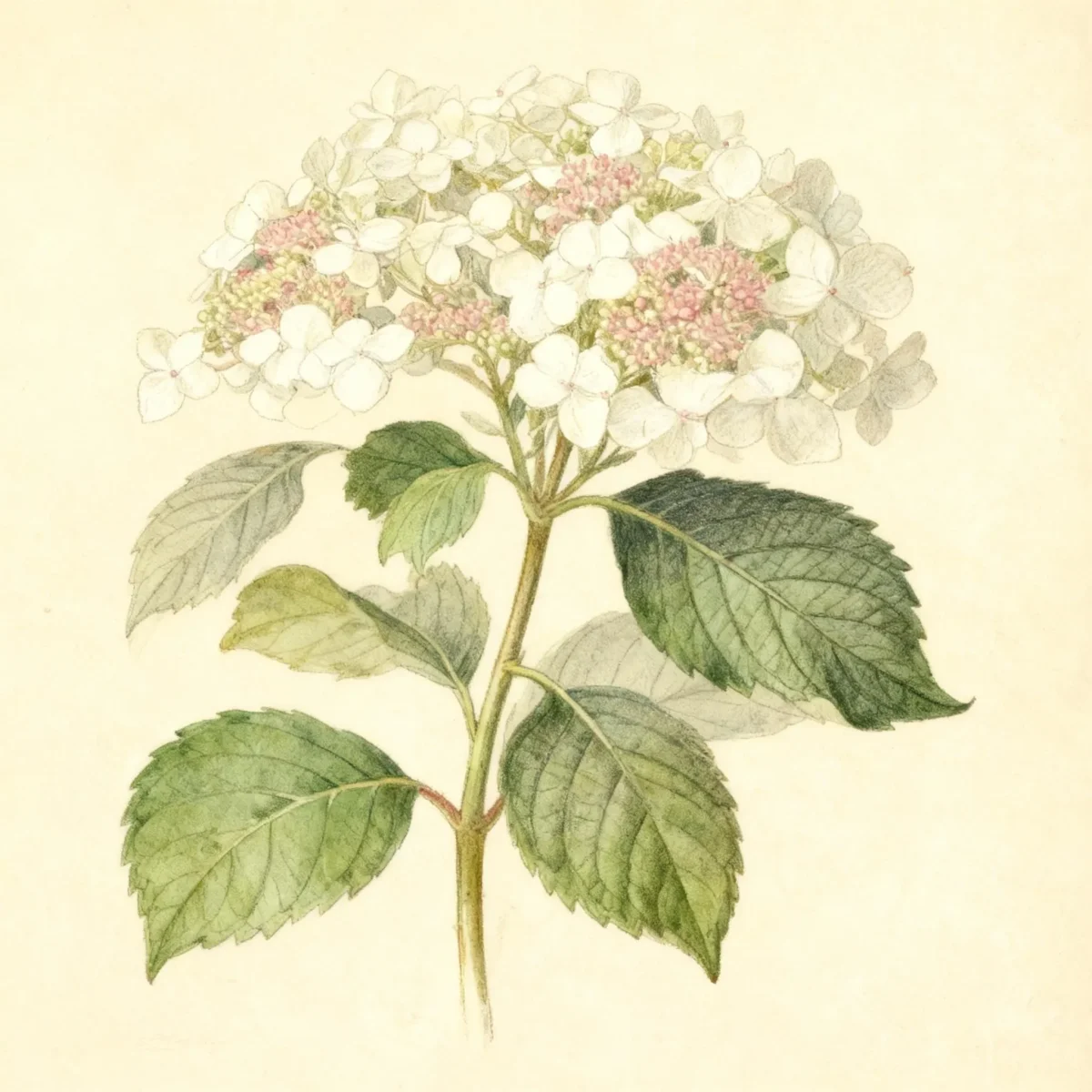
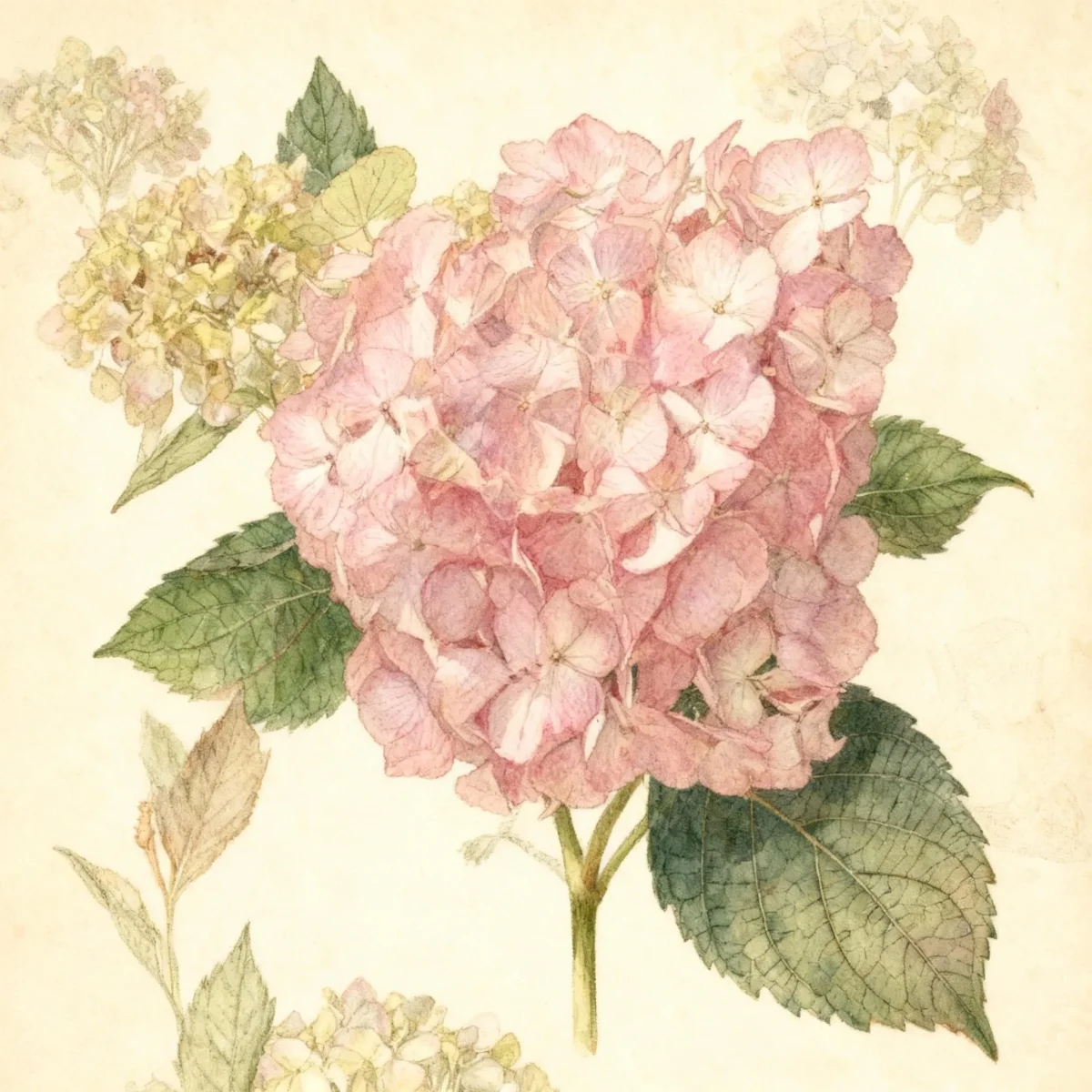
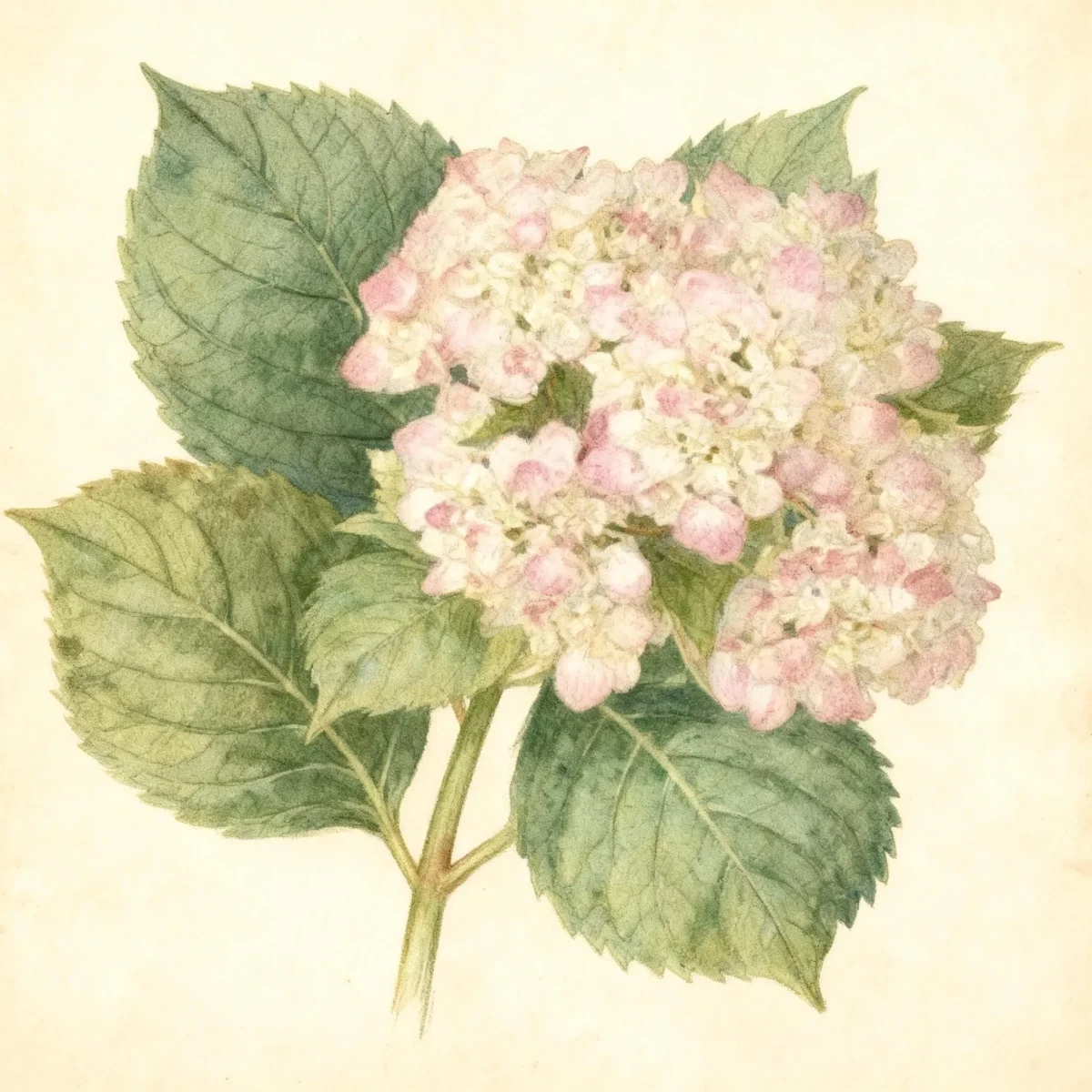
Bigleaf hydrangea (Hydrangea macrophylla 'Lynn' LET'S DANCE STARLIGHT)
Discover Hydrangea macrophylla 'Lynn' LET'S DANCE STARLIGHT, a compact Bigleaf hydrangea blooming reliably on old and new wood from July to September.
Scroll down to discover growing tips, care requirements, companion plants, and more
Complete Plant Information
Overview
Hydrangea macrophylla ‘Lynn’ LET’S DANCE STARLIGHT offers gardeners a significant advantage by reliably blooming year after year, even after harsh winters. This Bigleaf hydrangea is part of the popular Let’s Dance Series, known for its recurrence of color from mid-summer well into the fall. Its compact nature makes it highly adaptable for smaller garden spaces or foundation plantings where larger shrubs may overwhelm the area.
This deciduous shrub presents a rounded habit, featuring serrated, dark green leaves that beautifully contrast with its long-blooming summer flowers. A key feature of Hydrangea macrophylla ‘Lynn’ LET’S DANCE STARLIGHT is that it flowers on both old and new wood, mitigating the worry many gardeners have about losing winter buds. This dependable reblooming capability ensures consistent visual interest throughout the season.
As a member of the Bigleaf hydrangea group, its flower color—ranging from pink to blue—can be manipulated by adjusting the soil pH. Cultivators can aim for blue blooms in acidic conditions or attractive pinks when the soil is more alkaline. This versatility, combined with its manageable size, makes Hydrangea macrophylla ‘Lynn’ LET’S DANCE STARLIGHT a standout choice for dependable color.
Fast Facts
- Plant Family: Hydrangeaceae
- Plant Type: Deciduous shrub
- Hardiness Zones: USDA Zones 5-9
- Size at Maturity:
- Height: 2-3 ft
- Spread: 2-3 ft
- Bloom Time: July to September
- Bloom Description: Pink to blue
- Sun Exposure: Part shade
- Water Needs: Medium
- Maintenance Level: Medium
How to Grow
The best location for Hydrangea macrophylla ‘Lynn’ LET’S DANCE STARLIGHT is in rich, well-drained soils that maintain medium moisture levels. Partial shade is highly recommended; however, this Bigleaf hydrangea can tolerate full sun if the gardener commits to keeping the soil consistently moist throughout dry periods. Plant in late autumn or early spring, ensuring the site receives protection from harsh afternoon sun, especially in hotter climates.
Routine care involves ensuring consistent watering, particularly during bloom time and in dry spells, as adequate moisture is crucial for optimal performance. Pruning needs for Hydrangea macrophylla ‘Lynn’ LET’S DANCE STARLIGHT are minimal because it blooms on both old and new wood. If pruning is necessary, wait until immediately after summer flowering concludes, cutting stems back only to the first set of healthy buds. Remove any weak or visibly winter-damaged stems in late winter or early spring before new growth begins.
Mulching is highly beneficial. Apply a three-inch layer of shredded bark, compost, or peat around the base year-round to help retain soil moisture and moderate soil temperatures. Gardeners in Zone 5 should exercise caution, siting plants in sheltered locations and providing extra winter protection to safeguard any developing flower buds from extreme cold snaps or fluctuating temperatures.
Soil pH management is a key cultural practice when growing this variety. To encourage blue flowers, amend the soil with aluminum sulfate well in advance of the blooming season, usually in late autumn or early spring. Conversely, adding lime will shift the color toward pink. Remember that white-flowered cultivars are unaffected by soil pH shifts.
Landscape Uses
The compact stature of Hydrangea macrophylla ‘Lynn’ LET’S DANCE STARLIGHT, reaching only 2 to 3 feet tall and wide, makes it exceptionally useful for structured landscape designs. It excels when used as a neat, low hedge along walkways or property lines where a reliable summer display is desired. Given its reblooming nature, it provides consistent foreground color or accenting near patios and entryways.
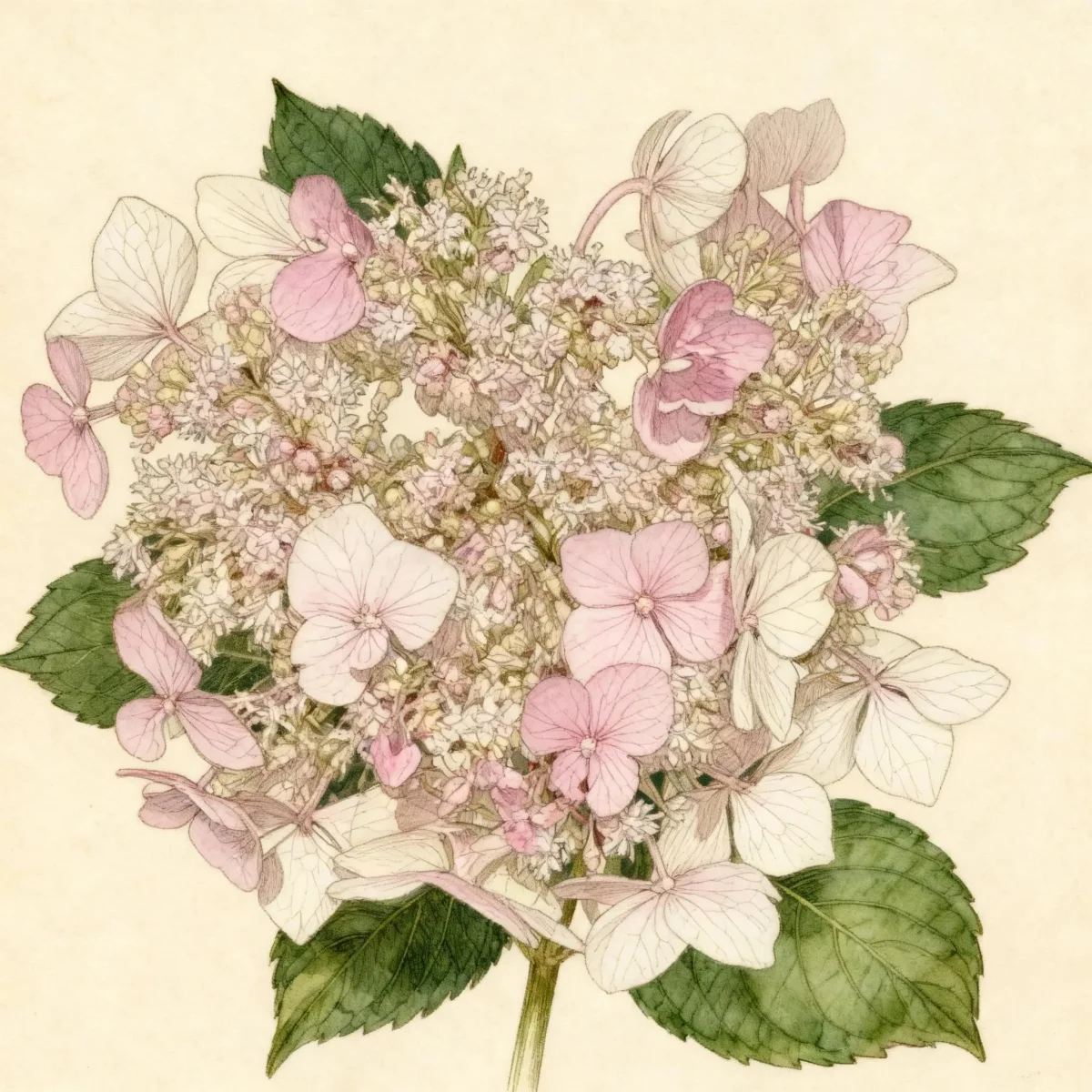
For mass plantings, group several Bigleaf hydrangeas together in mixed shrub borders to create blocks of continuous summer color. The lacecap-like flower form offers a slightly more delicate texture than traditional mopheads, pairing well with fine-textured perennials like Japanese forest grass or broad-leaved hostas that thrive in similar part-shade conditions. Its manageable size also means it adapts easily to large containers, often used to flank porch steps or define outdoor living areas.
Standout Features
Flower Qualities
- Showy
Noteworthy Characteristics
The defining feature of ‘Lynn’, commonly sold as LET’S DANCE STARLIGHT, is its exceptional reblooming habit, flowering on both old and new growth, guaranteeing color even if winter weather damages older wood. This compact, lacecap-like cultivar typically matures at 2–3 feet tall, maintaining a tidy footprint in the landscape. It reliably produces repeat blooms from July straight through to autumn, offering extended garden performance unmatched by many traditional Bigleaf hydrangeas.
Tolerances
Potential Problems
Bigleaf hydrangeas, including Hydrangea macrophylla ‘Lynn’ LET’S DANCE STARLIGHT, exhibit some common horticultural issues that require vigilance. Gardeners should watch for signs of bud blight, bacterial wilt, leaf spot, and mildew, which can affect overall plant health and flower production. Managing fungal issues often involves ensuring good air circulation by maintaining proper spacing and avoiding overhead watering late in the day.
Aphids are noted as occasional pests. If an infestation occurs, a strong spray of water or the application of insecticidal soap can typically manage populations. Prevention is key; healthy, well-watered plants under appropriate light conditions are naturally less susceptible to both pest outbreaks and disease pressure.
Frequently Asked Questions
What hardiness zones is Bigleaf hydrangea suitable for?
Hydrangea macrophylla ‘Lynn’ LET’S DANCE STARLIGHT is hardy in USDA Zones 5 through 9.
How large does Hydrangea macrophylla ‘Lynn’ LET’S DANCE STARLIGHT grow?
This compact cultivar typically reaches a height between 2 and 3 feet, with a similar spread of 2 to 3 feet at maturity.
What sun exposure does Hydrangea macrophylla ‘Lynn’ LET’S DANCE STARLIGHT need?
It thrives best in part shade locations, though it can manage full sun if provided with consistently moist soil conditions throughout the growing season.
When does Hydrangea macrophylla ‘Lynn’ LET’S DANCE STARLIGHT bloom?
This variety blooms reliably from July until September or fall, producing flowers that range in color from pink to blue depending on the soil chemistry.
Conclusion
The Hydrangea macrophylla ‘Lynn’ LET’S DANCE STARLIGHT stands out as an exceptional Bigleaf hydrangea due to its dependable reblooming nature on both old and new wood. This ensures gardeners are rewarded all season long with its colorful, manageable form. Before planting, confirm your location falls within USDA Zones 5-9 and plan your siting to provide the necessary part shade and excellent soil drainage for this highly versatile shrub.
Companion Planting
When selecting companions for your Hydrangea macrophylla ‘Lynn’ LET’S DANCE STARLIGHT, focus on plants sharing similar requirements for part shade and medium moisture. Hostas provide excellent textural contrast with their broad leaves beneath the hydrangea canopy, thriving in the same dappled light. Ferns, such as the Japanese Painted Fern, also pair beautifully, reinforcing the lush, woodland garden aesthetic that complements the look of Bigleaf hydrangeas.
Consider extending the flowering season with early bloomers that finish before the hydrangea peaks, or later bloomers that take over as its color fades. Astilbes offer feathery plumes in spring that look wonderful next to emerging hydrangea foliage. For a deeper color palette, woodland phlox or bleeding hearts present early color before the summer show of the Hydrangea macrophylla ‘Lynn’ LET’S DANCE STARLIGHT begins in July.
Seasonal Care Calendar
Spring preparation is vital for maximizing bloom potential. In late winter or very early spring, prune out any weakened or obviously dead wood. This is the ideal time, if desired, to begin slow soil amendments (lime or aluminum sulfate) to set the color for the upcoming bloom cycle of your Bigleaf hydrangea.
Summer care centers entirely on consistent moisture management. Water deeply whenever the top inch or two of soil feels dry, especially if the plant is receiving any direct sun exposure. Once blooms begin to fade in late summer, if you choose to prune, do so immediately after flowering, cutting only back to a pair of healthy buds located just below the spent blooms.
Winter preparation involves applying a fresh layer of mulch around the base of the plant. For Zone 5 gardeners, providing extra physical protection, such as wrapping stems or creating a protective straw barrier, minimizes the risk of bud loss from severe freezes, thereby improving the chances of a strong repeat bloom next year from the Hydrangea macrophylla ‘Lynn’ LET’S DANCE STARLIGHT.