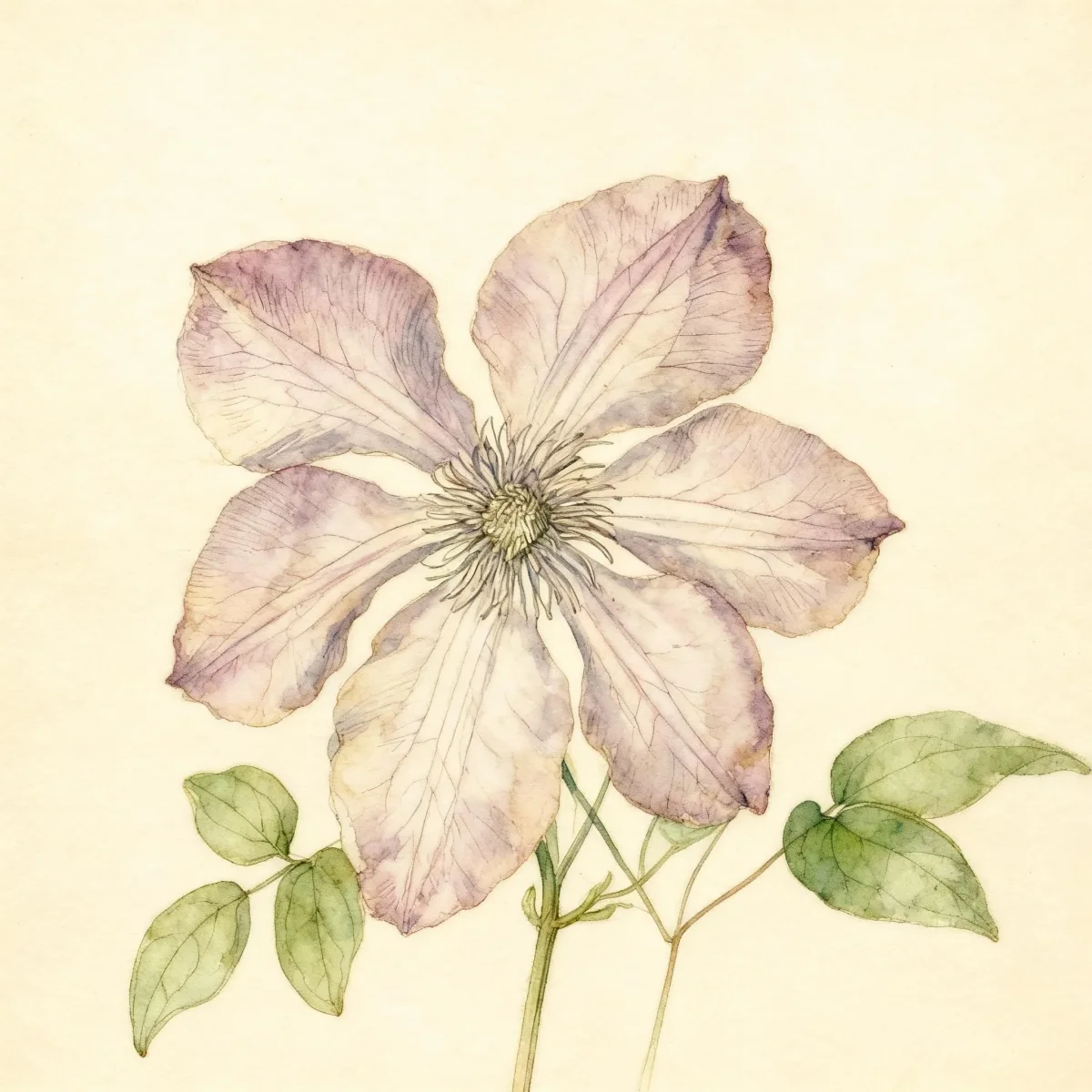
Clematis (Clematis 'Andromeda')
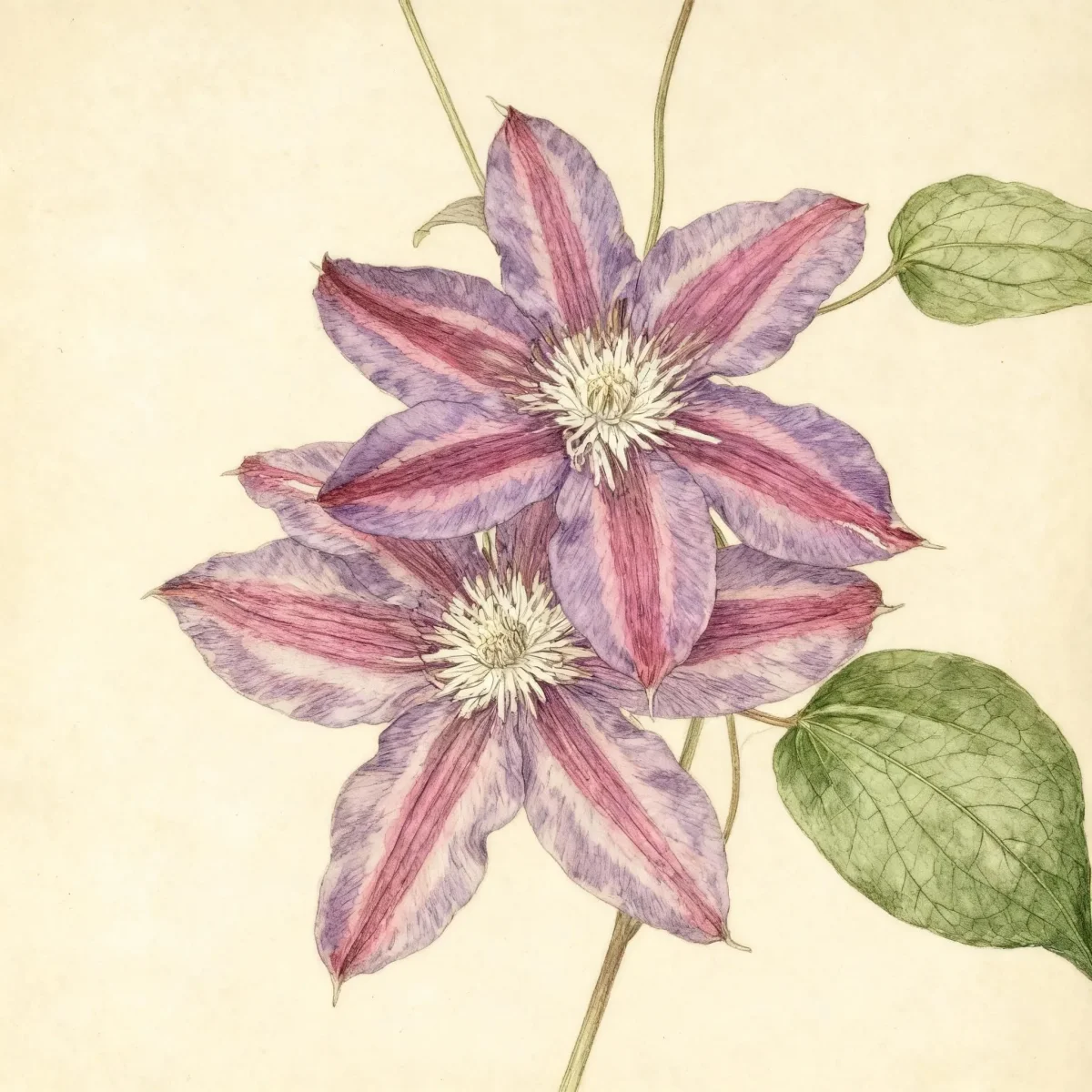
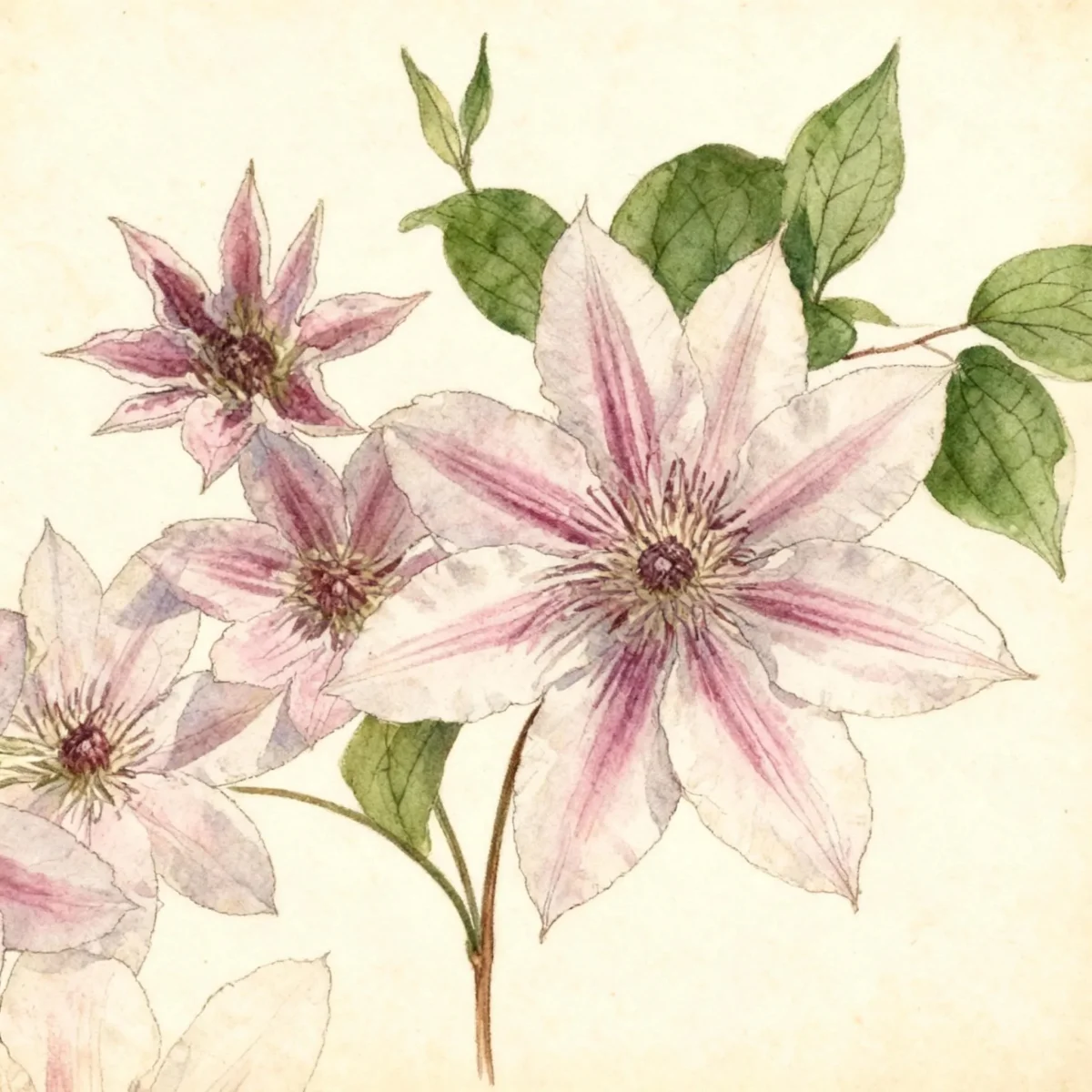
Stunning Clematis 'Andromeda' offers large white flowers with rose-pink stripes. A Group 2 vine for zones 4-8 blooming June to Sept.
Scroll down to discover growing tips, care requirements, companion plants, and more
Complete Plant Information
Overview
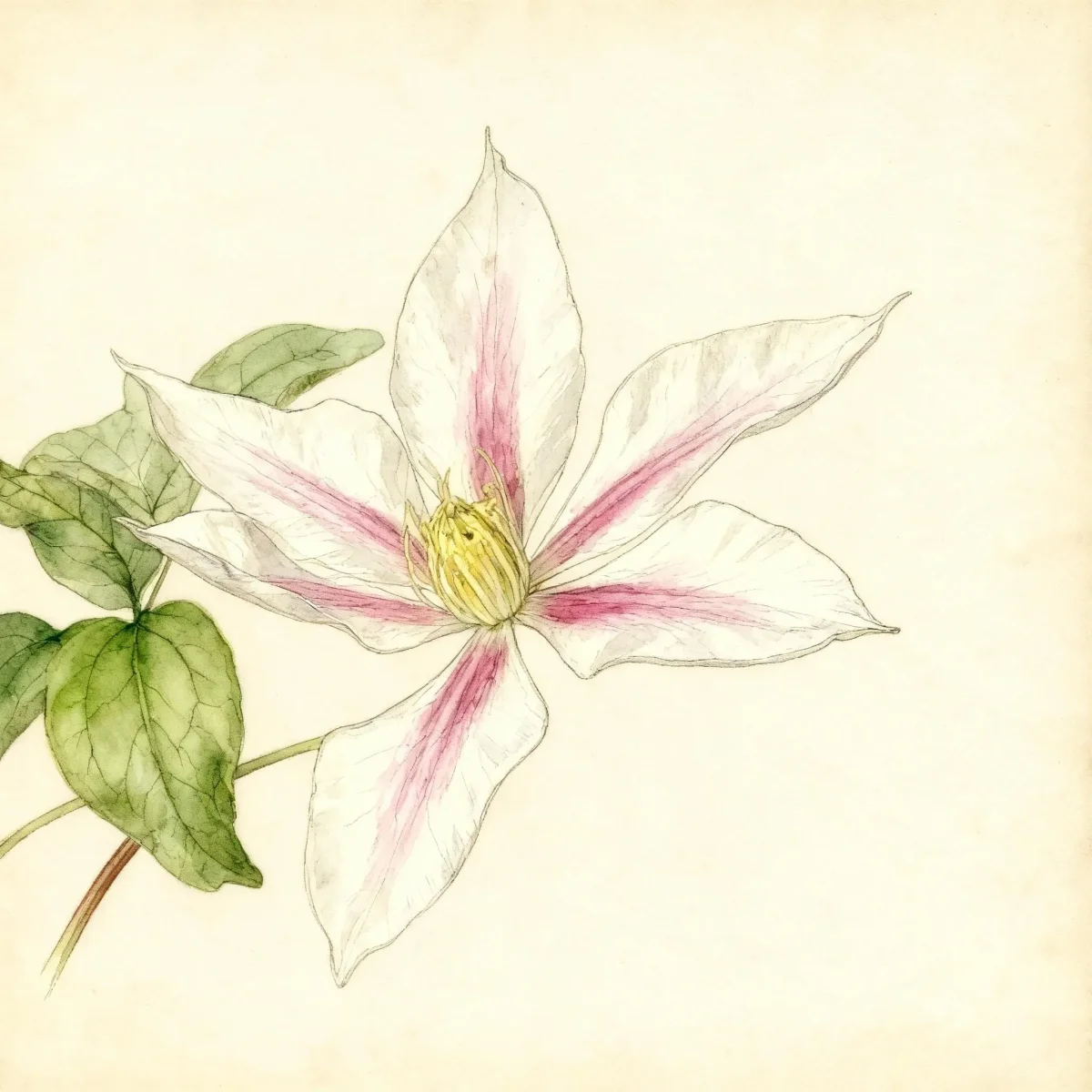
The magnificent Clematis ‘Andromeda’ is a standout woody vine prized for its large, showy flowers that appear throughout the growing season. This magnificent cultivar produces semi-double, white blooms accented with dramatic rose-pink center stripes, offering color starting early and continuing into late summer. As a member of the extensive Clematis genus, ‘Andromeda’ provides excellent vertical interest and structure in the garden.
Growing typically between 8 and 10 feet tall, this vigorous Clematis requires sturdy support, such as a trellis or arbor, for optimal display. It thrives in well-drained, fertile soil, benefiting significantly from having its roots kept cool and shaded while the flowering stems enjoy sun or light afternoon shade. Gardeners will appreciate the relatively low maintenance requirements once established, making the Clematis ‘Andromeda’ a fantastic choice for dramatic height.
Beyond its visual appeal, this variety features ornamental fluffy seed heads later in the season, extending its interest. The versatility of the Clematis genus allows this vine to soften hard architectural lines or cascade attractively over walls. Successful cultivation hinges on consistent moisture and proper pruning for this Group 2 flowering hybrid.
Fast Facts
- Plant Family: Ranunculaceae
- Plant Type: Vine
- Hardiness Zones: USDA Zones 4-8
- Size at Maturity:
- Height: 8-10 ft
- Spread: 2-3 ft
- Bloom Time: June to September
- Bloom Description: White with rose pink tepal stripes
- Sun Exposure: Full sun to part shade
- Water Needs: Medium
- Maintenance Level: Low
How to Grow
Planting Clematis ‘Andromeda’ is best done in the spring or early fall, ensuring you use fertile, well-drained soil rich in organic matter. The key cultural requirement for successful growth is shading the roots while allowing the foliage and flowers to receive the desired sun exposure. Light afternoon shade is particularly beneficial in hot, humid climates. Always install a trellis or other sturdy support structure at the time of planting, as once established, moving the vine can cause damage.
Watering needs for this Clematis are medium; the soil must be kept uniformly moist, never allowed to dry out completely. To maintain cool roots, use perennials, annuals, or small shrubs planted near the base, or apply a thick root mulch. Fertilize established plants according to general Clematis guidelines, avoiding excessive nitrogen which promotes foliage over flowers.
Clematis ‘Andromeda’ is pruned as a Group 2. This means it flowers on both old wood (early season) and new wood (late summer). Minimal pruning is generally recommended; primarily remove any dead or damaged stems in late winter or early spring. Hard pruning Group 2 varieties may delay or reduce flowering but will not prevent it, though light shaping is usually sufficient for this type.
Landscape Uses
Clematis vines are unmatched for adding dramatic vertical element and softening hard lines in the landscape. Clematis ‘Andromeda’ is perfect for training up a wall, trellis, fence, or arbor, quickly creating an architectural framework. Its height of up to 10 feet makes it ideal for screening or adding dramatic flair above shorter shrubs.
For design synergy, consider planting the base of this Clematis with low-growing, shade-tolerant perennials that will fulfill the requirement of keeping the roots cool. Ground covers or shallow-rooted annuals work well to shade the soil near the base. These vines also look magnificent sprawling over sturdy shrubs or scrambling naturally over old stumps, blending structure with softer texture. Containers are also an option, provided the pot is large enough to accommodate steady root development and the potting mix retains moisture well.
Standout Features
Flower Qualities
- Showy
Noteworthy Characteristics
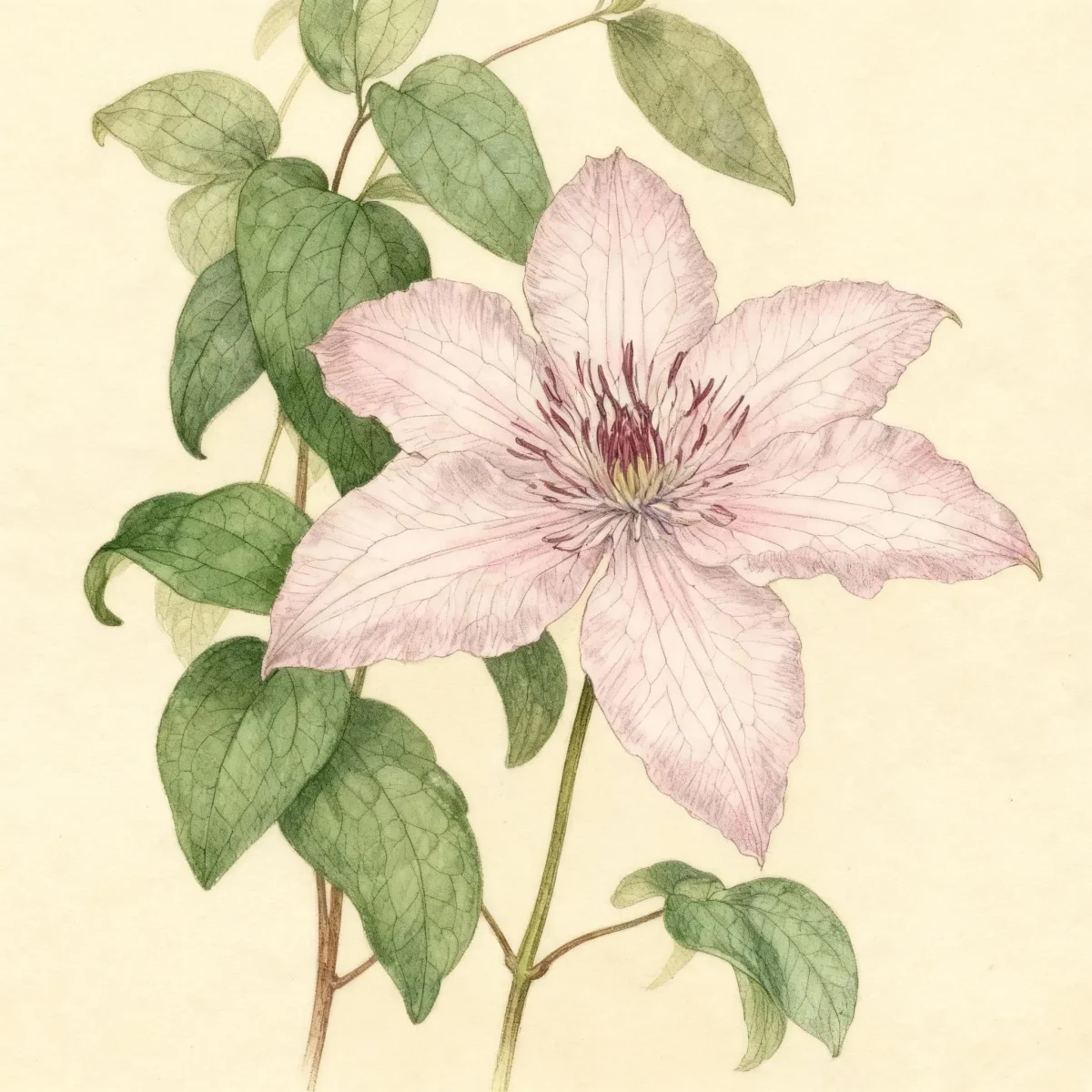
The Clematis genus encompasses over 250 species, ranging from woody vines to small shrubs distributed across both hemispheres. Cultivated plants are grouped for pruning ease; ‘Andromeda’ is classified as Group 2, flowering on both old and new wood. This early large-flowered cultivar exhibits semi-double, white flowers up to 7 inches wide, marked with distinctive rose-pink stripes along the tepals.
Tolerances
- Deer
- Black Walnut
Potential Problems
This Clematis variety, like many in the genus, is susceptible to certain health issues that require proactive monitoring. The most serious concern is wilt or stem rot, which can prove fatal if not caught early. Fungal diseases such as powdery mildew, leaf spots, and rust can affect the foliage throughout the season.
Insect pests often targeting Clematis include aphids, scale, and vine weevils, while slugs and snails can damage tender young growth. Spider mites may also appear, especially during hot, dry spells. Management should focus on good air circulation, proper soil drainage, and vigilant inspection to address pests before populations overwhelm the vine.
Frequently Asked Questions
What hardiness zones is Clematis ‘Andromeda’ suitable for?
Clematis ‘Andromeda’ performs best in USDA Hardiness Zones 4 through 8.
How large does Clematis grow?
This cultivar typically reaches a mature height between 8 and 10 feet, with a narrow spread of 2 to 3 feet.
What sun exposure does Clematis need?
This Clematis requires full sun to part shade. Remember to shade the roots while ensuring the upper vine receives adequate light to bloom profusely.
When does Clematis ‘Andromeda’ bloom?
You can expect blooms from June through September, starting with large flowers on old wood, followed by later blooms on new growth.
Conclusion
The Clematis ‘Andromeda’ offers extraordinary season-long color with its large, striped white flowers, representing an excellent low-maintenance choice for vertical interest. Providing the necessary support and routine root shading will ensure this robust Clematis thrives for years. Before planting, confirm your garden location falls within the zones 4-8 range and prepare planting mediums rich in organic matter.
Companion Planting
Selecting appropriate companions is crucial for the long-term health of Clematis ‘Andromeda’, specifically because its roots require shading. Choose low-growing, shallow-rooted perennials that thrive in similar light conditions (full sun to part shade) without aggressively competing for nutrients. Hostas or large-leafed perennial Geraniums work perfectly to blanket the soil surface, insulating the vine’s base.
Avoid planting aggressive, deep-rooted shrubs immediately adjacent to the Clematis base, as they will compete heavily for water and hinder your efforts to keep the root zone cool. Low-growing ornamental grasses or ground-covering Sedums that do not climb can soften the transition from the soil to the vertical structure supporting the vine.
This synergistic planting strategy enhances the aesthetic appeal by layering textures while providing the essential physical benefits of mulch, ensuring the roots of your Clematis ‘Andromeda’ remain uniformly moist and shaded throughout the summer heat.
Design Ideas for Vertical Gardening
The structure provided by Clematis ‘Andromeda’ makes it a centerpiece plant for creating defined vertical spaces in the garden. Utilize it on a sturdy arbor to create a shaded entryway or walkway, allowing the spectacular white blooms to overhang the pathway. Its height allows it to act as a living screen between garden rooms without completely blocking views, unlike a solid fence.
Alternatively, position this vine near a less attractive feature, such as the side of an air conditioning unit or a utility box, leveraging its rapid growth to conceal functional necessities. When planted against a dark brick or deep green backdrop, the white and rose-pink flowers of the Clematis truly pop.
For cottage-style gardens, pair Clematis ‘Andromeda’ with climbing roses or sturdy, upright perennials like Delphiniums, ensuring the rose or delphinium is planted far enough away or provides enough canopy cover to shade the Clematis roots naturally.