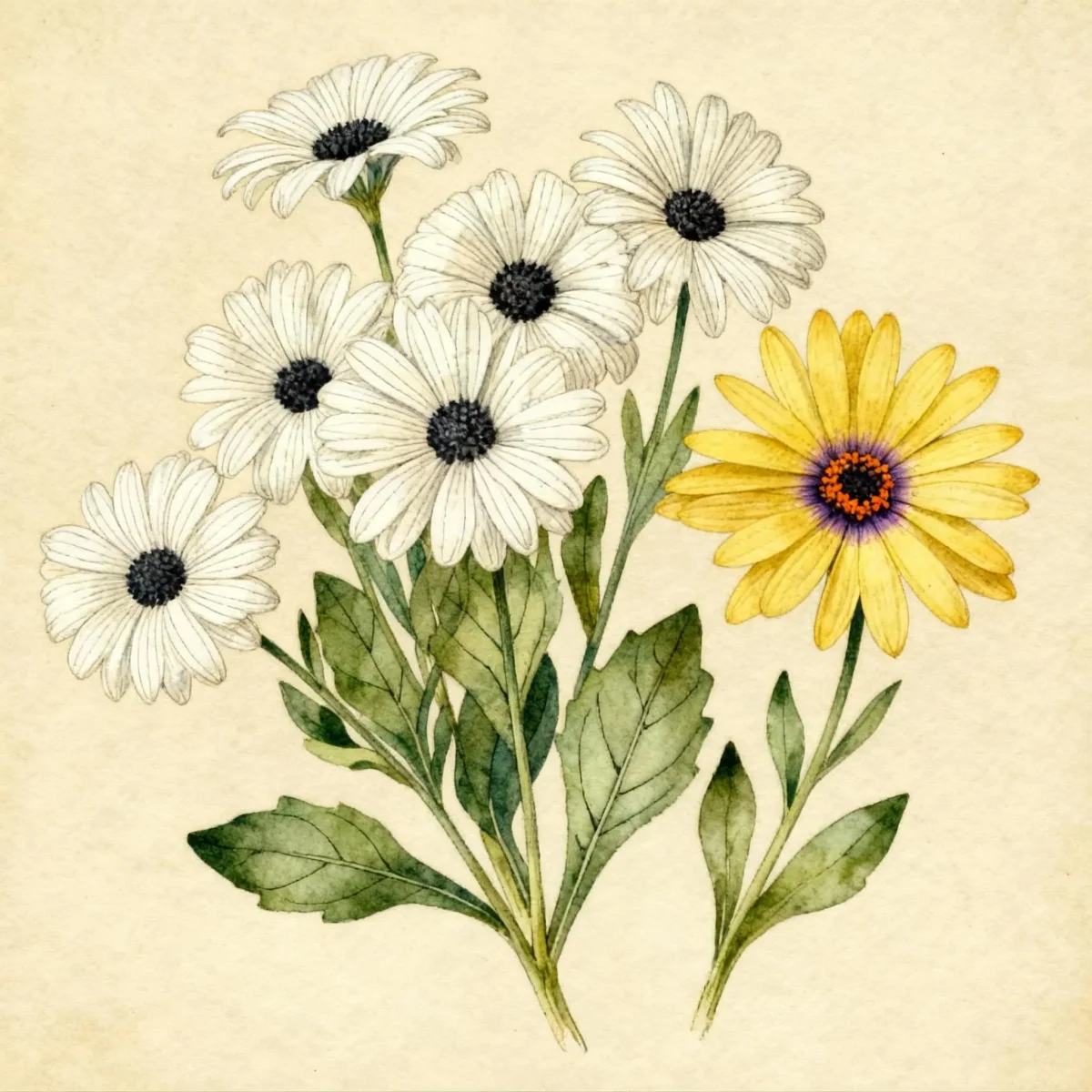
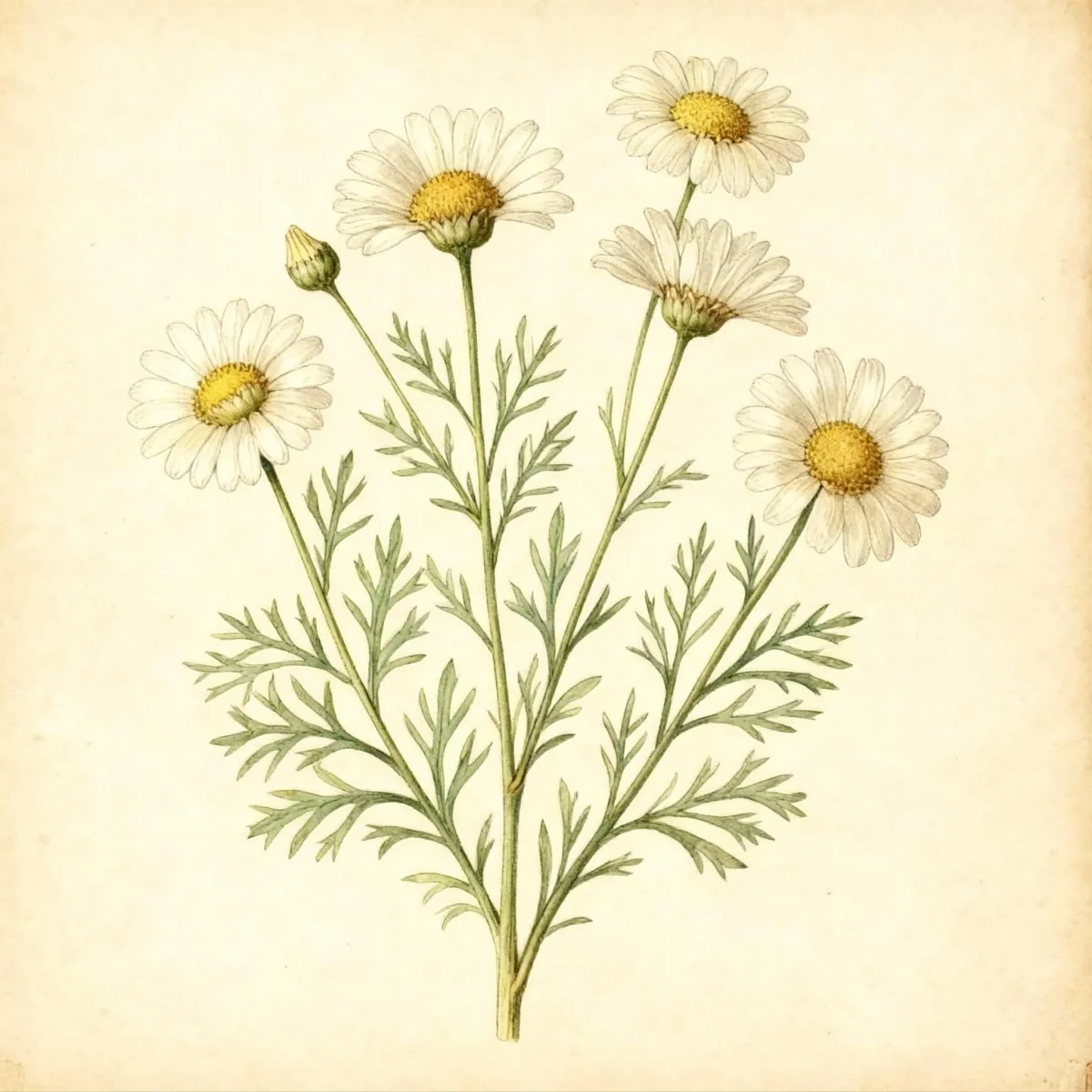
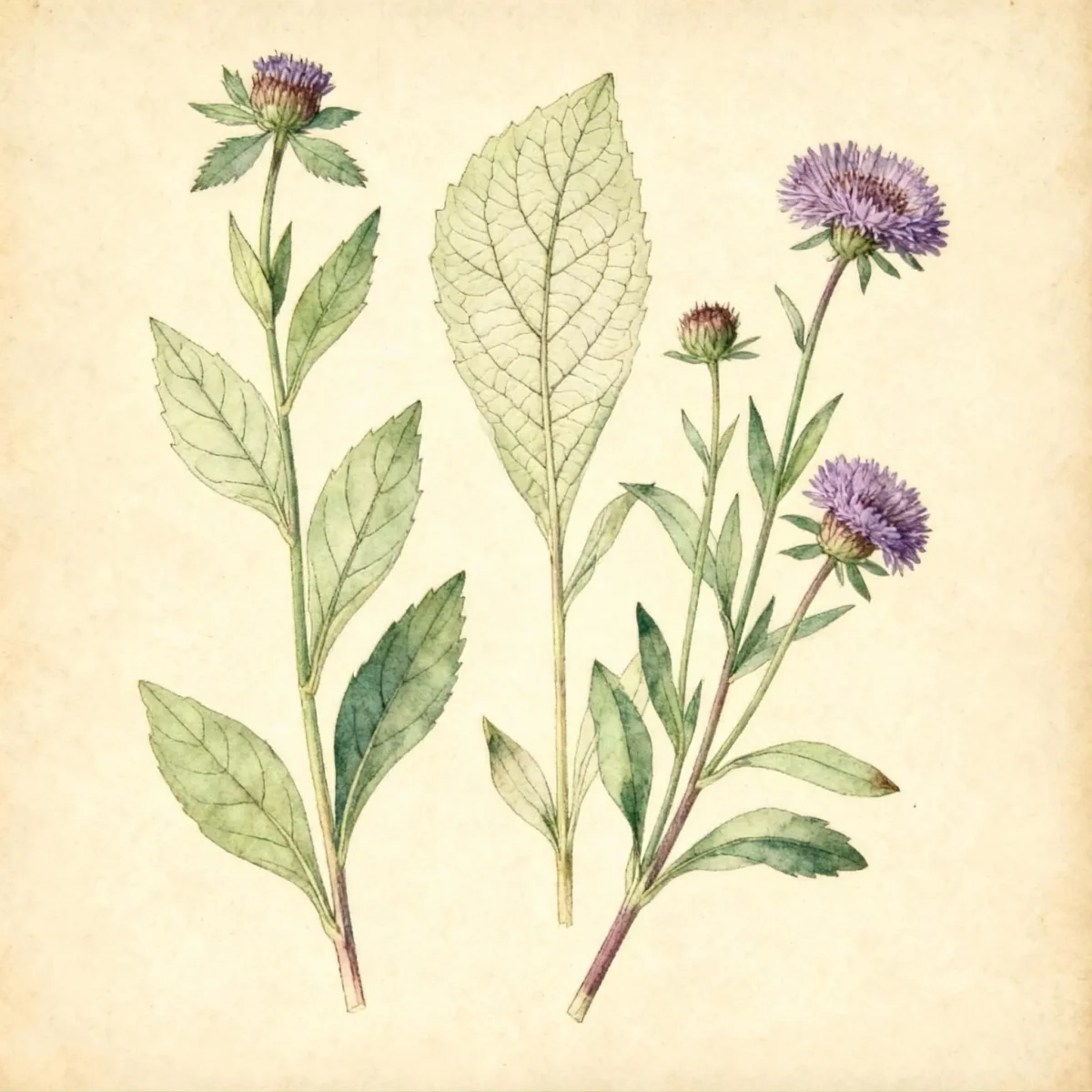
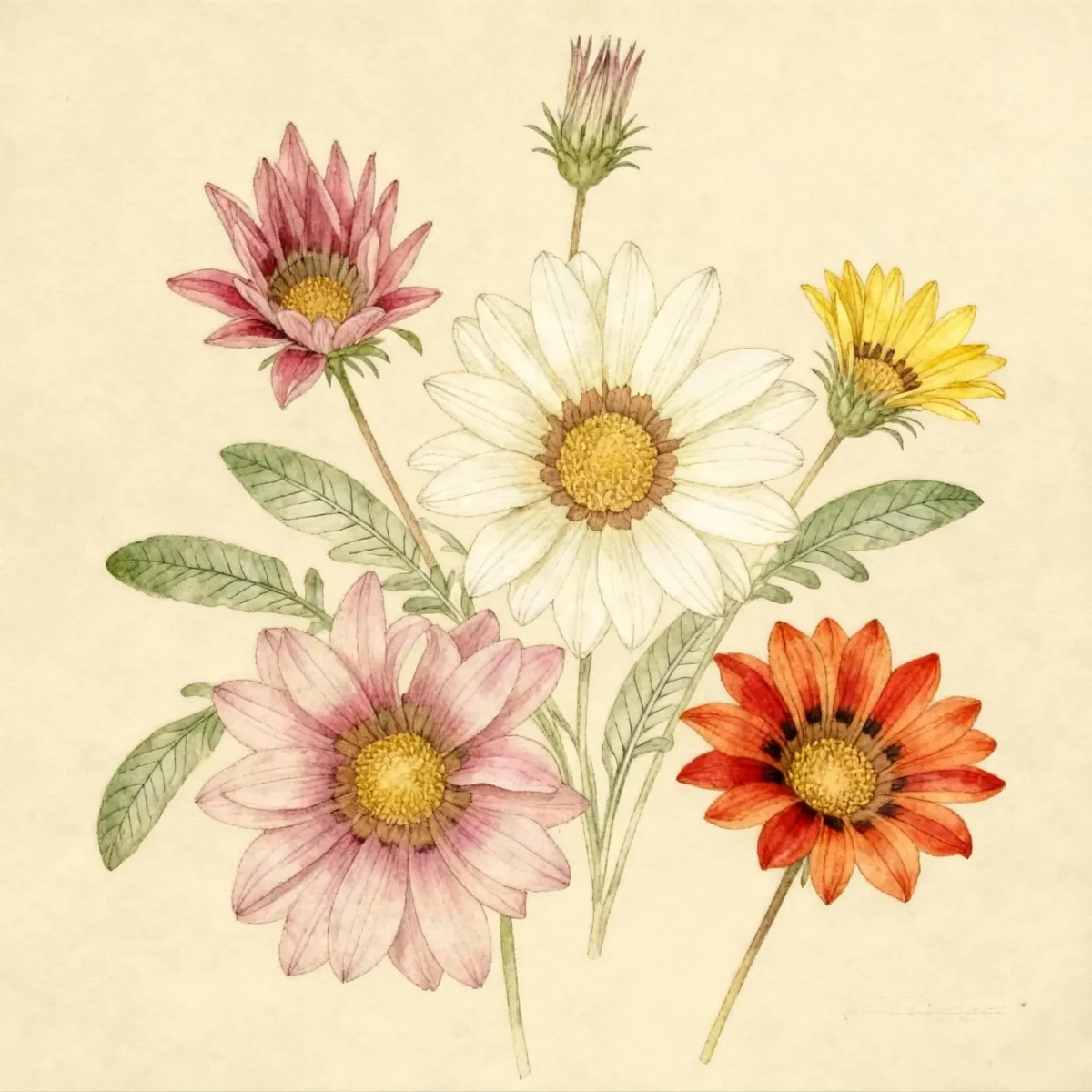
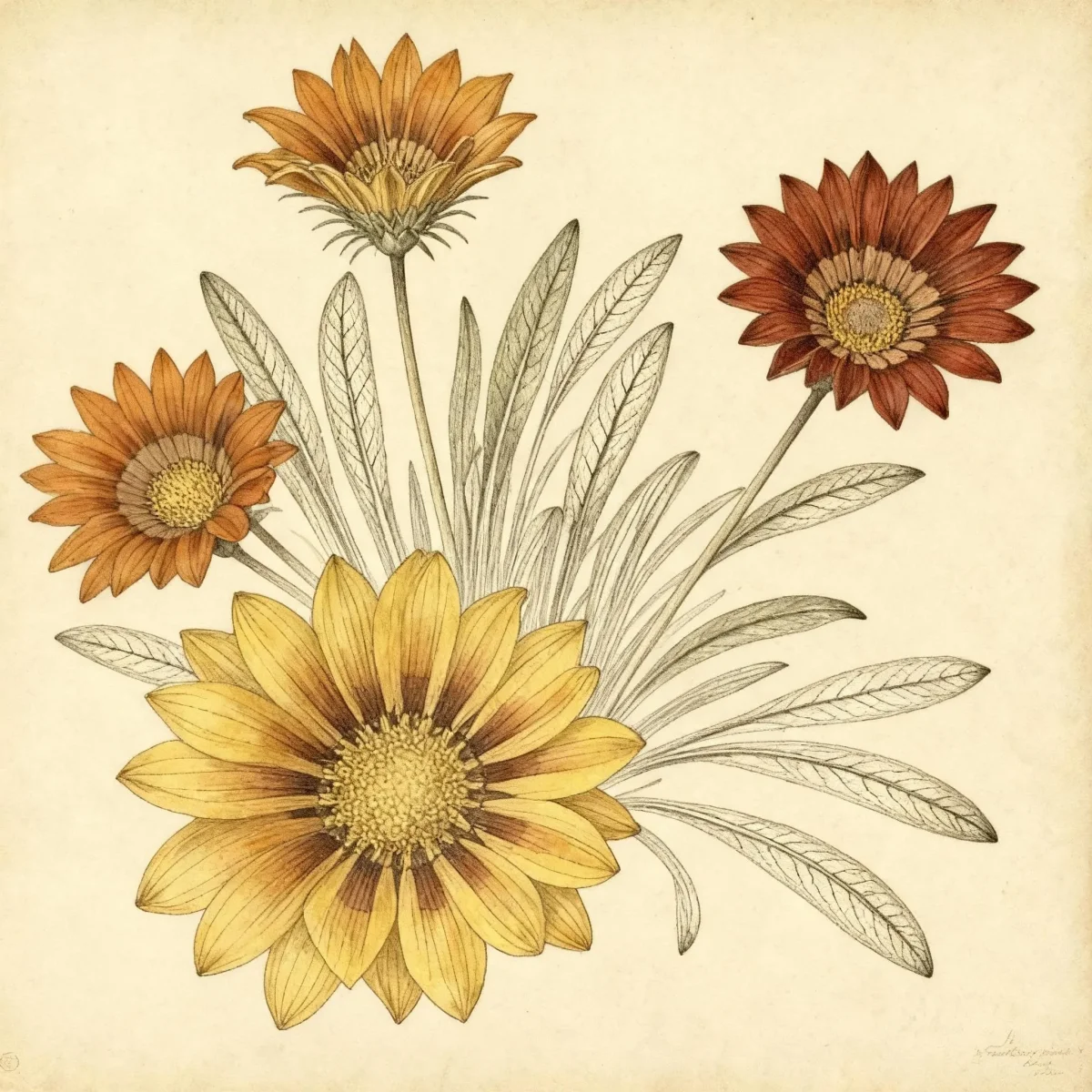
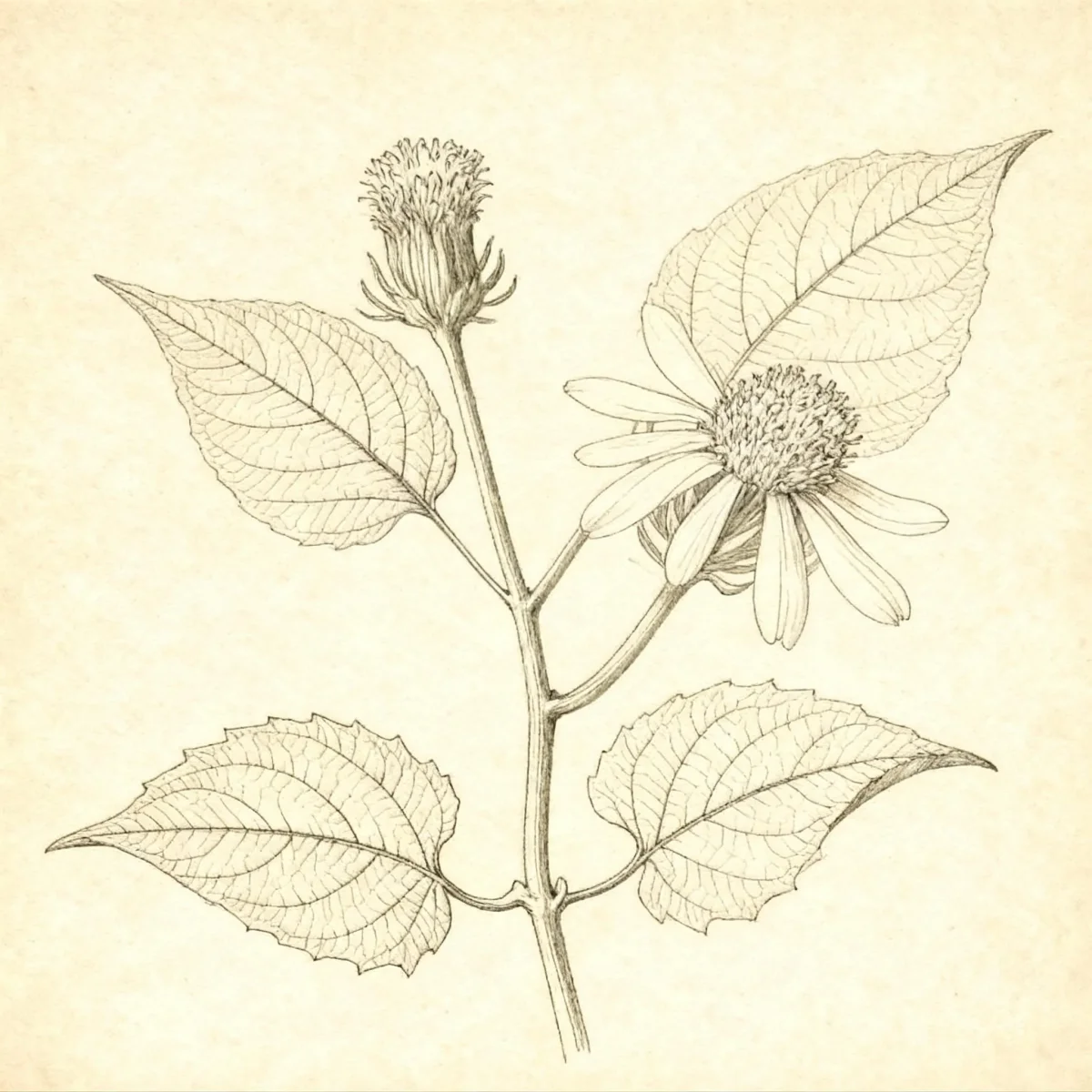
African daisy (Osteospermum 'Wildside')
Dwarf Osteospermum 'Wildside' African daisy offers vibrant purple blooms in full sun. Ideal for zones 10-11 containers or borders.
Scroll down to discover growing tips, care requirements, companion plants, and more
Complete Plant Information
Overview
Osteospermum ‘Wildside’, commonly known as the African daisy, is prized for its brilliant, daisy-like flowers that bring consistent color to sunny locations. Bred from hardy hybrids, this specific cultivar offers a compact, broad-spreading habit perfect for modern garden designs. Although a tender perennial, Osteospermum ‘Wildside’ generally provides reliable annual performance in most climates outside its native range.
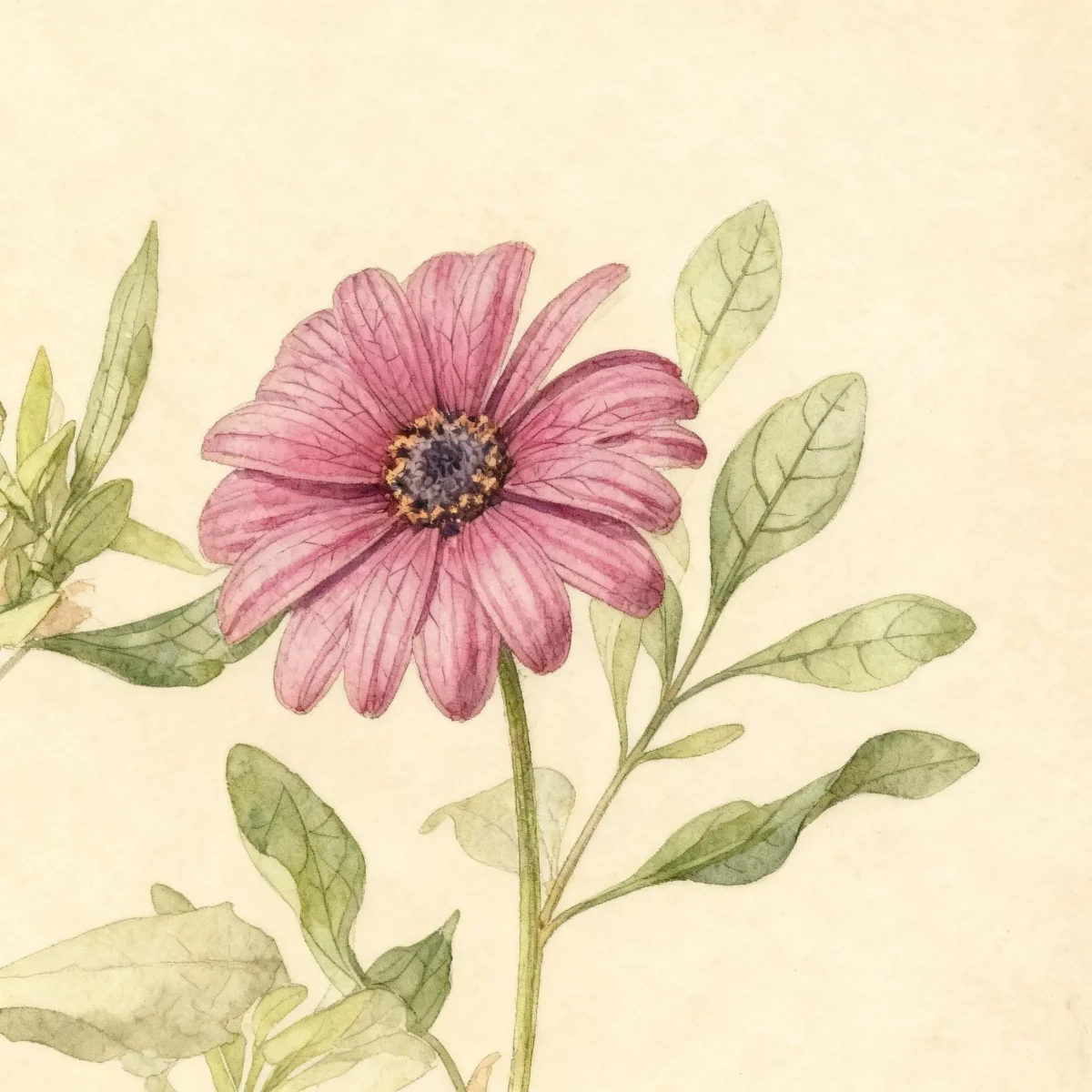
This gem features striking purple ray flowers centered by a deep blue disk, blooming prolifically from late spring into mid-summer. Growing between half a foot and one foot tall, the African daisy maintains a tidy presence suitable for edging or mixed containers. Gardeners appreciate the vibrant display Osteospermum ‘Wildside’ provides, especially in the heat of early summer when other annuals may fade.
While thriving in the warmth, these plants typically dislike intense humidity, making thoughtful placement crucial. Incorporate Osteospermum ‘Wildside’ into your garden plan where its low-growing structure and incredible color saturation can be fully appreciated throughout the growing season.
Fast Facts
- Plant Family: Asteraceae
- Plant Type: Herbaceous perennial
- Hardiness Zones: USDA Zones 10-11
- Size at Maturity:
- Height: 0.5-1 ft
- Spread: 0.5-1 ft
- Bloom Time: May to July
- Bloom Description: Purple ray flowers with a blue center
- Sun Exposure: Full sun
- Water Needs: Medium
- Maintenance Level: Medium
How to Grow
For optimum performance, plant Osteospermum ‘Wildside’ in the spring after the danger of frost has passed. Select a location that receives full sun exposure throughout the day. These African daisies prefer average, loose, moderately fertile, evenly moist, well-drained soils. Good drainage is essential, as the roots dislike sitting in soggy conditions, especially when combined with high heat.
Maintain consistent moisture, allowing the soil surface to slightly dry between waterings; this aligns with their medium water requirements. Deadheading spent flowers is a key maintenance task that encourages the plant to produce new blooms, prolonging the vibrant display well into July. While generally low maintenance, ensure air circulation is adequate, as the species can sometimes be susceptible to mildew in overly crowded or humid situations.
If growing Osteospermum ‘Wildside’ outside of USDA Zones 10-11, treat it as a cheerful annual. If you wish to start from seed, begin indoors approximately six to eight weeks before your area’s last expected spring frost to ensure an early summer show. Remember that these selections are known to slow down or cease blooming when faced with consistently hot, high-humidity summer weather, making early season performance their strong suit.
Landscape Uses
The compact stature of Osteospermum ‘Wildside’ makes it incredibly versatile in landscape design. Its suggested use as an annual or in containers means it can adapt yearly to changing design themes. Use this African daisy to define the edges of sunny perennial beds or tuck them into the forefront of mixed borders where their low, spreading habit won’t shade out neighbors.
For container gardening, Osteospermum ‘Wildside’ serves beautifully as a “filler” or “spiller” element in mixed pots alongside upright annuals like Salvia or trailing elements like Lobelia. Because they bloom best before intense high-summer heat sets in, group them with heat-tolerant companions that will take over the mid-to-late summer display. The dense foliage and bright blooms provide excellent texture contrast against plants with finer leaves or bolder colors.
Standout Features
Flower Qualities
- Showy
Noteworthy Characteristics
Osteospermum is a genus of about 70 species of subshrubs, herbaceous perennials and annuals native to southern Africa and the Arabian Peninsula, with many modern African daisy cultivars derived from species like O. Ecklonis. These frost-tender plants feature daisy-like flowers on upright stems, noted for having petal-like ray flowers surrounding a disk of tiny tubular flowers in various bright colors. The genus name Osteospermum references the hard seeds, deriving from the Greek words for “bone” and “seed”; the specific cultivar ‘Wildside’ was developed in Japan by Masao Kanno, exhibiting a dwarf, broad-spreading habit perfect for groundcover effects reaching up to one foot wide.
Tolerances
- No serious insect or disease problems. Watch for aphids. Mildew and verticillium wilt may occur
Potential Problems
While generally robust, keep an eye out for common pests like aphids when growing Osteospermum ‘Wildside’. Mildew and verticillium wilt are occasional concerns, often stemming from overly wet conditions or poor air circulation. Ensuring the plant has well-drained soil and placing it where it receives good airflow will mitigate the risk of fungal issues developing. Promptly removing any yellowing lower foliage or signs of stress can help maintain the vigor of your African daisy display.
Frequently Asked Questions
What hardiness zones is African daisy suitable for?
Osteospermum ‘Wildside’ is winter hardy primarily in USDA Zones 10 and 11. In cooler regions, it is reliably grown as a stunning annual, requiring replacement each spring.
How large does Osteospermum ‘Wildside’ grow?
This compact African daisy reaches a modest height between 0.5 and 1 foot tall, spreading to a similar width of 0.5 to 1 foot, showcasing a dwarf, broad-spreading habit.
What sun exposure does Osteospermum ‘Wildside’ need?
Osteospermum ‘Wildside’ requires full sun exposure to produce the most abundant and vibrant blooms throughout its primary blooming period from May to July.
When does African daisy bloom?
The typical bloom time for this cultivar is May through July, featuring striking purple ray flowers complemented by a blue center disk.
Conclusion
The compact, colorful performance of Osteospermum ‘Wildside’ makes it an outstanding choice for adding durable, low-maintenance color to beds and containers during the cooler parts of the growing season. Enjoying the unique purple hue of this African daisy requires matching its cultural needs—full sun and medium water—to your local climate. Check your USDA hardiness zone now to determine if you should plant Osteospermum ‘Wildside’ as a perennial or plan for its annual replacement next spring.
Companion Planting
Choosing companions carefully enhances the garden display, especially since Osteospermum ‘Wildside’ often slows down during the peak heat of mid-to-late summer. Pair this African daisy with plants that thrive in full sun and equal moisture but possess different bloom cycles or textures. Excellent companions include low-growing Sweet Alyssum, which provides a soft, mounding border beneath the daisy structure, or calibrachoa which offers continuous summer color that picks up where the Osteospermum begins to fade. Avoid planting it near high-water garden fillers, as both share a preference for drainage, which can be compromised in overcrowded areas.
Design Ideas
The dwarf, spreading nature of the Osteospermum ‘Wildside’ naturally lends itself to formal edging and foundation plantings, offering a neat, low-maintenance line of purple color. Consider mass planting groups of three or five for the highest visual impact along walkways where their short stature won’t impede views. For a striking contrast in containers, combine the deep purple Osteospermum ‘Wildside’ with silvery foliage plants like Dichondra ‘Silver Falls’ or bright chartreuse groundcovers to make the flower color truly pop under intense sunlight.