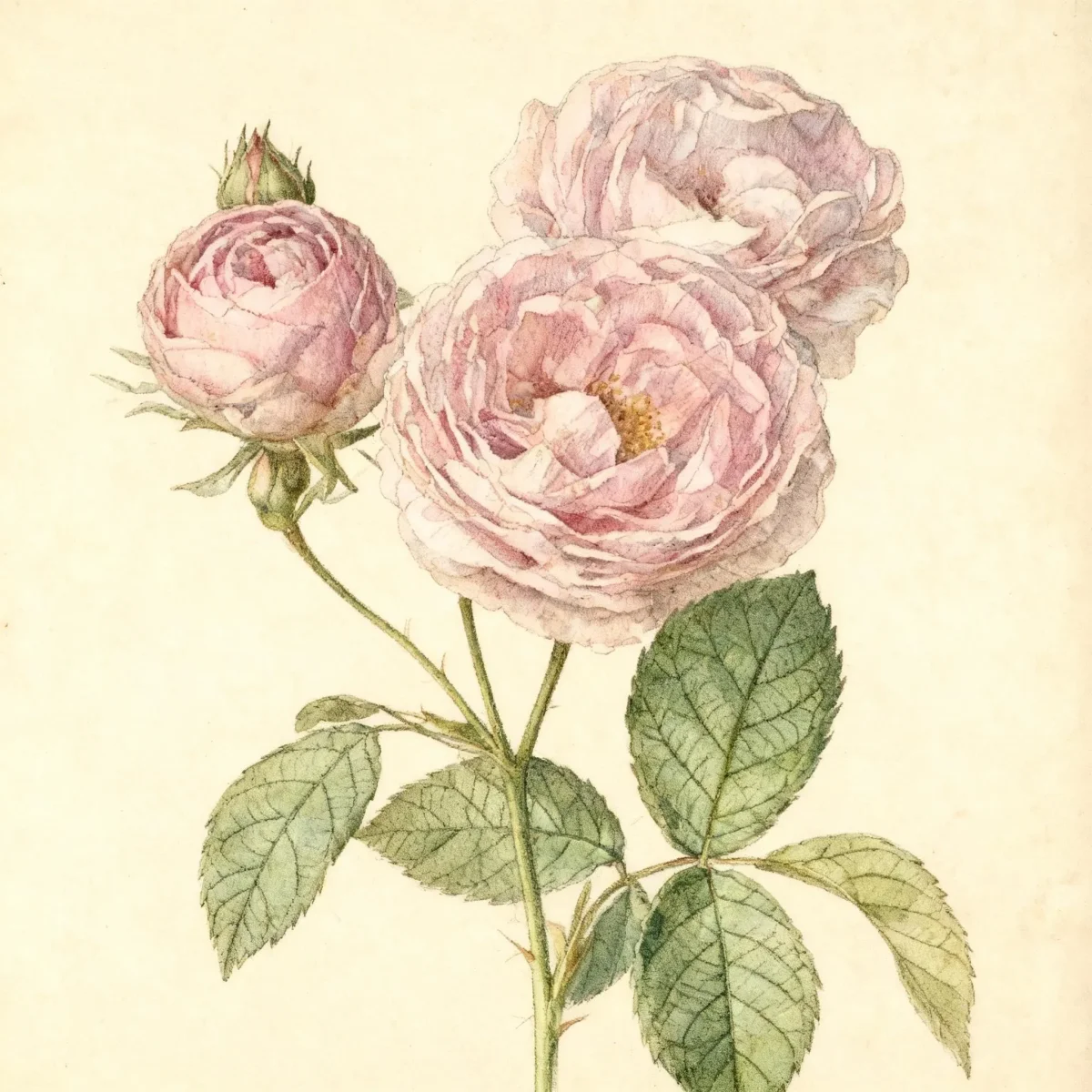
Shrub rose (Rosa 'Baiore' POLAR JOY)
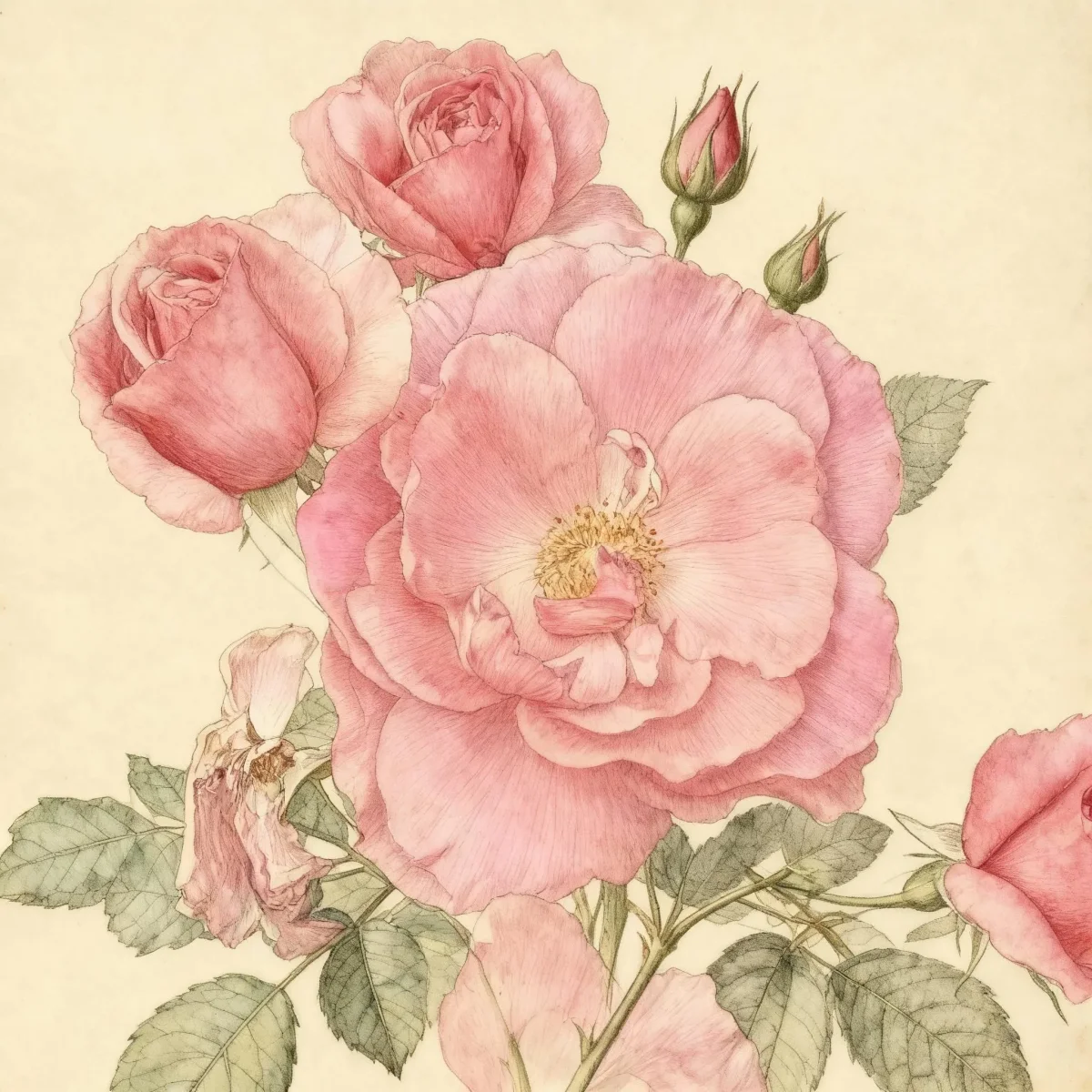
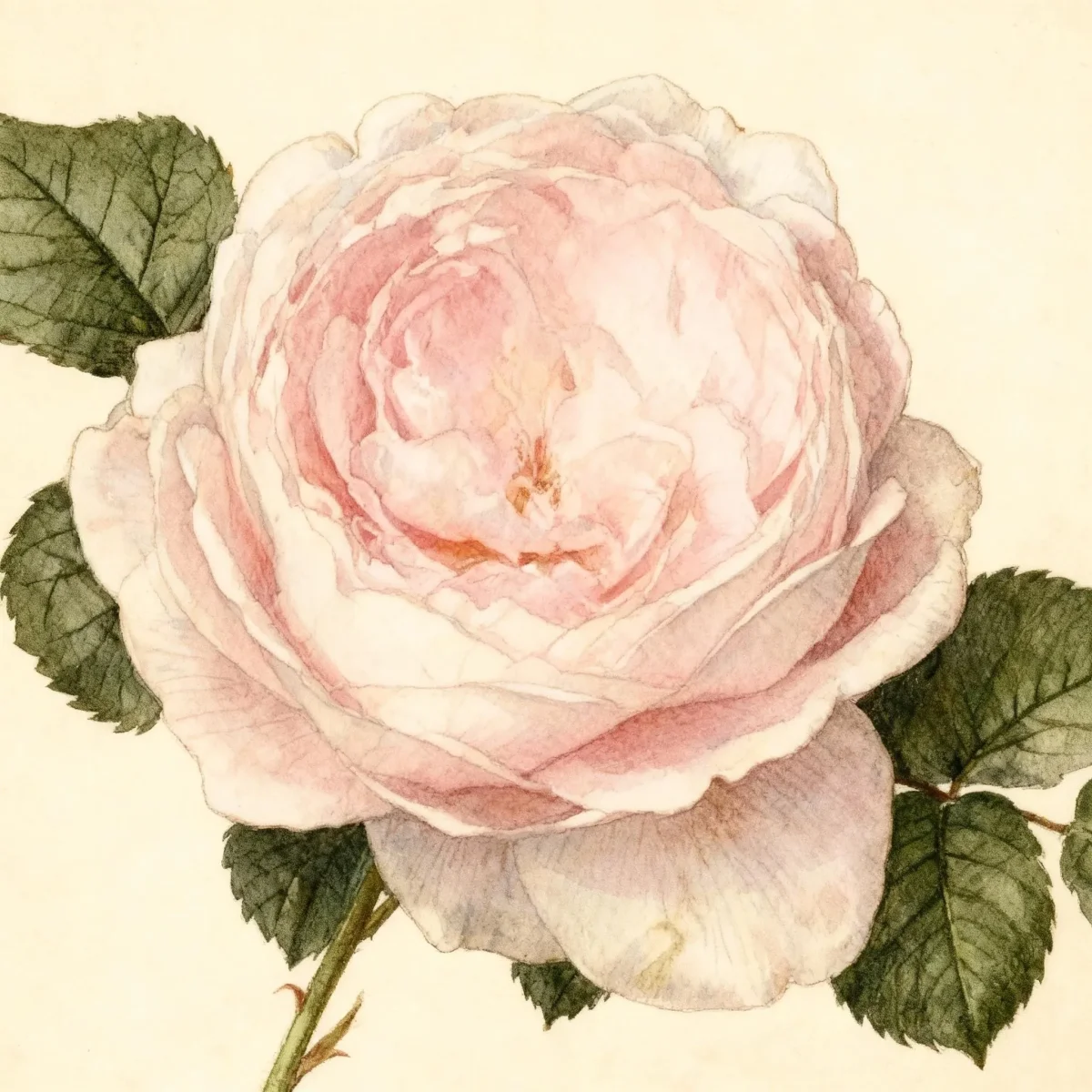
Rosa 'Baiore' POLAR JOY is a hardy Shrub rose, thriving in Zones 4-9, offering showy, fragrant soft pink blooms from May to frost.
Scroll down to discover growing tips, care requirements, companion plants, and more
Complete Plant Information
Overview
Rosa ‘Baiore’ POLAR JOY, classified as a versatile Shrub rose, is highly valued by gardeners for its impressive cold hardiness, extending its usability into cooler northern landscapes. This cultivar typically reaches a manageable height, making it an excellent choice for definition in the garden without overwhelming smaller spaces. It delivers continuous visual appeal, featuring clusters of soft pink flowers from the start of summer right until the first frost.
Developing from hardy parentage, this specific Shrub rose is grown on its own roots and offers beautiful blooms across multiple seasons in a range of climates. Achieving the best performance, including vigorous growth and optimal disease resistance, is linked to providing it with ample sunlight. Gardeners seeking reliable, fragrant bloom coverage combined with good winter survival characteristics will find Rosa ‘Baiore’ POLAR JOY to be a dependable selection.
Fast Facts
- Plant Family: Rosaceae
- Plant Type: Deciduous shrub
- Hardiness Zones: USDA Zones 4-9
- Size at Maturity:
- Height: 4-5 ft
- Spread: 4-5 ft
- Bloom Time: May to frost
- Bloom Description: Soft pink
- Sun Exposure: Full sun
- Water Needs: Medium
- Maintenance Level: Medium
How to Grow
Plant Rosa ‘Baiore’ POLAR JOY in well-drained garden loams that are slightly acidic. While it tolerates light afternoon shade, best flowering and superior disease resistance are achieved when the plant receives full sun exposure daily. Ensure good air circulation around the base of the Shrub rose, as this is crucial in preventing common foliar diseases.
Upon establishment, water deeply and regularly, focusing irrigation efforts during the morning hours to allow foliage to dry before evening. Avoid overhead watering whenever possible. Applying a layer of summer mulch will effectively help the soil retain necessary moisture, keep the root zone cool, and suppress weed competition beneath the plant canopy.
Regular maintenance involves deadheading spent blooms, which is essential for encouraging the plant to set more flower buds throughout the season. Pruning for size management or shaping should be carried out either in late winter or very early spring before new growth commences. In colder locales, particularly those bordering the lower end of its hardiness range, ensure the crowns receive adequate winter protection.
A thorough cleanup is a vital cultural practice for this rose. Remove and destroy any diseased leaves throughout the growing season, and perform a comprehensive cleanup of all fallen foliage during the winter dormant period to reduce overwintering fungal spores.
Landscape Uses
The reliable size and recurring summer bloom cycle make Rosa ‘Baiore’ POLAR JOY an adaptable component in various landscape designs. This particular Shrub rose performs well when utilized as a visual vertical accent, drawing the eye upward in a border or foundation planting without becoming overly tall. It can effectively anchor the middle layer of a mixed perennial border, providing color behind lower-growing annuals or groundcovers.
Due to its manageable stature, the POLAR JOY Shrub rose is also an excellent candidate for planting in large, substantial containers, allowing you to easily position it where its fragrance and bloom clusters can be best appreciated near patios or seating areas. When selecting companions, choose other sun-loving, medium-water needs perennials or shrubs that complement its soft pink coloration without competing aggressively for root space or light.
Standout Features
Flower Qualities
- Showy
- Fragrant
Noteworthy Characteristics
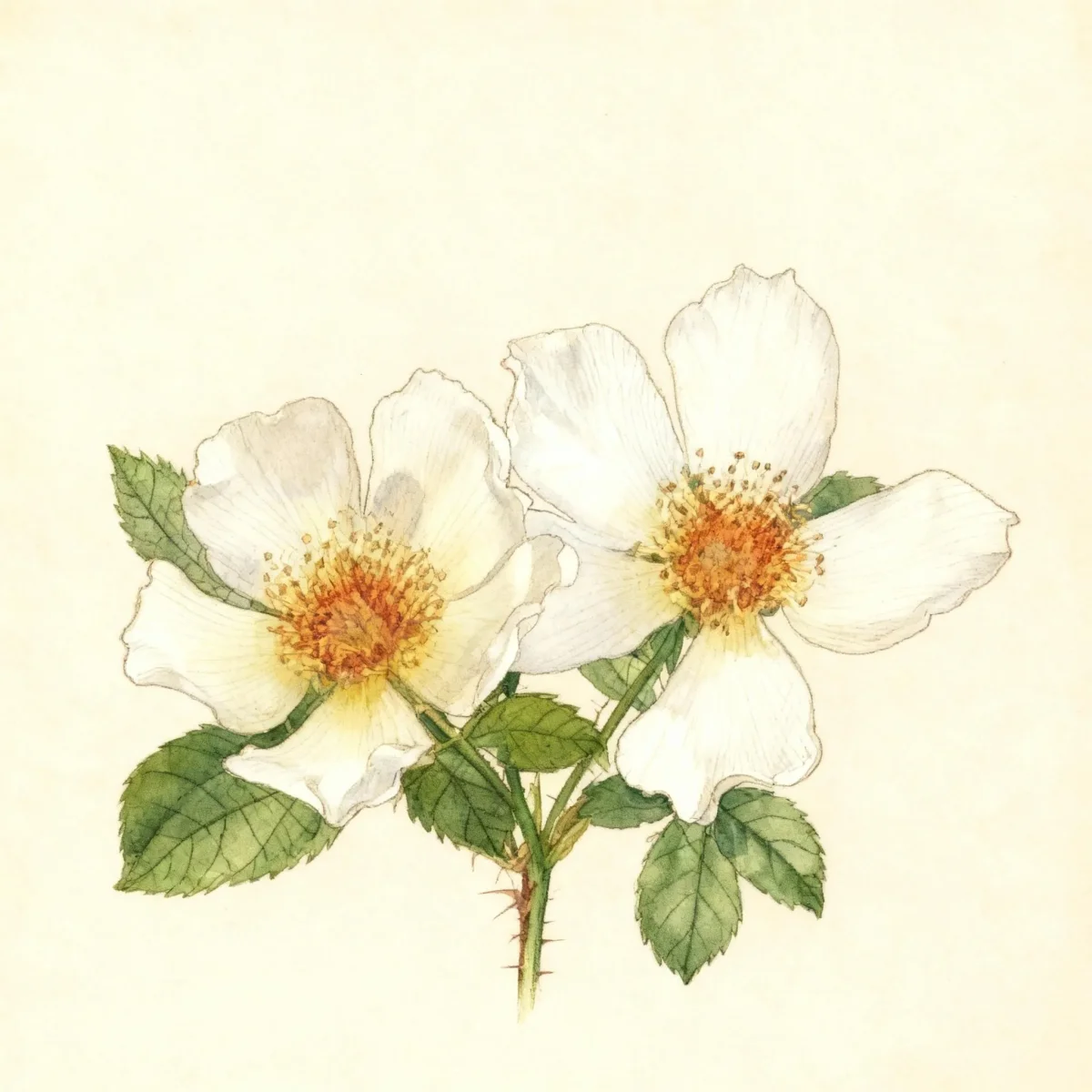
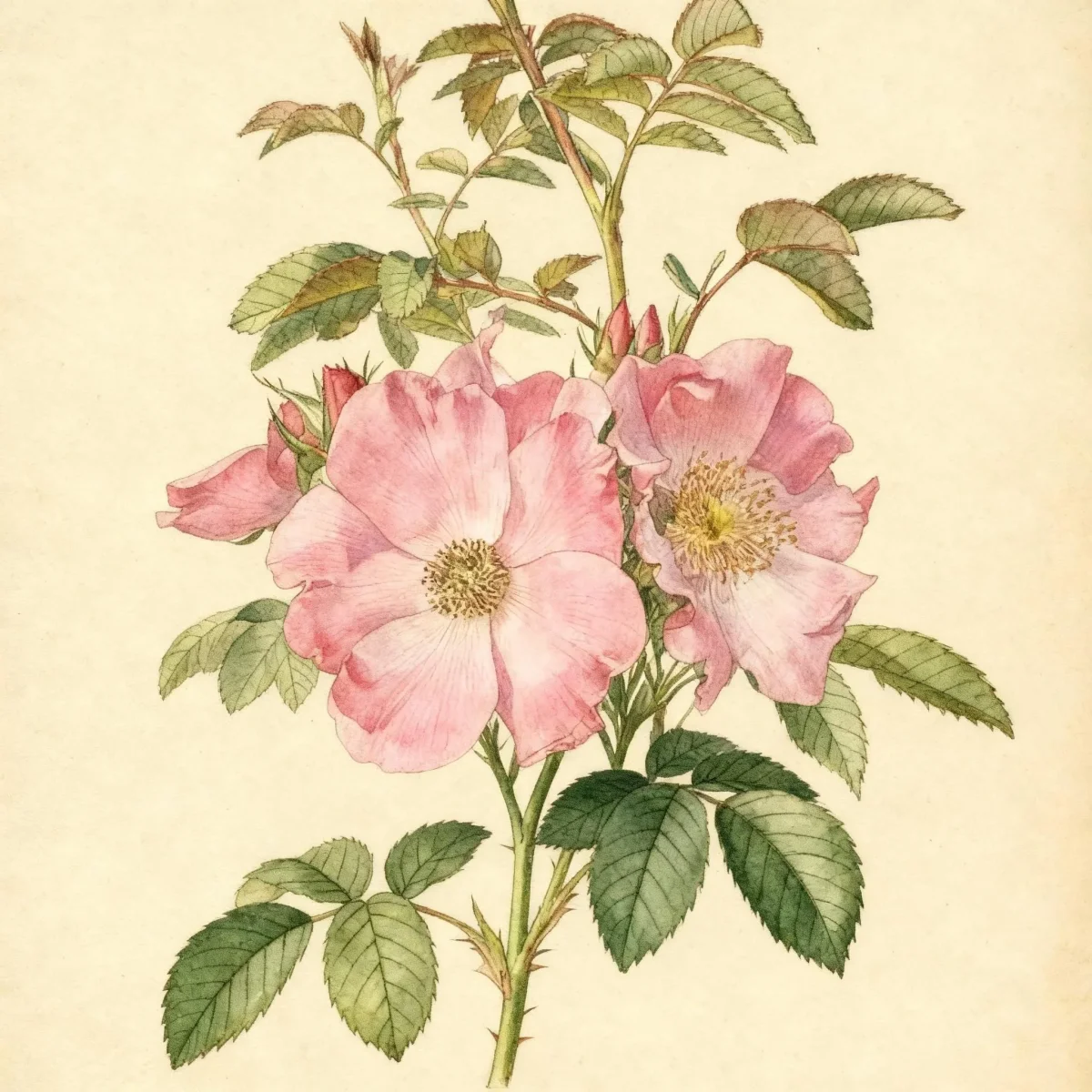
Rosa is a genus of about 150 species of deciduous (occasionally evergreen) shrubs and climbers noted for their beautiful, often fragrant, single, semidouble or double flowers which are borne singly or in clusters on often prickly stems clad with 5-9 leaflets often having toothed margins. Shrub roses are usually large-growing bushes between 4-10 feet tall and as wide. POLAR JOY (formerly marketed as NORTHERN ENCORE) is a hybrid tree rose that was reportedly developed for use in northern gardens (it is winter hardy to USDA Zone 4). It typically grows to 4-5’ tall and features soft pink single blooms, each about 2” across, borne in clusters from late spring to fall.
Tolerances
Potential Problems
Roses, including Rosa ‘Baiore’ POLAR JOY, are susceptible to numerous fungal diseases, most commonly black spot, powdery mildew, and rust. While adhering to excellent cultural practices—like maximizing air circulation and avoiding wet foliage—is the primary defense strategy, regular preventative fungicide applications are often necessary, especially in humid or rainy climates.
In addition to diseases, various insects can pose threats. Common pests include aphids feeding on new tender growth, spider mites that thrive in hot, dry conditions, borers, scale insects, and leafhoppers. Inspecting plants regularly and consulting local horticultural services for region-specific management advice is highly recommended for controlling infestations.
Frequently Asked Questions
What hardiness zones is Shrub rose suitable for?
Rosa ‘Baiore’ POLAR JOY is ideally suited for USDA Zones 4-9, offering excellent winter resilience for northern gardeners.
How large does Rosa ‘Baiore’ POLAR JOY grow?
This Shrub rose typically matures to a height between 4 and 5 feet and spreads to a comparable width of 4 to 5 feet.
What sun exposure does Rosa ‘Baiore’ POLAR JOY need?
For optimal health and the best flowering potential, this cultivar requires full sun exposure.
When does Shrub rose bloom?
Rosa ‘Baiore’ POLAR JOY exhibits a long bloom time, producing its soft pink flowers consistently from May all the way through to the first heavy frost.
Conclusion
Rosa ‘Baiore’ POLAR JOY brings reliable, fragrant beauty to the garden, backed by the robust performance expected from a modern Shrub rose. Its Zone 4 hardiness combined with a long blooming window up until frost makes this a standout choice for continuous color. Ensure you plant this beautiful Rosa ‘Baiore’ POLAR JOY in a sunny spot and practice good watering techniques to guarantee a spectacular display year after year.
Design Ideas
When incorporating Rosa ‘Baiore’ POLAR JOY into perennial borders, consider pairing it with plants that share similar moderate water requirements but offer contrasting foliage texture or color. Gray-leaved plants, such as various Artemisia cultivars or Lamb’s Ears (Stachys byzantina), create a beautiful muted backdrop that allows the soft pink flowers to truly pop. These companions also tend to tolerate the same full sun conditions this rose requires.
For foundation plantings, use this Shrub rose in groups of odd numbers (three or five) to establish a continuous sweep of color that defines the space. Since it has a tidy, upright habit, it avoids looking messy compared to sprawling groundcovers. Ensure there is adequate space allowed between plants; remember, good disease management relies heavily on excellent air movement around the stems and leaves of your Rosa ‘Baiore’ POLAR JOY.
Companion Planting
Roses thrive when planted near fragrant herbs that can help deter some common pests. Lavender is an exceptional companion, as its strong scent can confuse pests like aphids, and their blue-purple flowers contrast beautifully with the soft pink of the POLAR JOY blooms. Similarly, incorporating chives or garlic into the border nearby offers minor protective benefits while adding interesting structural variety.
When selecting neighboring perennials, select varieties that bloom slightly later in the season to ensure continuous interest even after the initial flush of the Shrub rose fades. Tall ornamental grasses can provide vertical texture and movement behind the rose during the late summer months, softening the look of the foliage as the season progresses. Always be mindful to avoid planting aggressive, surface-rooting competitors directly at the base of your rose.