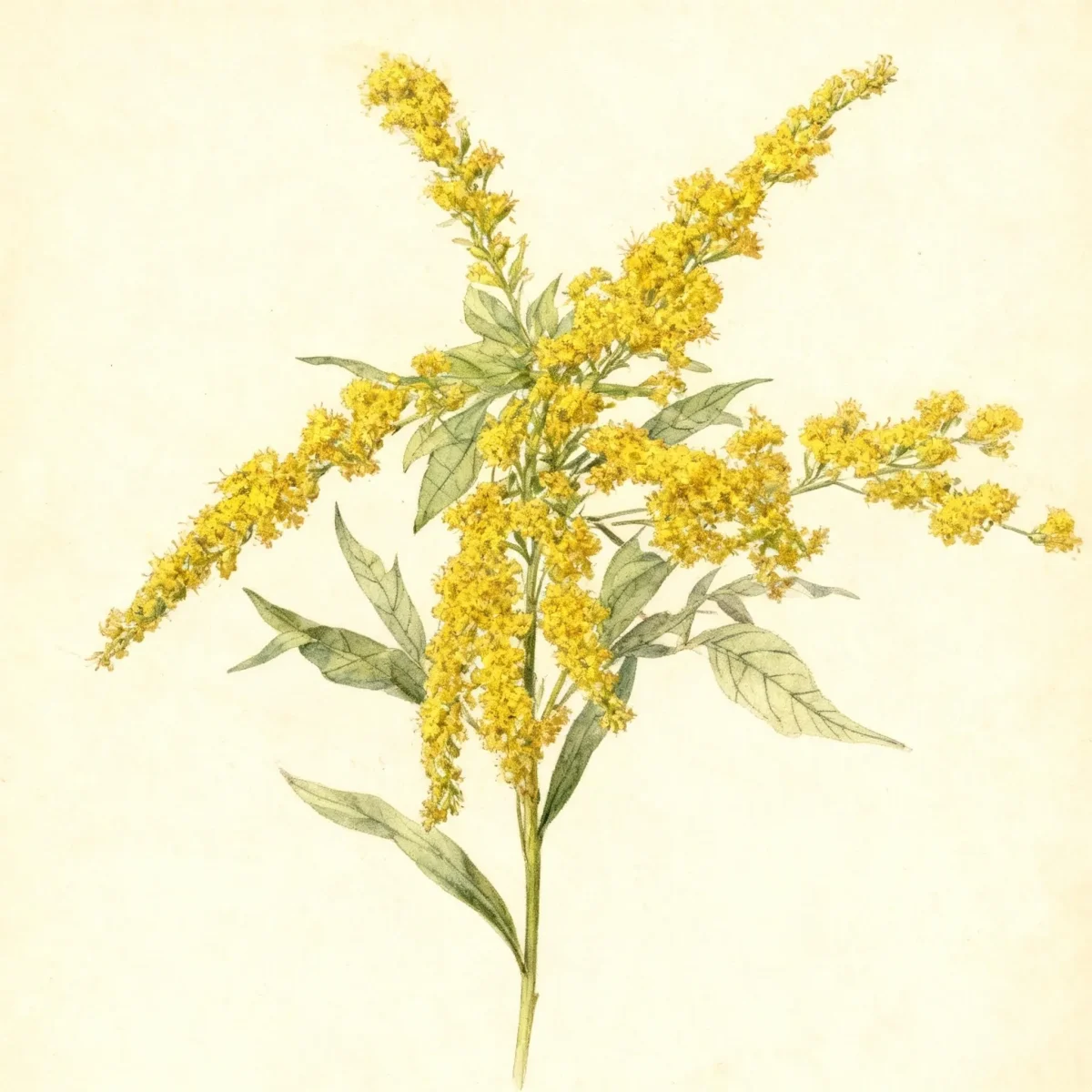
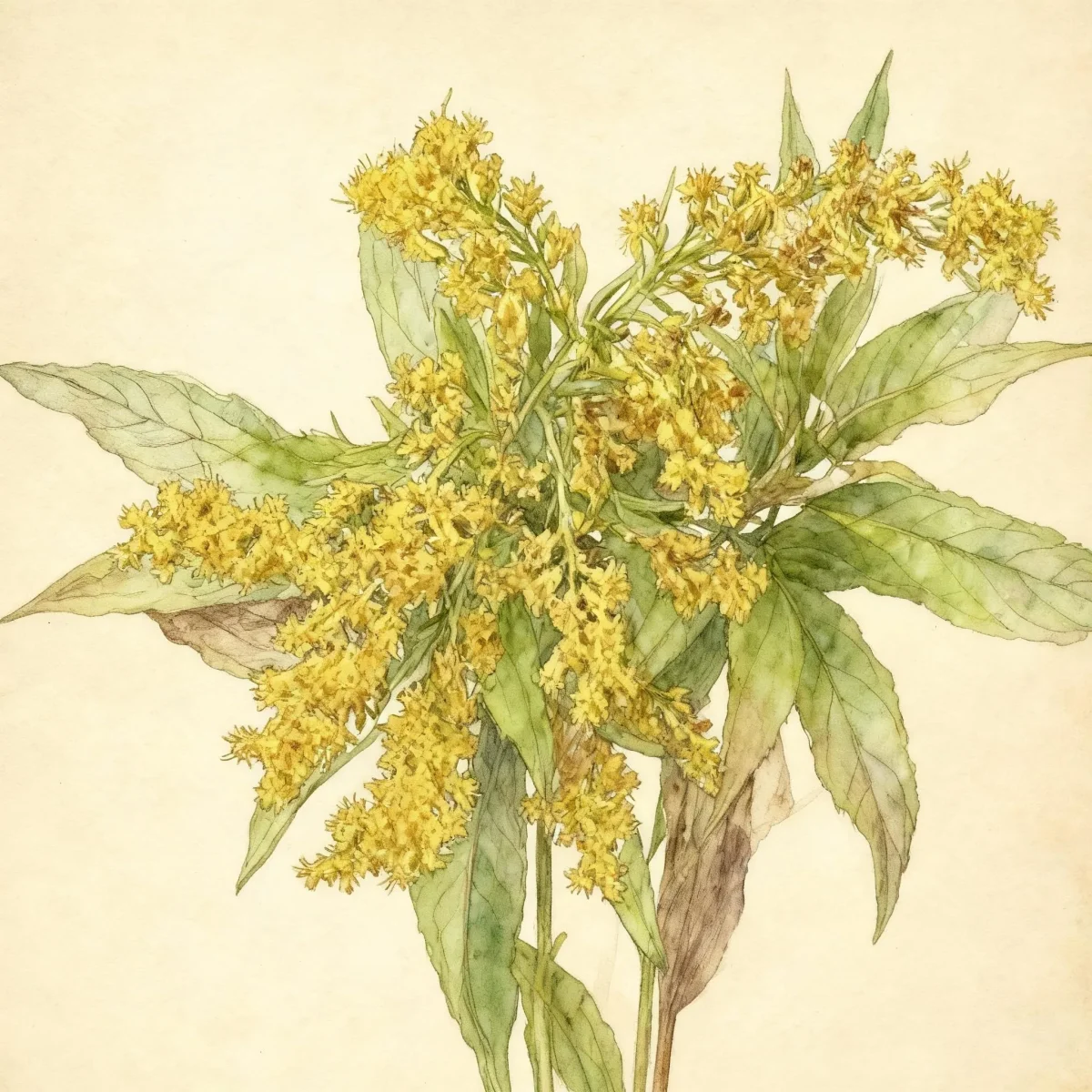
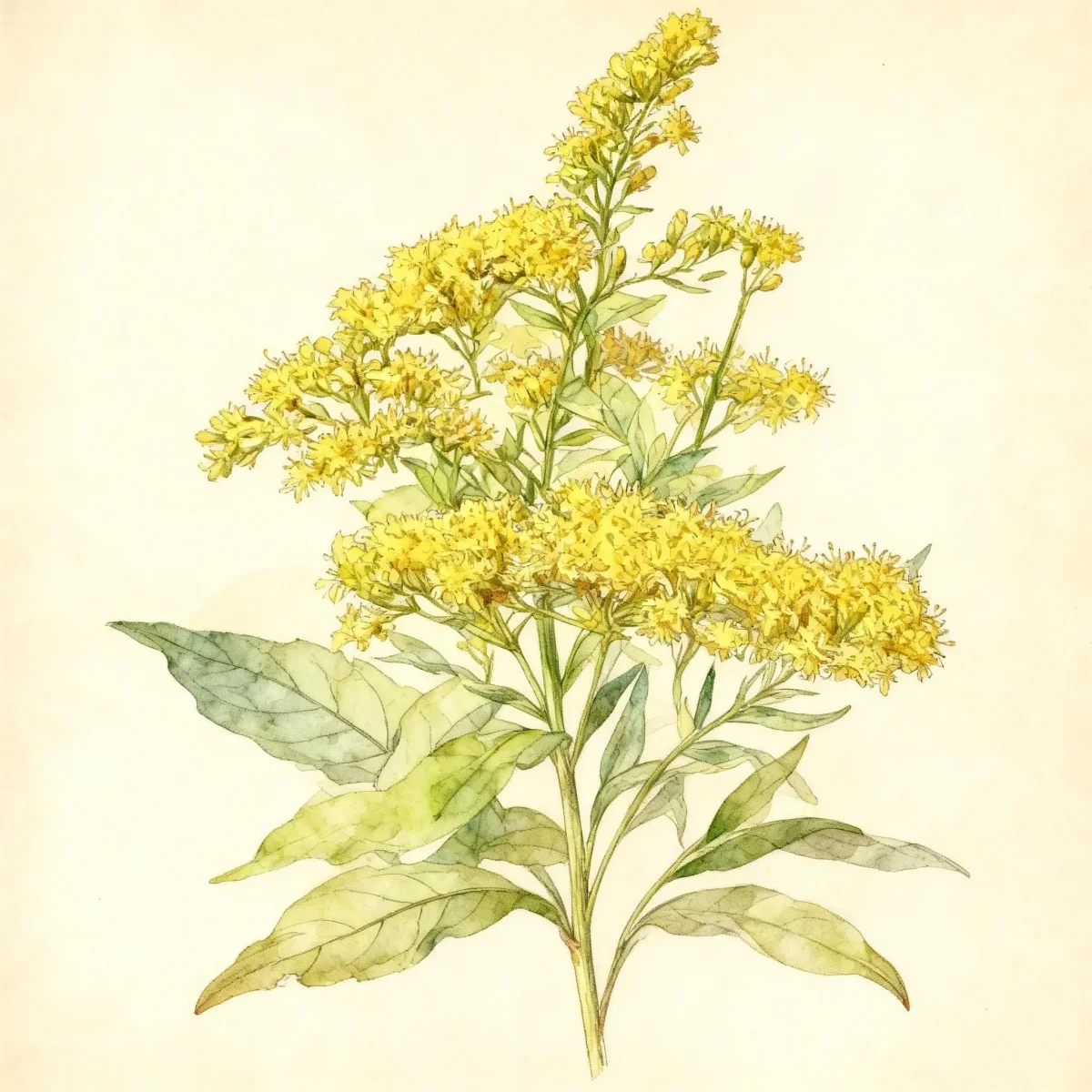
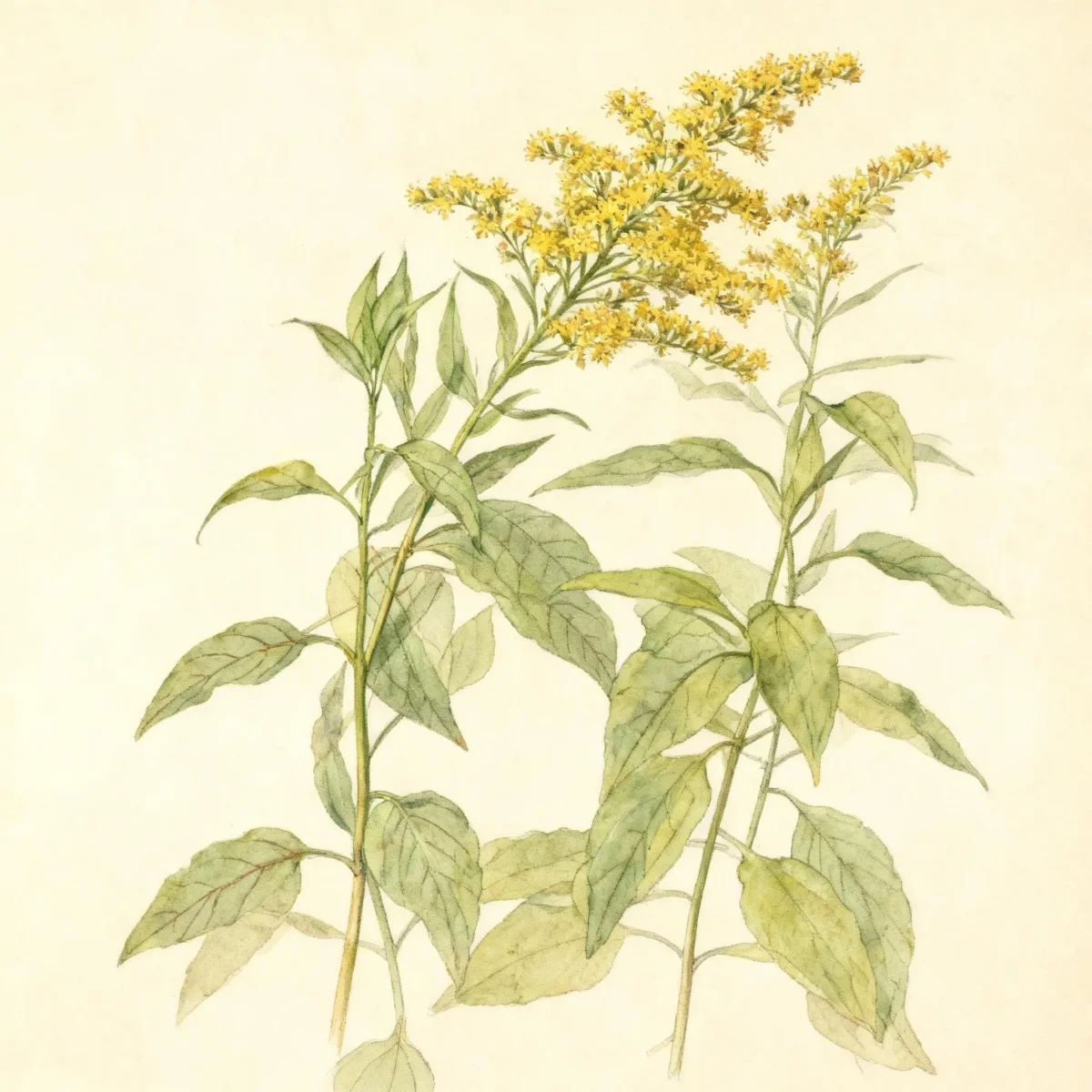
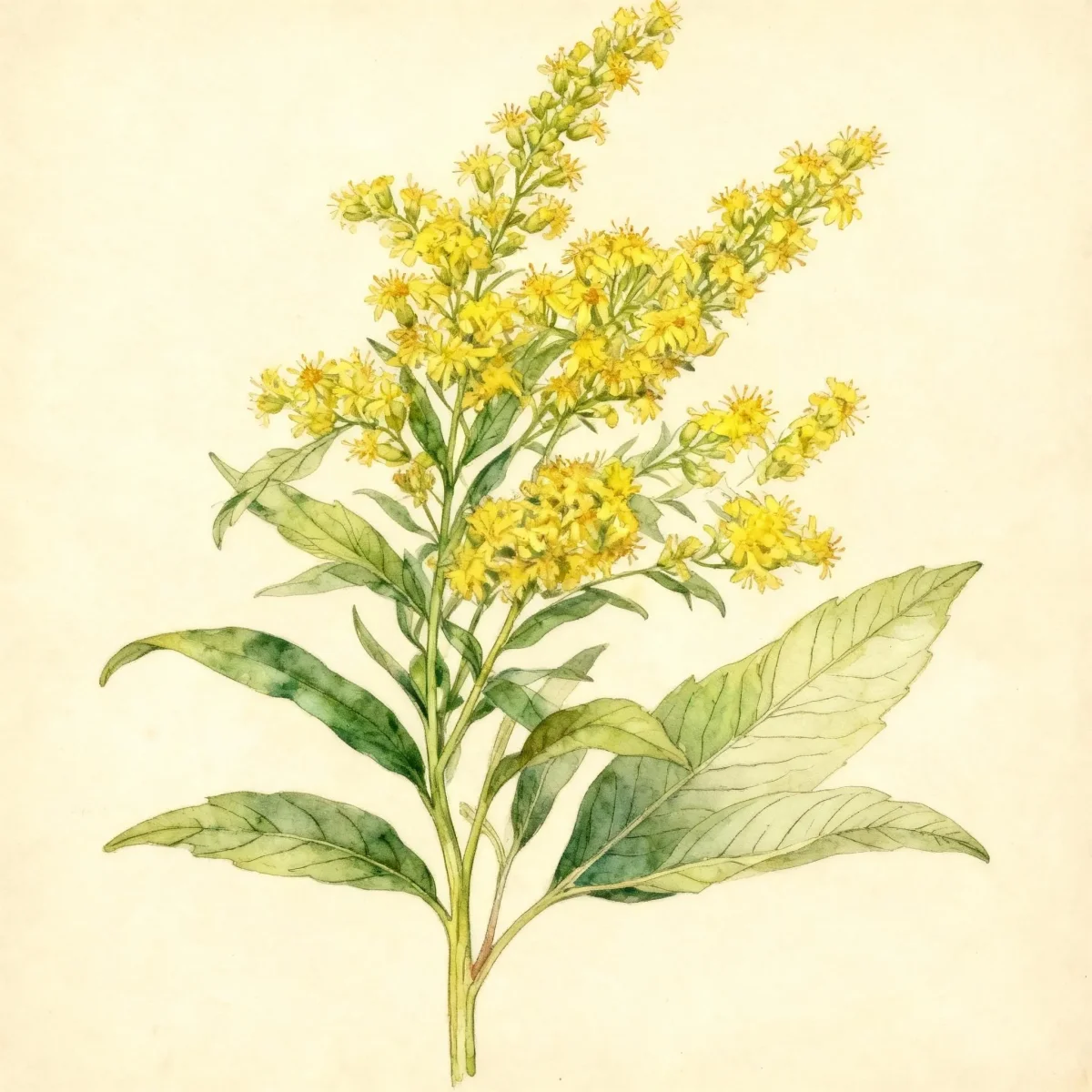
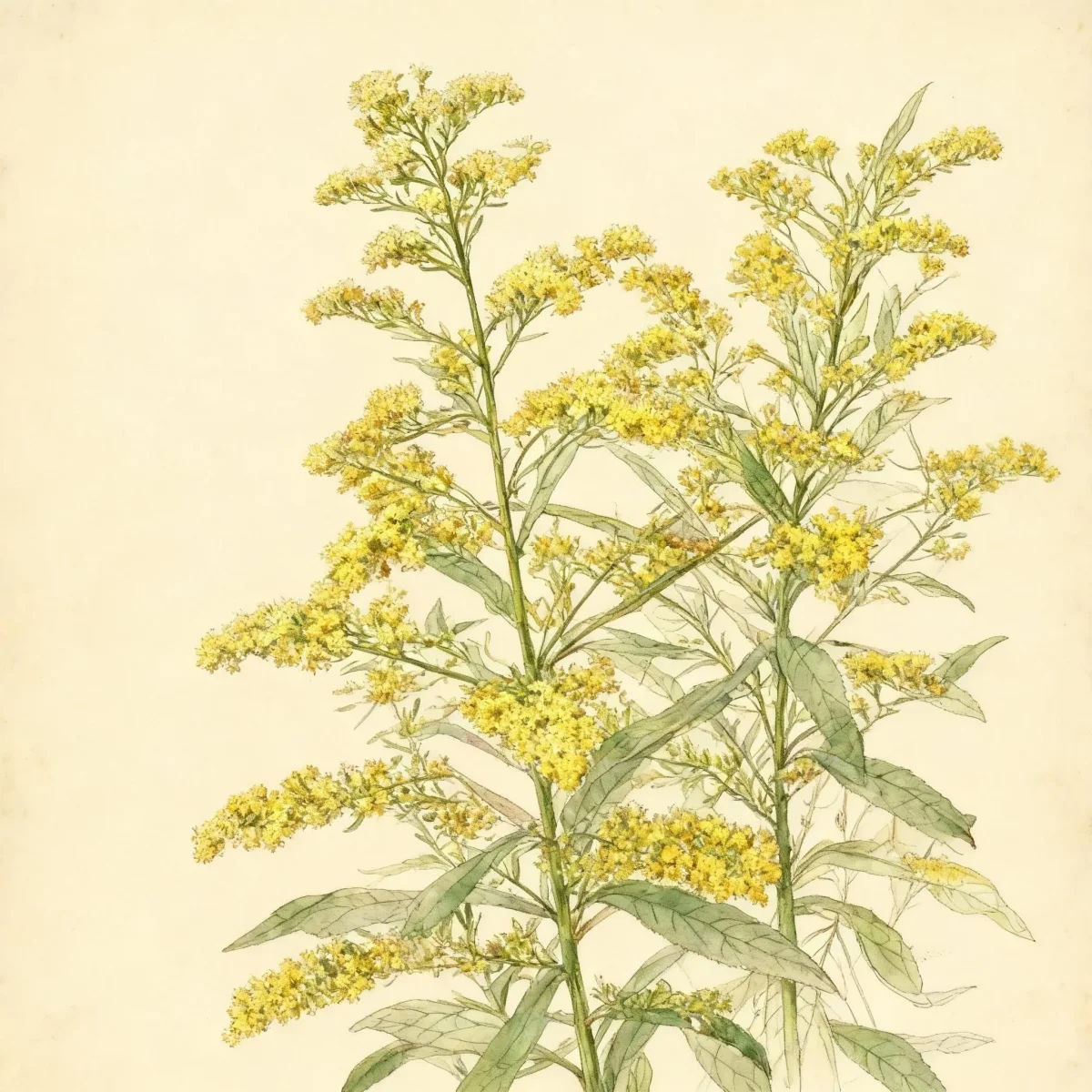
Goldenrod (Solidago 'Dansolitlem' LITTLE LEMON)
Discover Solidago 'Dansolitlem' LITTLE LEMON, a compact, low-maintenance Goldenrod perfect for sunny, dry borders, blooming bright yellow.
Scroll down to discover growing tips, care requirements, companion plants, and more
Complete Plant Information
Overview
Solidago ‘Dansolitlem’ LITTLE LEMON, commonly known as Goldenrod, is an outstanding choice for gardeners seeking late-season color without demanding attention. This compact cultivar offers bright yellow flowers, contrasting beautifully with taller varieties, making it an excellent structural element in the late summer garden. Its reliable, low-maintenance nature makes the LITTLE LEMON Goldenrod a favorite for naturalized settings and borders alike.
As an herbaceous perennial, this specific variety exhibits a tidy, clump-forming habit, rarely exceeding 1.5 feet in height. It thrives in challenging conditions, tolerating dry soils and poor structure once established. Gardeners value Solidago ‘Dansolitlem’ LITTLE LEMON not only for its aesthetic appeal but also for its significant support of native pollinators.
Despite historical confusion regarding hay fever, this cultivar of Goldenrod is a powerhouse for beneficial insects like bees and butterflies. By selecting this compact form, gardeners gain the beauty and ecological benefit of Goldenrod while maintaining excellent control over plant size and form in the perennial landscape.
Fast Facts
- Plant Family: Asteraceae
- Plant Type: Herbaceous perennial
- Hardiness Zones: USDA Zones 5-8
- Size at Maturity:
- Height: 0.75-1.5 ft
- Spread: 0.75-1.5 ft
- Bloom Time: July to August
- Bloom Description: Yellow
- Sun Exposure: Full sun
- Water Needs: Dry to medium
- Maintenance Level: Low
How to Grow
Plant Solidago ‘Dansolitlem’ LITTLE LEMON in the spring or fall, ensuring it receives full sun for the best performance and densest blooms. This Goldenrod adapts surprisingly well, succeeding in average, well-drained soils, though it especially excels where moisture is limited. Good soil drainage is crucial; ensure sites do not hold standing water, as soggy conditions can compromise its durability. Plants appreciate good air circulation and good soil drainage to prevent potential issues.
Once established, watering needs are minimal, requiring only supplemental water during extended, severe dry spells. Over-fertilization should be avoided, as rich soil can promote floppy growth rather than compact flowering, compromising the dwarf stature of LITTLE LEMON. Minimal intervention is usually required throughout the season.
To encourage a potentially reblooming flush later in the season, lightly shear the flower stems immediately after the initial main bloom period in late summer has passed. In late winter or very early spring, cut back the faded stems close to the ground during routine site cleanup. This simple annual grooming keeps the clump tidy and prepared for the coming growing season.
Landscape Uses
The compact form of Solidago ‘Dansolitlem’ LITTLE LEMON makes it exceptionally versatile in modern landscape design. It shines as an excellent edging plant or mid-border specimen, providing reliable structure and bright yellow color just as many summer bloomers begin to fade. Consider mass plantings to create drifts of late-season gold in meadow-style gardens or naturalized areas where its drought tolerance can be fully utilized.
Because it provides such dependable structure, LITTLE LEMON looks stunning paired with late-blooming asters for extended complementary color, or with ornamental grasses that offer textural variance. Since it performs well in containers, group several pots together on sunny patios to offer dynamic, season-long interest. Its manageable size prevents it from overwhelming smaller garden spaces.
Standout Features
Flower Qualities
- Showy
Noteworthy Characteristics
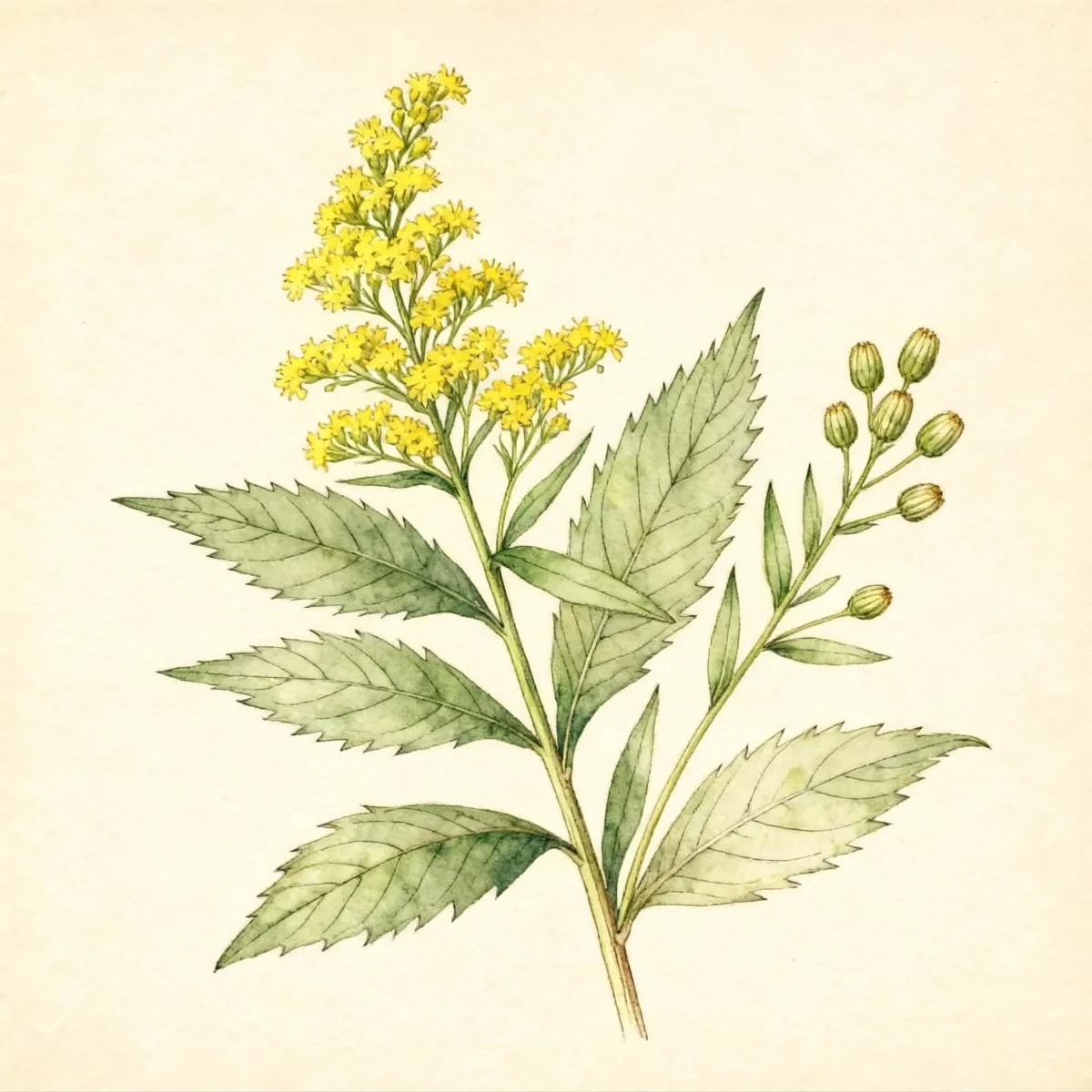
Commonly called goldenrod, Solidago is a genus valued for its bright yellow or gold flowers, making them essential additions to the fall garden, highly attractive to bees and butterflies. LITTLE LEMON is one of the most compact forms of goldenrod on the market today, typically growing to only 14” tall and to 18” wide, noted for having a tight, clump-forming basal branching habit. Tiny light yellow flowers bloom in upright, dense terminal clusters in mid to late summer on stems clad with lance-shaped medium green leaves.
Tolerances
- Deer
- Drought
- Clay Soil
- Dry Soil
Potential Problems
This Goldenrod generally exhibits robust health with no serious routine insect or disease issues reported. However, like many Asteraceae family members, gardeners should monitor for fungal issues; rust may occasionally occur, and watch for powdery mildew or leaf spot, especially if air circulation is poor. While rabbits generally avoid the foliage, rabbits are noted as a potential problem for the LITTLE LEMON cultivar, so protect young plants if local wildlife pressure is high. Ensure proper spacing during planting to maximize airflow and reduce susceptibility to these mild fungal concerns.
Frequently Asked Questions
What hardiness zones is Solidago ‘Dansolitlem’ LITTLE LEMON suitable for?
This dependable herbaceous perennial is hardy in USDA Zones 5 through 8.
When does Goldenrod bloom?
Solidago ‘Dansolitlem’ LITTLE LEMON produces its signature bright yellow flowers primarily from July to August, adding vital late-summer illumination to the garden.
How large does Solidago ‘Dansolitlem’ LITTLE LEMON grow?
This compact cultivar generally reaches a mature height between 0.75 and 1.5 feet tall, with a similar spread of 0.75 to 1.5 feet wide, maintaining a tidy presence.
What sun exposure does LITTLE LEMON Goldenrod need?
For optimal flowering and compact habit, Solidago ‘Dansolitlem’ LITTLE LEMON requires full sun exposure throughout the day.
Conclusion
Solidago ‘Dansolitlem’ LITTLE LEMON provides outstanding, low-effort color precisely when many gardens begin to wane, supported by its excellent drought and soil tolerance. Choosing this compact Goldenrod ensures you benefit from vital pollinator support without sacrificing garden precision or valuable space. Before planting, confirm your garden site sits within USDA Zones 5-8 and provides the necessary full sun exposure to enjoy this excellent perennial.
Companion Planting
Choosing companions based on similar low water needs is key when planting Solidago ‘Dansolitlem’ LITTLE LEMON. Plants that also thrive in dry to medium conditions and appreciate full sun will create a cohesive, resilient partnership. Excellent partners include Sedum, ornamental grasses like Little Bluestem (Schizachyrium scoparium), or drought-tolerant coneflowers (Echinacea). Avoid planting near moisture-loving perennials, as Goldenrod prefers not to sit in wet soil late into the season.
Wildlife Benefits: Supporting Pollinators
Goldenrod species are foundational late-season food sources for numerous pollinators that are critical for garden ecosystem health. While often misidentified as a hay fever trigger, the dense yellow blooms of Solidago ‘Dansolitlem’ LITTLE LEMON are highly effective at attracting native bees, including late solitary bees, as well as butterflies preparing for migration. Planting this variety ensures a reliable nectar source is available during the transition from summer to fall, boosting local insect populations.