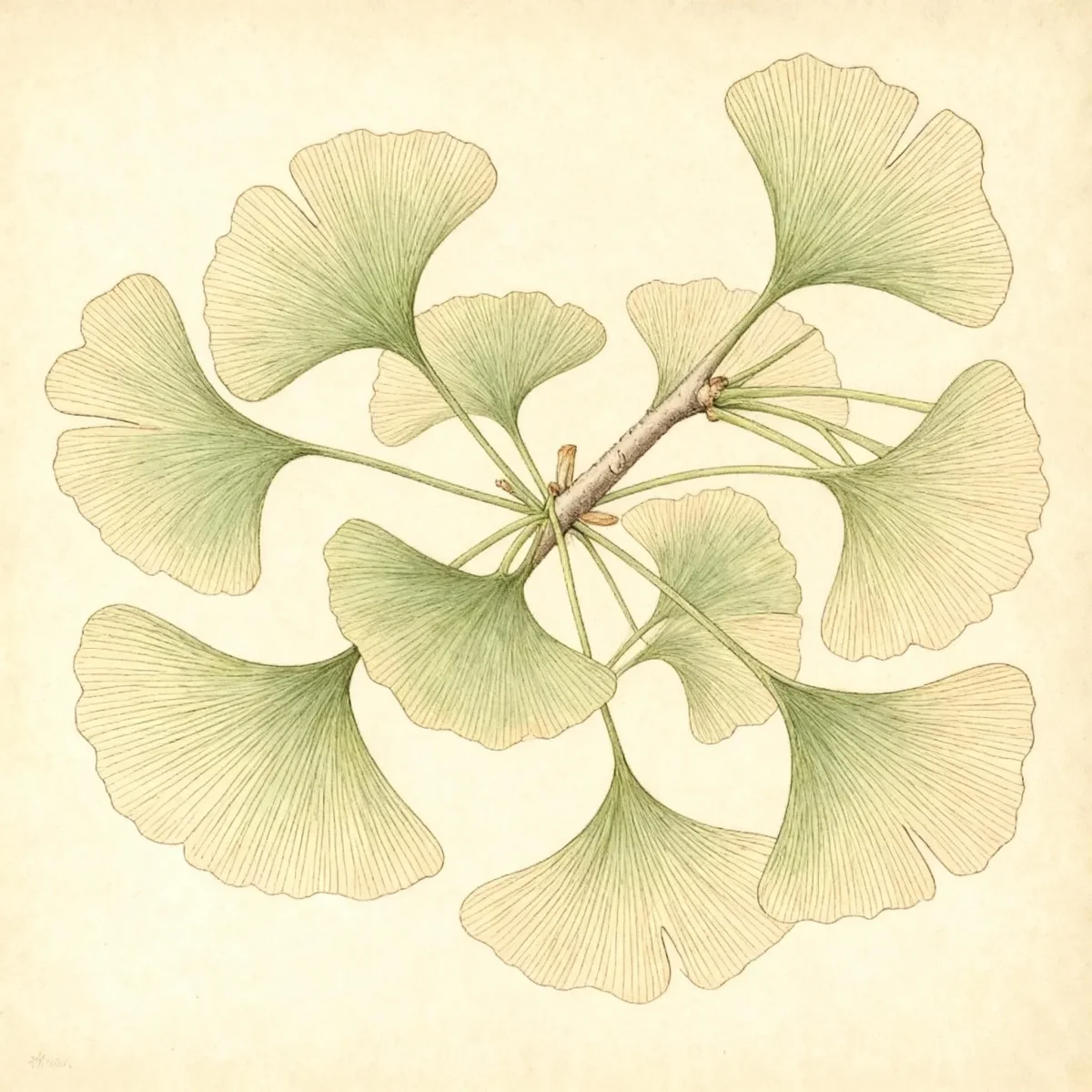
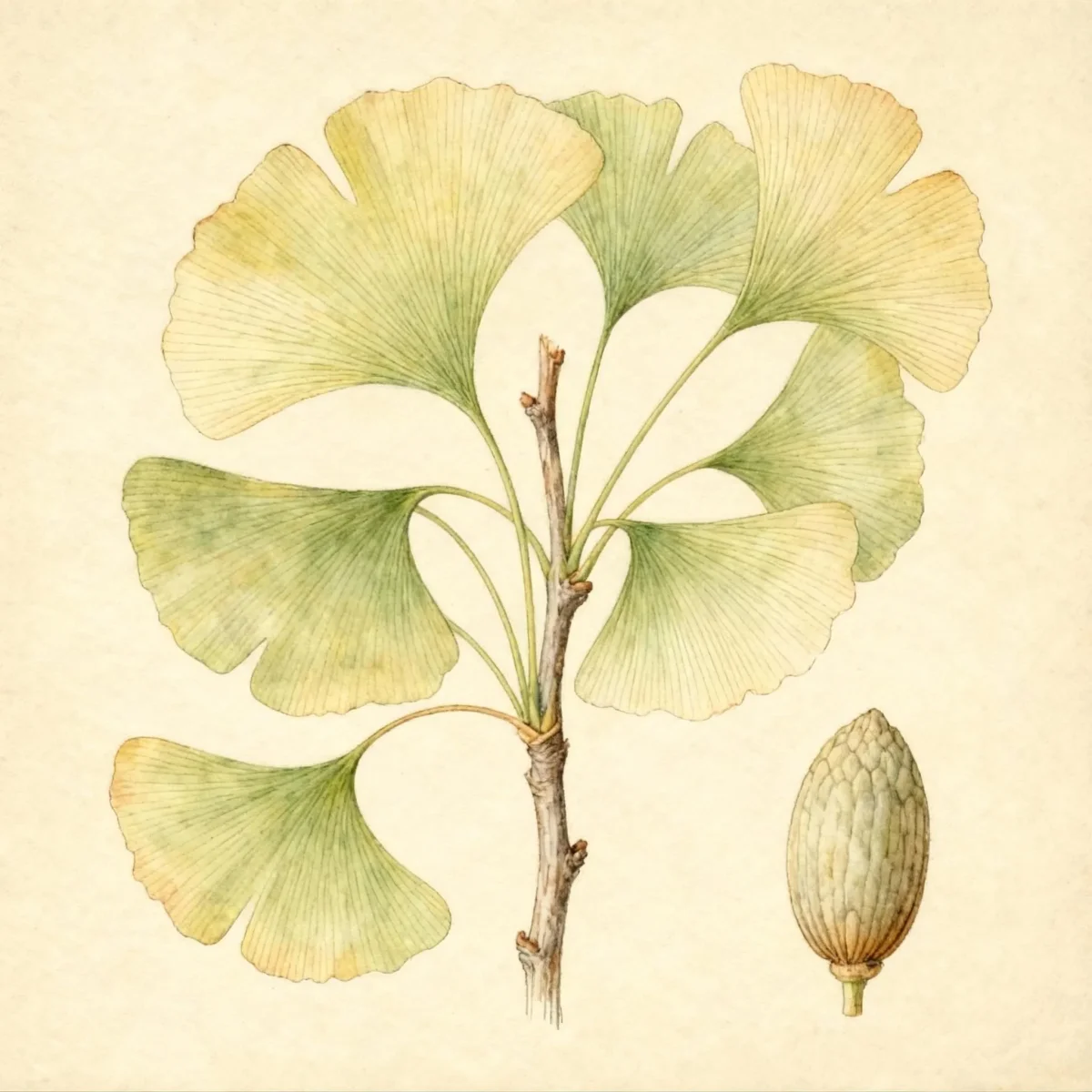
Maidenhair tree (Ginkgo biloba 'Tubifolia')
Ginkgo biloba 'Tubifolia' is a unique, low-maintenance Maidenhair tree cultivar known for its slowly growing, tubular leaves and excellent yellow fall color.
Scroll down to discover growing tips, care requirements, companion plants, and more
Complete Plant Information
Overview
The Ginkgo biloba ‘Tubifolia’ offers gardeners a fascinating, slow-growing alternative to the massive species Ginkgo. This unique cultivar, often called the Maidenhair tree, is highly sought after specifically for its distinctive foliage, which rolls inward to form tubes, especially when the tree is young. As a male selection, this weeping form avoids the messy seed production characteristic of female Ginkgo trees, making it a cleaner choice for residential landscapes.
This ancient species, often dubbed a living fossil, thrives with minimal intervention. It adapts readily to diverse urban stresses, including compacted soils and pollution, making the Ginkgo biloba ‘Tubifolia’ an exceptionally resilient choice for difficult sites. Its slow stature initially allows it to fit into smaller gardens where a full-sized specimen would overwhelm the space.
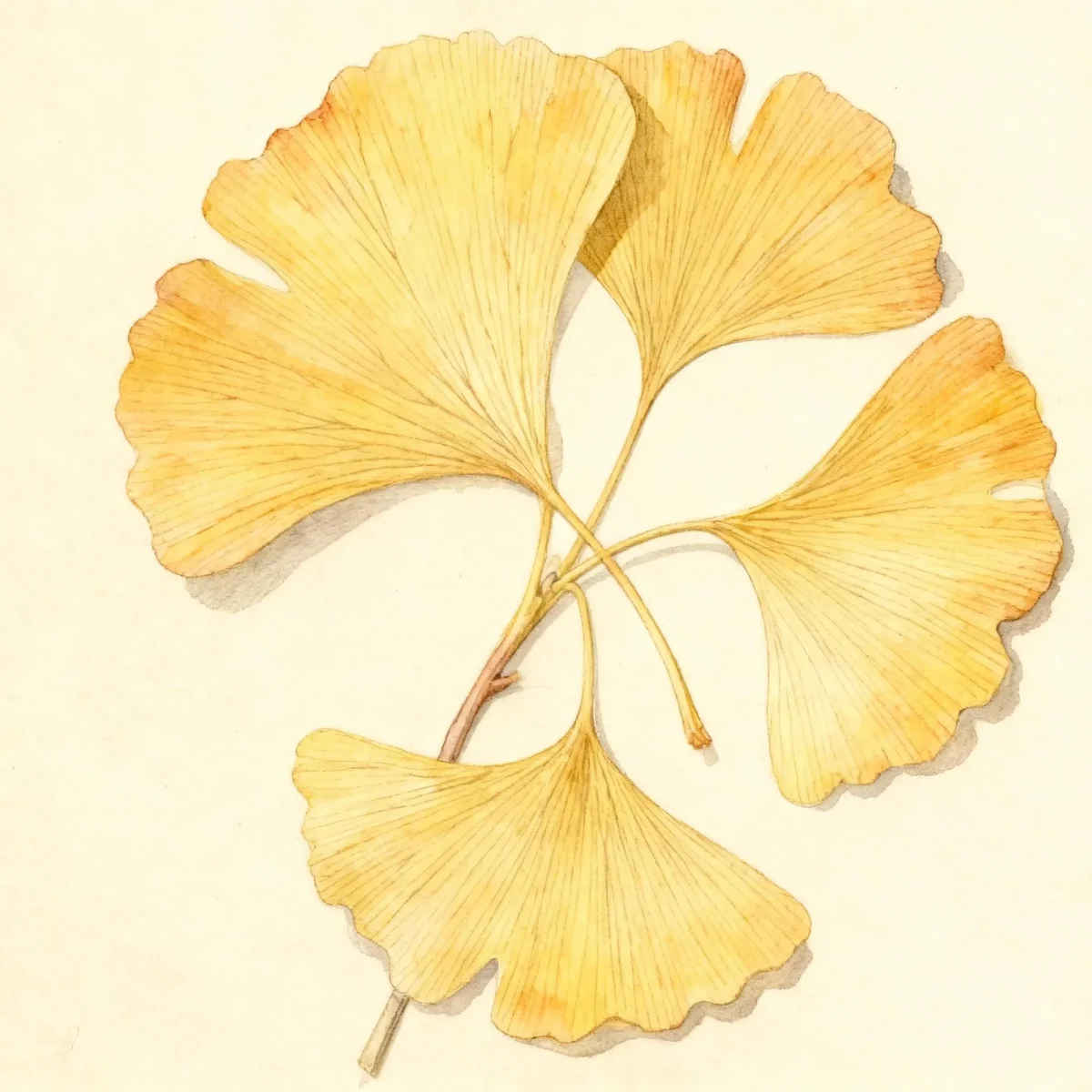
A defining feature of all Ginkgo variations, including this cultivar, is the spectacular, uniform golden-yellow display it provides before leaf drop in autumn. Gardeners value this Maidenhair tree not just for its interesting leaf structure but also for its remarkable history and low maintenance profile, ensuring consistent seasonal color without demanding rich soil or perfect conditions.
Fast Facts
- Plant Family: Ginkgoaceae
- Plant Type: Tree
- Hardiness Zones: USDA Zones 4-8
- Size at Maturity:
- Height: 20-25 ft
- Spread: 12-18 ft
- Bloom Time: April
- Bloom Description: Green (male)
- Sun Exposure: Full sun
- Water Needs: Medium
- Maintenance Level: Low
How to Grow
Planting your Ginkgo biloba ‘Tubifolia’ should ideally occur in the spring or fall when temperatures are moderate, allowing the roots time to establish before extreme weather hits. While adaptable, this tree performs best in average, medium moisture soil, preferring a sandy, well-drained location. Crucially, ensure it receives full sun exposure for the best growth and fall coloration.
Watering requires a medium approach; established trees tolerate some dryness but benefit from consistent moisture, especially during extended hot periods in summer. Fertilization is rarely necessary for mature specimens due to their slow growth rate and hardiness. Pruning should be minimal; focus only on removing dead or crossing branches, as excessive pruning can detract from the unique structure of the Maidenhair tree.
This cultivar exhibits remarkable tolerance to adverse conditions, thriving even in compacted soils, alkaline environments, and saline settings. Its robust nature means it handles urban air pollution exceptionally well, making it an excellent street tree substitute or specimen where traditional species might struggle. Prepare for slow initial development, as growth is often sparse for the first few years.
Landscape Uses
The refined size and slow growth of Ginkgo biloba ‘Tubifolia’ make it an excellent small specimen plant for areas demanding architectural interest without overwhelming the space. Because its tubular leaves are its main attraction, site it where they can be easily observed up close, such as near a courtyard entrance or along a pathway. Successful placement often involves isolating it slightly to let its unique silhouette stand out.
If space allows for careful management, this ginkgo can be maintained as a superb container plant or even shaped into bonsai, showcasing its ancient lineage in a micro-environment. While specific companion planting recommendations are few, pair it with low-growing, reliably colored perennials that won’t obscure the lower trunk or foliage during the growing season. Its deep root system suggests it pairs well with turfgrass, provided watering is adequately managed at establishment.
Standout Features
Flower Qualities
- Insignificant
Noteworthy Characteristics
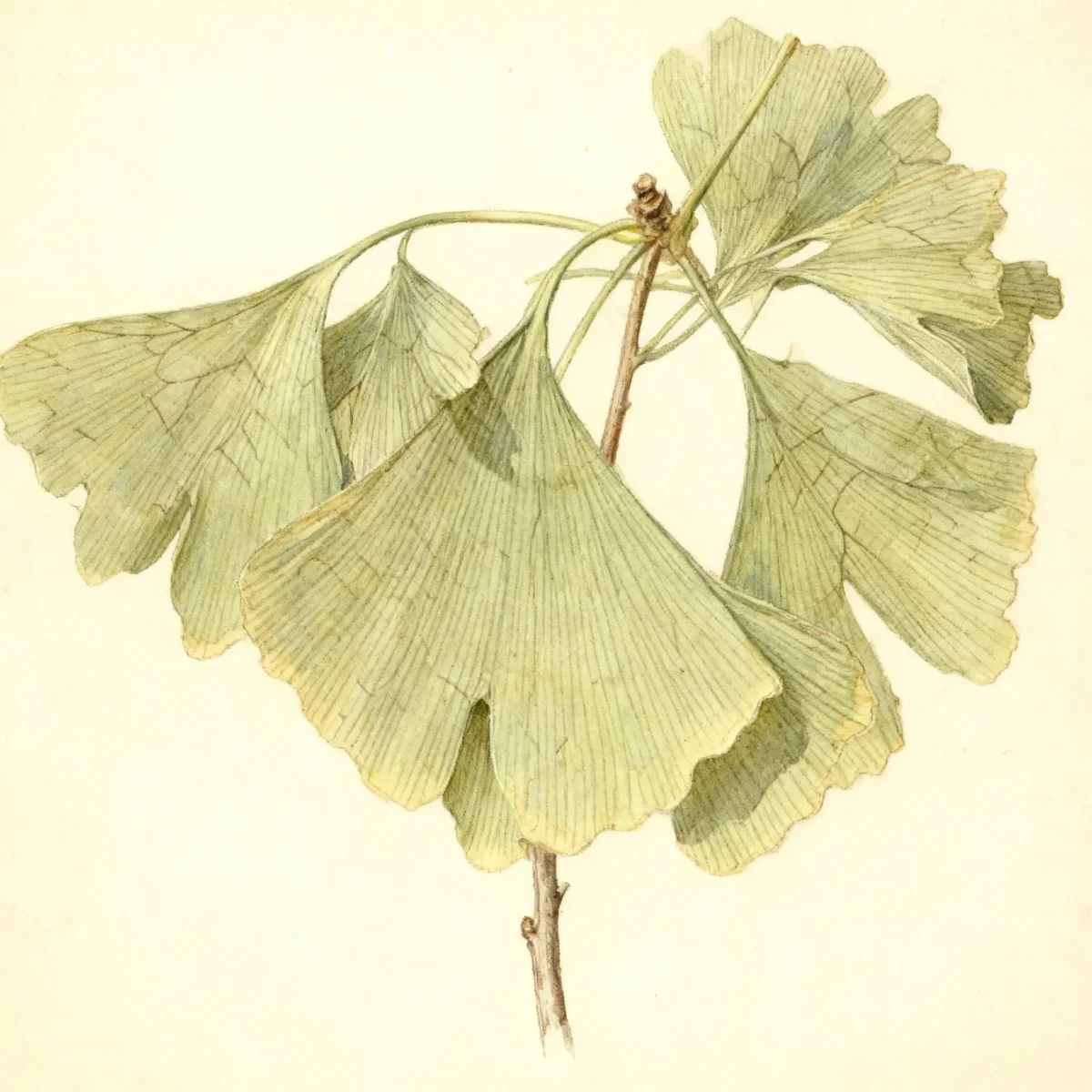
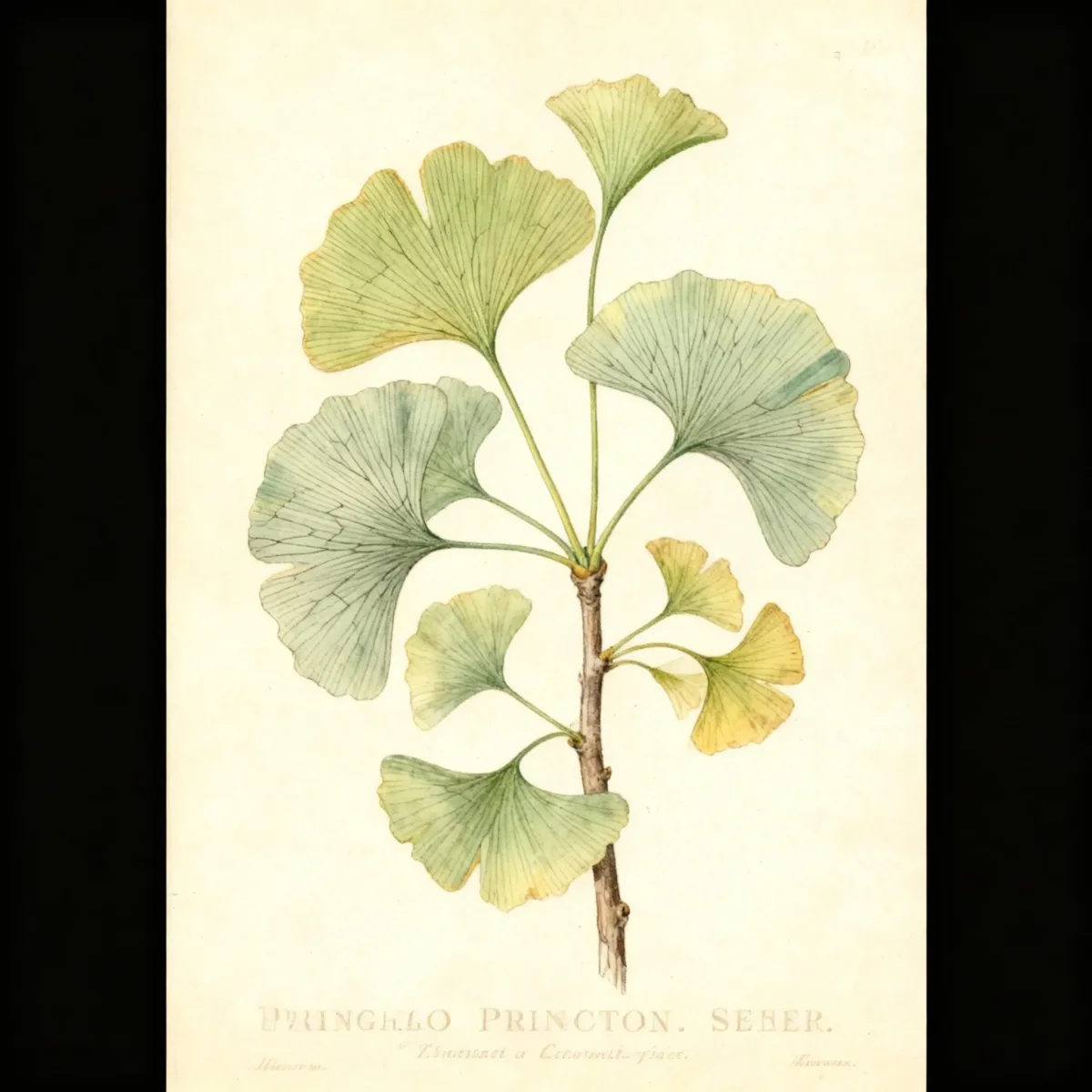
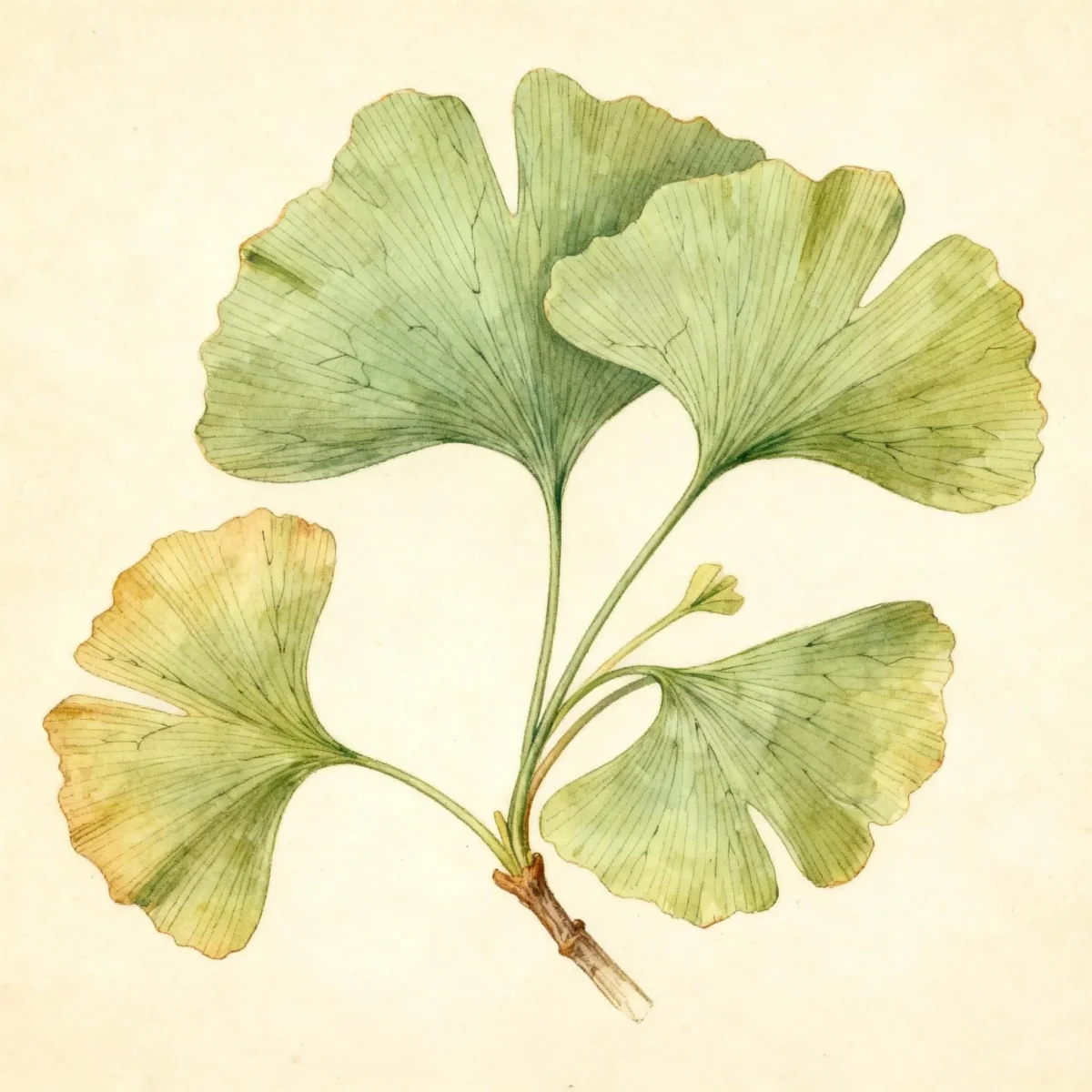
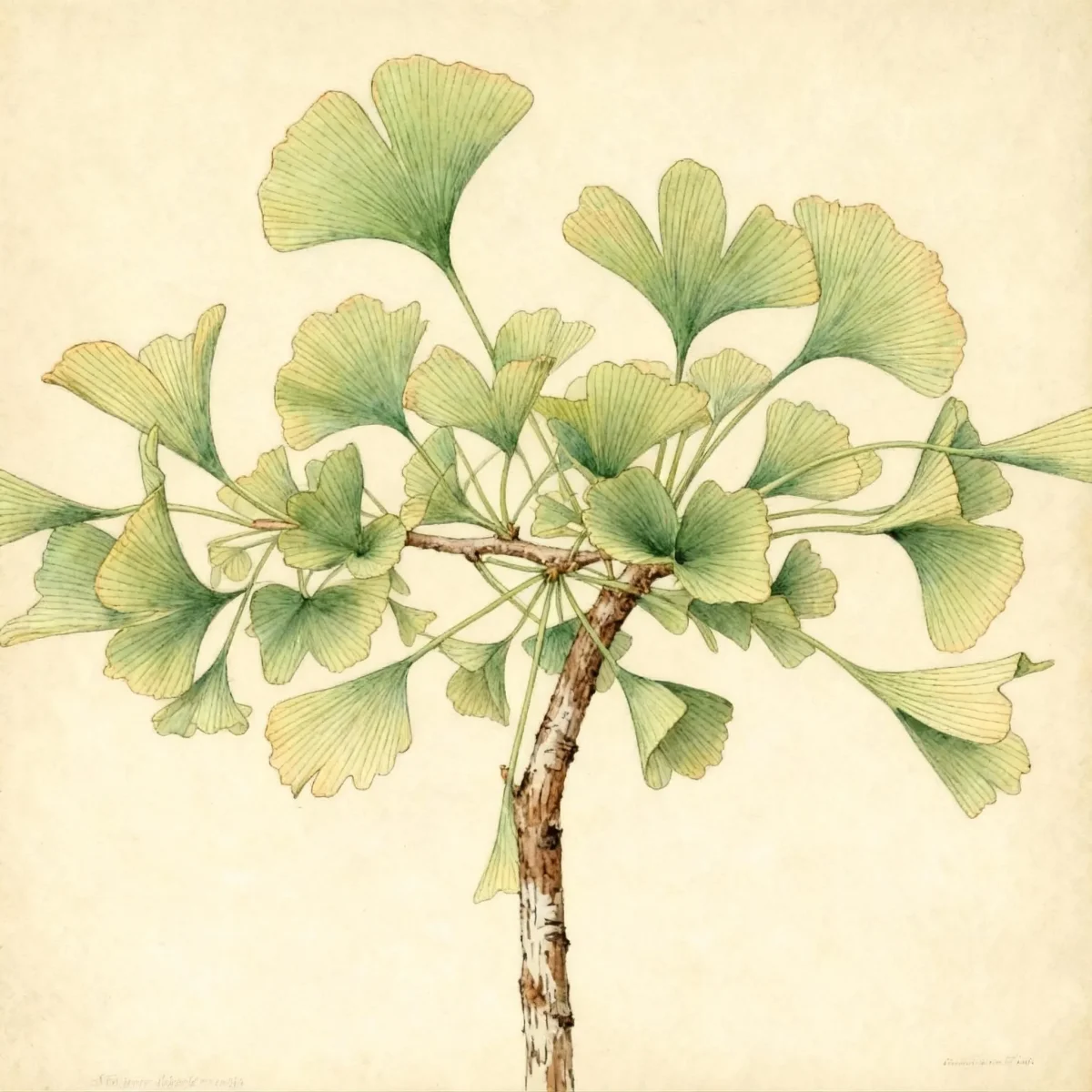
Ginkgo biloba is a large, deciduous tree that matures to 100’ tall and is considered to be a living fossil. It is the only surviving member of a group of ancient plants believed to have inhabited the earth up to 150 million years ago. It features distinctive two-lobed, somewhat leathery, fan-shaped, rich green leaves with diverging (almost parallel) veins. Leaves turn bright yellow in fall. Ginkgo trees are commonly called maidenhair trees in reference to the resemblance of their fan-shaped leaves to maidenhair fern leaflets (pinnae). Ginkgos are dioecious (separate male and female trees). Nurseries typically sell only male trees because female trees produce seeds encased in fleshy, fruit-like cone which, at maturity in autumn, are messy and emit a noxious, foul odor upon falling to the ground and splitting open.Genus name is a misrendering of the Japanese gin meaning silver and kyo meaning apricot used in Japan in the 17th century.Specific epithet means two-lobed in reference to the leaves.‘Tubifolia’ (synonymous with ‘Tubiformis’ and ‘Tubeleaf’) is a tubular-leaved, slow-growing male form that typically grows to only 3-4’ tall over the first five years. It is particularly noted for having variable leaf shapes. On younger trees, leaves typically roll inward forming tube. As trees grow older, the leaves tend to flatten out, but with a more laciniate form than species leaves. This tree may eventually mature to as much as 20-25’ tall. Light green leaves turn an excellent golden yellow in fall.
Tolerances
- Deer
- Clay Soil
- Air Pollution
Potential Problems
This cultivar exhibits exceptional resistance to most typical garden pests and diseases, making it one of North America’s most reliably pest-free trees. Serious insect infestations or fungal issues are rarely reported for the species or its cultivated forms like Ginkgo biloba ‘Tubifolia’. The primary issue often related to Ginkgos is the messy fruit from female trees, which this male cultivar entirely avoids.
The main consideration for growers is patience, as the initial growth rate of Ginkgo biloba ‘Tubifolia’ is usually slow. Ensure the tree is planted in full sun and allowed to settle into slightly drier or compacted soil conditions; attempting to rush growth with excessive fertilization may not yield the desired results and could lead to weaker wood.
Frequently Asked Questions
What hardiness zones is Maidenhair tree suitable for?
The Ginkgo biloba ‘Tubifolia’ is hardy across USDA Zones 4 through 8, offering a wide adaptation range for many gardeners.
How large does Maidenhair tree grow?
This specific cultivar is smaller than the standard species, maturing typically between 20 to 25 feet in height and spreading 12 to 18 feet wide.
What sun exposure does Ginkgo biloba ‘Tubifolia’ need?
For optimal performance and the brightest fall color, this tree requires full sun exposure.
When does Ginkgo biloba ‘Tubifolia’ bloom?
Blooming occurs in April, where the male trees produce inconspicuous green flowers.
Conclusion
The Ginkgo biloba ‘Tubifolia’ stands out as a resilient, low-maintenance specimen tree prized for its unique tubular foliage and reliable golden fall spectacle. As a male clone, it provides all the splendor of the ancient Maidenhair tree without any of the mess. Before planting, confirm your site is categorized within USDA Zones 4-8 and receives adequate sunlight to ensure its slow but spectacular development.
Companion Planting
When selecting companions for Ginkgo biloba ‘Tubifolia’, prioritize plants that share the tree’s tolerance for less-than-ideal urban soils. Consider planting low-maintenance, shade-tolerant groundcovers underneath if the canopy allows dappled light to penetrate, such as Liriope or creeping sedums. For seasonal contrast, early-flowering bulbs work well, blooming before the Ginkgo’s dense summer foliage develops.
Avoid over-fertilizing companion plants near the base of the Ginkgo, as too much nitrogen can encourage rapid, soft growth in surrounding species that might compete poorly with the slow-growing tree structure. Since this tree handles pollution well, pairing it with other tough urban survivors like certain varieties of ornamental grasses or resilient Hydrangeas ensures a cohesive, durable planting scheme.
Seasonal Care Calendar
Spring maintenance focuses on observing the unique leaf-out in April. This is the best time to spot check minor damage from winter winds or to correct any structural issues before the season’s growth begins in earnest. Apply a slow-release fertilizer only if growth seems noticeably stunted after the first few years.
Summer is largely hands-off for this highly tolerant tree. Ensure medium water requirements are met, especially during establishment or severe drought, but resist the urge to heavily amend the soil around the root zone. The Ginkgo biloba ‘Tubifolia’ thrives on neglect during the hottest months.
Fall brings the reward: the leaves transition to a brilliant, uniform gold. Once the leaves drop, perform a light cleanup, but remember that the fallen leaves are generally tough and break down slowly. Winter protection is usually unnecessary, given its Zone 4 hardiness, though young specimens may benefit from staking for the first year or two to guard against wind damage.