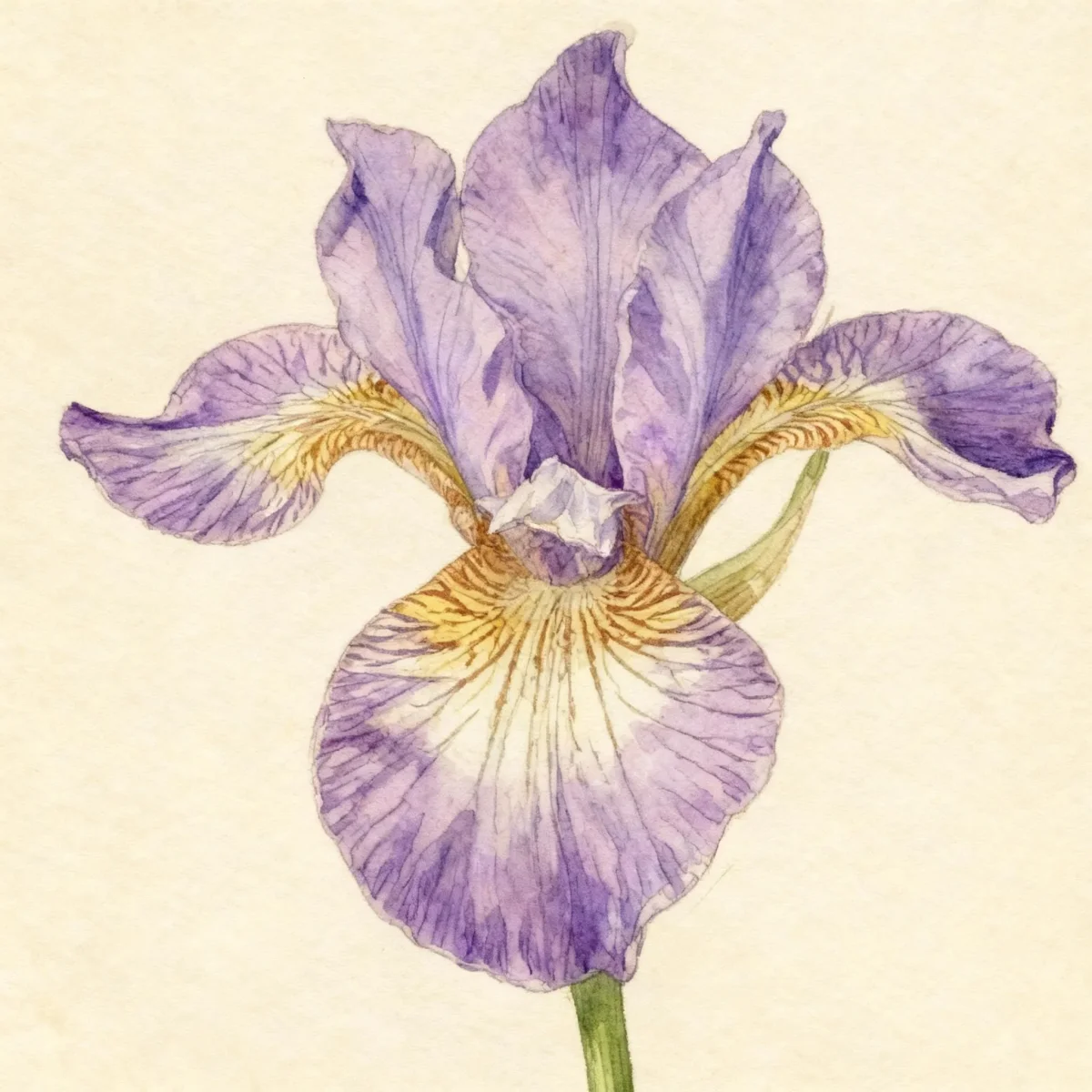
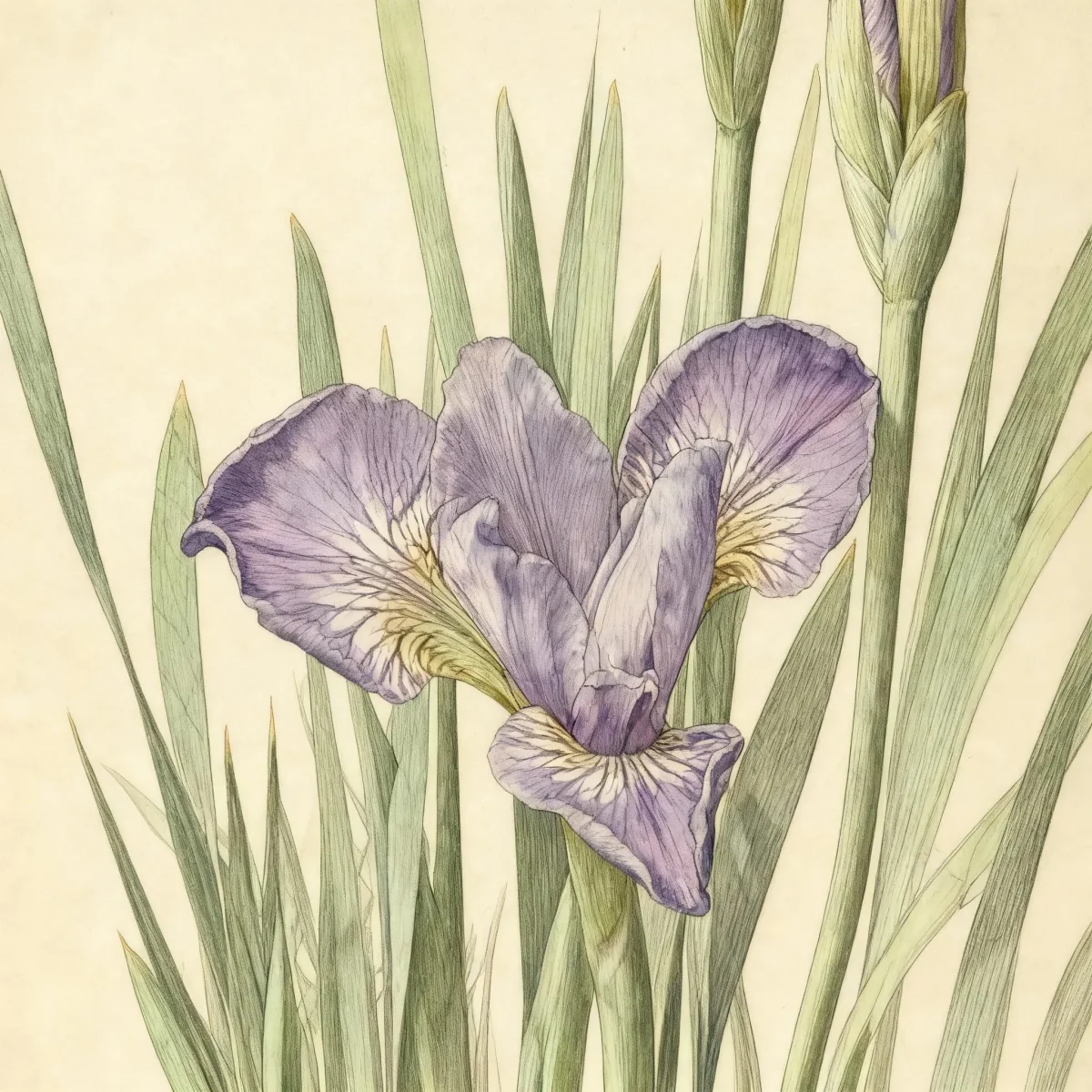
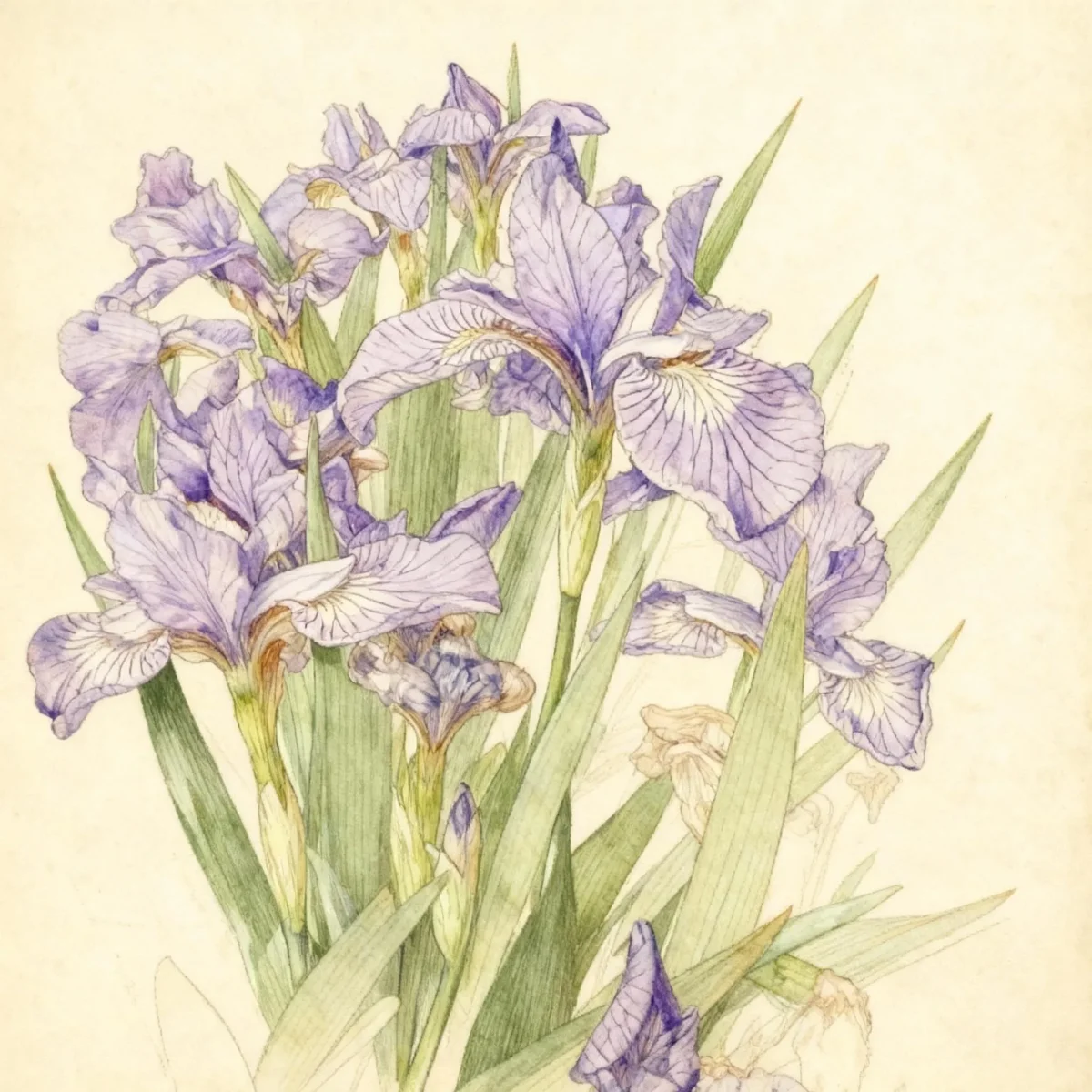
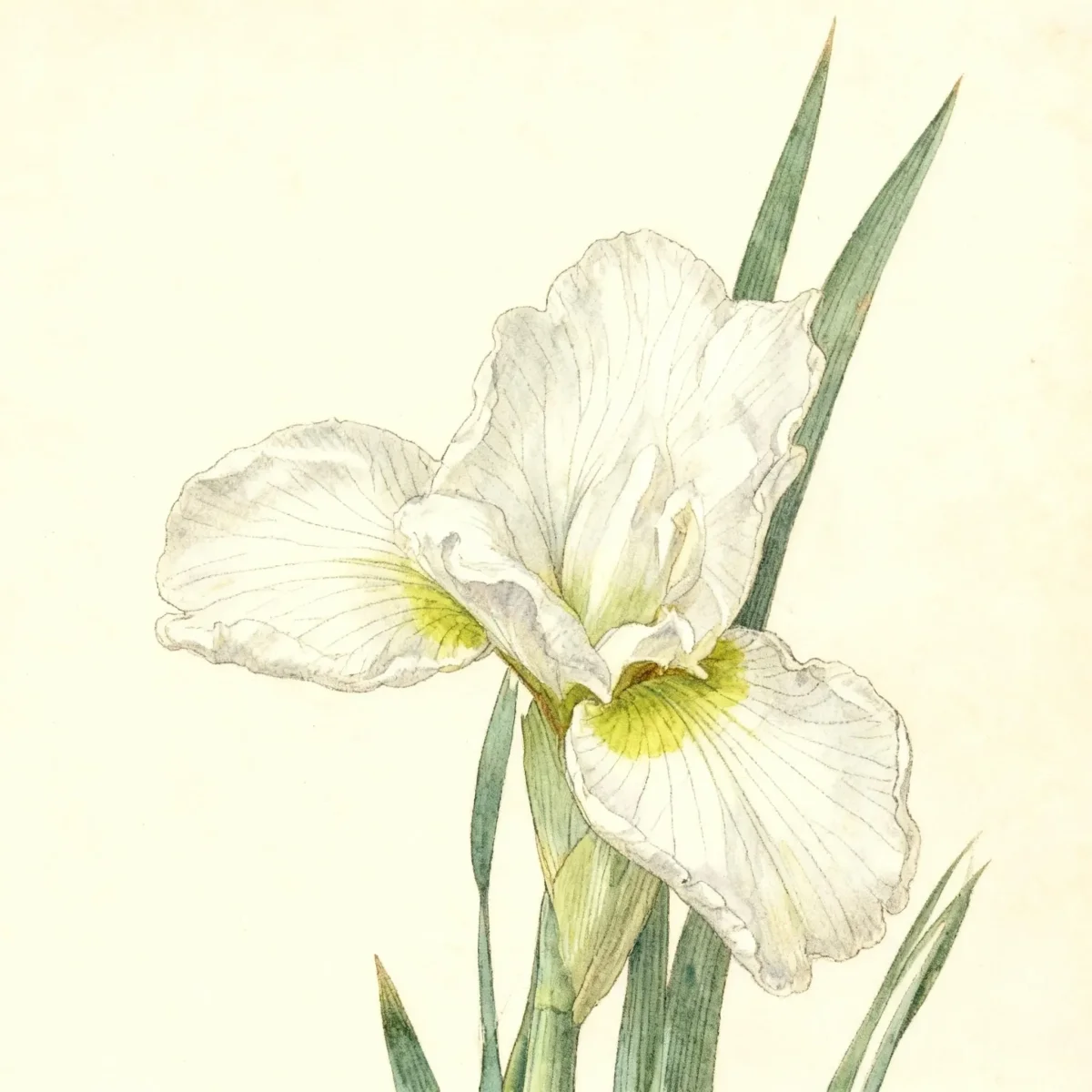
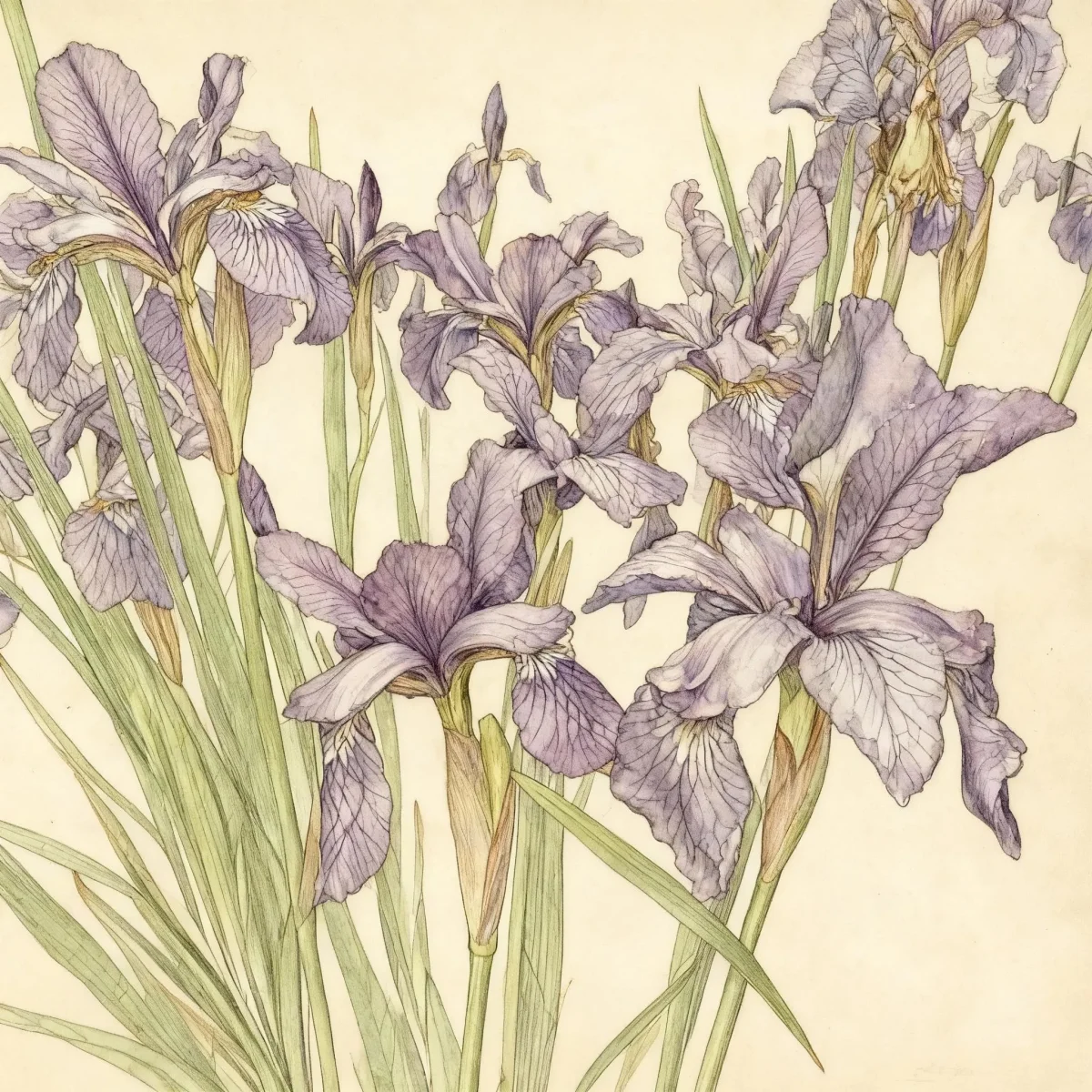
Siberian iris (Iris 'Dance Ballerina Dance')
Iris 'Dance Ballerina Dance' Siberian iris offers showy blue blooms, low maintenance, and resilience in wet soils. Ideal for rain gardens.
Scroll down to discover growing tips, care requirements, companion plants, and more

Complete Plant Information
Overview
Iris ‘Dance Ballerina Dance’ is a highly valued herbaceous perennial within the Siberian iris group, celebrated for its graceful stature and vibrant late-spring color exhibition. This cultivar provides rich, medium blue flowers set atop rigid stems that elegantly rise above neat clumps of narrow, blue-green, grass-like foliage. Gardeners appreciate the Siberian iris for its low maintenance requirements and adaptability, making it a reliable feature in diverse garden settings.
As an adaptable plant, Iris ‘Dance Ballerina Dance’ thrives across a wide hardiness range, performing well even in average garden soils, though it particularly excels where moisture levels are consistent. Its upright foliage maintains visual interest long after the beautiful bloom time in May has passed, offering structure similar to ornamental grasses. Choosing Iris ‘Dance Ballerina Dance’ ensures you integrate a robust performer known for its elegant structure and impressive tolerance for varying soil moisture.
Fast Facts
- Plant Family: Iridaceae
- Plant Type: Herbaceous perennial
- Hardiness Zones: USDA Zones 3-8
- Size at Maturity:
- Height: 2-2.5 ft
- Spread: 2-2.5 ft
- Bloom Time: May
- Bloom Description: Blue
- Sun Exposure: Full sun to part shade
- Water Needs: Medium to wet
- Maintenance Level: Low
How to Grow
Planting Iris ‘Dance Ballerina Dance’ rhizomes is best achieved in early spring or late summer in cold climates, or in the fall in milder regions. Ensure sites are moist, fertile, humusy, and offer neutral to slightly acidic soil conditions, although the Siberian iris is highly adaptable. Position rhizomes 1–2 inches below the soil line, spaced about 1–2 feet apart to allow for future clumping.
Consistent moisture is key from the start of spring growth until several weeks post-bloom; continue irrigation afterward to keep the foliage clumps attractive. While Iris ‘Dance Ballerina Dance’ tolerates a wide soil pH and moisture spectrum, avoid extremes of being too boggy or too dry, as excess shade can lead to floppy foliage and fewer flowers. Divide clumps only when overcrowding causes a decline in flowering vigor.
Prompt removal of spent flower stalks after flowering is standard practice unless the resulting seed pods are desired for winter interest. This low-maintenance perennial generally requires minimal intervention once established, provided its moisture preferences are loosely met.
Landscape Uses
The structure and moisture tolerance of the Siberian iris make Iris ‘Dance Ballerina Dance’ an exceptional choice for incorporating into rain gardens and near water margins, such as along streams or pond edges. Its height (2 to 2.5 feet) allows it to integrate seamlessly into mixed perennial borders, providing vertical contrast among lower-growing companions.
Mass plantings of this Siberian iris create a sweeping, cohesive look, utilizing the fine, arching foliage for texture throughout the season. Furthermore, the reliable performance against deer and rabbits, combined with its ability to handle clay and erosion, makes it excellent for stabilizing sloped areas or planting along pathways where toughness is required alongside beauty.
Standout Features
Flower Qualities
- Showy
- Good Cut
Noteworthy Characteristics
Plants in the Siberian iris group are chiefly of hybrid origin, primarily being derived from two blue-flowered Asian species, namely, I. Sibirica and I. Sanguinea. Arching, narrow, grass-like, linear, blue-green leaves form a vase-shaped foliage clump. Flowering stems rise above the foliage, bearing 2-5 flowers featuring upright standards and flaring falls; Iris ‘Dance Ballerina Dance’ specifically boasts medium blue flowers with light blue style arms. In comparison to bearded varieties, Siberian irises have smaller beardless flowers and narrower leaves, and the foliage remains attractive into the fall.
Tolerances
- Rabbit
- Deer
- Drought
- Erosion
- Clay Soil
- Wet Soil
Potential Problems
Siberian irises like Iris ‘Dance Ballerina Dance’ are fortunately robust plants that exhibit very low susceptibility to the common pests that plague their bearded iris relatives, namely bacterial soft rot and iris borer. This inherent pest resistance significantly reduces the required maintenance level. Gardeners should primarily focus on providing adequate moisture during active growth and ensuring that the plants receive sufficient sunlight to maintain strong, upright stems, preventing flop rather than fighting insect infestations.
Frequently Asked Questions
What hardiness zones is Siberian iris suitable for?
Iris ‘Dance Ballerina Dance’ thrives in USDA Zones 3 through 8, making it a versatile choice for gardeners across much of the temperate climate spectrum.
How large does Iris ‘Dance Ballerina Dance’ grow?
This herbaceous perennial typically reaches a mature height between 2 and 2.5 feet tall with a corresponding spread of 2 to 2.5 feet wide, forming a dense, attractive clump.
What sun exposure does Siberian iris need?
For the best flowering performance and upright habit, aim to plant Iris ‘Dance Ballerina Dance’ where it receives full sun, though it will tolerate partial shade conditions.
When does Iris ‘Dance Ballerina Dance’ bloom?
This Siberian iris variety is known for its bloom time in May, producing its signature blue flowers.
Conclusion
The Siberian iris, exemplified by the reliable cultivar Iris ‘Dance Ballerina Dance’, offers exceptional value through its combination of showy spring flowers, attractive structural foliage, and impressive adaptability across challenging soil conditions. Ensure you plan your planting timing according to your local winter severity to give your new Siberian iris the best possible start.
Companion Planting
Siberian irises thrive alongside other moisture-loving perennials that prefer similar sun exposure, such as Astilbe, Ligularia, and certain varieties of Daylilies (Hemerocallis). Because Iris ‘Dance Ballerina Dance’ sends up rigid flower stems, pairing it with plants that have softer, airier textures helps create dynamic movement within the border design. Avoid pairing immediately with plants that aggressively spread via rhizome, which could compete directly with the established Siberian iris clump.
Propagation Tips
The primary method for increasing your stock of Iris ‘Dance Ballerina Dance’ is through rhizome division, which is crucial when flowering begins to thin out due to overcrowding. Divide plants when this decrease in vigor is noticed, ideally in early spring or late summer when the plant is not actively blooming or setting seed. Carefully lift the clump, trim back the foliage to a few inches, and separate the rhizomes, ensuring each division has a healthy root system and at least one growing point or eye.