Basil (Ocimum × citriodorum 'Pesto Perpetuo')
Ocimum × citriodorum 'Pesto Perpetuo' Basil offers columnar, variegated foliage perfect for containers and pesto. An attractive, low-maintenance annual herb.
Scroll down to discover growing tips, care requirements, companion plants, and more
Complete Plant Information
Overview
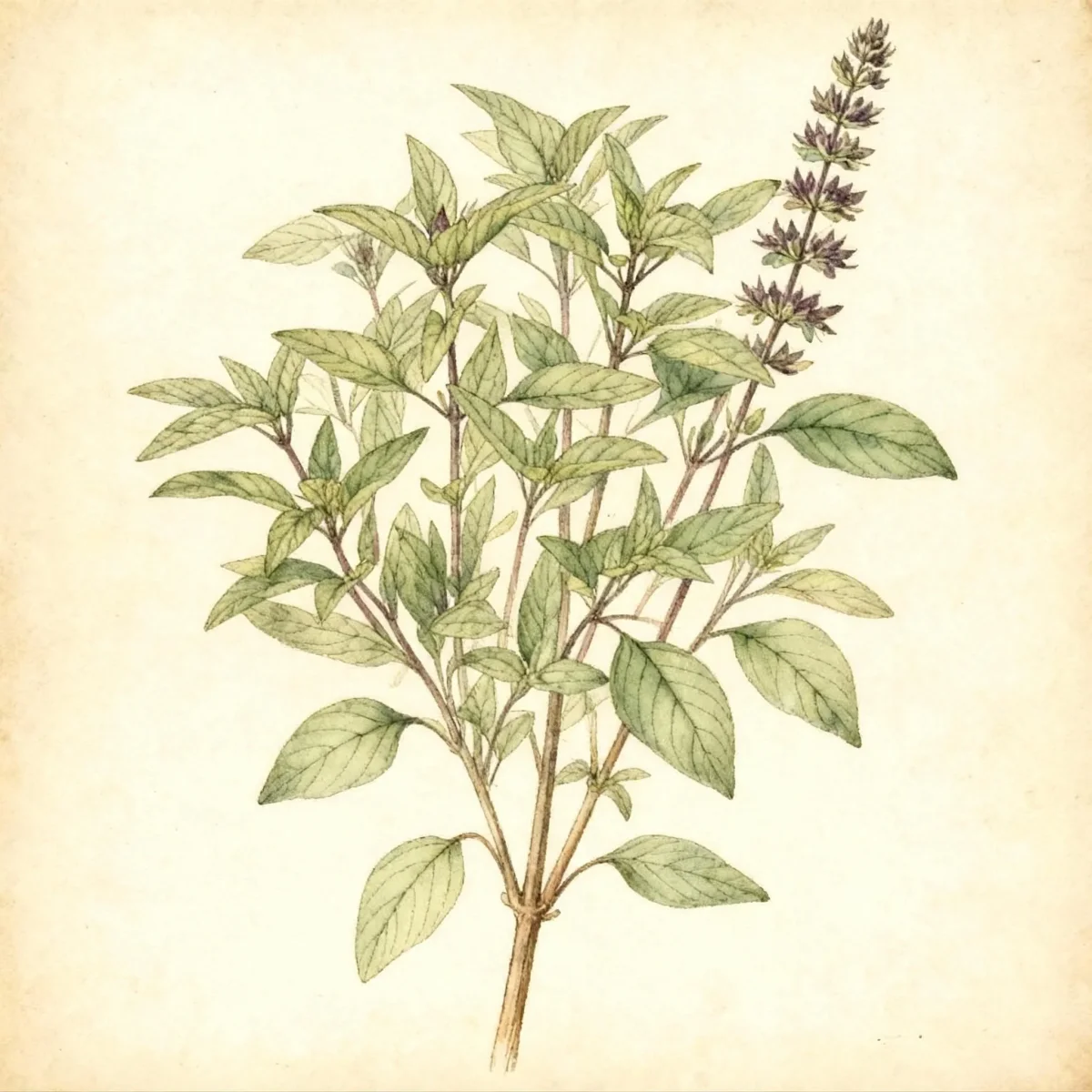
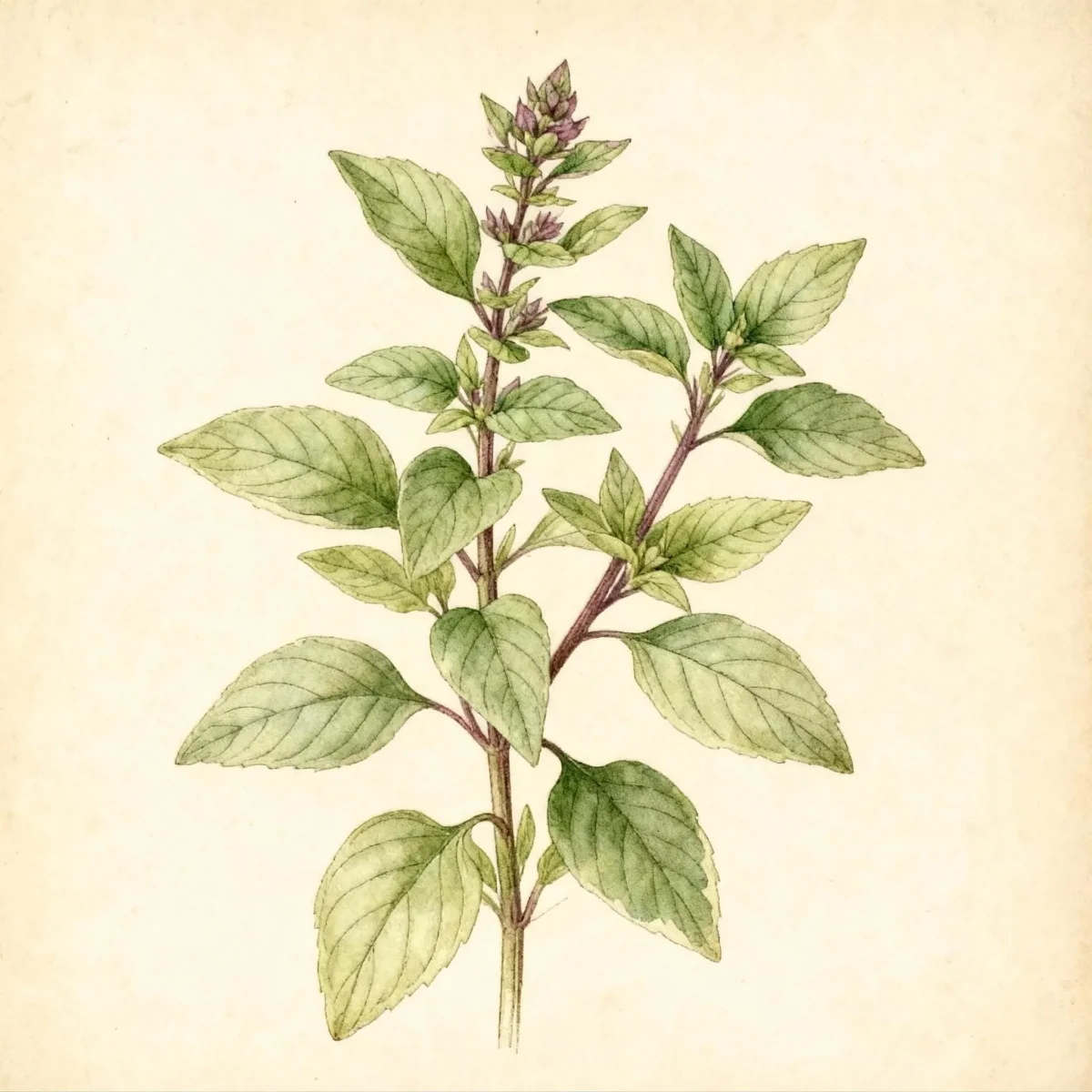
Ocimum × citriodorum ‘Pesto Perpetuo’ is a highly desirable cultivar of Basil, prized by gardeners for its distinctive and enduring ornamental qualities. Unlike many annual herbs, this specific variety is noted for its columnar growth habit and striking lime-green leaves edged with thin white variegation, making it as valuable for aesthetics as it is for culinary applications. As a patented, non-flowering basil, it ensures foliage interest remains uninterrupted throughout the growing season.
This Lemon Basil hybrid thrives when given consistent warmth and moisture, making it a top choice for summer herb gardens or striking container arrangements. Its low maintenance needs and strong visual impact solidify its role as a favorite functional and decorative annual. Gardeners utilizing Ocimum × citriodorum ‘Pesto Perpetuo’ will appreciate its continuous supply of aromatic leaves perfect for flavoring dishes or using as garnishes.
Fast Facts
- Plant Family: Lamiaceae
- Plant Type: Annual
- Hardiness Zones: USDA Zones 2-11
- Size at Maturity:
- Height: 1-2 ft
- Spread: 0.75-1.5 ft
- Bloom Time: Non-flowering
- Sun Exposure: Full sun
- Water Needs: Medium
- Maintenance Level: Low
How to Grow
To successfully grow this patented Basil, wait until all danger of frost has passed before planting starter plants outside; they are extremely sensitive to cold. Select a spot receiving full sun, although they tolerate light afternoon shade, ensuring the location is warm and sheltered. The preferred medium is moderately rich, humusy, and well-drained, requiring medium moisture levels throughout the summer.
Consistency in watering is critical for Ocimum × citriodorum ‘Pesto Perpetuo’. Ensure regular moisture without allowing the soil to become waterlogged. To promote the dense, bushy form ideal for maximizing leaf harvest, regularly pinch out the growing tips of the plant. This simple pruning step encourages lateral branching, leading to a fuller plant specimen.
Since this specific Basil cultivar does not produce seed, propagation relies on purchasing new starts annually. If growing in bulk for pesto, ensure soil drainage is excellent, as overly heavy soil can lead to root issues despite the generally low maintenance profile of this plant.
Landscape Uses
The variegated foliage of Ocimum × citriodorum ‘Pesto Perpetuo’ elevates its status beyond a simple kitchen herb. It functions excellently as an edger along pathways or as a dynamic accent plant in mixed gardens, capitalizing on its upright, columnar structure. Due to its significant ornamental value, this Basil excels as a standalone specimen in containers on patios or decks, offering a bright, geometric focal point.
Consider mass plantings of this striking Basil cultivar in dedicated herb gardens where its vertical interest contrasts beautifully with sprawling or mounding herbs. Its vibrant lime-green and white margins also provide refreshing color contrast when planted near darker-leaved foliage or deep purple herbs, enhancing any border front arrangement.
Standout Features
Flower Qualities
- Insignificant
Noteworthy Characteristics
Ocimum × citriodorum is an unresolved name of questionable validity, with some authors listing it as a synonym of Ocimum × africanum or as the species Ocimum citriodorum. The genus name originates from the Greek okimon for an aromatic herb, while the specific epithet signifies lemon-scented oil. ‘Pesto Perpetuo’ stands out as a non-flowering, columnar Basil, discovered in 2004 as a sport, featuring aromatic, variegated leaves that remain attractive all season long, making it a premium foliage plant for containers and garden beds.
Tolerances
- Rabbit
- Deer
Potential Problems
This Basil variety generally exhibits few serious insect or disease issues under proper cultural conditions. Gardeners should remain vigilant for common soft-bodied pests like aphids, especially on new growth tips. Japanese beetles are noted as potential foliage attackers during peak summer months. Maintaining excellent air circulation and consistent watering practices helps keep the plant robust and less susceptible to stress-related issues.
Frequently Asked Questions
What hardiness zones is Basil (Ocimum × citriodorum ‘Pesto Perpetuo’) suitable for?
This Basil is adaptable across a wide range, thriving in USDA Zones 2 through 11, though it is grown only as a tender annual in cooler regions.
How large does Basil (Ocimum × citriodorum ‘Pesto Perpetuo’) grow?
This columnar variety typically matures to a height between 1 and 2 feet tall, with a spread ranging from 0.75 to 1.5 feet wide.
What sun exposure does Basil (Ocimum × citriodorum ‘Pesto Perpetuo’) need?
Ocimum × citriodorum ‘Pesto Perpetuo’ requires full sun exposure to perform optimally throughout the growing season.
When does Basil (Ocimum × citriodorum ‘Pesto Perpetuo’) bloom?
This cultivar is specifically developed as non-flowering, meaning it will retain its aromatic foliage rather than producing blooms.
Conclusion
The variegated, low-maintenance nature of Ocimum × citriodorum ‘Pesto Perpetuo’ makes it an invaluable choice for both culinary enthusiasts and ornamental gardeners alike. This distinctive Basil provides non-stop visual appeal right up to the first frost. Ensure you plant your starts only after local spring frost dates have fully passed to maximize your harvest of this uniquely attractive herb.
Companion Planting
When planning your herb garden featuring this Basil, consider companions that share similar requirements for sun and medium moisture. Pair Ocimum × citriodorum ‘Pesto Perpetuo’ with plants like Thyme or Rosemary, which tolerate full sun and well-drained soil, creating a harmonious Mediterranean corner. Avoid placing it immediately next to large, aggressive spreaders that might shade out its preferred sunny location.
For pest management synergy, consider planting low-growing annuals like Marigolds nearby; while Japanese beetles may occasionally target the Basil, companion planting can sometimes help deter broad pest pressure in the immediate vicinity. Integrating this upright Basil into mixed vegetable beds also provides excellent textural contrast among lower-growing crops.
Container Growing
Growing this columnar Basil in pots is highly recommended, especially for gardeners in northern climates, as containers can be easily moved to warmer, sheltered spots if needed. Use a high-quality potting mix amended with compost to ensure the necessary humus and good drainage required by the Lamiaceae family. Because container plants dry out faster than garden beds, you must be extra diligent about providing consistent, even moisture to this medium-water-need plant.
The upright habit of Ocimum × citriodorum ‘Pesto Perpetuo’ makes it an excellent “thriller” component in mixed container designs. Place it centrally, surrounded by trailing edibles or colorful annual flowers that complement its variegated foliage. Ensure the container has sufficient depth to support its 1 to 2-foot mature height.