Meyer lemon (Citrus × meyeri)
The Meyer lemon (Citrus × meyeri) is a broadleaf evergreen prized for sweeter, juicier fruit and ornamental appeal. Hardy in Zones 9-11.
Scroll down to discover growing tips, care requirements, companion plants, and more
Complete Plant Information
Overview
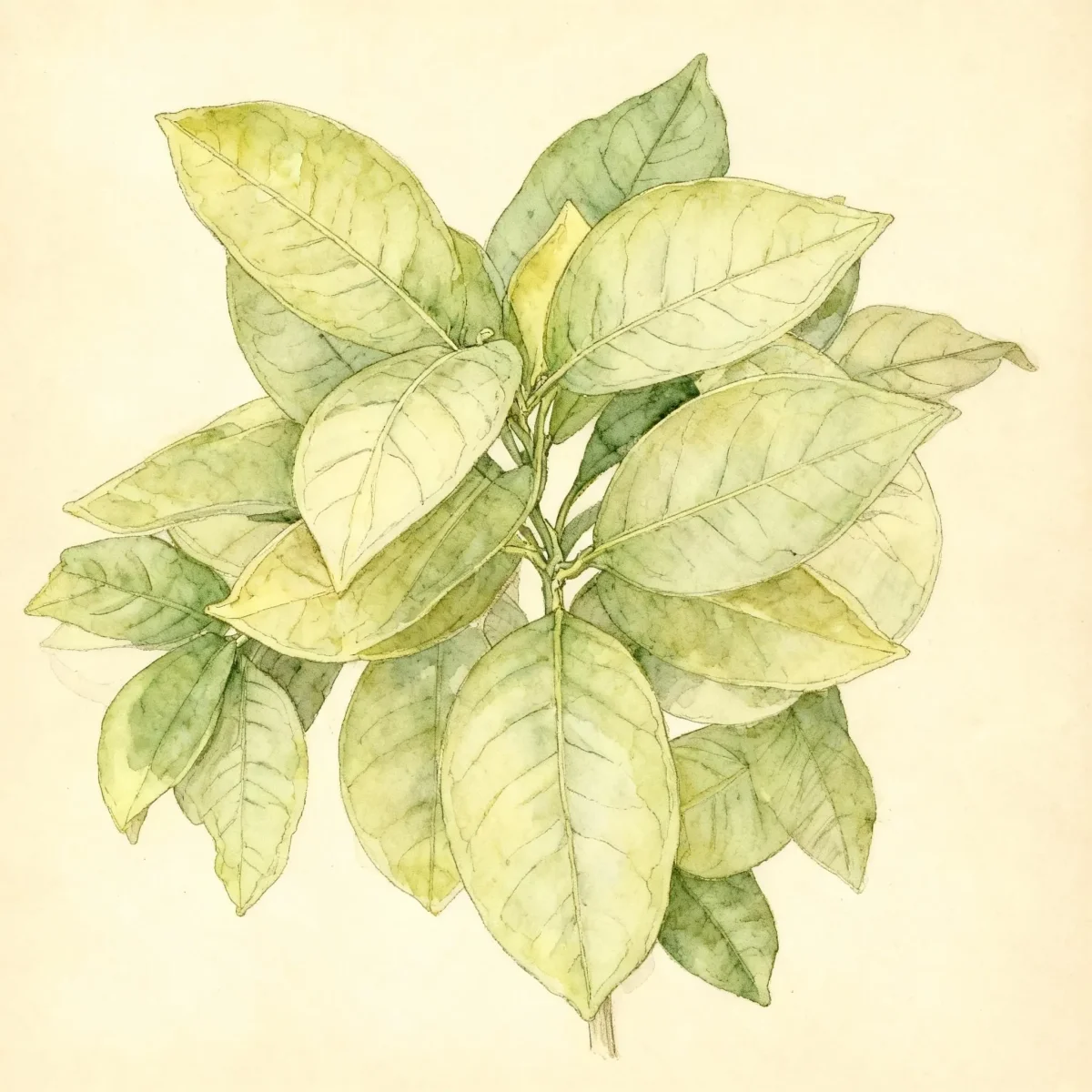
The Meyer lemon, scientifically known as Citrus × meyeri, offers gardeners a unique, slightly sweeter alternative to standard lemons. This broadleaf evergreen is valued both for its manageable size as a small tree and for its continuous production of highly fragrant, edible fruit in suitable climates. Its glossy, dark green foliage provides year-round visual appeal, making it highly adaptable for landscaping or container culture.
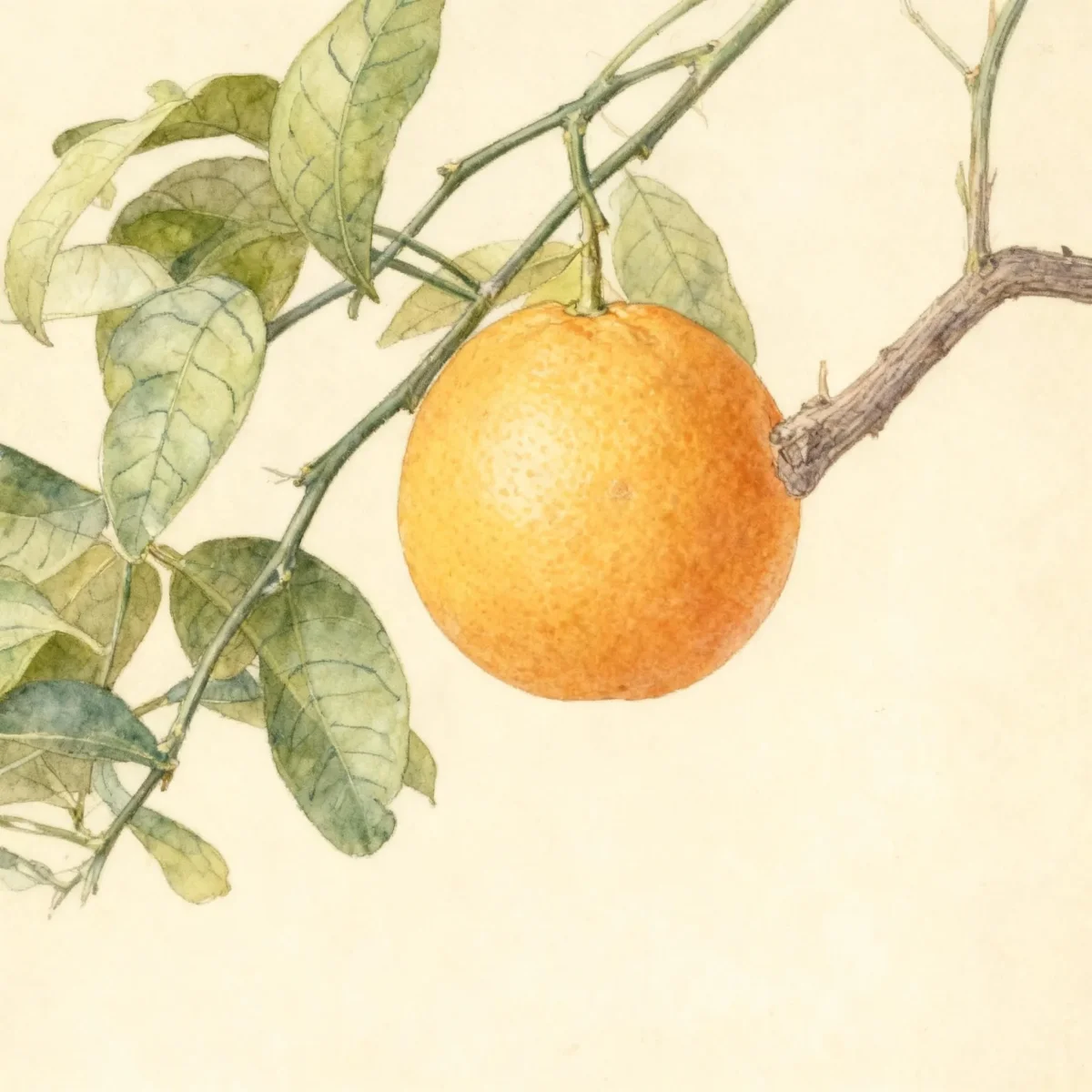
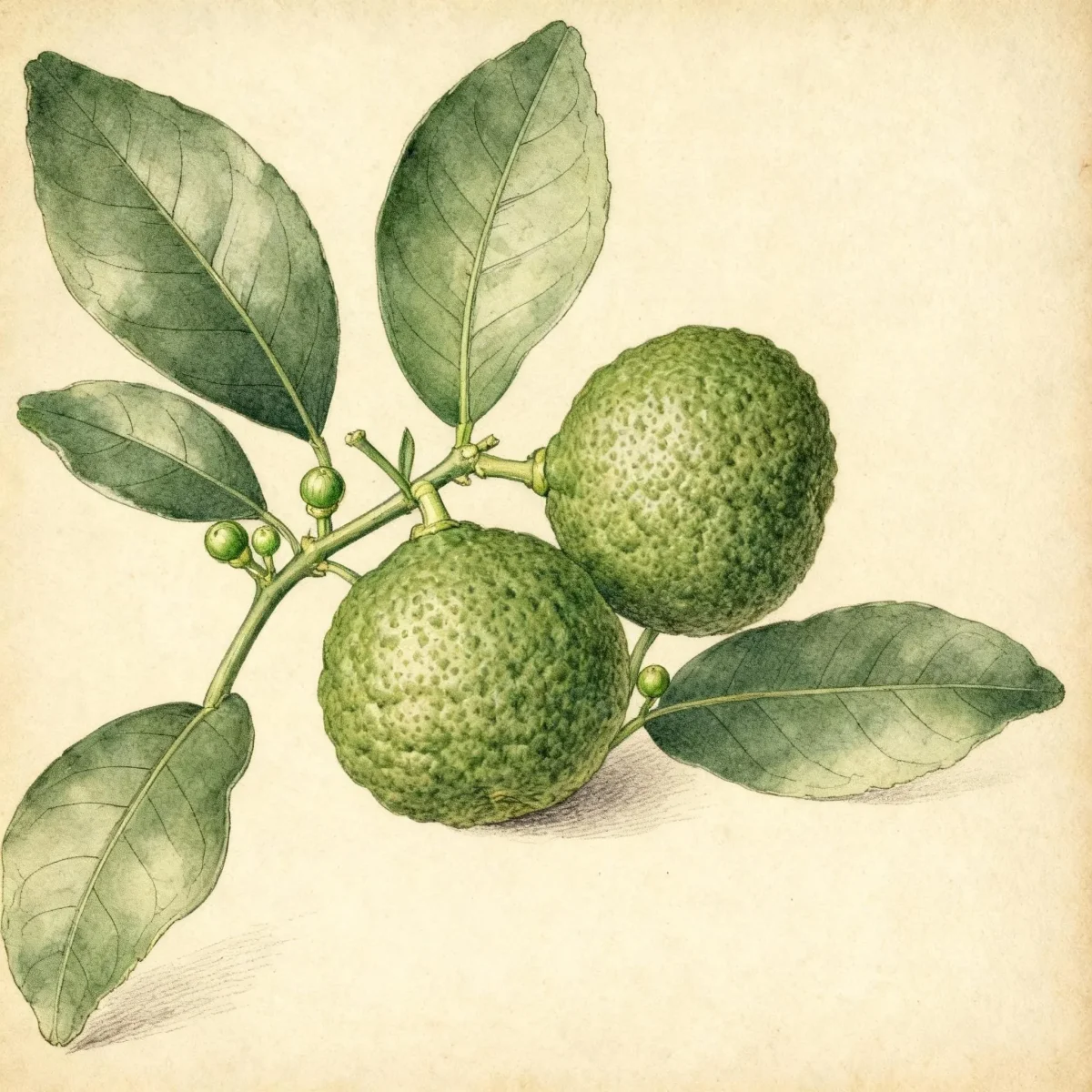
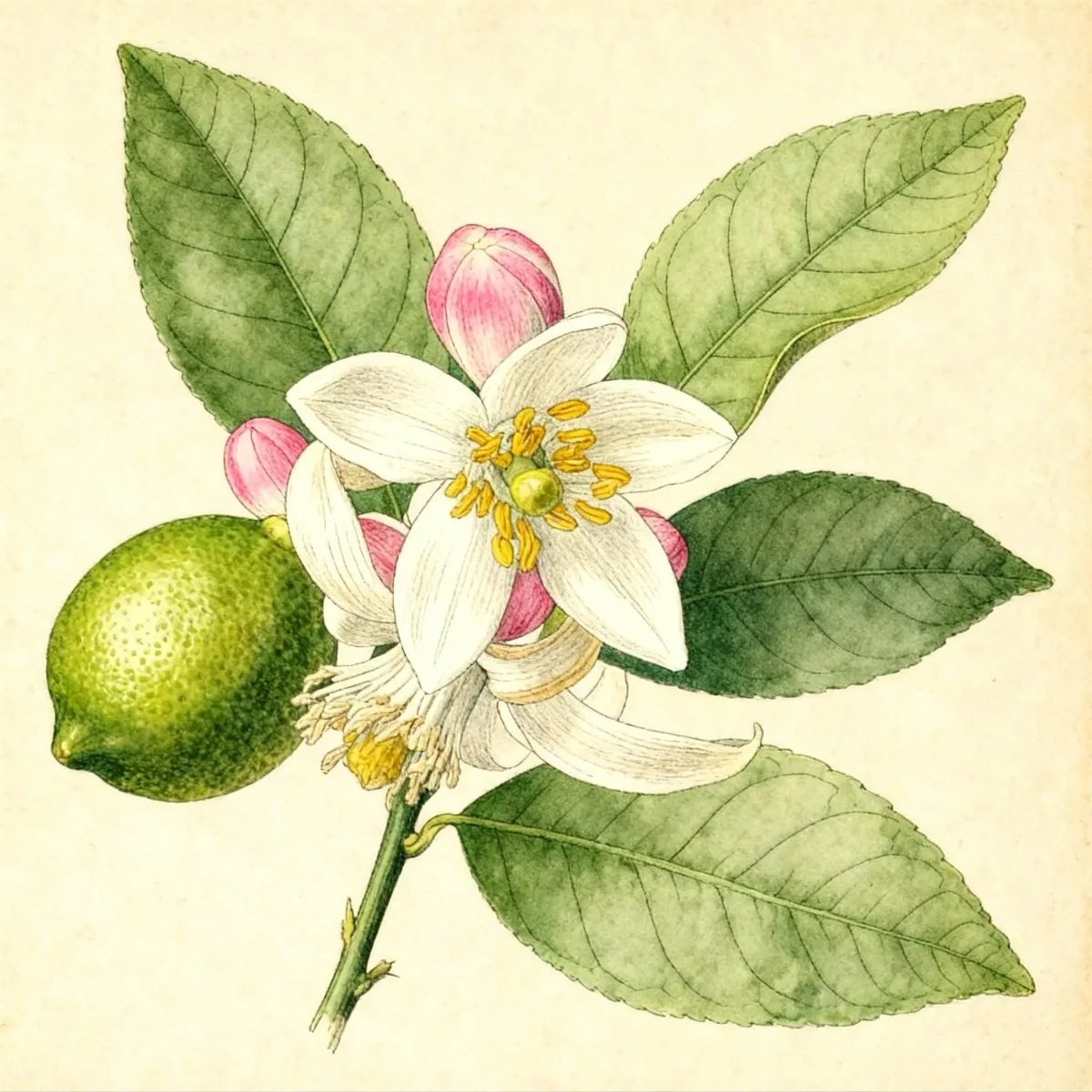
Originating as a suspected hybrid of the lemon and mandarin orange, the Citrus × meyeri possesses better winter hardiness than many other citrus, though it generally requires protection below 32°F. Gardeners appreciate the waxy, fragrant white blossoms that reliably appear, followed by smooth-skinned, rounded yellow fruit. For those seeking edible fruit production combined with ornamental beauty, the improved Meyer lemon is an excellent choice for patio life or warm garden spots.
Fast Facts
- Plant Family: Rutaceae
- Plant Type: Broadleaf evergreen
- Hardiness Zones: USDA Zones 9-11
- Size at Maturity:
- Height: 6-10 ft
- Spread: 4-8 ft
- Bloom Time: Seasonal bloomer
- Bloom Description: White
- Sun Exposure: Full sun to part shade
- Water Needs: Medium
- Maintenance Level: Medium
How to Grow
For optimal growth outdoors, plant Citrus × meyeri in the spring once the danger of frost has passed. This tree thrives in sandy, neutral, well-drained soils. While it performs best in full sun, it can tolerate light shade, although flowering and fruiting may be reduced. Consistent and regular watering is essential; ensure the soil remains moist but never waterlogged, as wet, poorly drained soils are detrimental.
In zones 9 through 11, this small citrus tree will fruit year-round under ideal warm conditions, defined by daytime temperatures in the low 70s F and nighttime temperatures lingering above 55°F. If temperatures drop near 32°F, the tree risks frost damage, though it shows better hardiness than many other lemons. If you reside outside these zones, treat the Meyer lemon as an excellent container specimen.
When grown in containers, use an all-purpose potting mix and place the pot outdoors in late spring in a location sheltered from strong winds. Bring the container inside before fall weather turns cold, situating it in a bright, sunny southern window for overwintering. Indoor plants benefit greatly from near-daily misting during the dry winter months, and hand pollination may be necessary to ensure spring fruiting in the absence of natural insect activity.
Landscape Uses
The ornamental qualities of the Citrus × meyeri make it highly versatile in landscape design. As a small, evergreen tree, it serves perfectly as a specimen plant near patios or entryways where its fragrant flowers can be best enjoyed. It also functions beautifully as an anchor plant in mixed borders, contrasting its deep green, shiny leaves against other shrubs.
For gardeners desiring fresh, year-round fruit, the improved Meyer lemon excels as a focal point in edible landscapes. Furthermore, containers allow you to move this valuable plant indoors during winter, effectively extending the growing season outside of Zones 9-11. When container-grown, it provides a tropical accent on decks or balconies until autumn mandates its relocation indoors.
Standout Features
Flower Qualities
- Showy
Fruit Qualities
- Showy
- Edible
Noteworthy Characteristics
Citrus × meyeri, commonly called Meyer’s lemon, traces its origins to China, having been introduced to the U.S. by Frank Meyer in 1908. It is thought to be a hybrid between the true lemon (C. Limon) and the mandarin orange (C. Reticulata), resulting in fruit that is famously less acidic and juicier than standard lemons. Though commercial production is limited due to its thin, easily damaged skin, the improved Meyer lemon remains a favorite for home growers for its prolific flowering and desirable fruit quality.
Tolerances
Potential Problems
The Meyer lemon can be susceptible to several common citrus diseases, including anthracnose, scab, greasy spot, and gummosis. Regular scouting is necessary, as potential insect pests often include scale insects, mealybugs, aphids, whiteflies, and thrips. Maintaining good cultural practices, such as providing excellent drainage and consistent moisture, helps bolster tree health against these pressures. If fungal issues arise, such as sooty mold often associated with heavy scale infestations, treat the pest first, then apply appropriate fungicides as directed.
Frequently Asked Questions
What hardiness zones is Meyer lemon suitable for?
The Citrus × meyeri is winter hardy outdoors in USDA Zones 9 through 11, though careful protection may be needed during occasional dips toward freezing points.
How large does Meyer lemon grow?
This small citrus tree typically matures to a height between 6 and 10 feet, with a spread ranging from 4 to 8 feet, making it manageable for most residential spaces.
What sun exposure does Citrus × meyeri need?
For best performance, the Meyer lemon requires full sun, though it can tolerate partial shade. Providing abundant light encourages better flowering and fruiting.
When does Meyer lemon bloom?
The Citrus × meyeri is known as a seasonal bloomer, producing waxy, fragrant white flowers. In warm climates, flowering can occur nearly year-round.
Conclusion
The Citrus × meyeri is an indispensable plant for any gardener seeking flavorful, high-quality citrus on a smaller scale. Its reputation as a sweeter, juicier fruit producer, combined with its year-round ornamental presence, solidifies its value. Before planting, ensure your location falls within USDA Zones 9-11, or prepare to treat your Meyer lemon as a cherished container specimen that moves indoors for winter protection.
Companion Planting
When siting your Citrus × meyeri, select companions that enjoy similar growing conditions—namely, well-drained, neutral soil and ample sunlight. Herbs like rosemary, thyme, and basil thrive in the reflected heat these trees provide and share similar water needs, creating a functional Mediterranean-style planting zone. Avoid planting moisture-hungry vegetables directly under the canopy, as citrus requires vigilant drainage management.
Consider pairing the Meyer lemon with low-growing annuals or groundcovers that won’t compete heavily for surface moisture. Ornamental grasses that tolerate dry shade or drought once established work well around the periphery of the mulched area, providing textural contrast to the broad, shiny leaves of the citrus tree.
Container Growing Strategies
Growing the Citrus × meyeri in pots is the most practical method for gardeners in cooler regions, allowing for easy overwintering indoors. Select a container that is large enough to accommodate several years of growth, ensuring it has excellent drainage holes. Using a specialized citrus potting mix or a blend amended heavily with perlite will prevent the root rot that standardized soil can cause in pots.
For its time spent indoors during winter, maximizing available light is crucial. Place the pot directly in a south-facing window where it receives the most direct sun possible. Because indoor air is often dry, particularly with heating turned on, misting the leaves almost daily helps prevent leaf drop and discourages spider mites, which thrive in low-humidity environments.