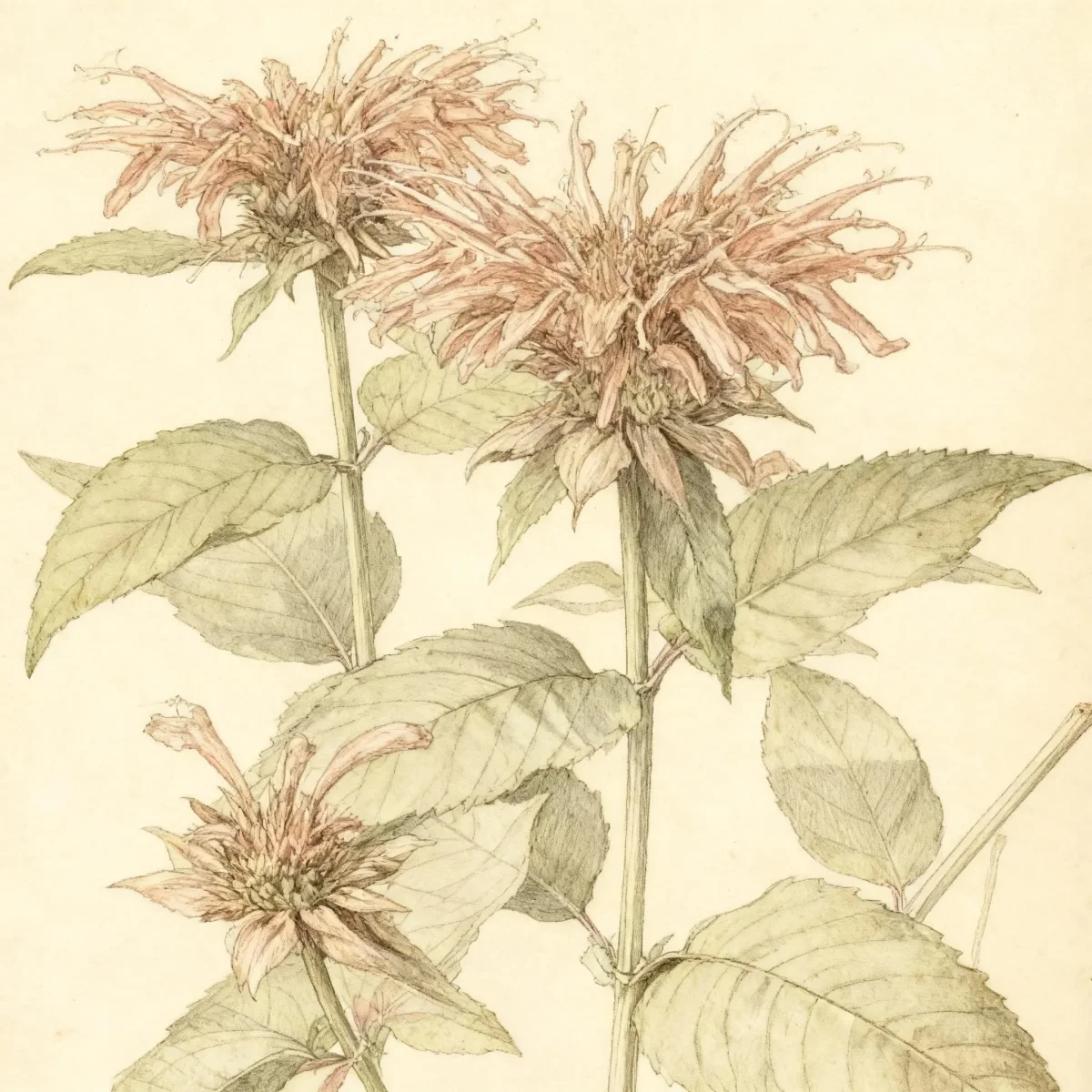
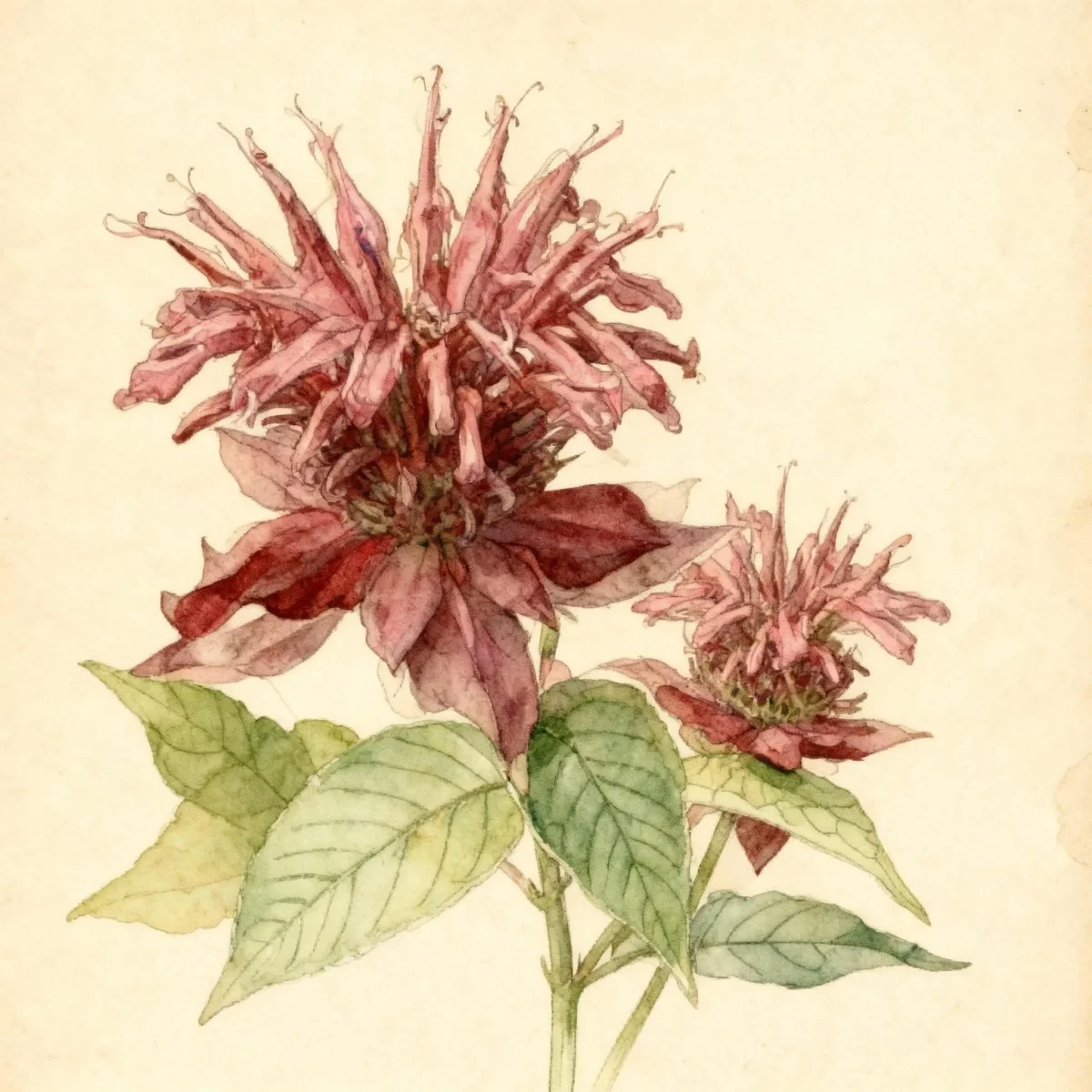
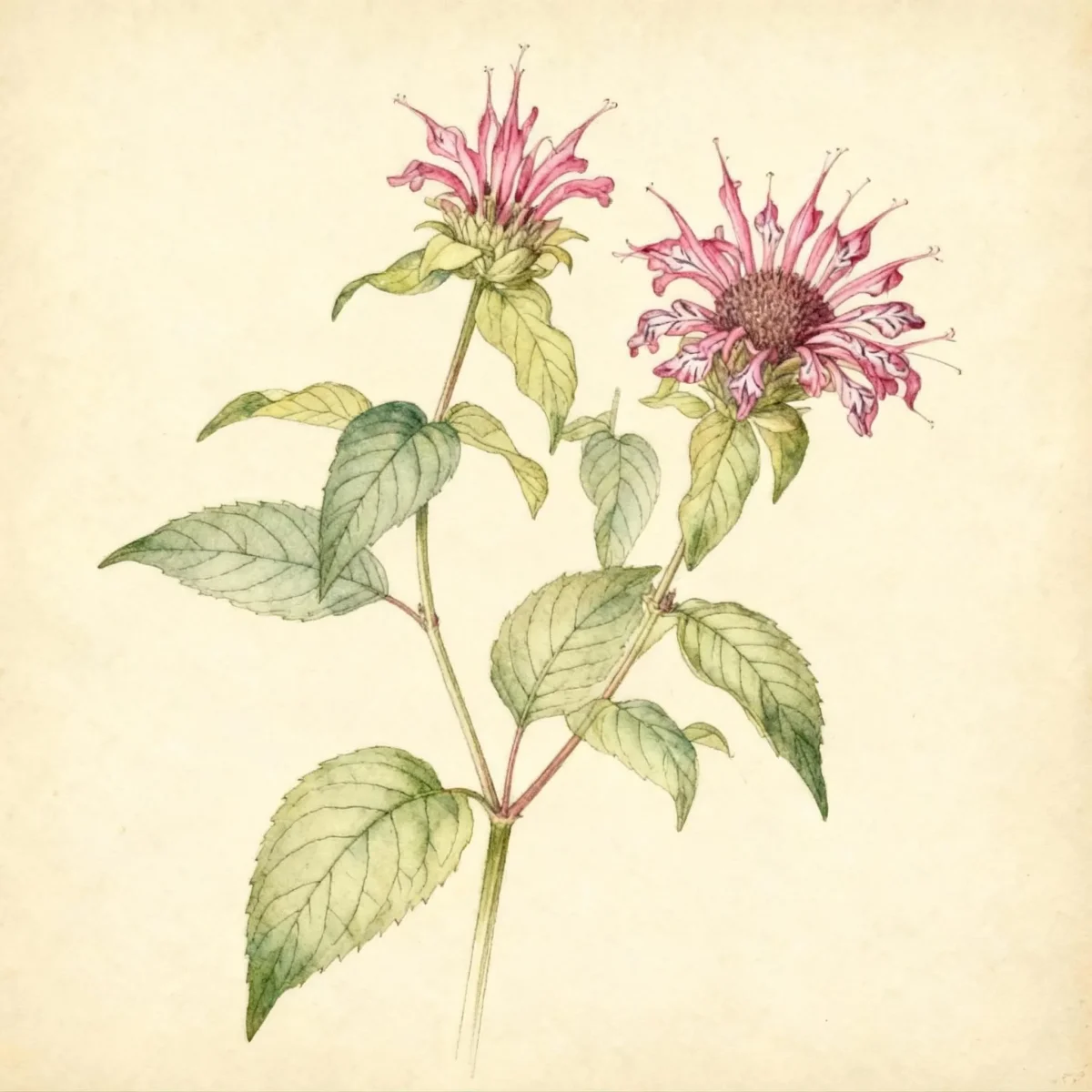
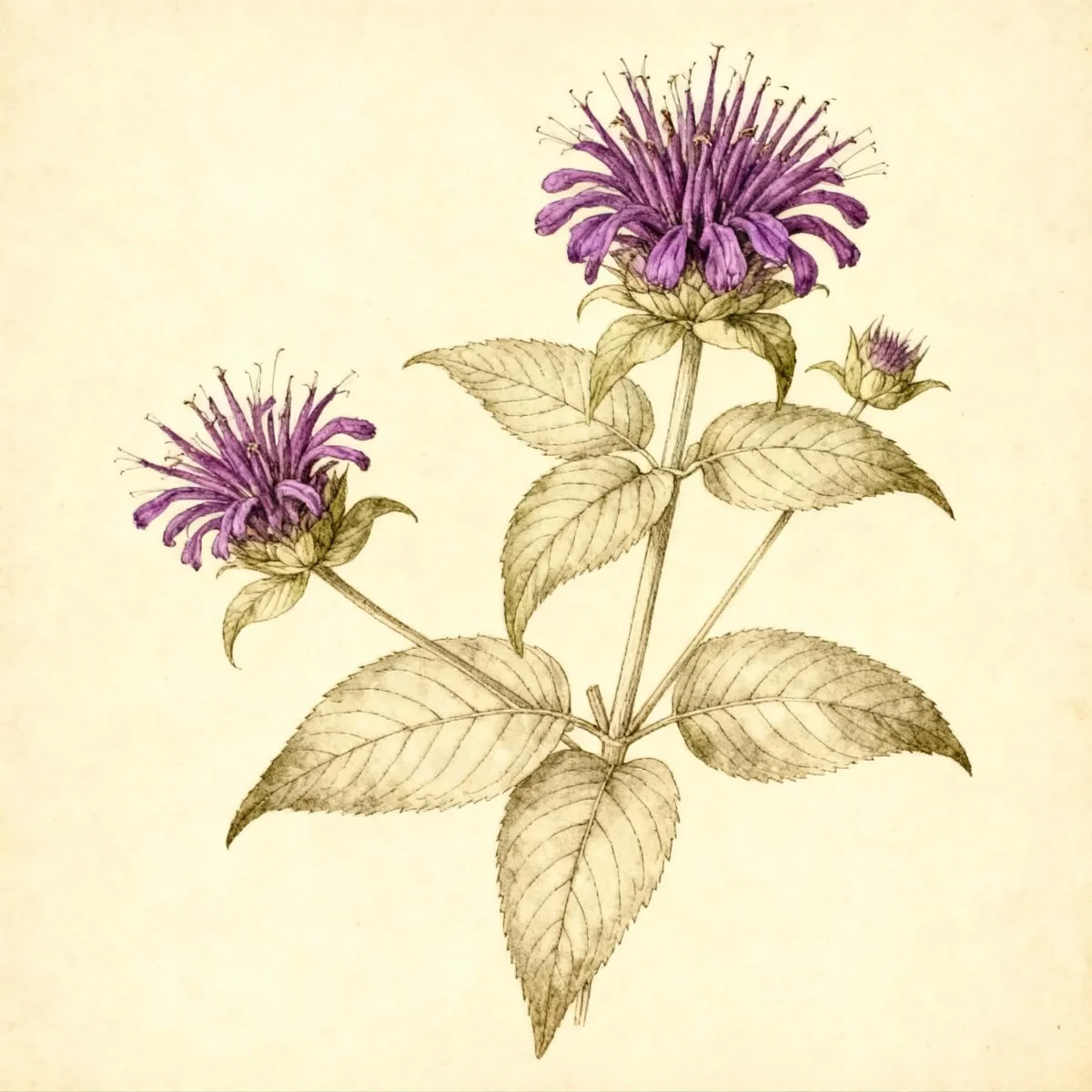
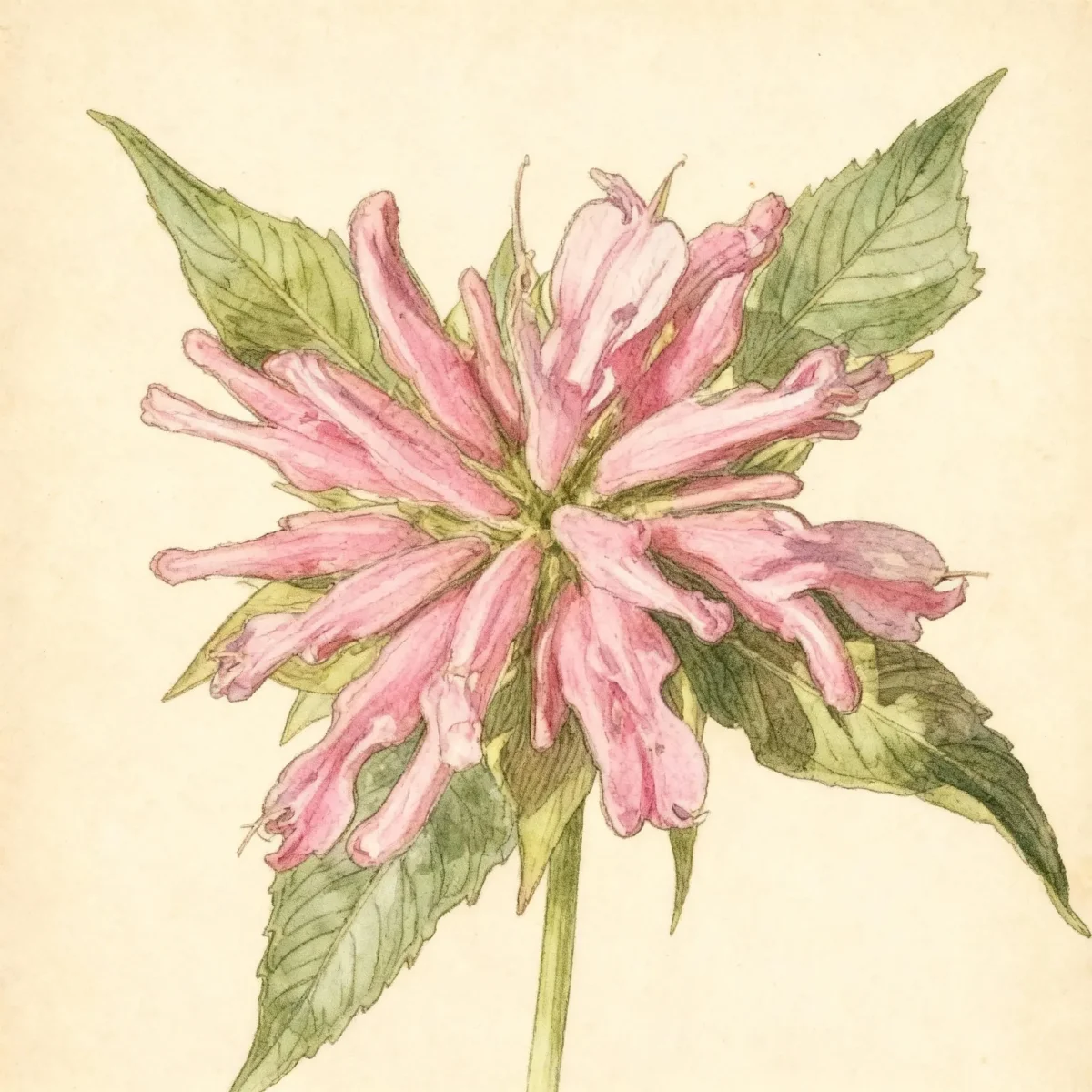
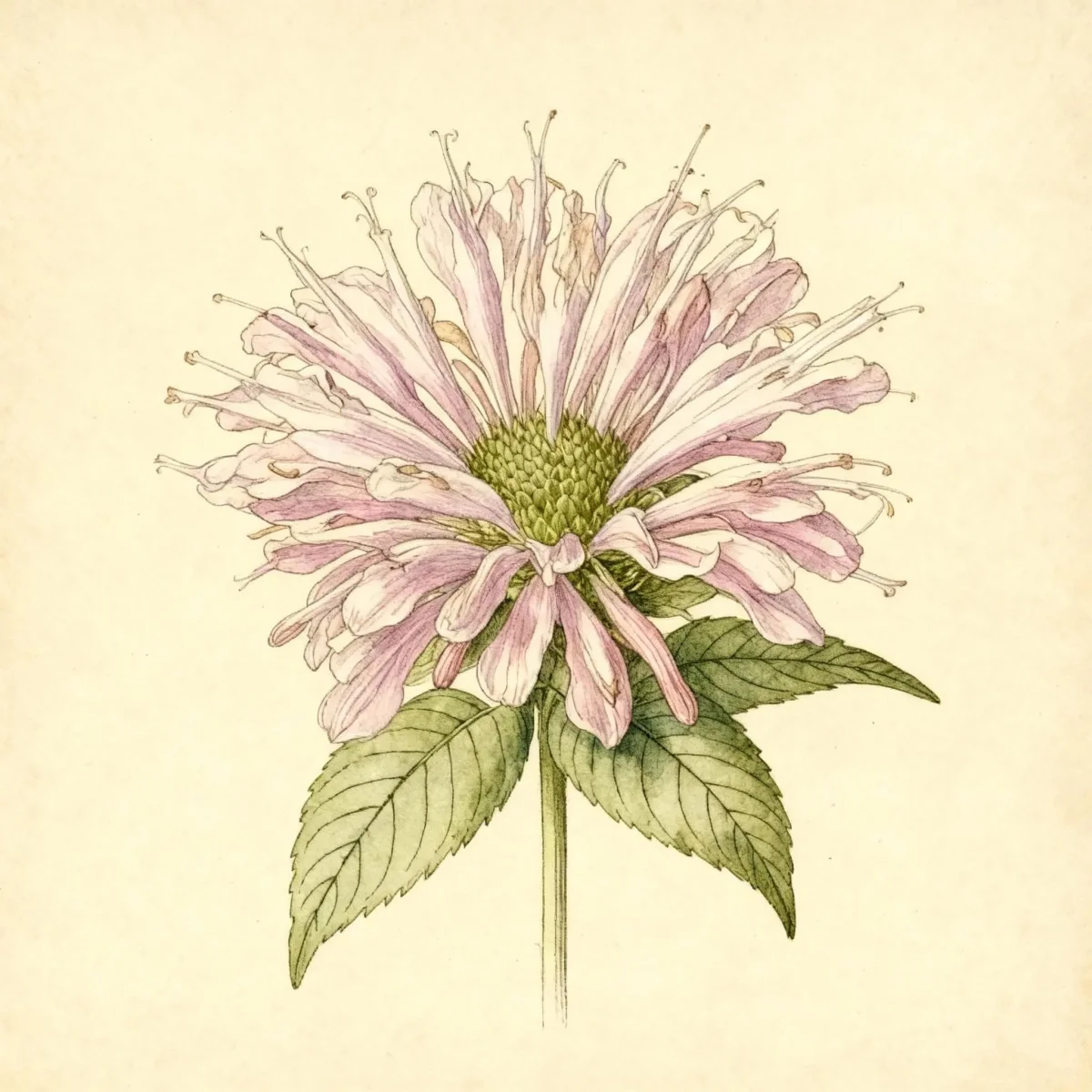
Bee balm (Monarda didyma 'T & M Superb Mixed')
Monarda didyma 'T & M Superb Mixed' is vibrant Bee balm offering red, pink, white flowers. Easy care for sun/part-shade gardens.
Scroll down to discover growing tips, care requirements, companion plants, and more
Complete Plant Information
Overview
Monarda didyma ‘T & M Superb Mixed’ delivers a spirited display of color, making it a prized centerpiece in perennial and cottage gardens. This selection of Bee balm produces a stunning mix of red, pink, and white blooms, highly attractive to essential pollinators like hummingbirds and butterflies throughout the summer months. As a vigorous, clump-forming perennial, it thrives in moist conditions, offering reliable vertical interest in the landscape.
Originating from eastern North America, this variety of Monarda didyma is valued not only for its striking tubular flowers but also for its aromatic foliage, which releases a pleasant minty scent when crushed. Gardeners appreciate the relatively low maintenance required, provided adequate moisture and air circulation are maintained. The resulting colonies of Monarda didyma ‘T & M Superb Mixed’ create a naturalized, wild garden feel.
The mixture ensures season-long vibrancy, covering the mid to late-summer period when many spring bloomers have faded. Whether used as a fragrant culinary herb or a dazzling feature in rain gardens, this Bee balm establishes itself as a dependable, multi-functional garden asset.
Fast Facts
- Plant Family: Lamiaceae
- Plant Type: Herbaceous perennial
- Hardiness Zones: USDA Zones 4-9
- Size at Maturity:
- Height: 2-4 ft
- Spread: 2-3 ft
- Bloom Time: July to August
- Bloom Description: Red, pink and white mixture
- Sun Exposure: Full sun to part shade
- Water Needs: Medium to wet
- Maintenance Level: Medium
How to Grow
Plant Monarda didyma ‘T & M Superb Mixed’ in the spring or fall, selecting a location that receives full sun to partial afternoon shade. This perennial thrives in rich, humusy, moisture-retentive soils, making it an excellent choice for rain gardens or areas near streams. While it prefers well-drained sites, this Bee balm shows tolerance for heavier clay soils, though you must ensure the soil is never allowed to aggressively dry out, especially during peak summer heat.
Watering is critical for healthy Monarda, as the soil should remain consistently medium to wet. Allowing the plant to become severely stressed by drought dramatically increases its susceptibility to fungal issues. Fertilization is generally unnecessary if the soil is rich; focus instead on improving organic matter content at planting time.
Maintenance primarily revolves around managing its vigorous habit and preventing disease. Providing plants with excellent air circulation is key to combating powdery mildew. To encourage extended blooming well into summer, deadhead spent flower heads promptly.
To maintain vigor and prevent monoculture dominance, plan to divide the spreading rhizomes every three to four years. This division process helps control the spread of the Monarda didyma ‘T & M Superb Mixed’ colonies and rejuvenates the clumps for the following season.
Landscape Uses
Bee balm is a superstar for bringing vertical structure and intense color to mixed borders, cottage gardens, and naturalized settings. The ‘T & M Superb Mixed’ variety excels along pond edges or streamsides where its medium to wet water needs are naturally met. Use these colorful spikes to add dynamic texture near the border front where their foliage can still provide some screening.
For wildlife gardening enthusiasts, planting Monarda didyma ‘T & M Superb Mixed’ en masse creates an undeniable beacon for hummingbirds and butterflies. They integrate beautifully into native plant gardens, pairing well with other moisture-loving perennials such as Astilbe, Joe-Pye Weed, or tall ornamental grasses. This plant’s ability to tolerate clay soil also makes it a robust filler for difficult transition areas in the landscape.
These flowers are also excellent for fresh cut flower arrangements, adding that characteristic bold, whorled shape to indoor displays. The colorful blend of red, pink, and white ensures contrast and depth when mixed with blue or yellow summer bloomers.
Standout Features
Flower Qualities
- Showy
- Good Cut
Noteworthy Characteristics
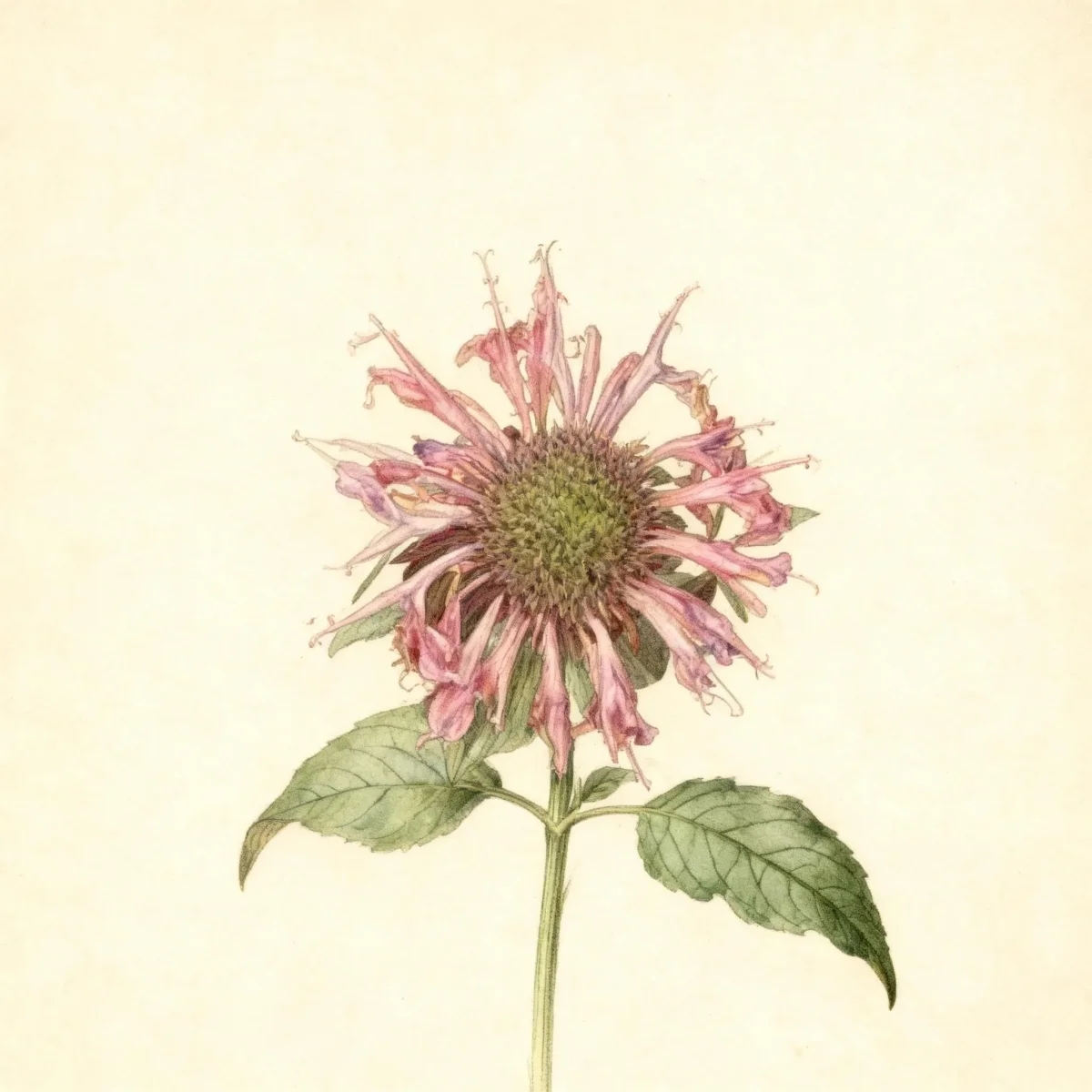
Monarda didyma, known by a number of different common names including bee balm, Oswego tea and bergamot, is native to eastern North America where it typically occurs in bottomlands, thickets, moist woods and along streambanks. It is a somewhat coarse, clump-forming, mint family member that features tubular, two-lipped, bright scarlet-red flowers crowded into dense, globular, terminal flowerheads somewhat resembling unkempt mop-heads. The foliage of Monarda didyma ‘T & M Superb Mixed’ emits a minty fragrance when bruised or crushed, and the long summer bloom sustains interest for about eight weeks.
Tolerances
- Rabbit
- Deer
- Clay Soil
- Wet Soil
- Black Walnut
Potential Problems
Powdery mildew represents the most common aesthetic issue for Bee balm, especially when plants are crowded, leading to poor air circulation. If the soil is allowed to dry out, the stressed plants become increasingly susceptible to this fungal disease, as well as rust. To actively manage this, ensure you provide excellent spacing when planting Monarda didyma ‘T & M Superb Mixed’. Prompt deadheading after flowering encourages fresh, cleaner growth, and regular division prevents overcrowding that exacerbates mildew issues. Deer and rabbits tend to avoid this aromatic plant.
Frequently Asked Questions
What hardiness zones is Bee balm suitable for?
Monarda didyma ‘T & M Superb Mixed’ is hardy and performs reliably across USDA Zones 4 through 9.
How large does Bee balm grow?
This herbaceous perennial typically reaches a mature height between 2 and 4 feet tall, spreading outward to occupy an area 2 to 3 feet wide.
What sun exposure does Bee balm need?
To achieve the best bloom potential, plant Monarda didyma ‘T & M Superb Mixed’ where it can receive full sun, though it will tolerate periods of part shade, especially in the hottest afternoon sun.
When does Bee balm bloom?
This particular seed mixture blooms reliably throughout the summer, usually starting in July and continuing through August, providing a vibrant red, pink and white mixture of color.
Conclusion
The Monarda didyma ‘T & M Superb Mixed’ blend offers exceptional garden value through its colorful, long-lasting summer blooms and robust tolerance for moist soil conditions. This established favorite, commonly known as Bee balm, remains a magnet for beneficial wildlife. Before planting, confirm that your site conditions meet the requirement for medium to wet soil and adequate sunlight for the best results with this spectacular perennial.
Companion Planting
Given the high moisture needs and height of Monarda didyma ‘T & M Superb Mixed’, select companions that also appreciate consistent moisture and can complement the vertical structure. Plants like Japanese Iris or Siberian Iris provide contrasting leaf textures near the base. For bold, late-season color that shares similar cultural needs, try pairing this Bee balm with Rodgersia or Joe-Pye Weed (Eutrochium). Avoid planting too closely around the base, as good air movement is essential to protect the Monarda foliage.
Propagation Tips
Propagation is successfully achieved through division, which should be planned every three to four years for optimal plant health. In early spring before new growth significantly emerges, carefully excavate the clump of Monarda didyma ‘T & M Superb Mixed’ and separate sections, ensuring each new piece has a healthy root system attached. Alternatively, the plant will readily self-seed; deadheading spent flowers prevents unwanted seedlings but leaving a few heads standing will naturally naturalize the area.