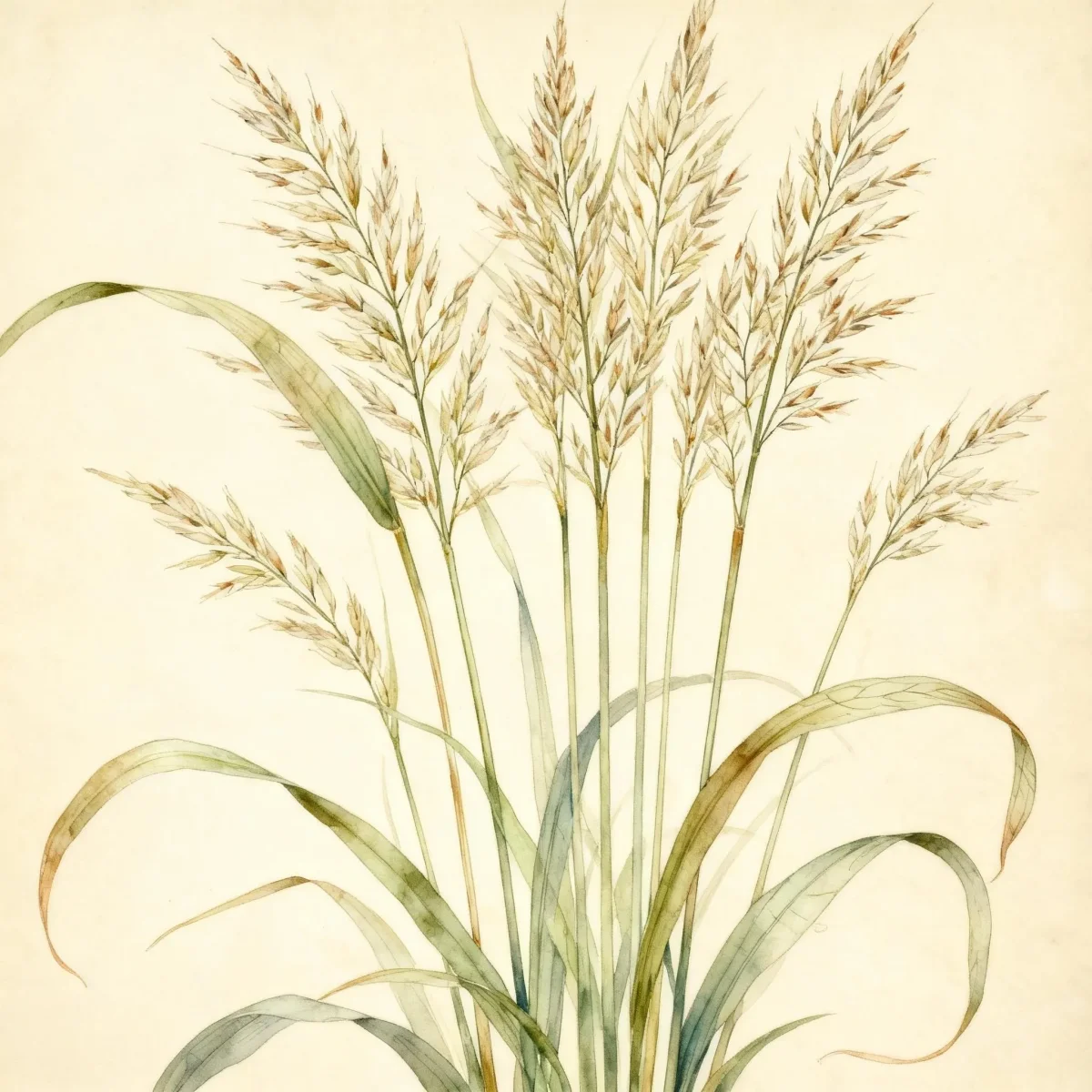
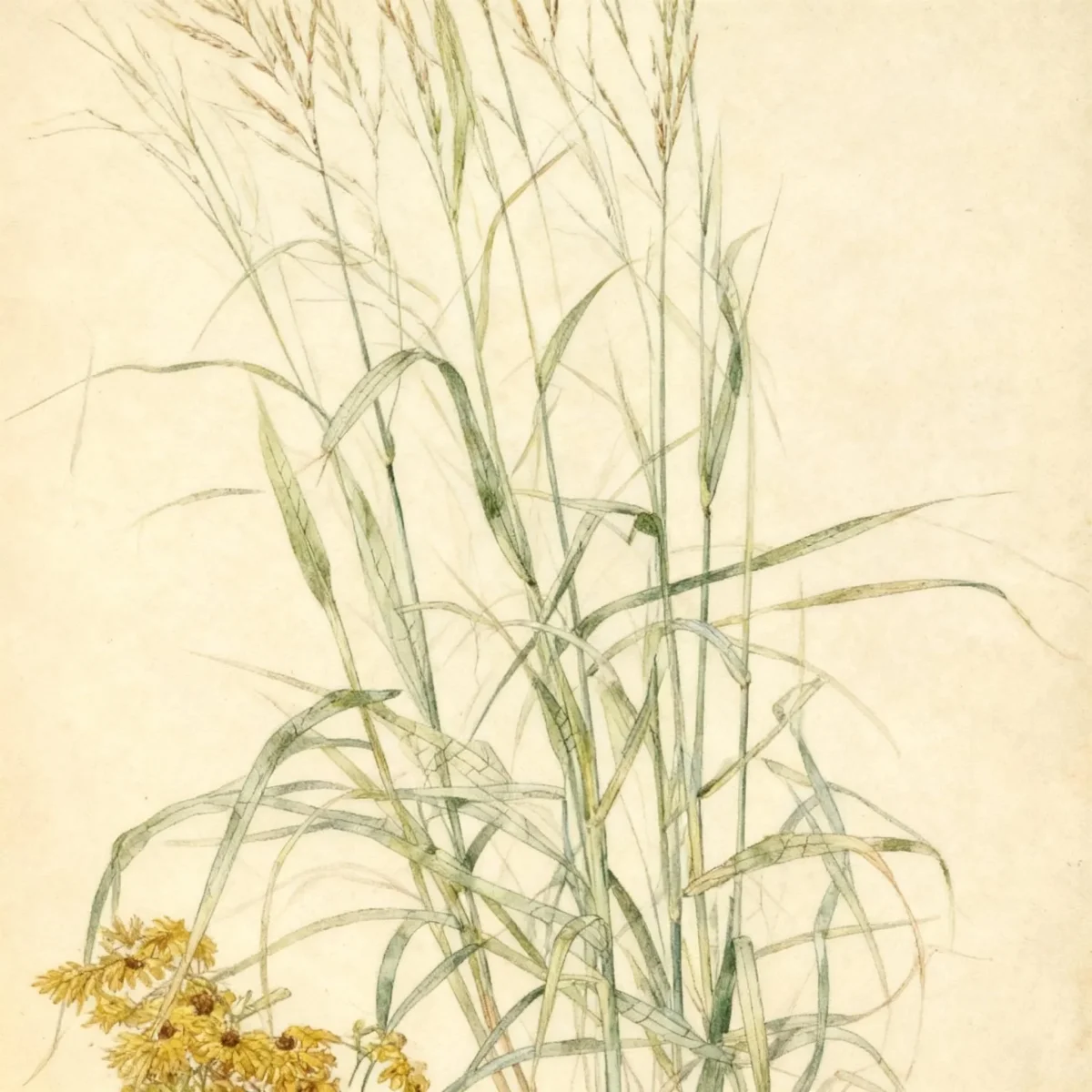
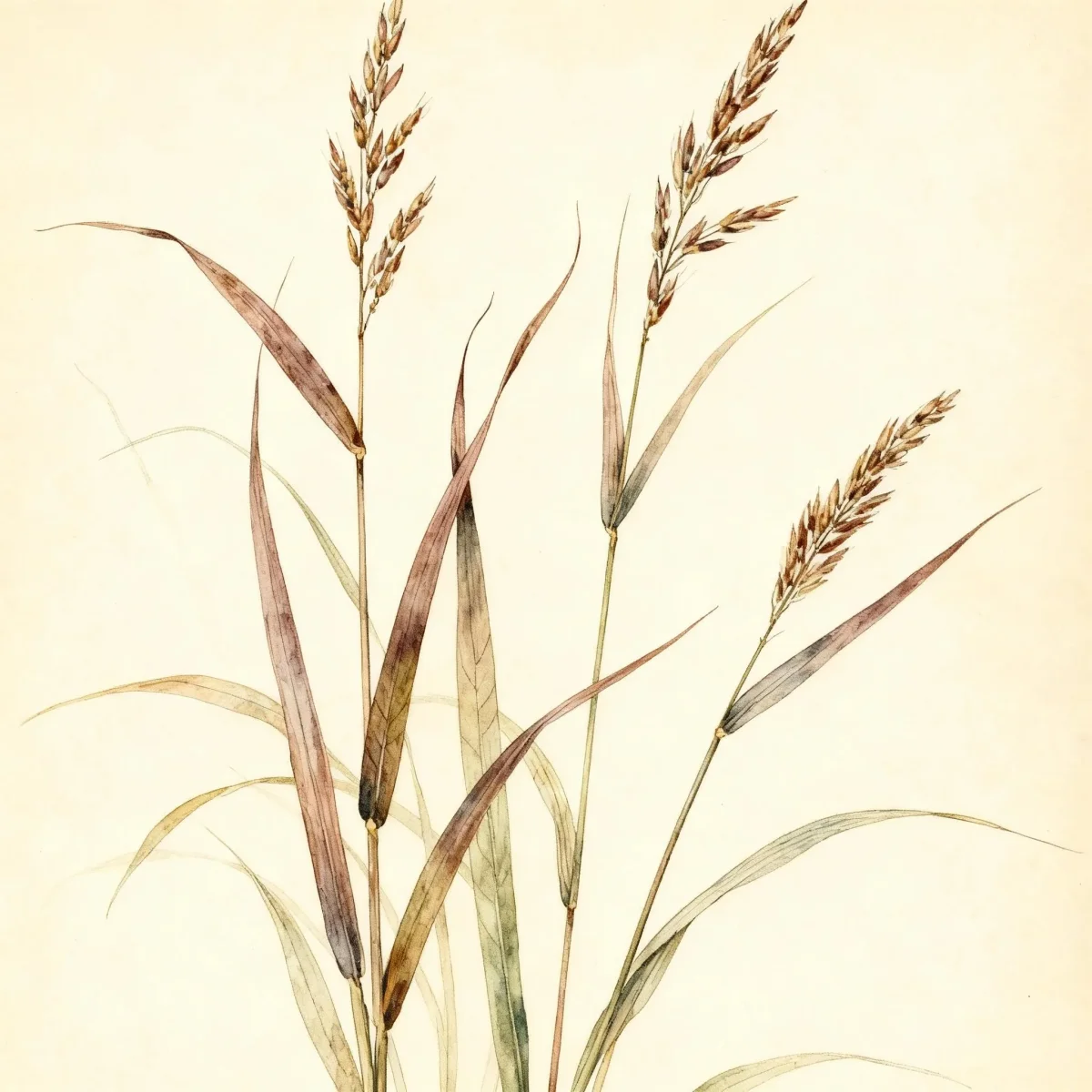
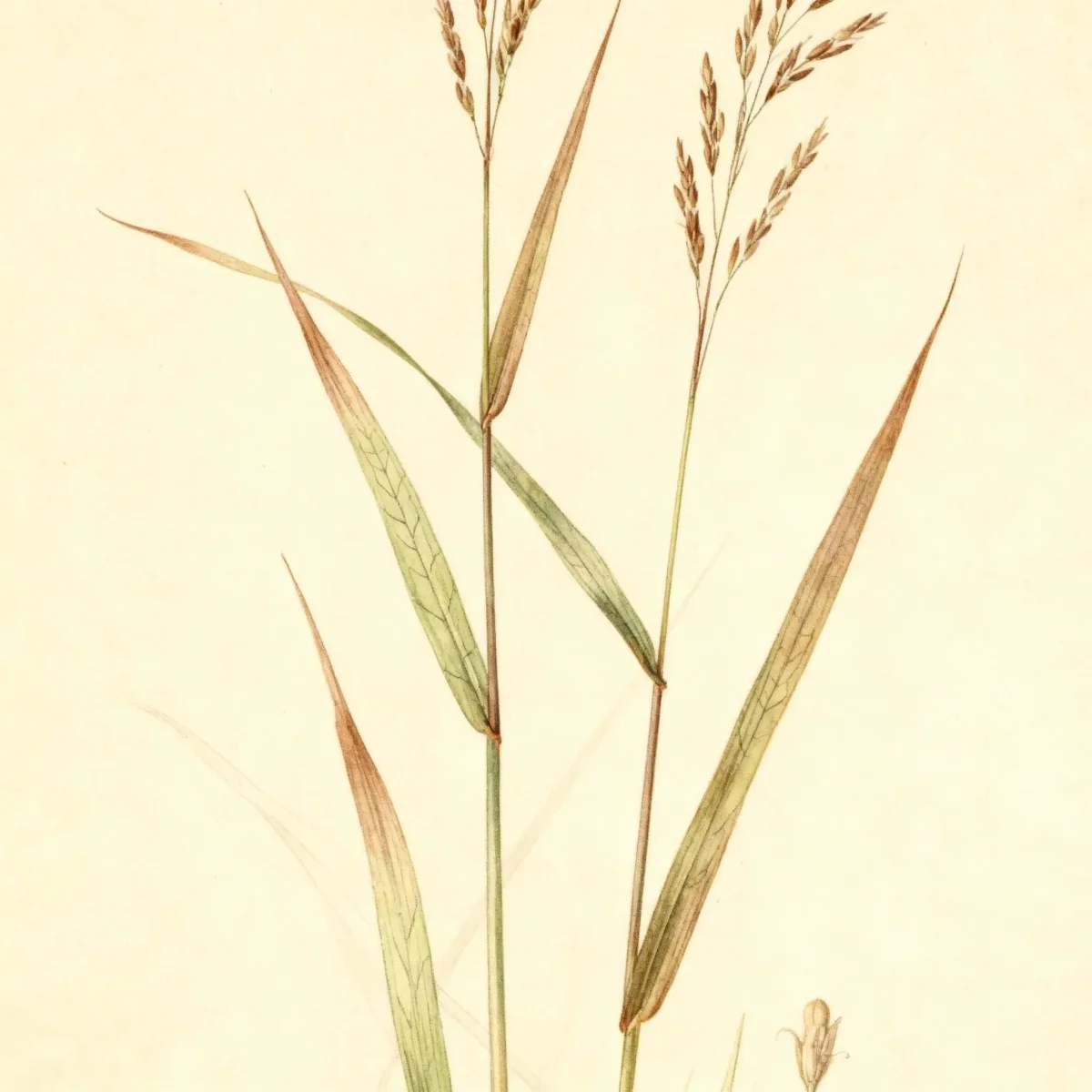
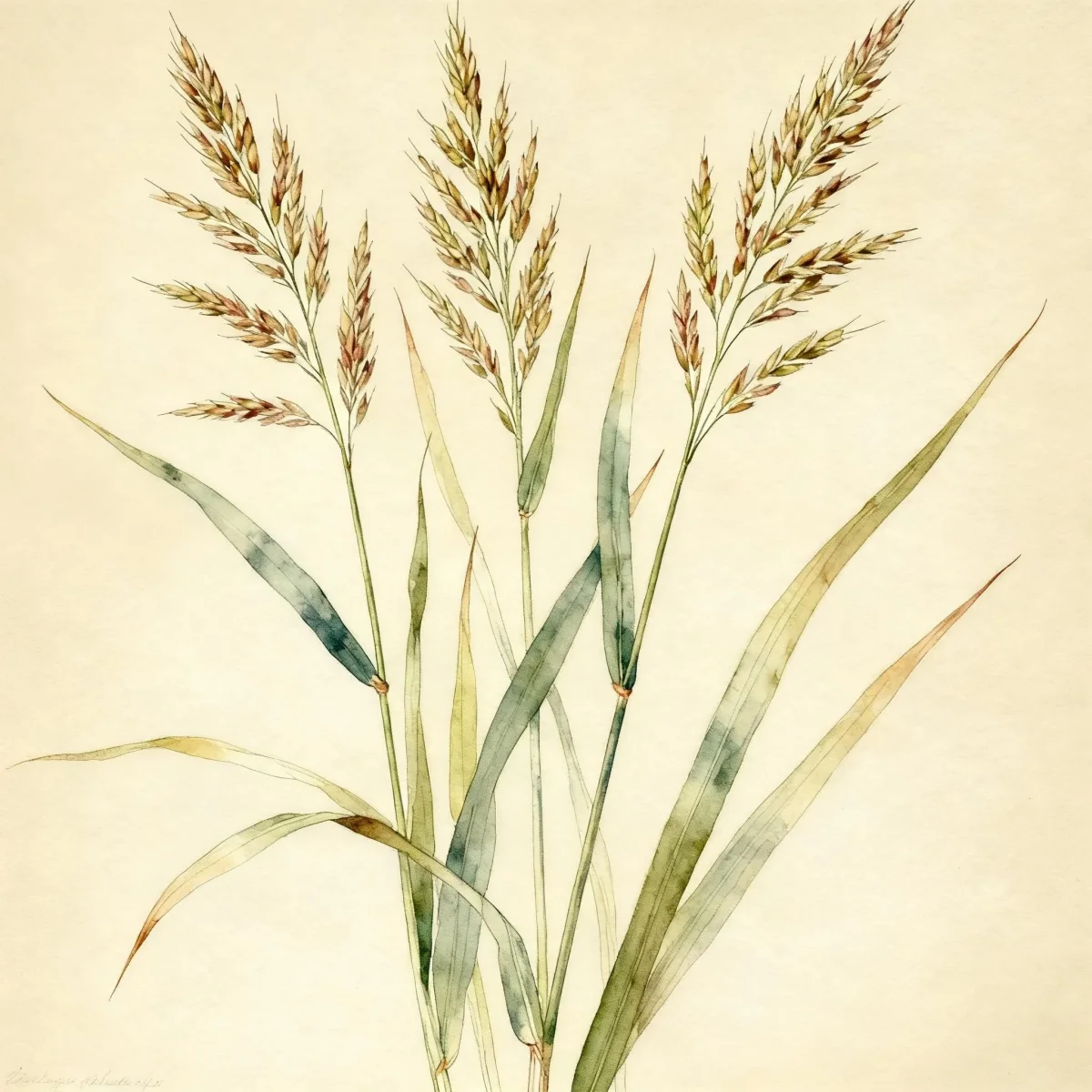
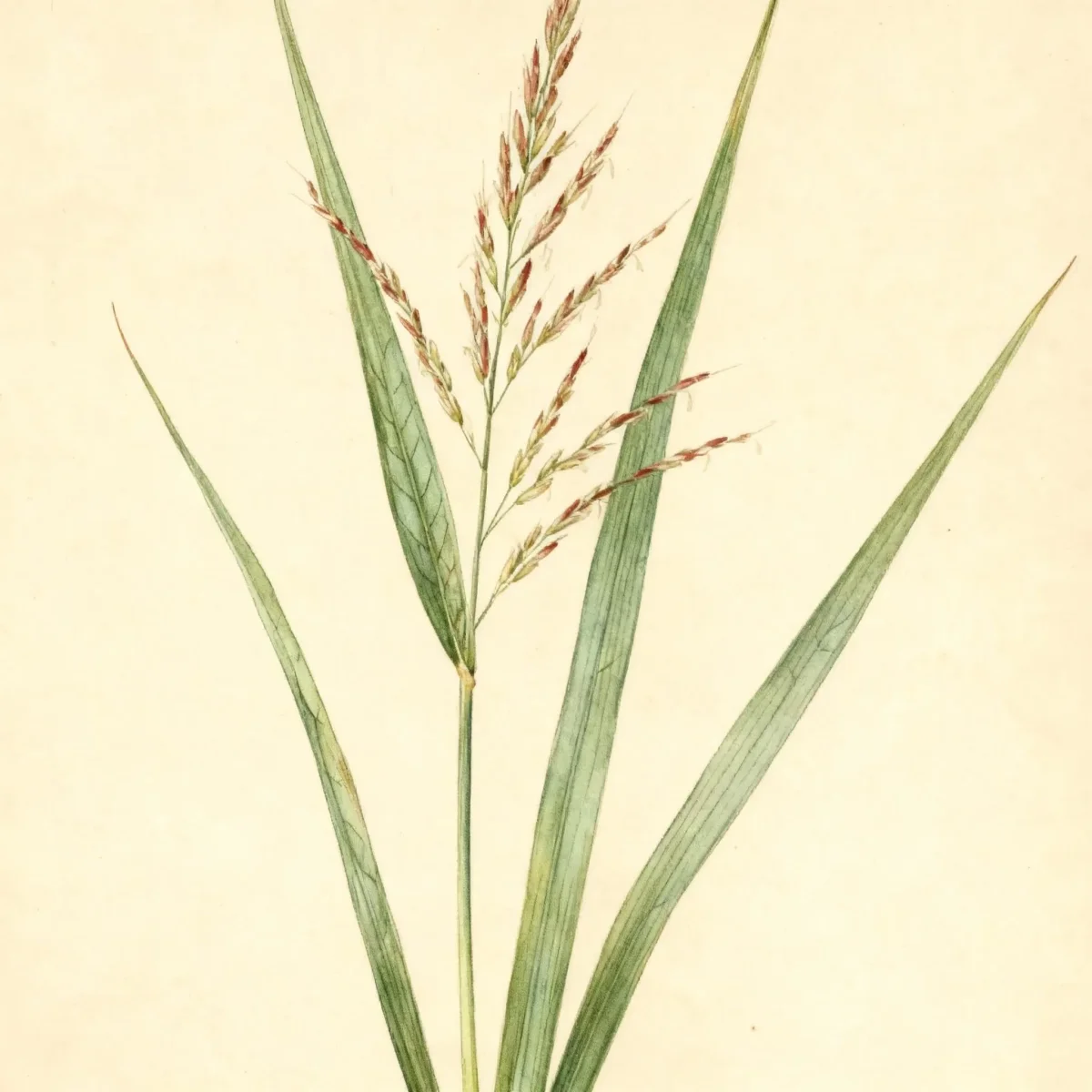
Switch grass (Panicum virgatum 'RR1' RUBY RIBBONS)
Panicum virgatum 'RR1' RUBY RIBBONS offers striking purple-red foliage. This low-maintenance Switch grass thrives in wet to dry soils.
Scroll down to discover growing tips, care requirements, companion plants, and more

Complete Plant Information
Overview
Panicum virgatum ‘RR1’ RUBY RIBBONS, known commonly as Switch grass, is a highly valued cultivar celebrated for its intense seasonal color transition. This ornamental grass starts with attractive blue-green leaves that mature into a deep, attractive purple-red by mid-season, providing excellent vertical structure. As a clump-forming, warm-season grass, it retains excellent columnar form throughout the year, making Panicum virgatum ‘RR1’ RUBY RIBBONS a reliable backbone plant in the landscape.
Originating from the tallgrass prairie ecosystems, this cultivar inherits robust adaptability, handling conditions ranging from moist to dry soils with ease. Its compact yet vigorous growth habit ensures strong vertical accents. Gardeners seeking low-maintenance impact will appreciate the four-season interest offered by the structure and persistent seed heads of this beautiful Switch grass.
Fast Facts
- Plant Family: Poaceae
- Plant Type: Ornamental grass
- Hardiness Zones: USDA Zones 4-9
- Size at Maturity:
- Height: 3-4 ft
- Spread: 2-2.5 ft
- Bloom Time: July to February
- Bloom Description: Smoky purple
- Sun Exposure: Full sun to part shade
- Water Needs: Medium to wet
- Maintenance Level: Low
How to Grow
For optimal performance, plant your Panicum virgatum ‘RR1’ RUBY RIBBONS in average, medium to wet soils. While adaptable to a wide range of moisture levels—even tolerating occasional flooding—this grass performs best when consistently moist, favoring sandy or clay compositions. Full sun is recommended to achieve the best upright form and deepest red coloration; in heavy shade, the foliage may become sparse and the plant may flop.
Watering needs are medium; establish the plant well, and it will handle drought periods once mature, though it prefers its soil consistently supplied with moisture. Panicum virgatum ‘RR1’ RUBY RIBBONS requires very little supplemental care. Be mindful that feeding it overly rich soil might encourage flopping, which diminishes its desirable columnar look.
Pruning is essential for refreshing the appearance of your Switch grass. Cut the entire clump back to the ground level in late winter or very early spring before new growth begins. This simple act prepares the plant for vibrant new growth and maintains the integrity of the clump structure throughout the season.
Landscape Uses
The strong vertical habit of Panicum virgatum ‘RR1’ RUBY RIBBONS makes it an excellent choice for formal accents or mass plantings where texture and color contrast are desired. Its cultural flexibility allows it to serve well in specialized areas, including rain gardens, bog gardens, and along pond edges where medium to wet soil conditions prevail.
Use this cultivar as a bold screen or to define the back edge of perennial borders. Because it is a native grass that supports winter wildlife, it integrates seamlessly into meadow designs, naturalized areas, and native plant gardens. Its ability to tolerate erosion also makes it suitable for stabilizing slopes alongside other tough, drought-tolerant perennials once established.
Standout Features
Flower Qualities
- Showy
Noteworthy Characteristics
Panicum virgatum, commonly called switch grass, is a Missouri native ornamental grass which was an important component of the tallgrass prairie which once covered large areas of the State. Features medium green leaves which turn yellow (sometimes with orange tints) in autumn, fading to tan-beige in winter. The foliage clump is topped in mid-summer by finely-textured, pink-tinged, branched flower panicles which hover over the foliage like an airy cloud before turning beige as seeds mature. The cultivar ‘RR 1’, known as RUBY RIBBONS, displays blue-green foliage maturing to an attractive purple-red and maintains a compact form suitable for smaller spaces.
Tolerances
- Drought
- Erosion
- Dry Soil
- Wet Soil
- Black Walnut
- Air Pollution
Potential Problems
Switch grass, including the ‘RR1’ RUBY RIBBONS cultivar, typically exhibits low susceptibility to serious insect or disease issues. However, monitor for rust, especially during hot, humid summers, which can signal underlying cultural stress. Crown or root rot is a risk if the planting site is poorly draining, contrary to its tolerance for wet soil; ensure drainage is adequate even in rain gardens to prevent standing water suffocation. Occasionally, Japanese beetles, thrips, or spider mites may appear but rarely cause significant long-term damage.
Frequently Asked Questions
What hardiness zones is Switch grass suitable for?
Panicum virgatum ‘RR1’ RUBY RIBBONS is suitable for USDA Hardiness Zones 4 through 9.
How large does Panicum virgatum ‘RR1’ RUBY RIBBONS grow?
This cultivar typically reaches a height between 3 to 4 feet, with an average spread of 2 to 2.5 feet, staying reasonably compact.
What sun exposure does Switch grass need?
Panicum virgatum ‘RR1’ RUBY RIBBONS performs best in full sun but can tolerate partial shade, although too much shade causes it to lose its desirable stiff, columnar form.
When does Panicum virgatum ‘RR1’ RUBY RIBBONS bloom?
This ornamental grass produces its smoky purple blooms starting in July and the plumes often persist well into February.
Conclusion
Panicum virgatum ‘RR1’ RUBY RIBBONS stands out due to its compact structure and dramatic color shift, making it a superb focal point or textural element in the garden that requires minimal effort. For gardeners looking to integrate native structure with striking, non-green seasonal color, this Switch grass cultivar is an excellent choice. Confirm your site receives adequate sunlight and check your local USDA zone compatibility before planting this season.
Companion Planting
When designing borders around Panicum virgatum ‘RR1’ RUBY RIBBONS, select companions that share its preference for full sun and medium-to-wet tolerance, or plants tolerant of occasional dry spells once established. Native perennials like Purple Coneflower (Echinacea purpurea) or Joe Pye Weed (Eutrochium species) provide complementary flower forms and thrive in similar moisture regimes. Avoid overly vigorous spreading perennials that might compete with the rhizomatous growth of the Switch grass.
Wildlife Benefits
As a native warm-season grass, this Switch grass offers crucial ecological benefits throughout the year. The seed heads, which persist well into winter, become an essential food source for various songbirds when other forage is scarce. Furthermore, the dense clumping structure of Panicum virgatum ‘RR1’ RUBY RIBBONS provides excellent protective cover and overwintering habitat for beneficial insects and small wildlife navigating the winter landscape.