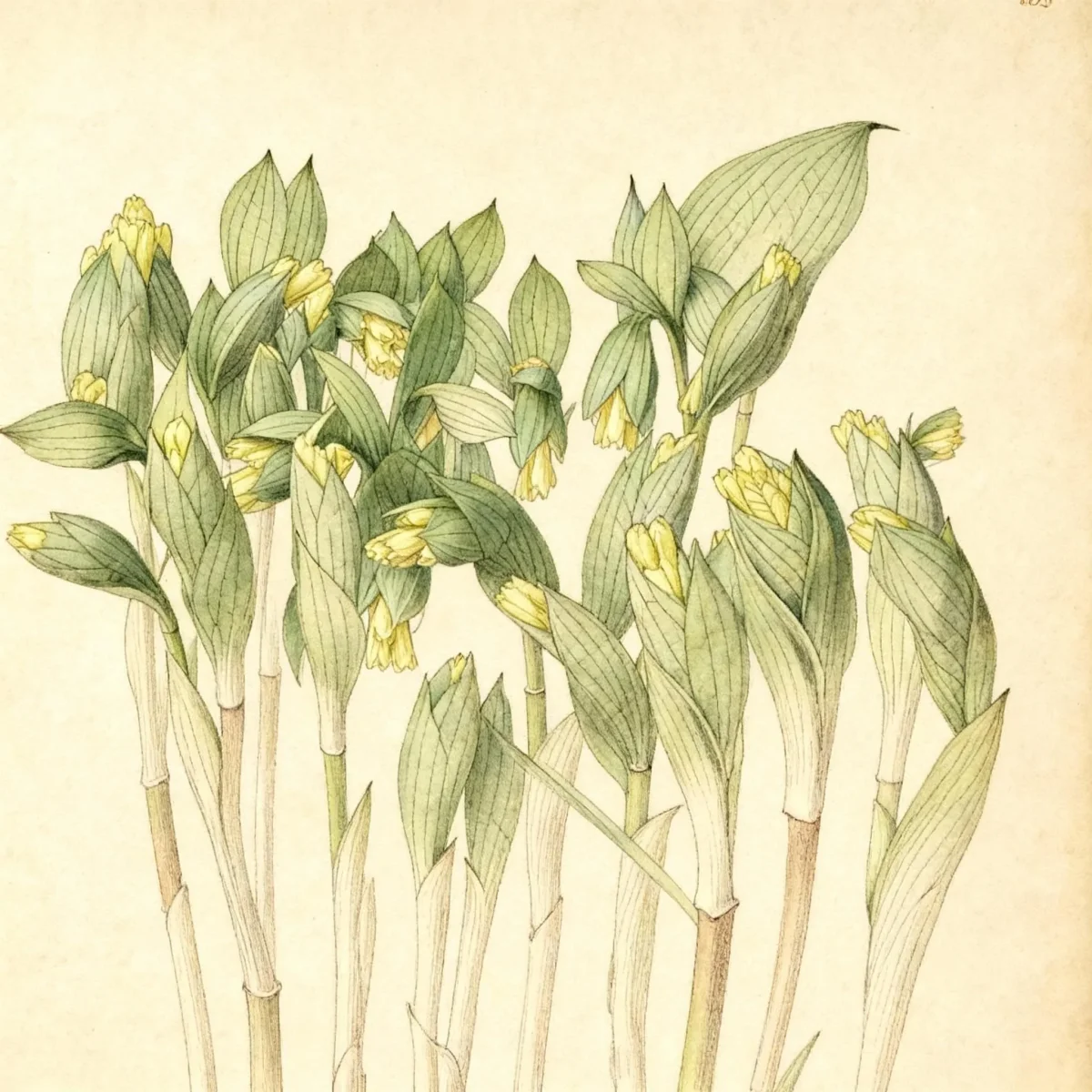
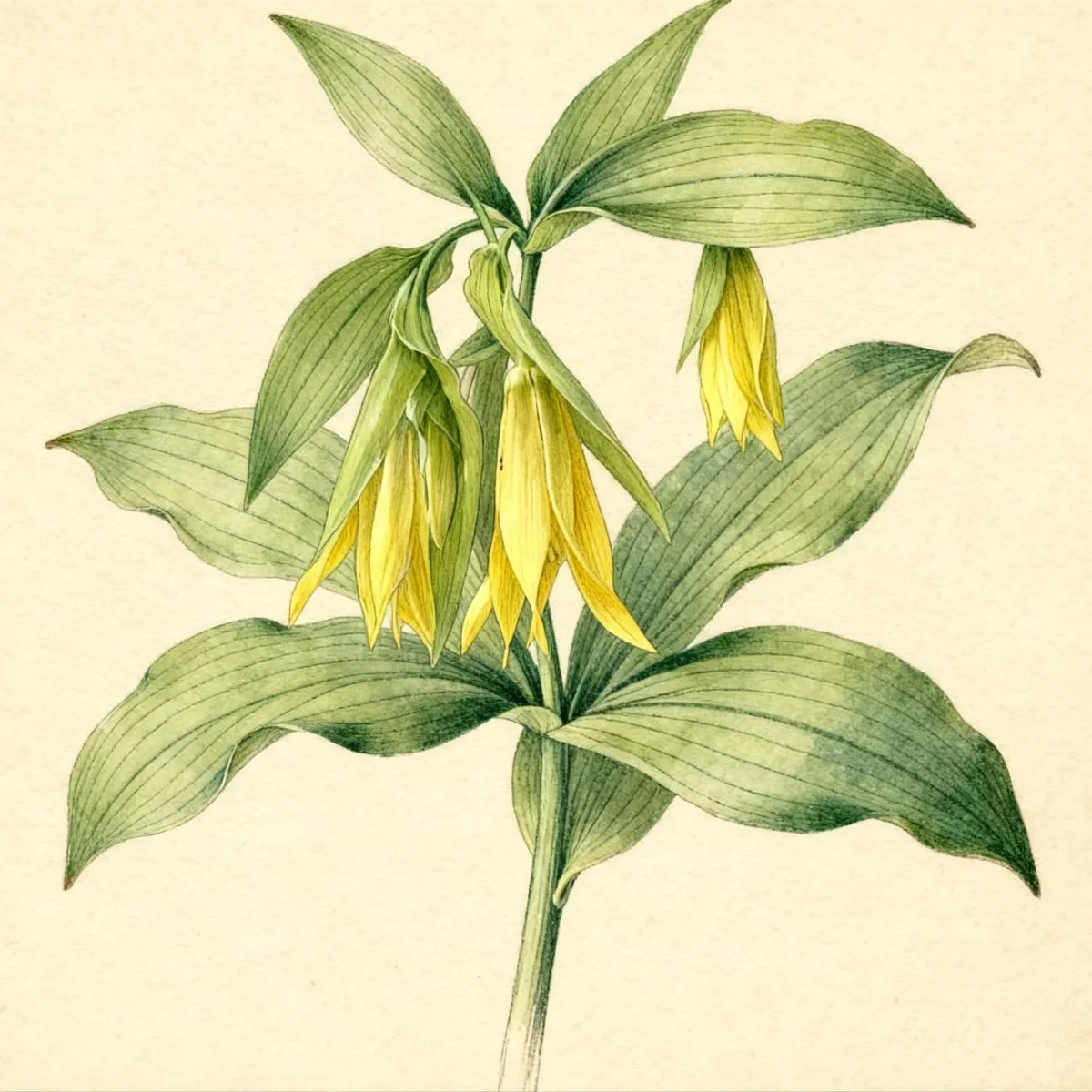
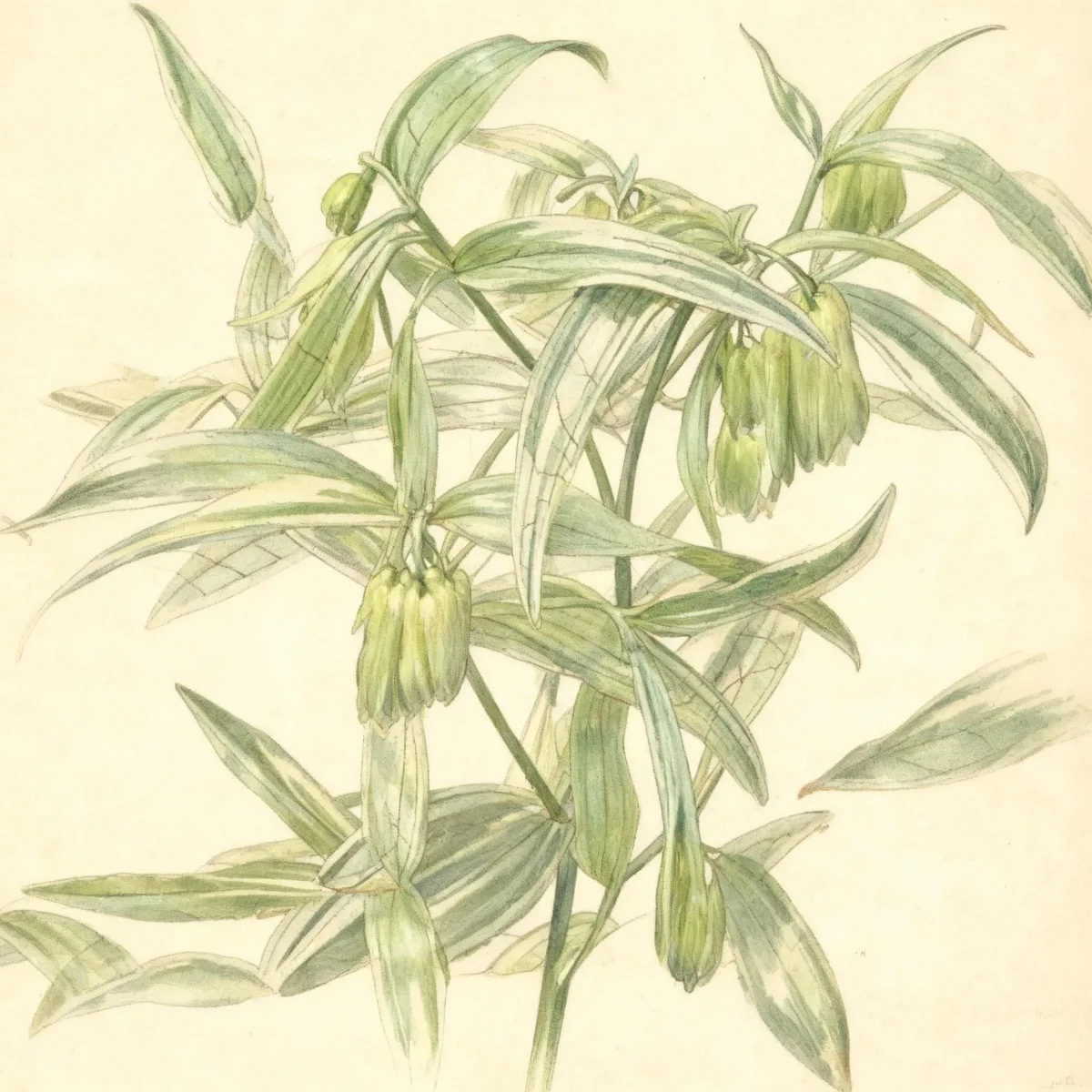
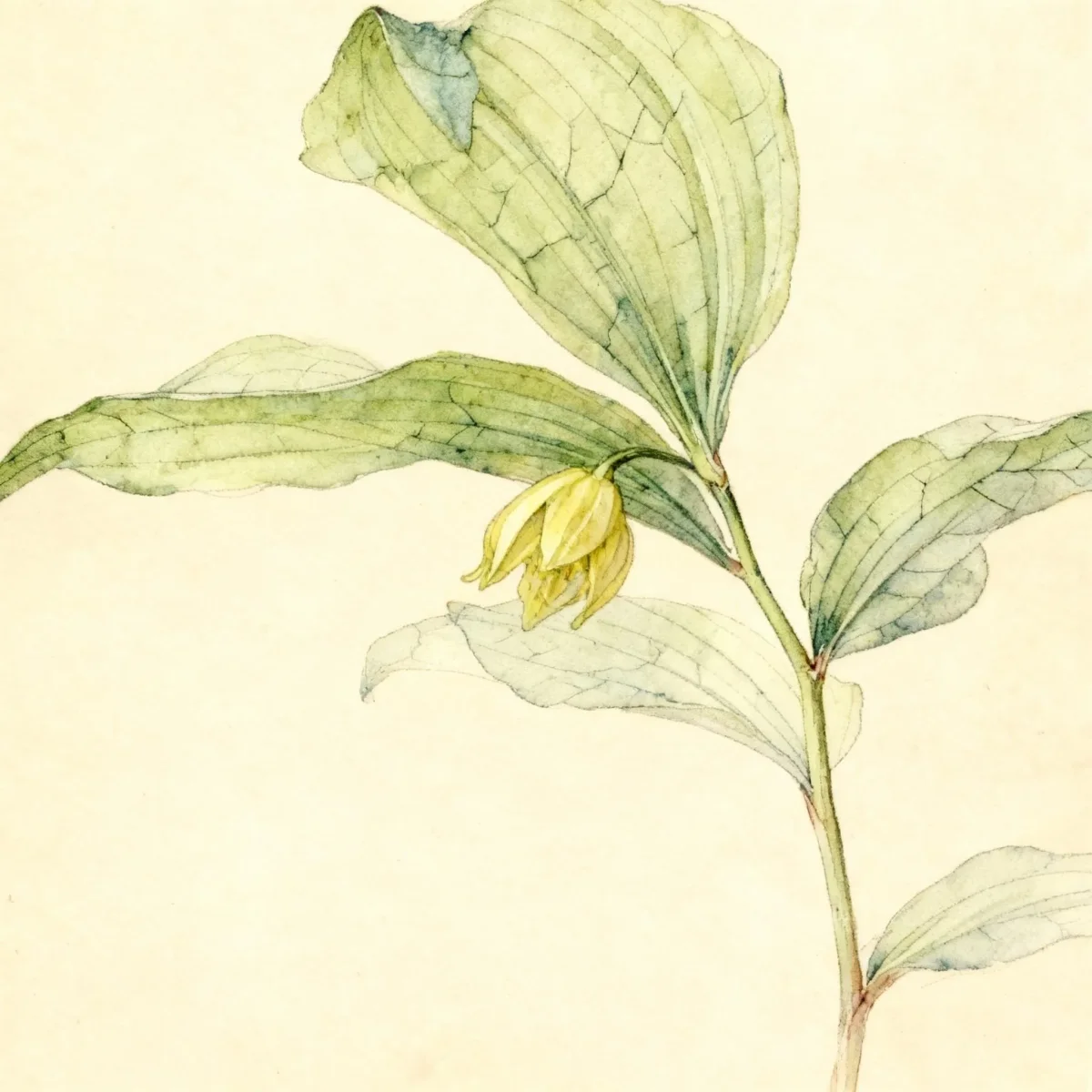
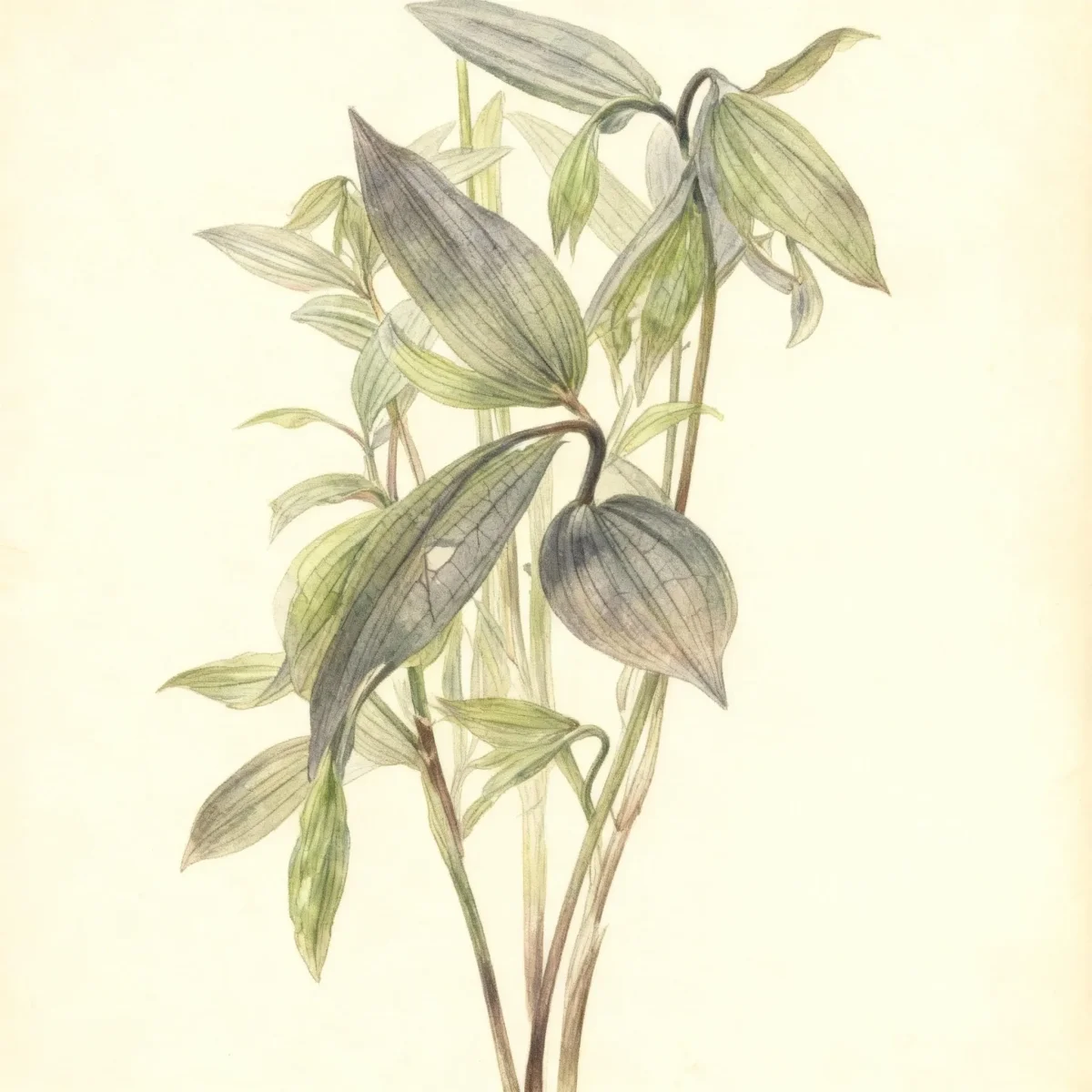
Fairy bells (Disporum cantoniense 'Night Heron')
Disporum cantoniense 'Night Heron', or Fairy bells, offers striking dark purple stems and dusky leaves, thriving in part shade.
Scroll down to discover growing tips, care requirements, companion plants, and more
Complete Plant Information
Overview
Disporum cantoniense ‘Night Heron’, commonly known as Fairy bells, is a sophisticated, clump-forming perennial valued for its dramatic, dark spring foliage. This cultivar showcases bamboo-like stems emerging a dusky purple, providing excellent architectural interest long before its delicate flowers appear. It is an outstanding choice for adding vertical accent and year-round structure within shaded garden spaces.
This vigorous, rhizomatous perennial typically reaches heights between three and five feet, slowly forming graceful colonies without becoming aggressive. As the season progresses, the leaves mature from deep purple tones to a greenish purple, maintaining visual interest. The small, bell-shaped flowers, followed by attractive purple-black berries, cement its status as a dynamic addition to the woodland garden.
Gardeners appreciate the low maintenance needs and the remarkable tolerance of Disporum cantoniense ‘Night Heron’ for deep shade conditions. Its elegant structure and unique coloration make it an essential plant for modern shade designs seeking drama beyond traditional hostas and ferns.
Fast Facts
- Plant Family: Colchicaceae
- Plant Type: Herbaceous perennial
- Hardiness Zones: USDA Zones 5-10
- Size at Maturity:
- Height: 3-5 ft
- Spread: 1.5-2 ft
- Bloom Time: June to July
- Bloom Description: Greenish-white
- Sun Exposure: Part shade to full shade
- Water Needs: Medium
- Maintenance Level: Low
How to Grow
The success of Disporum cantoniense ‘Night Heron’ hinges on providing consistent moisture and rich substrate. Plant in spring or fall when soil temperatures are favorable, ensuring placement in part shade to full shade locations, as intense afternoon sun can scorch the foliage. The ideal soil is organically rich, humusy, and consistently moist but must maintain excellent drainage to prevent rhizome rot.
Keep the soil consistently moist, especially during establishment and dry summer periods, as this plant demands medium water needs. Fertilization is rarely required if the soil is amended well with compost annually; work organic matter into the top few inches of soil gently. Pruning consists mainly of cleaning up the spent deciduous stems in early spring before new growth ignites the garden.
These plants utilize rhizomes to spread slowly, creating attractive colonies over time, but they are generally not considered invasive, making them safe for defined beds. In colder zones (5-6), expect deciduous behavior, while in warmer zones (7-10), the foliage may remain semi-evergreen or evergreen, offering winter structure.
Landscape Uses
Disporum cantoniense ‘Night Heron’ excels when naturalized beneath deciduous trees or integrated into woodland gardens where dappled light prevails. Its height suits the middle or back layer of a border, providing an upright contrast to mounding perennials. The dark stems and dusky leaves make it an excellent foil for plants with bright green or chartreuse foliage.
While excellent planted directly in the ground, Fairy bells also perform admirably in large, deep containers, provided the soil humidity is managed carefully. In these settings, pair them with shade-loving annuals or slower-growing perennials that appreciate similar deep-shade conditions. The cultivar’s vertical habit makes it a strong structural element in shade designs requiring height without excessive width.
Standout Features
Flower Qualities
- Showy
Fruit Qualities
- Showy
Noteworthy Characteristics
Disporum cantoniense, commonly known as Canton fairy bells, is a clump-forming, rhizomatous perennial that typically grows to 3-5’ tall on bamboo-like stems clad with lanceolate leaves (2-6” long). ‘Night Heron’ features a showy spring growth of dark purple stems clad with dusky purple lance-shaped leaves (to 5” long) in a manner suggestive of the plumage colors of the black-crowned night heron which has a world-wide distribution including both China and North America. Drooping pale yellow flowers bloom from the leaf axils in April-May in sharp contrast to the dark purple foliage, followed by showy, purple-black berries that ripen in late summer.
Tolerances
- Heavy Shade
Potential Problems
This plant enjoys a reputation for being robust, exhibiting no serious insect or disease problems under ideal cultural conditions. The primary threats relate to moisture management and mollusk activity. Gardeners should routinely monitor for fungal leaf spots, often a sign of water lingering too long on the foliage or overly poor air circulation; ensure proper soil drainage to mitigate this risk. Slugs and snails can be attracted to the tender new growth, particularly where many Fairy bells reside; use preventative measures like iron phosphate baits if damage is observed.
Frequently Asked Questions
What hardiness zones is Fairy bells suitable for?
Disporum cantoniense ‘Night Heron’ is hardy across USDA Zones 5 through 10, making it adaptable to a wide range of climates.
How large does Disporum cantoniense ‘Night Heron’ grow?
This herbaceous perennial typically matures to a height of 3 to 5 feet tall with a spread ranging between 1.5 and 2 feet wide.
When does Fairy bells bloom?
The delicate flowers of Disporum cantoniense ‘Night Heron’ generally appear from June into July, displaying a greenish-white coloration.
What sun exposure does Disporum cantoniense ‘Night Heron’ need?
This plant thrives best when situated where it receives part shade to full shade, preferring protection from the harshest afternoon sun.
Conclusion
The unique combination of dark, dramatic spring stems and reliable performance in deep shade makes Fairy bells a truly exceptional specimen. Whether used for its architectural structure or its late-season berry display, Disporum cantoniense ‘Night Heron’ earns its place in the refined shade garden. Ensure your chosen spot receives rich, consistently moist soil, and plan your purchase for autumn or early spring planting to maximize establishment.
Companion Planting
When designing a space utilizing the dark hues of Disporum cantoniense ‘Night Heron’, strategically choose companions that exploit the contrast. Bright, chartreuse-leaved Hosta cultivars, such as ‘Sum and Substance’ (in filtered light), or golden Japanese Forest Grass (Hakonechloa) provide electric contrast against the dusky purple stems of the Fairy bells. Similarly, ferns with delicate or silver fronds, like Japanese Painted Ferns, complement the coarse texture while reinforcing the overall woodland aesthetic.
Another excellent pairing involves plants that share similar cultural demands for rich, humusy soil and consistent moisture, such as Trillium species or certain shade-loving groundcovers like Epimedium. This ensures that all plants in the grouping thrive without significant deviation in watering or feeding schedules, leading to a cohesive and low-maintenance display area throughout the growing season.
Seasonal Care Calendar
Spring is the most visually exciting time for Fairy bells, as the dark purple shoots first emerge; plan to apply a fresh layer of compost around the base at this time to fuel vigorous growth. Once flowering is complete in mid-summer, continue to monitor moisture levels to support the development of the ornamental purple-black berries.
Autumn requires minimal intervention beyond appreciating the changing colors before the foliage senesces (in colder zones). In Zones 8-10, some light tidying of outer leaves may be considered if they begin to look tattered, maintaining a semi-evergreen appearance if desired.
For winter preparation in the northern edges of its range (Zones 5-6), allow the dried stalks to remain standing, offering light protection to the crown over heavy snows. Clean up all dead material just before new green growth begins to push in early spring, signaling the start of another season for this spectacular perennial.