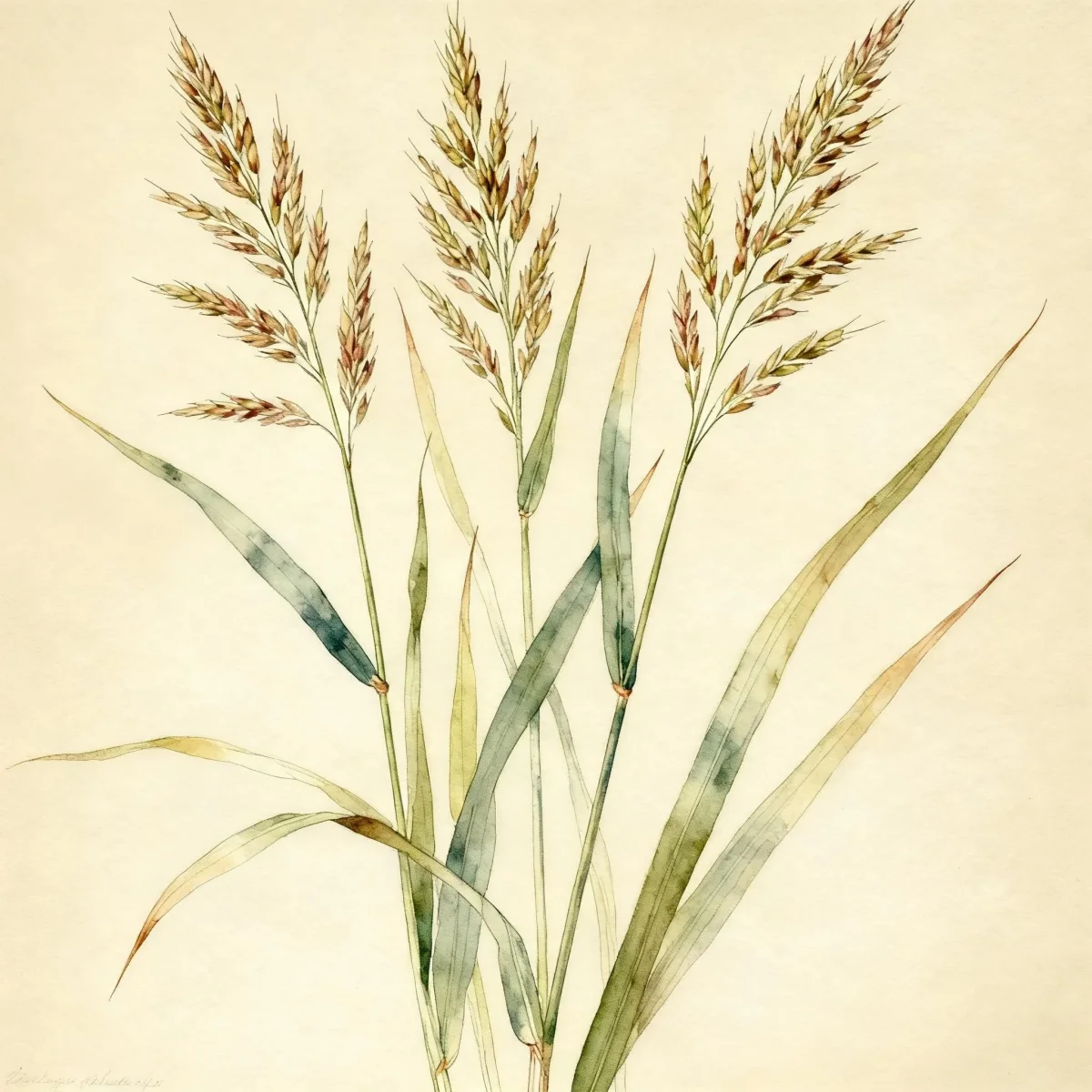
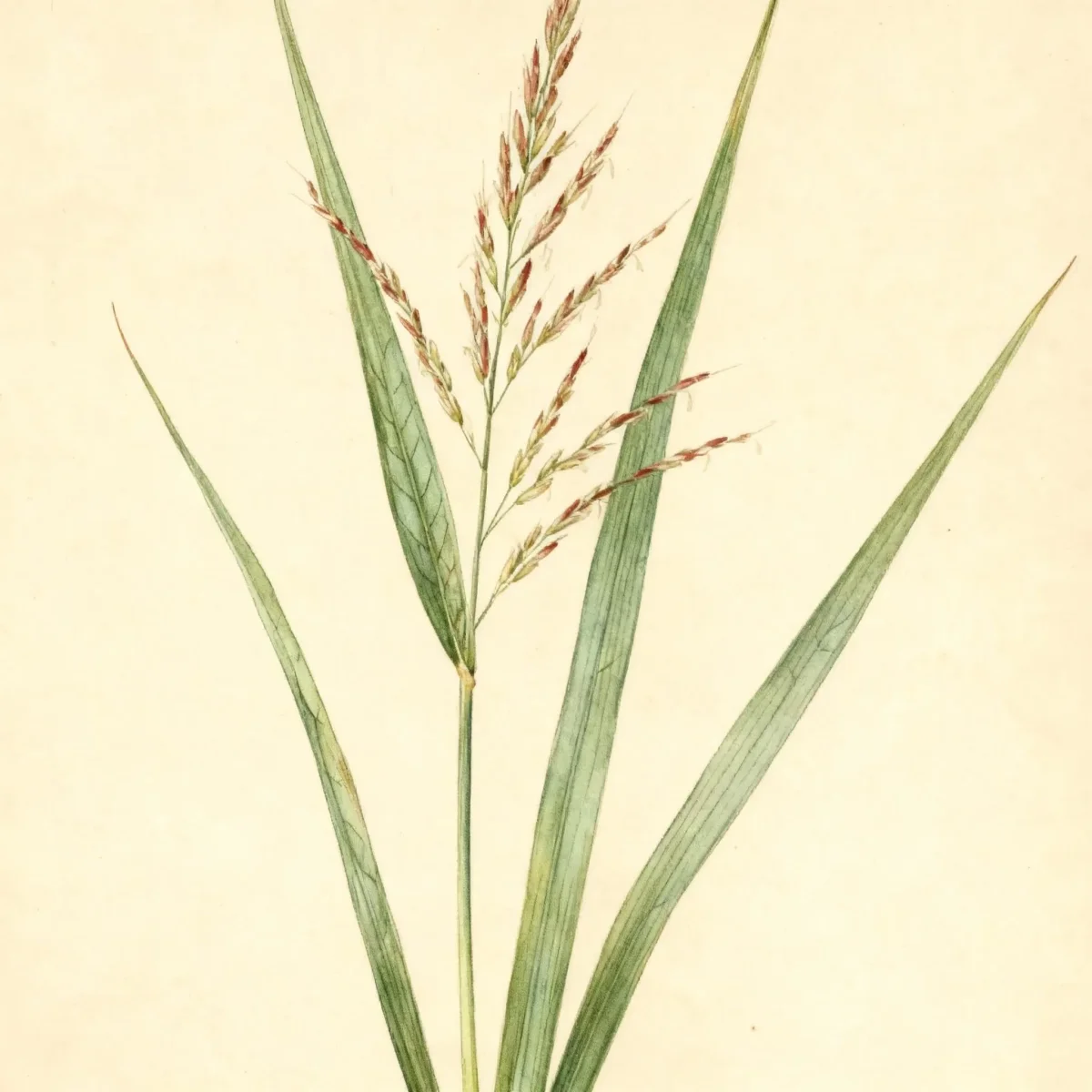
Switch grass (Panicum virgatum 'Badlands')
Panicum virgatum 'Badlands' is a striking Switch grass cultivar offering blue-green foliage with purple tips, perfect for rain gardens.
Scroll down to discover growing tips, care requirements, companion plants, and more
Complete Plant Information
Overview
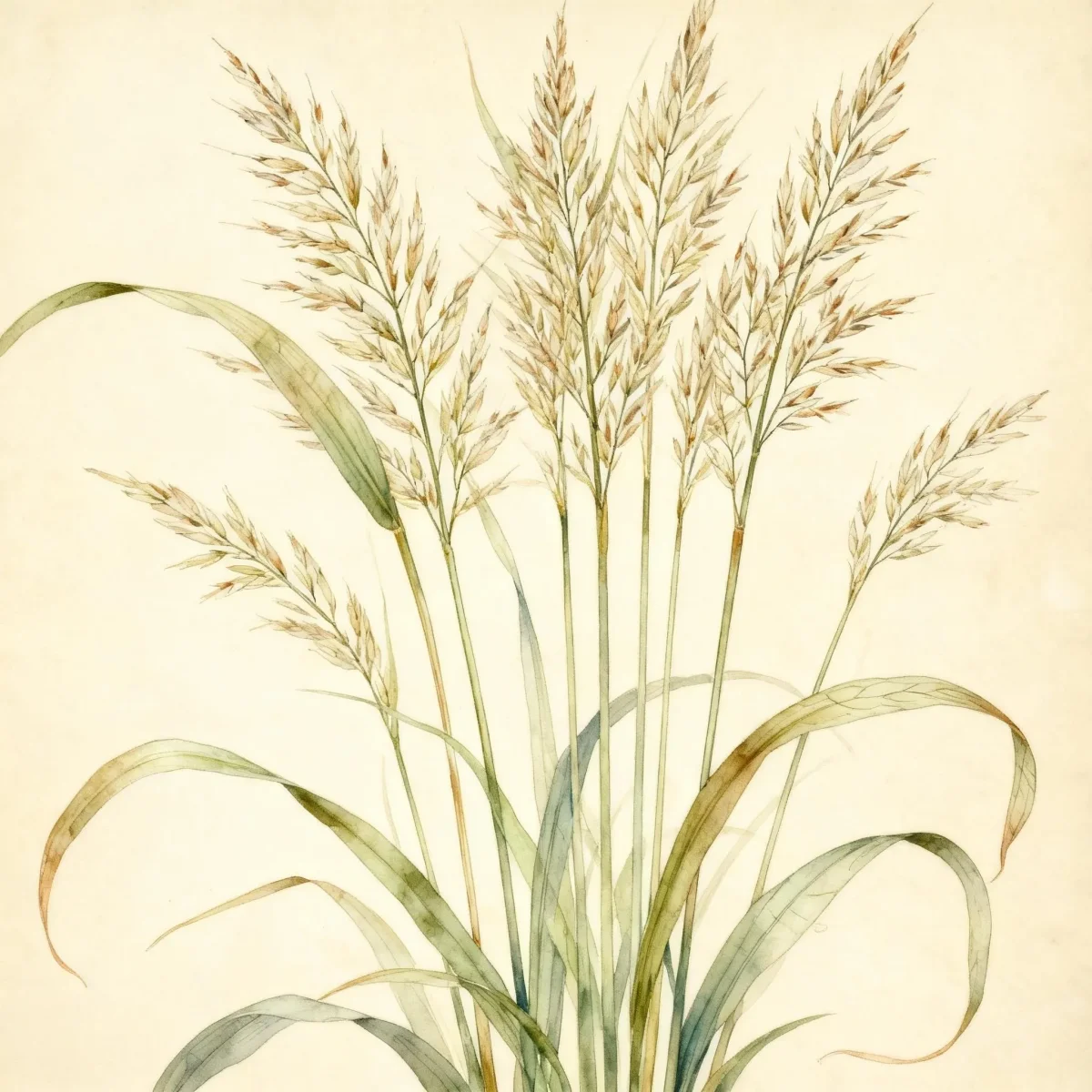
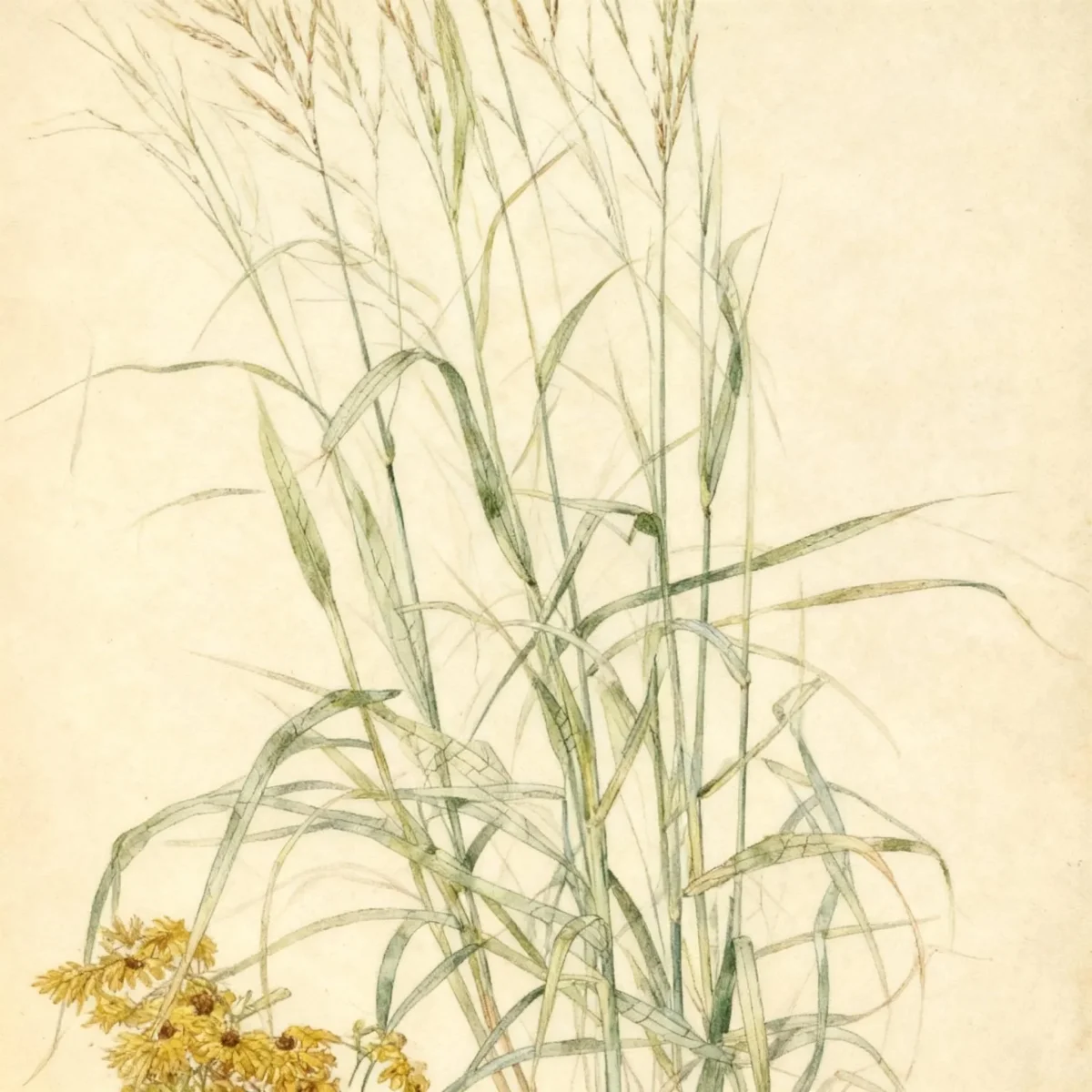
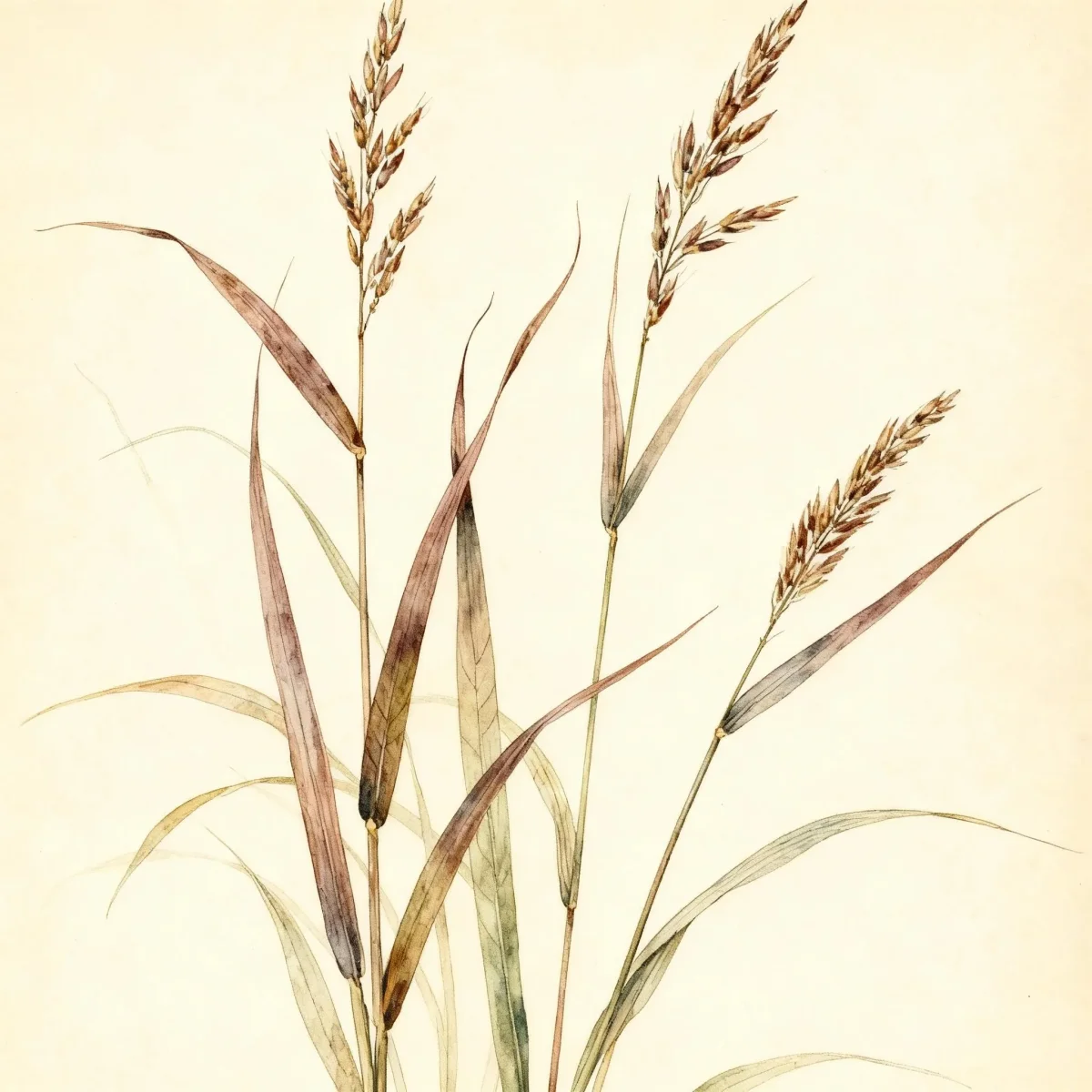
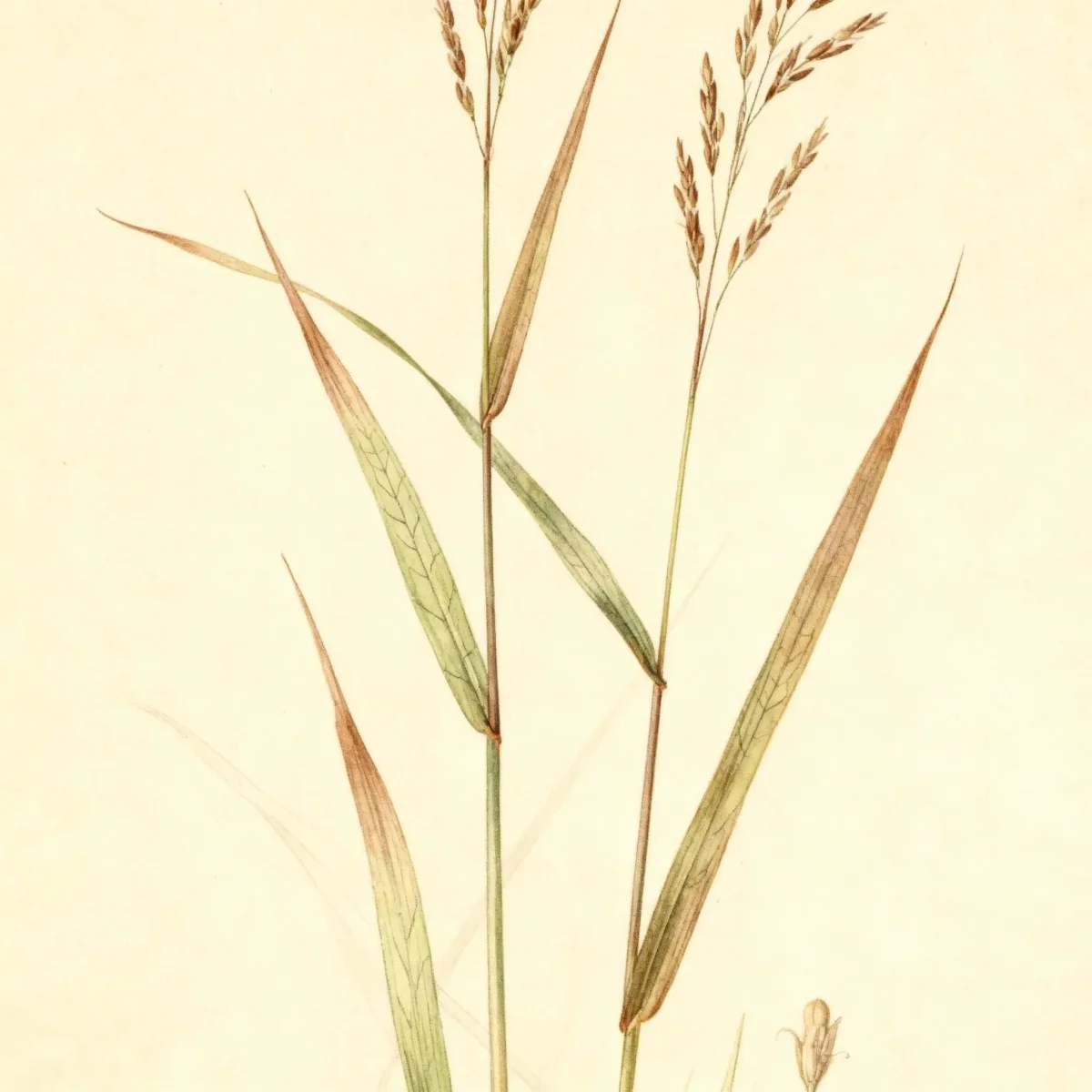
Panicum virgatum ‘Badlands’, commonly known as Switch grass, provides outstanding vertical structure throughout the growing season, making it a cornerstone of contemporary landscape design. This specific cultivar is prized for its attractive blue-green foliage accented with distinctive purple tips, setting it apart from standard green forms. Switch grass is a resilient native ornamental grass, valued not only for its upright, vase-shaped habit but also for its long-lasting winter interest.
As a warm-season grass, Panicum virgatum ‘Badlands’ thrives in full sun, developing its best color and density in bright light conditions. It forms dense clumps, though it can slowly spread via rhizomes, providing reliable texture for borders and naturalized areas. Gardeners benefit from its low maintenance profile coupled with its ecological role in native plant communities.
The airy flower panicles bloom starting in mid-summer, developing a pink tinge before fading to beige seed heads that persist well into winter, offering crucial food sources for birds. Choosing this durable Switch grass cultivar ensures season-long visual appeal and adaptability across varied soil conditions, making it a practical and highly decorative choice.
Fast Facts
- Plant Family: Poaceae
- Plant Type: Ornamental grass
- Hardiness Zones: USDA Zones 5-9
- Size at Maturity:
- Height: 3-5 ft
- Spread: 2-3 ft
- Bloom Time: July to February
- Bloom Description: Purple tinge
- Sun Exposure: Full sun to part shade
- Water Needs: Medium to wet
- Maintenance Level: Low
How to Grow
Planting Panicum virgatum ‘Badlands’ is best done in spring after the danger of frost has passed, ensuring it has the entire warm season to establish its root system. While this Switch grass tolerates a broad spectrum of soils, it performs optimally in average media that is moist to wet, such as sandy or clay loams. Full sun exposure is ideal for maintaining its dense, upright structure, although it will persist in part shade, albeit losing some of its desirable form.
Water moderately during its first growing season to help establishment. Once mature, Panicum virgatum ‘Badlands’ exhibits good drought tolerance, but it remains happiest when provided consistent moisture, particularly if situated in a rain garden setting where it can handle occasional flooding. Fertilization is rarely necessary; excessive richness in the soil can actually cause the clumps to become floppy.
Pruning is the most significant maintenance task. Cut the entire clump back to the ground in late winter or very early spring before new growth begins. This clears out the old tan foliage and makes way for the fresh, purple-tipped blue-green leaves of the new season.
Landscape Uses
Panicum virgatum ‘Badlands’ excels in applications requiring vertical accents or screening due to its inherent columnar structure. It is highly recommended for rain gardens and water gardens, as it thrives in the medium to wet soil moisture levels often found in these environments. Furthermore, its native prairie lineage makes it a perfect fit for wild gardens, meadows, and naturalized plantings.
Use this Switch grass in perennial borders to frame taller structures or as a repeating element for mass plantings. Its texture contrasts beautifully with broad-leaved perennials, and its seasonal color changes—from green to rust-brown in winter—provide necessary backbone when other plants are dormant. It also functions effectively as a modest screen due to its density.
Standout Features
Flower Qualities
- Showy
Noteworthy Characteristics
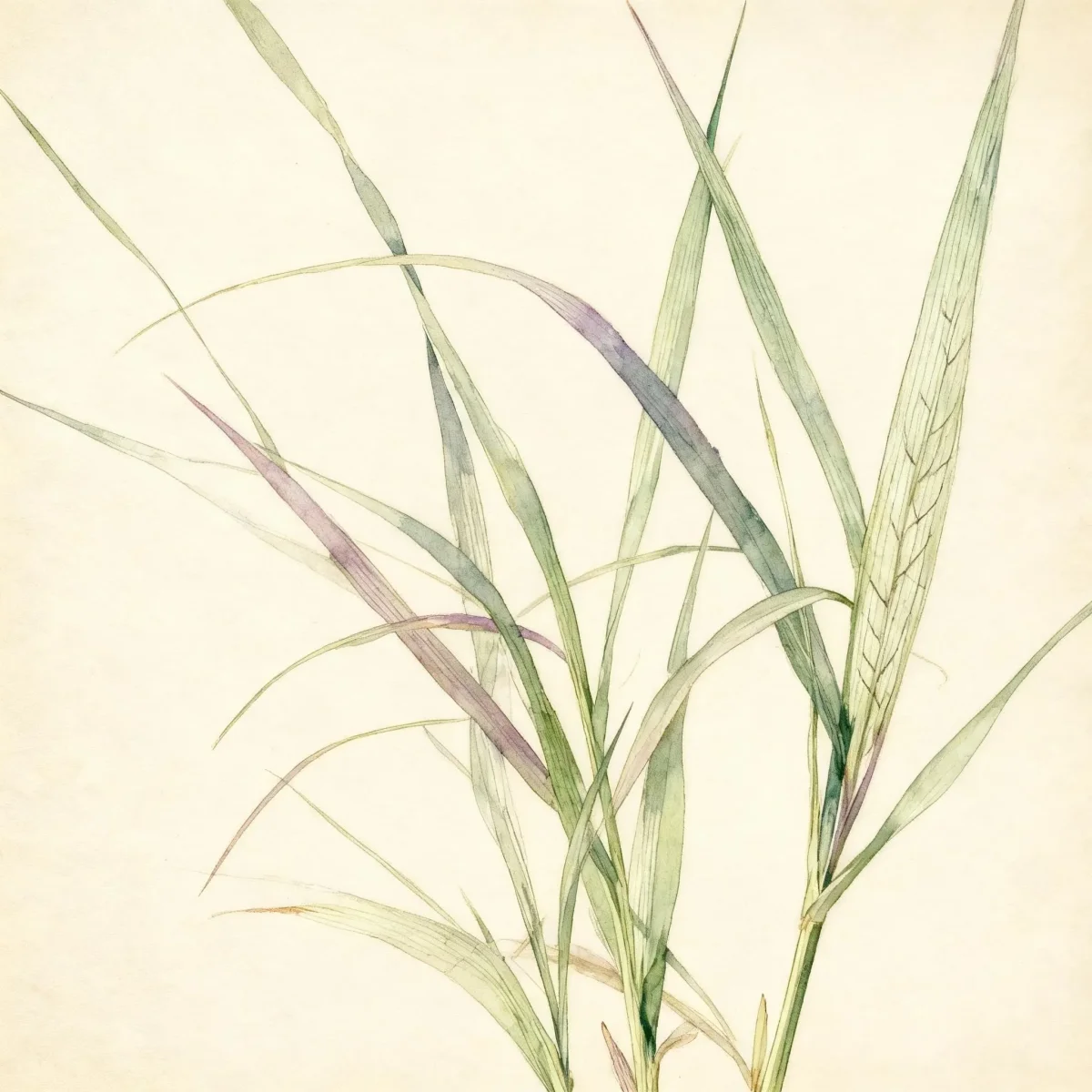
Panicum virgatum, commonly called switch grass, is a Missouri native ornamental grass which was an important component of the tallgrass prairie which once covered large areas of the State. It occurs in both wet and dry soils in prairies and open woods, gravel bars and stream banks and along railroad tracks throughout most of the State. Switch grass is generally noted for its stiff, columnar form, and typically retains its vertical shape throughout the growing season. ‘Badlands’ is a switch grass cultivar that is noted for having purple tips on each blue-green leaf, typically growing in a dense, upright, vase-shaped clump to 5’ tall before the foliage turns attractive shades of rust brown to warm tan in winter.
Tolerances
- Drought
- Erosion
- Black Walnut
- Air Pollution
Potential Problems
Panicum virgatum ‘Badlands’ generally faces no serious insect or disease issues, contributing to its low maintenance profile. However, in very hot and humid climates, there is some susceptibility to rust fungus, which manifests as powdery spots on the leaves. To mitigate this risk, ensure adequate air circulation around the clumps, especially when planting groups.
Improper growing conditions, particularly overly rich soil or persistent standing water, can lead to crown or root rot. If the grass flops significantly, reducing soil fertility or moving the plant to a slightly drier location might be necessary for better performance. Watch for occasional pests like spider mites or thrips during dry spells.
Frequently Asked Questions
What hardiness zones is Switch grass suitable for?
Panicum virgatum ‘Badlands’ is reliably hardy in USDA Zones 5 through 9.
How large does Panicum virgatum ‘Badlands’ grow?
This ornamental grass typically reaches a mature height between 3 to 5 feet, with a spread of 2 to 3 feet, forming a dense, upright clump.
What sun exposure does Switch grass need?
For optimal form and vigor, Panicum virgatum ‘Badlands’ requires full sun, though it can survive with partial shade.
When does Switch grass bloom?
Bloom time for this variety extends from July through February, with finely textured panicles that hover over the foliage.
Conclusion
The robust nature and distinctive color of Panicum virgatum ‘Badlands’—especially its blue-green leaves tipped with purple—make it an indispensable plant for structure and texture. This low-maintenance Switch grass excels in wetter areas while tolerating drought, proving its versatility. Before planting, confirm your location falls within USDA Zones 5-9 and incorporate it into your design during the spring growing season.
Companion Planting
Choosing companions for Panicum virgatum ‘Badlands’ should focus on plants that appreciate similar moisture levels and sun exposure, or those that contrast well with its upright habit. Pair this Switch grass with broad-leaved prairie natives like Purple Coneflower (Echinacea purpurea) or Tall Phlox (Phlox paniculata) whose sprawling flowers will soften the grass’s rigid lines. For boggy spots or rain gardens, consider moisture-loving species such as Blue Flag Iris (Iris versicolor) or Cardinal Flower (Lobelia cardinalis).
Wildlife Benefits
This warm-season native grass offers significant ecological services throughout the year. The persistent plumes of Panicum virgatum ‘Badlands’ hold mature seeds well into the winter months, providing a vital, accessible food source for seed-eating songbirds when other resources are scarce. Furthermore, the dense clump structure of mature Switch grass provides excellent cover and nesting material opportunities for various beneficial insects and small garden wildlife.