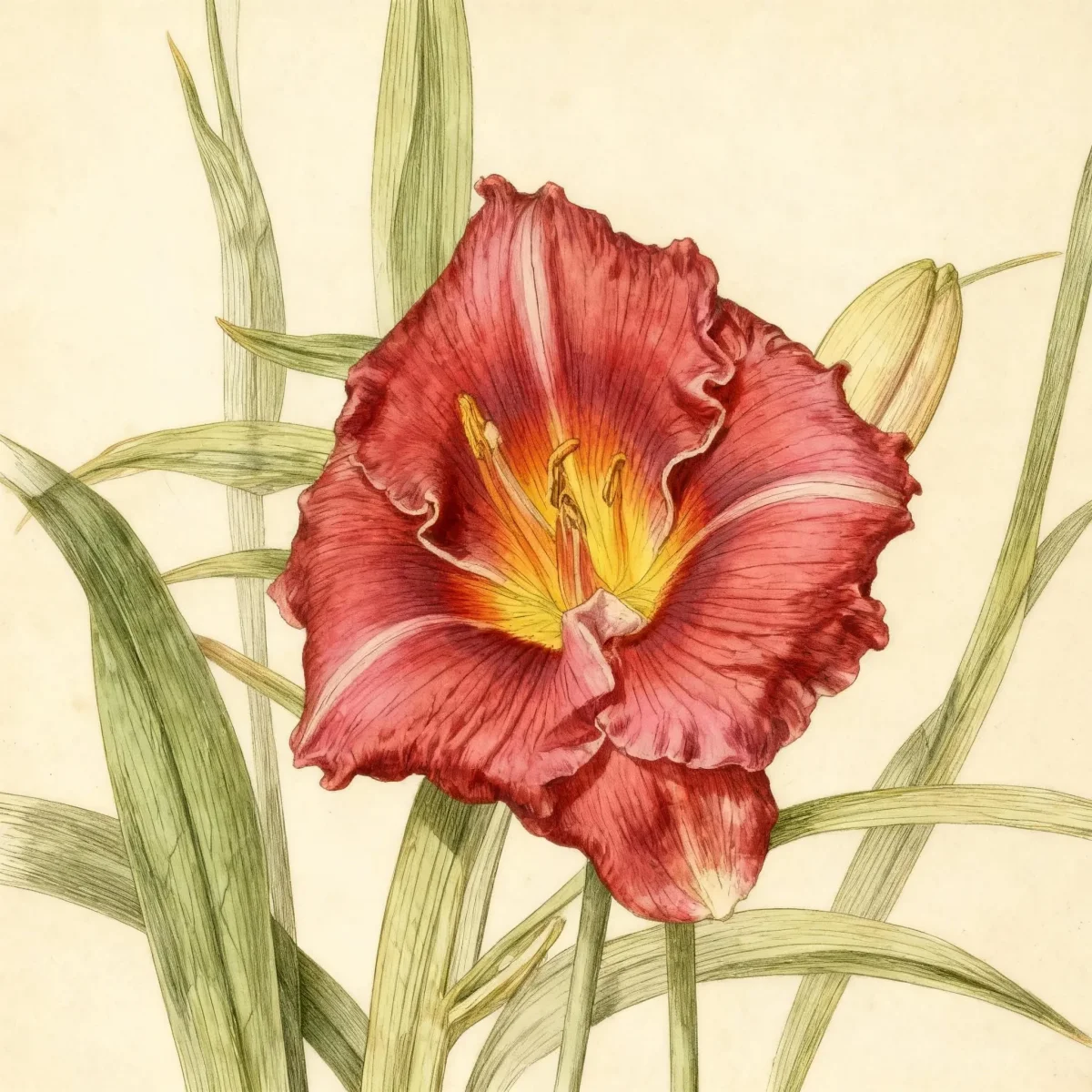
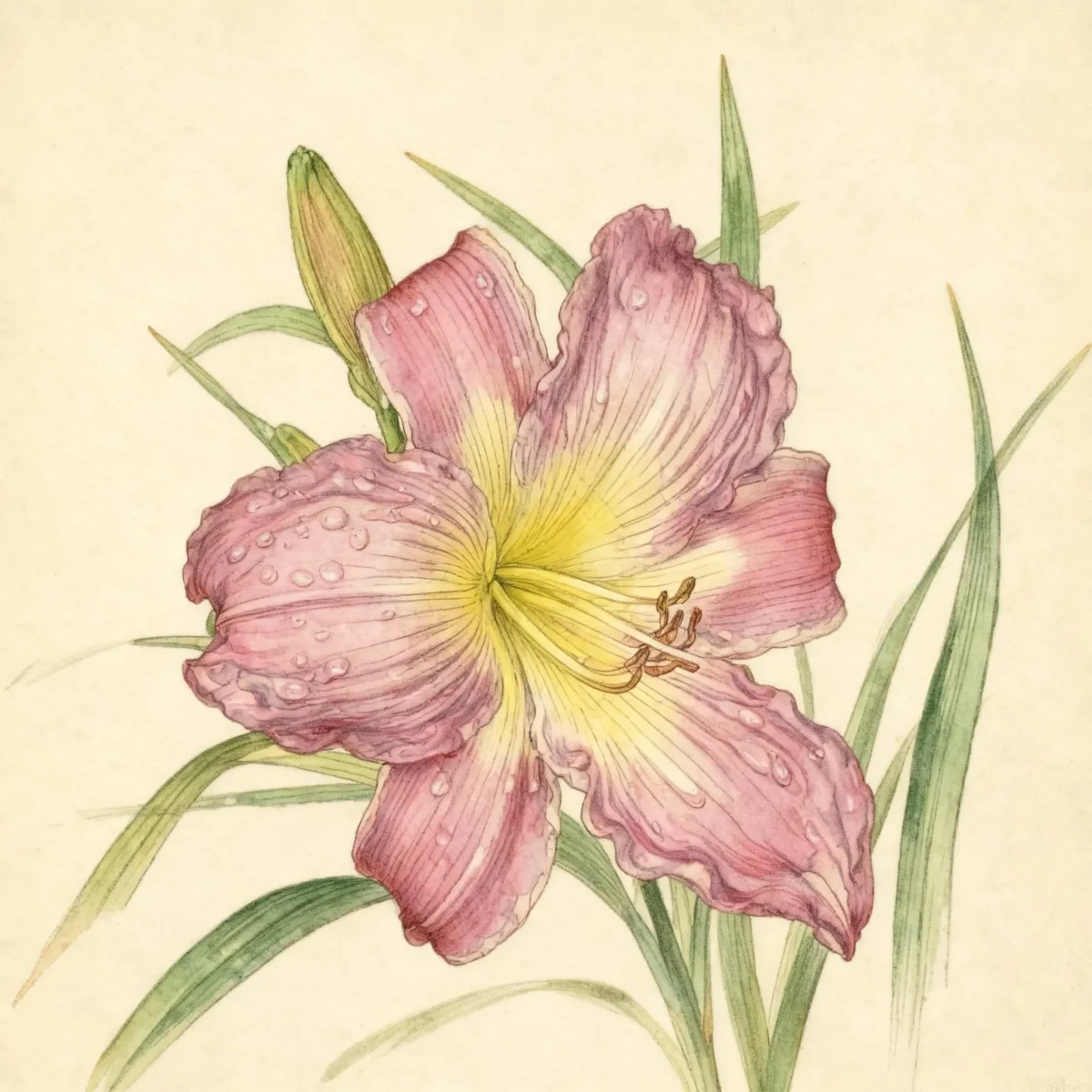
Daylily (Hemerocallis 'Apricot Sparkles')
Hemerocallis 'Apricot Sparkles' is a low-maintenance Daylily prized for its apricot blooms and sparkling texture. Hardy Zones 3-9.
Scroll down to discover growing tips, care requirements, companion plants, and more

Complete Plant Information
Overview
Hemerocallis ‘Apricot Sparkles’ is a highly valued Daylily cultivar, celebrated for its continuous bloom cycle and striking flower appearance. This winter dormant variety offers apricot-colored flowers, often appearing diamond-dusted, which provide lovely texture throughout the summer season. As an herbaceous perennial, the Daylily is exceptionally adaptable, making it a reliable choice for gardeners across varied climates.
This particular cultivar transitions well between full sun and partial shade conditions. With a robust nature and low maintenance requirements, Hemerocallis ‘Apricot Sparkles’ delivers consistent performance without demanding intensive care. Its arching, grass-like foliage provides year-round structure even when not in flower, contributing visual interest to borders and mass plantings alike.
Gardeners appreciate the ease with which this plant establishes and thrives in average soils. The extended blooming habit of the Daylily ensures bright color saturation over many weeks, enhancing the summer garden palette significantly. Ensuring proper division every few years helps maintain the vigor and prolific flowering of your Hemerocallis ‘Apricot Sparkles’ specimens.
Fast Facts
- Plant Family: Asphodelaceae
- Plant Type: Herbaceous perennial
- Hardiness Zones: USDA Zones 3-9
- Size at Maturity:
- Height: 1.5-2 ft
- Spread: 1.5-2 ft
- Bloom Time: June to July
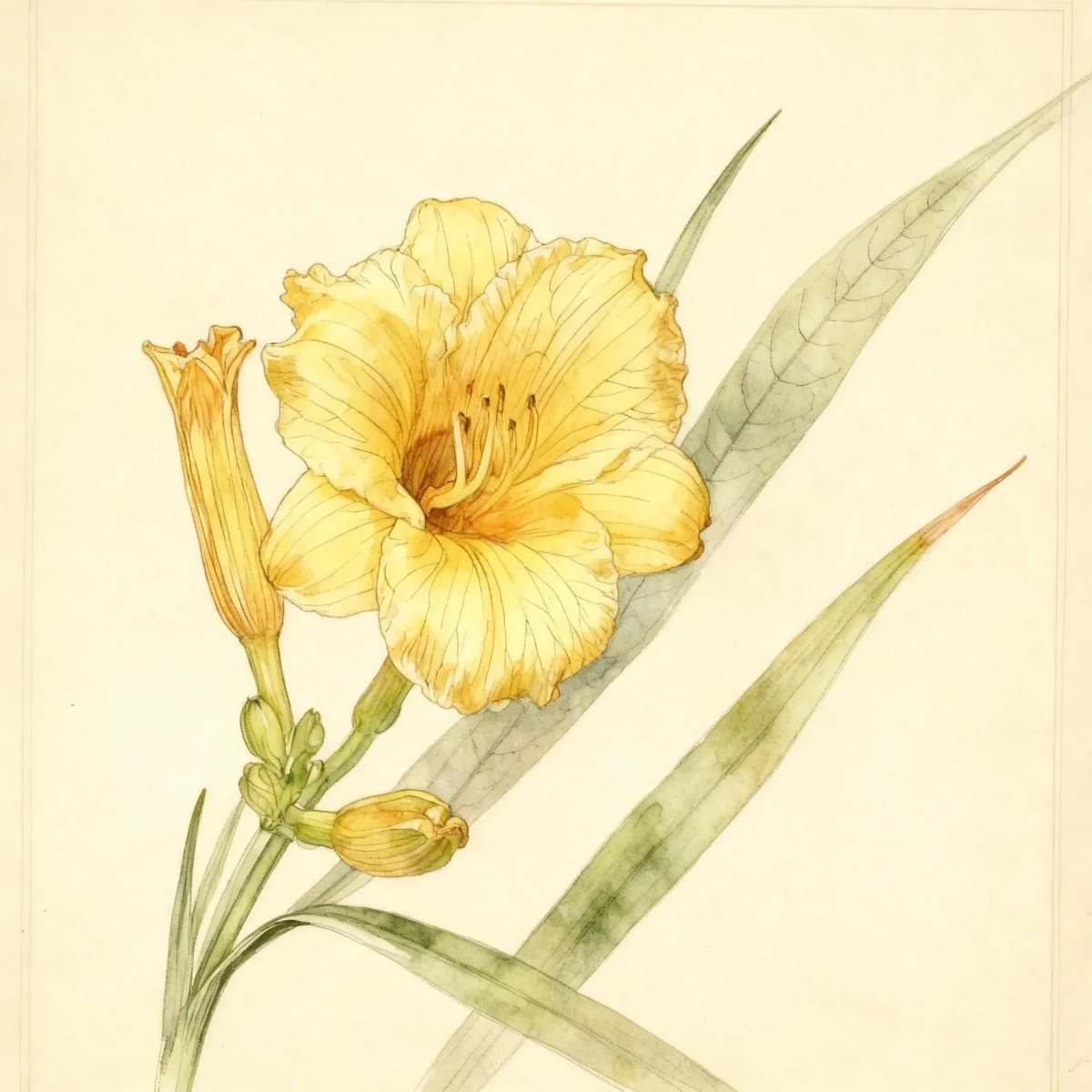
- Bloom Description: Apricot with yellow-tinged throat
- Sun Exposure: Full sun to part shade
- Water Needs: Medium
- Maintenance Level: Low
How to Grow
For optimal flowering, Hemerocallis ‘Apricot Sparkles’ should be planted in average, medium moisture, well-drained soil. While Daylilies tolerate a wide soil range, they perform best when planted in deep, fertile loams. Position them where they receive full sun exposure, though they will tolerate part shade, which may slightly reduce bloom performance. Spring planting is generally recommended, especially in colder zones.
Maintenance for this Daylily is generally low. Deadhead spent flowers daily; this practice keeps the clump tidy and can encourage more blooms. It is important to remove the entire spent flower scape once blooming has finished for the season. Although tolerant of heat and humidity, provide deep watering during extended dry spells to keep the foliage looking its best throughout the summer.
Daylilies benefit significantly from rejuvenation. To maintain peak performance, plan to divide clumps of Hemerocallis ‘Apricot Sparkles’ every three to four years, ideally in the spring in regions with harsh winters. Remember that hybrid daylilies will not grow true to type if propagated by seed, making division the standard method for preserving this specific cultivar.
Landscape Uses
The dependable structure and vibrant, long-lasting color make this Daylily an outstanding choice for various landscape applications. Hemerocallis ‘Apricot Sparkles’ excels as an edging plant along walkways or driveways due to its manageable 1.5 to 2-foot height range. They are also highly effective when massed over large areas, creating a sweeping tapestry of apricot color that softens large borders.
For formal settings, planting these low-maintenance perennials in tight clumps provides excellent structure. Dwarf cultivars, like this one, are perfectly suited for rock gardens where their bright blooms contrast nicely with stone elements. Consider pairing this Daylily with late-season bloomers, such as asters or sedum, to ensure continuous seasonal color interest after the primary bloom period for Hemerocallis ‘Apricot Sparkles’ concludes.
Standout Features
Flower Qualities
- Showy
Noteworthy Characteristics
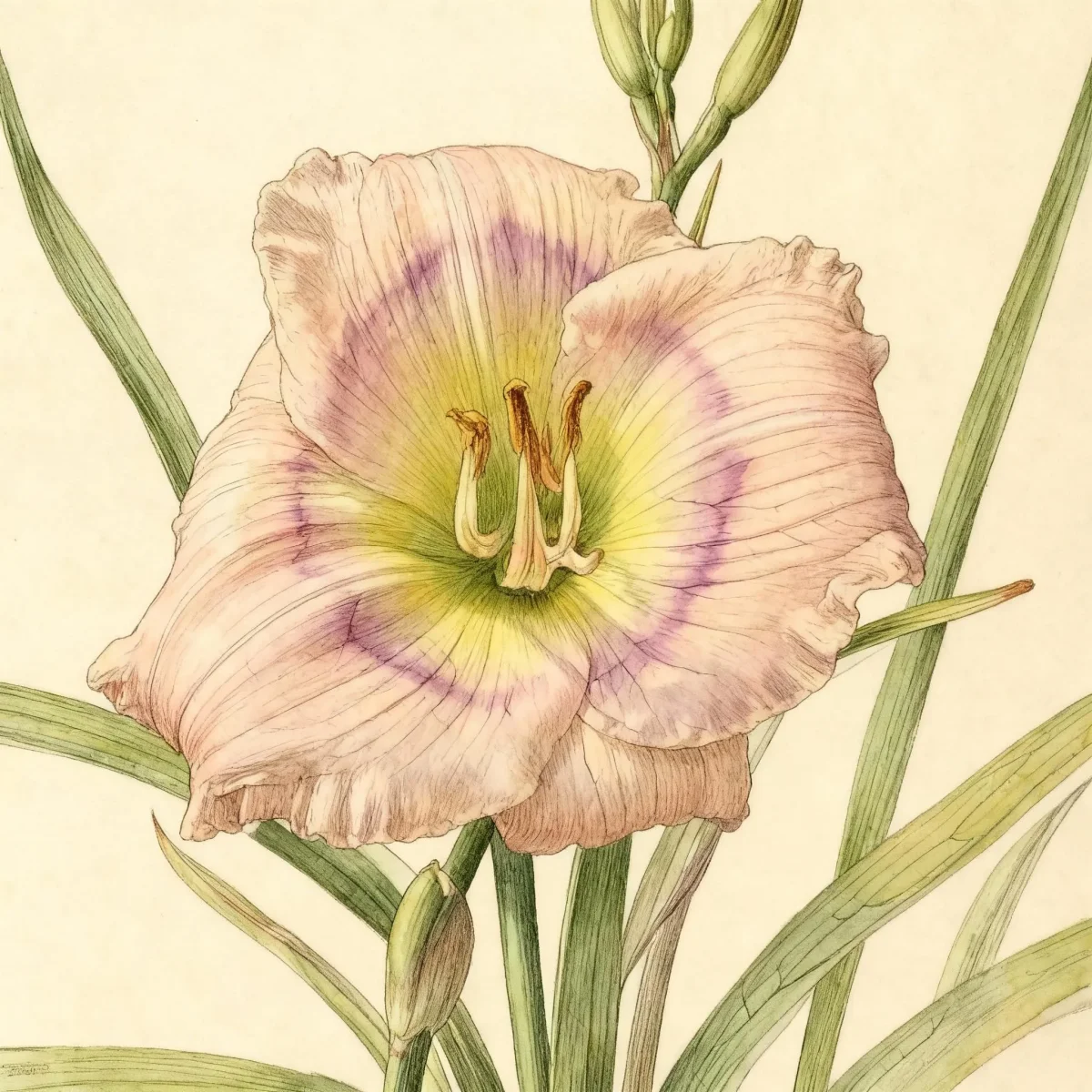
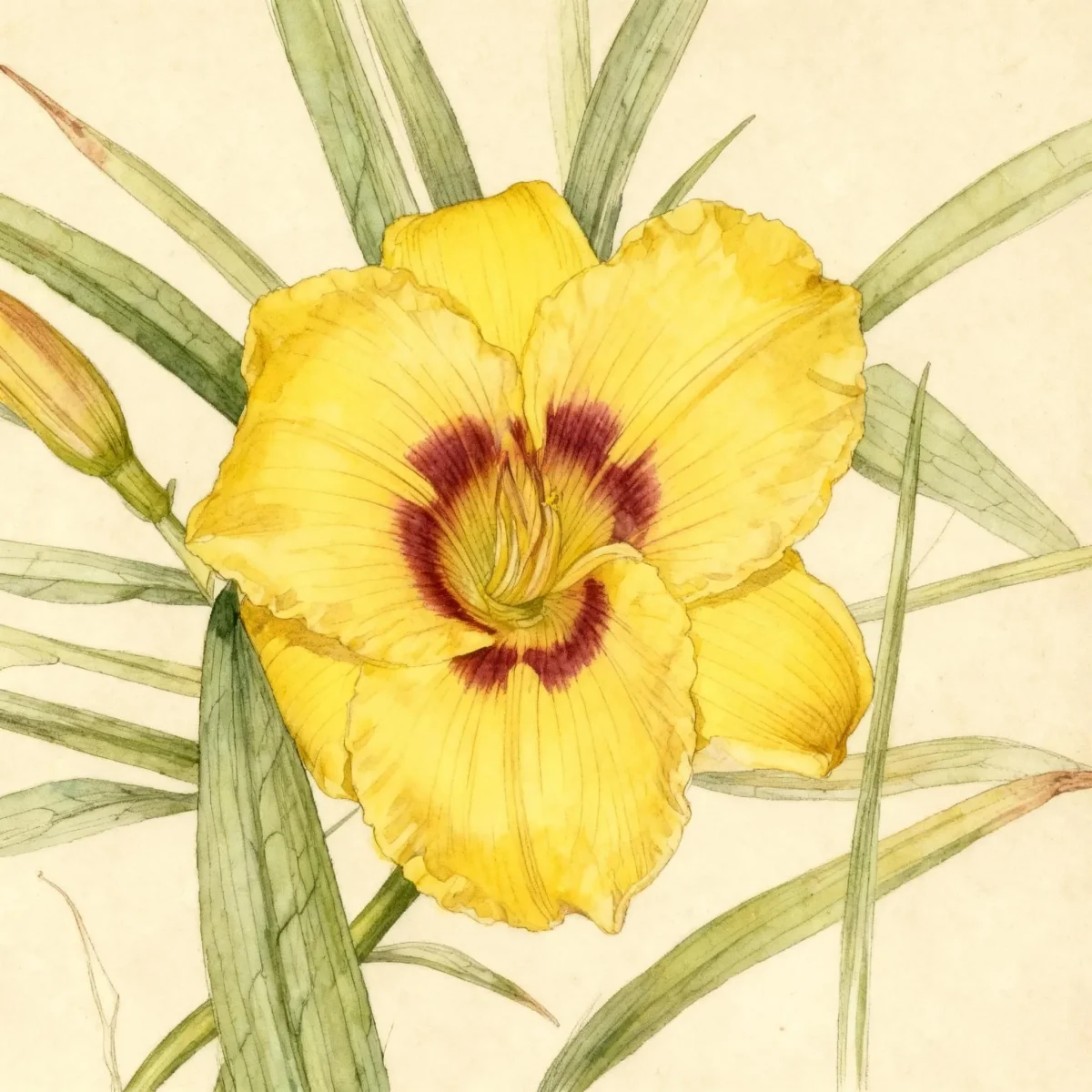
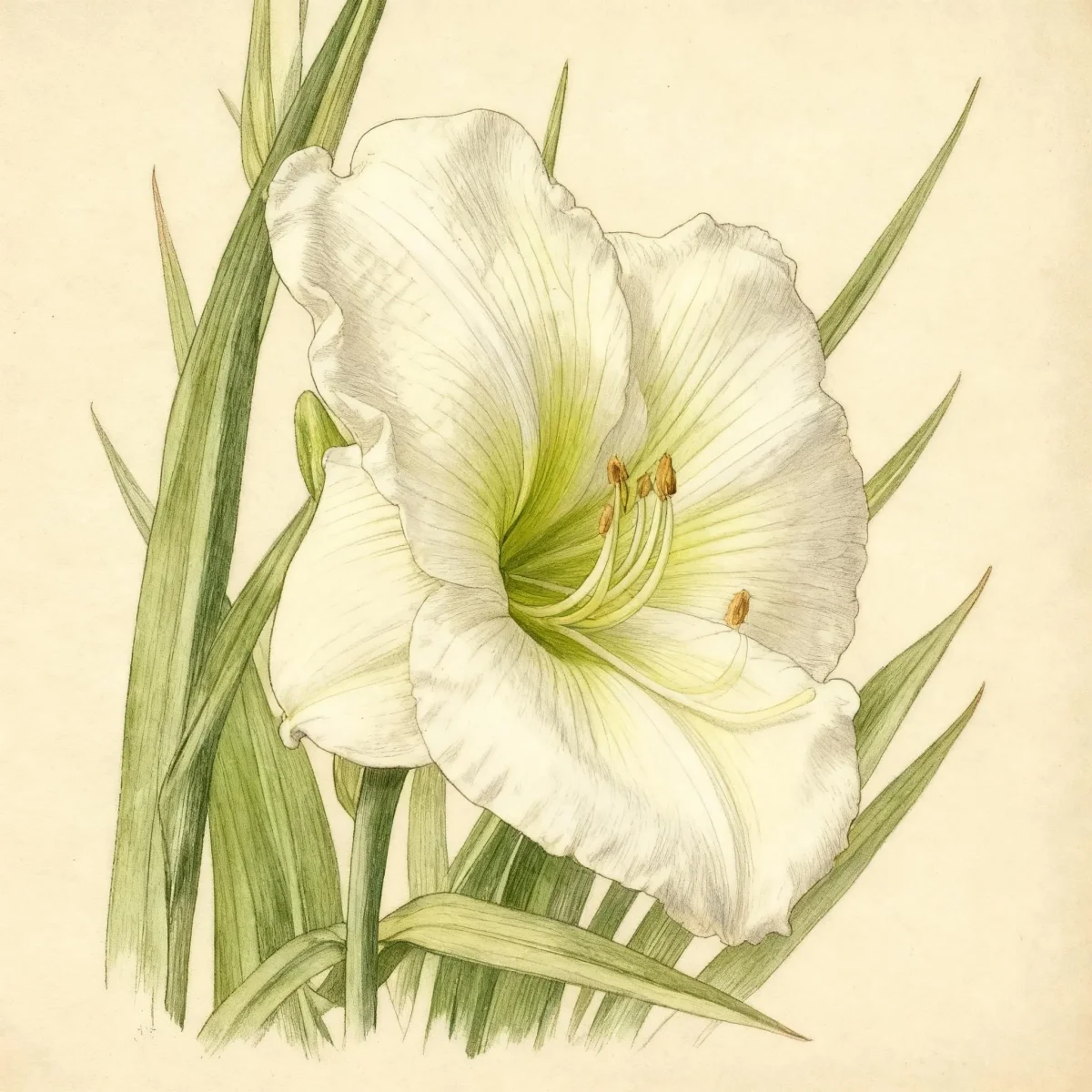
The genus Hemerocallis derives its name from Greek words meaning “day” and “beauty,” fitting since each flower lasts only one day, though they appear in succession for a long period. Hemerocallis ‘Apricot Sparkles’ is a diploid cultivar noted for its nearly continuous bloom from late spring until frost, featuring ruffled, apricot flowers up to 4 inches across. Its notable “sparkle” comes from diamond-dusting across the petals, a feature hinted at in its cultivar name.
Tolerances
- Rabbit
- Erosion
- Air Pollution
Potential Problems
Daylilies are widely recognized as extremely adaptable and generally pest-free perennials, which contributes to the low maintenance level of Hemerocallis ‘Apricot Sparkles’. Occasionally, mites, aphids, or thrips may attempt to colonize the foliage or buds, but minor infestations can often be managed with a strong blast of water or insecticidal soap if necessary. The most significant biological concern is Daylily rust, which can become prevalent in humid environments, requiring monitoring.
Rabbits typically avoid chewing on the foliage of the Daylily, offering peace of mind in areas where they frequent. If rust is identified, promptly remove and destroy infected foliage—do not compost it—to prevent further spread in future seasons. Proper division and ensuring good air circulation around the plants also help mitigate potential fungal issues.
Frequently Asked Questions
What hardiness zones is Daylily suitable for?
Hemerocallis ‘Apricot Sparkles’ is reliably hardy across USDA Zones 3 to 9, offering flexibility across much of the country.
How large does Daylily grow?
This cultivar matures to a height between 1.5 and 2 feet tall, with a corresponding spread ranging from 1.5 to 2 feet wide.
What sun exposure does Hemerocallis ‘Apricot Sparkles’ need?
It thrives best when exposed to full sun, although it adapts well to partial shade conditions in the garden.
When does Daylily bloom?
The beautiful apricot blooms of Hemerocallis ‘Apricot Sparkles’ are typically present from June through July, often displaying an extended rebloom period.
Conclusion
Hemerocallis ‘Apricot Sparkles’ offers gardeners a reliable, vibrant splash of apricot color with minimal effort required. Its low maintenance needs and extended blooming period make this Daylily an essential structural plant for summer gardens. Before planting, ensure your location falls within USDA Zones 3-9 and provide adequate moisture for the most attractive foliage display.
Companion Planting
When selecting partners for your Daylily patch, focus on species that share similar cultural requirements for medium water needs and full sun to part shade. Taller ornamental grasses can nicely complement the vertical structure of the Hemerocallis ‘Apricot Sparkles’ scapes while maintaining a similar drought tolerance once established. Consider pairing them with companion plants that offer contrasting foliage textures, such as the broad leaves of Hostas near the edges of shadier beds, or fine-textured salvias and catmint in sunnier locations.
Another excellent strategy involves pairing these summer bloomers with early or late-season perennials to stagger your garden’s visual impact. Blue or purple flowering companions, such as certain varieties of Russian Sage (Perovskia) or tall bearded Irises (after their bloom), create a striking complementary color contrast against the apricot throats of the Daylily. This layered approach ensures that different parts of the garden remain vibrant beyond the prime bloom time for Hemerocallis ‘Apricot Sparkles’.
Design Ideas for Mass Planting
Mass planting is where Daylilies truly shine, transforming large, open areas into resilient landscapes. Since Daylilies do not spread aggressively via runners but instead form dense clumps, grouping five or more plants together provides much greater impact than single specimens. This practice is particularly effective on slopes or banks where erosion tolerance is beneficial, as the dense root systems hold soil effectively.
For a naturalistic or meadow-style planting, intersperse the Hemerocallis ‘Apricot Sparkles’ with drifts of sturdy, sun-loving perennials like Coreopsis or Rudbeckia. Allow the Daylily clumps to break up the uniform shapes of hardscaping elements, softening transitions between lawns and flower beds. Because this variety is relatively short (under 2 feet), it can form an effective “middle layer” in a deep perennial border, positioned in front of taller background shrubs or spire-forming flowers.