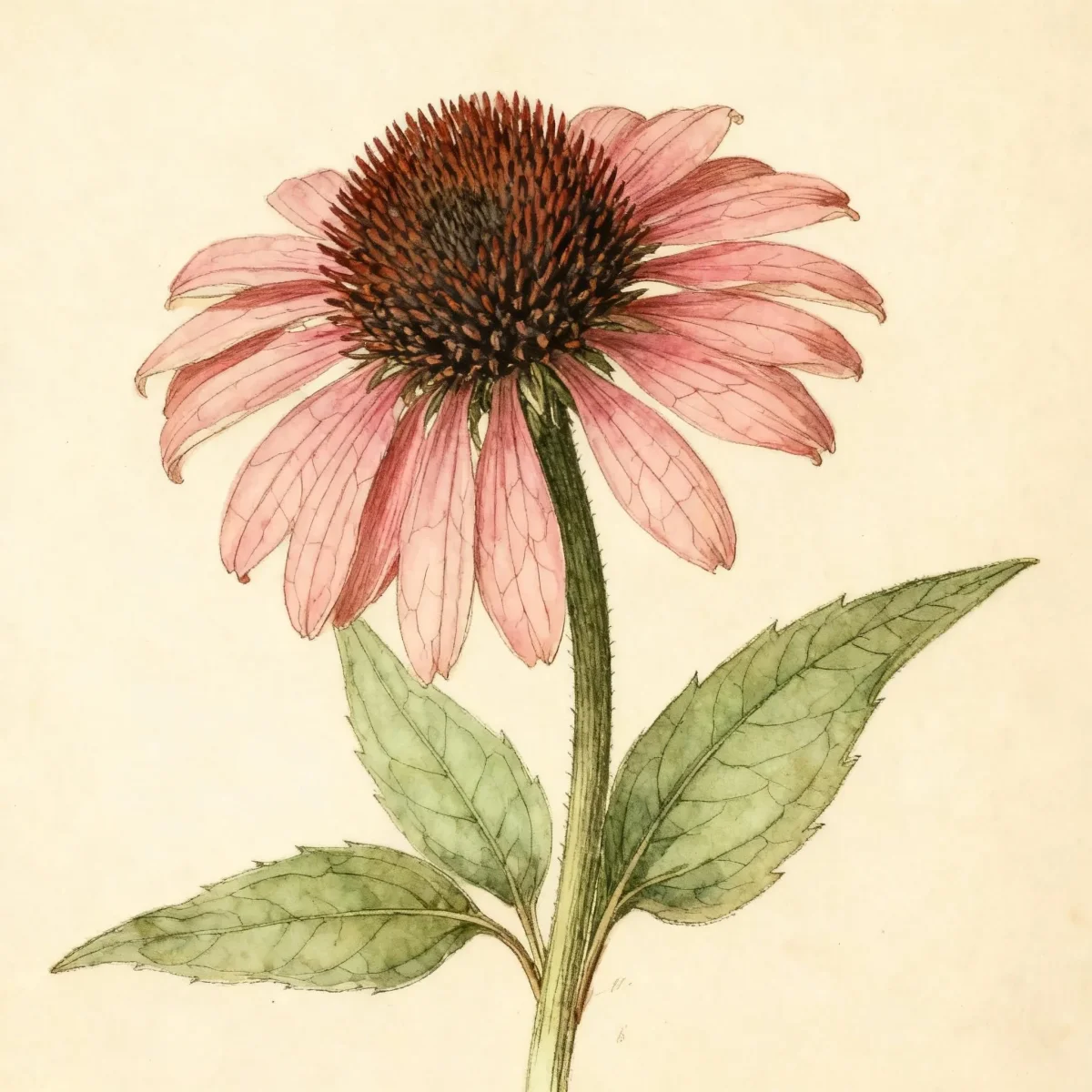
Coneflower (Echinacea 'Pink Mist')
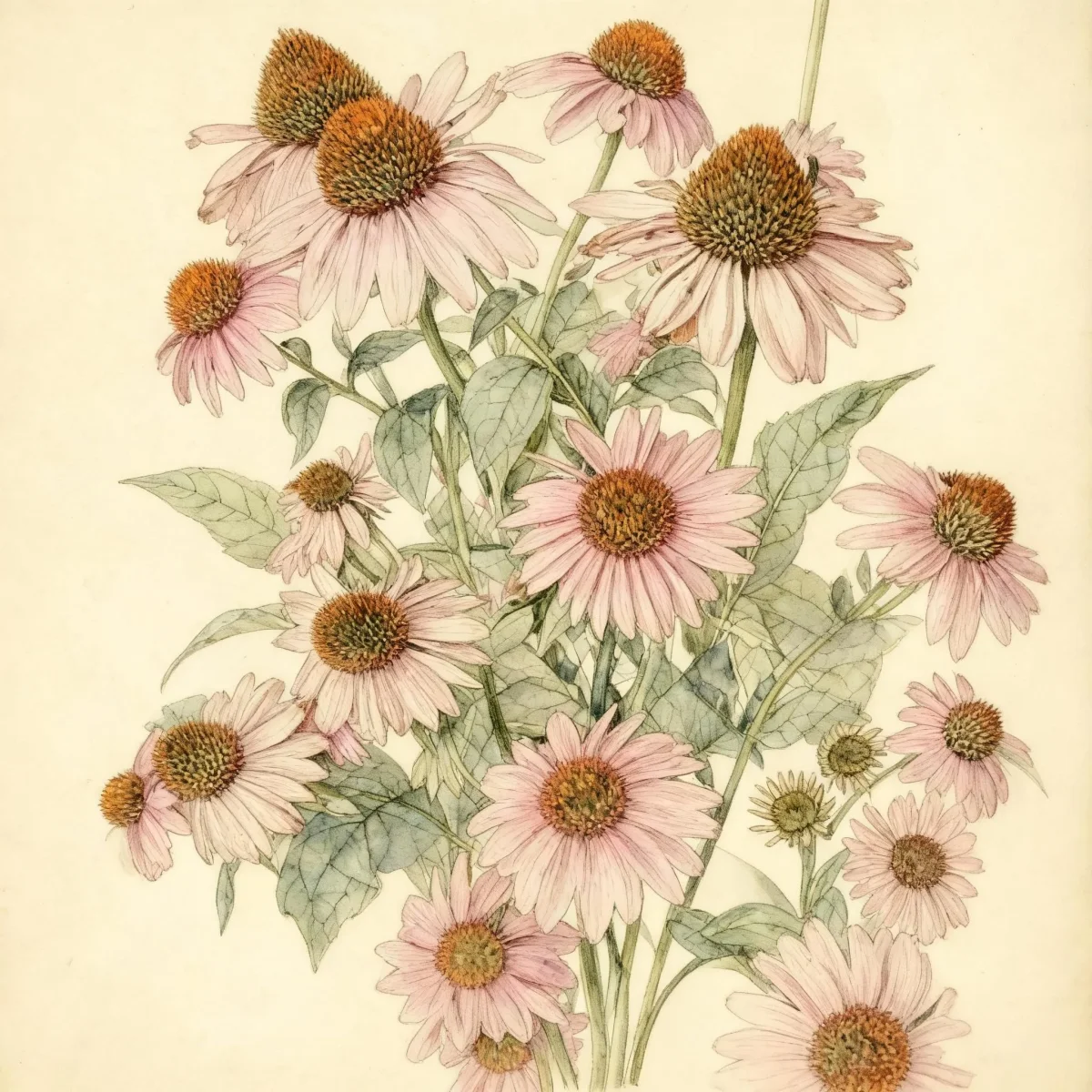
Echinacea 'Pink Mist' Coneflower is a compact, showy perennial blooming rose-pink from June to August in Zones 3-8.
Scroll down to discover growing tips, care requirements, companion plants, and more
Complete Plant Information
Overview
Echinacea ‘Pink Mist’ offers vibrant, long-lasting color perfect for perennial borders and sunny garden areas. This specific Coneflower cultivar is highly prized for its sturdy, well-branched stems, which results in a compact, bushy clump that rarely needs staking. Gardeners appreciate the clear rosy-pink flowers that provide essential summer nectar for pollinators.
As an adaptable herbaceous perennial, Echinacea ‘Pink Mist’ thrives across USDA Zones 3 through 8, handling heat, humidity, and even somewhat poor soils with relative ease. Its natural presence and minimal care requirements make it an excellent backbone plant for sustainable landscape designs seeking reliable summer performance.
The flowers of this Coneflower are not only beautiful specimens but also offer functional benefits; they are excellent for mixed bouquets and dry arrangements later in the season. The structure left by the spent seed heads also provides vital winter interest and food sources for wild birds.
Fast Facts
- Plant Family: Asteraceae
- Plant Type: Herbaceous perennial
- Hardiness Zones: USDA Zones 3-8
- Size at Maturity:
- Height: 1.5-2 ft
- Spread: 1-1.5 ft
- Bloom Time: June to August
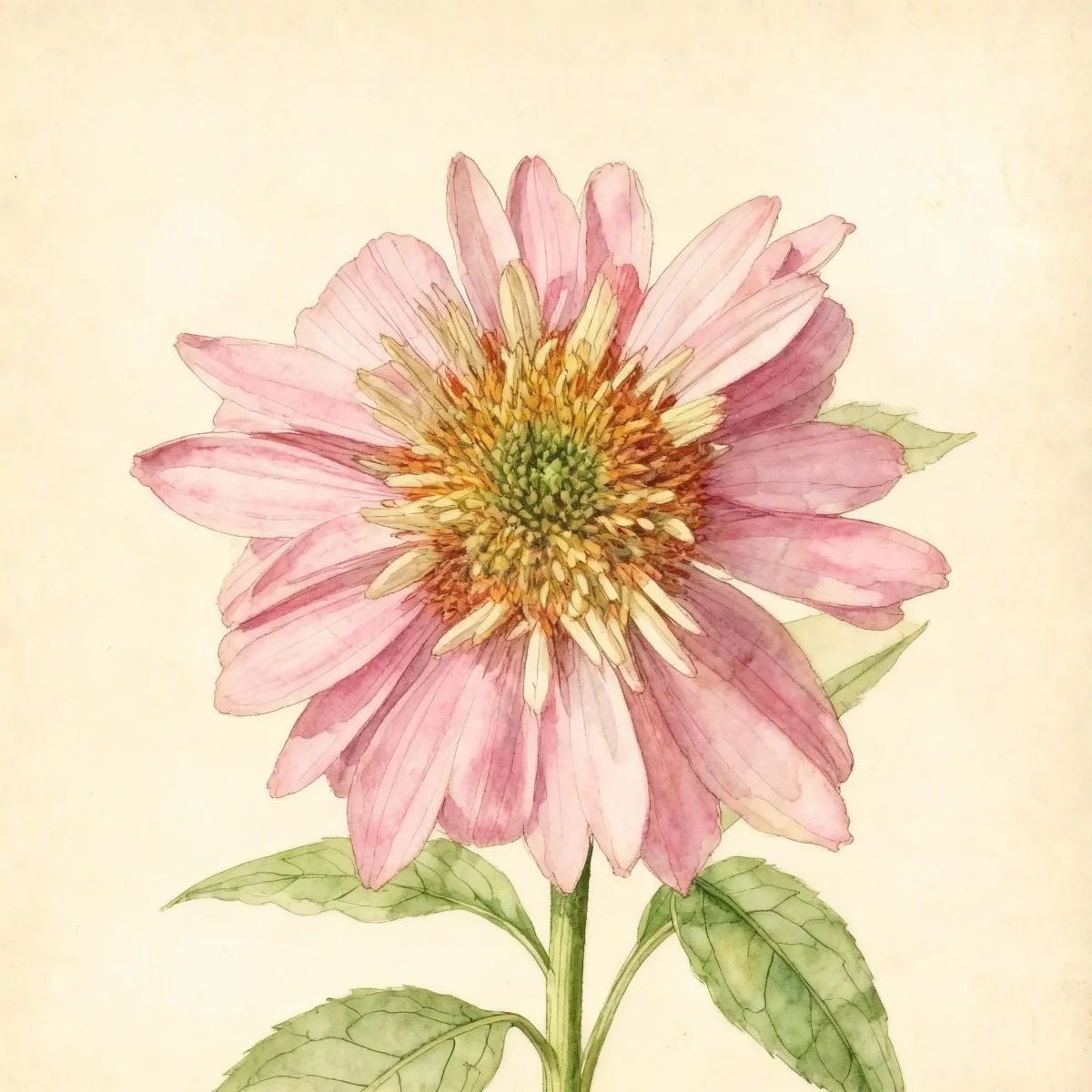
- Bloom Description: Rose pink rays with copper-orange center cone
- Sun Exposure: Full sun to part shade
- Water Needs: Dry to medium
- Maintenance Level: Low
How to Grow
Plant Echinacea ‘Pink Mist’ in the spring or fall, ensuring it settles into a location receiving full sun for the most abundant blooming. While this Coneflower tolerates part shade, excellent air circulation and maximum light prevent issues and encourage strong flowering habits. The soil should ideally be average and well-drained, though this adaptable cultivar readily handles clay, dry, or shallow-rocky soils.
Water newly planted Echinacea ‘Pink Mist’ regularly until established, but once mature, this drought-tolerant plant requires minimal supplemental moisture, thriving on dry to medium soil moisture levels. Fertilization is generally unnecessary, especially if you are growing it in average garden soil; over-fertilizing can lead to floppy stems.
Maintenance is generally low for this hardy Coneflower. While plants rebloom well without any intervention, prompt removal of spent flowers—deadheading—encourages a longer period of bloom throughout the middle of summer. For overall clump health, divide overcrowded established plants approximately every four years.
Landscape Uses
Echinacea ‘Pink Mist’ excels in designs that call for mid-height structure and consistent summer color, making it perfect for the fronts of perennial borders where its 1.5 to 2-foot height won’t shade lower-growing companions. Because it is such an adaptable plant, it performs beautifully when massed in groups, creating a stunning drift of pink against deep green foliage.
This coneflower is also highly effective as an accent plant or specimen mixed into rock gardens where drainage is excellent. When incorporated into open woodland gardens that receive several hours of sun, the rose-pink blooms stand out beautifully against dappled light. Consider pairing Echinacea ‘Pink Mist’ with other drought-tolerant plants like ornamental grasses, Sedum, or Coreopsis.
Standout Features
Flower Qualities
- Showy
- Good Cut
- Good Dried
Noteworthy Characteristics
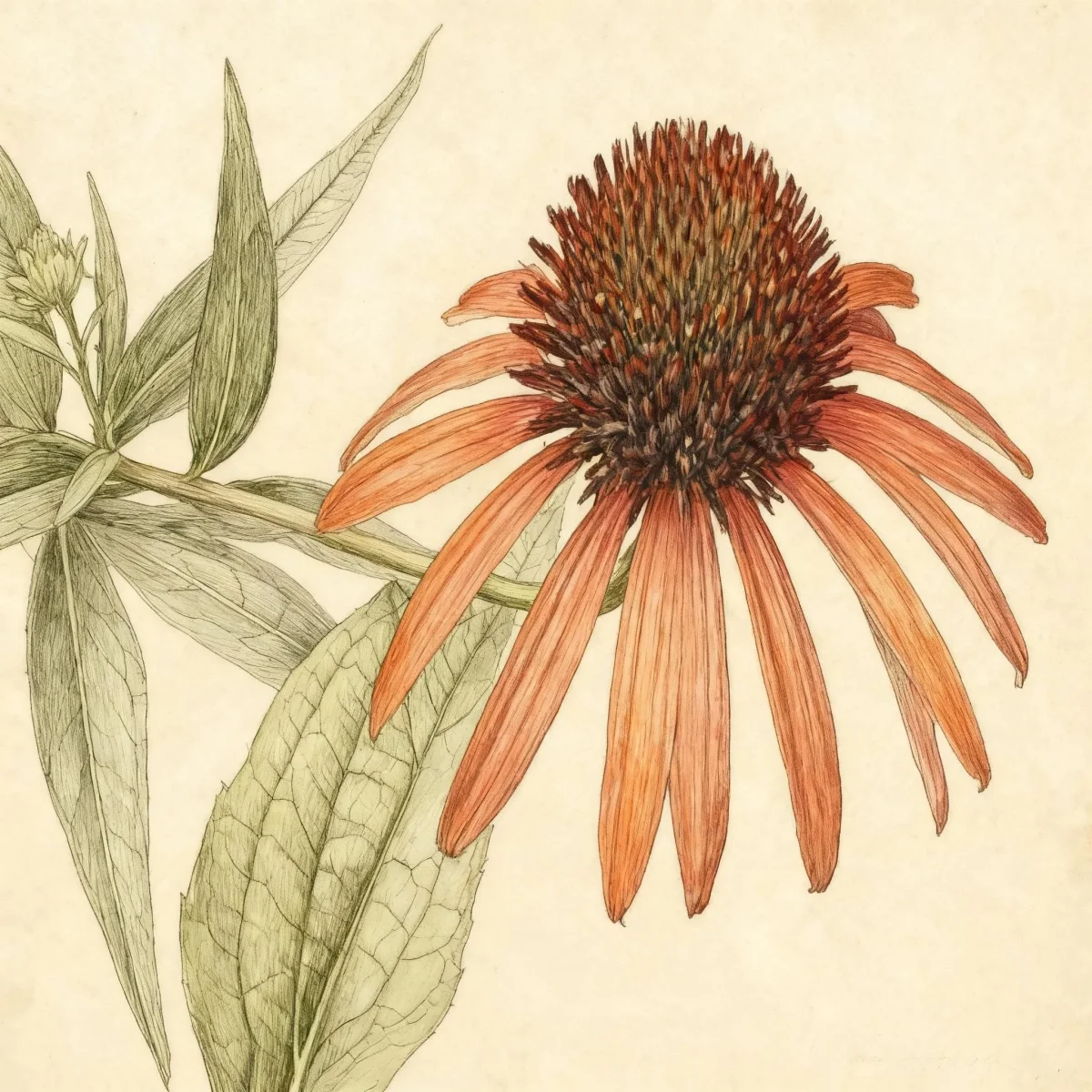
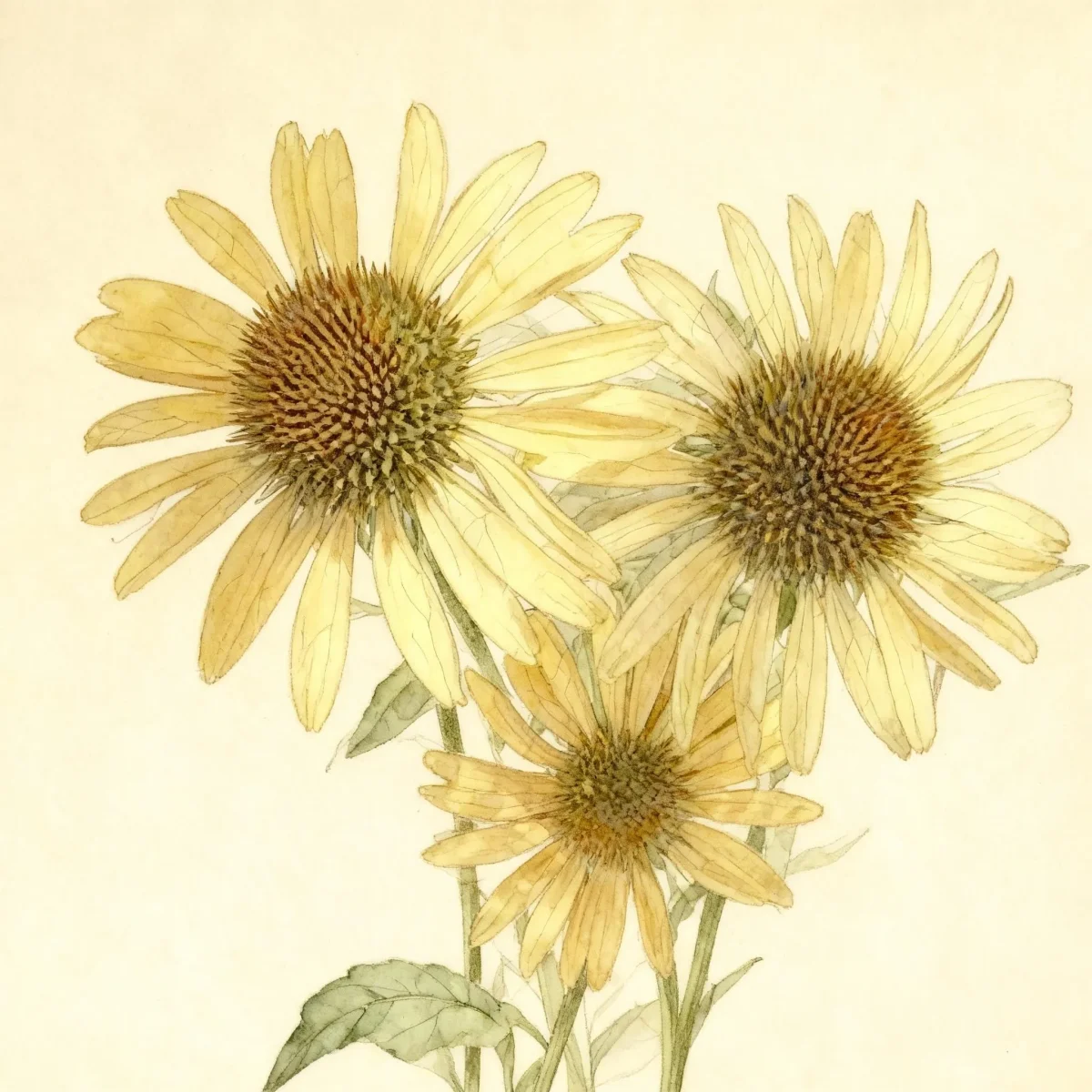
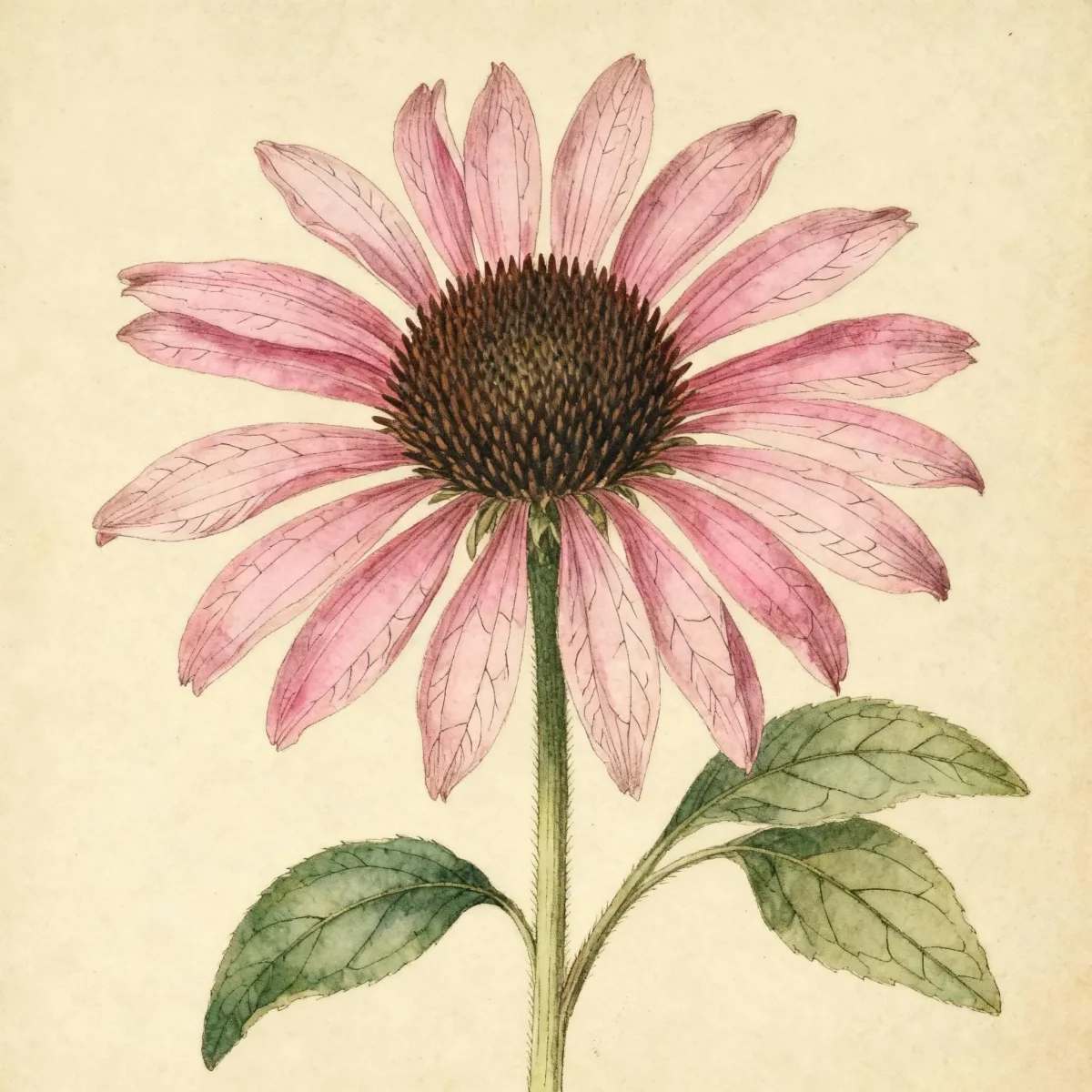
Echinacea is a genus of seven species all endemic to eastern and central North America. Coneflowers bloom from June to August with some sporadic later bloom, proving attractive to butterflies and other insect pollinators. ‘Pink Mist’ is specifically noted as a compact, pink-flowered coneflower that typically grows in an upright bushy clump, featuring flowers with downward-arching, rose-pink rays and a dark copper-orange center cone.
Tolerances
- Deer
- Drought
- Clay Soil
- Dry Soil
- Shallow-Rocky Soil
Potential Problems
Coneflowers, including Echinacea ‘Pink Mist’, are generally hardy but can occasionally suffer from aster yellows, presenting as stunted or distorted growth. Fungal and bacterial leaf spots may also appear, particularly in overly humid or crowded conditions; ensure good air circulation to mitigate these risks. Gardeners should also watch for pests like damaging erythroid mites and persistent Japanese beetles, which may chew on the foliage or flowers.
Frequently Asked Questions
What hardiness zones is Coneflower suitable for?
Echinacea ‘Pink Mist’ is well-suited for a wide range of climates, thriving reliably in USDA Zones 3 through 8.
How large does Echinacea ‘Pink Mist’ grow?
This compact variety typically develops into an upright, bushy clump reaching heights between 1.5 and 2 feet tall, with a spread ranging from 1 to 1.5 feet wide.
What sun exposure does Coneflower need?
For the best performance and most prolific flowering of Echinacea ‘Pink Mist’, full sun exposure is recommended, although it can tolerate conditions shifting toward part shade.
When does Echinacea ‘Pink Mist’ bloom?
This variety produces its attractive rose pink rays with copper-orange center cones primarily from June through August, often providing sporadic bloom well into the fall.
Conclusion
The compact habit and resilient performance of Echinacea ‘Pink Mist’ make it an indispensable plant for low-maintenance summer color. This beautiful Coneflower attracts beneficial insects while providing excellent cut flower material, ensuring year-round garden value. Before planting, confirm you have appropriate full sun exposure and well-drained soil within USDA Zones 3-8 to maximize the showy display of this excellent perennial.
Wildlife Benefits
The genus Echinacea is iconic for its strong support of local ecosystems. Coneflowers, particularly when left standing into winter, provide significant foraging opportunities for seed-eating birds like goldfinches after the petals have faded. The central cone, which gives the genus its name relating to sea urchins, is rich in seeds that birds readily exploit throughout the colder months.
Furthermore, the open, accessible blooms of Echinacea ‘Pink Mist’ are highly attractive to numerous insect pollinators during their June to August blooming window. Planting this variety ensures a reliable nectar source is present during peak summer activity, contributing positively to local biodiversity efforts in your garden space.
Companion Planting
When planning borders for Echinacea ‘Pink Mist’, select companions that share its love for full sun and can tolerate dry to medium soil conditions once established. Excellent companions include Russian Sage (Perovskia), which offers contrasting silver-blue spires in the mid to late summer. Many sturdy ornamental grasses, such as Little Bluestem, provide excellent textural contrast and movement alongside the upright structure of the Coneflower.
For a traditional cottage look, integrate shorter, sun-loving companions like Yarrow (Achillea) or various Salvia species at the front of the border. Ensuring companion plants also possess low water needs prevents overwatering the drought-tolerant Echinacea ‘Pink Mist’, promoting long-term health for the entire planting combination.