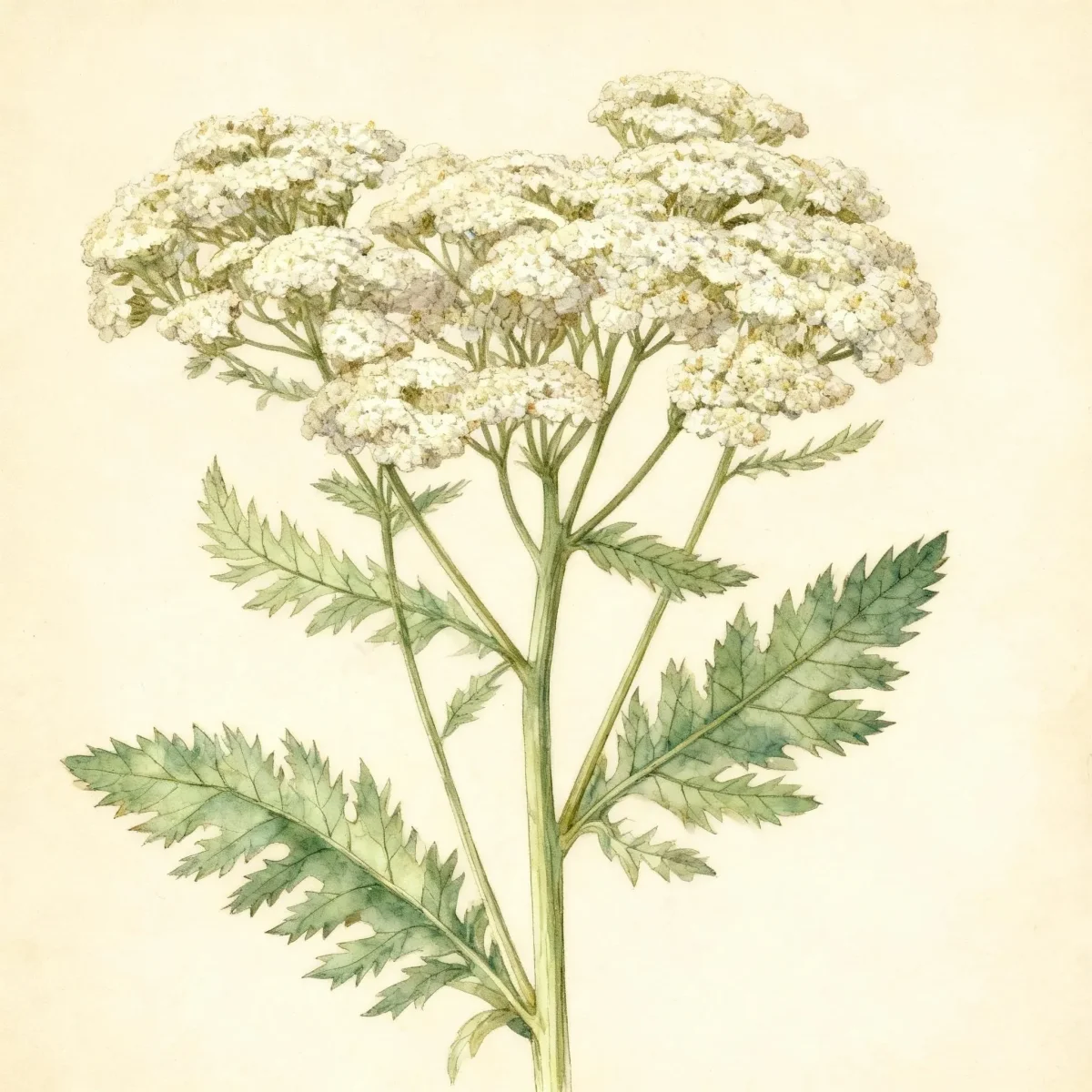
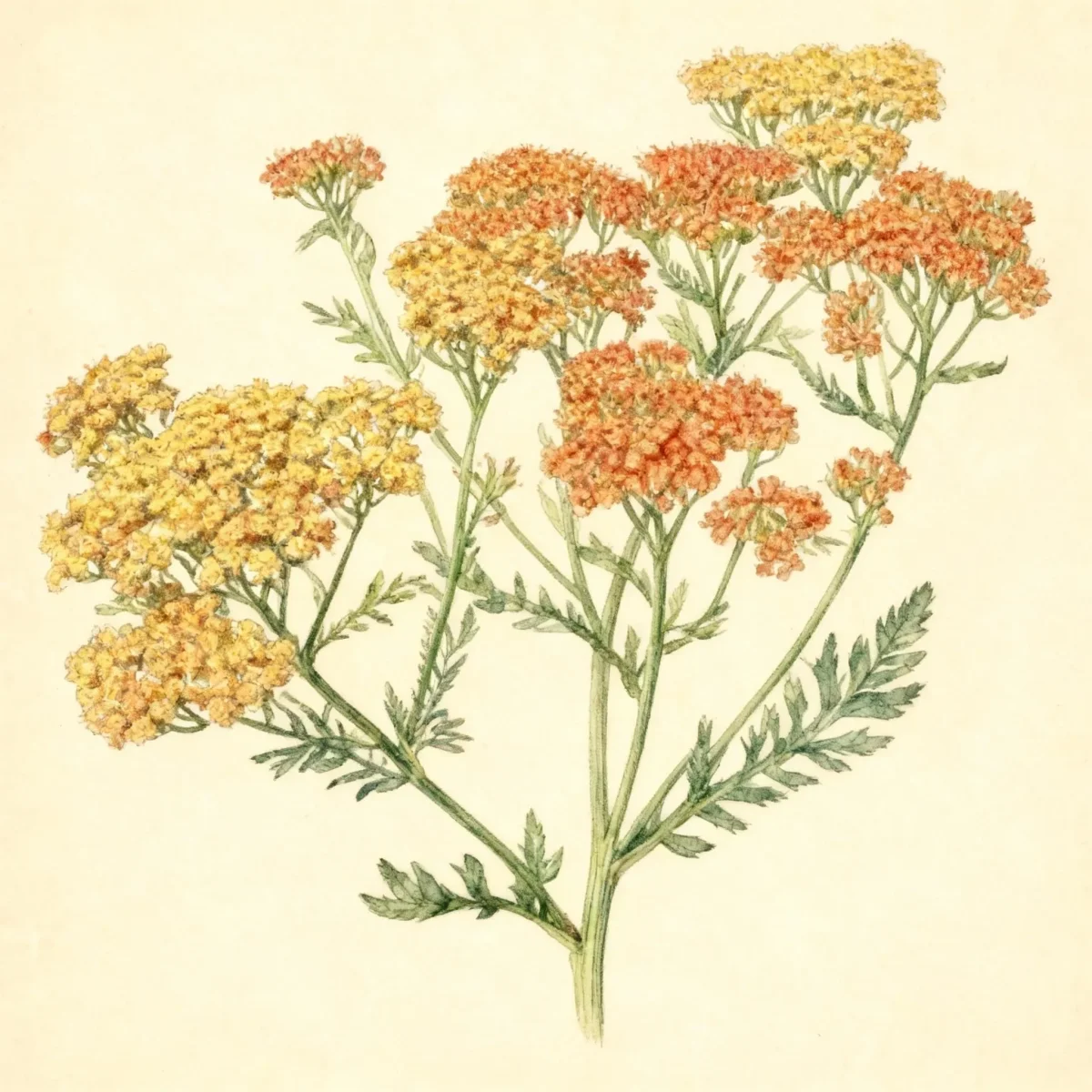
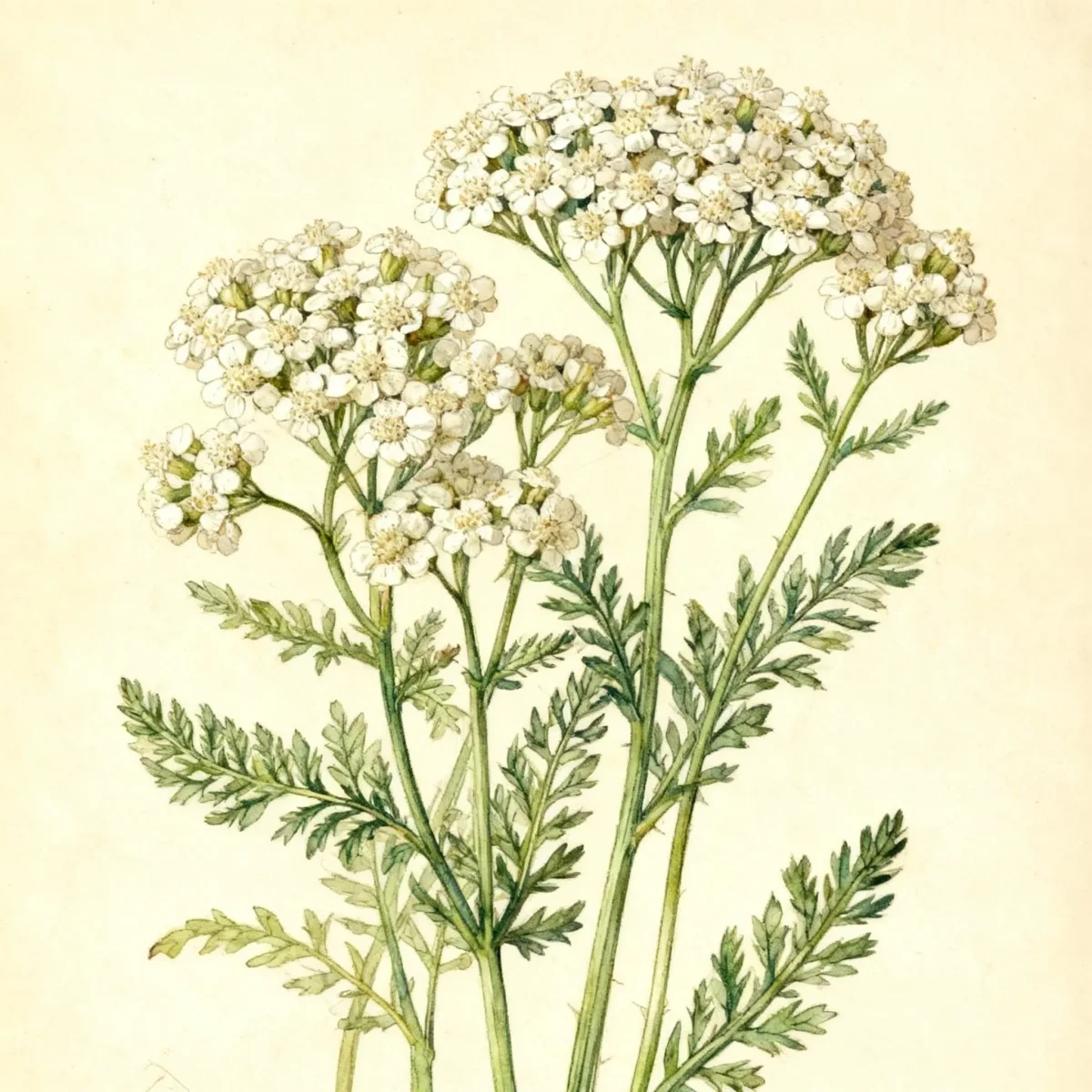
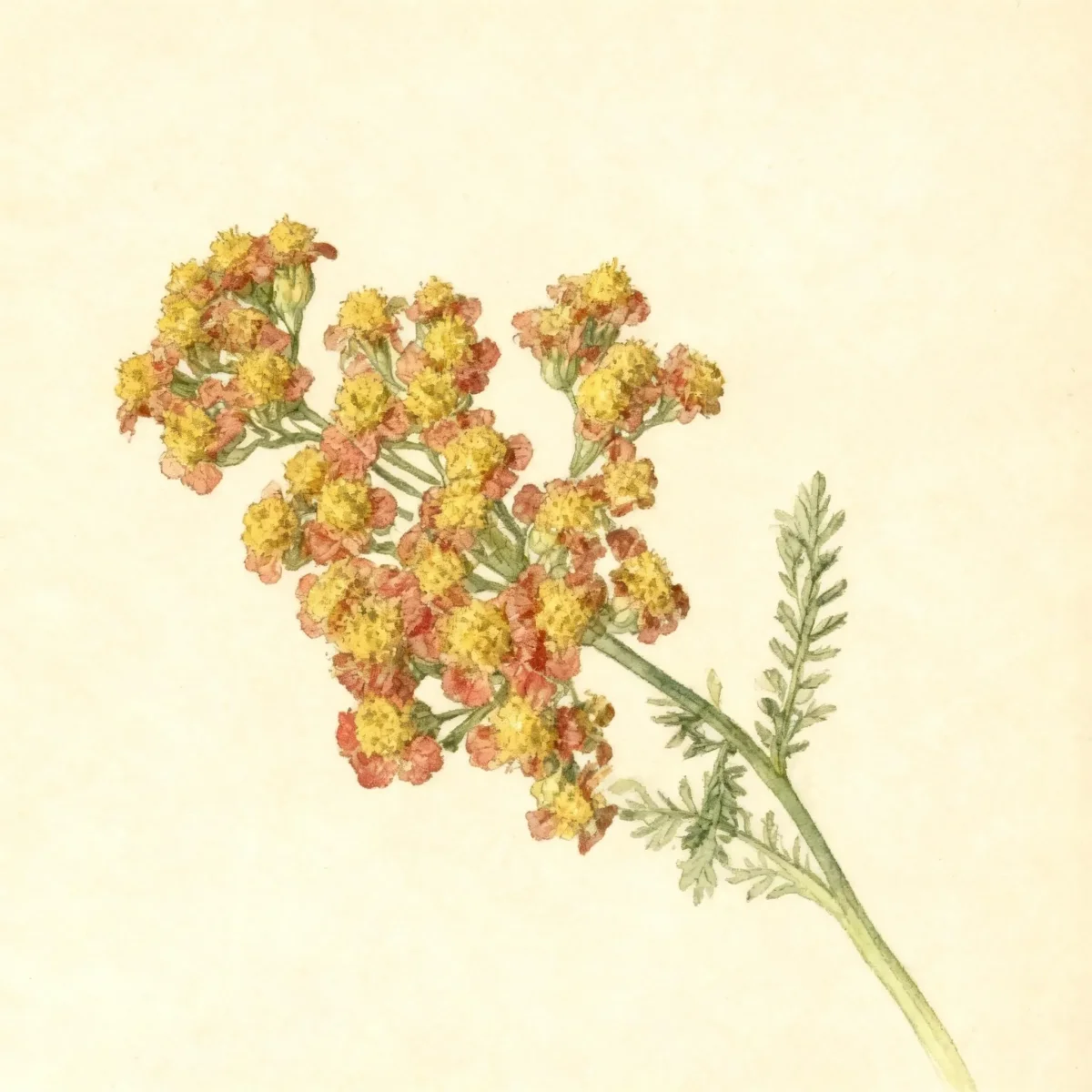
Yarrow (Achillea millefolium 'Saucy Seduction')
Achillea millefolium 'Saucy Seduction' Yarrow offers compact, rose-pink summer blooms and ferny foliage. Low maintenance.
Scroll down to discover growing tips, care requirements, companion plants, and more
Complete Plant Information
Overview
Achillea millefolium ‘Saucy Seduction’ is a highly desirable cultivar of Yarrow, prized for bringing vibrant color and robust texture to dry garden settings. This specific variety stands out due to its more compact habit compared to older Achillea millefolium types, helping to manage its natural vigor while still delivering masses of rose-pink flowers throughout the summer. Gardeners value this herbaceous perennial for its low water needs and tolerance for poor soils, making reliable performance a guarantee in full sun locations.
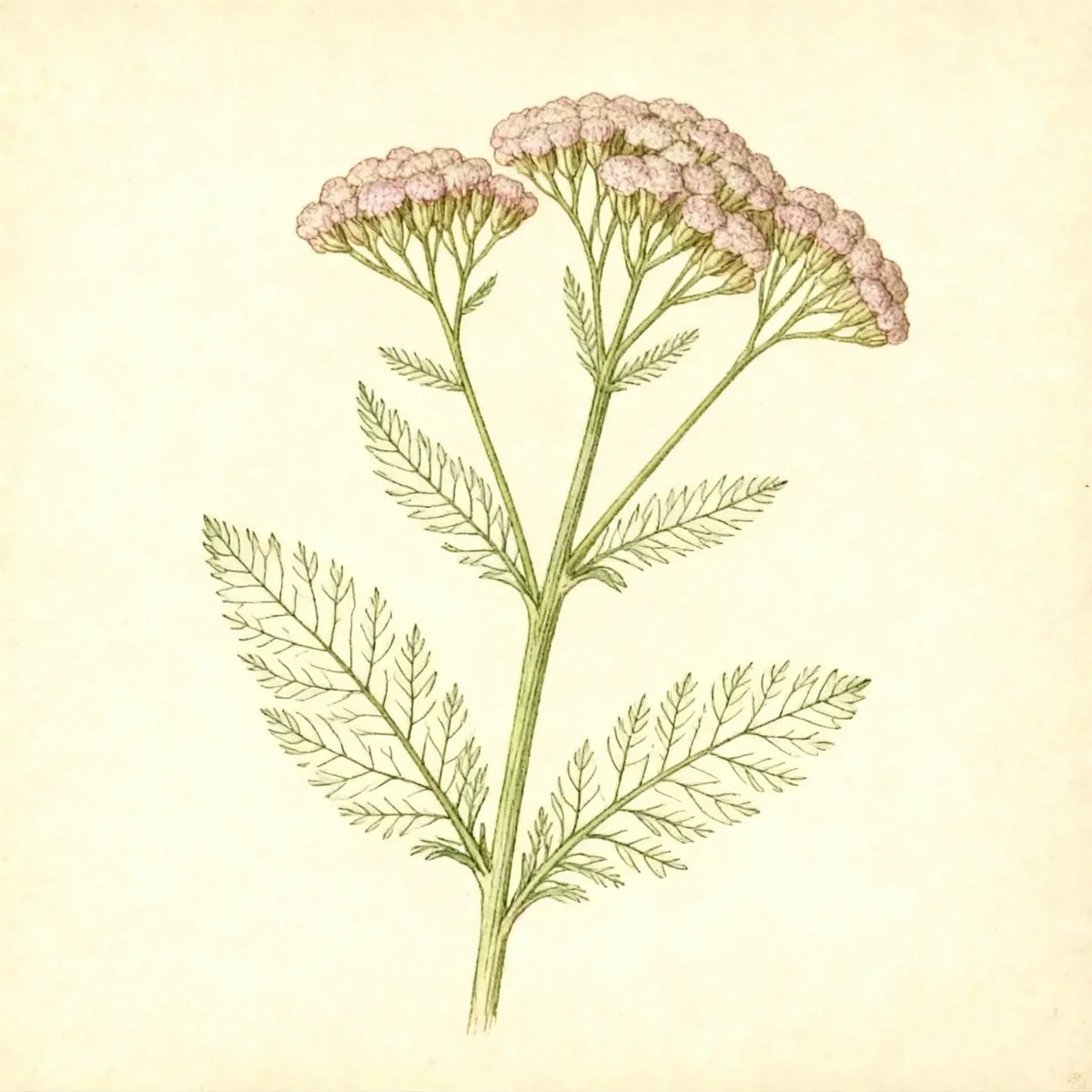
The deeply-dissected, aromatic, fern-like foliage provides an excellent textural contrast against coarser plantings, defining the look of this popular native-derived species. Flowers of Achillea millefolium ‘Saucy Seduction’ are perfect for attracting pollinators and are highly effective both as fresh cut stems and when dried for long-lasting arrangements. Siting this Yarrow where it receives ample sunlight ensures the sturdiest stems.
While the species plant can sometimes spread aggressively, cultivars like ‘Saucy Seduction’ often offer improved ornamental characteristics and slightly better stem strength. This tough perennial brings reliable summer color to the border, requiring little more than proper placement and periodic tidying to maintain its best form.
Fast Facts
- Plant Family: Asteraceae
- Plant Type: Herbaceous perennial
- Hardiness Zones: USDA Zones 4-8
- Size at Maturity:
- Height: 1.5-2 ft
- Spread: 1.5-2 ft
- Bloom Time: June to August
- Bloom Description: Rose pink
- Sun Exposure: Full sun
- Water Needs: Dry to medium
- Maintenance Level: Low
How to Grow
Establish Achillea millefolium ‘Saucy Seduction’ in lean, dry to medium, well-drained sandy loams. Full sun exposure is essential for strong stems and prolific blooming; insufficient light often leads to flopping, especially in hot or humid climates. While this Yarrow tolerates poor soil conditions very well, ensuring excellent drainage is the most critical factor for long-term success, as wet conditions can encourage stem rot.
Watering needs are minimal once established, thriving on natural rainfall or infrequent watering during extended dry periods. Fertilization is generally unnecessary; rich, moist soils actually encourage overly lush growth that leads to weaker stems that easily lodge. For optimal appearance, consider cutting back stems in late spring before flowering begins to maintain a shorter overall height.
After the initial flush of bloom, shear back the stems to lateral flower buds to encourage another round of color and keep the planting tidy. By mid-summer, you can cut the entire clump back to the basal foliage if the planting has become tangled or spent. Divide large clumps every two to three years to maintain the vitality of your Yarrow planting.
Landscape Uses
The low maintenance and drought tolerance of Yarrow make it an indispensable component in meadow, prairie, and naturalized garden designs. Achillea millefolium ‘Saucy Seduction’ excels in challenging, sunny sites where many other perennials might struggle. Utilize its textural foliage and summer bloom in cottage gardens or rock gardens, where its somewhat aggressive spreading habit across rhizomes can be beneficial for covering ground quickly.
Because of its upright, sturdy habit—especially for this compact cultivar—it works well interspersed within mixed perennial borders, adding mid-level structure. The flowers of Achillea millefolium ‘Saucy Seduction’ are excellent for pairing with sun-loving companions like Sedum, Russian Sage, or Coneflowers, providing contrasting flower shapes. Furthermore, due to their excellent drying qualities, sow them near cutting gardens or processing areas.
When naturalizing, allow this Yarrow space to develop into colonies, though regular division will keep it in check within more formal settings. Its ability to handle seaside conditions and air pollution broadens its utility across various landscape types.
Standout Features
Flower Qualities
- Showy
- Good Cut
- Good Dried
Noteworthy Characteristics
The genus name Achillea honors the Greek hero Achilles, who reputedly used the plant medicinally to treat battle wounds. This cultivar, ‘Saucy Seduction’, offers bright rose-pink blooms in dense clusters over many weeks on compact stems rising only 1.5 to 2 feet tall. Its deeply-dissected, aromatic foliage provides a spicy scent that persists well in dried arrangements.
Tolerances
- Deer
- Drought
- Dry Soil
- Air Pollution
Potential Problems
Occasional disease issues include stem rot, powdery mildew, and rust, usually stemming from poor air circulation or overly moist conditions. The most noted cultural challenge is stem lodging, where weak stems flop, often exacerbated by container-like soil richness or strong summer storms. To combat this, ensure maximum sun exposure and avoid high-nitrogen fertilizers. Cutting back stems in late spring is a proactive measure that reduces the overall height and potential wind damage. Since this Yarrow spreads aggressively by rhizomes, vigilance may be required to prevent it from overtaking less vigorous neighbors.
Frequently Asked Questions
What hardiness zones is Yarrow suitable for?
Achillea millefolium ‘Saucy Seduction’ is reliably hardy in USDA Zones 4 through 8.
How large does Achillea millefolium ‘Saucy Seduction’ grow?
This cultivar typically reaches a mature height between 1.5 and 2 feet, spreading to a similar width of 1.5 to 2 feet.
When does Yarrow bloom?
This Yarrow variety generates its rose-pink flowers consistently from June through August.
What sun exposure does Yarrow need?
This plant must be grown in full sun conditions to ensure strong, upright stem architecture throughout its long bloom season.
Conclusion
Achillea millefolium ‘Saucy Seduction’ delivers exceptional value as a durable, water-wise perennial for tough, sunny sites. With its attractive rose-pink summer display and aromatic foliage, this Yarrow cultivar remains a garden favorite for both texture and low maintenance. Before planting, confirm your site offers full sun and excellent drainage, and plan for a light annual tidy to maximize its impressive bloom performance.
Companion Planting
Selecting appropriate partners is key to framing the medium texture of Yarrow and providing visual contrast to its flat-topped flower heads. Plants that thrive in similar dry, sunny conditions are the best fit. Consider pairing the low maintenance requirements of Achillea millefolium ‘Saucy Seduction’ with ornamental grasses like Bouteloua gracilis*, which offer vertical movement, or drought-tolerant spiky flowers such as Salvia or Veronica.
In a cottage garden setting, place clumps where they can slightly spill over the edges of paths or beds. Avoid overly rich soil neighbors, as the resulting competition for resources can sometimes encourage the unwanted flopping of the Yarrow stems, undermining its structure.
Wildlife Benefits
The dense, flattened floral structures of Yarrow are perfectly designed landing pads for a wide variety of beneficial insects. Planting Achillea millefolium ‘Saucy Seduction’ specifically invites numerous pollinators into the garden throughout the summer months. Butterflies, in particular, are drawn to the nectar-rich corymbs.
While the species plant (Achillea millefolium) is famous historically for wound healing, modern gardeners utilize these flowers primarily for their cosmetic and ecological roles. The aromatic foliage is generally disliked by foraging deer, offering an added benefit in gardens facing browsing pressures.