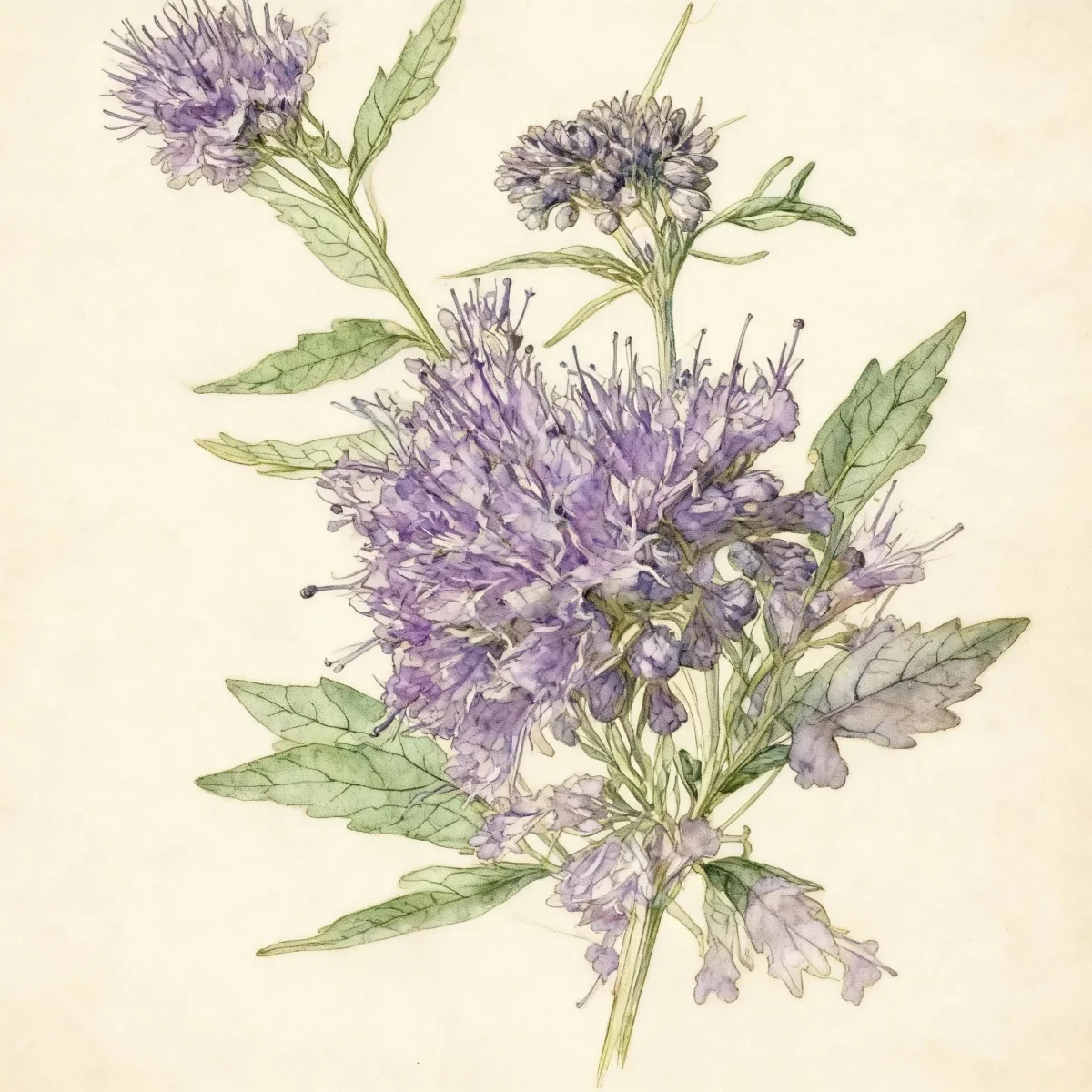
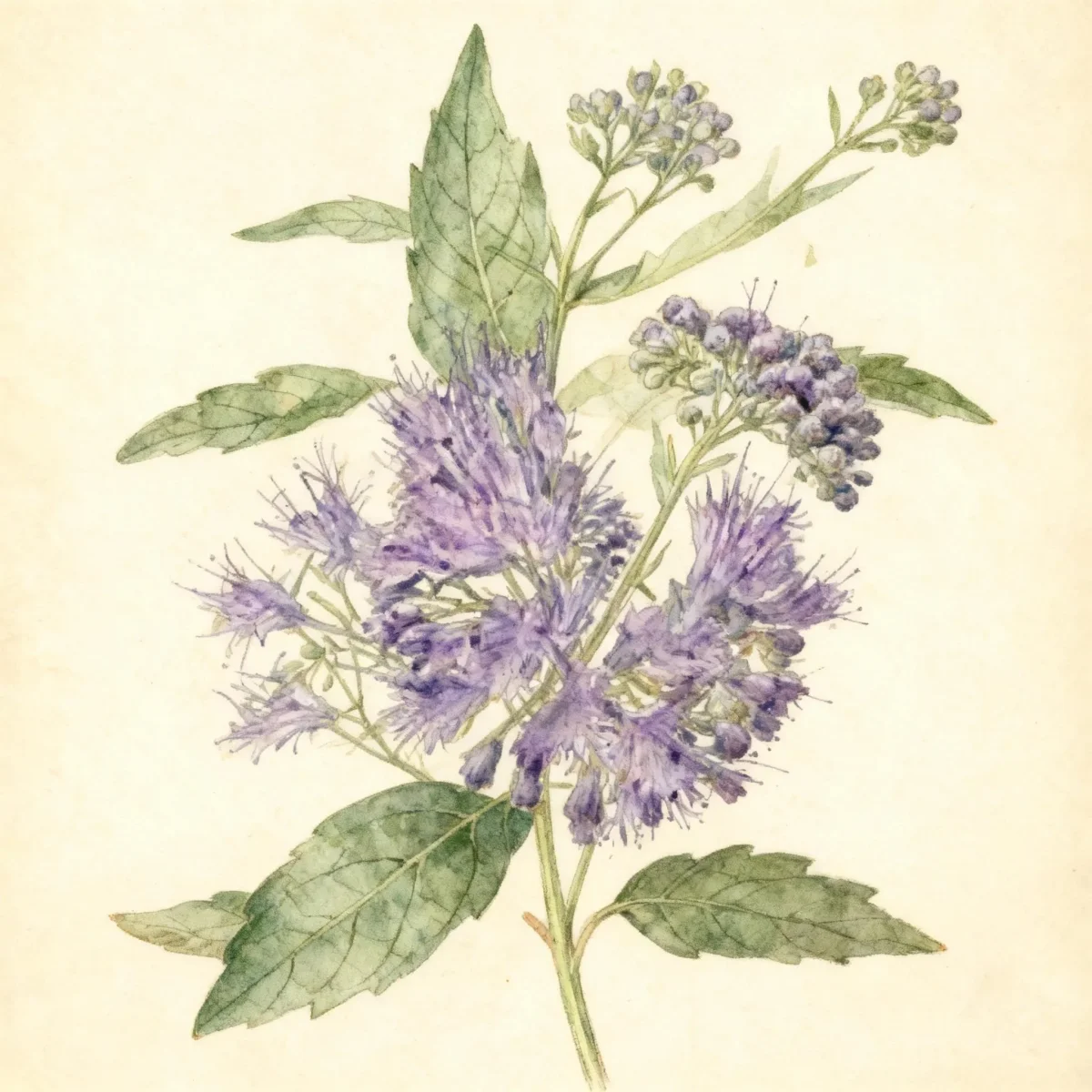
Bluebeard (Caryopteris × clandonensis 'Lisaura' HINT OF GOLD)
Discover Caryopteris × clandonensis 'Lisaura' HINT OF GOLD Bluebeard, cherished for golden foliage and late-season dark blue flowers. Low maintenance.
Scroll down to discover growing tips, care requirements, companion plants, and more
Complete Plant Information
Overview
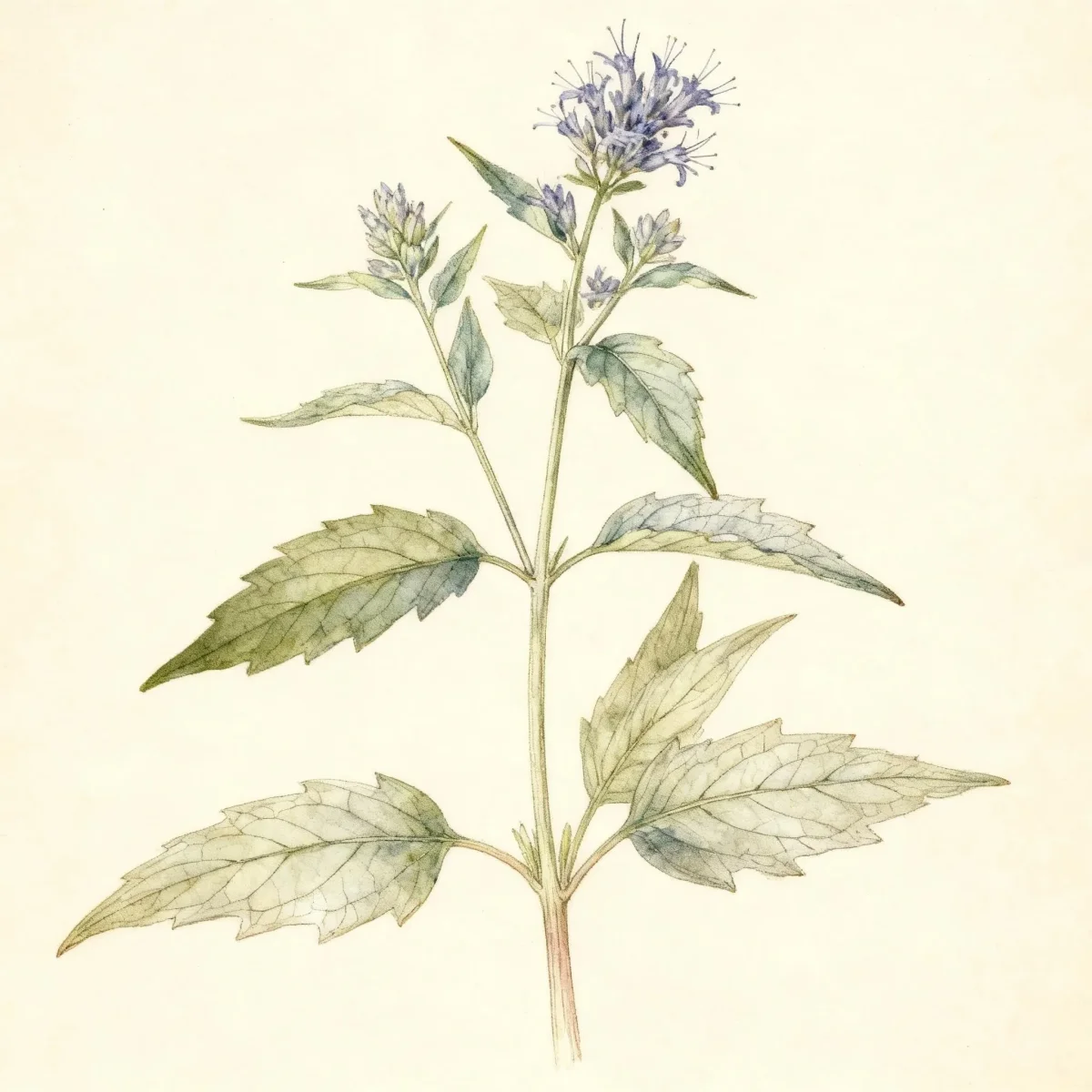
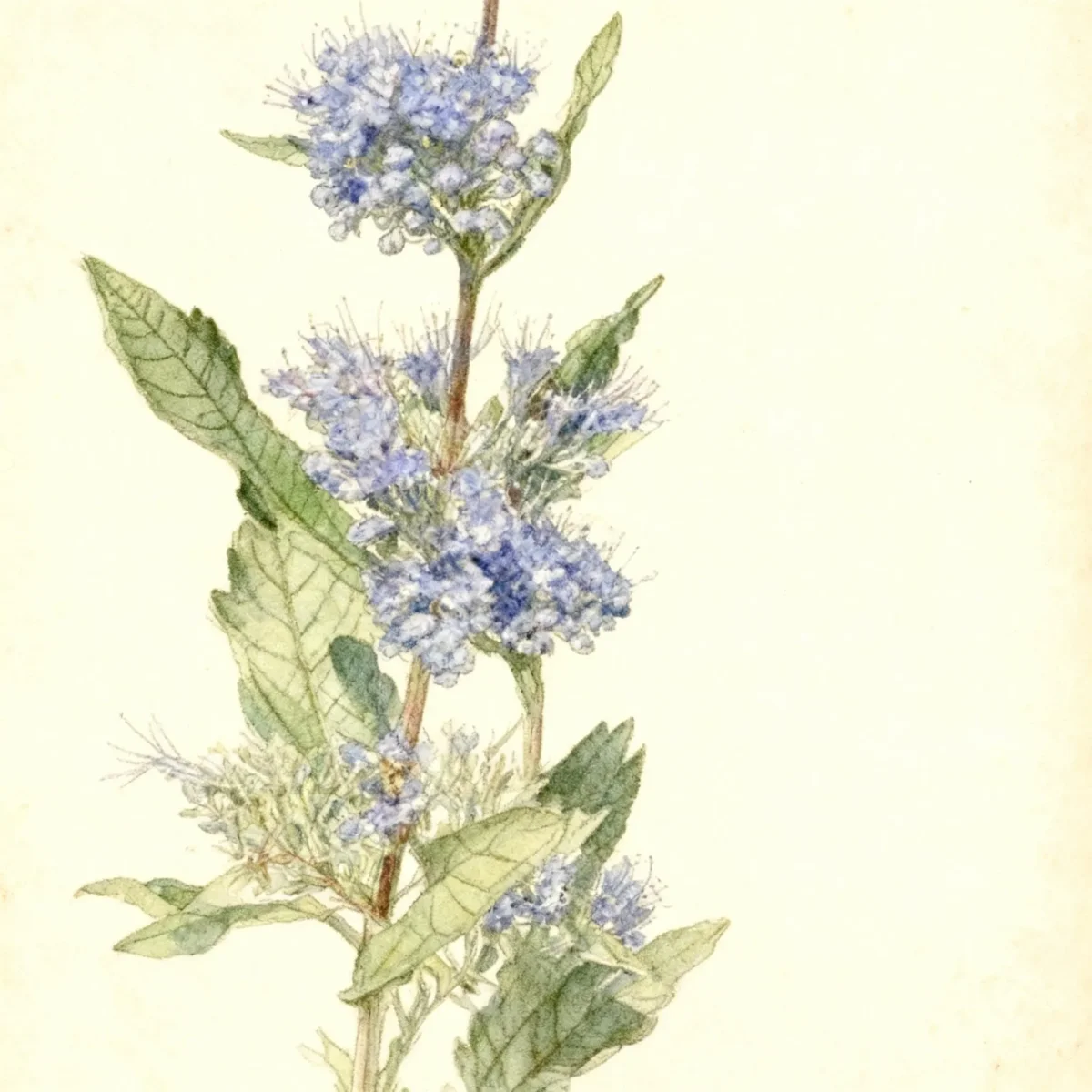
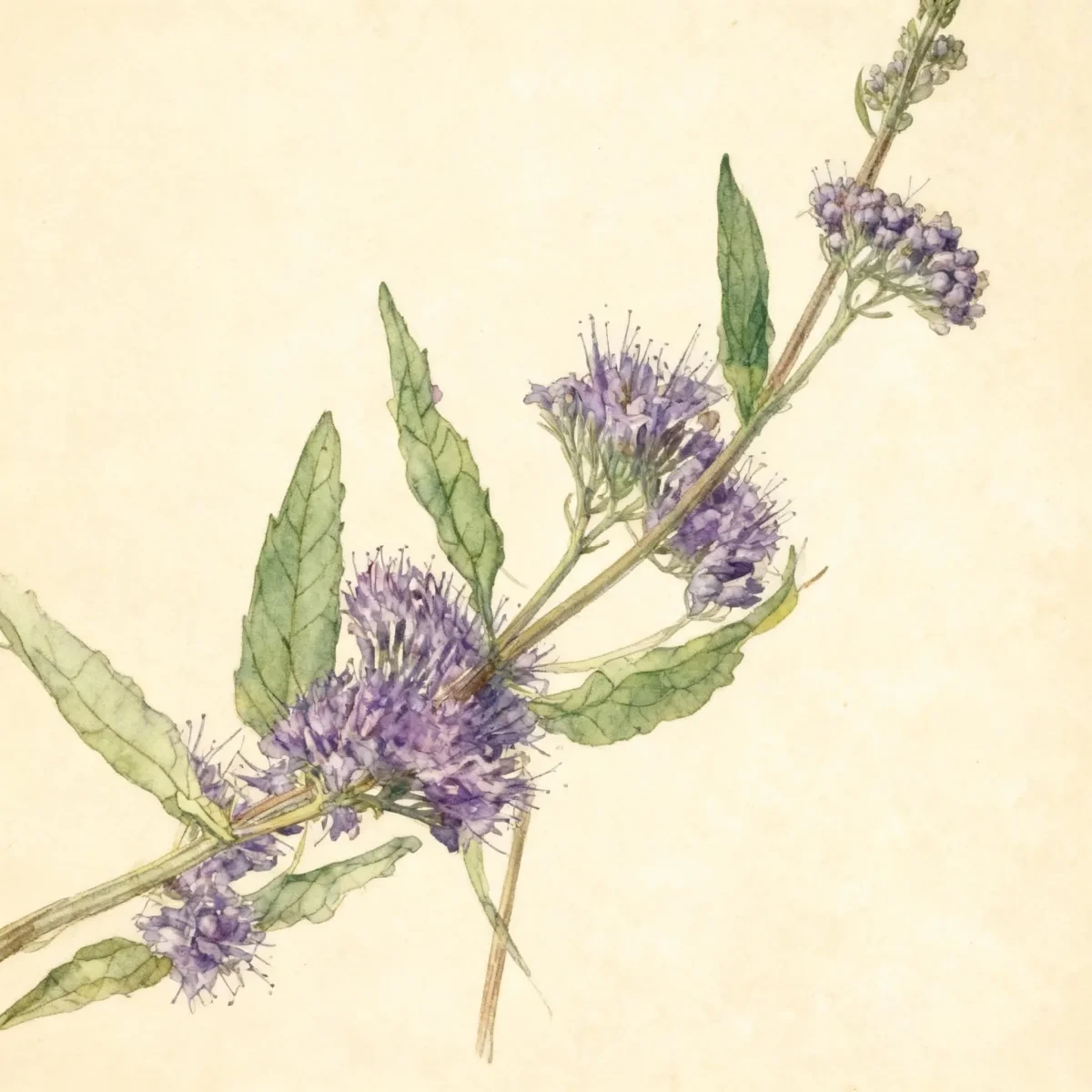
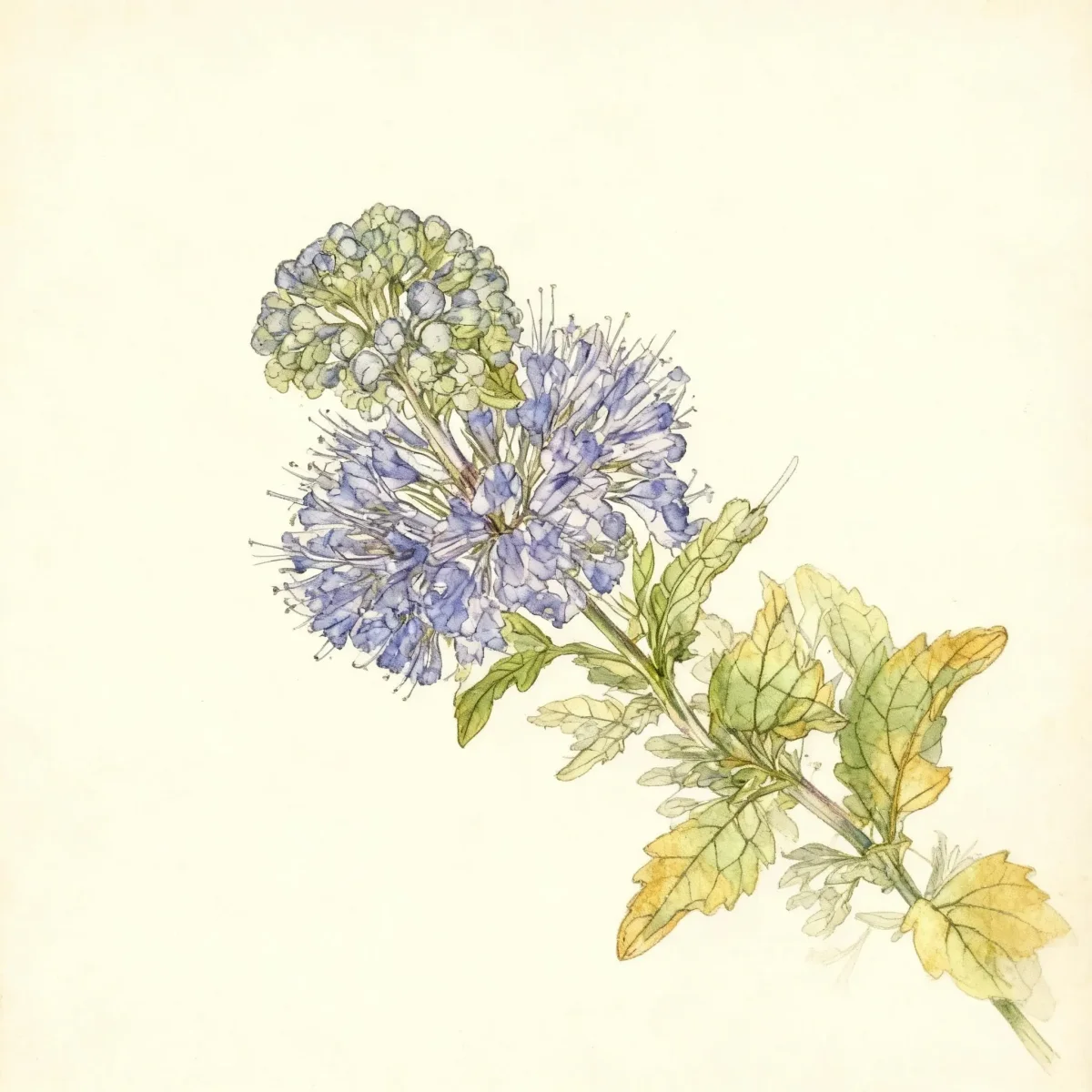
Caryopteris × clandonensis ‘Lisaura’ HINT OF GOLD, widely known as Bluebeard, is highly valued for extending garden color significantly into the late summer and early fall when few other shrubs are flowering. This deciduous shrub distinguishes itself with aromatic foliage and striking clouds of dark blue blossoms that appear just as many spring bloomers fade. This specific cultivar, HINT OF GOLD, offers the added feature of superb variegated foliage, boasting bright golden-yellow leaves contrasted with mint-green margins that persist throughout the growing season.
As a hybrid, the Bluebeard thrives best when given full sun exposure, which is essential for developing the best flower display and maintaining the vibrant leaf color of Caryopteris × clandonensis ‘Lisaura’ HINT OF GOLD. It adapts well to average, well-drained soil conditions and requires only medium water, fitting nicely into low-maintenance planting schemes. Gardeners benefit from its relative pest-free nature and the attraction its late-season blooms offer to beneficial insects.
The plant’s ultimate size is heavily influenced by winter conditions and annual pruning habits. While the roots are hardy into Zone 5, top growth often dies back, necessitating a hard spring pruning, which promotes fresh, vigorous stems that readily flower. This adaptability makes the Caryopteris × clandonensis ‘Lisaura’ HINT OF GOLD a versatile addition to perennial and shrub borders alike.
Fast Facts
- Plant Family: Lamiaceae
- Plant Type: Deciduous shrub
- Hardiness Zones: USDA Zones 5-9
- Size at Maturity:
- Height: 2-3 ft
- Spread: 2-3 ft
- Bloom Time: July to September
- Bloom Description: Dark blue
- Sun Exposure: Full sun
- Water Needs: Medium
- Maintenance Level: Low
How to Grow
Planting Caryopteris × clandonensis ‘Lisaura’ HINT OF GOLD should occur when the soil is workable, favoring locations that provide full sun exposure, which maximizes both bloom quality and foliage variegation. This shrub prefers average, well-drained soil, ideally loose loams; it shows intolerance toward wet, poorly-drained conditions where crowns may rot. Though it tolerates some drought once established, consistent medium moisture assists in vigorous growth.
Maintenance is generally low, but pruning is a crucial cultural consideration. Because Clandonensis hybrids bloom exclusively on new wood, gardeners in Zone 5 and 6 should anticipate stems dying back to the ground during hard winters and prune all stems back hard in early spring to allow new growth. Even where stems survive winter, a hard spring pruning is often practiced to encourage a compact shape and abundant flowering for the Bluebeard.
Flowering is not inhibited by this necessary spring cleanup, as the plant focuses its energy on producing fresh growth that carries the late-season flowers. Avoid over-fertilizing, as this can lead to excessive weak, floppy growth, detracting from the desirable mounding habit.
Landscape Uses
Bluebeard is exceptionally effective as vertical interest in perennial borders, providing rich color from mid-summer into fall when many other perennial selections are slowing down. Its 2-3 foot height and spread make it superb for softening the middle layer of mixed shrub borders, linking taller plantings to groundcovers. For maximum impact, the HINT OF GOLD cultivar shines when massed or planted in large groups, creating drifts of golden foliage punctuated by dark blue blooms.
Consider using this dependable shrub as a low hedge along pathways where its fragrant foliage can be lightly brushed by passersby. The excellent late-season flowering, a hallmark of the Caryopteris × clandonensis series, means it pairs well with late-blooming perennials like sedums, asters, or hardy mums, ensuring continuous color interest until the first hard frost.
Standout Features
Flower Qualities
- Showy
- Fragrant
Noteworthy Characteristics
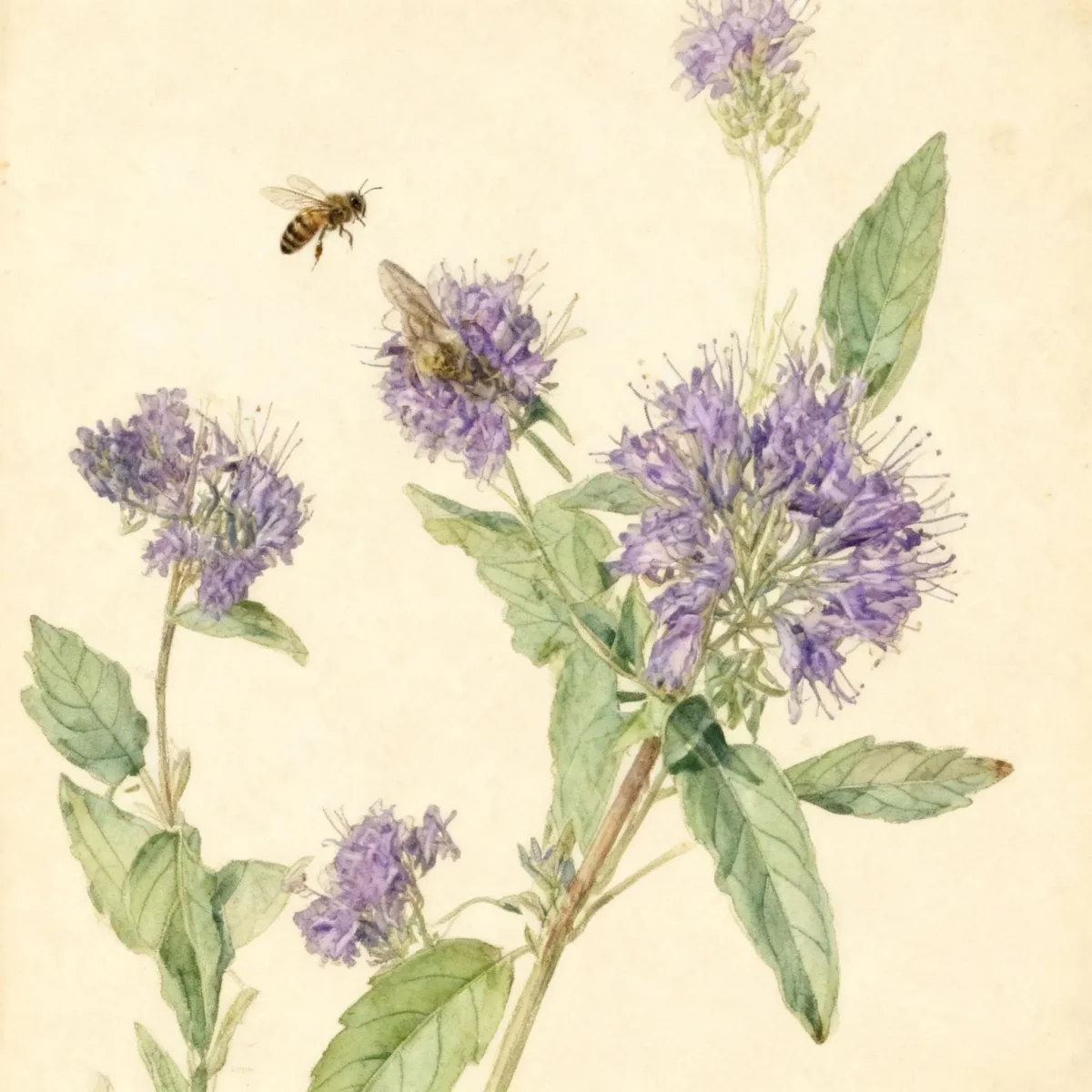
Caryopteris × clandonensis, commonly called bluebeard, is a low-mounded, deciduous shrub valued for its aromatic foliage and late summer flowers that resemble clouds of blue mist. The cultivar ‘Lisaura’ (HINT OF GOLD) is exceptional, featuring superb variegated foliage that is bright golden yellow with defining mint-green margins lasting well into summer. Flowers are very attractive to butterflies, bees, and other beneficial insects, adding vital late-season support to the ecosystem.
Tolerances
- Drought
Potential Problems
Bluebeard generally avoids serious insect or disease issues, making it a robust landscape choice. The primary cultural concern revolves around drainage; crowns are susceptible to rot if the plant is placed in wet, poorly-drained soils. To prevent this, ensure your planting site has excellent drainage, or amend heavy clay soils significantly prior to planting the Caryopteris × clandonensis ‘Lisaura’ HINT OF GOLD.
Frequently Asked Questions
What hardiness zones is Bluebeard suitable for?
Caryopteris × clandonensis ‘Lisaura’ HINT OF GOLD is reliably hardy across USDA Zones 5 through 9, although top growth may require pruning in the colder ends of this range.
How large does Caryopteris × clandonensis ‘Lisaura’ HINT OF GOLD grow?
This cultivar typically matures to a height and spread of 2 to 3 feet, forming a neat, low mound.
What sun exposure does Bluebeard need?
For the best performance, foliage color, and heavy flowering, this Bluebeard variety requires full sun exposure.
When does Caryopteris × clandonensis ‘Lisaura’ HINT OF GOLD bloom?
This shrub provides valuable color from July through September, displaying masses of dark blue flowers on new growth.
Conclusion
The Caryopteris × clandonensis ‘Lisaura’ HINT OF GOLD offers gardeners a unique combination of pest-free structure, aromatic foliage, and crucial late-season dark blue flowers, making it a dependable asset. Its striking golden variegation in the HINT OF GOLD cultivar ensures visual interest even before the blooms appear. Before purchasing, verify that your garden exists within USDA Zones 5-9 and plan for required spring pruning, especially if located in cooler climates.
Companion Planting
When designing borders around Bluebeard, select companions that thrive in full sun and possess similar medium water needs. Plants that bloom earlier in the season, such as certain varieties of Russian Sage (Perovskia), can establish their structure before the Bluebeard fully takes off. Conversely, late-season bloomers like ornamental grasses or late-flowering Coneflowers (Echinacea) can complement the fading bloom cycle. Companion plants that offer contrasting foliage texture—like fine-bladed grasses—work wonderfully next to the broader leaves of the Caryopteris × clandonensis ‘Lisaura’ HINT OF GOLD.
Wildlife Benefits
The late-season nectar provided by the Bluebeard is a critical resource for pollinators navigating the shift toward autumn. The small, dark blue flowers are highly attractive to numerous butterfly species, providing energy reserves needed for migration or overwintering. Furthermore, bees, honeybees, and various beneficial wasps frequently visit the clusters of blooms on Caryopteris × clandonensis ‘Lisaura’ HINT OF GOLD well into September. Planting this shrub strategically helps ensure a continuous food supply for garden inhabitants throughout the late summer period.