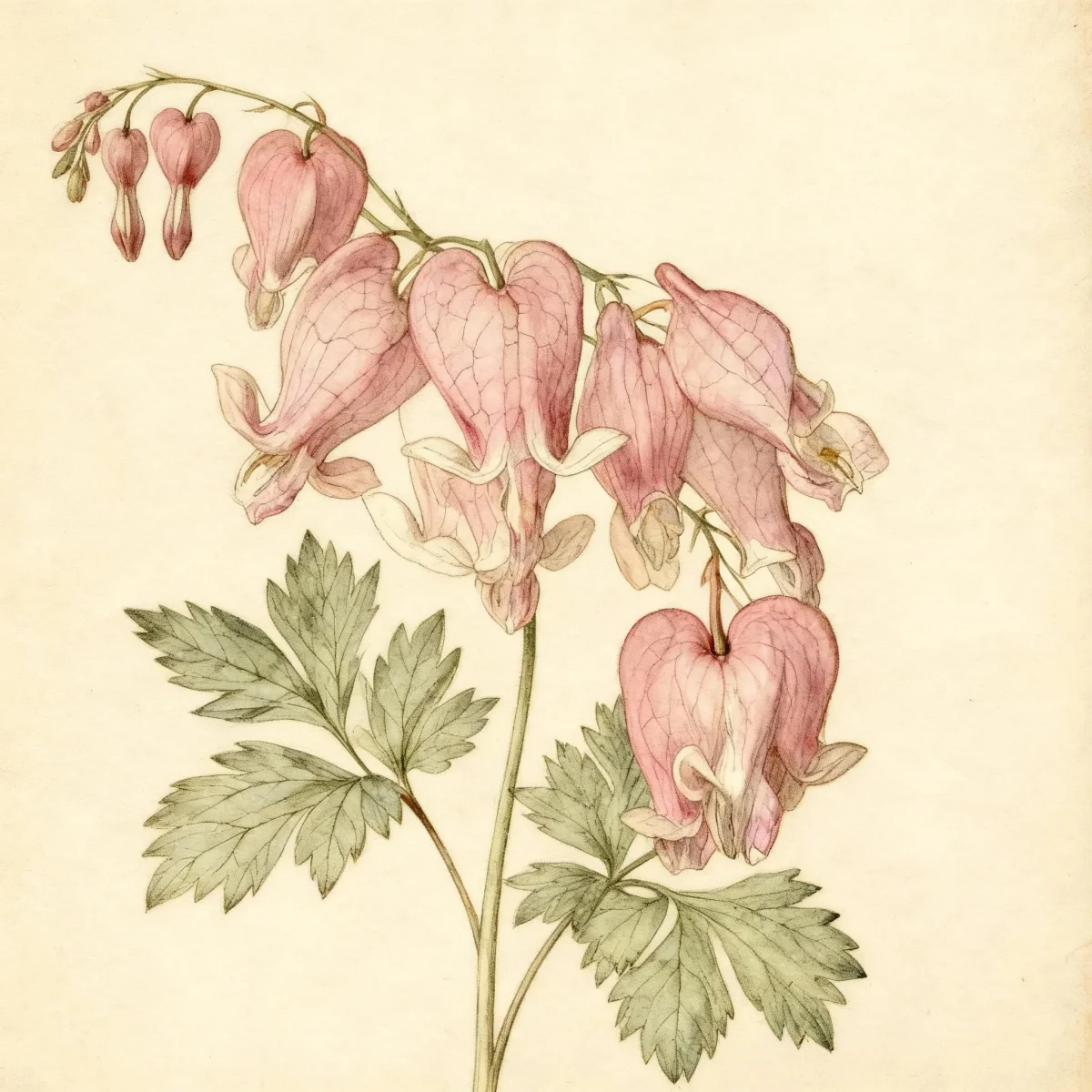
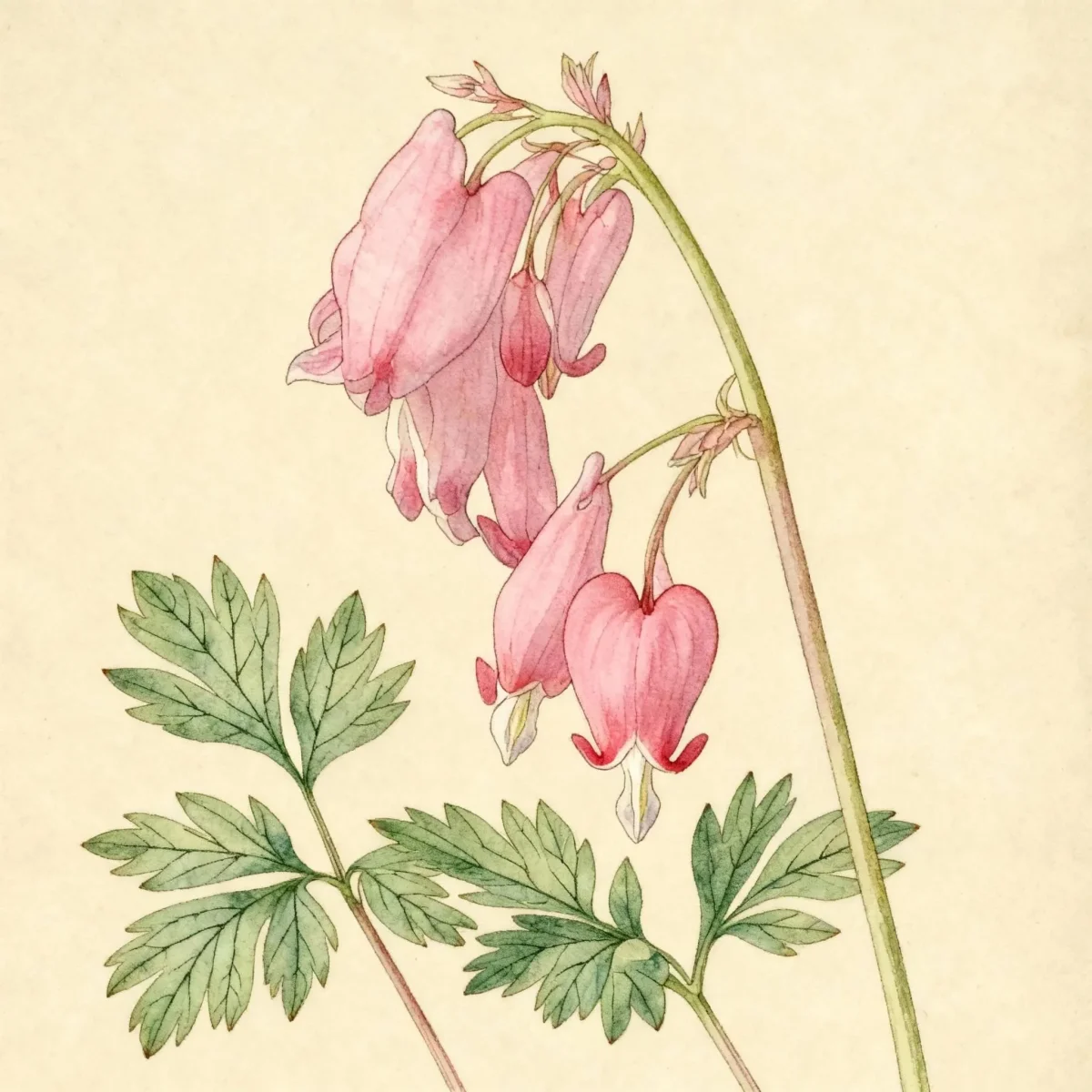
Bleeding heart (Dicentra 'Burning Hearts')
Dicentra 'Burning Hearts' offers extended deep rose-red blooms and ferny blue-gray foliage in USDA Zones 5-9. A low-maintenance favorite.
Scroll down to discover growing tips, care requirements, companion plants, and more
Complete Plant Information
Overview
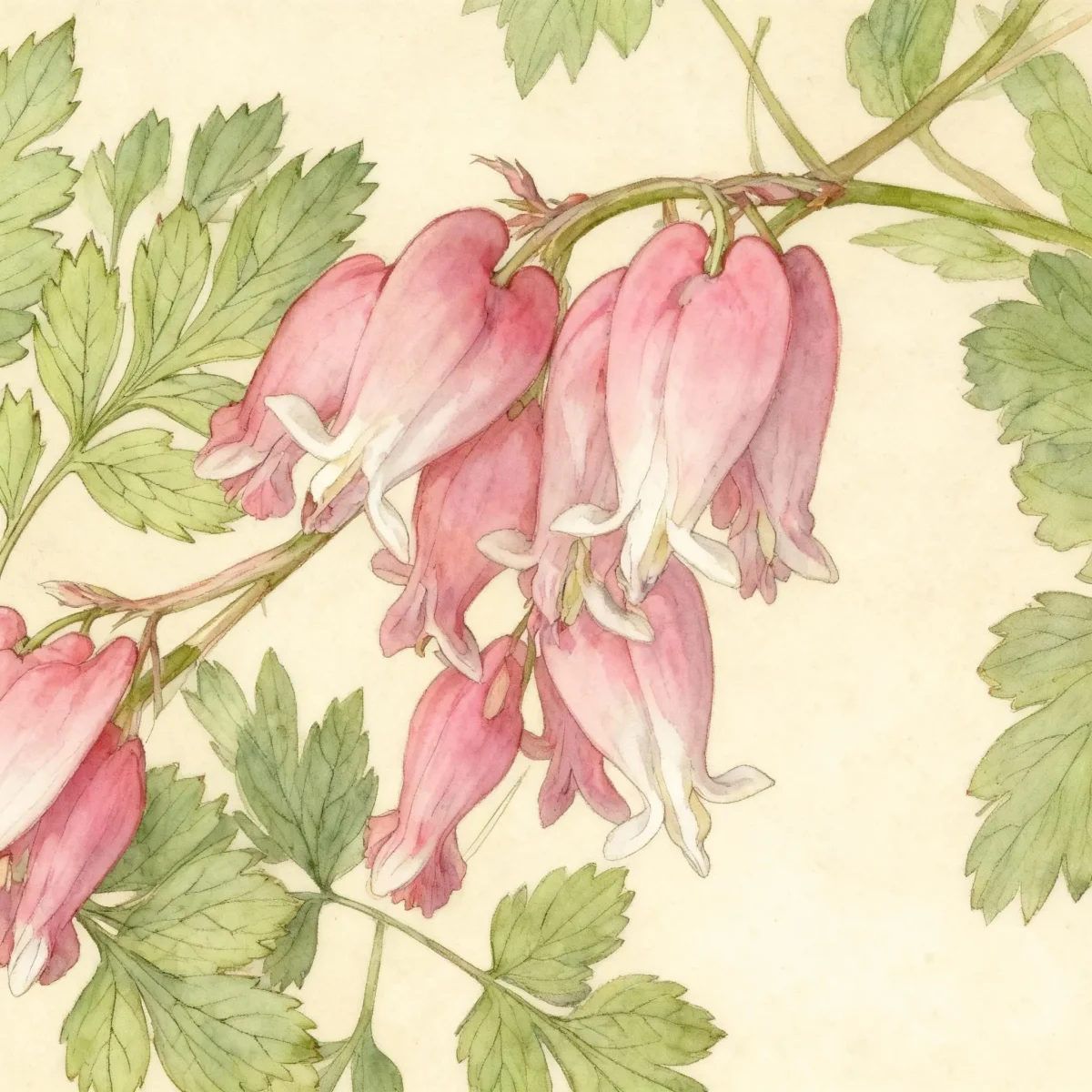
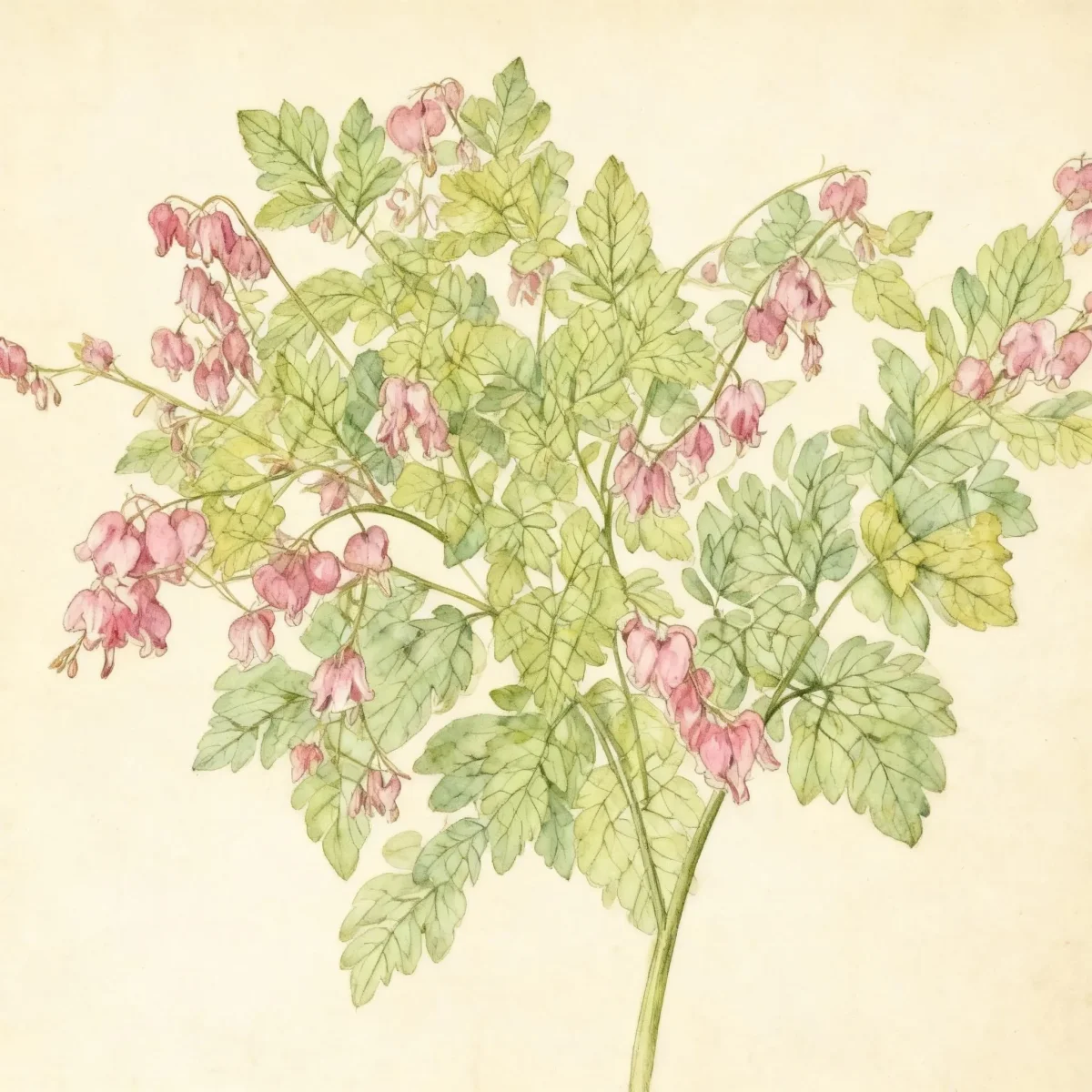
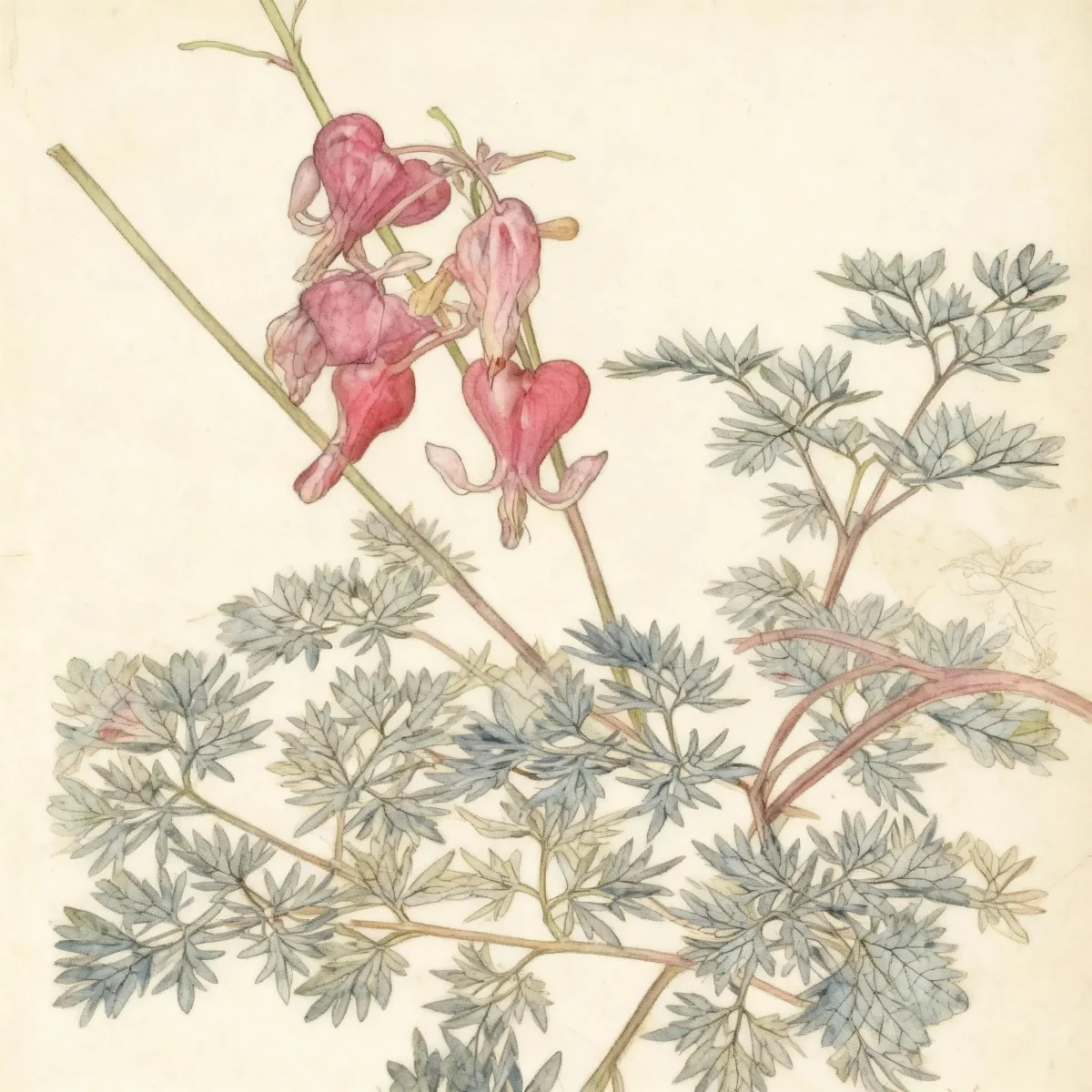
Dicentra ‘Burning Hearts’ is a highly valued herbaceous perennial prized for its striking, bright deep rose-red, heart-shaped flowers that appear above attractive ferny, blue-gray foliage. This cultivar significantly extends the bloom period compared to traditional varieties, offering color from spring well into summer, especially in cooler summers. The genus Dicentra is famous for these classic, nodding blooms that give the common name, Bleeding heart, its charm.
Bred as a hybrid cross, Dicentra ‘Burning Hearts’ exhibits a compact and robust habit, making it exceptionally versatile for shaded garden spaces. It thrives in consistent moisture and rich soil, rewarding gardeners with low maintenance once established in the right conditions. Its beauty lies not just in the flowers, but in the delicate texture of its evergreen-like foliage that persists when blooming slows.
Gardeners seeking reliable, vibrant color for woodland settings or shady borders will appreciate this easy-to-grow perennial. The visual impact of the deep rose-red color against the cool blue foliage ensures Dicentra ‘Burning Hearts’ stands out as a shade garden star, providing elegance and reliable performance across USDA Zones 5 through 9.
Fast Facts
- Plant Family: Papaveraceae
- Plant Type: Herbaceous perennial
- Hardiness Zones: USDA Zones 5-9
- Size at Maturity:
- Height: 0.5-1 ft
- Spread: 0.75-1.5 ft
- Bloom Time: April to July
- Bloom Description: Deep rose red
- Sun Exposure: Part shade
- Water Needs: Medium
- Maintenance Level: Low
How to Grow
Plant Dicentra ‘Burning Hearts’ in the spring or early fall, ensuring the location offers part shade. These plants excel in average, medium-moisture soils, but they particularly prefer areas enriched with humus and richness. Proper drainage is vital, as the plant is intolerant of wet soils, especially during the winter months.
Consistent moisture management is key to maximizing the performance of your Bleeding heart. Water regularly to keep the soil consistently moist, especially during hot, dry spells to prevent the foliage from suffering or the blooms from stopping prematurely. While maintenance is generally low, promptly removing spent flowering stems encourages the plant to put energy into producing additional bloom cycles.
Be aware that in very hot summers, flowering may slow or cease (though rebloom can occur when temperatures cool). In cooler northern climates, the extended bloom time of Dicentra ‘Burning Hearts’ is more reliable throughout the summer. Ensure soil drainage is excellent year-round to prevent root issues that can compromise plant survival.
Landscape Uses
Dicentra ‘Burning Hearts’ truly shines when positioned in areas that receive dappled sunlight or filtered shade, mimicking its native woodland environment. It works beautifully massed together to create continuous coverage along shaded borders or used as an informal edging plant along pathways. The attractive foliage provides structure even when the plant is not actively flowering.
Consider using this variety as a specimen plant to highlight transitional areas of the garden where light levels shift throughout the day. Due to its compact size (up to 1.5 ft wide), it integrates easily into rock gardens or beneath taller, open-canopy shrubs. The rich bloom color provides an excellent contrast to spring-blooming bulbs or late-season hostas.
If you are designing a woodland garden, the lush texture and unique heart shapes of the Bleeding heart make it an essential component. Its manageable size also makes it suitable for large containers situated on shaded patios, provided watering needs are met diligently.
Standout Features
Flower Qualities
- Showy
Noteworthy Characteristics
The genus Dicentra, to which this Bleeding heart belongs, consists of flowering plants native to moist woodland areas in Asia and North America, noted for their pendant, two-spurred, heart-shaped flowers. ‘Burning Hearts’ is a notable hybrid distinguished by its compact form and its extended bloom time, showcasing bright deep rose-red flowers tipped with white against ferny blue-gray leaves. This specific cultivar was bred to achieve a robust habit and superior flower color compared to its D. Peregrina and D. Eximia parents.
Tolerances
- Rabbit
Potential Problems
Dicentra ‘Burning Hearts’ is generally robust, presenting no serious insect or disease problems under ideal conditions. However, plant health hinges on excellent soil drainage; poor drainage is the primary factor leading to susceptibility to wilt diseases such as Verticillium and Fusarium. Slugs and snails may target the tender new growth early in the season, requiring monitoring.
Infestations of aphids are possible, though uncommon enough not to be a major threat. Gardeners should also keep an eye out for common fungal issues like powdery mildew, downy mildew, or rust, which often appear when air circulation is poor or humidity is excessively high. Promptly address moisture issues to maintain the vitality of your Bleeding heart.
Frequently Asked Questions
What hardiness zones is Bleeding heart suitable for?
Dicentra ‘Burning Hearts’ is reliably hardy in USDA Zones 5 through 9.
When does Bleeding heart bloom?
This perennial features a long bloom time, typically running from April through July, displaying deep rose-red flowers.
How large does Dicentra ‘Burning Hearts’ grow?
At maturity, this plant generally reaches a height between 0.5 and 1 foot tall, spreading outward to about 0.75 to 1.5 feet wide.
What sun exposure does Dicentra ‘Burning Hearts’ need?
For best performance, plant this Bleeding heart cultivar in locations receiving part shade.
Conclusion
Dicentra ‘Burning Hearts’ offers unparalleled value for shaded garden spaces, blending long-lasting, intense rose-red blooms with attractive, fine-textured foliage. The low maintenance required for this specific Bleeding heart variety ensures it remains a garden staple for years. Before planting, confirm your garden soil provides the required medium moisture and excellent drainage, then enjoy the season-long charm of your Dicentra ‘Burning Hearts’.
Companion Planting
When selecting companions for Dicentra ‘Burning Hearts’, focus on plants that share similar cultural needs for part shade and consistent moisture. Hostas with variegated or dark green foliage create a stunning textural contrast to the delicate, fern-like leaves of the Bleeding heart. Similarly, woodland ephemerals like spring beauty (Claytonia) or various native ferns provide a lush, layered backdrop.
Avoid planting in areas that become totally dry or receive harsh, direct afternoon sun, as these conditions will cause both the Dicentra and its neighbors to struggle. Plants that tolerate similar soil fertility, such as Astilbes or Coral Bells (Heuchera), help create a unified, low-light landscape tapestry throughout the growing season.
Seasonal Care Calendar
Spring care for your Dicentra ‘Burning Hearts’ involves cleaning up any old winter debris and applying a slow-release fertilizer tailored for perennials if your soil is lean. As temperatures rise, maintain even moisture levels, paying close attention during the primary bloom window in April and May.
Summer care centers on monitoring moisture, especially during dry spells, to encourage continued (though potentially slower) flowering. If the main flush of bloom ends, deadheading spent stems keeps the plant tidy and prepares it for potential fall rebloom when cooler weather returns.
In autumn, foliage may start to decline, particularly in warmer zones; this is normal for many woodland perennials. Allow the foliage to naturally die back, providing energy storage for the crown, and only cut down the dead material in late fall or very early spring before new growth begins for this sturdy Bleeding heart variety.