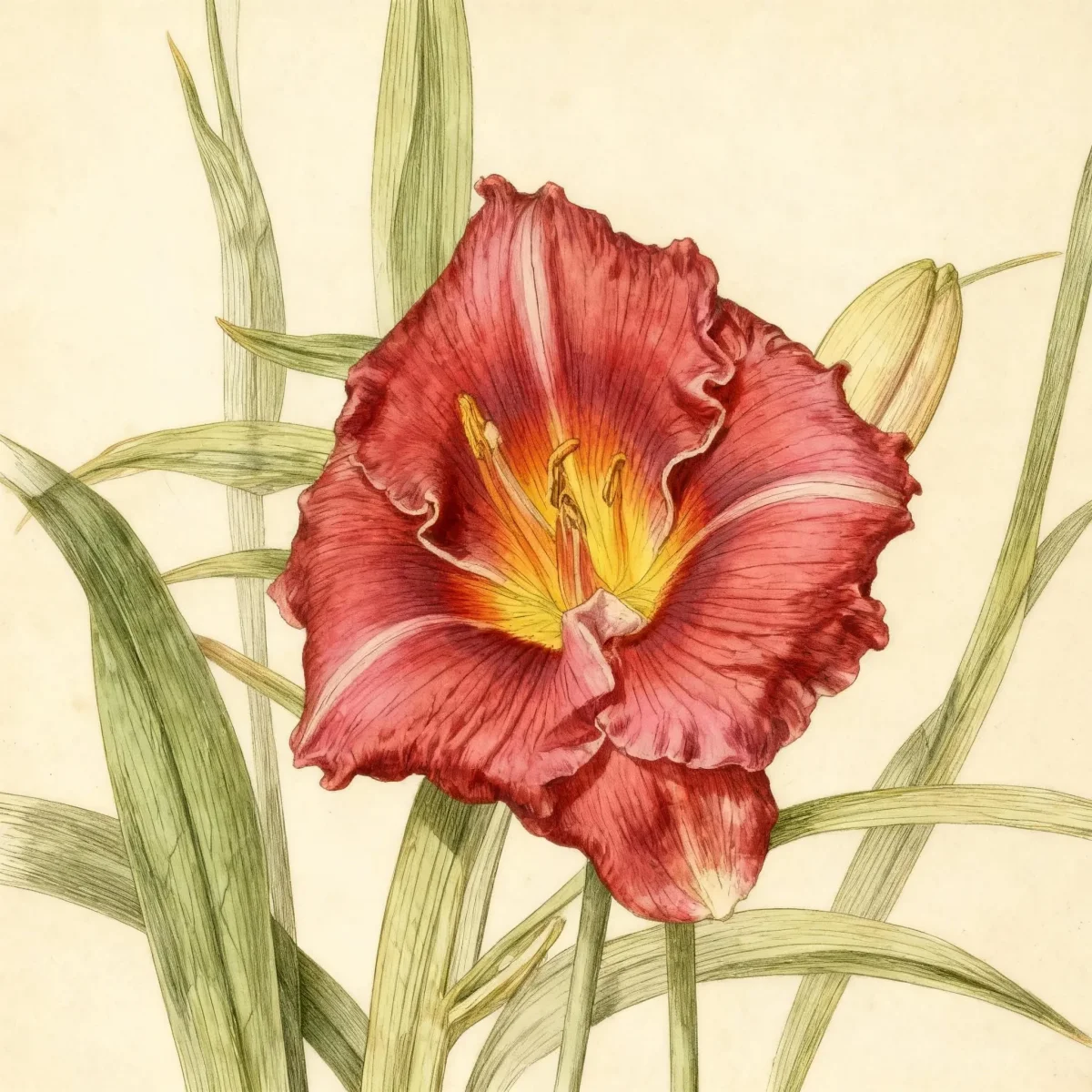
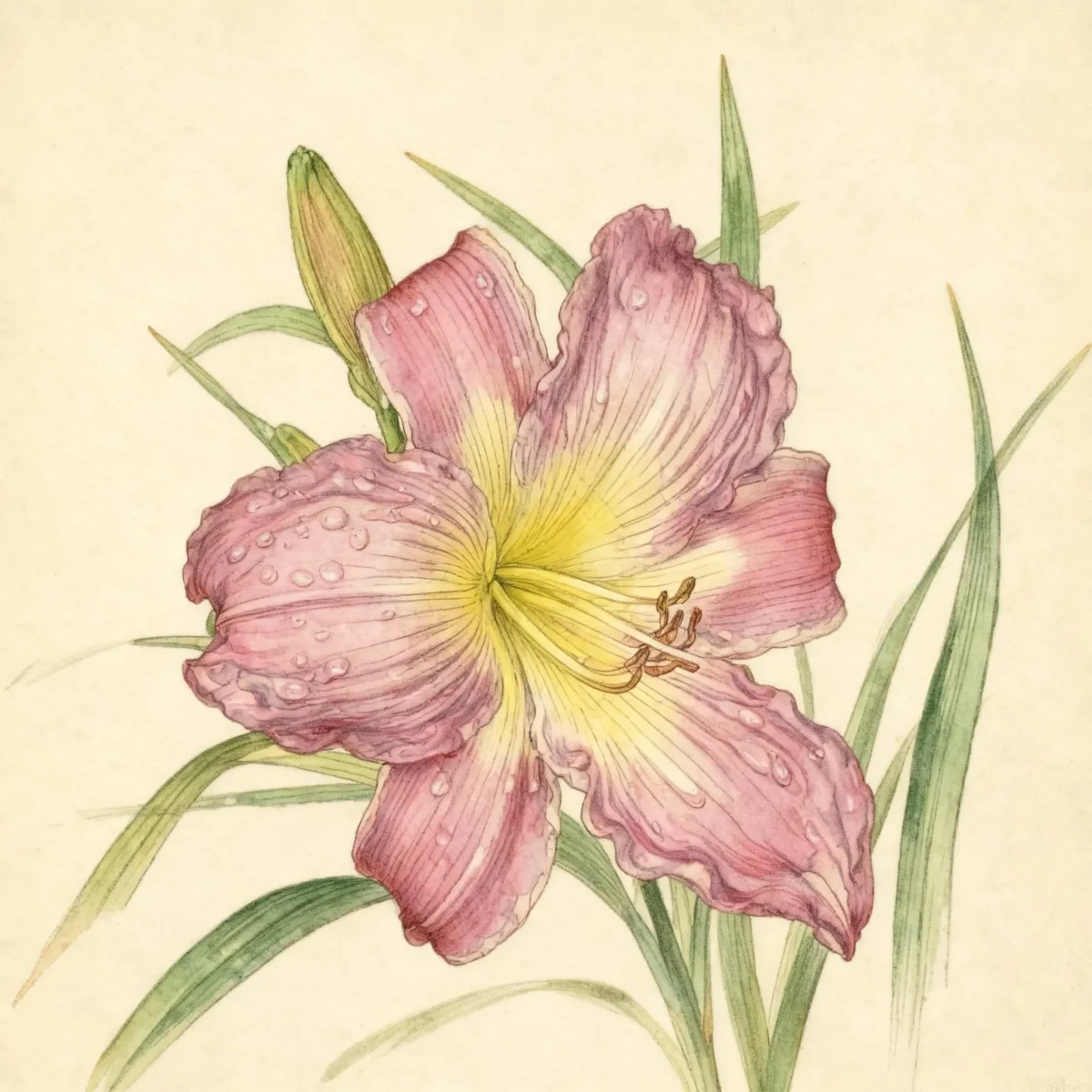
Daylily (Hemerocallis 'Black Stockings')
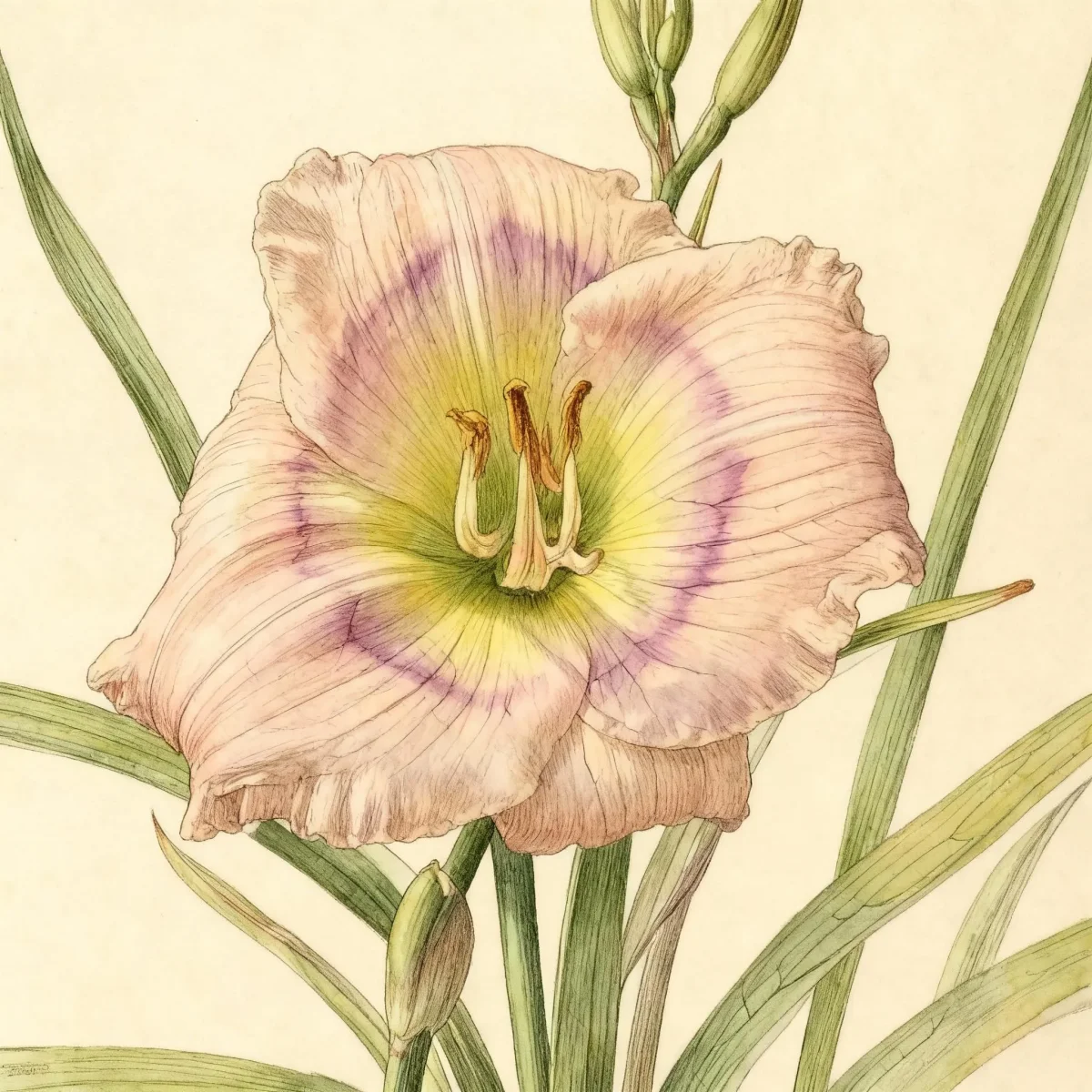
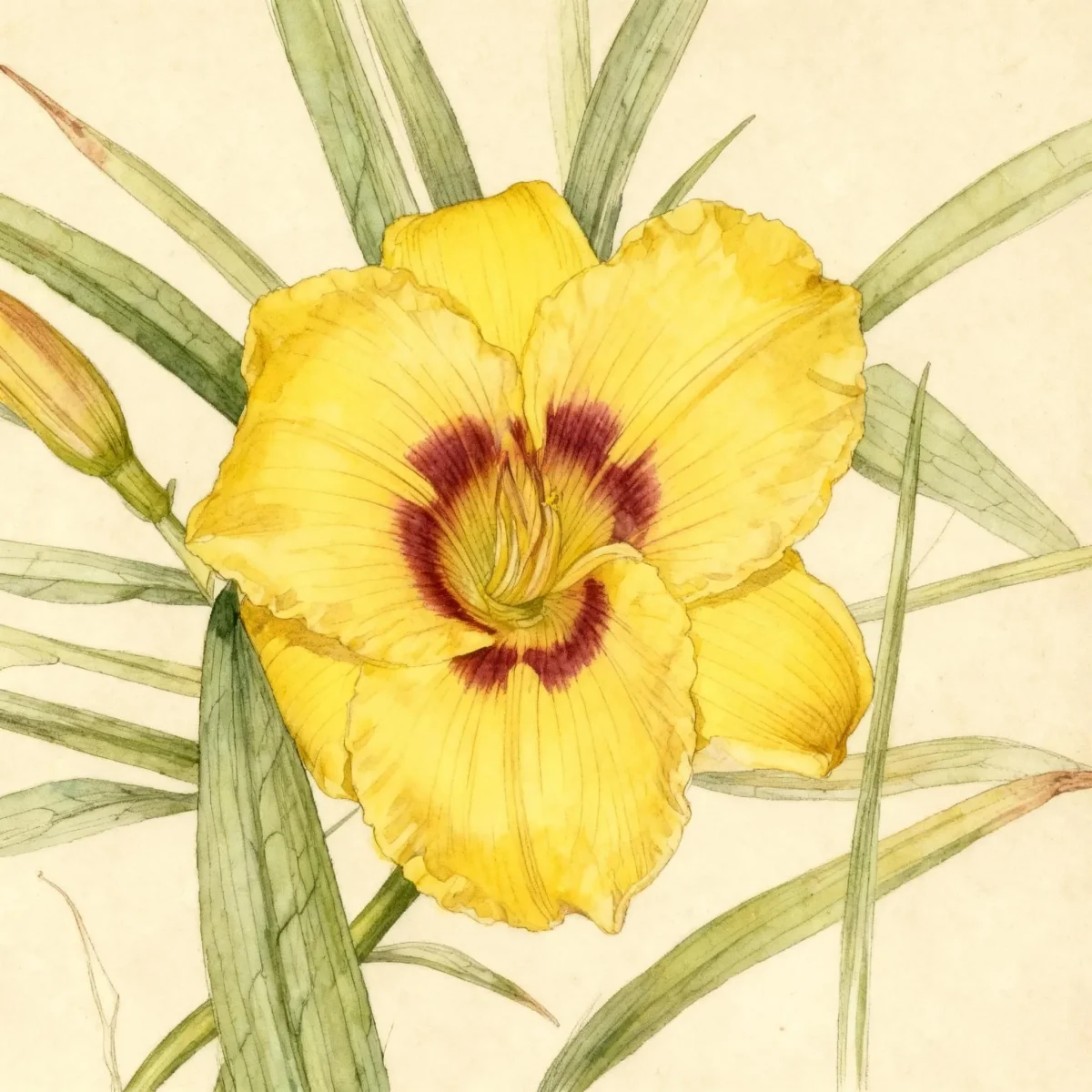
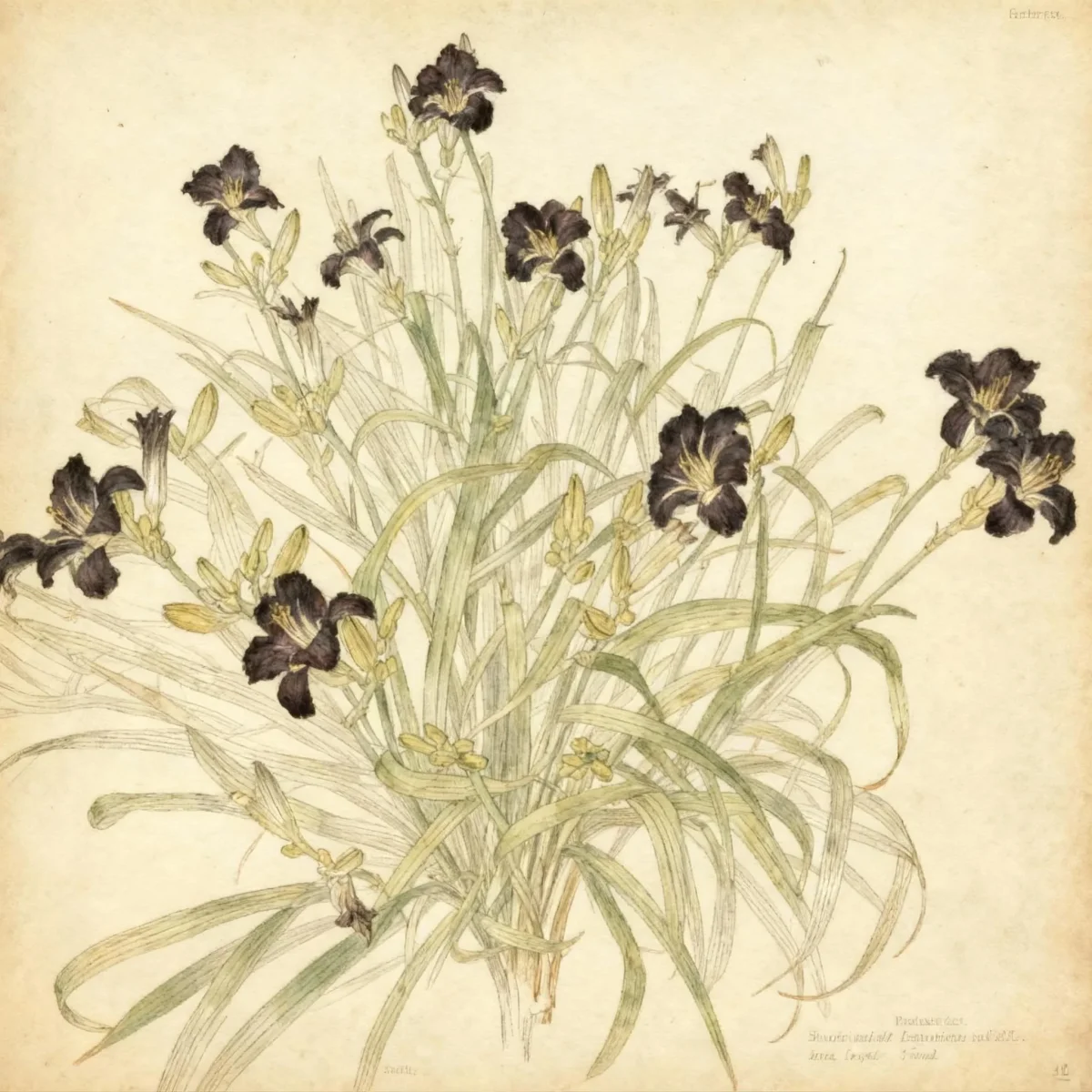
Hemerocallis 'Black Stockings' is a low-maintenance Daylily known for its striking purple-black flowers and green throat.
Scroll down to discover growing tips, care requirements, companion plants, and more
Complete Plant Information
Overview
Hemerocallis ‘Black Stockings’ is a highly sought-after Daylily cultivar prized by gardeners for its dramatic, dark coloration, offering deep purple-black blooms accented by a sharp green throat. As a semi-evergreen, tetraploid variety, it provides robust performance and excellent garden impact throughout the summer months, standing nearly two feet tall on clean, leafless scapes. This Daylily exemplifies the success of modern hybridization, offering reliable flowering in a wide range of conditions.
Growing the Hemerocallis ‘Black Stockings’ is straightforward, making it an ideal choice for both novice and experienced gardeners looking for reliable perennial color. It thrives in full sun to partial shade and adapts well to different soil types, though it prefers deep, fertile, and well-drained loam. The low maintenance required, combined with its striking appearance, solidifies its place as a staple in perennial borders.
The longevity of color provided by the Daylily genus, achieved through successive blooms on each scape, ensures that Hemerocallis ‘Black Stockings’ offers extended visual interest from June into July. Beyond its aesthetic appeal, it offers functional benefits, demonstrating good tolerance to heat, humidity, and even urban air pollution.
Fast Facts
- Plant Family: Asphodelaceae
- Plant Type: Herbaceous perennial
- Hardiness Zones: USDA Zones 3-9
- Size at Maturity:
- Height: 1.5-2 ft
- Spread: 1-1.5 ft
- Bloom Time: June to July
- Bloom Description: Purple-black with green throat
- Sun Exposure: Full sun to part shade
- Water Needs: Medium
- Maintenance Level: Low
How to Grow
Planting Hemerocallis ‘Black Stockings’ is best done in spring or fall in average, well-drained soils, although they are adaptable to many soil compositions, thriving best in deep, fertile loams. Ensure the crown of the plant is situated just at or slightly below the soil line. These Daylilies require medium water, appreciating deep watering during dry spells to maintain attractive foliage, especially when temperatures rise.
Maintenance is generally low, fitting this Daylily perfectly into busy schedules. A simple but important task is deadheading spent flowers daily for neatness; after the bloom cycle completes, remove the entire flower scape close to the base. As winter dormant types, these plants benefit from a cold period; they are less suitable for the very warmest parts of Zone 9.
For optimal performance, plan to divide your Daylily clump every 3 to 4 years, performing this in the spring in colder climates or the fall otherwise. Since this is a hybrid, remember that seed propagation will not yield plants true to the parent cultivar of Hemerocallis ‘Black Stockings’.
Landscape Uses
The bold, dark hues of Hemerocallis ‘Black Stockings’ make it an excellent structural element in landscape design. These herbaceous perennials are wonderfully versatile, perfect for defining borders, lining walkways as edging stones, or massed together for a sweeping tapestry of color. Their manageable height (1.5 to 2 feet) prevents them from overwhelming smaller adjacent plants.
Daylilies integrate seamlessly into mixed perennial borders where textural contrast is desired. Plant them alongside lighter-colored flowers, such as silvery artemisias or pale Echinacea, to make the deep purple-black of the ‘Black Stockings’ flower truly pop. Dwarf cultivars are noted as excellent additions to rock gardens, utilizing their compact growth habit.
When planting in large drifts, the Daylily creates a robust, weed-suppressing groundcover effect. Consider pairing them with complementary foliage plants that offer different leaf shapes, such as ornamental grasses, to enhance their uniform, linear leaves.
Standout Features
Flower Qualities
- Showy
Noteworthy Characteristics
Hemerocallis is a genus of fascinating herbaceous perennials, commonly known as daylilies, native primarily to Asia and Europe. Hybridizers have created over 60,000 registered cultivars, driven by the desire for new colors and patterns, although the characteristic funnel-shaped flower lasts only a single day, hence the common name. Hemerocallis ‘Black Stockings’ specifically is a tetraploid variety featuring flowers often reaching 6 inches across against a backdrop of sword-like green foliage.
Tolerances
- Rabbit
- Erosion
- Air Pollution
Potential Problems
Daylilies are famous for being extremely adaptable and generally pest-free, contributing to their low maintenance appeal. However, minor issues can occasionally arise, such as infestations of mites, aphids, or thrips. Be vigilant for these common pests, treating small outbreaks with horticultural oils or blasts of water.
In humid or wet environments, Daylily rust can sometimes become an issue, presenting as yellow or brownish powdery spots on the foliage. Good air circulation, achieved through proper spacing during planting, is the best prevention method; promptly remove and dispose of infected leaves to prevent spreading. Gardeners will be pleased to know that rabbits typically avoid nibbling on the foliage of the Daylily.
Frequently Asked Questions
What hardiness zones is Daylily suitable for?
Hemerocallis ‘Black Stockings’ is suitable for a wide range, thriving in USDA Zones 3 through 9.
How large does Daylily grow?
This cultivar typically reaches a mature height between 1.5 and 2 feet tall with a spread of 1 to 1.5 feet.
What sun exposure does Daylily need?
For the best bloom production, Hemerocallis ‘Black Stockings’ requires full sun, though it will tolerate partial shade.
When does Daylily bloom?
This Daylily generally blooms from June through July, offering its striking purple-black flowers with a green throat.
Conclusion
Hemerocallis ‘Black Stockings’ remains a valuable perennial for its dramatic, dark blooms and exceptionally low maintenance requirements. For gardeners seeking reliable summer color, integrating this tough Daylily into borders offers immediate high impact. Ensure your growing location falls within USDA Zones 3-9 and plan for spring or fall planting to best establish your new Hemerocallis ‘Black Stockings’.
Companion Planting
Selecting suitable neighbors is key to maximizing the visual appeal of the dark blooms of Hemerocallis ‘Black Stockings’. Companion plants should ideally offer contrasting textures or colors without competing too aggressively for resources. Consider pairing them with silvery foliage plants, such as Lamb’s Ears (Stachys byzantina) or Russian Sage (Perovskia atriplicifolia), whose cool tones provide a stunning contrast to the deep purple-black flowers.
Plants that prefer similar sun and water conditions thrive alongside this Daylily. Good partners include coneflowers (Echinacea), salvias, and ornamental grasses, which add vertical structure. Since Daylilies prefer to be divided every few years, choose neighbors that are also manageable or that can tolerate spring root disturbance.
Seasonal Care Calendar
Spring preparation for your Daylily involves cutting back any remaining old foliage if the previous winter caused significant dieback, especially in colder zones. Apply a balanced, slow-release fertilizer around the time new green shoots emerge, focusing application around the base rather than directly on the crown. Summer care centers on deadheading the spent blossoms daily to encourage maximum bud production and maintaining consistent moisture levels, especially during heat waves.
As fall approaches, focus on cleanup. Remove spent flower scapes and any yellowing foliage to keep the clump tidy before winter dormancy sets in. In very cold sections of Zones 3 or 4, applying a light layer of mulch after the ground freezes can help insulate the crowns of your Hemerocallis ‘Black Stockings’, though Daylilies are generally very cold-hardy.