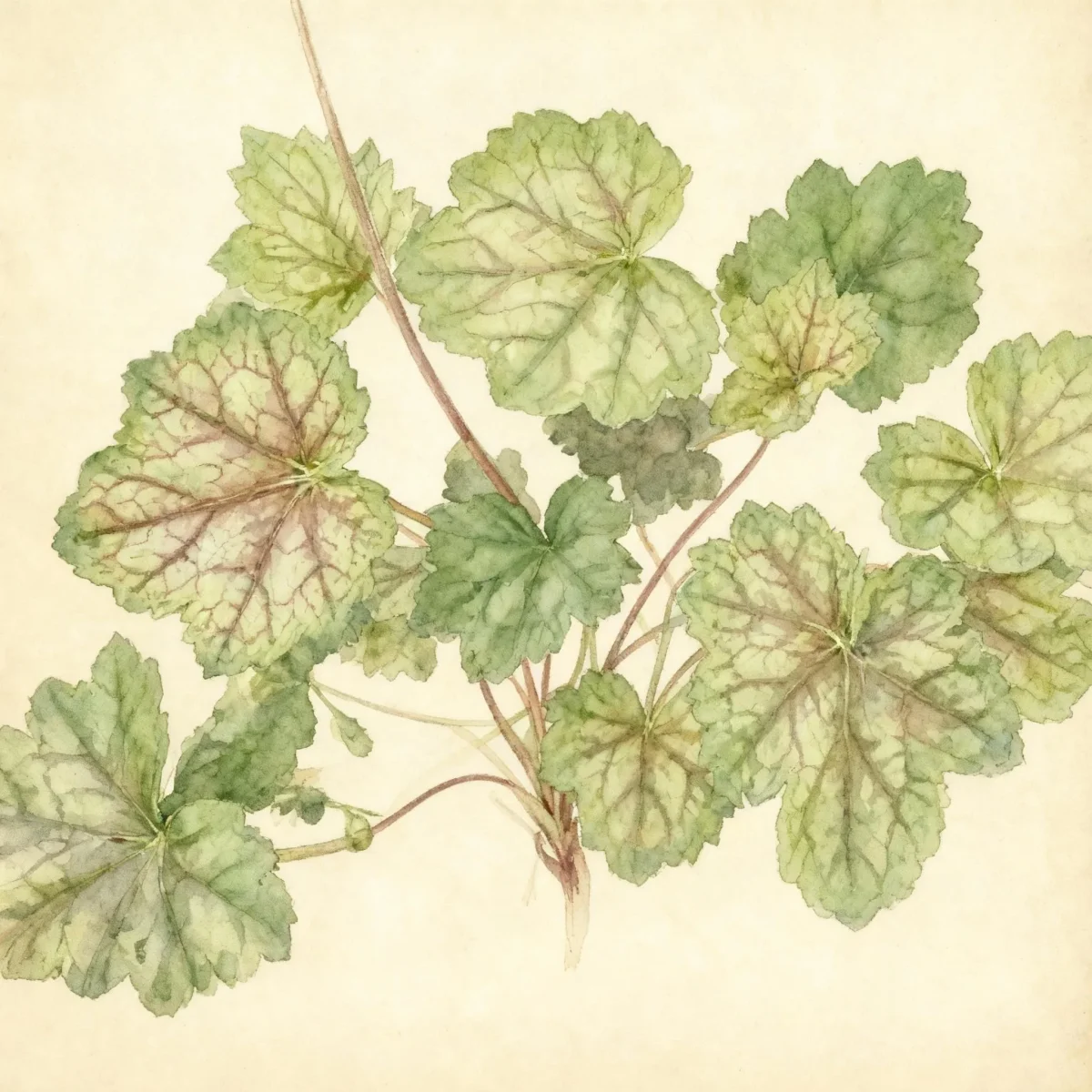
Coral bells (Heuchera 'Hercules')
Heuchera 'Hercules' (Coral bells) offers rounded, marbled foliage and scarlet red summertime blooms in zones 4-9.
Scroll down to discover growing tips, care requirements, companion plants, and more
Complete Plant Information
Overview
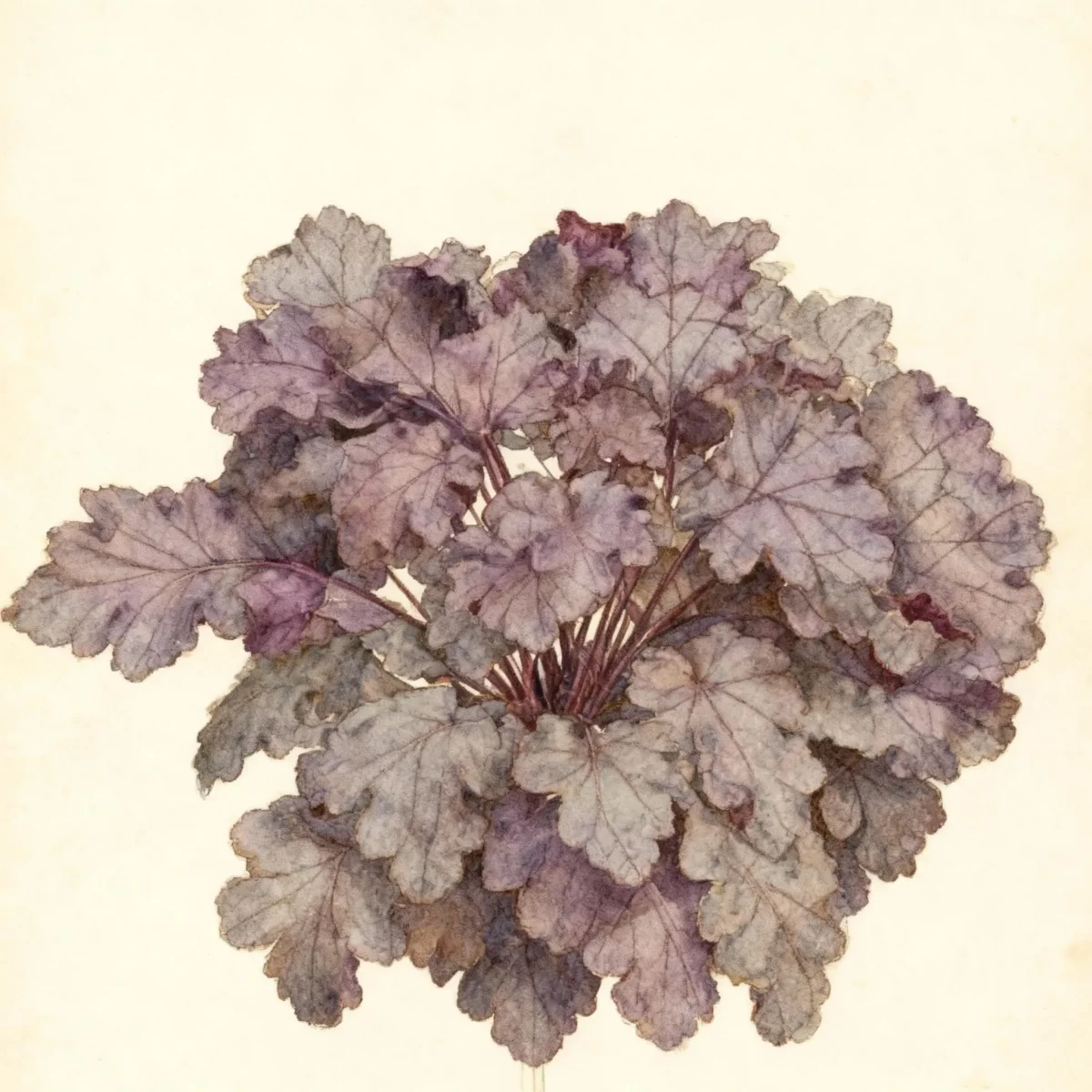
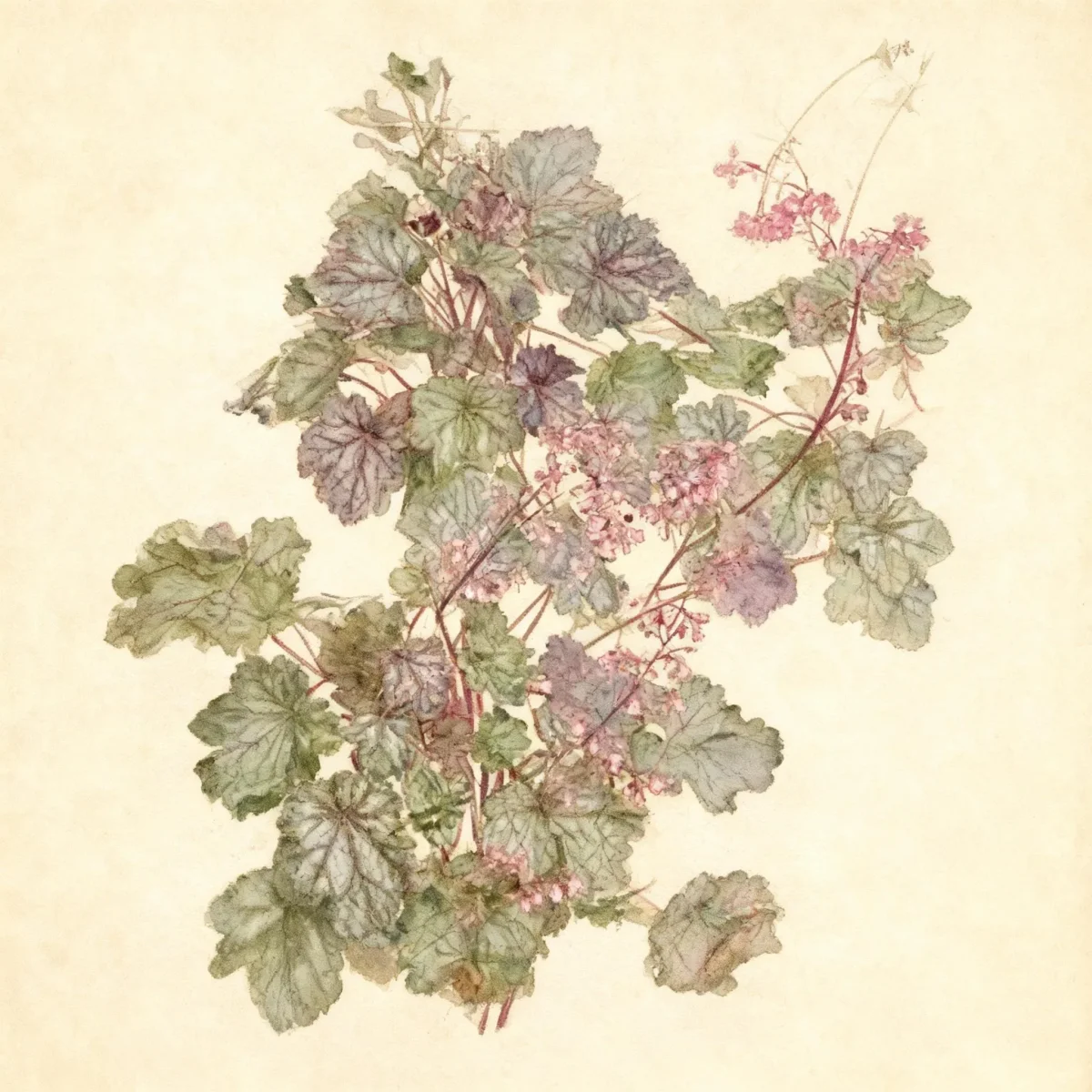
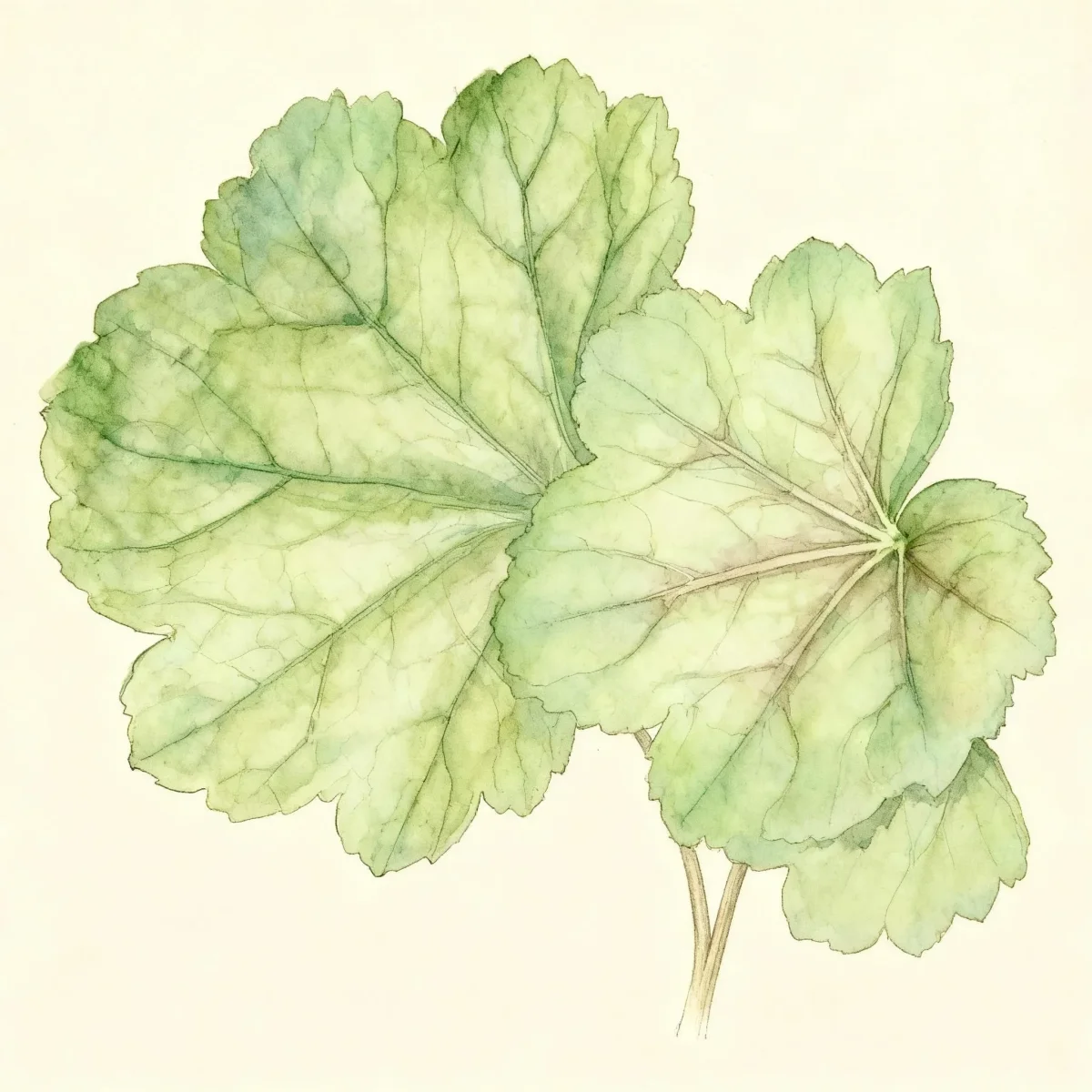
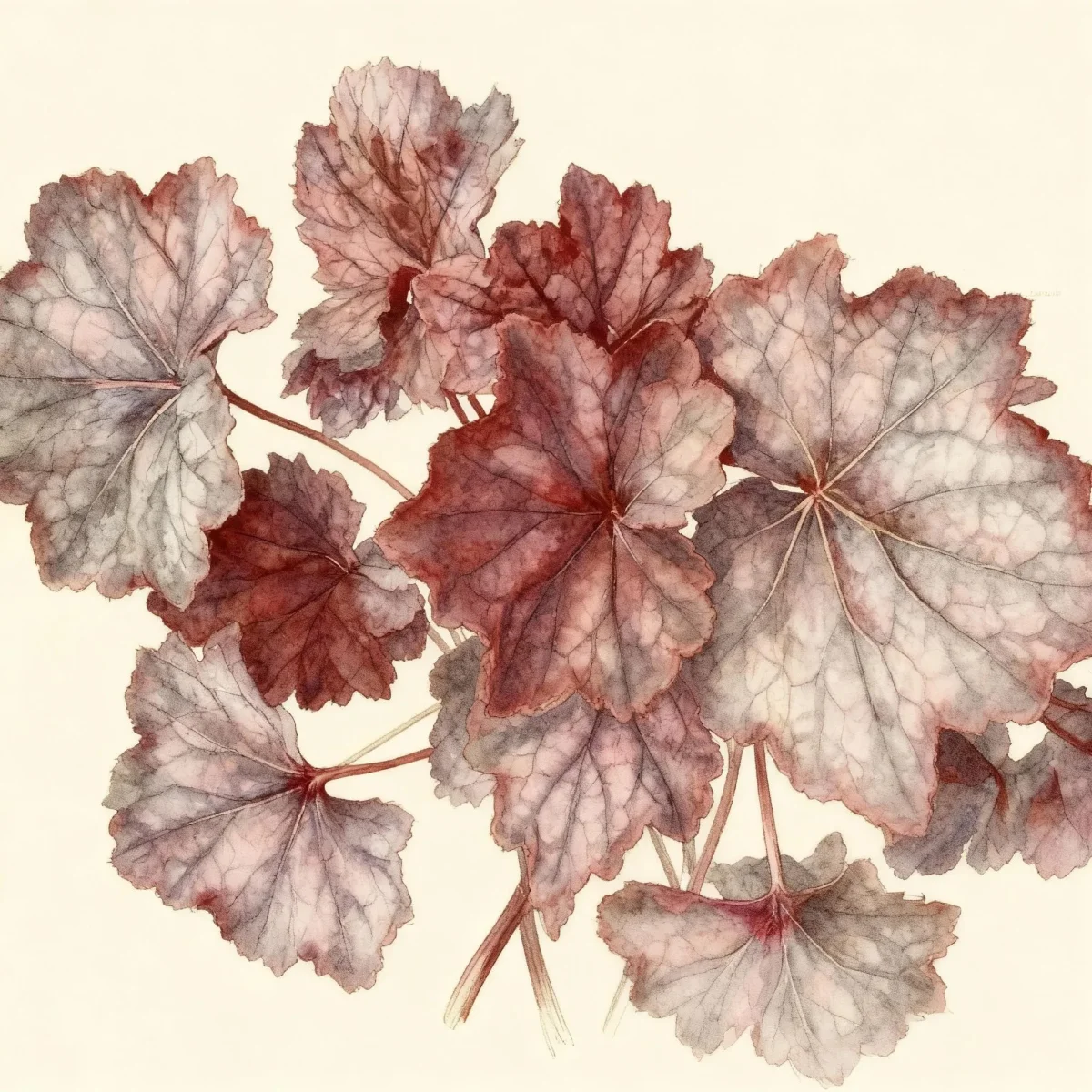
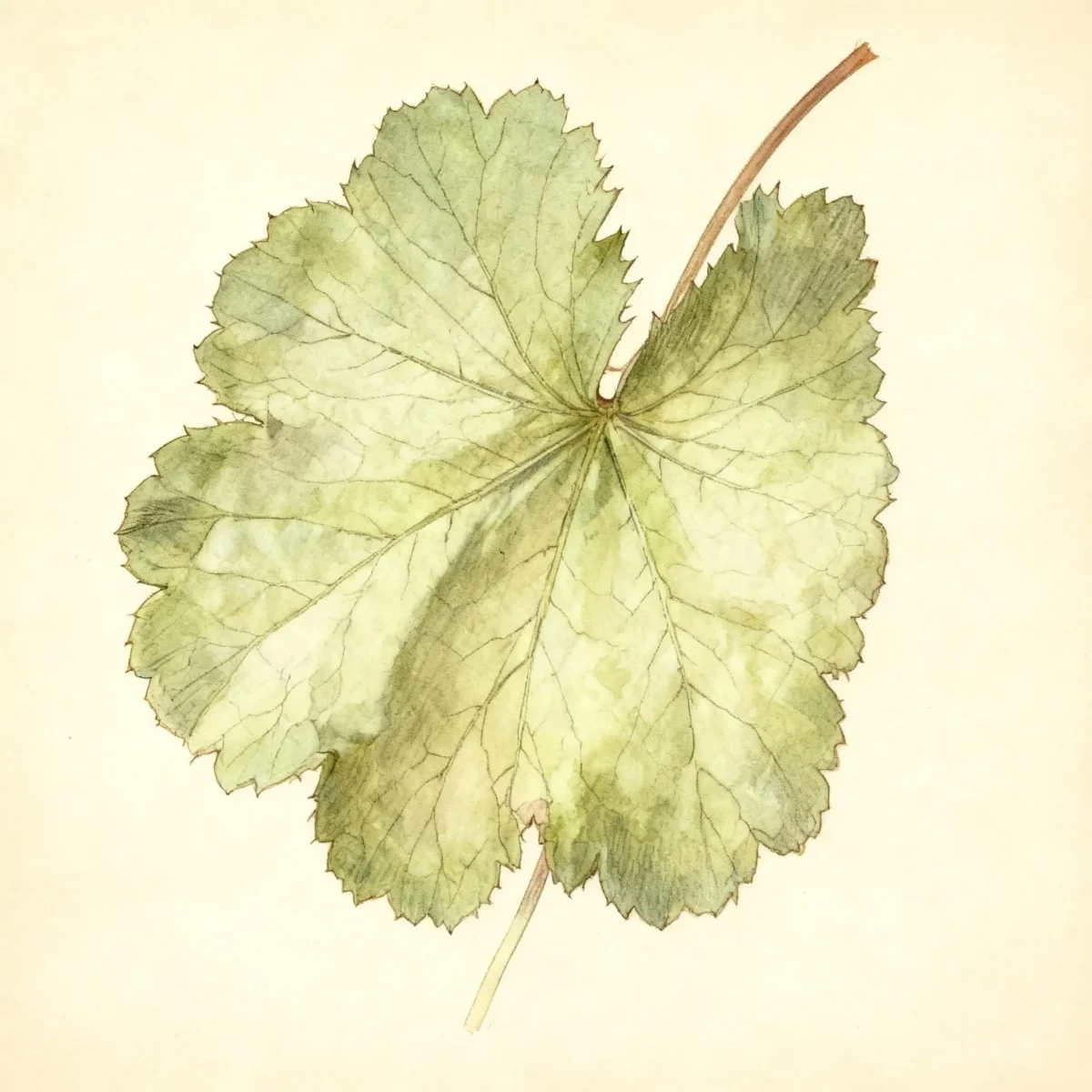
Heuchera ‘Hercules’, commonly known as Coral bells, is a clump-forming herbaceous perennial valued for its distinctive, patterned foliage and the delicate splash of summer color it provides. The striking, rounded leaves are marbled with shades of green and cream, offering textural interest long before the flowers emerge. This hybrid exhibits excellent performance, retaining good color throughout the entire growing season in its preferred environments.
As a relatively compact plant, Heuchera ‘Hercules’ forms neat basal mounds, typically reaching up to 15 inches high before its flower scapes extend further. It bridges the gap between flowering perennials and foliage anchors, providing consistent visual appeal in shaded or partially sunny garden spaces. Gardeners appreciate coral bells for their versatility and relatively straightforward care requirements when conditions match their preference for rich, well-drained soil.
Whether used near a woodland edge or planted along a shaded walkway, Heuchera ‘Hercules’ brings sophisticated texture to the landscape. Its reliable structure and pleasant, though subtle, scarlet red blooms in early summer make it a dependable choice for consistent garden performance across USDA Zones 4 through 9.
Fast Facts
- Plant Family: Saxifragaceae
- Plant Type: Herbaceous perennial
- Hardiness Zones: USDA Zones 4-9
- Size at Maturity:
- Height: 0.75-1.5 ft
- Spread: 0.75-1.5 ft
- Bloom Time: June to July
- Bloom Description: Scarlet red
- Sun Exposure: Full sun to part shade
- Water Needs: Medium
- Maintenance Level: Medium
How to Grow
Plant Heuchera ‘Hercules’ during the cooler parts of the season—spring or fall—to allow the roots to establish without the stress of summer heat. These coral bells perform best in organically rich, humusy soil that maintains medium moisture levels but drains exceptionally well. While parentage dictates exact preferences, most hybrids thrive with partial shade, especially protection from intense afternoon sun, which prevents leaf scorch.
Consistent moisture is especially critical if you choose to grow Heuchera ‘Hercules’ in a location that receives full sun, a possibility in northern climates. Allow the soil to dry slightly between waterings, but never allow the soil to become bone dry, which stresses the plant. Prune off the slender stems bearing the faded scarlet red flowers to encourage any potential repeat blooming throughout late summer.
Foliage often remains evergreen in warmer winter regions, providing valuable winter structure. In colder areas, protect the root zone by applying a layer of winter compost mulch only after the ground freezes solid to minimize the risk of root heaving caused by freeze-thaw cycles. Plan to divide large clumps of your Heuchera ‘Hercules’ every three to four years in the spring to maintain vigor and size.
Landscape Uses
Heuchera ‘Hercules’ excel when planted in groups, creating masses of marbled texture where solid green foliage might otherwise dominate. Their moderate size (up to 1.5 feet wide) makes them highly effective when used as an edger along winding paths or formal walkways, clearly defining the garden edge with year-round color. Consider placing them in rock gardens where excellent drainage is naturally provided or utilizing them in open woodland garden settings beneath high canopy trees.
When selecting companions for your coral bells, look for plants that share similar soil and moisture needs, preferring dappled light. Ferns provide a wonderful feathery contrast to the rounded leaves of Heuchera ‘Hercules’. Hostas, especially those with blue or chartreuse foliage, also pair beautifully, setting off the green and cream marbling of this specific Huchera cultivar.
These plants integrate seamlessly into mixed perennial borders, providing crucial mid-layer structure. Because the foliage remains attractive even when not blooming, use Heuchera ‘Hercules’ beneath taller, fleeting spring bloomers like peonies or irises to ensure the garden display remains colorful throughout the summer resting period.
Flower Qualities
- Showy
Noteworthy Characteristics
Heuchera, commonly called alumroot, is a genus native to North America, encompassing about 55 species of semi-evergreen and evergreen herbaceous perennials. Modern hybrids utilize species like H. Sanguinea and H. Villosa, resulting in an expanded palette of leaf colors, often featuring variegation and contrasting veins. Heuchera ‘Hercules’ is specifically noted for its clump-forming habit, featuring rounded leaves marbled beautifully with green and cream, topped with small, scarlet red flowers in airy panicles during late spring to early summer.
Tolerances
Potential Problems
The main cultural challenge for Heuchera ‘Hercules’ involves winter fluctuations, as frost heaving of roots can occur during periods of wide temperature swings. Culturally, ensure consistent moisture, as allowing the soil to dry out can lead to foliage decline or scorching, especially if the plant receives more sun. While Heuchera ‘Hercules’ has good resistance to powdery mildew, watch for potential issues like rust or bacterial leaf spot, which are exacerbated by poor air circulation or overly wet conditions.
To manage potential insect pests, be aware of weevils and foliar nematodes, though these are typically minor concerns in a well-maintained garden setting. Proactive cultural care—providing rich, well-draining soil and appropriate shade—is the best defense against most fungal or pest problems affecting your coral bells.
Frequently Asked Questions
What hardiness zones is Coral bells suitable for?
Heuchera ‘Hercules’ is hardy and adaptable, thriving in USDA Zones 4 through 9.
How large does Heuchera ‘Hercules’ grow?
This cultivar typically forms a foliage mound reaching 0.75 to 1.5 feet in height and spreading to a similar width of 0.75 to 1.5 feet.
When does Coral bells bloom?
Heuchera ‘Hercules’ produces its characteristic scarlet red bell-shaped flowers from June to July.
What sun exposure does Heuchera ‘Hercules’ need?
This plant prefers full sun to part shade, but gardeners should ensure consistent moisture if the plant is positioned in a location receiving full sunlight.
Conclusion
Heuchera ‘Hercules’ stands out as a premier foliage perennial, offering reliable texture and sophisticated marbling that brightens shady garden corners year-round. The combination of its architectural basal mound and the mid-summer display of scarlet red blooms confirms its value as a cornerstone plant. Before planting, confirm that your site in Zones 4-9 provides the humus-rich, well-drained soil that these desirable coral bells require for optimal health.
Companion Planting
When selecting partners for Heuchera ‘Hercules,’ focus on creating textural and color contrast while maintaining similar soil moisture needs. Plants that enjoy part shade and rich soil will complement this cultivar perfectly. Consider large-leaved Hostas, which offer broad, smooth foliage that juxtaposes nicely against the finely textured, marbled leaves of the coral bells.
For vertical interest, spring ephemeral bulbs like Daffodils or early-blooming Alliums can provide height that fades just as the Heuchera ‘Hercules’ foliage mound fills out completely. Low-growing, shade-tolerant groundcovers, such as certain varieties of Creeping Jenny (Lysimachia nummularia) with bright yellow leaves, work well to weave between groups of coral bells at the edge of a border.
Propagation Tips
As a commercially produced hybrid, Heuchera ‘Hercules’ is almost exclusively propagated through division rather than seed, as seed-grown plants rarely revert true to the parent’s complex traits. The best time to divide clumps is in the spring just as new growth begins to emerge, or in early fall before the ground hardens.
Carefully dig up the established clump of Heuchera ‘Hercules’ and gently tease the root ball apart. Ensure each new division has a healthy set of roots attached to several nodes or crowns. Replant these divisions immediately at the same depth they were previously growing, ensuring adequate space for them to become established as new, individual coral bells specimens.