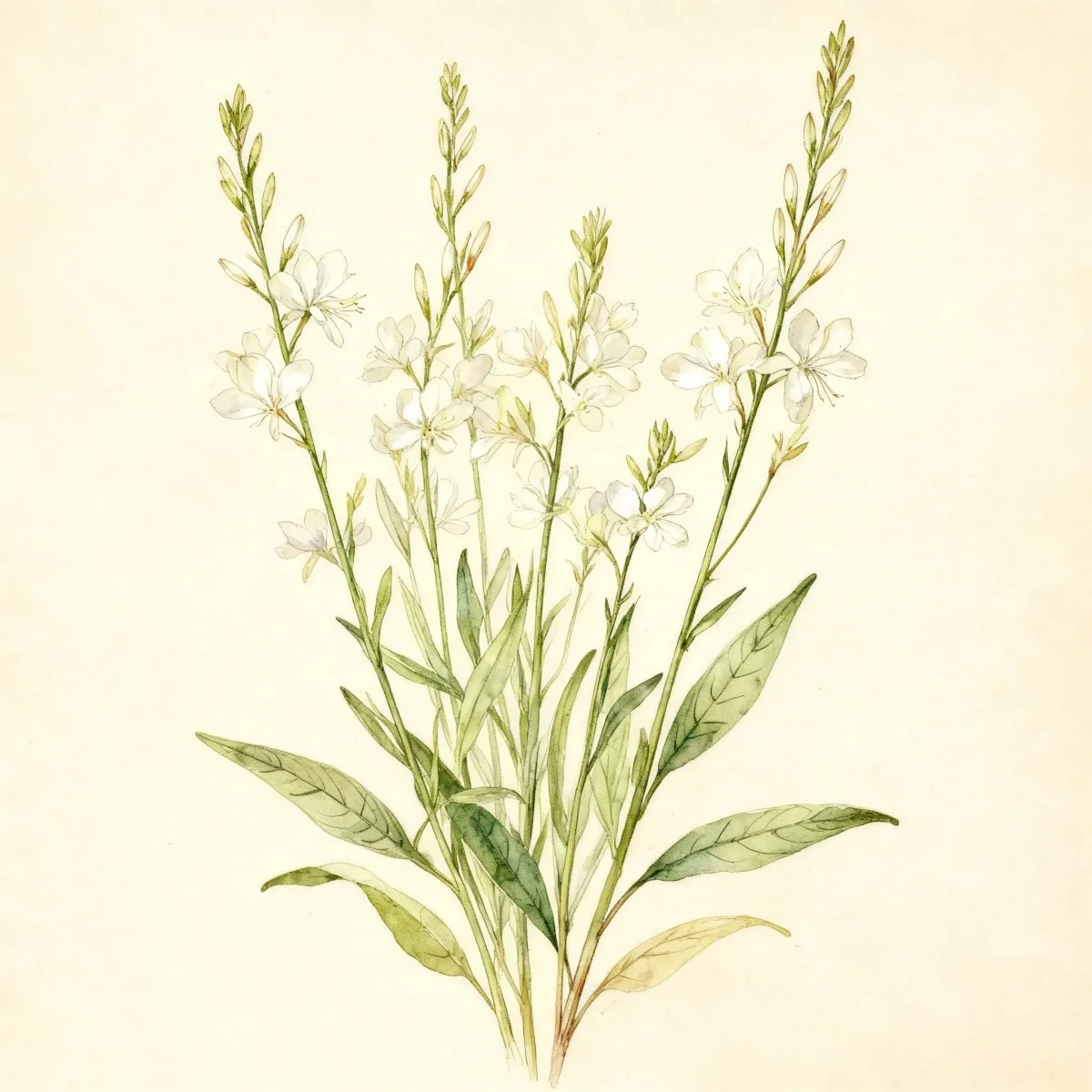
Gaura (Gaura lindheimeri 'Baltinblus' BALLERINA BLUSH)
Discover Gaura lindheimeri 'Baltinblus' BALLERINA BLUSH, a showy, medium-maintenance perennial offering blush-pink blooms from May to August in sunny borders.
Scroll down to discover growing tips, care requirements, companion plants, and more
Complete Plant Information
Overview
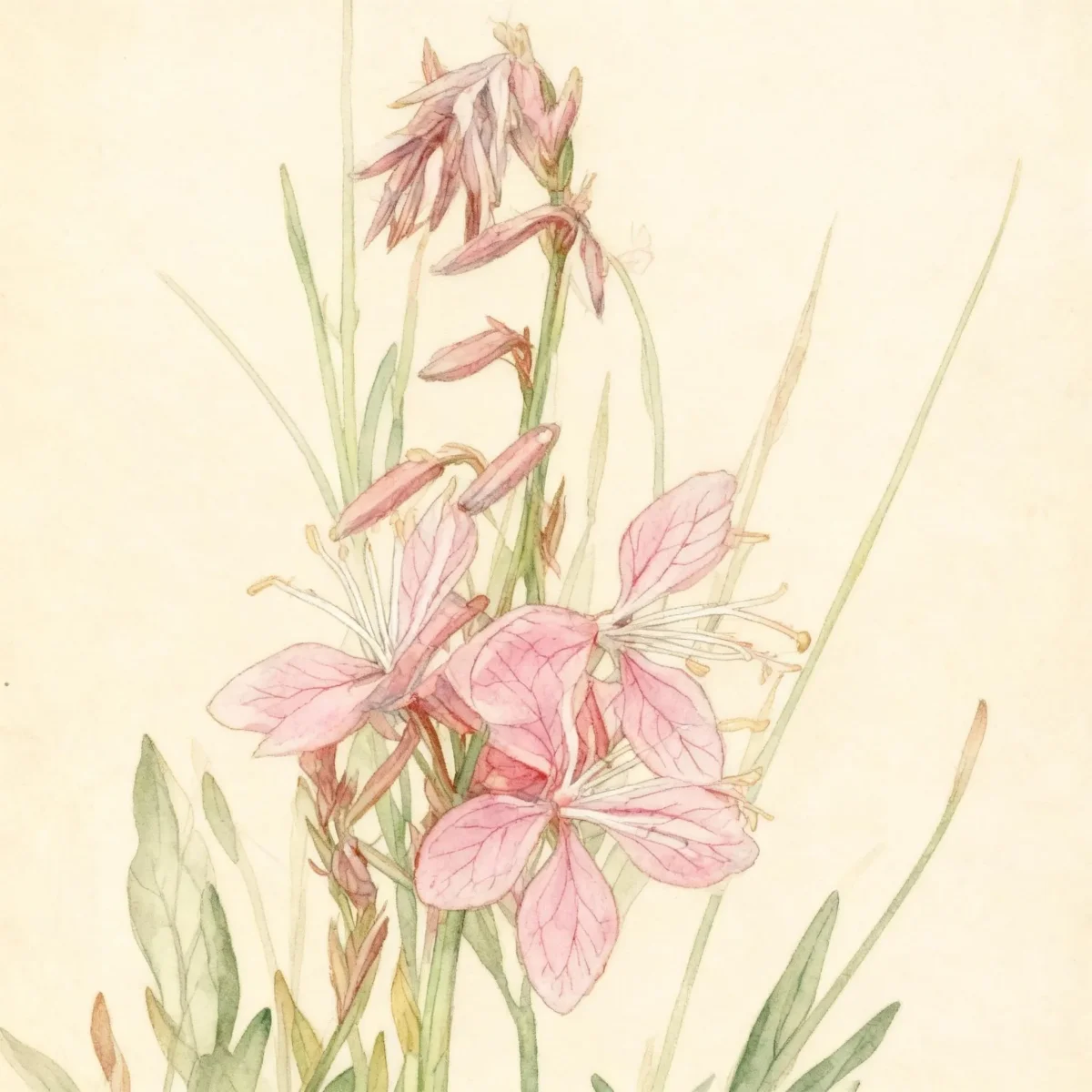
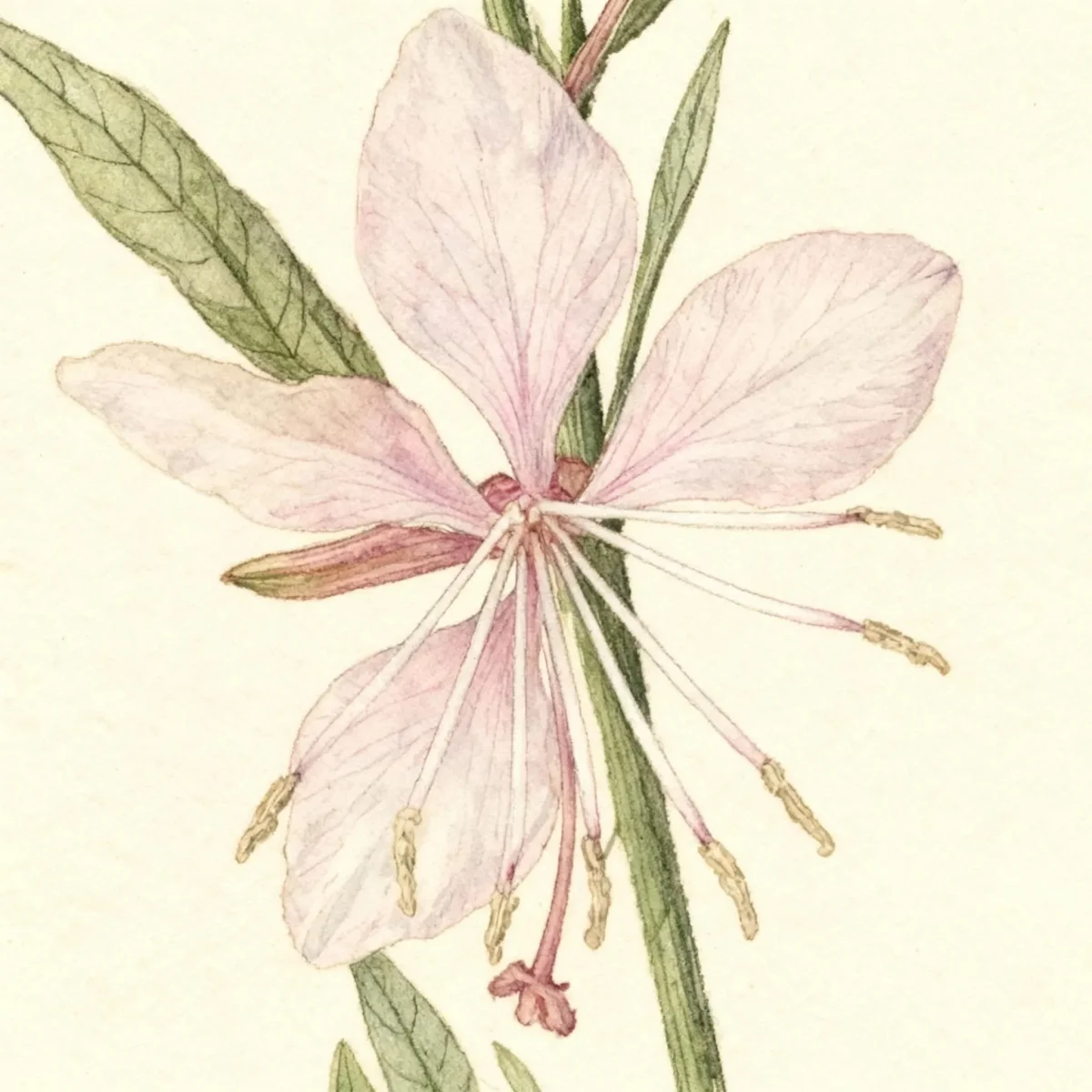
Gaura lindheimeri ‘Baltinblus’ BALLERINA BLUSH provides airy texture and charming movement in the garden, making it a highly valued performer. This cultivar, part of the compact Ballerina Series, features four-petaled, blush-pink flowers that appear continuously from late spring through summer. Its delicate blossoms flutter in the slightest breeze, resembling dancing butterflies atop wiry stems.
As a herbaceous perennial native to Texas and Louisiana, this specific Gaura variety offers excellent tolerance to heat, humidity, and periods of drought once established. This resilience makes the Gaura lindheimeri ‘Baltinblus’ BALLERINA BLUSH an ideal choice for sunny, challenging locations where other perennials might struggle. Gardeners appreciate its refined structure and long bloom period.
The overall effect of planting Gaura lindheimeri ‘Baltinblus’ BALLERINA BLUSH is one of lightness and elegance, contrasting beautifully with bold-textured shrubs or mass plantings of shorter perennials. It brings continuous color interest throughout the hottest months, living up to the genus name Gaura, meaning “superb.”
Fast Facts
- Plant Family: Onagraceae
- Plant Type: Herbaceous perennial
- Hardiness Zones: USDA Zones 5-9
- Size at Maturity:
- Height: 1-2 ft
- Spread: 0.75-1.5 ft
- Bloom Time: May to August
- Bloom Description: Blush pink
- Sun Exposure: Full sun
- Water Needs: Medium
- Maintenance Level: Medium
How to Grow
Plant Gaura lindheimeri ‘Baltinblus’ BALLERINA BLUSH in spring after the danger of hard frost has passed. The absolute key to success is soil quality: this plant demands sandy, loamy, or gravelly soil that drains exceptionally well. Good drainage is essential, as poor drainage will quickly lead to root rot. Choose a site receiving full sun exposure for the best flowering performance; while it tolerates some dappled light, it will become leggy and flop without direct light.
Water moderately, allowing the top few inches of soil to dry out slightly between waterings, especially once established. This taprooted plant exhibits good drought tolerance, making it suitable for xeriscaping or low-water borders. Avoid rich, heavy soils, as these encourage weak, floppy stems that necessitate support.
Maintenance is generally medium. To encourage prolonged blooming of the Gaura, routinely remove spent flower spikes, although the BALLERINA BLUSH series generally performs well without heavy deadheading. If the stems become unsightly or too tall, you may cut them back by half in late spring to control the size. Since Gaura lindheimeri ‘Baltinblus’ BALLERINA BLUSH does not produce viable seed, perennial care focuses solely on structural pruning and ensuring excellent drainage.
Landscape Uses
The airy, vertical habit of Gaura lindheimeri ‘Baltinblus’ BALLERINA BLUSH makes it highly effective when used in sunny borders needing lift and contrast. Because the thin flower stems tend to become somewhat leggy, they look best when planted closely together—at least three to five plants grouped—or nestled among neighboring perennials that can offer some support. This close planting helps reinforce the structure while maximizing the visual impact of the continuous, dancing blooms.
This cultivar shines as an informal edge treatment or planted throughout mixed perennial beds where its light texture can soften the lines of stiffer plants. Its compact height (typically reaching only 24 inches) also makes the Gaura an excellent choice for container gardening. When grown in pots, ensure the container has significant drainage holes to prevent moisture buildup around the roots.
Consider massing Gaura lindheimeri ‘Baltinblus’ BALLERINA BLUSH in drifts for a naturalized effect reminiscent of a summer meadow, allowing the blush pink flowers to catch the sunlight beautifully. It pairs well with salvias, shorter ornamental grasses, or silvery foliage plants like Lamb’s Ears.
Standout Features
Flower Qualities
- Showy
- Fragrant
Noteworthy Characteristics
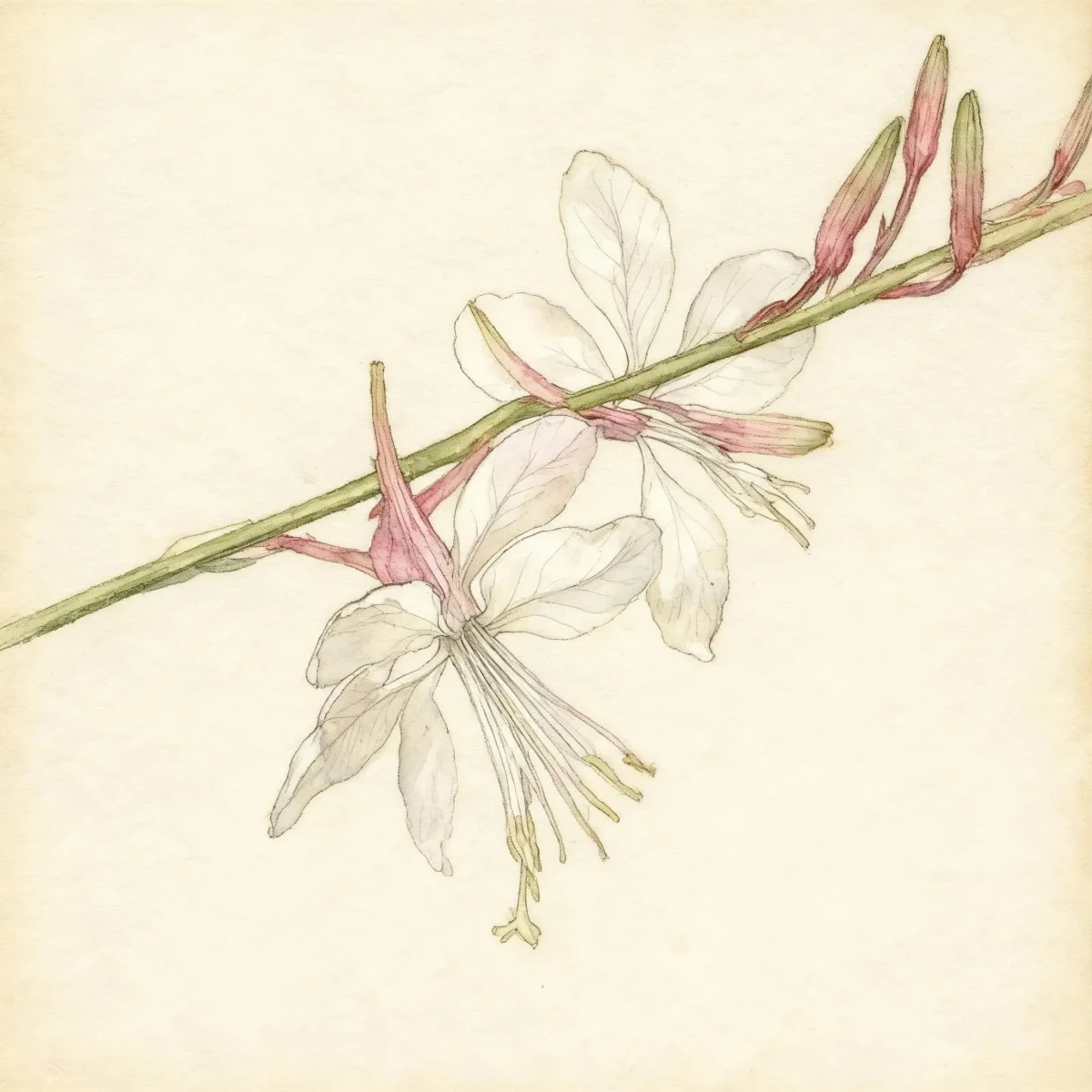
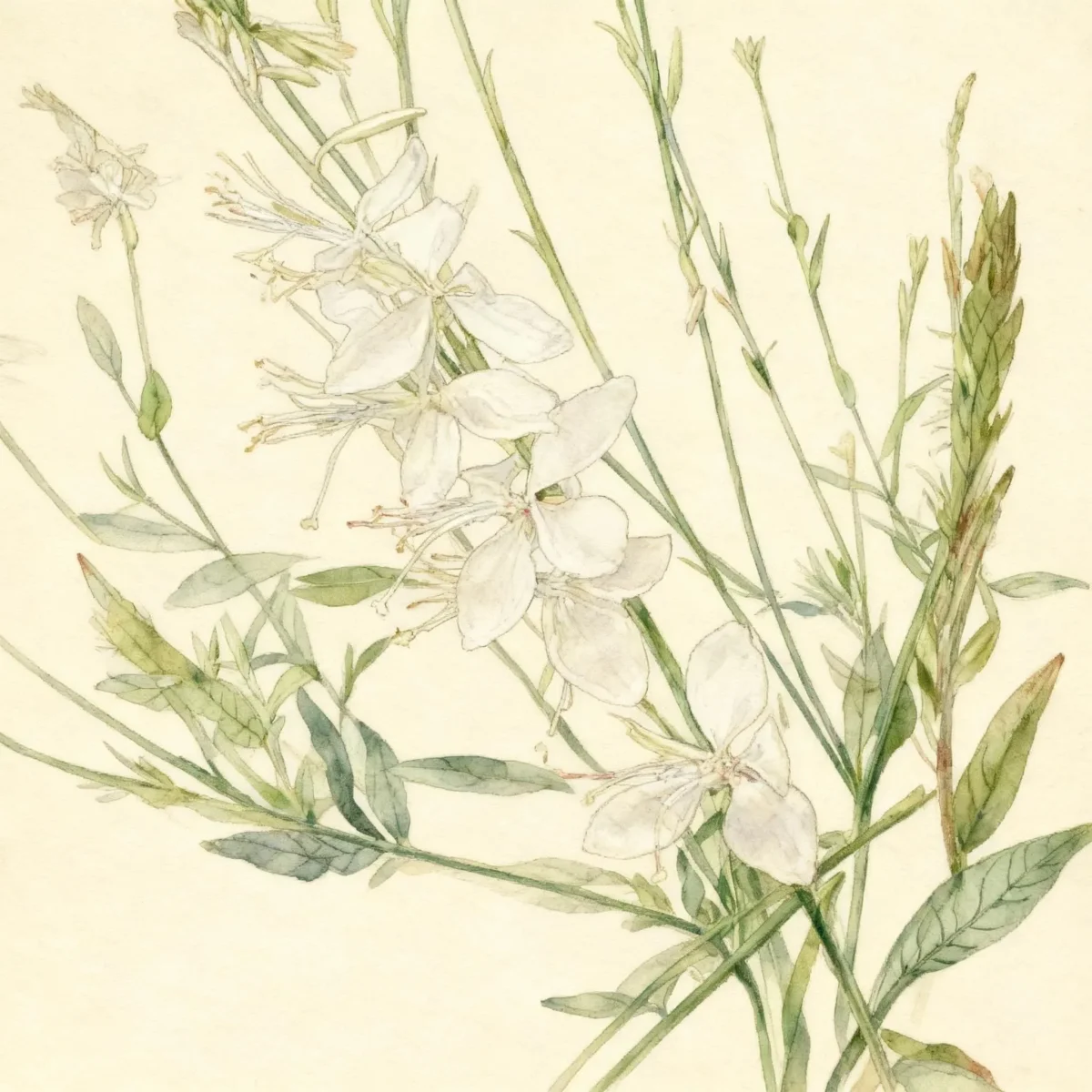
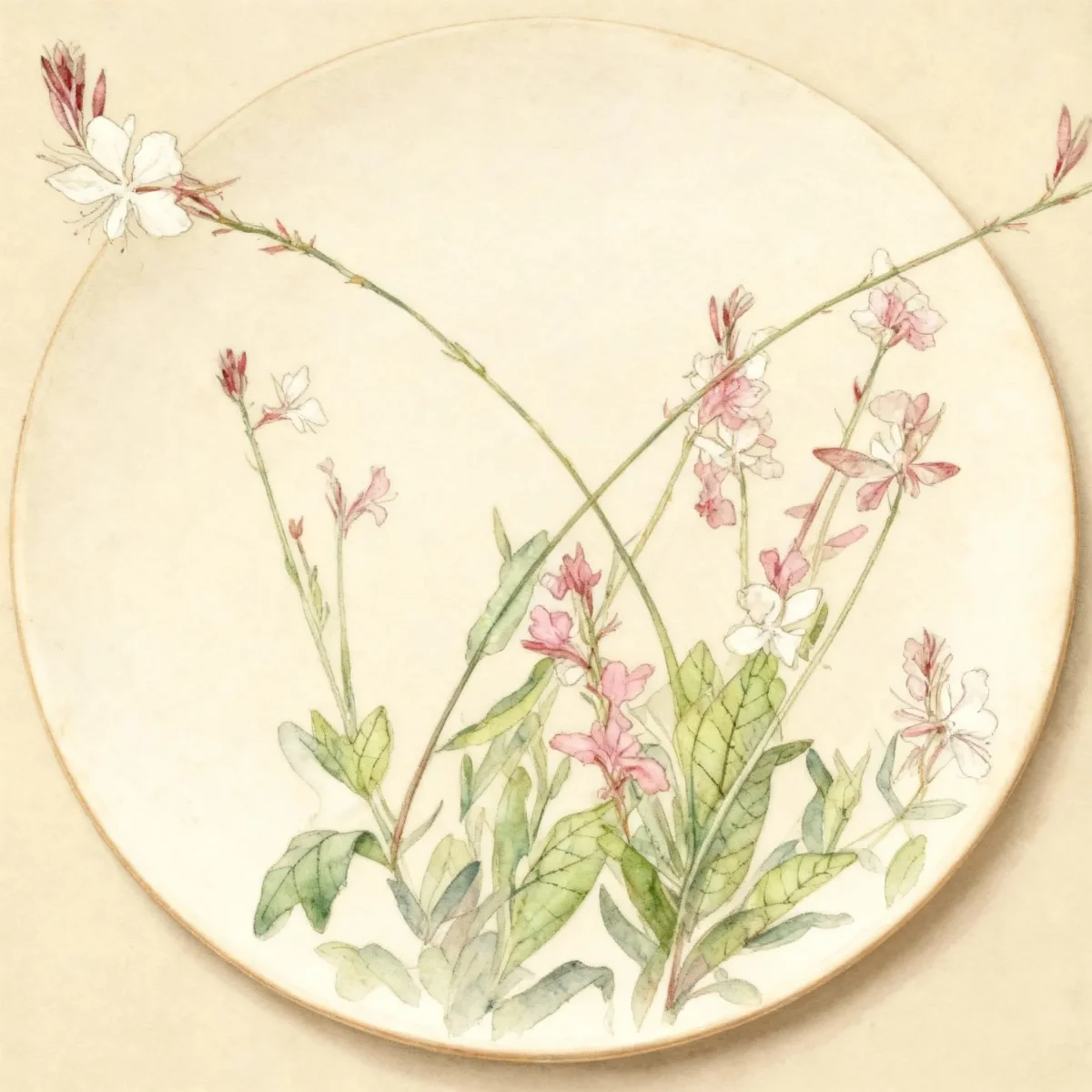
Gaura lindheimeri, commonly called gaura, is a herbaceous clump-forming perennial native to Texas and Louisiana, known for flowering stems clad with spoon-shaped leaves. Pinkish buds open to white flowers that slowly fade to pink, held aloft in open, terminal panicles where they open only a few at a time. BALLERINA BLUSH is part of the compact Ballerina Series, typically growing upright to about 24 inches tall, displaying four-petaled, blush-pink flowers that dance in the wind like butterflies.
Tolerances
- Root rot may occur in heavy and/or poorly drained soils.
- Rust and powdery mildew may also occur.
Potential Problems
The primary threat to Gaura lindheimeri ‘Baltinblus’ BALLERINA BLUSH relates to moisture management. Excessive water or planting in heavy clay soils without proper amendment can lead to root rot, a fatal diagnosis for this species. Culturally, avoid over-fertilizing, as richness encourages weak stems prone to flopping.
Monitor for common pests such as aphids, whitefly, and flea beetles, though severe infestations are uncommon in outdoor landscape settings. Fungal issues like rust and powdery mildew can appear, especially in humid conditions; good air circulation, often achieved through proper spacing, is the best preventative measure.
Frequently Asked Questions
What hardiness zones is Gaura suitable for?
Gaura lindheimeri ‘Baltinblus’ BALLERINA BLUSH is reliably hardy in USDA Zones 5 through 9.
How tall does Gaura lindheimeri ‘Baltinblus’ BALLERINA BLUSH grow?
This compact cultivar typically reaches a height between 1 and 2 feet tall, with a spread of 0.75 to 1.5 feet.
When does Gaura bloom?
This variety produces its signature blush pink flowers consistently from May through August.
What sun exposure does Gaura need?
Full sun exposure is required for optimal flowering and sturdy growth of the Gaura.
Conclusion
The Gaura lindheimeri ‘Baltinblus’ BALLERINA BLUSH offers exceptional garden value through its drought tolerance, love of full sun, and season-long display of delicate, blush-pink flowers. For a stunning yet relatively sensible perennial addition that dances beautifully in summer breezes, this Gaura is hard to beat. Always verify that your chosen planting site offers the necessary sharp drainage before planting your Gaura lindheimeri ‘Baltinblus’ BALLERINA BLUSH to ensure long-term success.
Companion Planting
Selecting companions for Gaura lindheimeri ‘Baltinblus’ BALLERINA BLUSH should prioritize plants that also thrive in hot, sunny, and well-drained conditions. Look for species with differing structural habits to enhance the airy quality of the Gaura. Plants with fine, grass-like foliage or those that offer a contrasting late-summer color, like deep purple Coneflower (Echinacea) cultivars or Russian Sage (Perovskia), complement the light stems beautifully. Avoid moisture-loving plants, as they will create an environment too damp for the Gaura’s comfort.
Pruning and Deadheading Strategy
While the Ballerina Series is generally manageable, effective pruning ensures the best presentation throughout the season. Immediately after blooming, you should remove the spent flower spikes to encourage fresh bud production, thereby prolonging the bloom period. If the plant begins to look shabby or too tall by mid-summer, a hard rejuvenation cut is possible. Cutting the entire clump back by about half in late spring controls height and promotes a denser base before the main show begins.