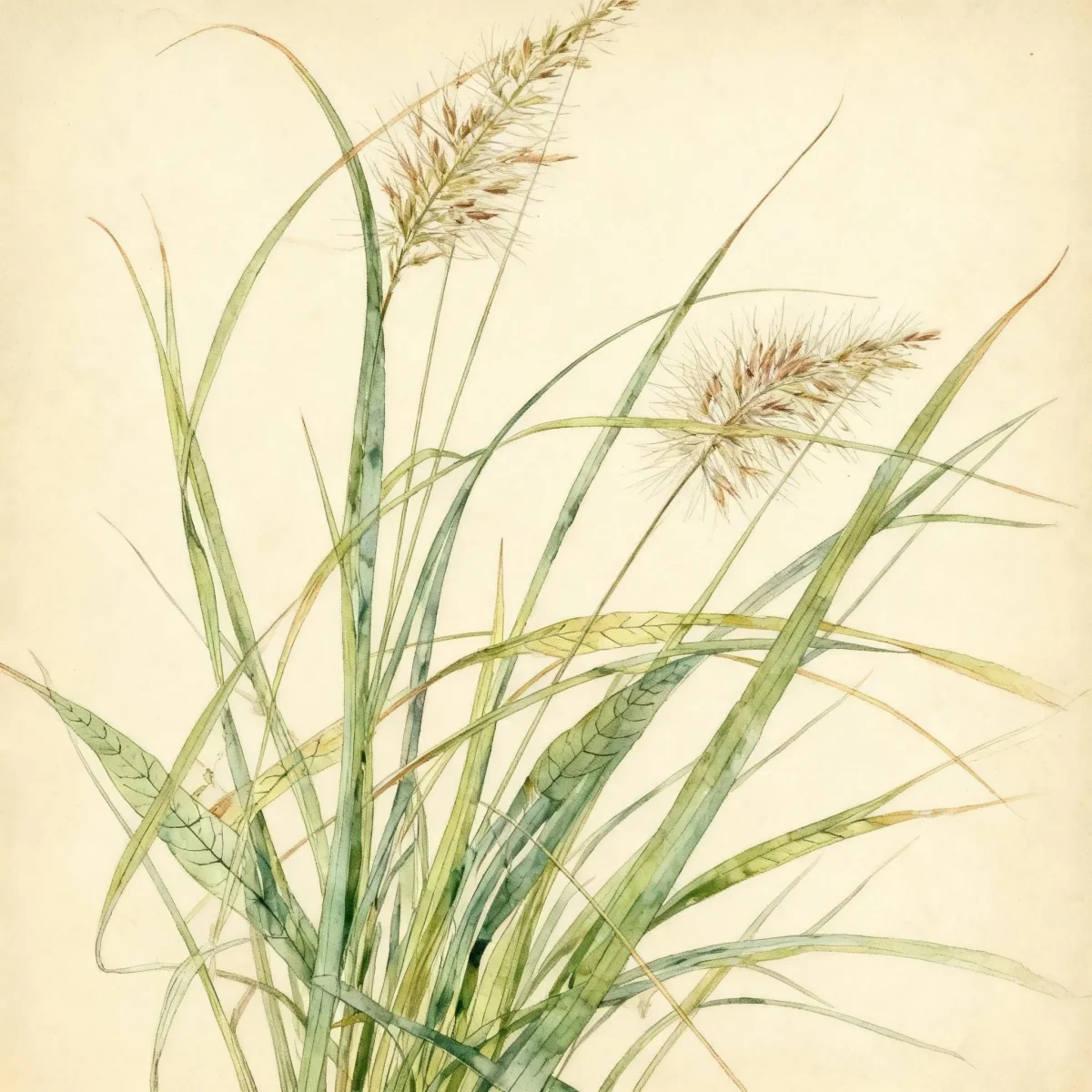
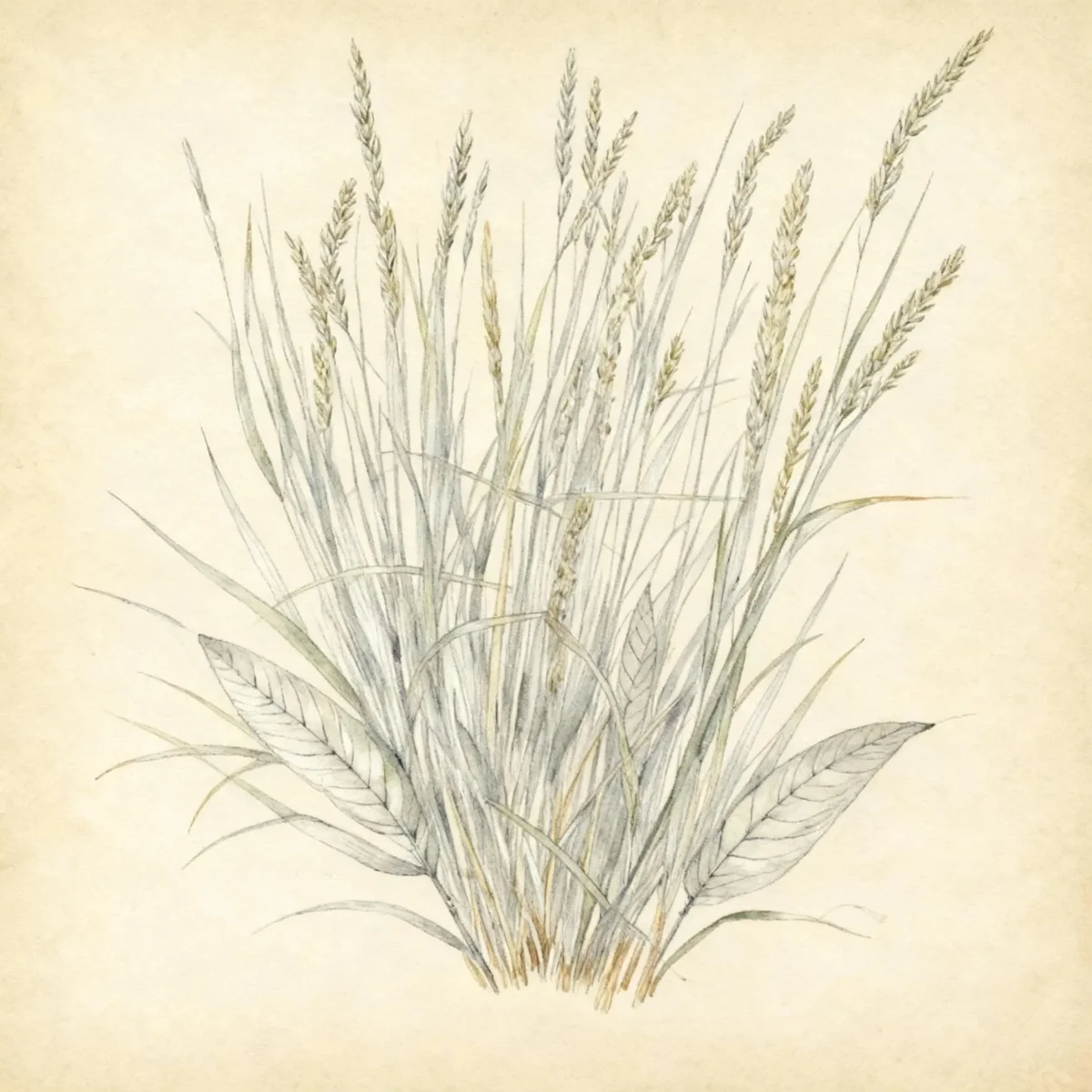
Bermuda grass (Cynodon dactylon 'Yukon')
Cynodon dactylon 'Yukon' Bermuda grass offers superior winter hardiness, forming dense, dark green turf needing full sun and medium maintenance in warm climates.
Scroll down to discover growing tips, care requirements, companion plants, and more
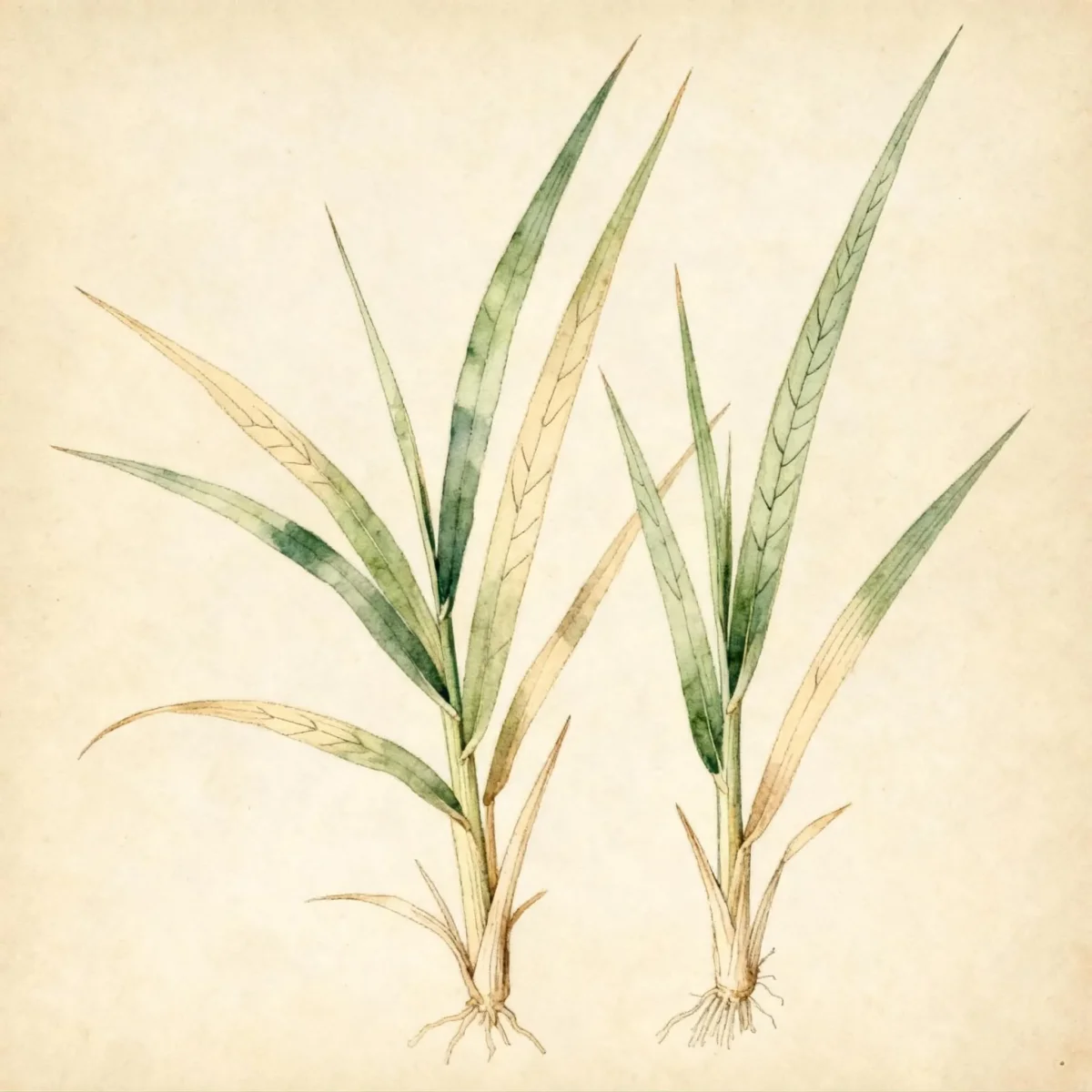
Complete Plant Information
Overview
Cynodon dactylon ‘Yukon’ is a highly valued seeded variety of Bermuda grass, specifically bred for increased resilience in cooler transition zones where standard types might suffer winter damage. This tough, warm-season grass spreads vigorously via rhizomes and stolons, rapidly forming a dense turf resilient to typical foot traffic. Gardeners appreciate this cultivar for its fine texture and dark green blades, which remain greener longer into the fall before dormancy sets in.
This specific strain, ‘Yukon’, offers improved winter hardiness compared to many other bermuda grass cultivars currently available commercially. While it generally forms a robust sod capable of excluding common weeds, its aggressive spreading nature demands careful management to prevent encroachment into flower beds or vegetable gardens. Successful cultivation of Cynodon dactylon ‘Yukon’ requires consistent full sun exposure.
For those seeking a high-performing turfgrass solution in southern regions, this variety provides an excellent balance between aggressive growth and aesthetic appeal. Proper mowing and fertilization regimes will ensure the full benefits of this improved Bermuda grass variety are realized across established lawn areas.
Fast Facts
- Plant Family: Poaceae
- Plant Type: Turfgrass
- Hardiness Zones: USDA Zones 7-10
- Size at Maturity:
- Height: 0.25-0.5 ft
- Spread: 0.25-0.5 ft
- Bloom Time: Non-flowering
- Bloom Description: Non-flowering
- Sun Exposure: Full sun
- Water Needs: Dry to medium
- Maintenance Level: Medium
How to Grow
This turfgrass thrives when established in average soils that are well-drained, prioritizing an environment that ranges from dry to medium moisture levels. The critical requirement for vibrant growth and density in Cynodon dactylon ‘Yukon’ is absolute full sun exposure throughout the day. Planting is best achieved during the warm season, allowing the grass time to establish deep roots before impending cooler weather.
Mid-season care involves regular, precise maintenance. For turf applications, mow Bermuda grass regularly, keeping the blades clipped between 3/4 inch and 1.5 inches high. Fertilize actively during the primary growth phase, typically from May through August, according to soil test recommendations.
Due to the aggressive growth habit of Cynodon dactylon, employing physical soil barriers is crucial if you wish to prevent the Bermuda grass from colonizing adjacent garden borders or planting areas. Although ‘Yukon’ has better cold tolerance, gardeners in marginal zones, such as the St. Louis area, must anticipate winter kill, especially if temperatures drop below 10 degrees F. Regular dethatching is also a necessary maintenance task for this cultivar to prevent excessive thatch buildup.
Landscape Uses
The primary and most effective use for Cynodon dactylon ‘Yukon’ is as a functional turfgrass across southern lawns where aesthetic quality must meet high durability standards. Its ability to tolerate significant foot traffic makes it an outstanding choice for high-use areas in residential settings.
Beyond standard residential lawns, this improved variety is extensively utilized across southern golf courses. It performs admirably in the fairway and tee box areas, demanding consistent playability and resilience under regular mowing pressures. Companion planting around turf areas should focus on robust, sun-loving borders that can compete with the spreading rhizomes, perhaps utilizing tough ornamental grasses or xeriscaping elements that share its drought tolerance.
When designing a landscape where Bermuda grass is desired as the main ground cover, ensure all adjacent beds are clearly demarcated. This containment strategy is key to enjoying the dense carpet of Cynodon dactylon ‘Yukon’ without having it invade areas reserved for more delicate shrubs or annuals.
Standout Features
Noteworthy Characteristics
Cynodon dactylon, commonly called Bermuda grass or wire grass, is a tough, warm season grass which spreads rapidly by both stolons and rhizomes. In optimum conditions, it will form a dense lawn which tolerates foot traffic well and excludes many common weeds. The main disadvantages of Bermuda grass as a turfgrass are that its foliage turns straw-colored from mid-fall to late spring when grass goes dormant and its highly aggressive habit results in spread into adjacent plantings. The cultivar ‘Yukon’ is specifically noted for having better winter hardiness than most bermuda grass cultivars in commerce, featuring improved performance in cooler shoulder seasons.
Tolerances
- Drought
Potential Problems
While generally robust, Bermuda grass, including the improved ‘Yukon’ variety, is not entirely maintenance-free regarding pests and diseases. White grubs represent the most common insect threat, necessitating monitoring, particularly during peak larval activity. Other insects of concern that may occasionally appear include sod webworms, armyworms, and mole crickets, alongside potential mite issues.
Disease pressure is usually low, though infrequent outbreaks of Brown Patch or Dollar Spot can occur under stressful conditions. This cultivar reportedly demonstrates good resistance to Spring Dead Spot disease, a significant advantage in cooler zones. The primary management concern remains its aggressive nature; be diligent with barriers to prevent invasive spread into garden borders, a common frustration with Cynodon dactylon.
Frequently Asked Questions
What hardiness zones is Bermuda grass suitable for?
Cynodon dactylon ‘Yukon’ is suitable for USDA Zones 7 through 10, offering better performance in the upper range of this band than many standard types.
How large does Cynodon dactylon ‘Yukon’ grow?
This creeping grass typically achieves a height between 0.25 and 0.5 feet, spreading outwards to a similar range (0.25 to 0.5 feet).
What sun exposure does Bermuda grass need?
This turfgrass cultivar requires a minimum of full sun exposure daily to maintain its dense, dark green characteristic.
When does Cynodon dactylon ‘Yukon’ bloom?
This plant is classified as non-flowering; it does not produce noticeable ornamental flowers.
Conclusion
Cynodon dactylon ‘Yukon’ provides exceptional value as a highly durable and heat-tolerant turf solution, particularly beneficial where improved winter tolerance is required within its hardiness range. Managing the aggressive growth of this Bermuda grass through proper mowing and physical barriers ensures it remains a feature turf rather than a nuisance. Before planting, verify that your location falls within USDA Zones 7-10 and that you can consistently provide the full sun this lawn grass demands.
Companion Planting
Selecting appropriate companions is crucial when installing Cynodon dactylon ‘Yukon’ as turf, primarily because effective weed suppression relies on the density of the grass itself. Avoid planting shallow-rooted perennials immediately bordering the lawn edge where the aggressive stolons can easily invade. Instead, focus on robust, woody shrubs or deep-rooted groundcovers that can withstand occasional mowing incursions or aggressive trimming.
For aesthetic appeal, consider utilizing transitional zones where the dark green carpet of the bermuda grass meets broader textured, sun-loving plants in your beds. Species that share a preference for well-drained soil and full sun, such as many drought-tolerant ornamental grasses or certain varieties of Sedum, pair well visually and culturally along the lawn periphery.
Since dormancy can lead to a straw-colored lawn from late fall until spring warming, consider planting cool-season annuals or cool-season turf (like annual rye, which is sometimes overseeded) in transition areas. These provide temporary color and cover while the Cynodon dactylon ‘Yukon’ maintains its dormant, brown appearance during the colder months.
Seasonal Care Calendar
Springtime is crucial for waking up your Cynodon dactylon ‘Yukon’ turf. Once soil temperatures consistently warm above 60°F, the grass will break dormancy, and this is the ideal time for dethatching if necessary, followed by a balanced slow-release fertilizer application. Avoid fertilizing while the grass is still brown to encourage faster green-up.
Summer is the peak demand period for mowing and watering. Adhere strictly to the recommended mowing height maintenance (3/4” to 1.5”) to encourage dense matting and weed suppression. During summer droughts, while it tolerates dry conditions, infrequent deep watering is better than frequent shallow watering to encourage deep root development for the Bermuda grass.
Fall care focuses on reducing input as growth slows. Gradually raise the mowing height slightly in late fall, and cease heavy nitrogen fertilization by early autumn to prepare the turf for winter dormancy. Monitor for late-season pest activity before temperatures drop significantly.