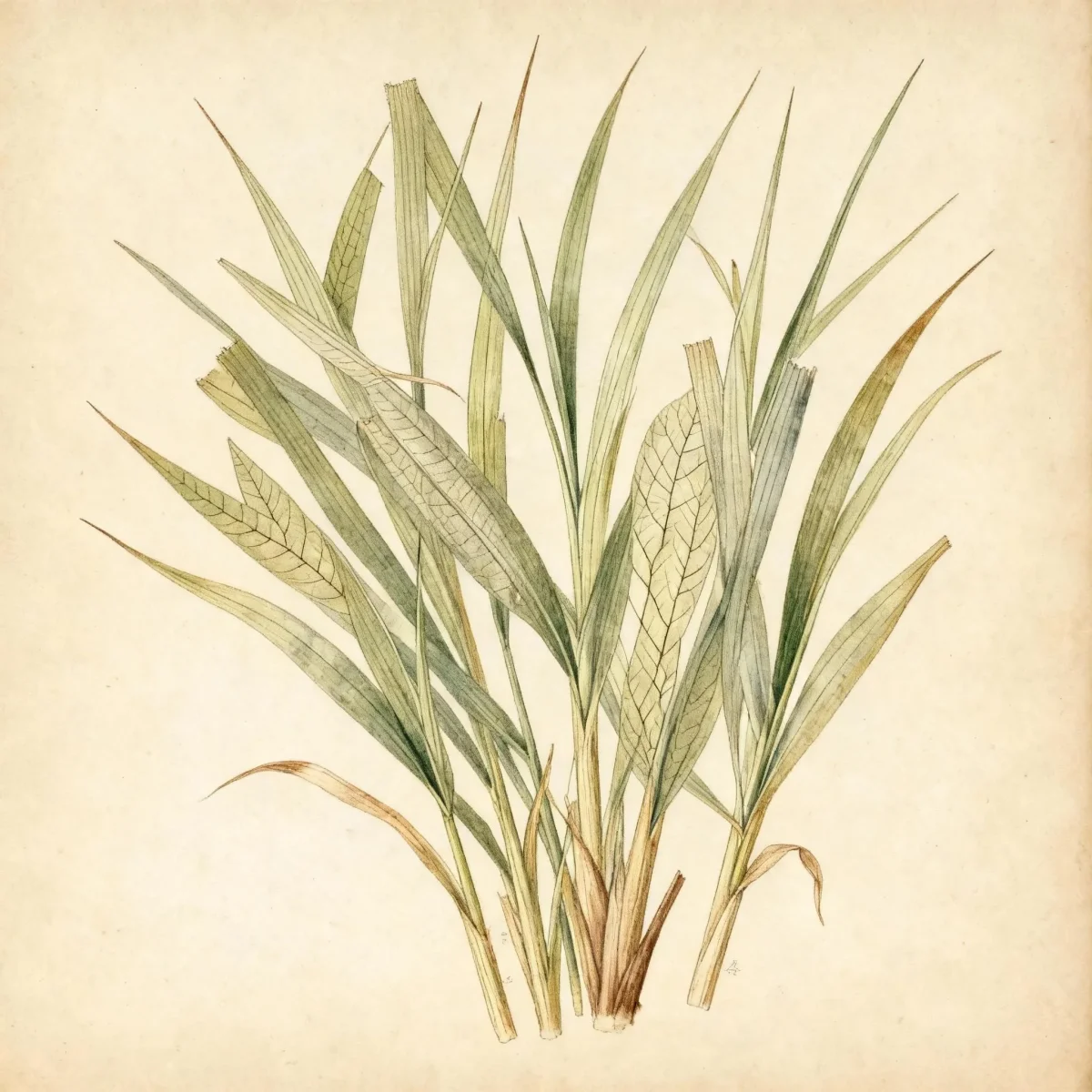
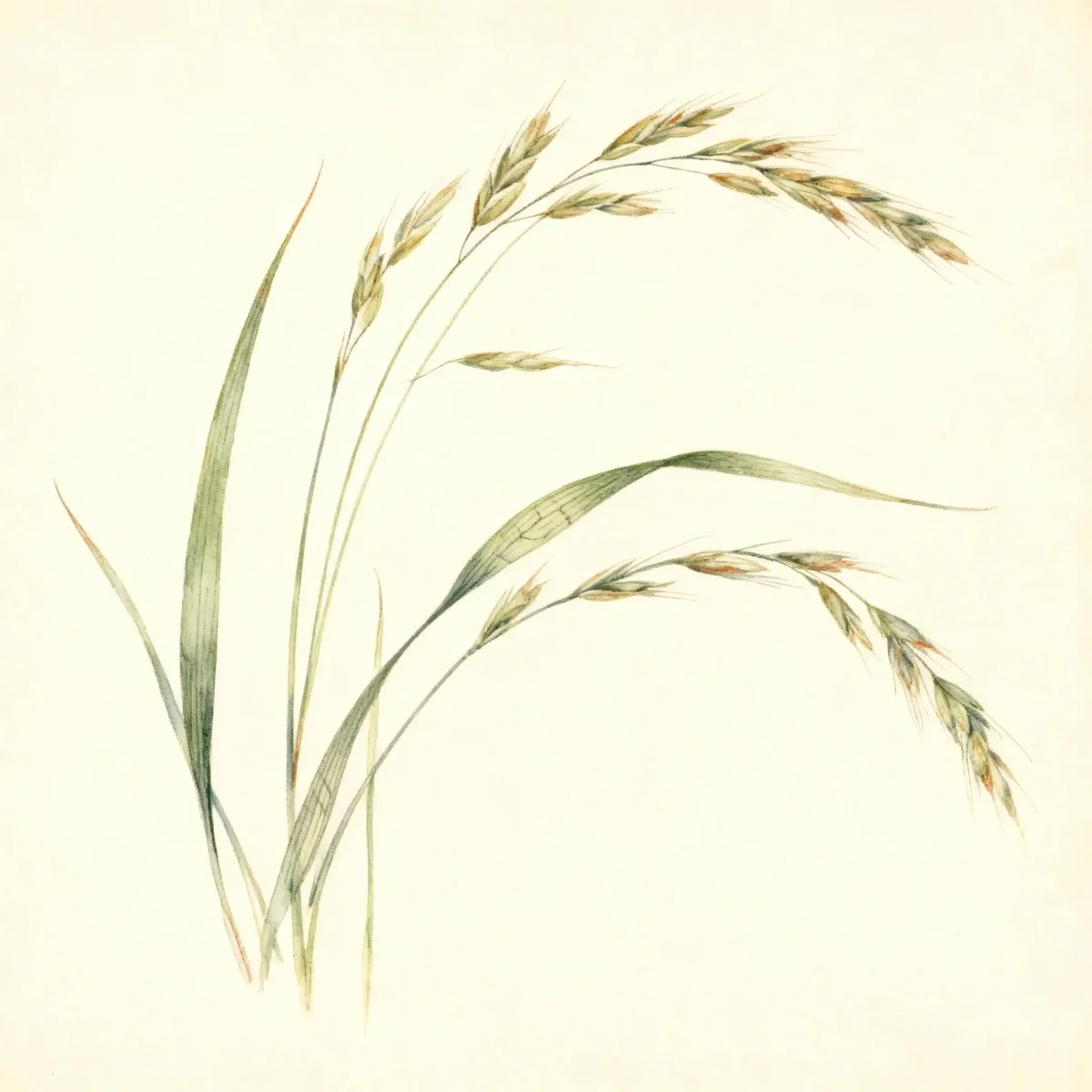
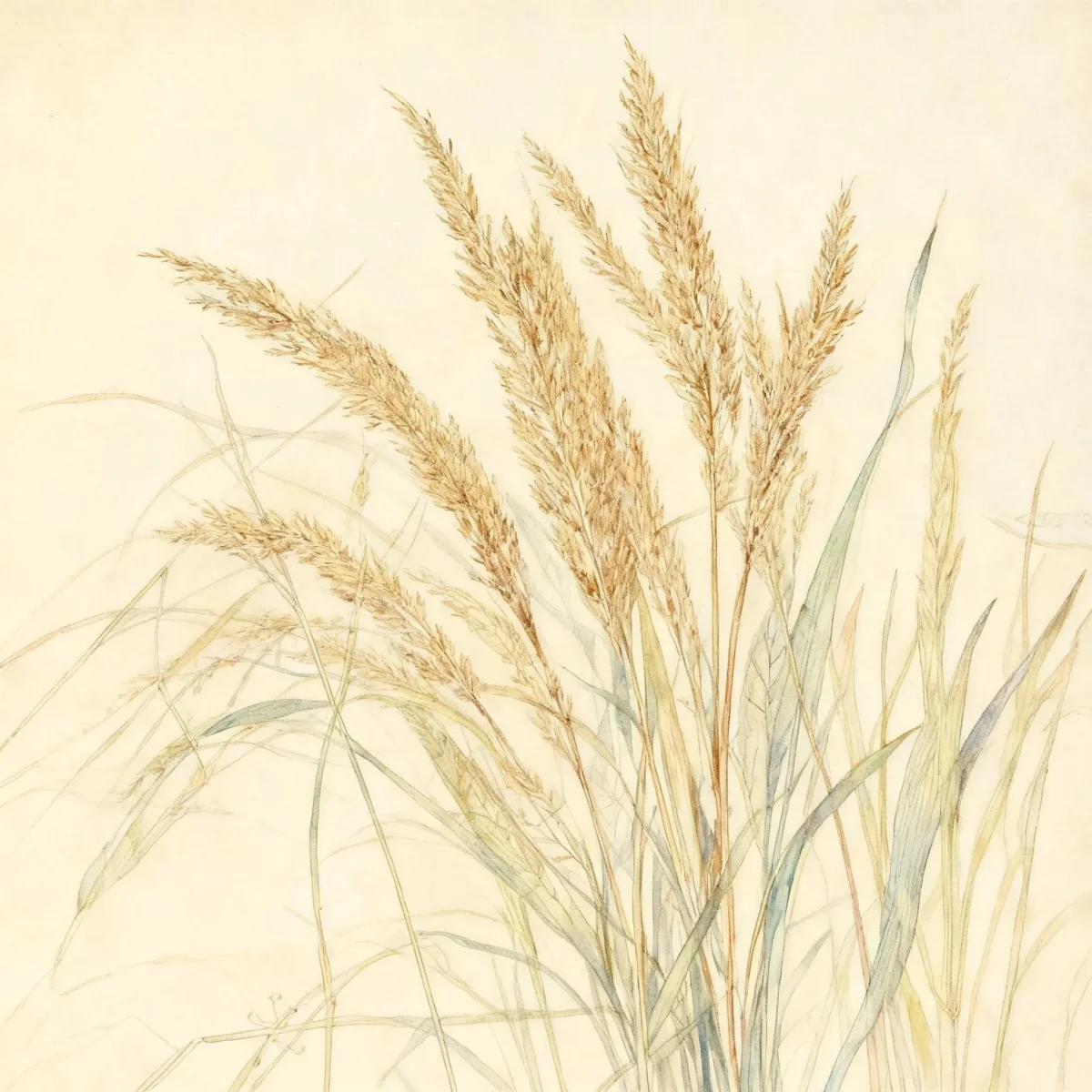
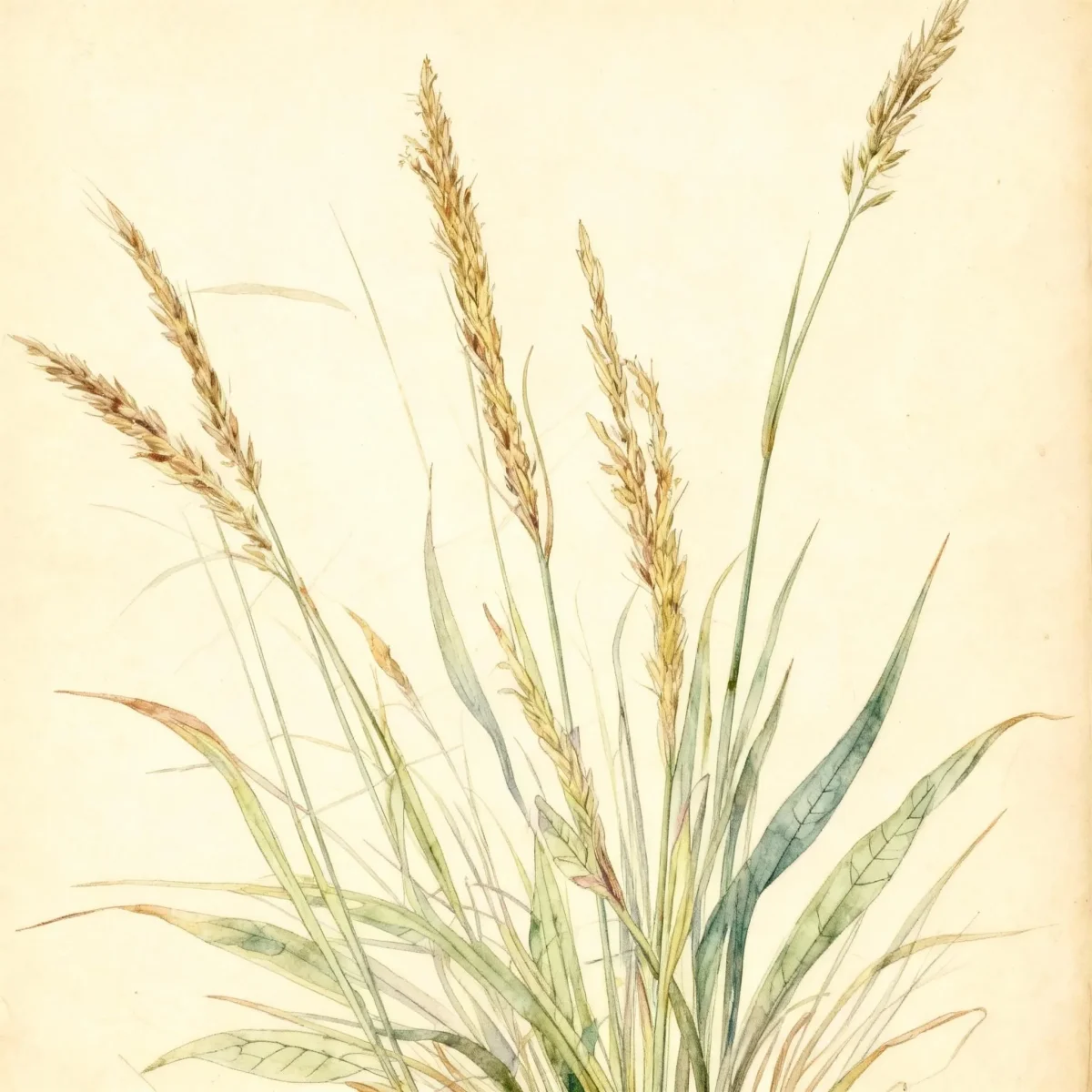
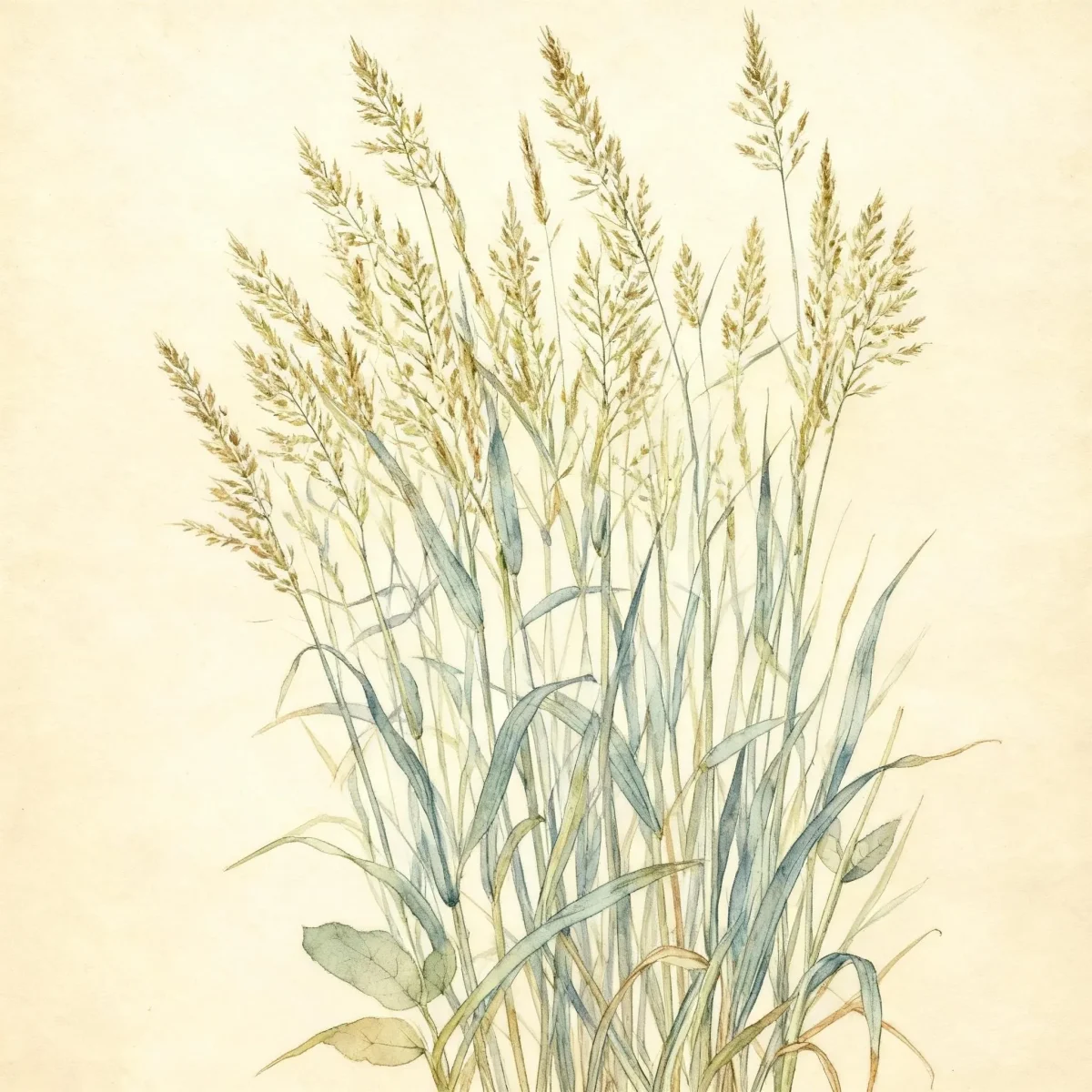
Zoysia grass (Zoysia japonica 'Compadre')
Zoysia japonica 'Compadre' features dense, durable Zoysia grass adaptable to heat & drought. Medium maintenance turf for US Zones 5-10.
Scroll down to discover growing tips, care requirements, companion plants, and more
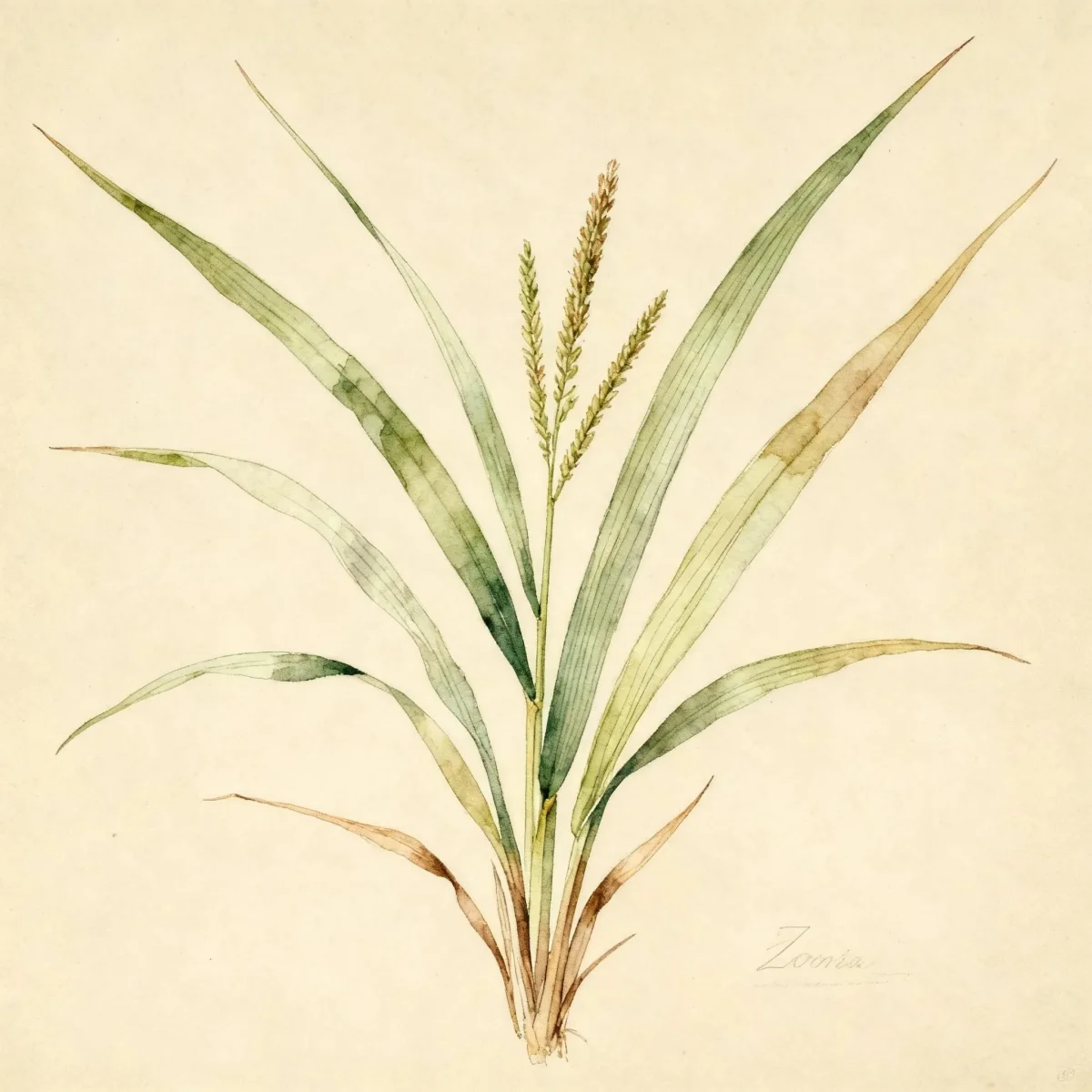
Complete Plant Information
Overview
Zoysia japonica ‘Compadre’ is a highly regarded warm-season turfgrass valued for its resilience and ability to form a dense, attractive lawn. As a form of Zoysia grass, this cultivar spreads vigorously via above-ground stolons and underground rhizomes, creating a thick turf highly resistant to foot traffic. Gardeners appreciate this grass for its excellent tolerance to summer heat and drought conditions once established.
This cultivar offers a good green color throughout the active growing season, though it enters dormancy and turns straw-colored during colder periods. Zoysia japonica ‘Compadre’ requires moderate attention, fitting well into landscapes where durability is paramount, such as in high-traffic residential areas or commercial properties.
Ultimately, selecting Zoysia grass provides a tough, reliable groundcover. Properly managed, Zoysia japonica ‘Compadre’ establishes into a durable, weed-resistant lawn that requires regular mowing but less intensive watering than some other turf varieties.
Fast Facts
- Plant Family: Poaceae
- Plant Type: Turfgrass
- Hardiness Zones: USDA Zones 5-10
- Size at Maturity:
- Height: 0.25-0.5 ft
- Spread: 0.25-0.5 ft
- Bloom Time: Non-flowering
- Bloom Description: Non-flowering
- Sun Exposure: Full sun
- Water Needs: Dry to medium
- Maintenance Level: Medium
How to Grow
Establishment of Zoysia japonica ‘Compadre’ is best attempted in the mid to late spring when soil temperatures are consistently warm. This grass thrives in average, well-drained soils that receive full sun, though it can handle some light shade, which will result in a thinner turf density. Planting methods include sod for immediate results, or sprigs and plugs for slower, more cost-effective lawn establishment.
Care for this Zoysia grass involves moderate fertilization during the primary growing period, generally from May through July. Regular mowing is essential; maintain the height between 1 and 2 inches to encourage the best performance from Zoysia japonica ‘Compadre’. While established turf is drought-tolerant, supplemental irrigation is necessary during prolonged dry spells to maintain green color.
Be aware that this grass exhibits excellent cold tolerance in its zones but will go dormant after the first fall frost, resulting in a tan or brown winter appearance. In colder regions, ensure plantings are established with ample time before winter dormancy sets in. Consult local extension resources for specific establishment guidelines tailored to your region.
Landscape Uses
Zoysia japonica ‘Compadre’ excels in environments demanding high durability and low maintenance once established. Because it spreads effectively via rhizomes and stolons, it creates a cohesive surface perfect for turfgrass applications. This makes it an ideal choice for areas subject to heavy foot traffic.
Recommended applications include creating resilient lawns in residential yards, establishing playing surfaces on golf courses, and use on sports fields where wear and tear is significant. Furthermore, its drought tolerance makes Zoysia japonica ‘Compadre’ suitable for roadside plantings and commercial landscapes where maintenance access might be limited. Its consistent density helps suppress weed intrusion compared to less vigorous grass types.
Standout Features
Noteworthy Characteristics
Zoysia japonica, commonly just called zoysia is a warm season turfgrass that spreads by stolons and rhizomes to form a dense lawn or grassy area. Advantages include durability, resistance to weeds, tolerance of drought and summer heat, ease of mowing and good green color during the growing season. Disadvantages include straw-colored appearance from mid-fall to mid-spring (goes dormant in cold weather), slow rate of spread, tendency to spread into adjacent property and inclination to produce heavy thatch. Blades may technically grow to 9” long, but are typically mowed to 1-2” tall.Genus name honors Karl von Zoys (1756-1800), Austrian botanist.Specific epithet means of Japan.‘Compadre’ (synonymous with and formerly known as ‘Companion’) can be planted by seed. It is of intermediate growth habit. It grows well in the Midwest transition area of which St. Louis is a part.
Tolerances
- Drought
- Erosion
Potential Problems
Zoysia japonica ‘Compadre’ generally resists serious insect or disease issues, contributing to its low overall management profile. However, gardeners should remain vigilant for white grubs, which represent the most common insect pest affecting Zoysia grass lawns. Infrequent disease problems, such as Brown Patch and Dollar Spot, can occasionally occur, particularly under stressed conditions or periods of high humidity. Proper cultural practices, including appropriate fertilization and watering schedules, are the best defense against these infrequent issues.
Frequently Asked Questions
What hardiness zones is Zoysia grass suitable for?
Zoysia japonica ‘Compadre’ is suitable for USDA Hardiness Zones 5 through 10.
How large does Zoysia grass grow?
This turfgrass typically reaches a mature height between 0.25 and 0.5 feet, with a comparable spread of 0.25 to 0.5 feet.
What sun exposure does Zoysia japonica ‘Compadre’ need?
This cultivar requires full sun to establish and maintain its best density, although it tolerates slightly less light.
When does Zoysia grass bloom?
Zoysia japonica ‘Compadre’ is non-flowering.
Conclusion
For a tough, heat-tolerant lawn, Zoysia grass, specifically Zoysia japonica ‘Compadre’, offers exceptional durability and weed resistance. While it requires moderate attention, its resilience in high-traffic areas makes it a smart investment for many landscapes. Before planting, confirm that your site falls within USDA Zones 5-10 and plan your installation for the late spring window to maximize establishment success.
Seasonal Care Calendar
Managing Zoysia japonica ‘Compadre’ successfully hinges on timing cultural inputs with its warm-season growth cycle. During the spring transition out of dormancy, resist the urge to fertilize immediately; wait until the grass has fully greened up. This signals the start of its active growth phase when moderate feeding will encourage dense turf formation.
Summer is the peak performance time for this Zoysia grass. Focus on consistent, deep watering when rainfall is scarce, but allow the soil to dry slightly between irrigation events to encourage deep rooting, leveraging its drought tolerance. Continue regular mowing, adhering strictly to the 1” to 2” height range to maintain turf quality.
As autumn approaches, taper off nitrogen fertilization to prepare the lawn for winter dormancy. Avoid heavy fertilization late in the fall, which can promote tender growth susceptible to early frost damage causing the straw-colored appearance during winter months. Prepare for the tan phase by ensuring the lawn is mowed to its appropriate height before seasonal cold truly sets in.
Propagation Tips
While sod provides instant results, establishing Zoysia japonica ‘Compadre’ vegetatively via sprigs or plugs is a common and effective method, best performed in the late spring warmth. Ensure the soil is thoroughly prepared prior to putting plugs or sprigs in the ground, as this intermediate-growth cultivar spreads steadily but not rapidly. Some cultivars of this desirable Zoysia grass variety can also be successfully established directly from seed, offering another excellent path to a durable lawn.